Artwork
The Virgin and Child with two Angels
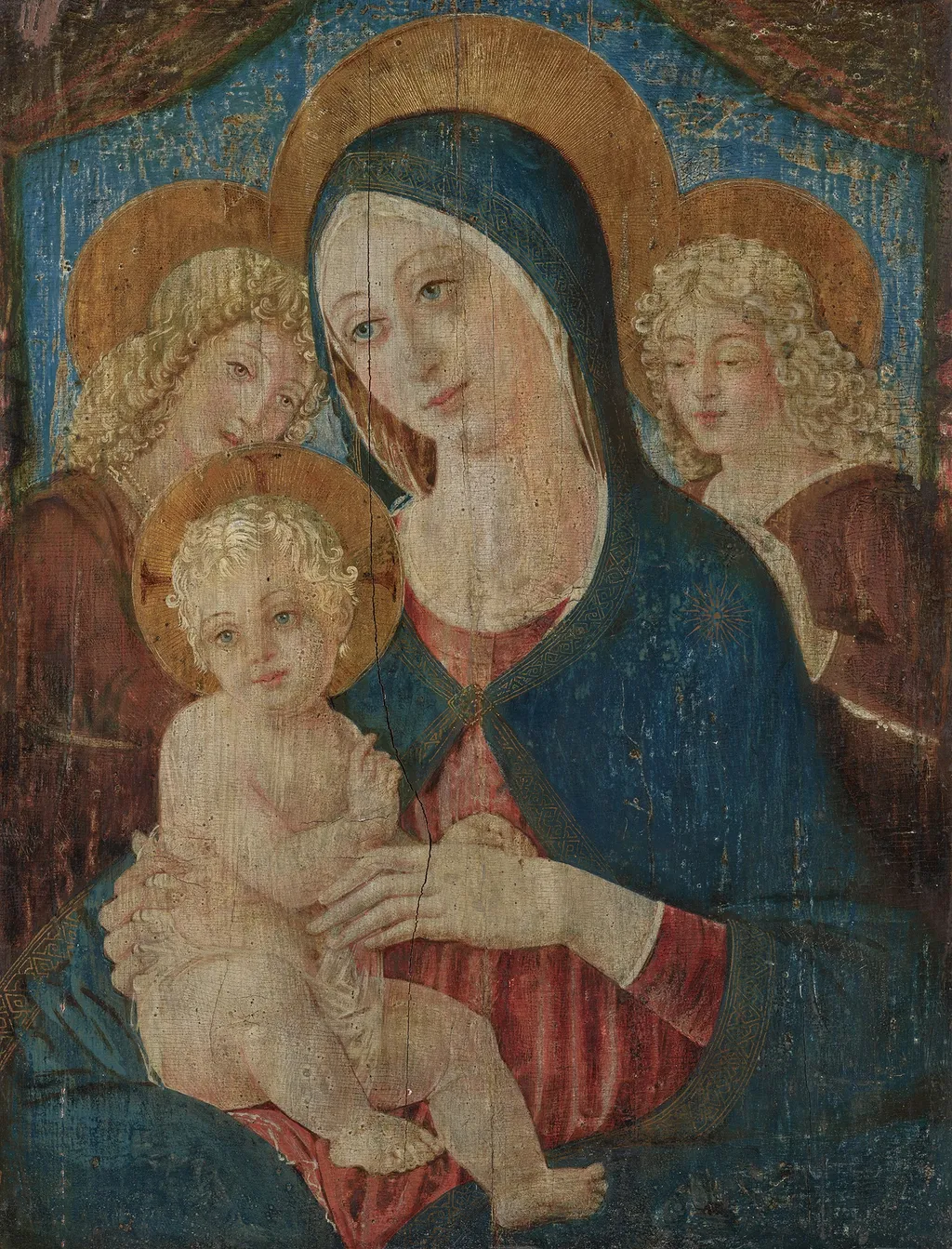
The Virgin and Child with two Angels is a paint painting by Giacomo Pacchiarotti. It dates from 1517 and is held in the collection of the Gemäldegalerie Berlin.
About this work
Overview
Created around 1517, this painted panel by Giacomo Pacchiarotti presents a devotional scene of the Virgin Mary with the infant Christ and two attendant angels. The work is part of the collection of the Gemäldegalerie in Berlin and exemplifies early‑16th‑century religious imagery.
Subject & Meaning
Mary is shown in a flowing blue mantle, a red sash cinching her waist, cradling the serene infant Jesus on her lap. Flanking her are two youthful angels, each crowned with a golden halo, their gestures suggesting reverence and protection. The composition underscores the theological emphasis on the divine motherhood and the celestial guardianship surrounding the Christ child.
Technique & Style
Executed in oil on panel, the painting displays a muted palette dominated by deep blues and subdued reds. The figures are rendered with soft modeling, while the background features a dark blue field punctuated by faint, star‑like specks, creating a subtle heavenly atmosphere. Signs of age, such as faded pigments and minor surface scratches, attest to its long history.
History & Provenance
The artwork has been attributed to Pacchiarotti, an Italian painter active in the early 1500s, based on stylistic analysis and archival references. It entered the Gemäldegalerie Berlin's holdings in the 20th century, though earlier ownership records remain sparse.
Context
During the period of its creation, depictions of the Virgin and Child accompanied by angels were common in devotional art, reflecting both personal piety and the broader Renaissance interest in harmonious composition and gentle human emotion. Pacchiarotti's treatment aligns with contemporary Italian approaches while retaining a distinctive calmness in the figures' expressions.
Artist & collection

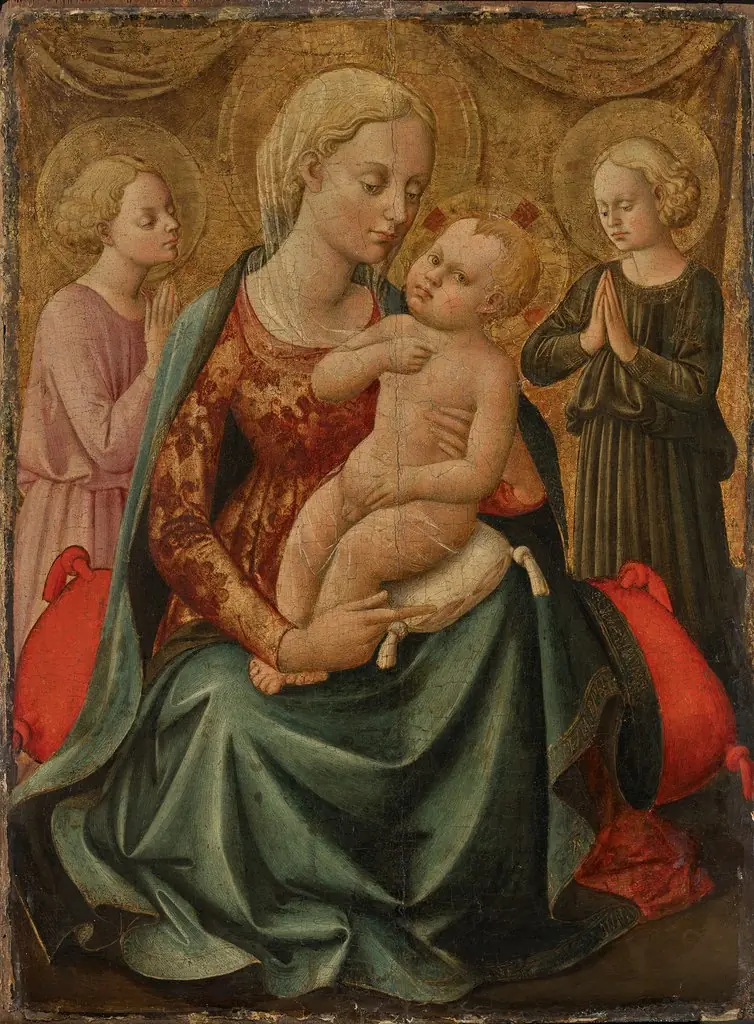 Madonna and Child
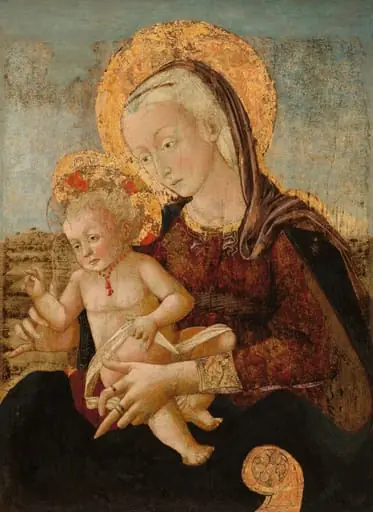 Madonna and Child
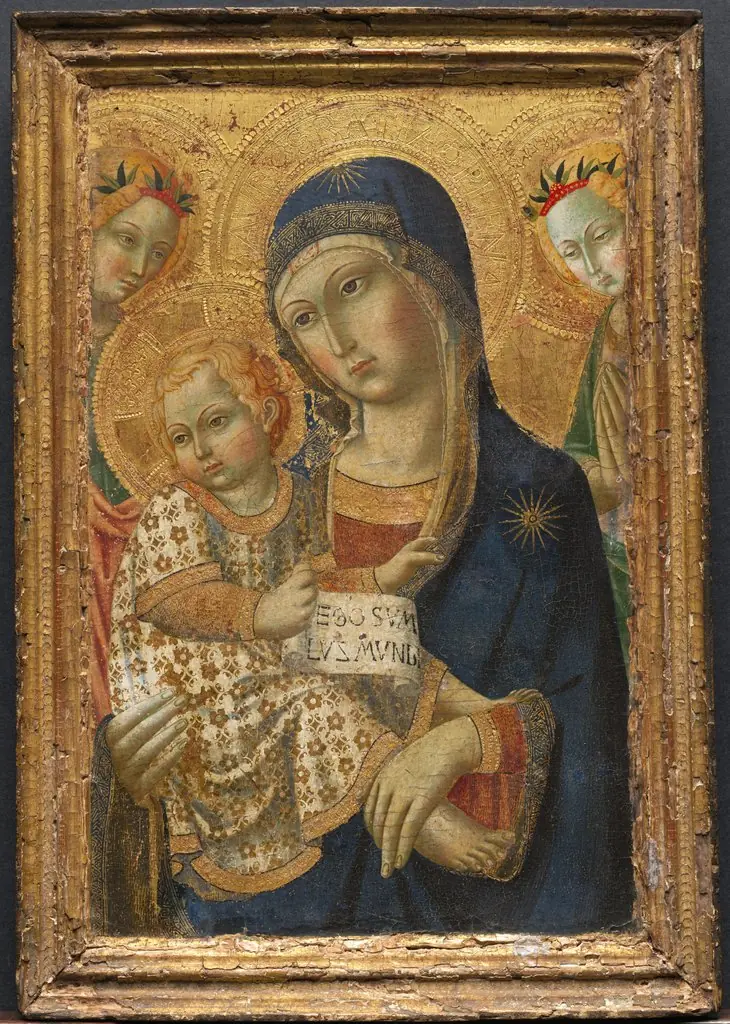 Virgin and Child Enthroned
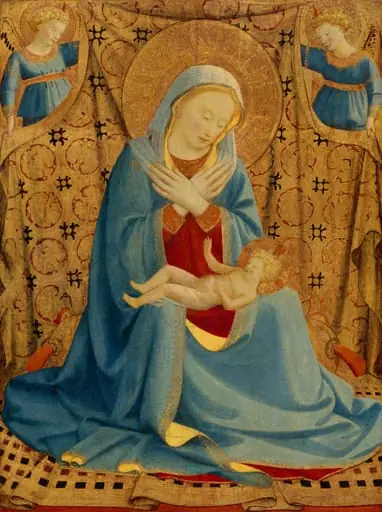 The Madonna of Humility
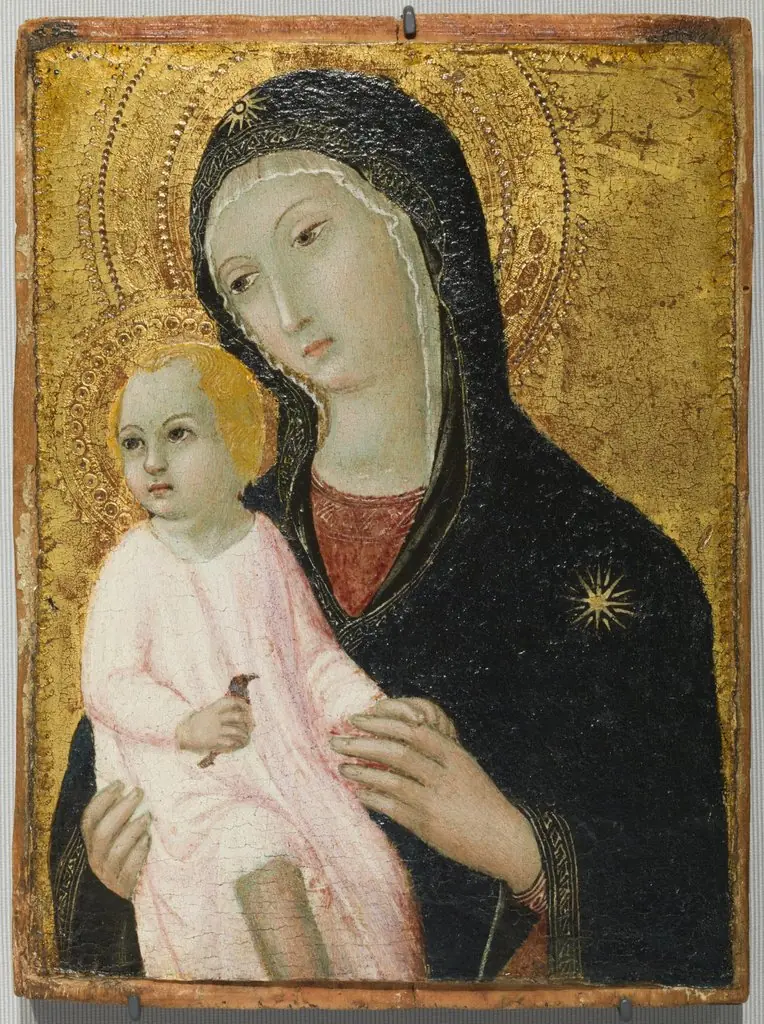 Madonna and Child
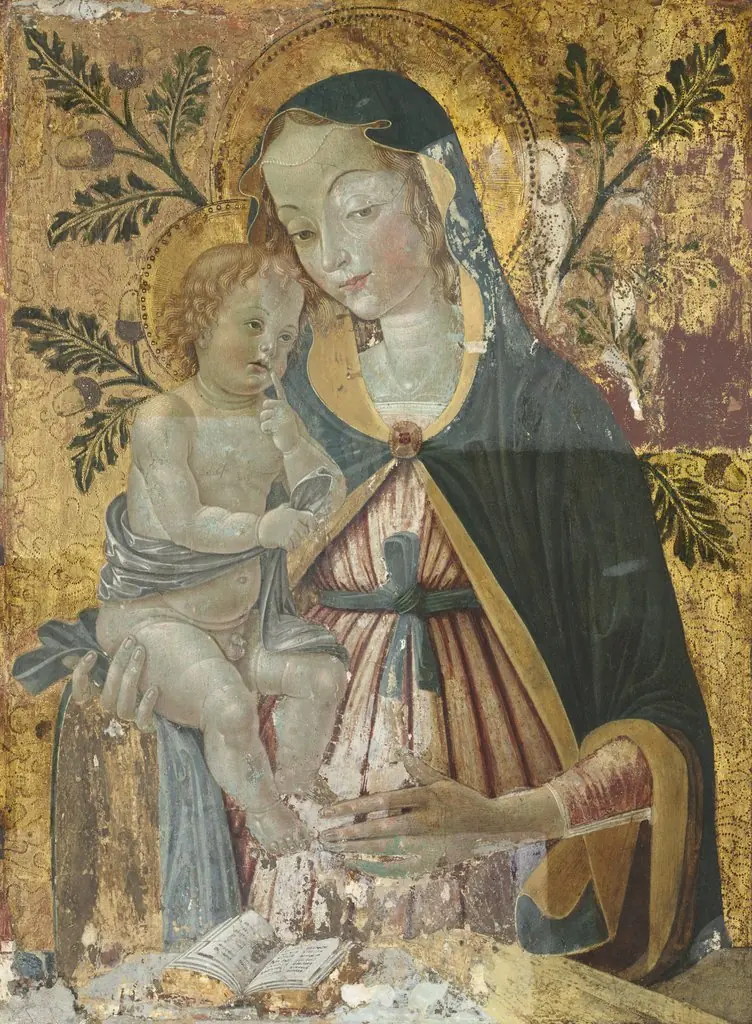 Virgin and Child
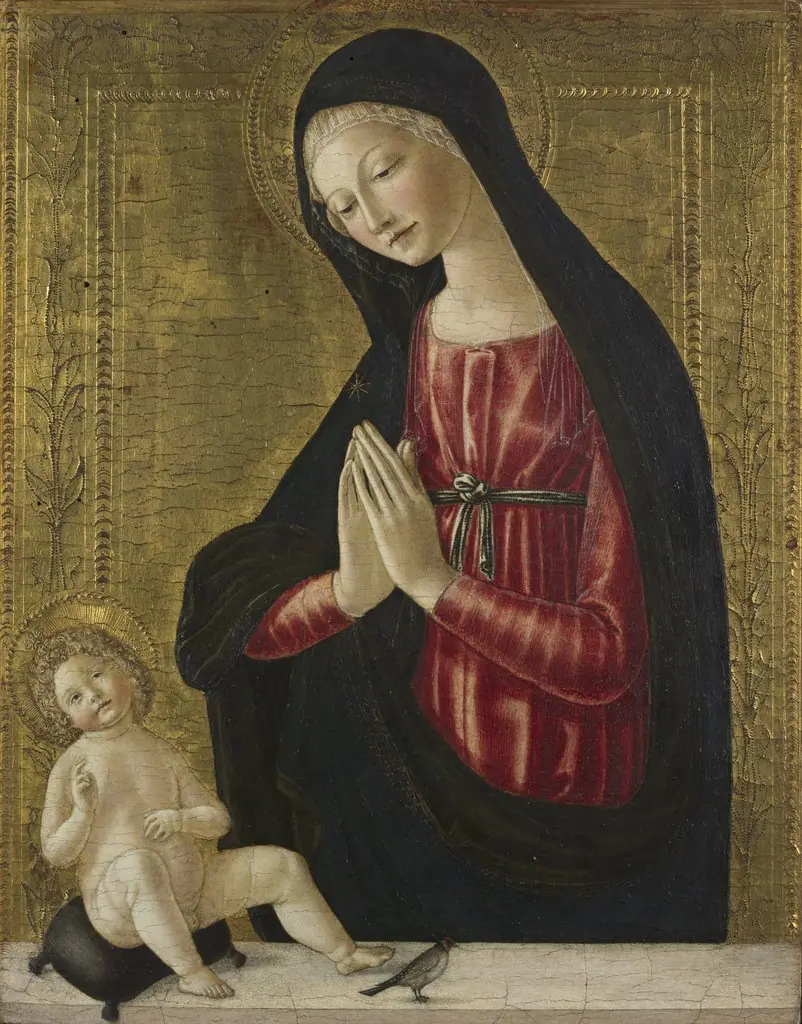 Virgin and Child with a Goldfinch
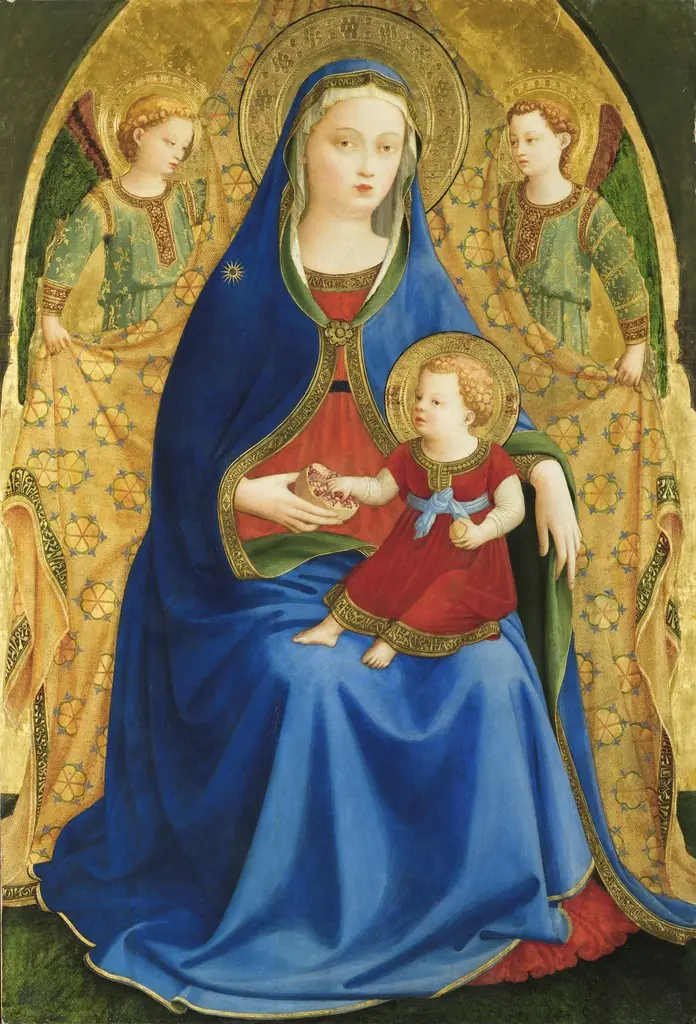 Madonna of the Pomegranate
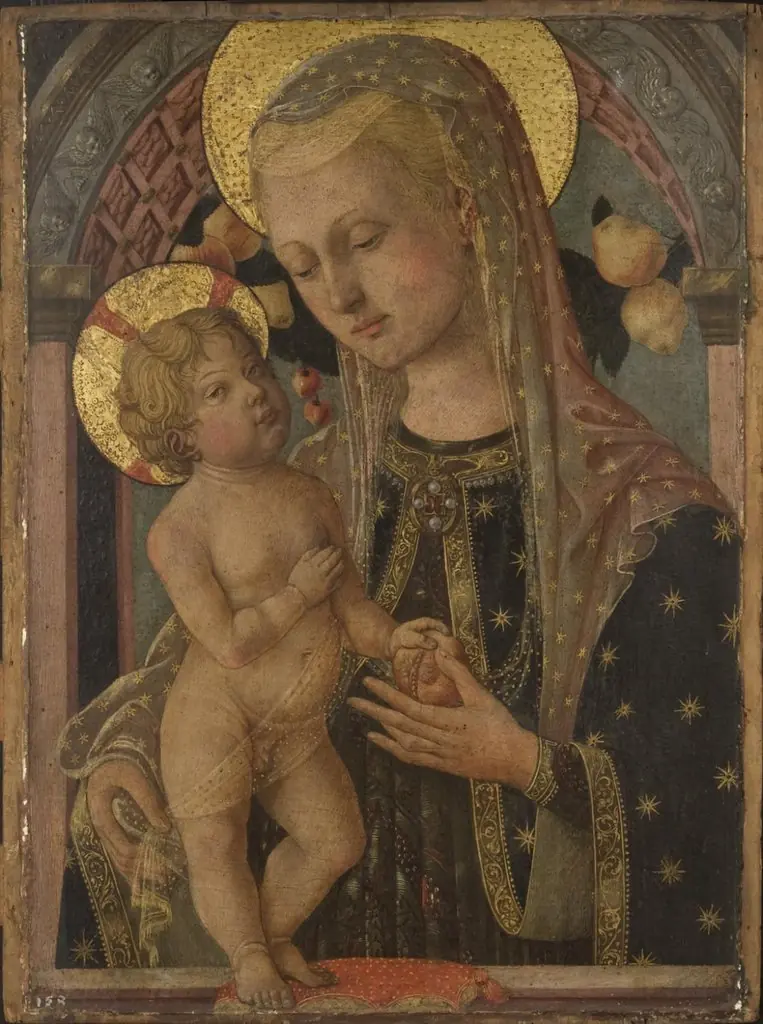 Virgin and Child with a Pomegranate
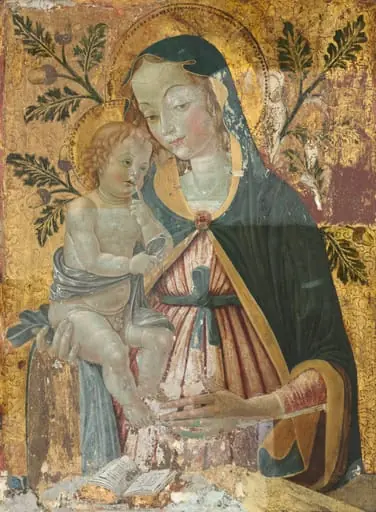 Virgin and Child
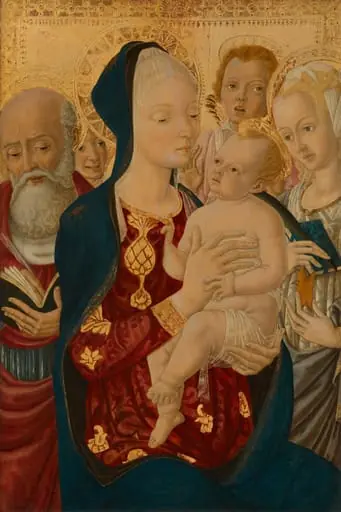 Madonna and Child with Saint Jerome, Saint Catherine of Alexandria, and Angels
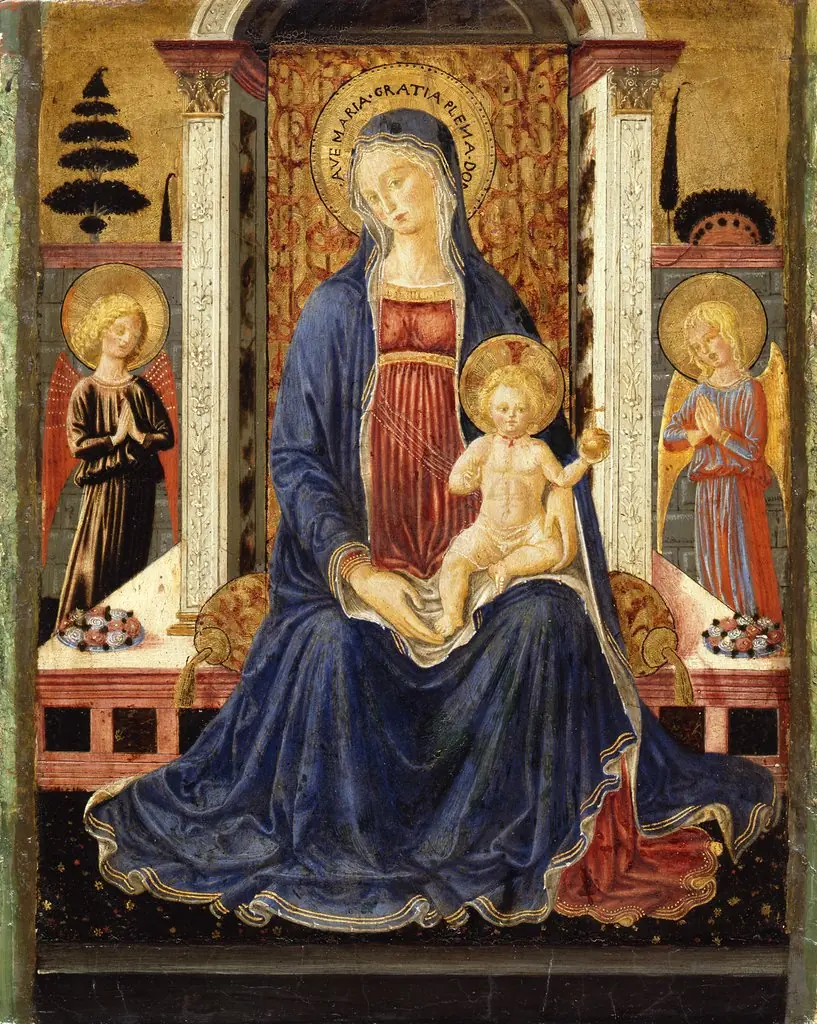 The Virgin and Child enthroned with two angels