Artwork
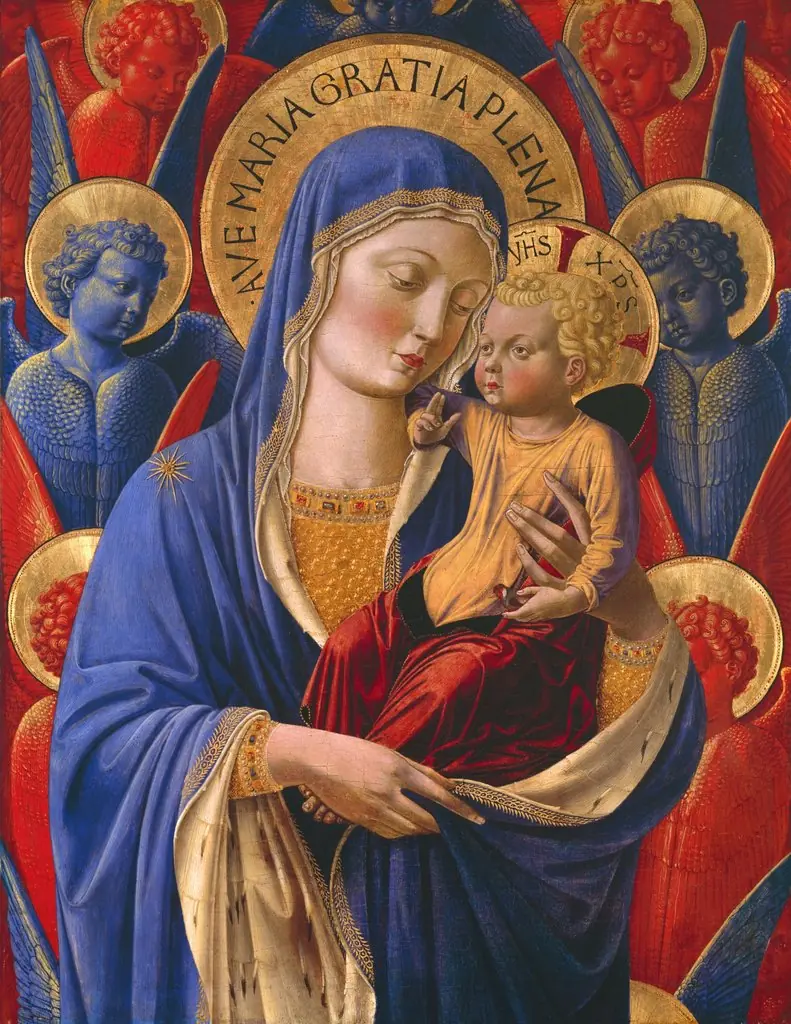
The Virgin and Child enthroned with two angels
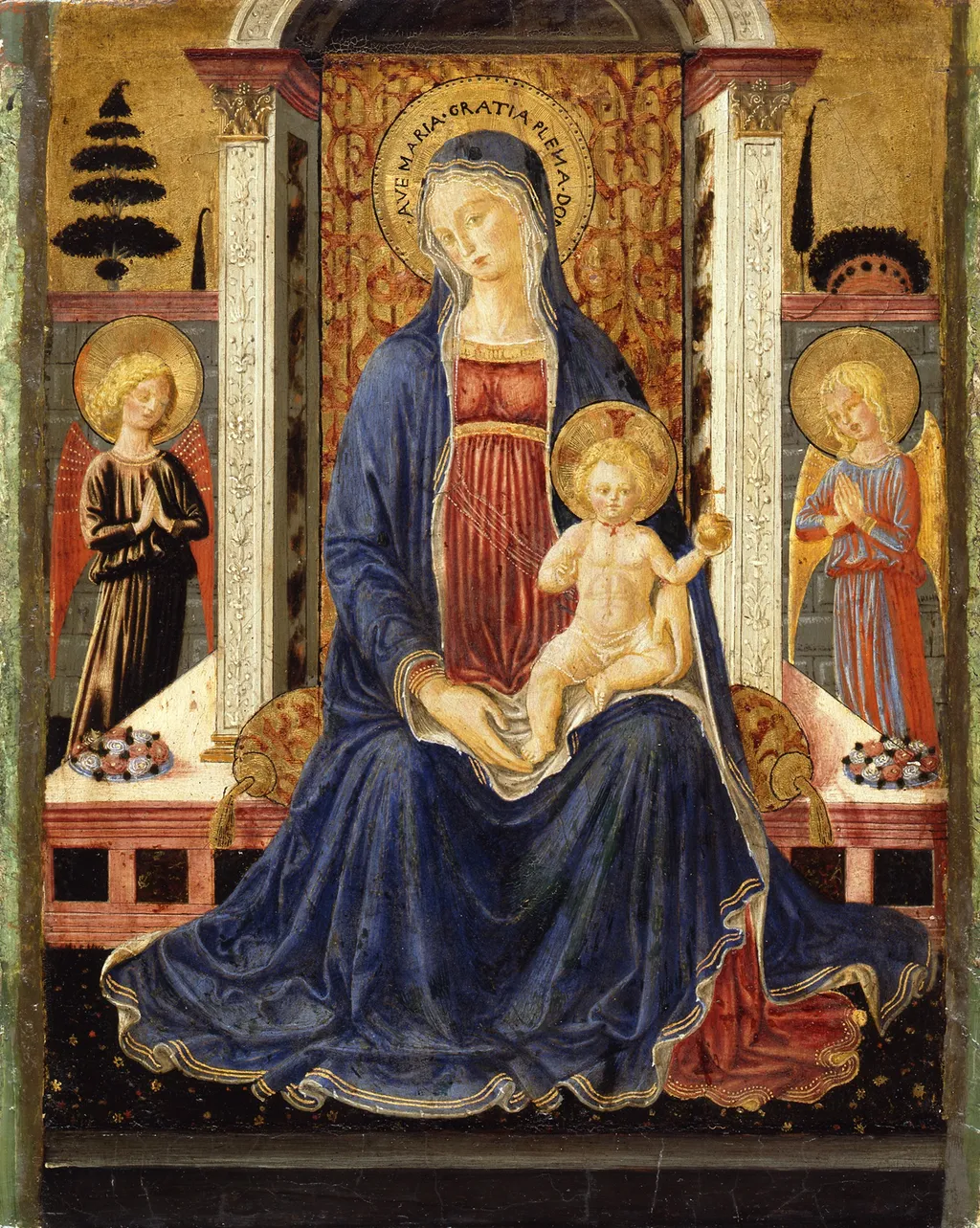
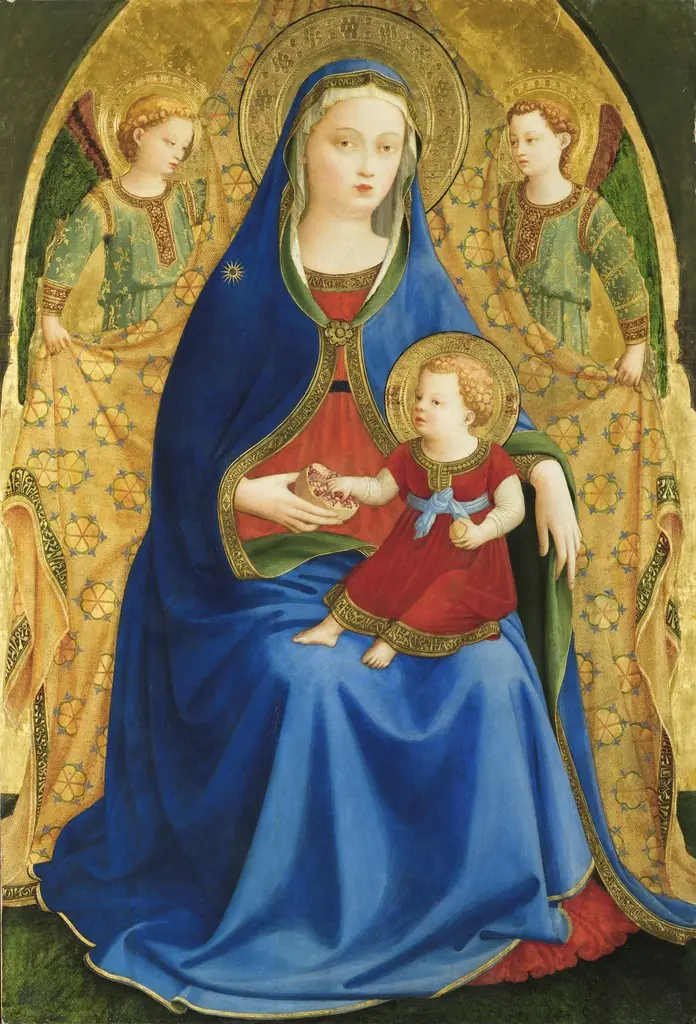
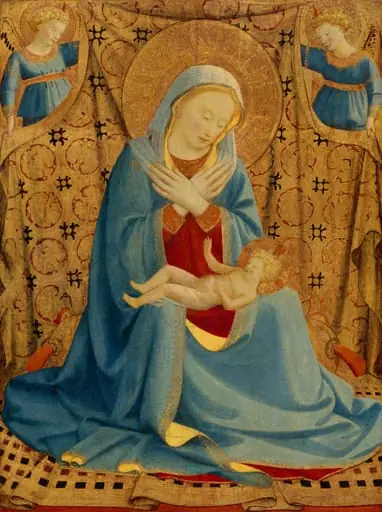
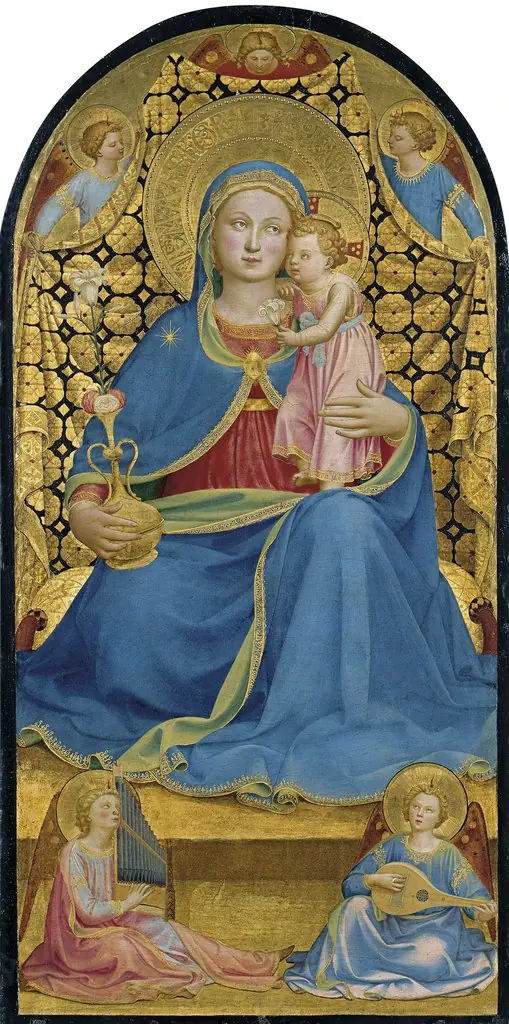
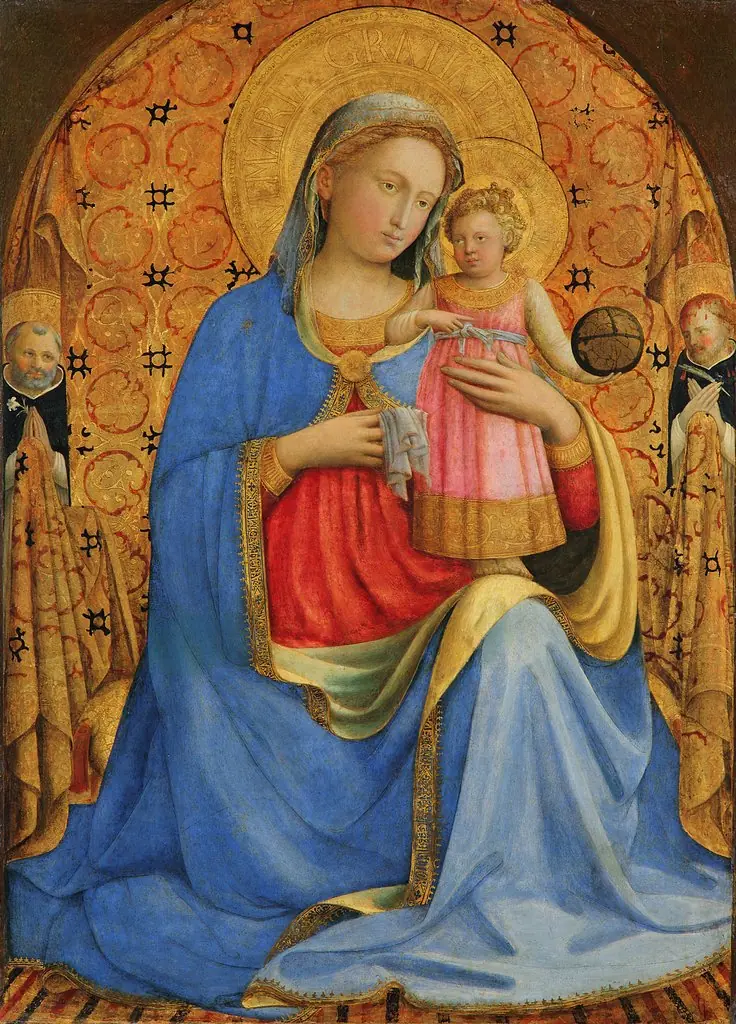
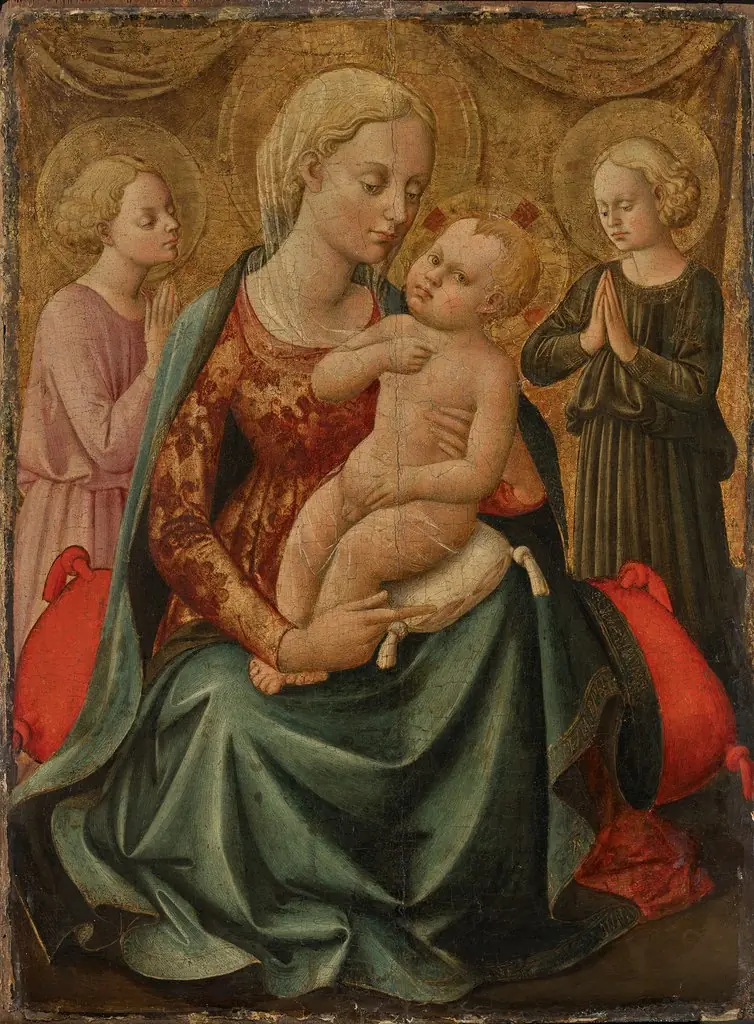
The Virgin and Child enthroned with two angels is a paint painting by Bartolomeo Caporali. It dates from 1452 and is held in the collection of the Gemäldegalerie Berlin.
About this work
Overview
The Virgin and Child enthroned with two angels is a 1452 painting by Bartolomeo Caporali, an early Renaissance artist based in Perugia. Executed in the Umbrian tradition, it showcases Caporali's synthesis of early influences and regional stylistic developments.
Subject & Meaning
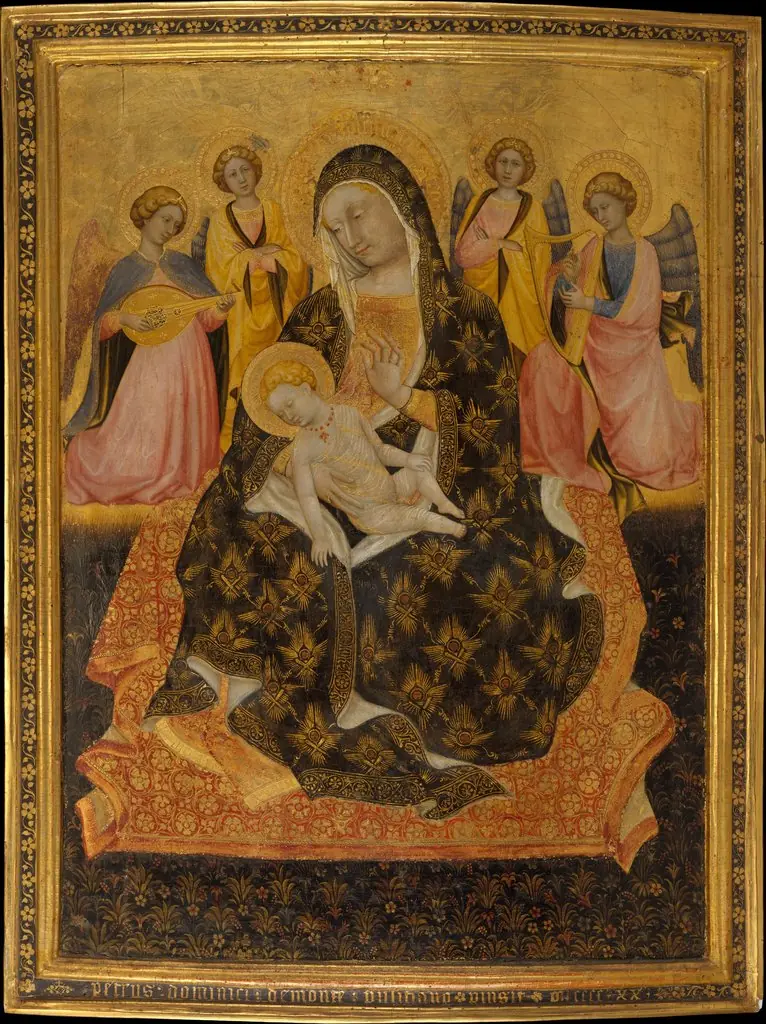
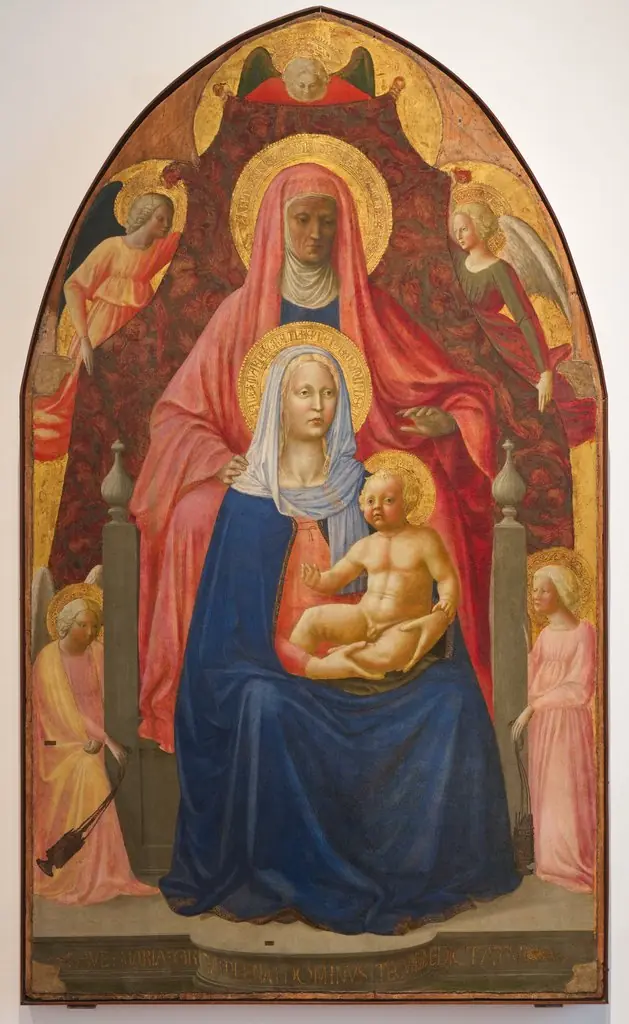
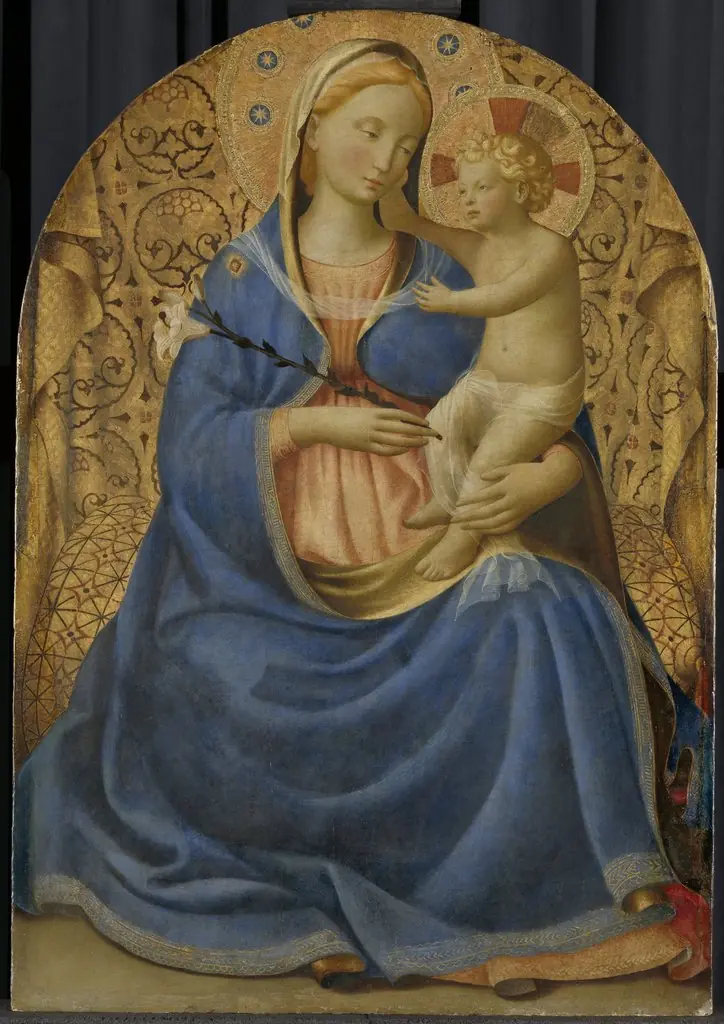
This religious painting depicts a serene scene of the Virgin Mary seated on a throne, holding the Christ Child. Flanked by two praying angels, the composition conveys reverence through the use of gold halos around the Virgin and Child, emphasizing their sacred nature.
Technique & Style
Caporali's attention to detail is evident in the intricately rendered clothing of the Virgin (blue robe over a red dress) and the nuanced background, which features a patterned wall, doorway, and window to create depth. The style reflects Umbrian traditions, with influences from mentors like Gozzoli and Boccati.
History & Provenance
Created in 1452, the painting is now part of the collection at the Gemäldegalerie Berlin.
Context
As an early Renaissance work from Perugia, it situates Caporali within the broader Umbrian artistic movement of the time, highlighting the blend of traditional and emerging stylistic elements.
Legacy
While specific lasting impacts of *The Virgin and Child enthroned with two angels* on subsequent art are not broadly documented, it remains a characteristic example of early Renaissance Umbrian painting, offering insights into the artistic practices of 15th-century Perugia.
Artist & collection
Artist
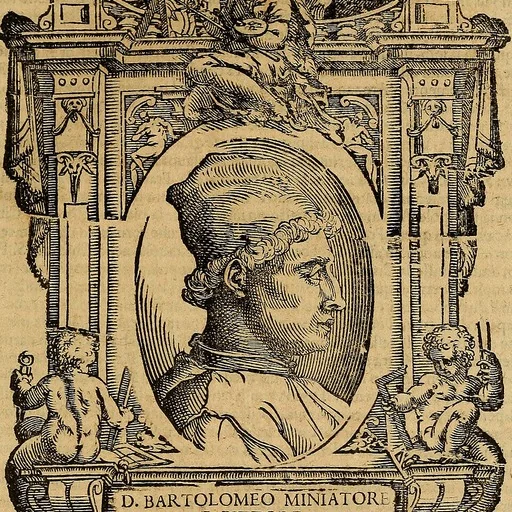
Bartolomeo (di Segnolo) Caporali (Perugia, c. 1420 – Perugia, c. 1503–1505) was an Italian painter and miniaturist in Perugia, Umbria during the early Renaissance period. His style was influenced by Umbrian artists…