Artwork
Selbstbildnis
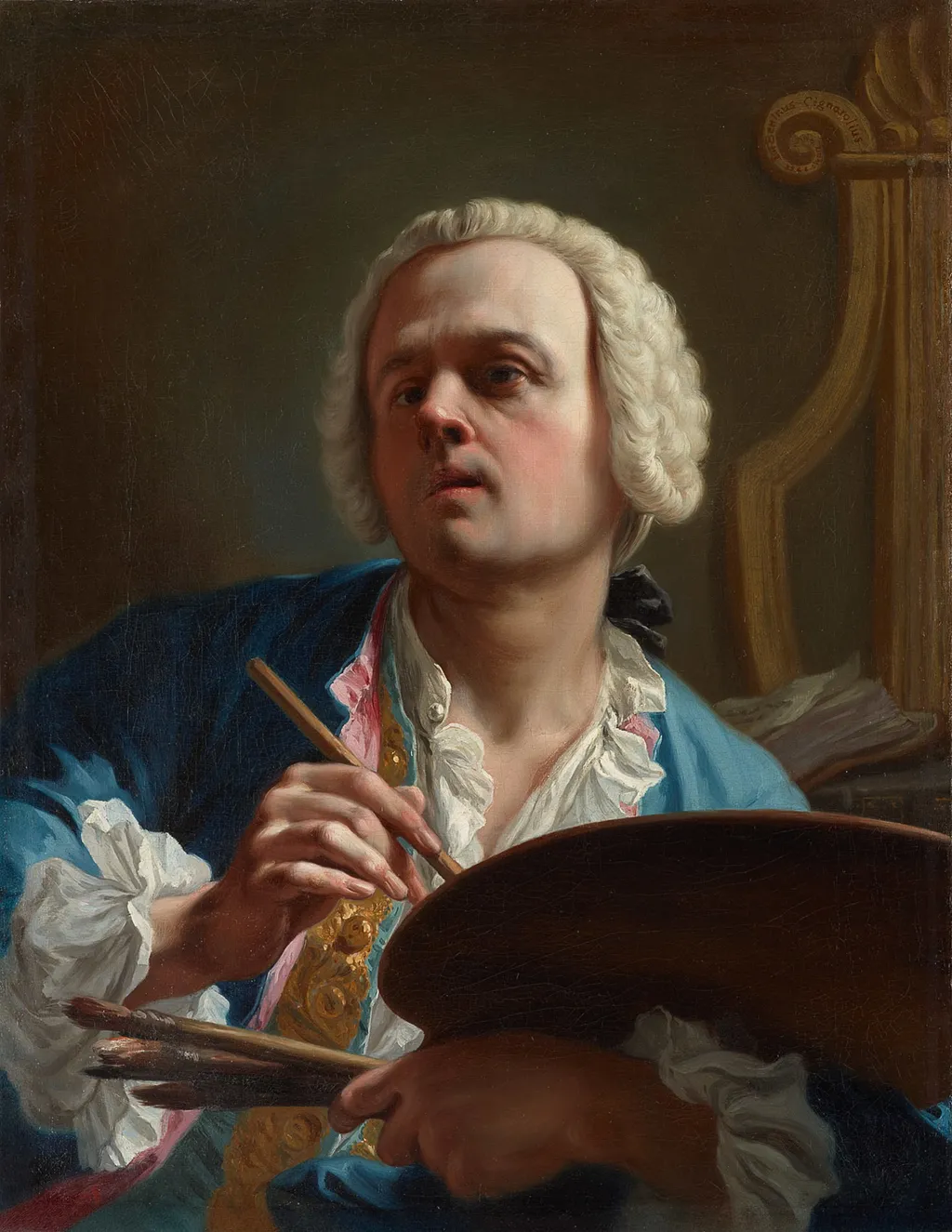
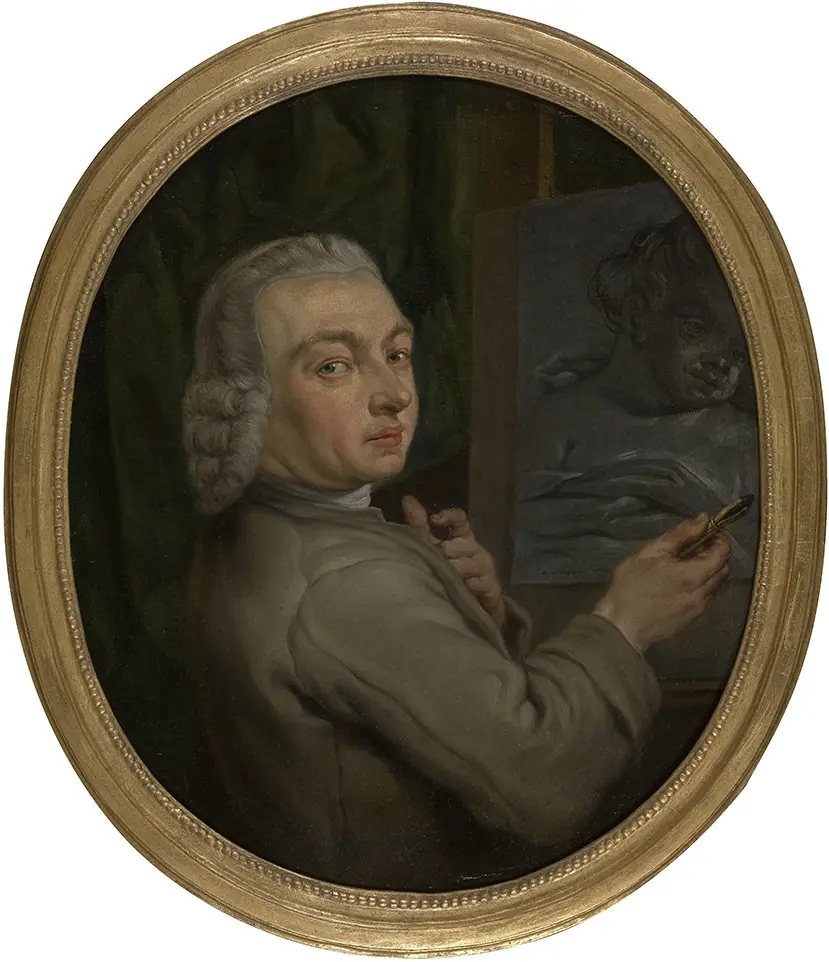
Selbstbildnis is an unspecified painting by the Rococo painting artist Giambettino Cignaroli. It dates from 1755 and is held in the collection of the Kunsthistorisches Museum.
About this work
Overview
Giambettino Cignaroli’s self‑portrait, executed in 1755, presents the artist at work. The canvas is part of the Kunsthistorisches Museum’s holdings, offering a glimpse of the painter’s own image during the transitional phase between Rococo exuberance and early Neoclassical restraint.
Subject & Meaning
The figure is a middle‑aged man with white, tightly curled hair, dressed in a blue coat over a white lace‑trimmed shirt. He grips a brush in one hand and a modest wooden palette in the other, conveying a direct identification with his vocation and a contemplative, focused demeanor.
Technique & Style
Cignaroli employs a subdued palette and chiaroscuro modelling, allowing the illuminated face to emerge from a darkened backdrop that hints at draped fabric and a gilded mirror. The handling of light emphasizes texture—silky lace, polished wood, and the sheen of the coat—while maintaining a restrained, almost academic finish characteristic of the mid‑18th century.
History & Provenance
Created in the artist’s mid‑career, the portrait entered the Austrian imperial collection and now resides in Vienna’s Kunsthistorisches Museum. Its provenance reflects the typical acquisition routes for works by court‑affiliated painters of the period, moving from private ownership to state museum holdings.
Context
Cignaroli worked at a time when the decorative Rococo was giving way to the more measured classicism that would dominate later in the century. This self‑portrait illustrates that shift, balancing the ornamental elegance of his attire with a sober, introspective portrayal that anticipates the emerging Neoclassical emphasis on rationality and self‑reflection.
Own this work as a print
Artist & collection
Artist
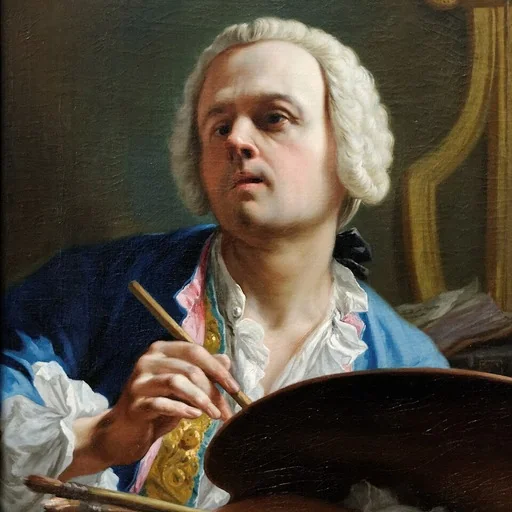
Giambettino Cignaroli (Verona, July 4, 1706 – Verona, December 1, 1770) was an Italian painter of the Rococo and early Neoclassic period.

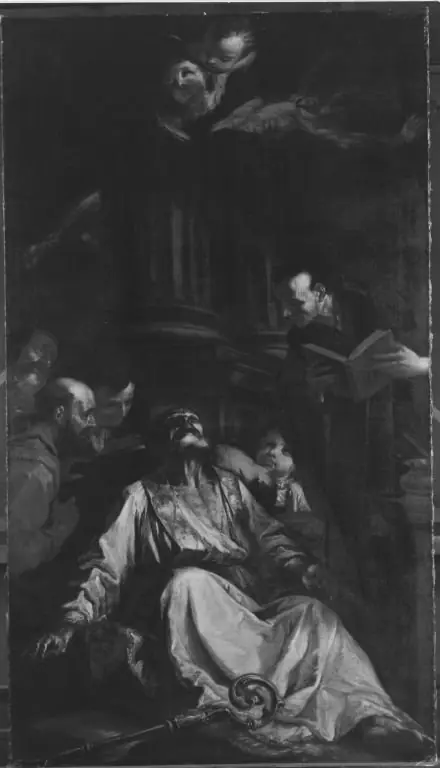
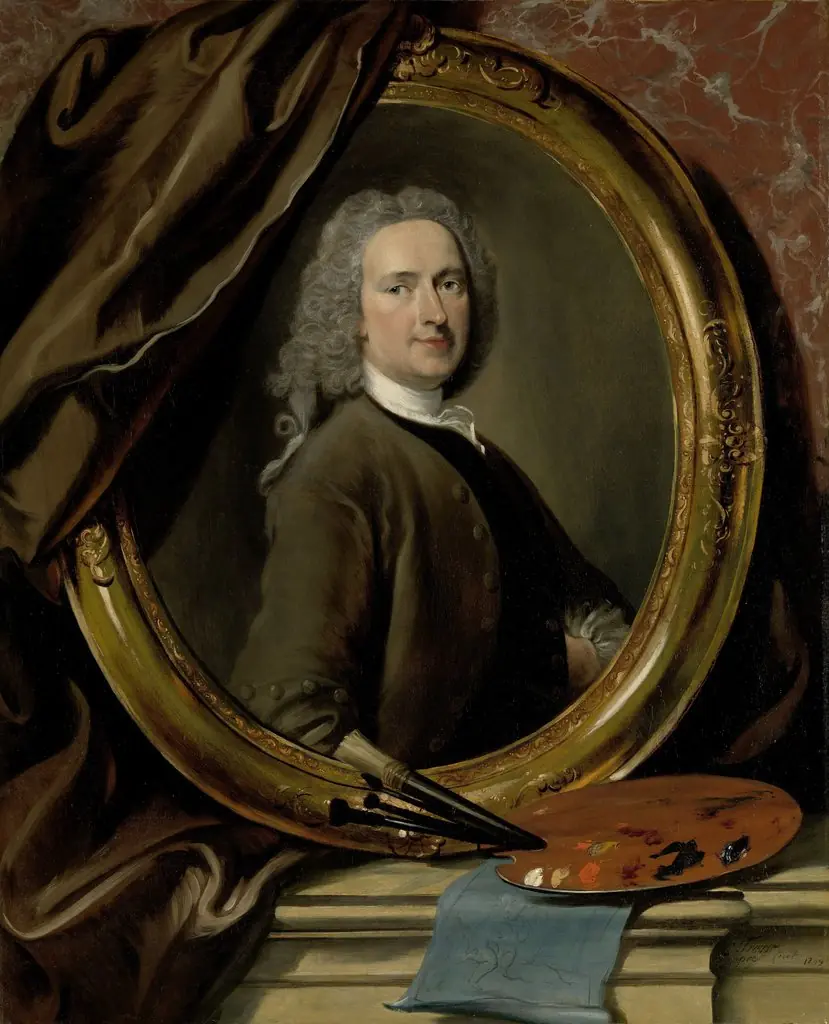 Self-portrait
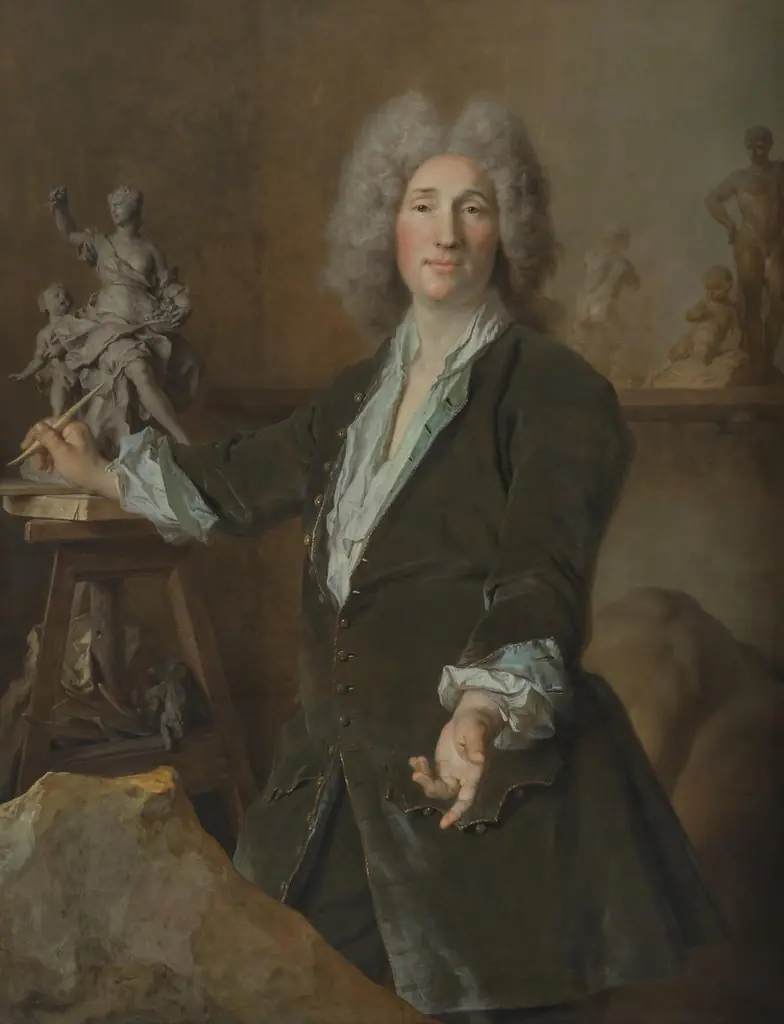 The Sculptor Nicolas Coustou in his Atelier
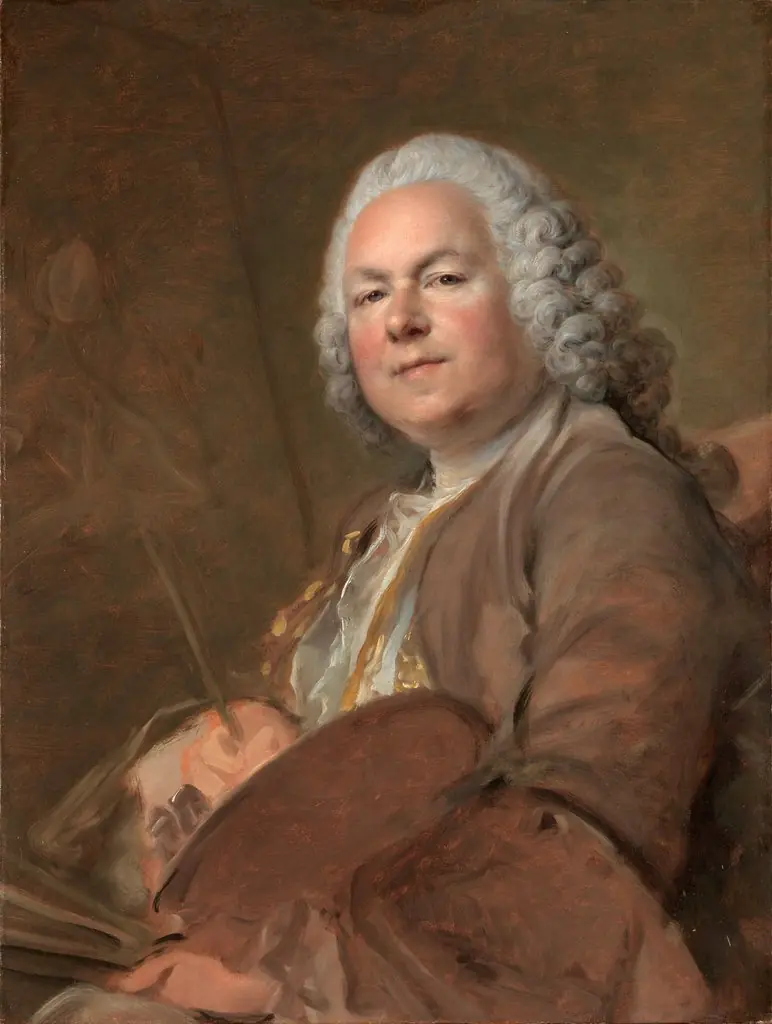 Jean Marc Nattier (1685–1766)
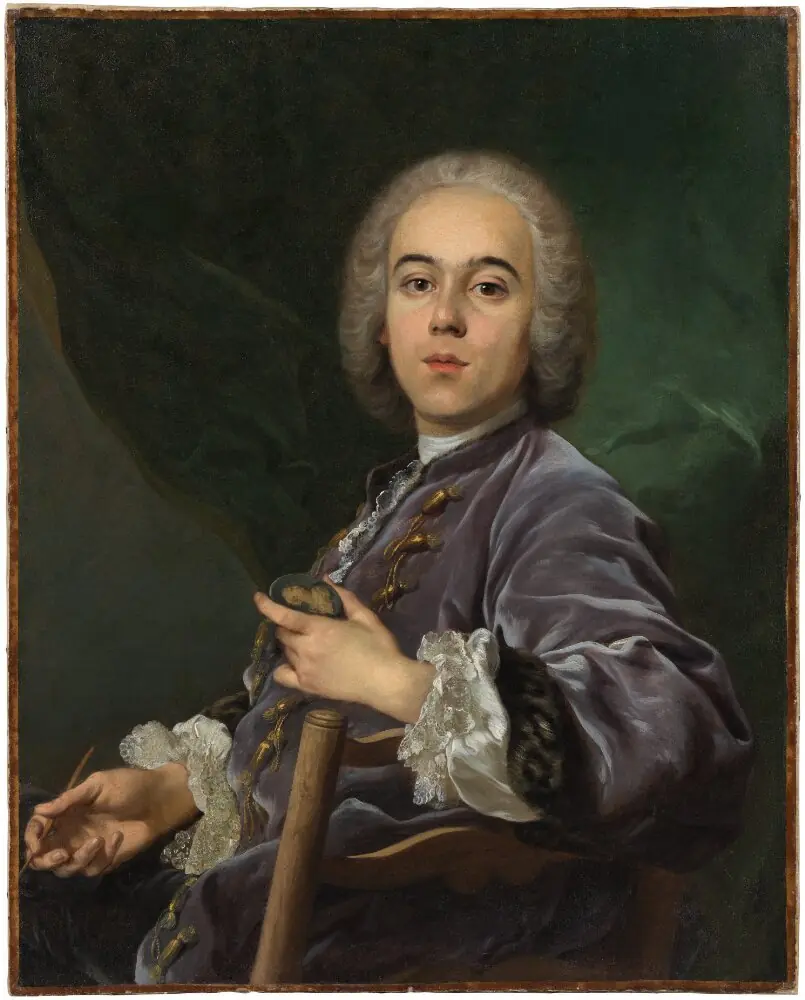 The Engraver and Goldsmith Jacques Roettiers
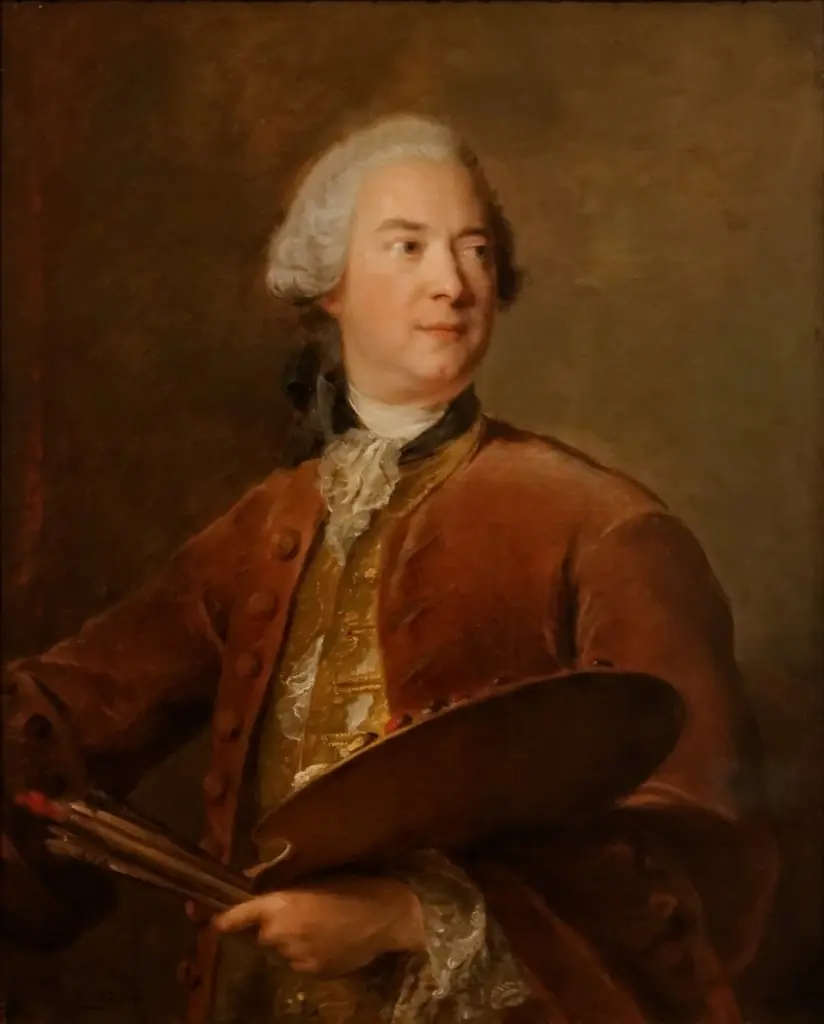 Portrait of Louis Tocqué
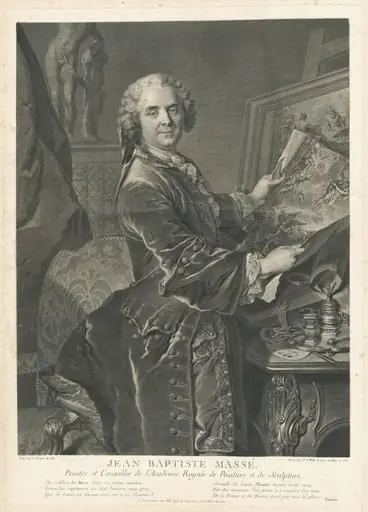 Jean Baptiste Massé
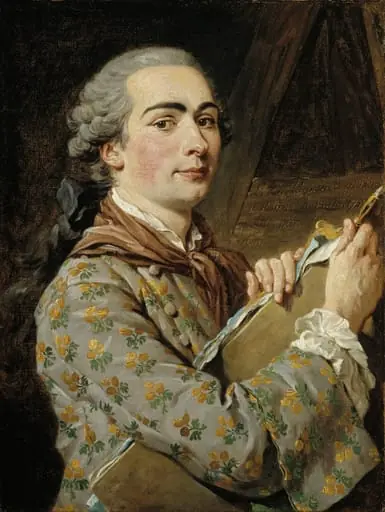 Omakuva
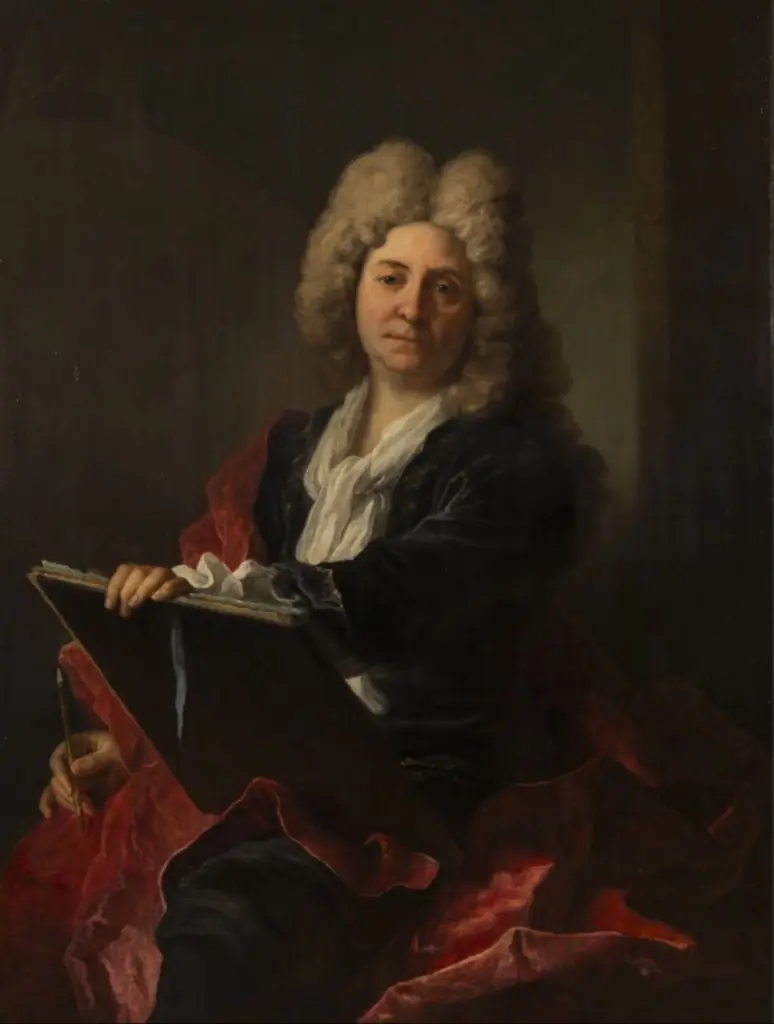 Portrait of Antoine Coypel
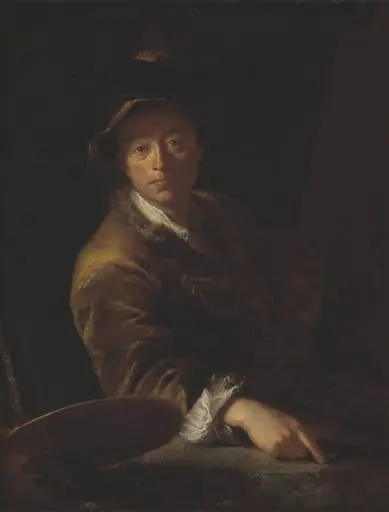 Portrait of a Painter (presumably C. L. Agricola, 1667-1719)
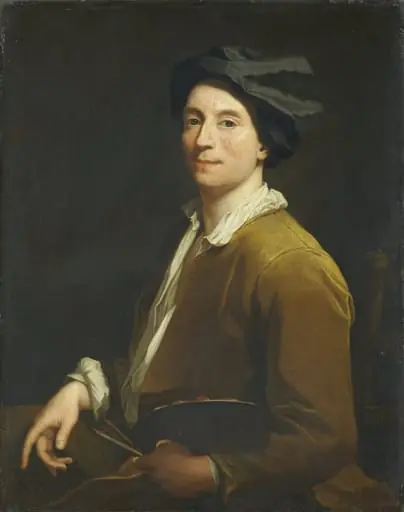 Portrait of a Painter, probably a Self Portrait
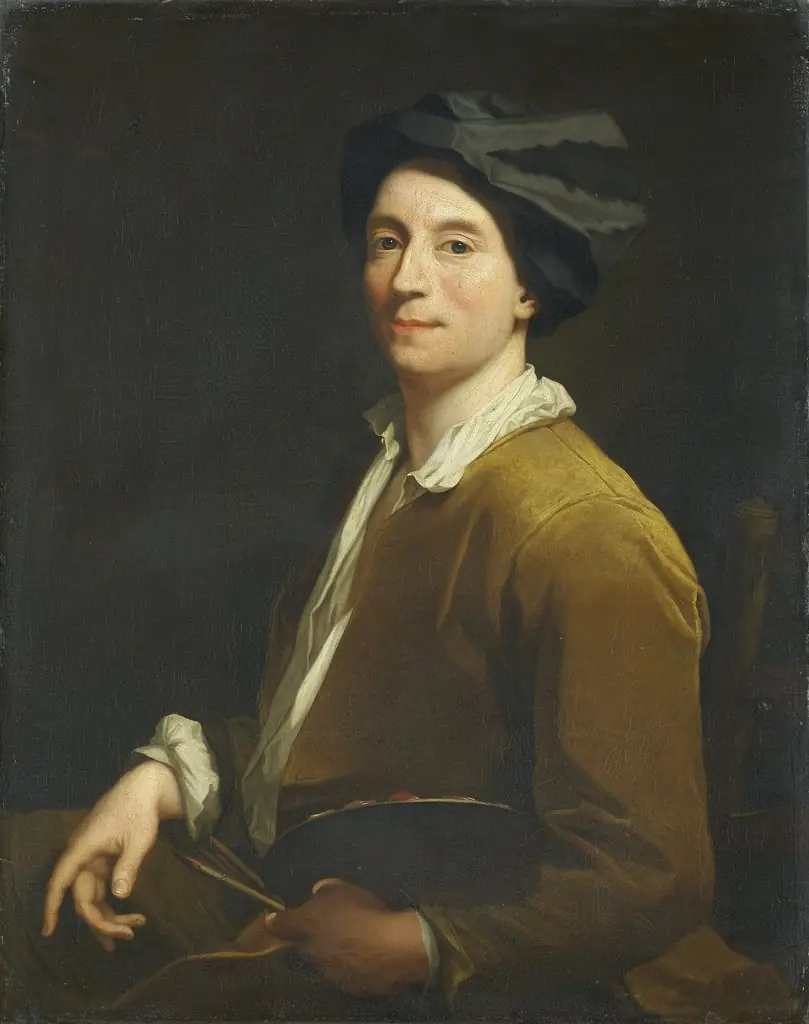 Portrait of a Painter, probably a Self Portrait
 Zelfportret