Artwork
The Sculptor Nicolas Coustou in his Atelier
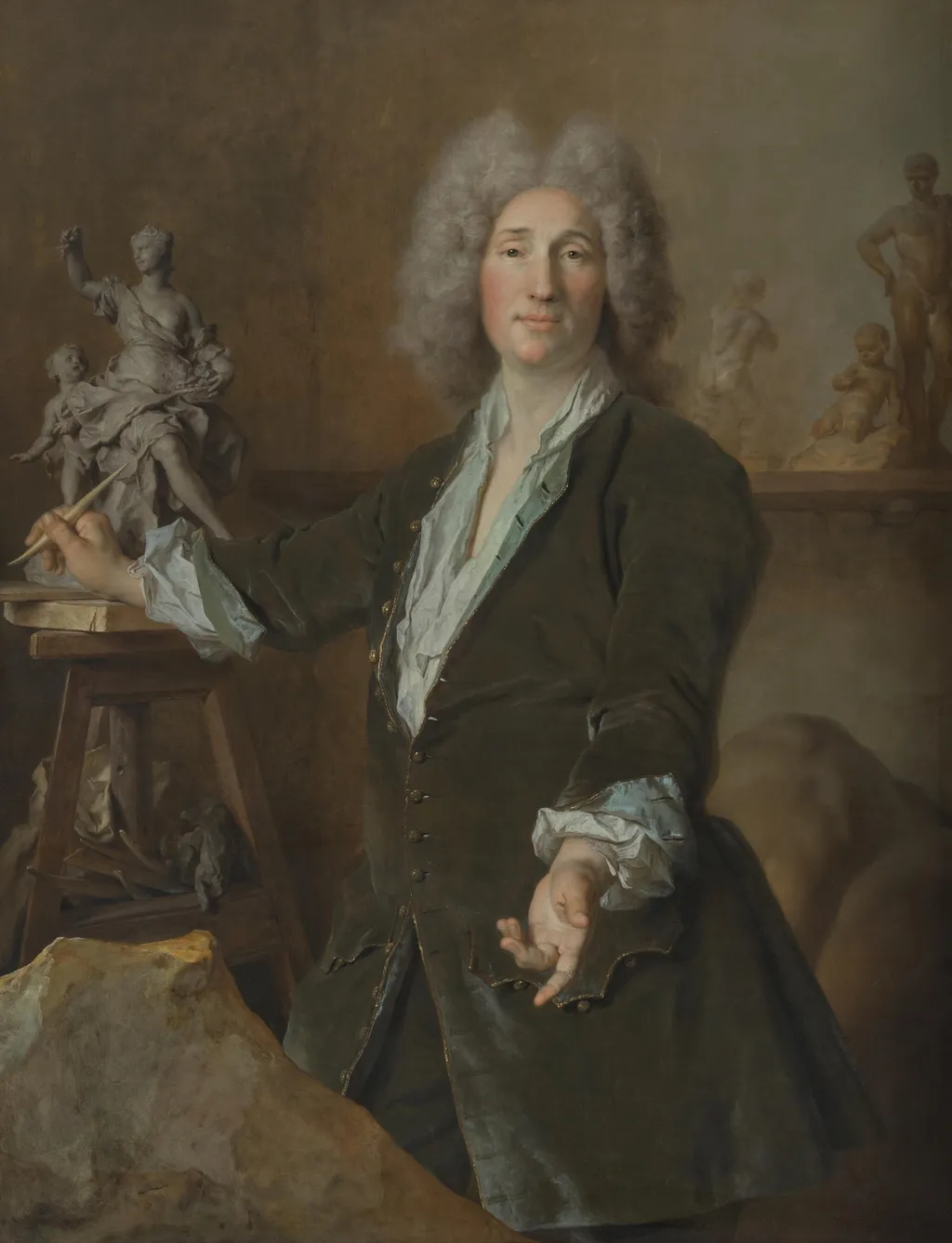
The Sculptor Nicolas Coustou in his Atelier is an oil painting by the Rococo painting artist Nicolas de Largillière. It dates from 1713 and is held in the collection of the Gemäldegalerie Berlin.
About this work
This portrait shows a man with curly, gray hair and a dark jacket over a white shirt, standing in front of a table with sculptures on it.
This portrait shows a man with curly, gray hair and a dark jacket over a white shirt, standing in front of a table with sculptures on it. He holds a tool in his right hand.
The man's attire and the objects around him suggest he is an artist or craftsman. The painting's style and the subject's clothing indicate it was created in the early 18th century.
The use of chiaroscuro in this painting creates a sense of depth and highlights the subject's features. To learn more about this technique, look up chiaroscuro.
Overview
Painted in 1713 by Nicolas de Largillière, this oil portrait captures the sculptor Nicolas Coustou within his working space. Largillière, then a leading figure in French academic art, chose to depict his contemporary not in formal attire but amid the tools and creations of his trade. The painting is part of the collection at the Gemäldegalerie in Berlin and reflects the early 18th-century French tradition of portraying artists in their professional environments.
Subject & Meaning
Nicolas Coustou is shown standing beside a worktable cluttered with sculptural models and tools, his right hand gripping a chisel or modeling instrument. His gray curls and sober dark coat convey a sense of seasoned craftsmanship rather than aristocratic grandeur. The composition suggests a quiet dignity in artistic labor, positioning the sculptor as both creator and custodian of form, grounded in the physicality of his medium.
Technique & Style
Largillière employs subtle chiaroscuro to model Coustou’s face and hands, lending volume and focus to the figure against a dimmer studio background. Brushwork is precise yet unobtrusive, with attention to textures: the sheen of leather tools, the matte finish of clay models, the crispness of linen beneath the coat. The style aligns with French academic portraiture of the period, balancing realism with restrained elegance.
History & Provenance
Commissioned during Coustou’s tenure as a leading sculptor in Louis XIV’s circle, the portrait likely served to affirm his status within the Académie. It remained in French collections until entering the Gemäldegalerie Berlin’s holdings in the 19th century. Its preservation reflects the enduring interest in documenting the lives of artists as integral to cultural history.
Context
In early 18th-century France, artists were increasingly recognized not merely as craftsmen but as intellectual contributors to national culture. Portraits of artists in their studios became a genre that celebrated their labor and expertise. Coustou’s depiction aligns with this shift, contrasting earlier idealized images by emphasizing the tangible, hands-on nature of artistic creation.
Legacy
The portrait endures as a quiet testament to the professional identity of sculptors in the Ancien Régime. It offers insight into the material conditions of artistic practice and the evolving perception of the artist as a thinker engaged with form and technique. Largillière’s work contributes to a broader visual record of creative labor in Enlightenment Europe.
Own this work as a print
Artist & collection
Artist
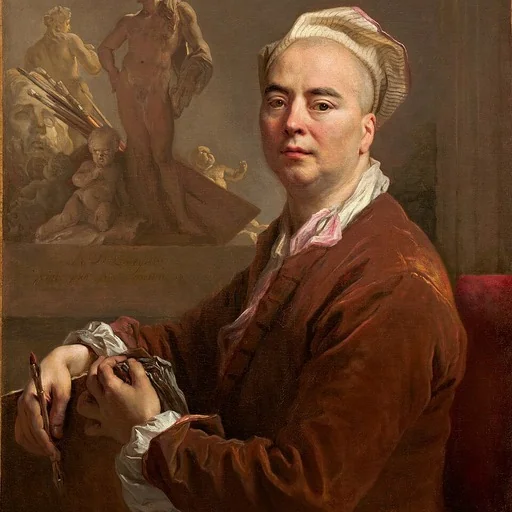
Nicolas de Largillière (French: ; baptised 10 October 1656 – 20 March 1746) was a French painter and draughtsman. From 1733 until 1735, he was director of the Académie de Peinture et de Sculpture.

 Portrait of a Woman, Possibly Madame Claude Lambert de Thorigny (Marie Marguerite Bontemps, 1668–1701)
 Portrait of Anne Louis Goislard de Montsabert, Comte de Richbourg-le-Toureil
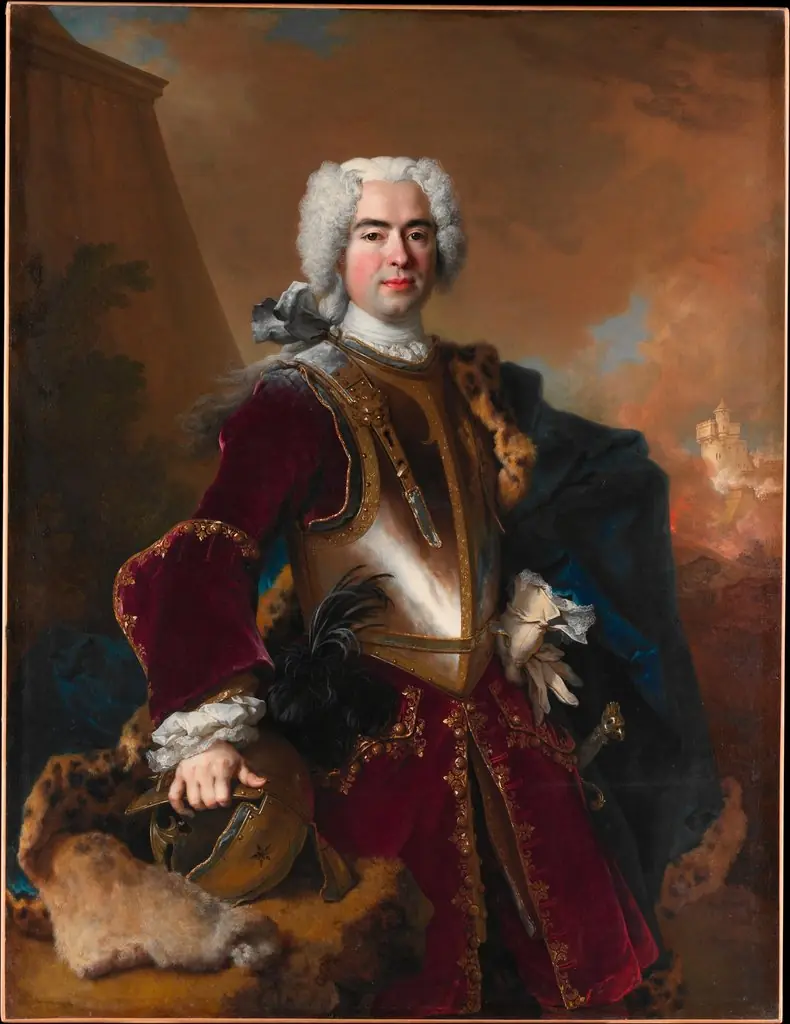 André François Alloys de Theys d'Herculais (1692–1779)
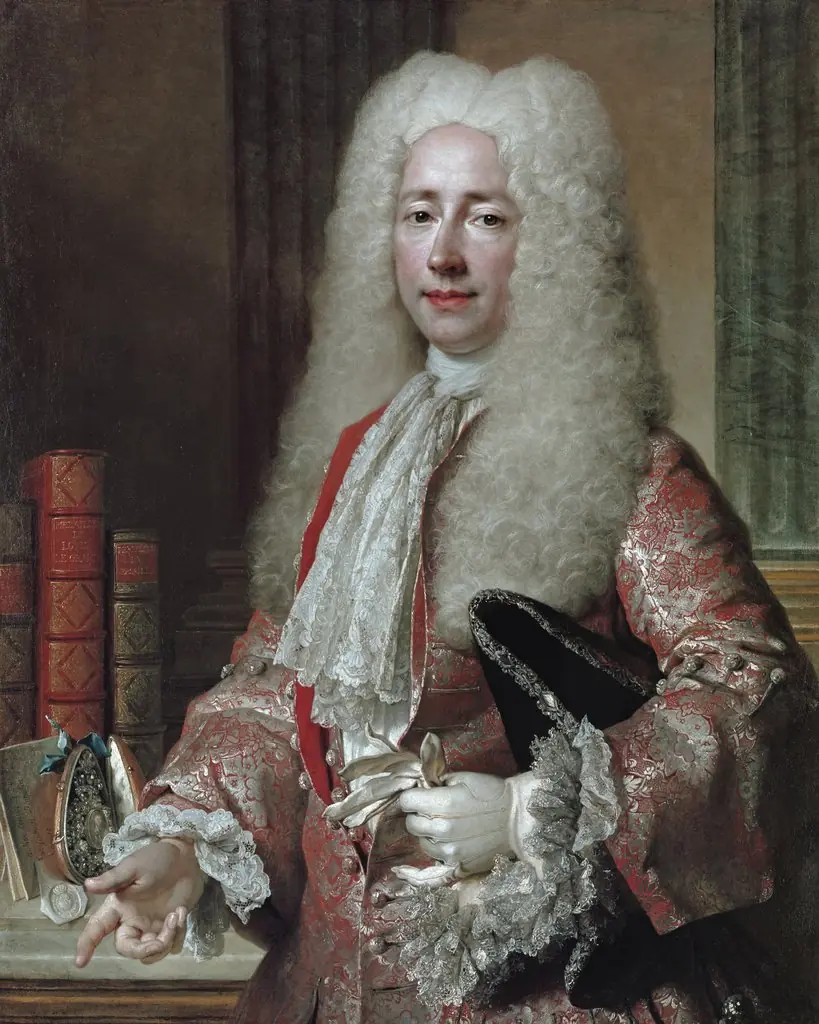 Portrait de Conrad Detlef, comte de Dehn
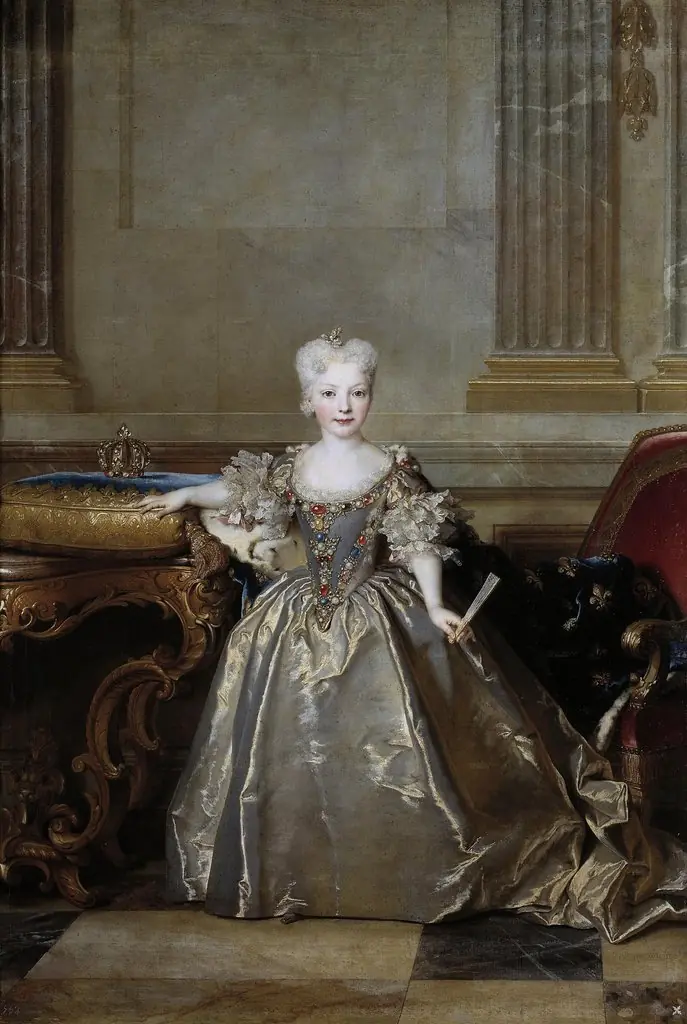 María Ana Victoria de Borbón y Farnesio
 Portrait of a Man
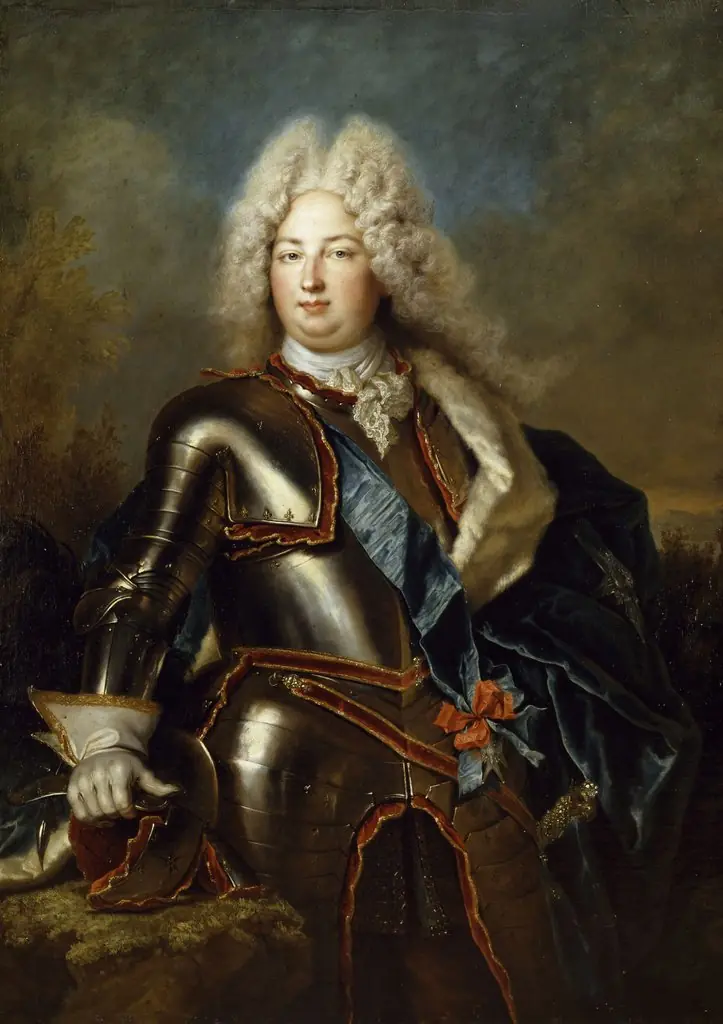 Charles of France, Duke of Berry
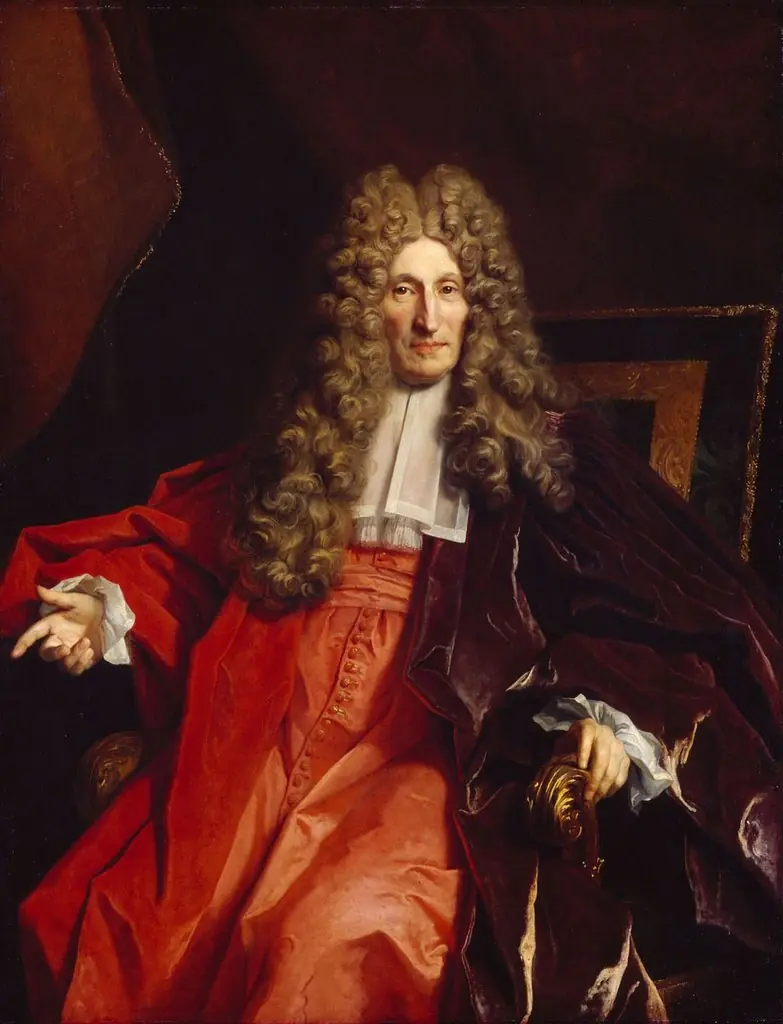 Charles Boucher, Herr von Orsay
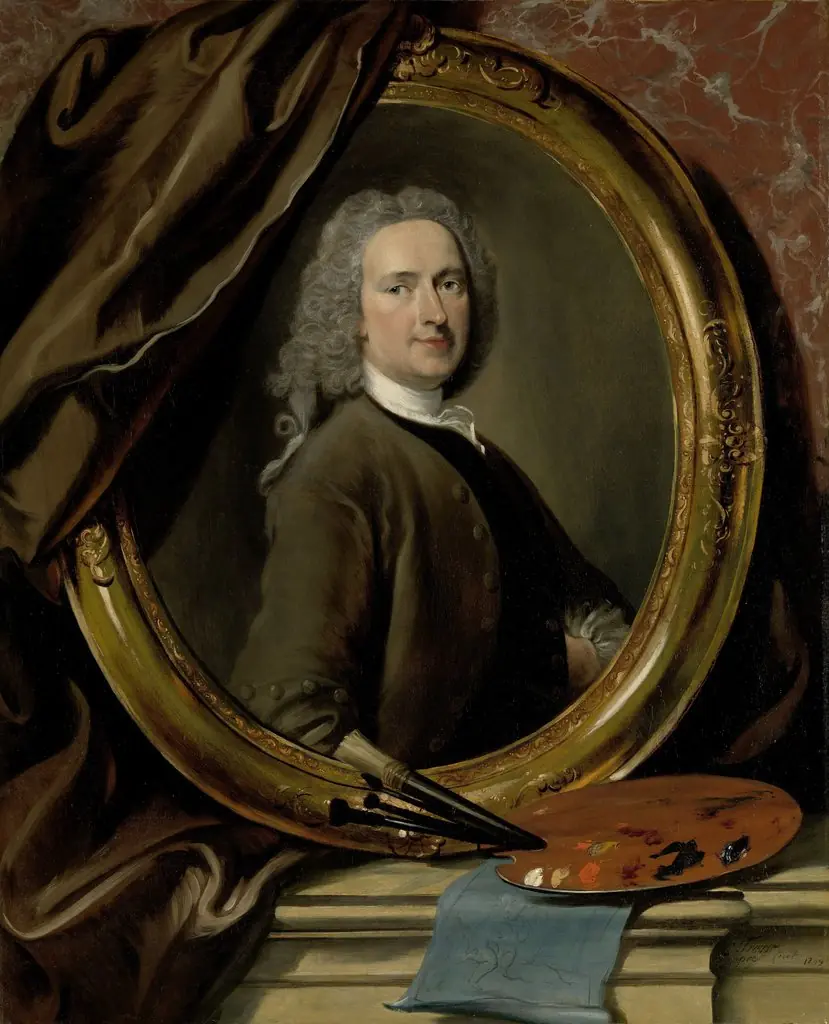 Self-portrait
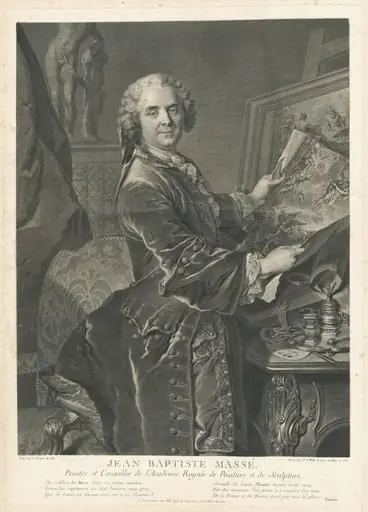 Jean Baptiste Massé
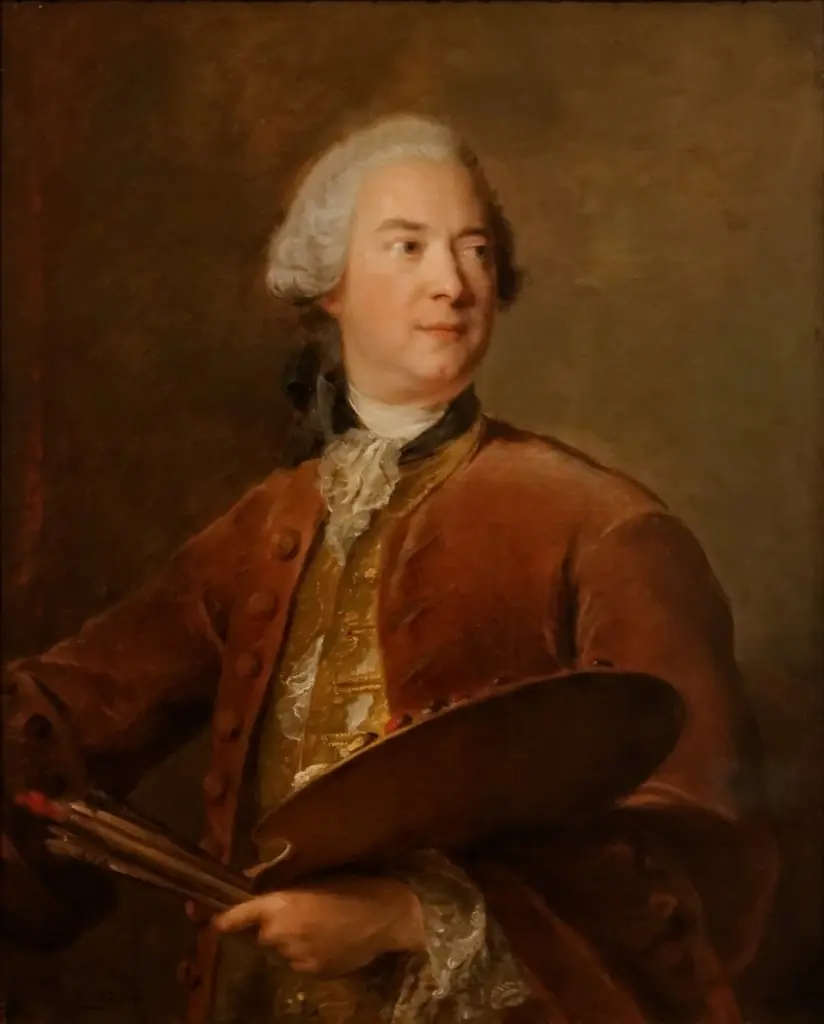 Portrait of Louis Tocqué
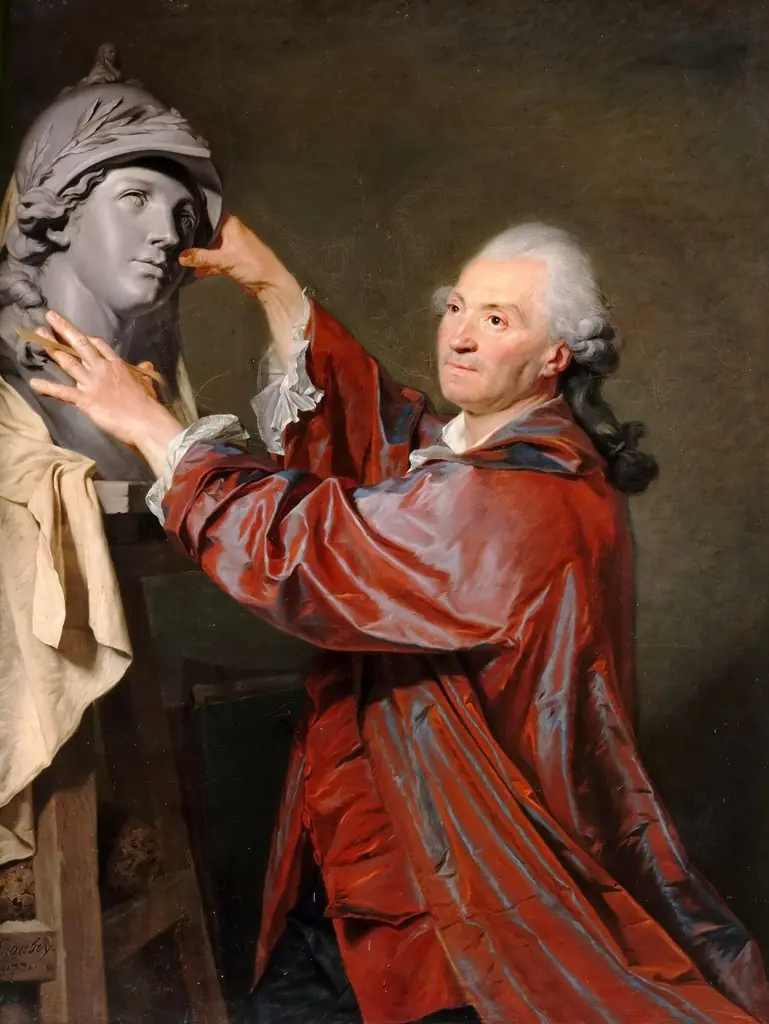 Louis-Claude Vassé, sculptor
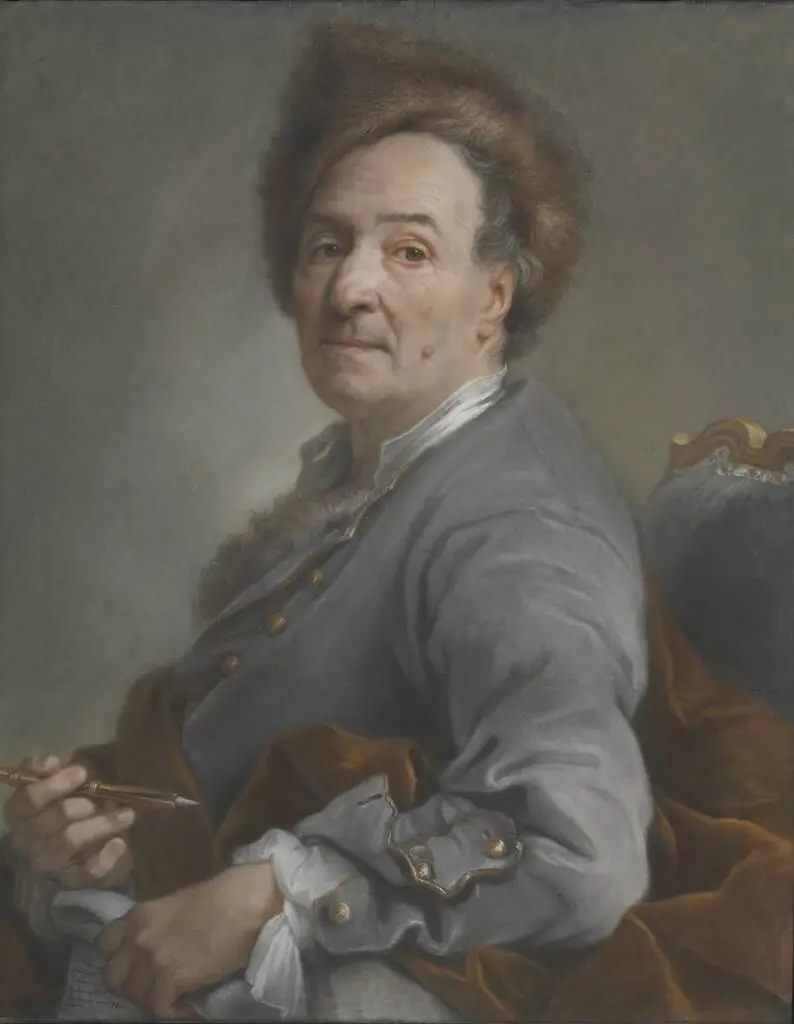 Selbstbildnis mit Pelzmütze
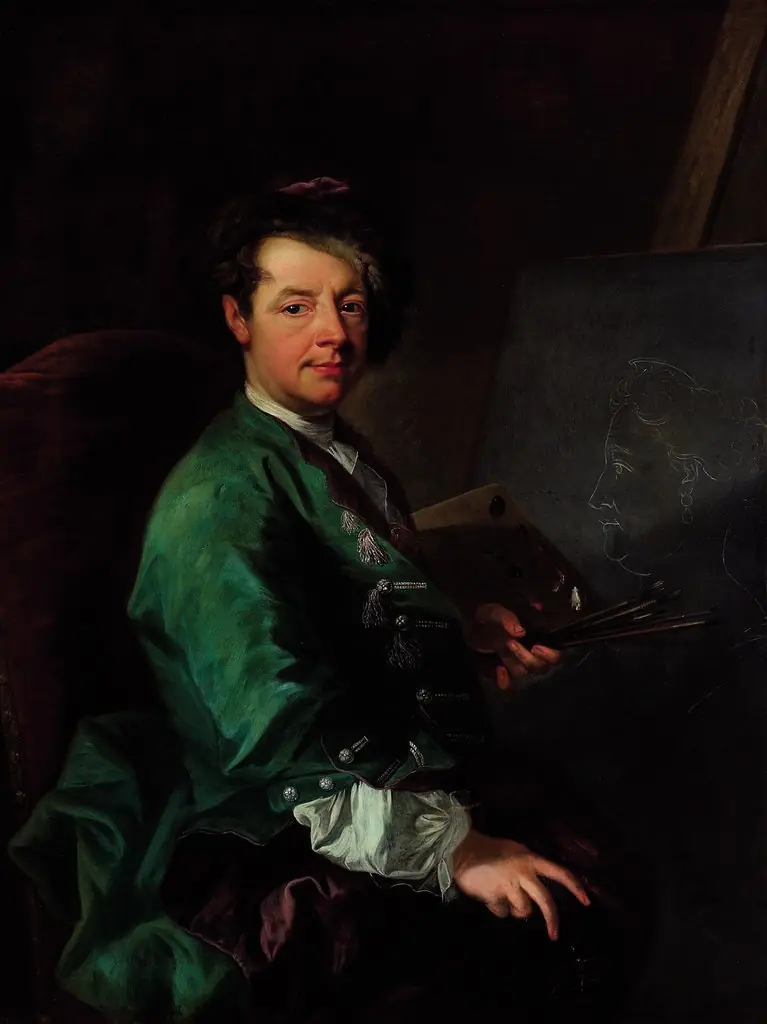 Self-portrait
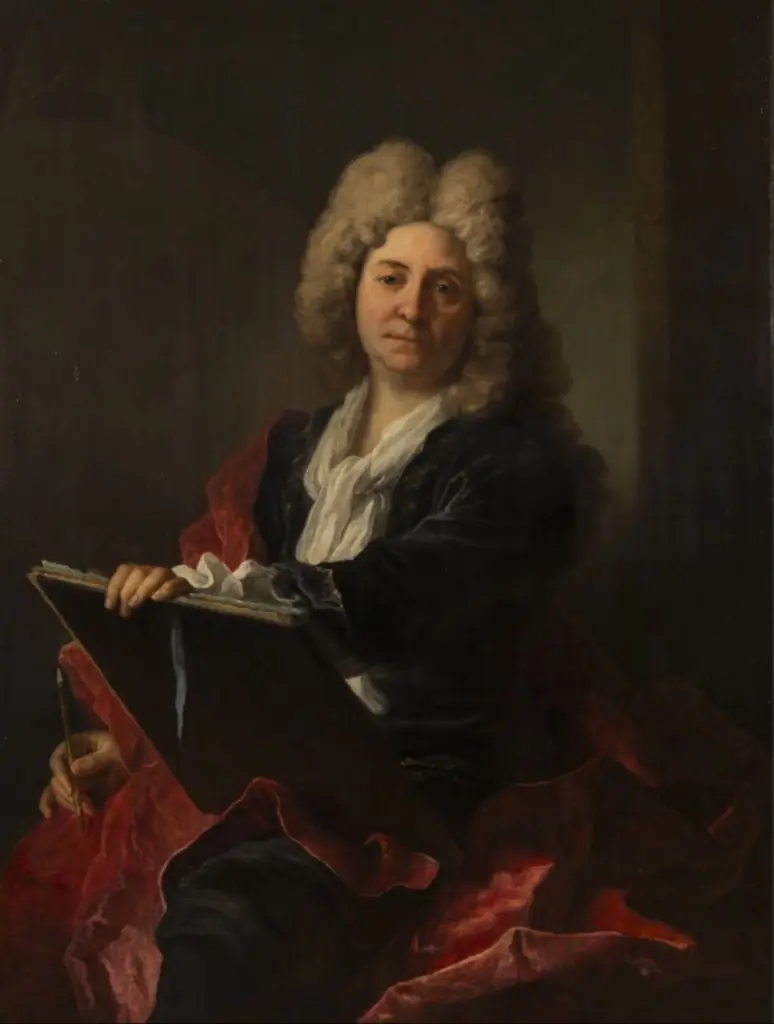 Portrait of Antoine Coypel
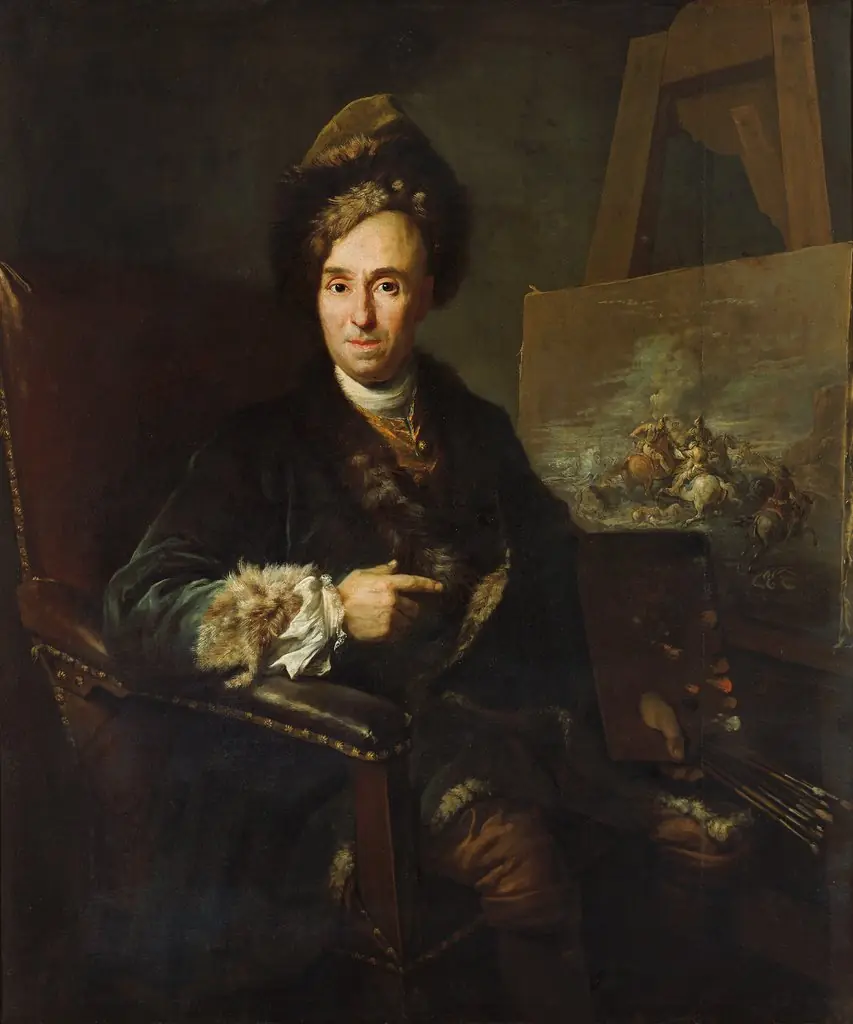 Portrait of the battle-painter Ignace-Jacques Parrocel
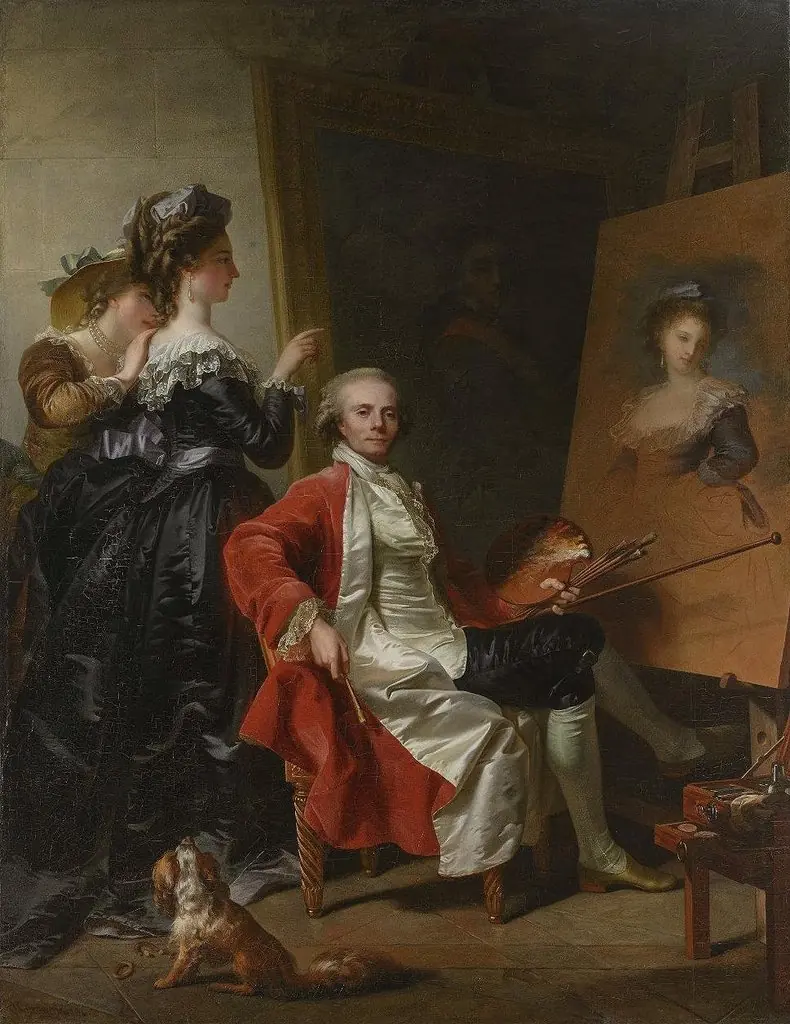 Self-Portrait with His Daughters
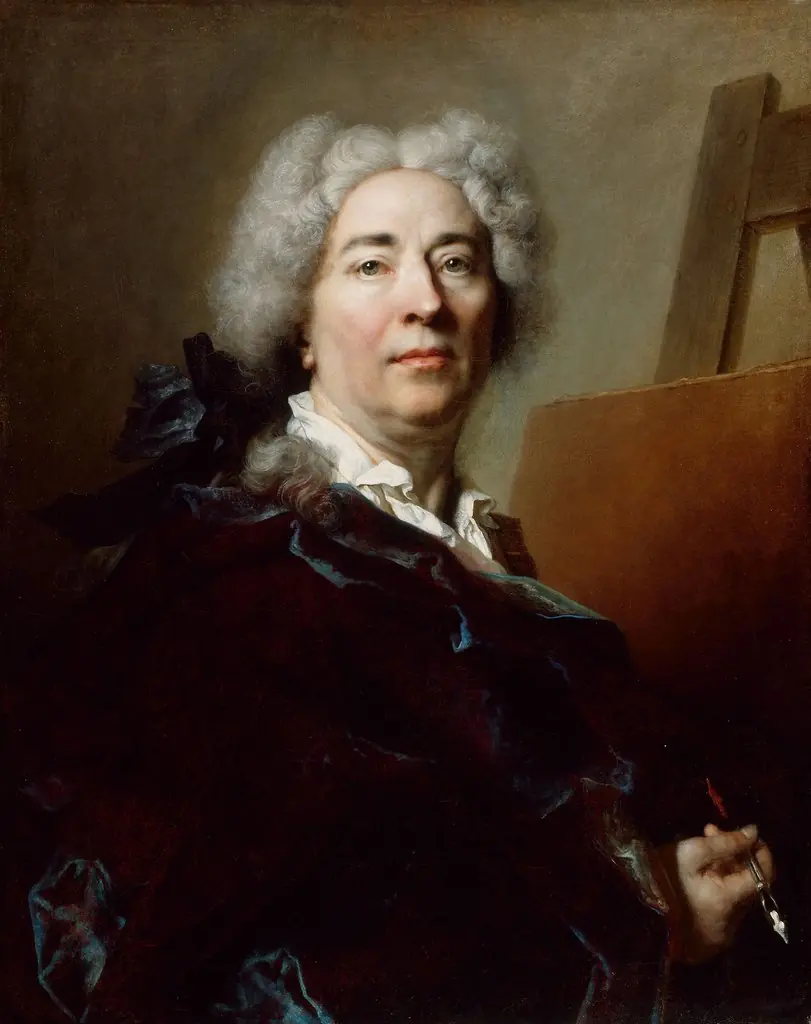 Self-Portrait
 Selbstbildnis
 The Engraver and Goldsmith Jacques Roettiers