Artwork
Salvator Mundi
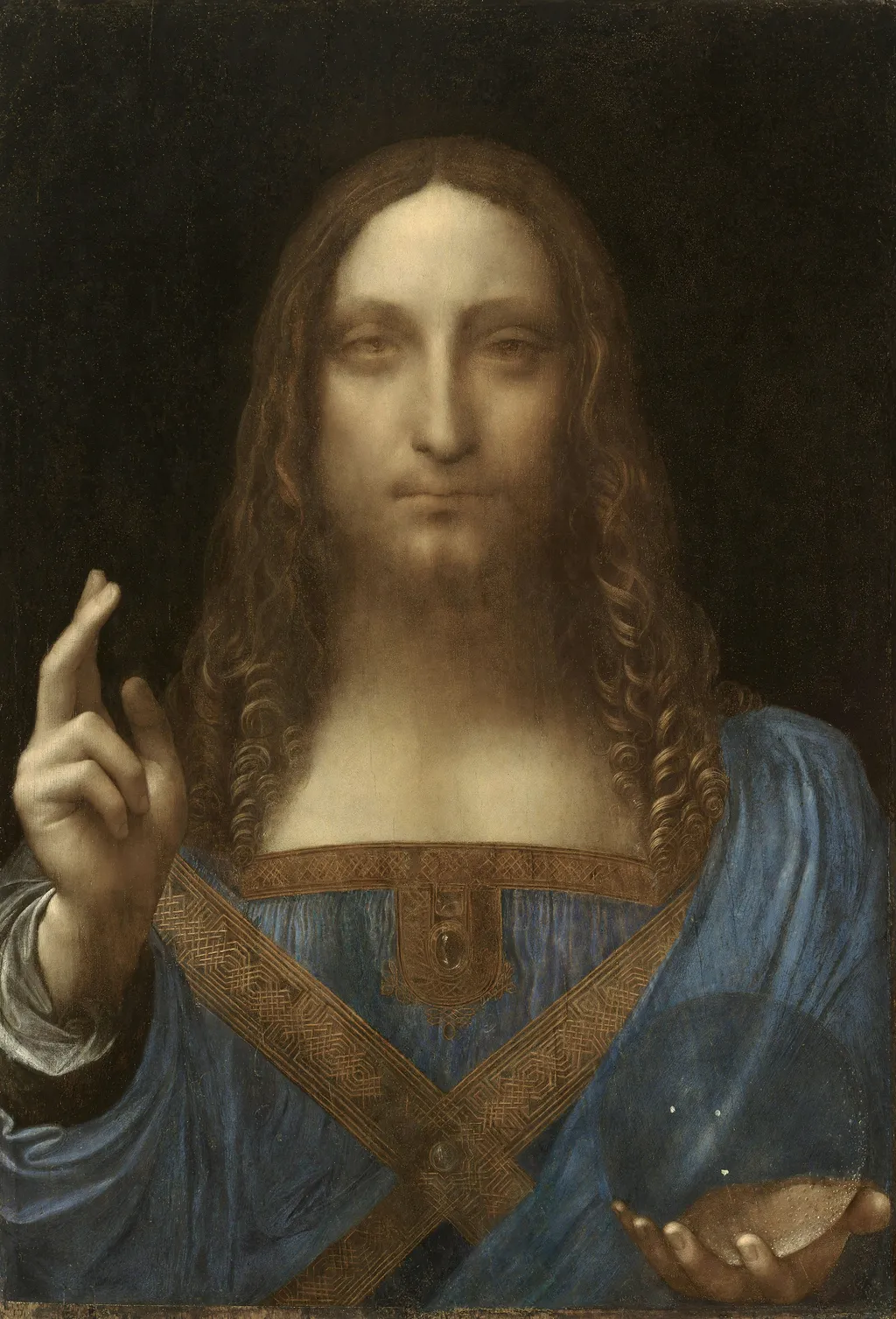
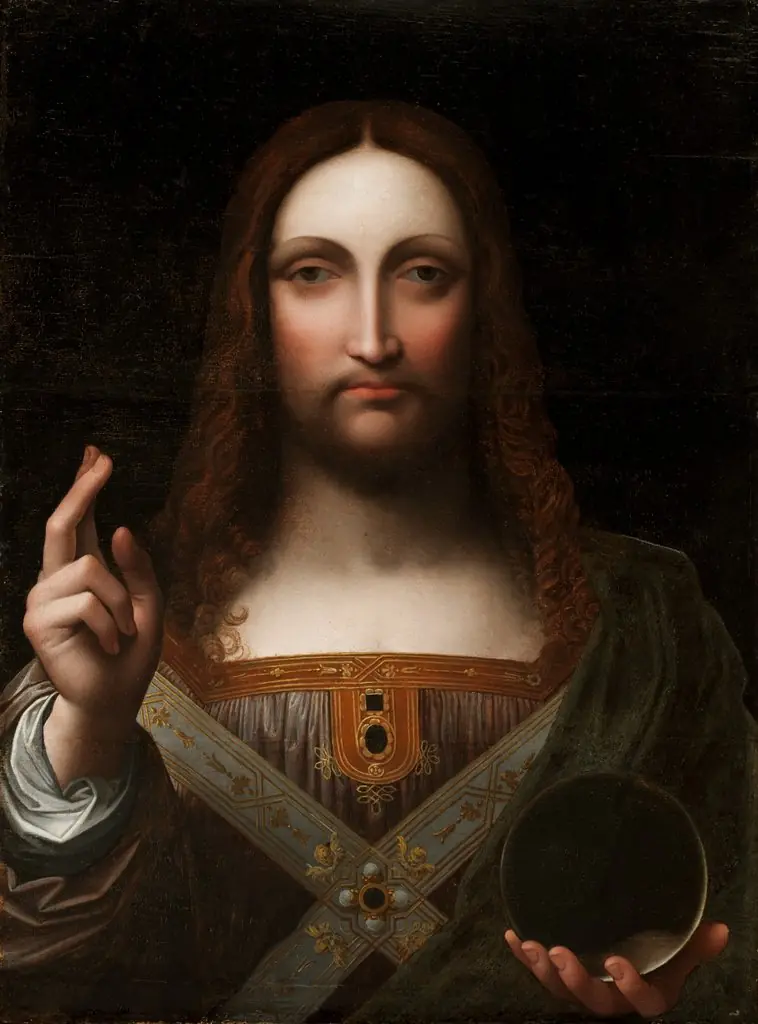
Salvator Mundi is an oil painting by the High Renaissance artist Leonardo da Vinci. It is held in the collection of the Louvre Abu Dhabi.
About this work
Overview
Salvator Mundi is an oil painting from the Italian High Renaissance, attributed to Leonardo da Vinci, dating to circa 1499–1510. Its attribution to Leonardo, either wholly or in part, remains a topic of scholarly debate due to extensive restoration.
Subject & Meaning
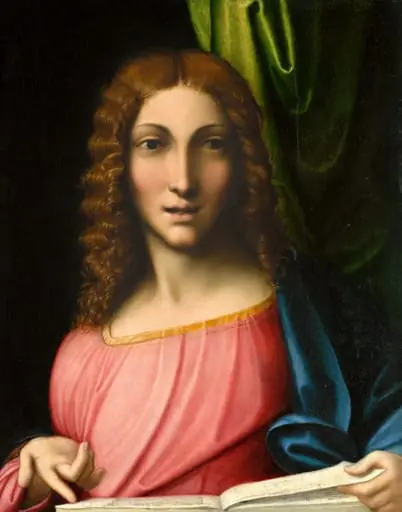
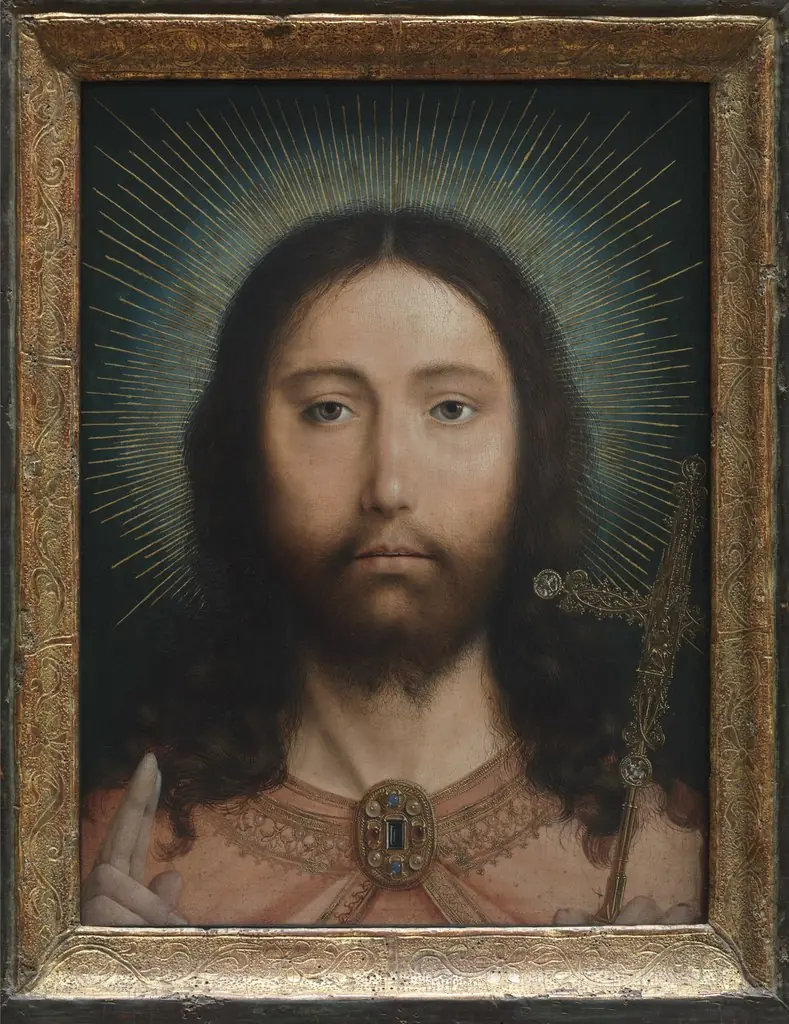
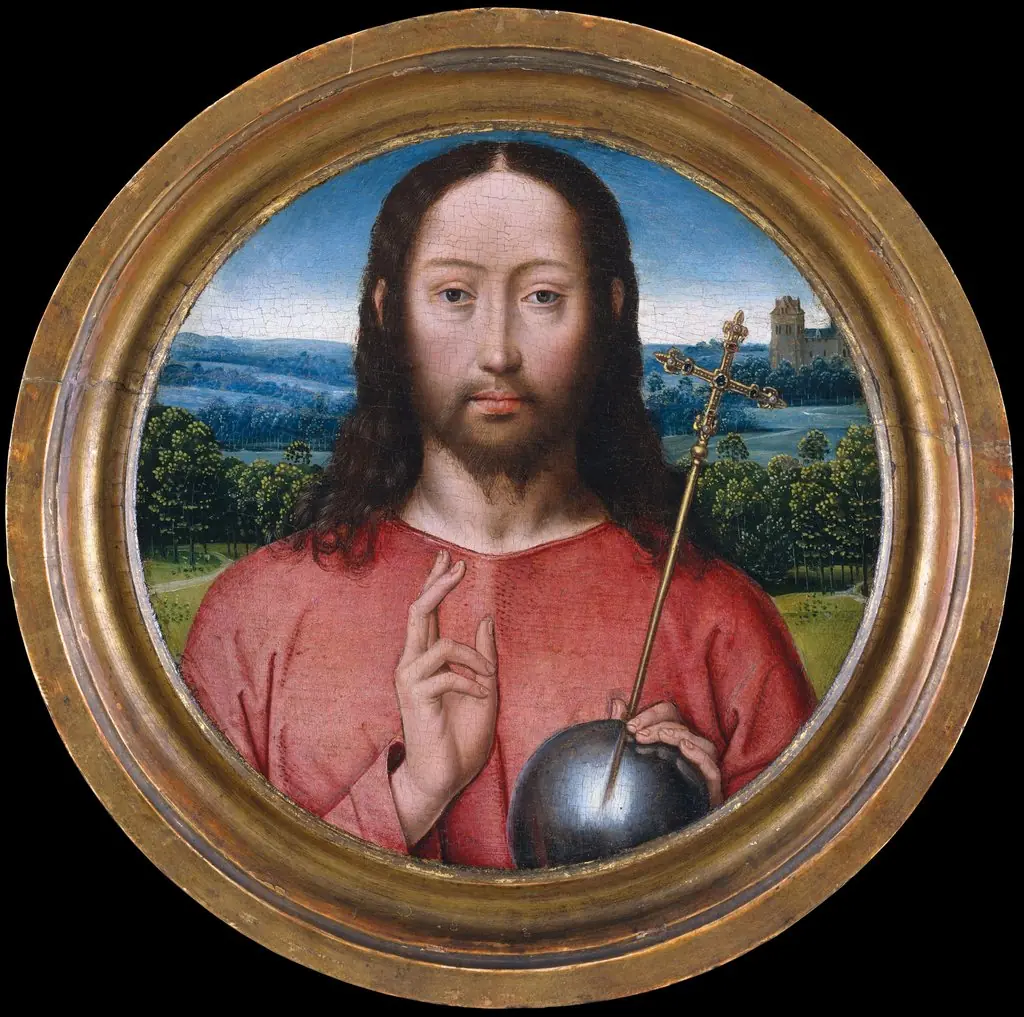
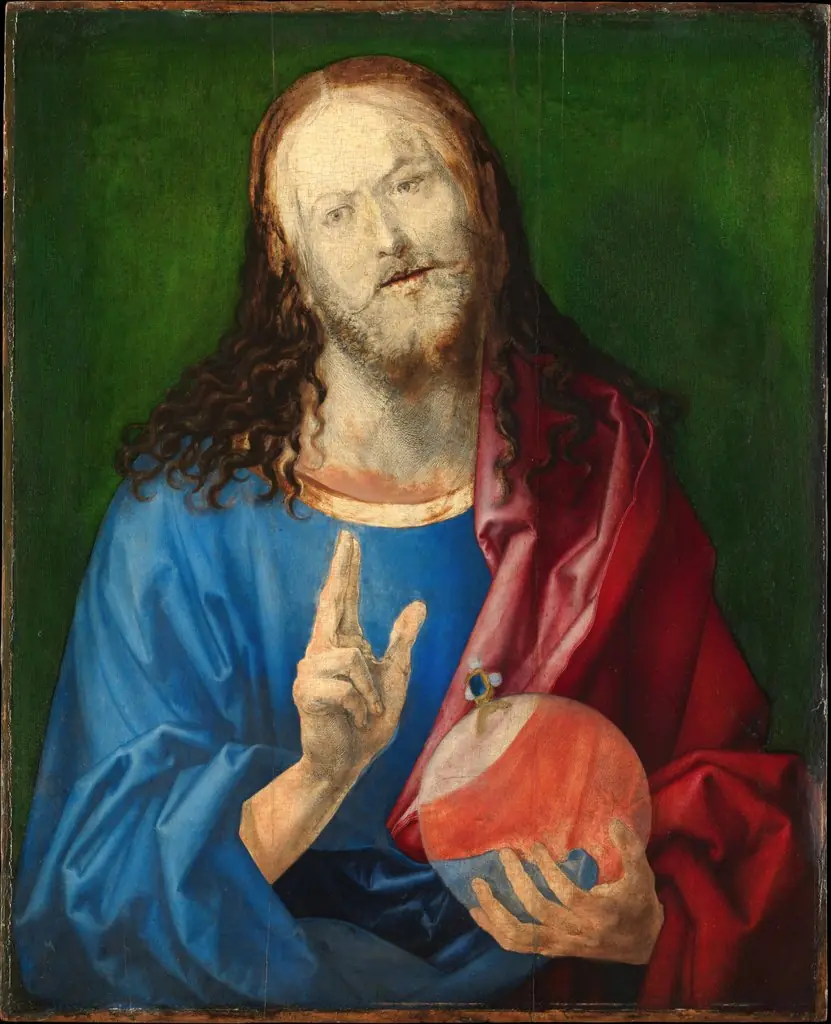
The painting depicts Jesus Christ in Renaissance attire, blessing with his right hand while holding a transparent crystal orb in his left, symbolizing his role as Savior of the World and representing the celestial sphere.
Technique & Style
The work employs chiaroscuro, contrasting light and dark to create a dramatic atmosphere. The serene, direct gaze of the subject and the detailed, transparent orb showcase Renaissance techniques, though the extent of Leonardo's direct involvement is disputed.
History & Provenance
Once considered a copy, the painting was rediscovered, restored, and exhibited at the National Gallery, London (2011–2012). Sold at Christie's in 2017 for $450.3 million to Prince Badr bin Abdullah Al Saud, it set a record for the most expensive painting sold at auction.
Context
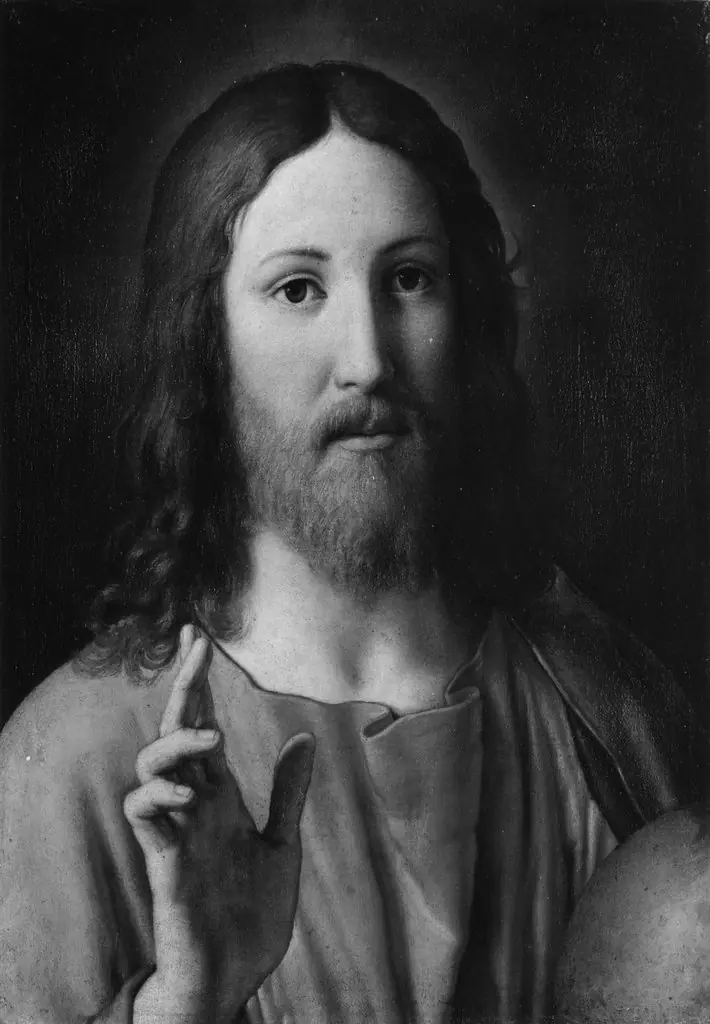
Approximately thirty copies by Leonardo's pupils and followers exist, with two from his lifetime. Preparatory drawings by Leonardo for the drapery are in the British Royal Collection, linking the work to his studio practices.
Legacy
Salvator Mundi's sale marked a peak in the art market, highlighting the enduring value of Renaissance art. Its attribution debate continues to spark scholarly discussion on authorship in restored works of the period.
Own this work as a print
Artist & collection

![Ginevra de' Benci [obverse], by Leonardo da Vinci](https://artifactworldgallery.com/img/leonardo-da-vinci--ginevra-de-benci-obverse--afb6ec3a3e65f392-w320.webp)
![Wreath of Laurel, Palm, and Juniper with a Scroll inscribed Virtutem Forma Decorat [reverse], by Leonardo da Vinci](https://artifactworldgallery.com/img/leonardo-da-vinci--wreath-of-laurel-palm-and-juniper-with-a-scroll-inscribed-vi--4cdfe8467ad2438a-w320.webp)