Artwork
Portrait
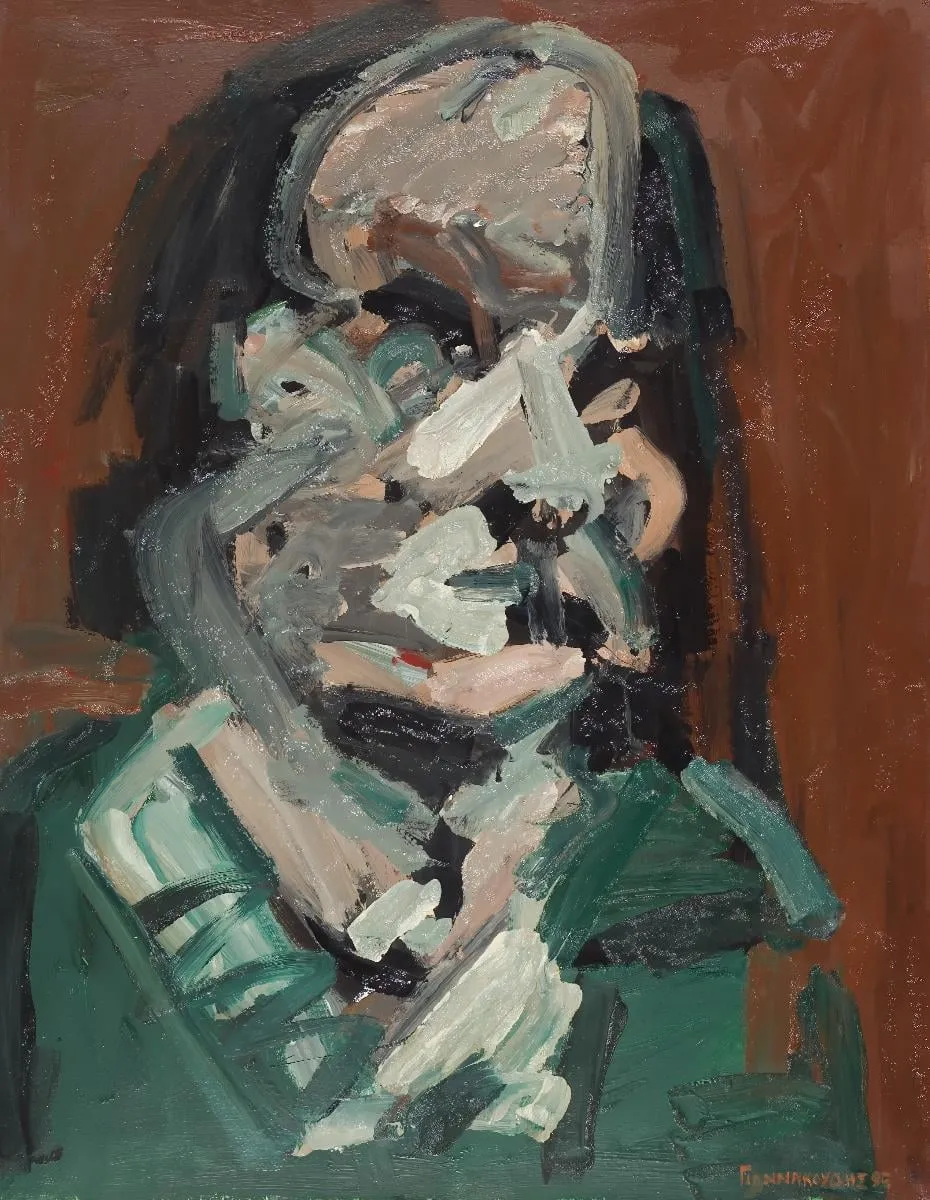
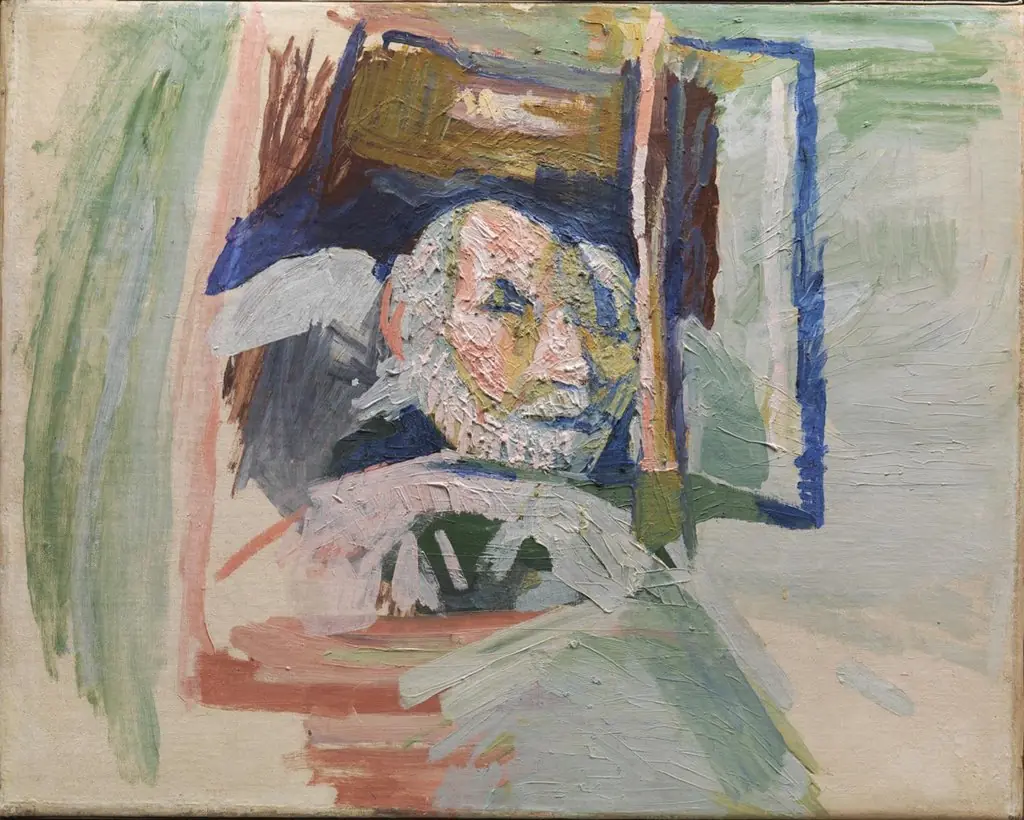
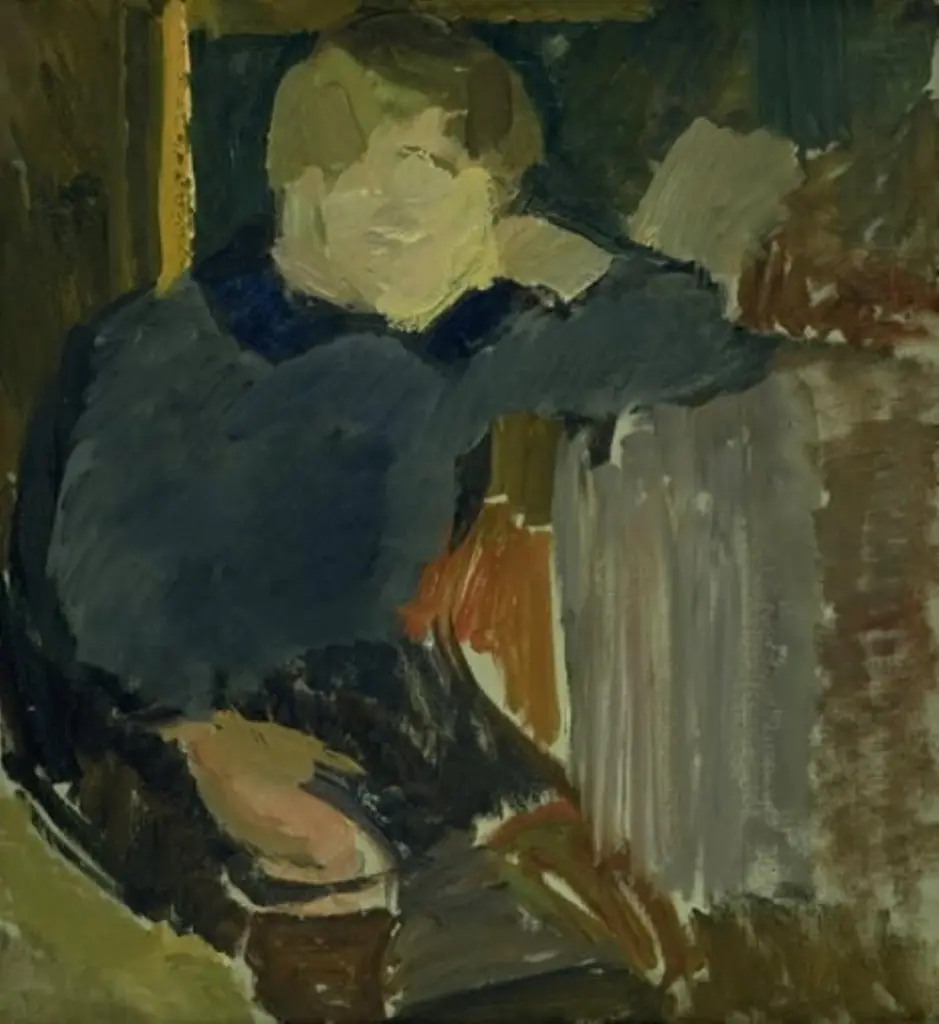
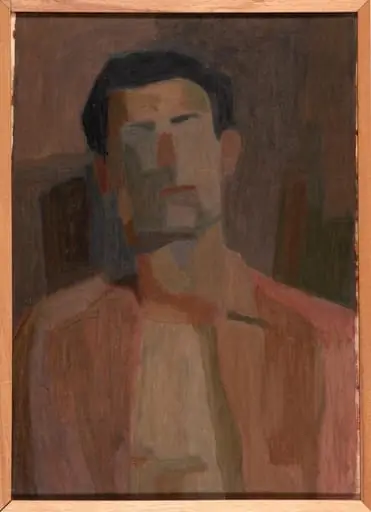
Portrait is an unspecified painting by Giannakoudis Efstratios. It dates from 1995 and is held in the collection of the Athens School of Fine Arts.
About this work
Overview
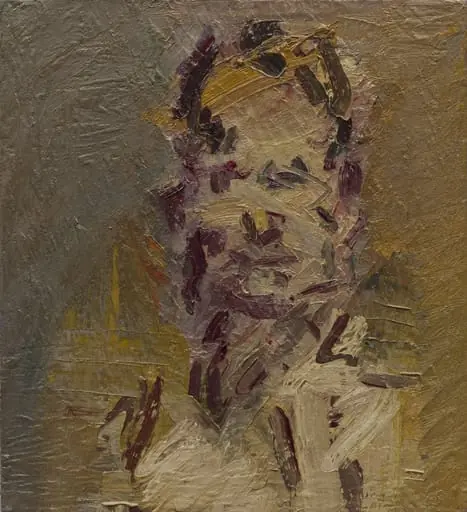
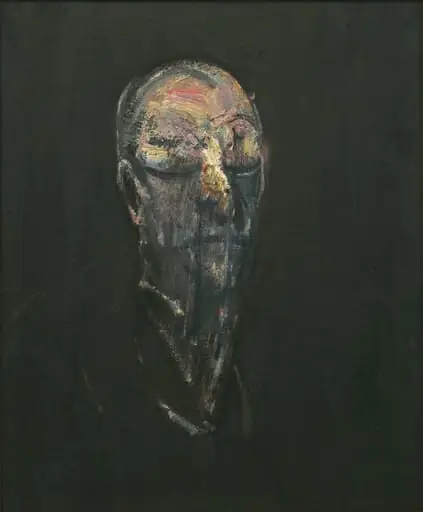
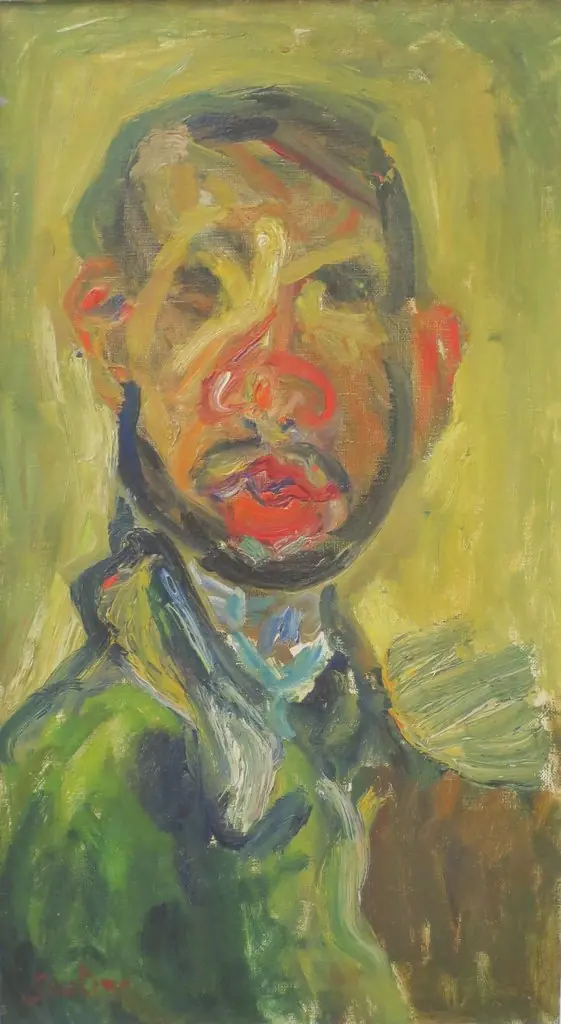
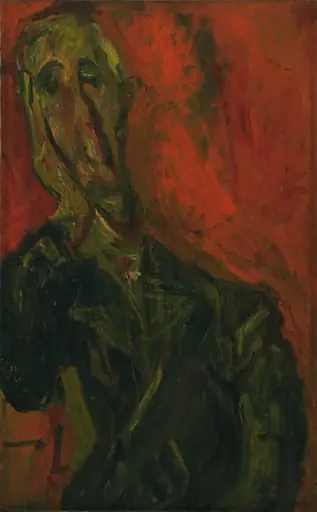
Created in 1995 by Giannakoudis Efstratios, this portrait is part of the Museum of Ethnography’s collection. Unlike traditional portraiture, it rejects clarity and refinement, favoring a raw, gestural approach. The image resists easy interpretation, presenting a face that dissolves into texture rather than defining features. Its physical presence is as significant as its visual content.
Subject & Meaning
The subject remains ambiguous, deliberately obscured by the artist’s handling of paint. Rather than capturing a specific individual, the work evokes a sense of erosion or psychological fragmentation. The fading contours suggest identity in flux, possibly reflecting themes of memory, displacement, or the instability of self-representation in modern life.
Technique & Style
Thick, unblended layers of paint are applied with urgency, creating a heavily impastoed surface. Greens, browns, and sparse whites clash without harmony, forming a chaotic texture. Brushwork is unrefined, leaving ridges and drips visible. The absence of smoothing or blending emphasizes materiality over illusion, prioritizing the physical act of painting over realistic depiction.
History & Provenance
The work entered the Museum of Ethnography’s holdings shortly after its creation. There is no public record of prior ownership or exhibition history beyond its acquisition by the institution. Its inclusion suggests the museum’s interest in non-traditional expressions of identity, aligning with broader ethnographic inquiries into cultural and personal representation.
Context
Emerging from a postmodern artistic climate, the portrait aligns with late 20th-century tendencies to deconstruct portraiture. It echoes expressions of existential unease and the breakdown of stable identity, common in European art of the period. Its rawness contrasts with academic traditions, reflecting a shift toward process and material over idealized form.
Legacy
Though not widely reproduced or cited in mainstream art histories, the work contributes to a quieter lineage of expressive portraiture that values emotional resonance over likeness. Its presence in an ethnographic context invites viewers to consider how identity is constructed, obscured, or lost through cultural and personal lenses.
Artist & collection
Artist