Artwork
Wilson Cary Nicholas
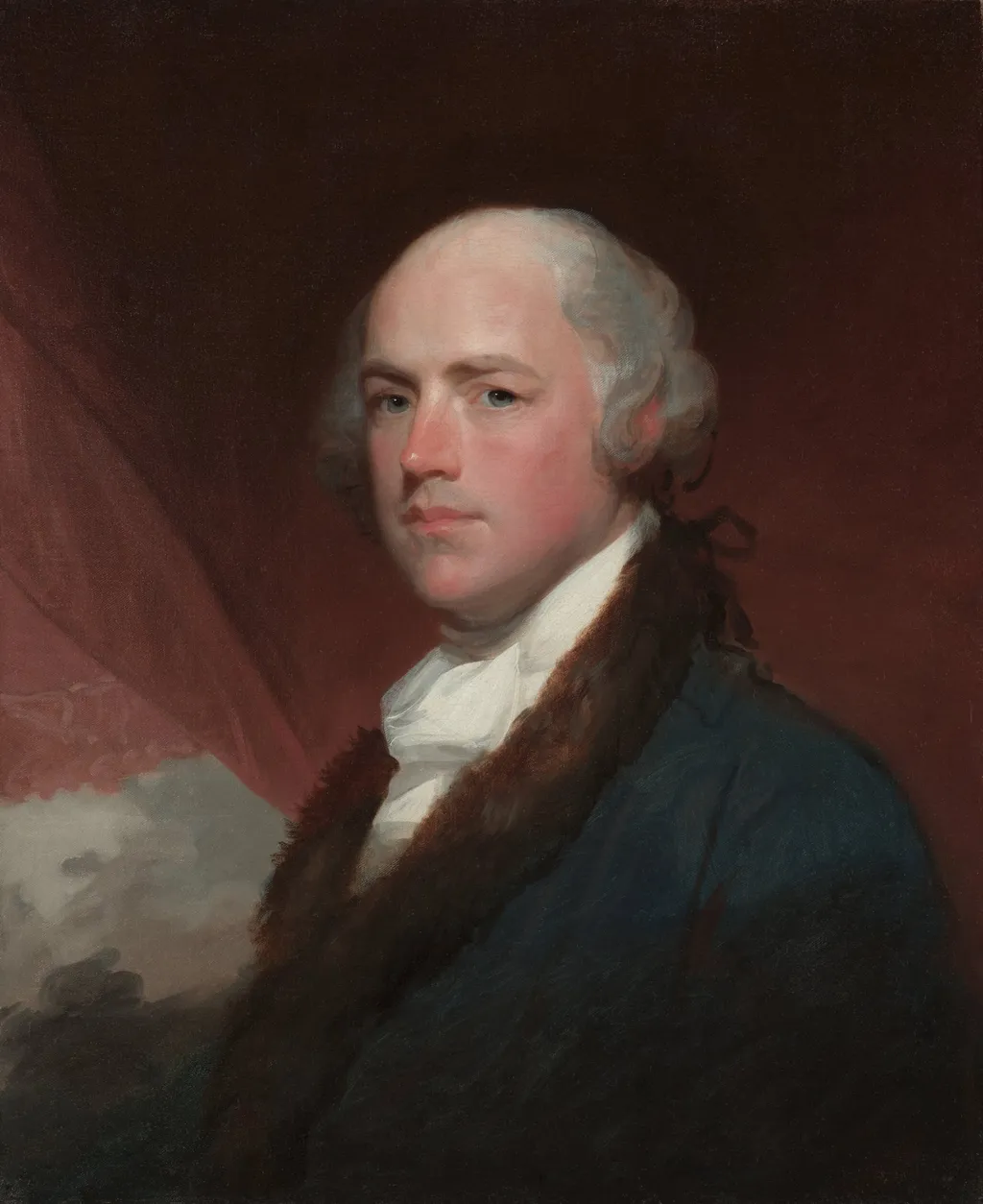
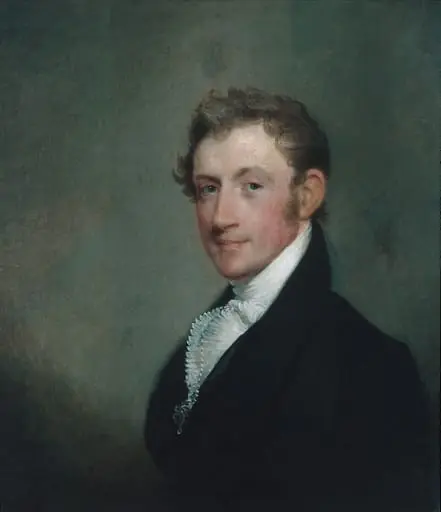
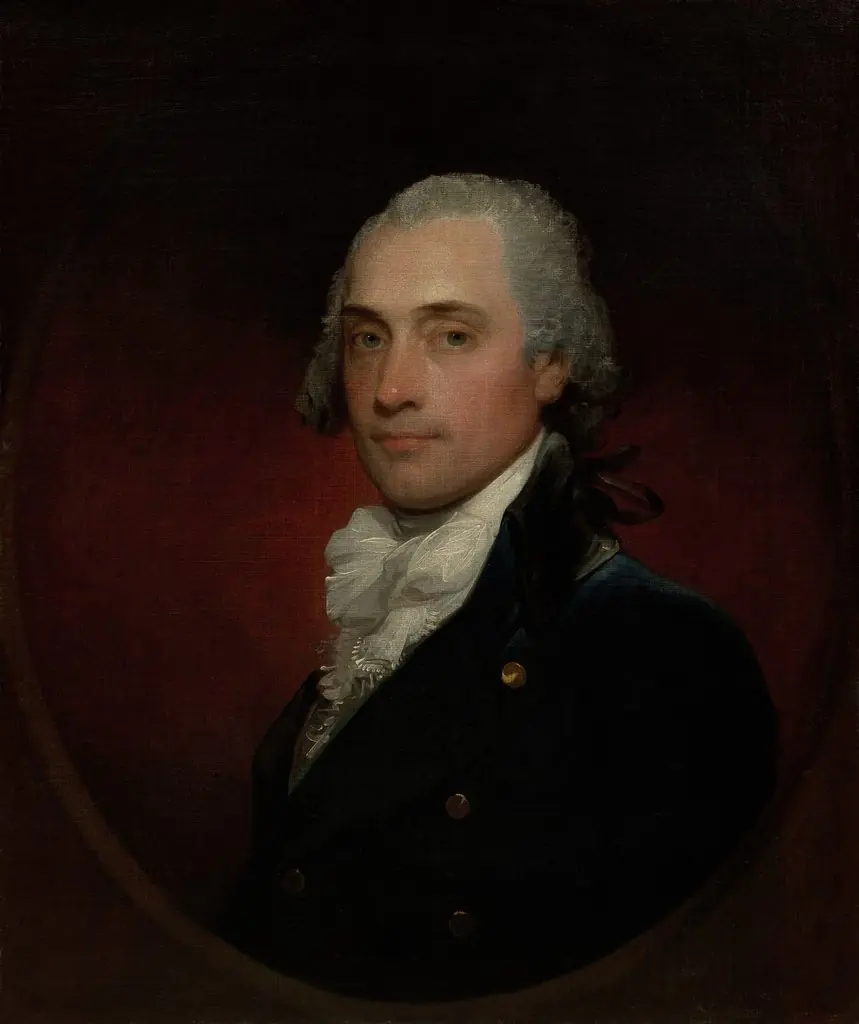
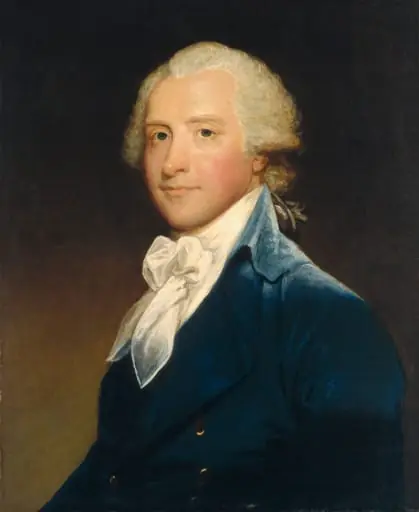
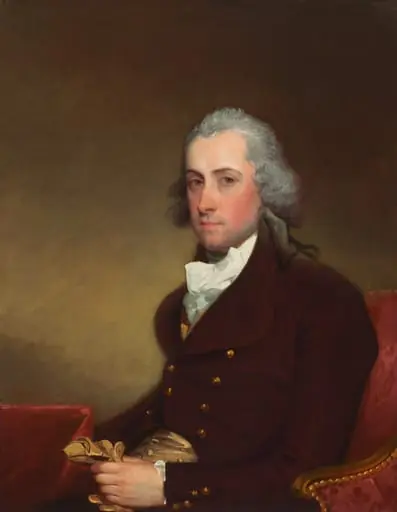
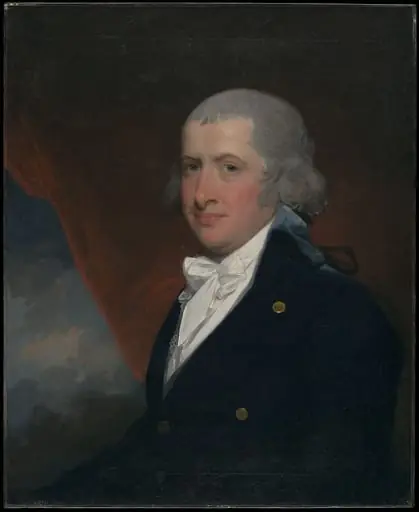
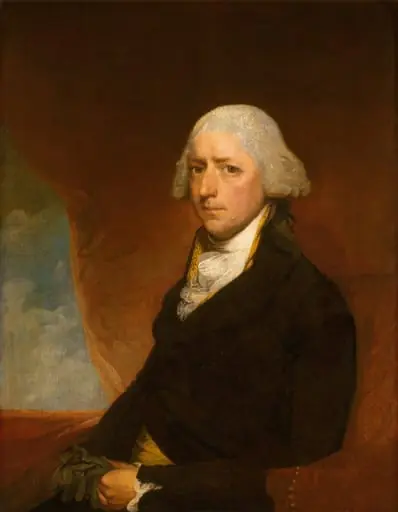
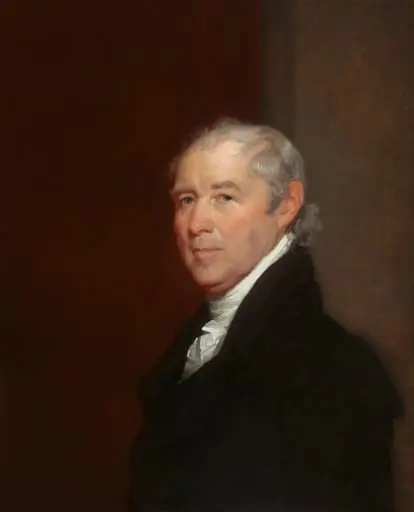
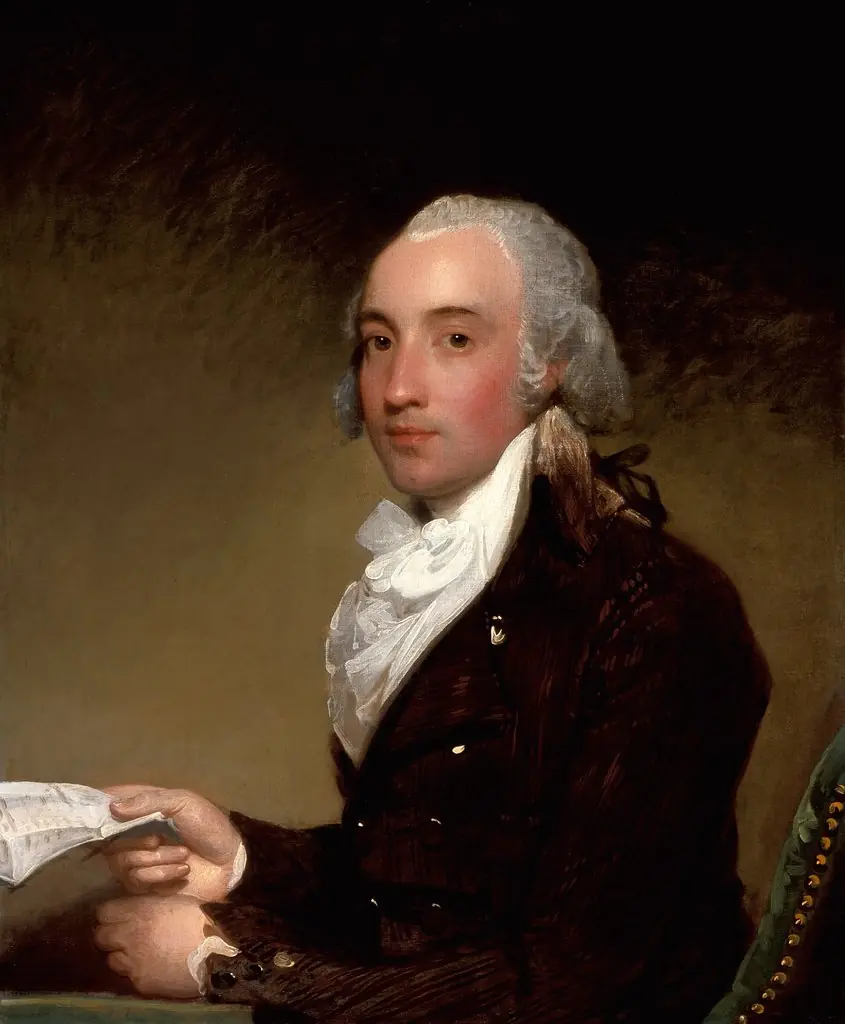
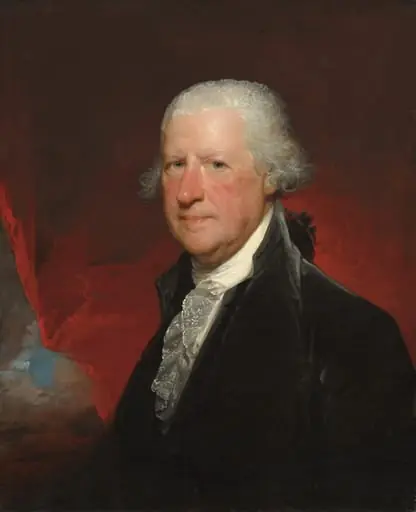
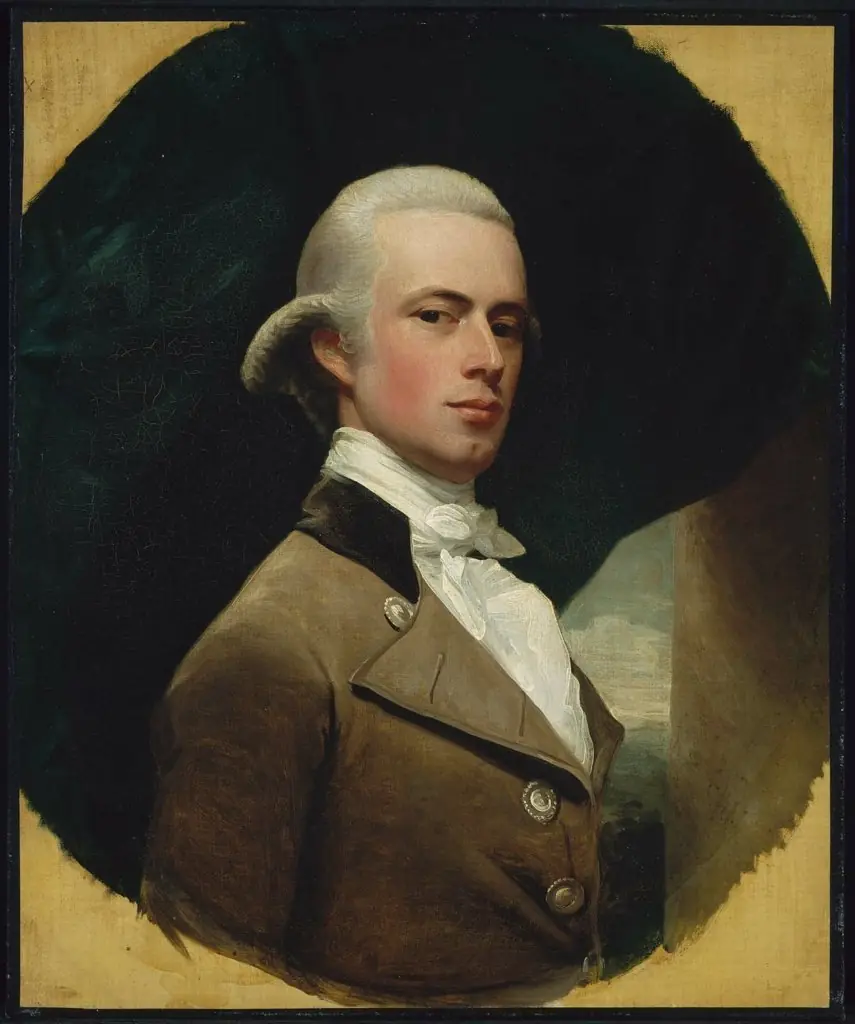
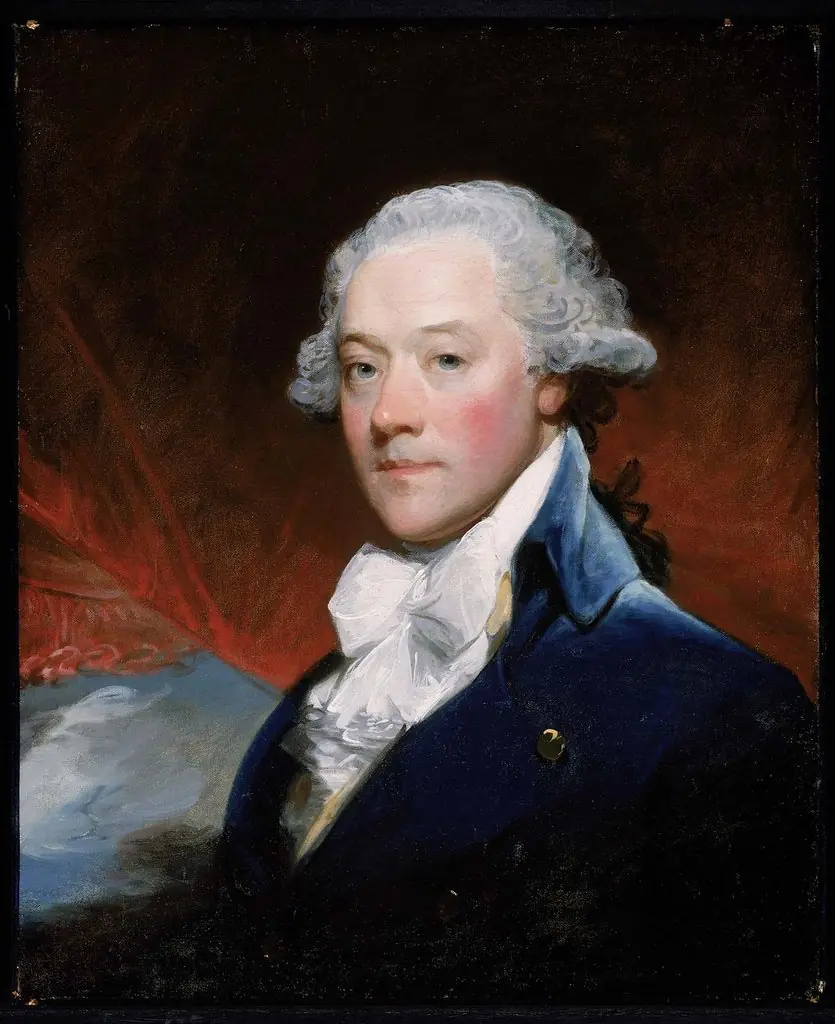
Wilson Cary Nicholas is an unspecified painting by the American Impressionist artist Gilbert Stuart. It dates from 1805 and is held in the collection of the Cleveland Museum of Art.
About this work
To learn more about this style of portrait, look at the work of artist: Gilbert Stuart (American, 1755–1828).
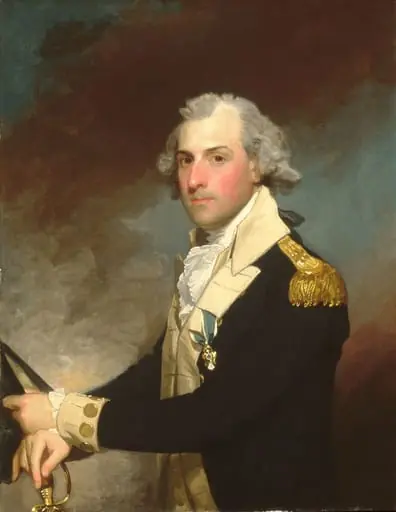
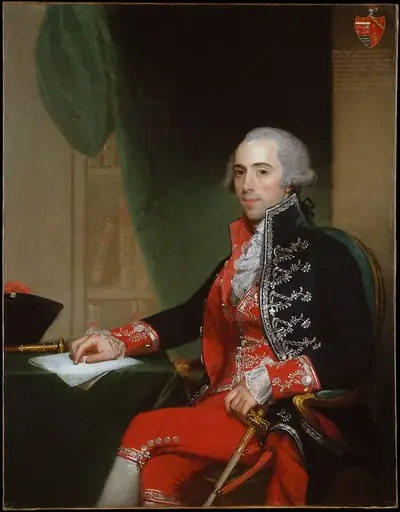
The painting shows a man sitting in a chair.
He's wearing old-fashioned clothes and looks serious.
The subject of this painting is interesting because it's a portrait of a historical figure.
The man in the painting is Wilson Cary Nicholas, a person from American history.
He played a role in the country's early years.
To learn more about this style of portrait, look at the work of artist: Gilbert Stuart (American, 1755–1828).
Overview
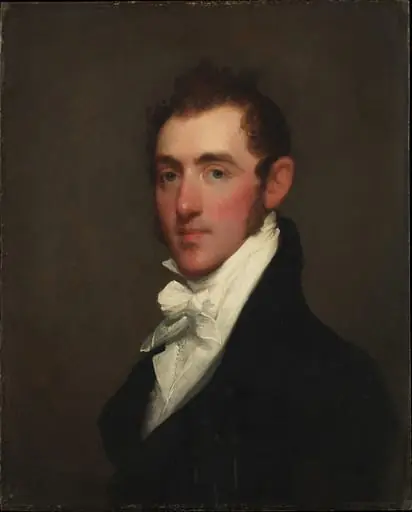
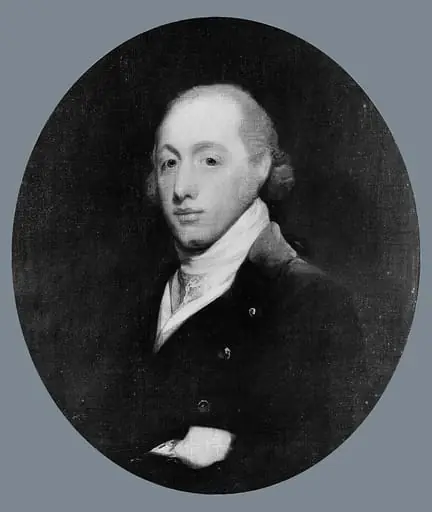
This portrait depicts Wilson Cary Nicholas, a Virginia statesman active during the formative years of the United States. Painted in the late 18th or early 19th century, it captures him in formal attire, seated with a composed demeanor. The work reflects the tradition of American political portraiture, emphasizing dignity and civic presence rather than flamboyance. Its style aligns with contemporaries like Gilbert Stuart, who shaped the visual language of early American leadership.
Subject & Meaning
Nicholas was a key figure in Virginia’s political development, participating in the ratification of the U.S. Constitution and serving in both state and federal offices. His election as governor in 1814 marked the culmination of a career devoted to public service. The portrait’s restrained expression and posture convey gravitas, reflecting his role as a constitutional architect and his later retreat from public life due to declining health, underscoring the weight of responsibility he bore.
Technique & Style
The painting employs a conventional seated pose against a muted background, typical of early American portraiture. Brushwork is precise but not ornate, focusing on facial detail and the texture of clothing to suggest status without excess. The lighting is even, avoiding dramatic contrasts, which reinforces the subject’s measured character. These choices reflect the influence of Gilbert Stuart’s approach—clarity, restraint, and psychological presence over theatricality.
History & Provenance
The portrait likely originated during Nicholas’s time in public office, possibly commissioned by family or political associates. After his death in 1820, he was buried at Monticello, the estate of his son-in-law Thomas Jefferson Randolph, suggesting close familial ties to the Jefferson circle. The painting’s subsequent ownership remains undocumented, but its survival implies preservation within the Nicholas or Jefferson family lineage, valued as a record of political heritage.
Context
Nicholas’s career unfolded during a period of intense nation-building, as Virginia navigated its role in the new republic. His support for the Constitution came amid fierce debate, and his legislative service coincided with the rise of partisan politics. Portraits like this one served not only as personal mementos but as public symbols of civic virtue, reinforcing the ideal of the educated, duty-bound statesman in a young democracy.
Legacy
Though less widely remembered than contemporaries like Jefferson or Madison, Nicholas’s contributions to Virginia’s ratification of the Constitution and his gubernatorial leadership left a lasting imprint on state governance. His burial at Monticello underscores his connection to the Jeffersonian political tradition. This portrait endures as a quiet testament to the many unsung figures who helped shape the institutional foundations of the early United States.
Own this work as a print
Artist & collection

Artist
Gilbert Stuart (né Stewart; December 3, 1755 – July 9, 1828) was an American painter born in the Rhode Island Colony who is widely considered one of America's foremost portraitists.