Artwork
Portrait of John Vaughan (1756–1841)
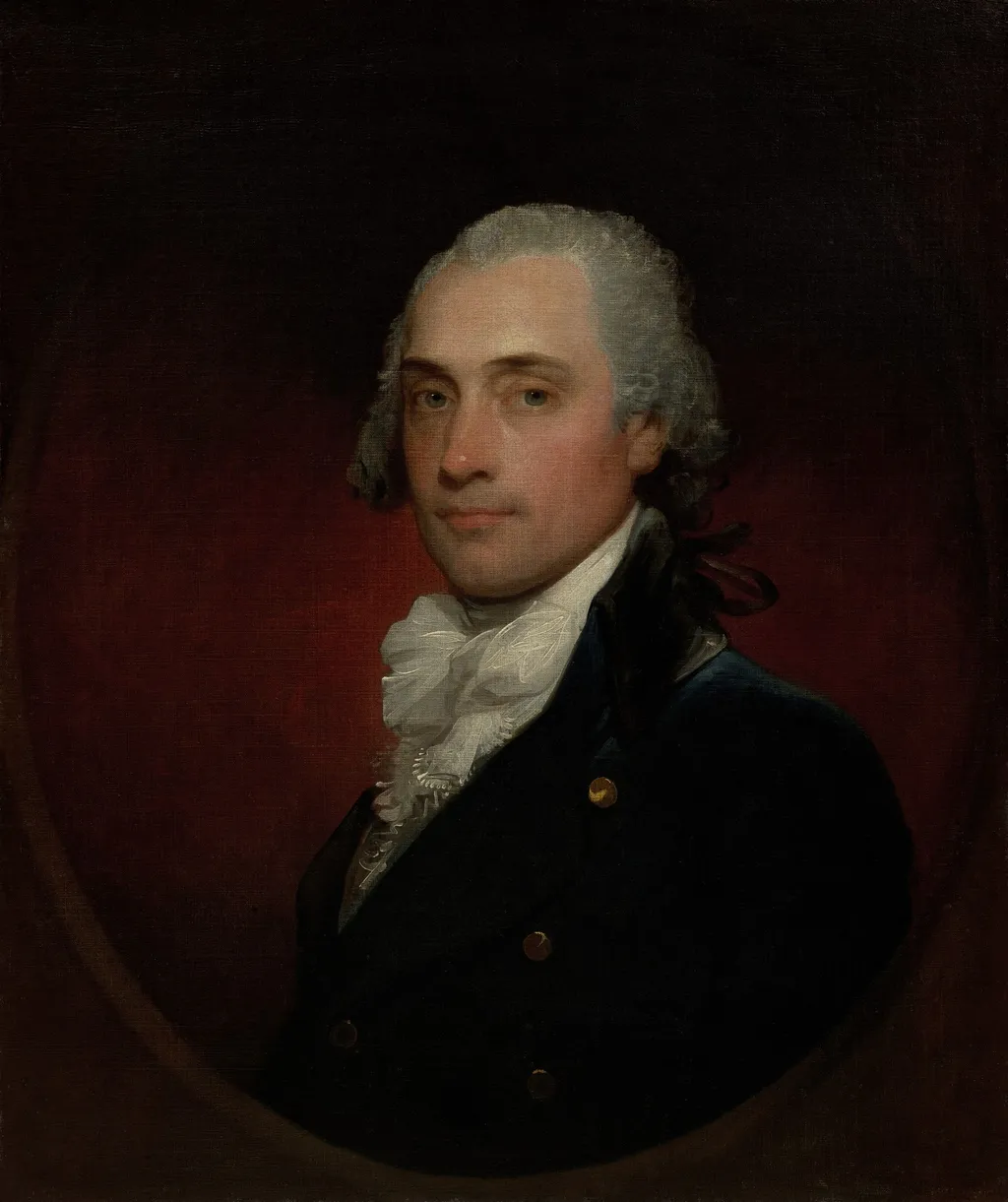
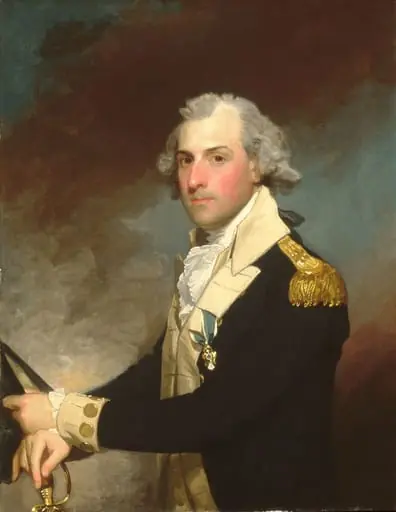
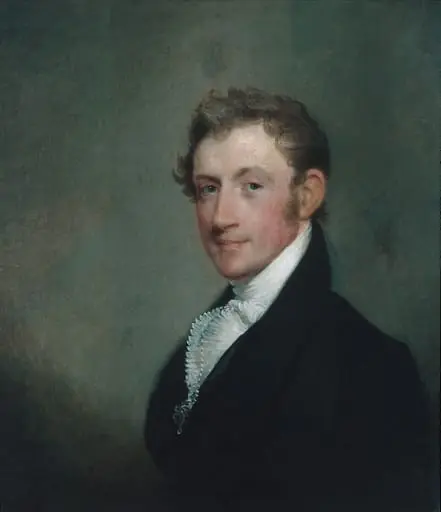
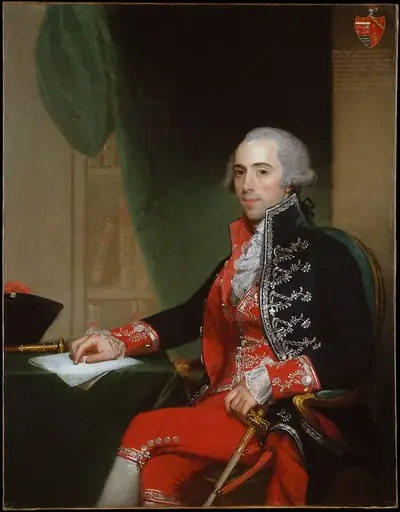
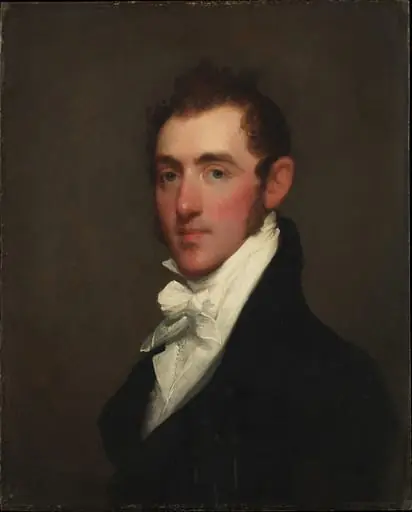
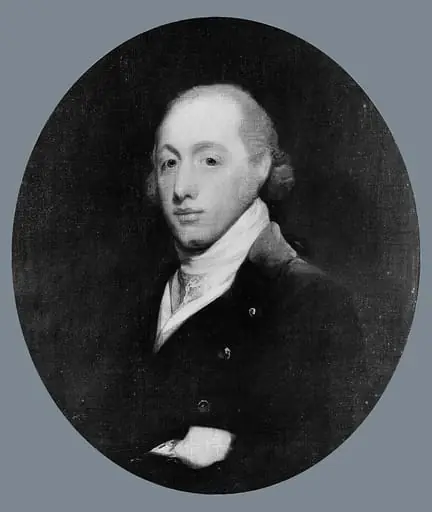
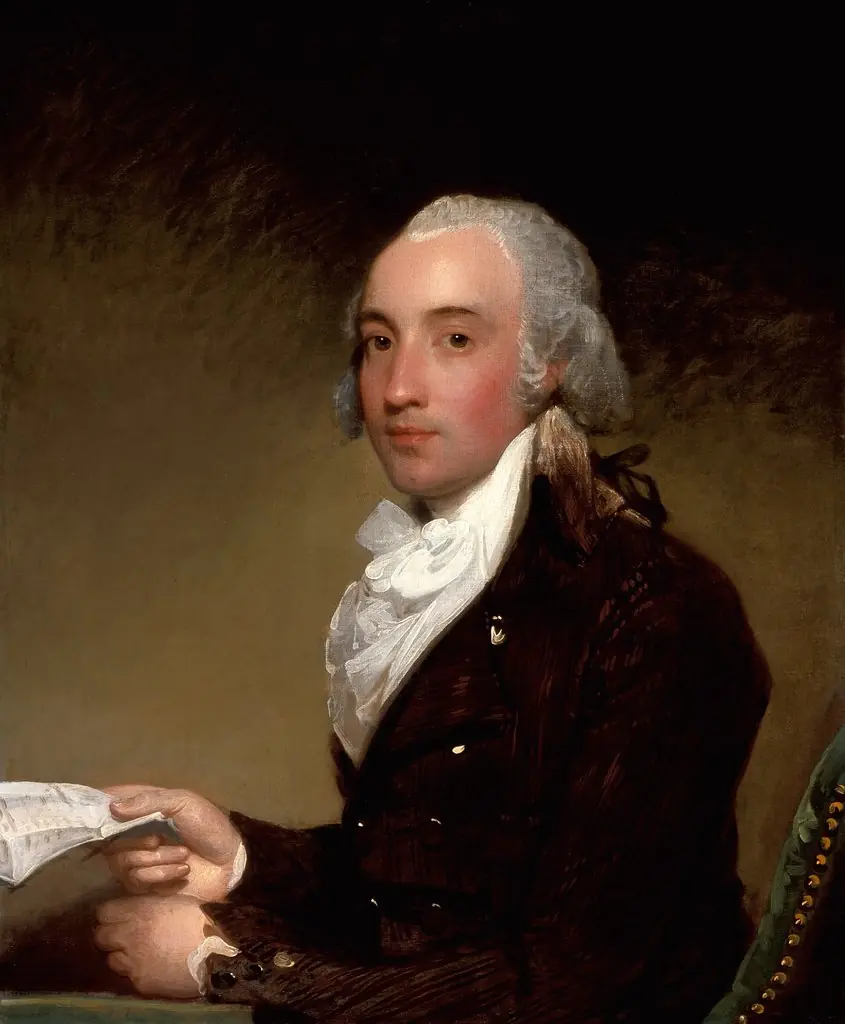
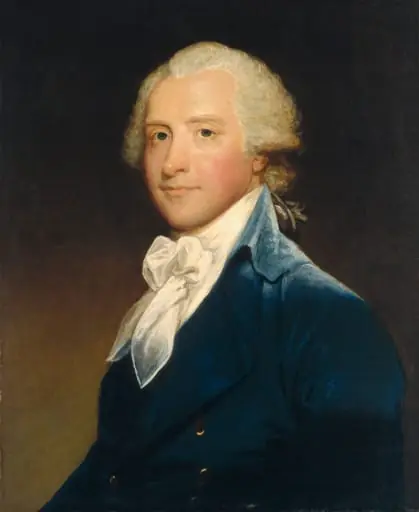
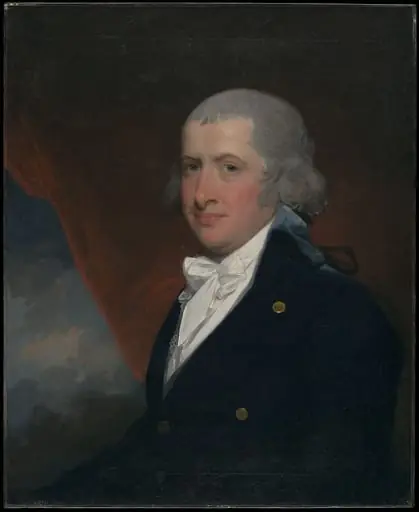
Portrait of John Vaughan (1756–1841) is an oil painting by the American Impressionist artist Gilbert Stuart. It dates from 1801 and is held in the collection of the Museum of Fine Arts, Houston.
About this work
The overall atmosphere of the portrait is one of formality and elegance, suggesting that the subject was a person of importance.
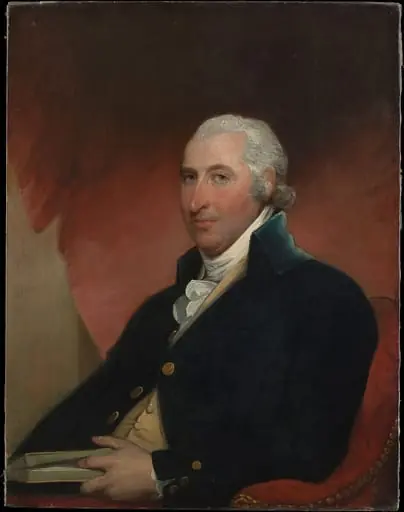
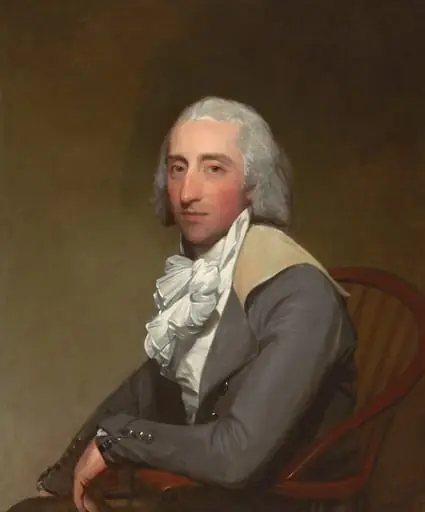
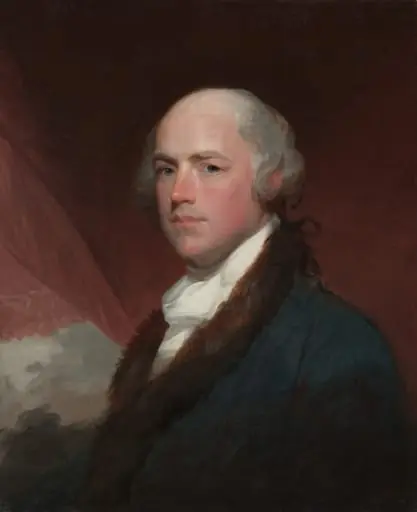
This portrait depicts a man with a serious expression, gazing directly at the viewer. He has a powdered wig, which was a common fashion among the upper class during the 18th century. The man wears a dark blue coat with gold buttons, a white cravat, and a white shirt.
The background of the painting is a dark, muted color, which helps to draw attention to the subject. The overall atmosphere of the portrait is one of formality and elegance, suggesting that the subject was a person of importance.
If you're interested in learning more about this style of portraiture, you might want to look up the work of Gilbert Stuart.
Overview
Painted circa 1801 by Gilbert Stuart, this oil portrait captures John Vaughan, a Philadelphia merchant and civic figure. Stuart, trained in London and active in the early American republic, specialized in commissioned likenesses of the nation’s elite. The work reflects his refined approach to character study, balancing psychological presence with the conventions of elite portraiture in post-Revolutionary America.
Subject & Meaning
John Vaughan was a prominent figure in Philadelphia’s commercial and intellectual circles, known for his involvement in scientific societies and civic institutions. The portrait’s direct gaze and composed posture convey dignity and social standing. The formal attire and restrained setting emphasize his role as a man of influence, not through ostentation but through quiet authority, aligning with emerging American ideals of republican virtue.
Technique & Style
Stuart employed loose, fluid brushwork in the fabric and hair, while rendering facial features with precise detail to capture individuality. The dark, neutral background isolates the figure, enhancing the three-dimensionality of his form. The contrast between the rich blue coat and the luminous white cravat draws the eye to the face, a hallmark of Stuart’s method—prioritizing psychological depth over ornamental detail.
History & Provenance
Commissioned during Stuart’s most productive period in Philadelphia, the portrait entered private collections soon after completion. It remained in the Vaughan family for generations before being acquired by a public institution in the 20th century. Its documented lineage supports its authenticity and situates it within Stuart’s network of mercantile patrons, distinct from his more famous presidential portraits.
Context
In early 19th-century America, portraiture served as both personal commemoration and social assertion. Stuart’s work emerged amid a cultural shift from British artistic models toward a distinct national identity. The powdered wig and formal dress reflect lingering colonial customs, while the sober tone signals a new American emphasis on character over aristocratic display.
Legacy
Though less celebrated than Stuart’s Washington portraits, this work exemplifies his ability to convey individuality within formal constraints. It contributes to the broader understanding of how American elites presented themselves in the decades following independence. The painting remains a reference point for studying the evolution of American portraiture beyond iconic figures.
Artist & collection

Artist
Gilbert Stuart (né Stewart; December 3, 1755 – July 9, 1828) was an American painter born in the Rhode Island Colony who is widely considered one of America's foremost portraitists.