Artwork
Portrait of Antoine Coysevox
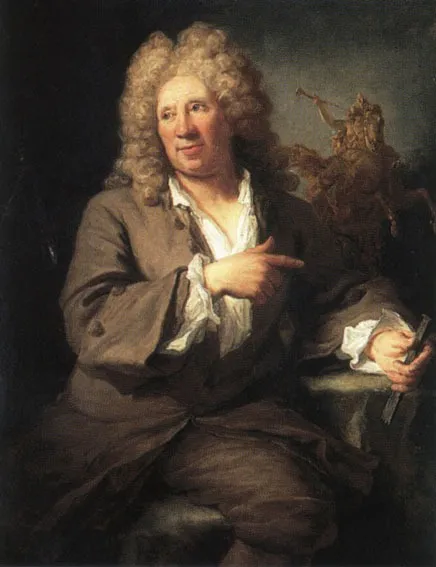
Portrait of Antoine Coysevox is an oil painting by Gilles Allou. It dates from 1720 and is held in the collection of the Palace of Versailles.
About this work
Overview
Allou, a French artist admitted to the Royal Academy in 1710, specialized in portraiture during the early 18th century.
Painted around 1720 by Gilles Allou, this oil portrait captures the sculptor Antoine Coysevox in a formal setting. Allou, a French artist admitted to the Royal Academy in 1710, specialized in portraiture during the early 18th century. The work is held in the Palace of Versailles, reflecting its association with royal and artistic circles. Though Allou was recognized in his time, his reputation has since faded into relative obscurity.
Subject & Meaning
The portrait presents Coysevox as a distinguished artist, seated and gesturing toward an unseen element, suggesting contemplation or direction. Behind him, the allegorical figure of Fame mounted on Pegasus symbolizes enduring artistic legacy. The inclusion of this mythological motif elevates Coysevox’s status, aligning his achievements with timeless ideals of glory and creative immortality.
Technique & Style
Allou employs a restrained palette and careful modeling to define form, with subtle contrasts between light and shadow enhancing the sculptural quality of the sitter’s features. The texture of fabric and hair is rendered with precision, while the background statue is rendered with softer focus, directing attention to Coysevox. The composition balances naturalism with symbolic elements, typical of academic portraiture of the period.
History & Provenance
Commissioned during Coysevox’s lifetime, the painting entered the royal collection and has remained at the Palace of Versailles since at least the 18th century. Allou, who submitted three works to gain academy membership, was known for his ability to capture the dignity of his subjects. The painting’s preservation in a royal context underscores its significance as a tribute to a leading sculptor of the French court.
Context
In early 18th-century France, portraiture often served to reinforce social and professional standing, especially among artists tied to the monarchy. Coysevox, a favored sculptor of Louis XIV, was celebrated for his contributions to Versailles’ decorative program. Allou’s portrait reflects this culture of institutional recognition, where visual representation was a tool for cementing legacy within the royal artistic hierarchy.
Legacy
Though Gilles Allou is little remembered today, this portrait endures as a document of artistic patronage and identity in the Ancien Régime. It preserves the image of Coysevox, a pivotal figure in French sculpture, framed by the symbolic language of his era. The work remains a quiet testament to the interplay between individual achievement and institutional commemoration in early modern France.
Artist & collection
Artist
Gilles Allou (1670–1751) was a French painter. He was a well-known portrait painter in his time, but is little known today. Gilles Allou was born in 1670. The Allou family came from Beauvaisis. On 8 July 1702 Gilles…

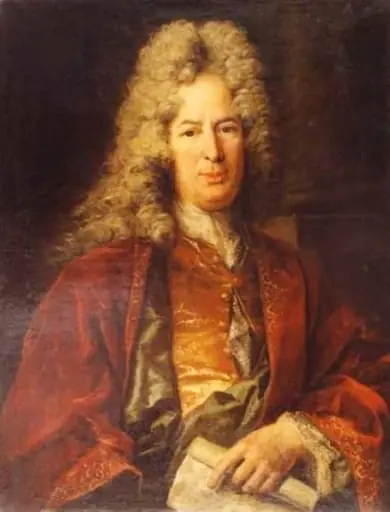 Johann Traugott von Seilen din Brașov
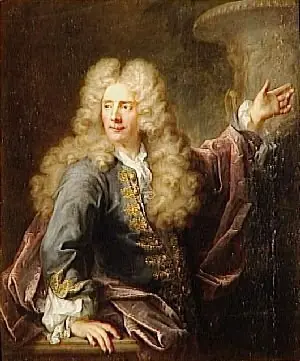 Michel Corneille l'Aîné (1642-1708)
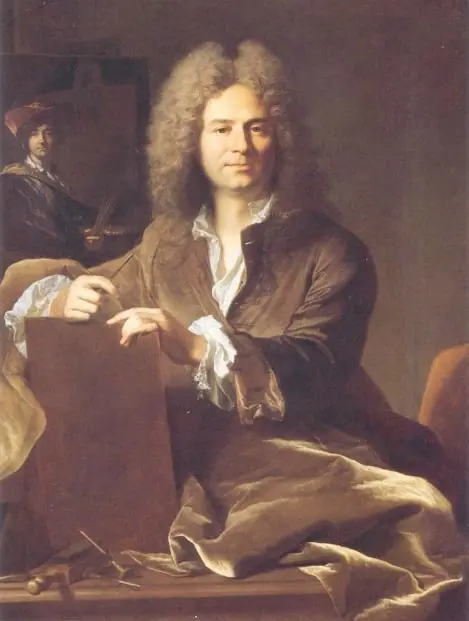 Portrait de Pierre Drevet
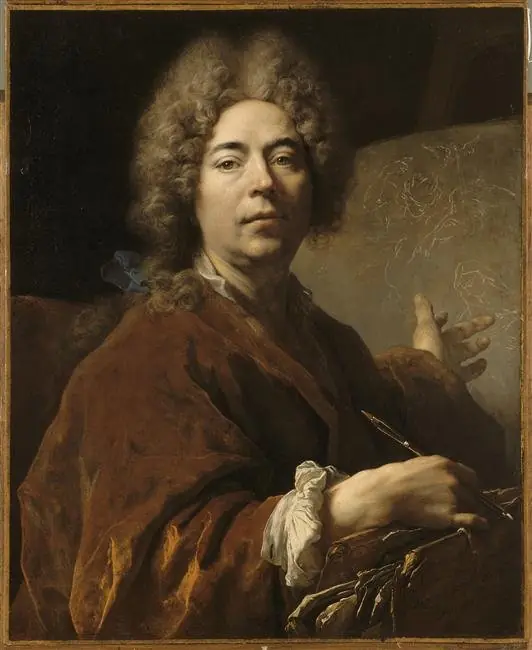 Nicolas de Largillière représenté en 1711, travaillant à une Annonciation
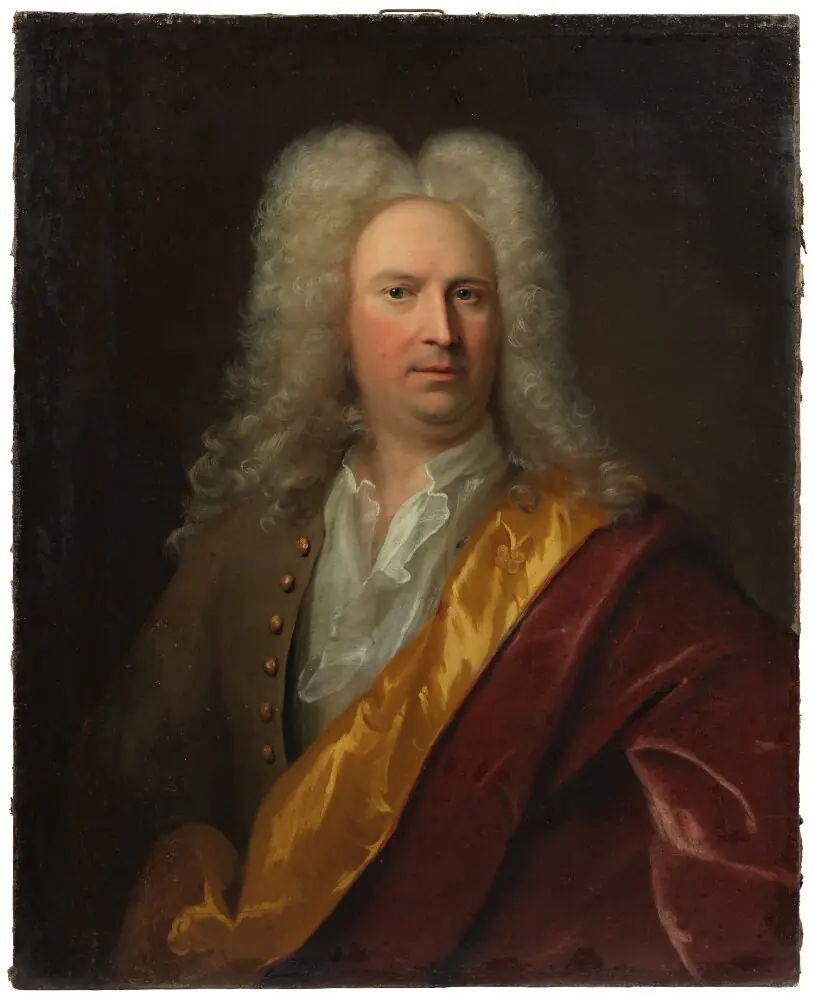 Abraham Grill the Older
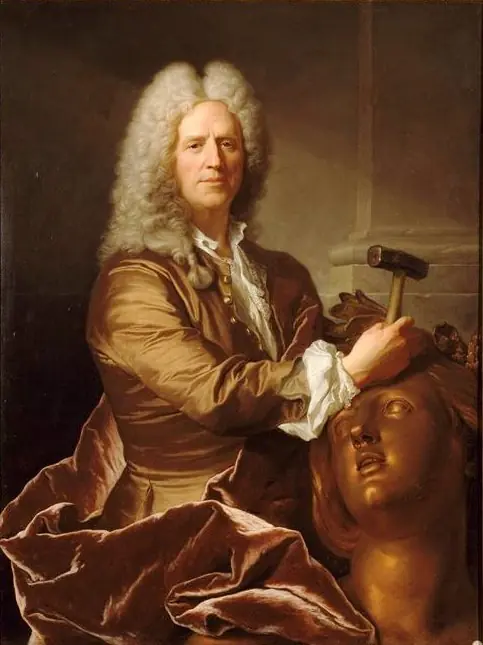 Portrait of Nicolas Coustou (1658-1733), French sculptor
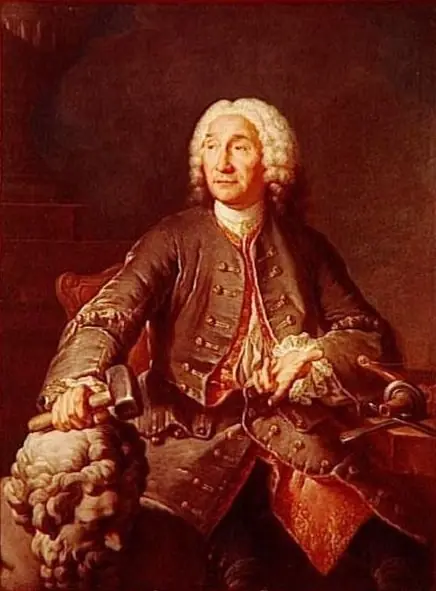 Portrait of the sculptor René Frémin (1672-1744)
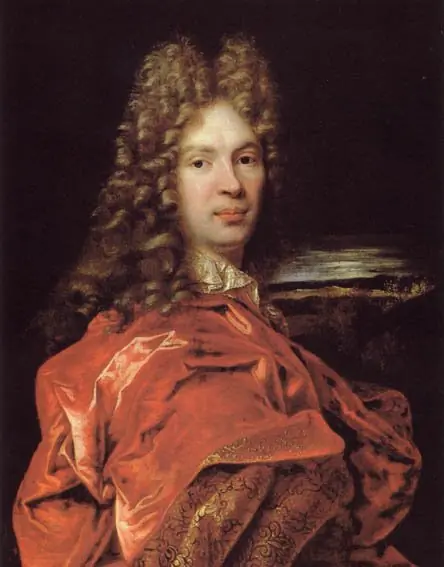 Portrait of Pierre Vincent Bertin
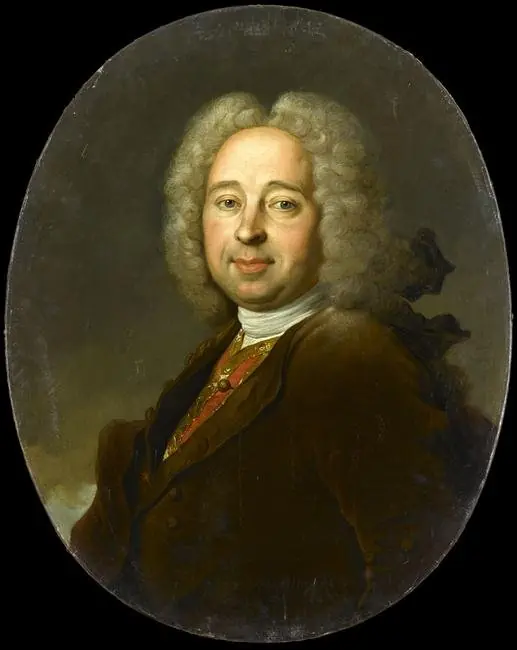 Jean-Baptiste Oudry (1686-1755)
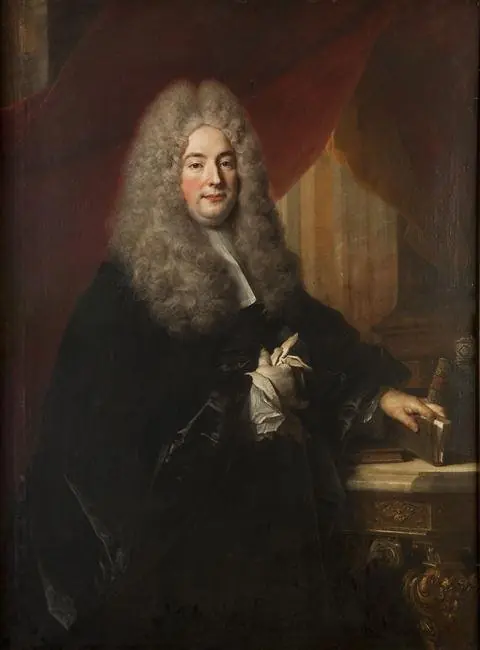 Thomas Morant, conseiller d'Etat