Artwork
Abraham Grill the Older
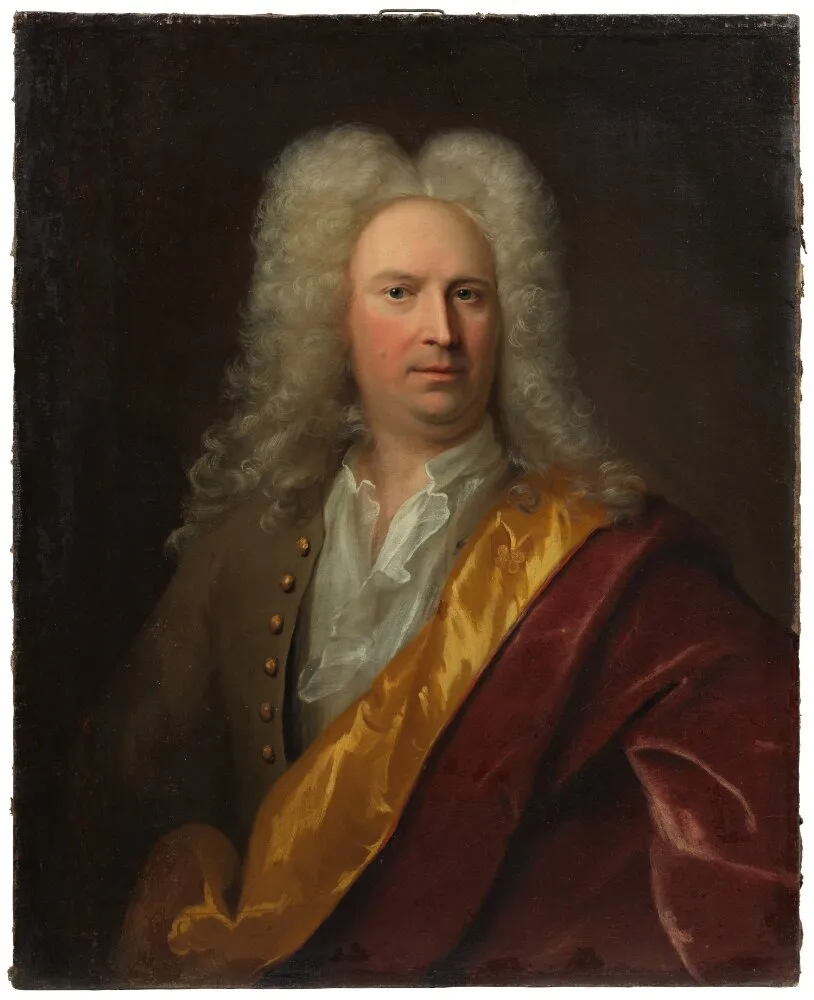
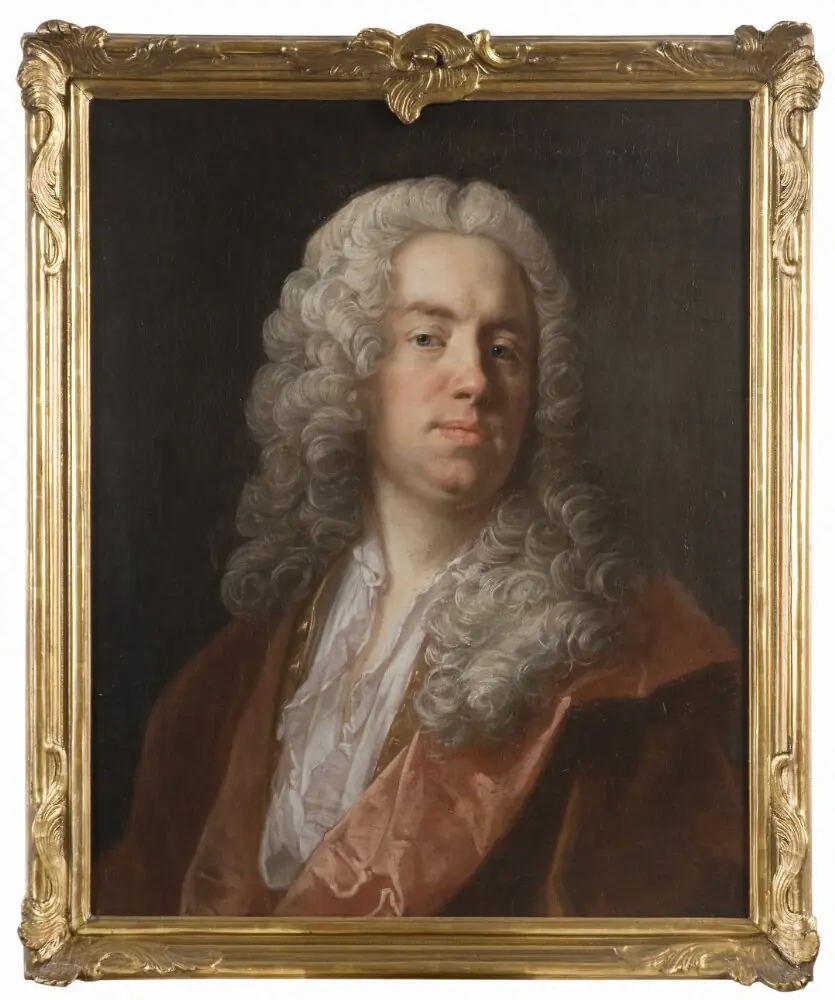
Abraham Grill the Older is an unspecified painting by the Rococo painting artist Georg Desmarées. It dates from 1718 and is held in the collection of the Nationalmuseum.
About this work
Overview
The painting reflects the conventions of early 18th-century portraiture in Northern Europe, where social standing was conveyed through dress and expression.
Painted in 1718 by Georg Desmarées, this portrait depicts Abraham Grill the Older, a Swedish merchant of Finnish descent. The work is part of the Nationalmuseum’s collection in Stockholm. It presents a formal, full-length depiction of the sitter, emphasizing his status through attire and composed demeanor. The painting reflects the conventions of early 18th-century portraiture in Northern Europe, where social standing was conveyed through dress and expression.
Subject & Meaning
Abraham Grill the Older was a prominent figure in Swedish commerce and civic life. His portrayal conveys authority and restraint, typical of merchant-class portraiture of the period. The dignified gaze and still posture suggest introspection and responsibility. The sash and ornate buttons signal membership in a guild or order, reinforcing his position within the urban elite. The absence of props or landscape directs focus to his character rather than his wealth.
Technique & Style
Desmarées employed a refined, controlled brushwork to render textures: the soft curl of white hair, the sheen of gold buttons, and the crisp folds of the ruffled shirt. The dark, neutral background isolates the figure, heightening visual impact. Color is restrained but deliberate—deep browns and muted reds anchor the composition, while the white linen and metallic accents provide contrast. The handling of light suggests a studio setting with careful directional illumination.
History & Provenance
The painting entered the Nationalmuseum’s collection in the 19th century, likely through state acquisition or donation from a descendant of the Grill family. Its attribution to Desmarées has been consistently supported by stylistic analysis and archival records. No significant alterations or restorations are documented, preserving its original condition. The portrait remained in private hands until its institutional acquisition, reflecting its enduring value to Swedish cultural heritage.
Context
In early 18th-century Sweden, portraiture served as a tool for asserting social identity among the rising merchant class. Desmarées, trained in France and active in Stockholm, brought continental techniques to Swedish commissions. The Grill family, influential in trade and mining, frequently commissioned portraits to affirm their status. This work aligns with a broader trend of civic leaders commissioning dignified likenesses to accompany their public roles.
Legacy
The portrait remains a key example of Desmarées’ skill in capturing psychological presence within formal constraints. It contributes to the understanding of Swedish elite portraiture beyond aristocratic subjects, highlighting the visibility of merchant families in national culture. While not widely reproduced, it is regularly referenced in scholarly studies of Nordic 18th-century art and the visual representation of economic power.
Artist & collection

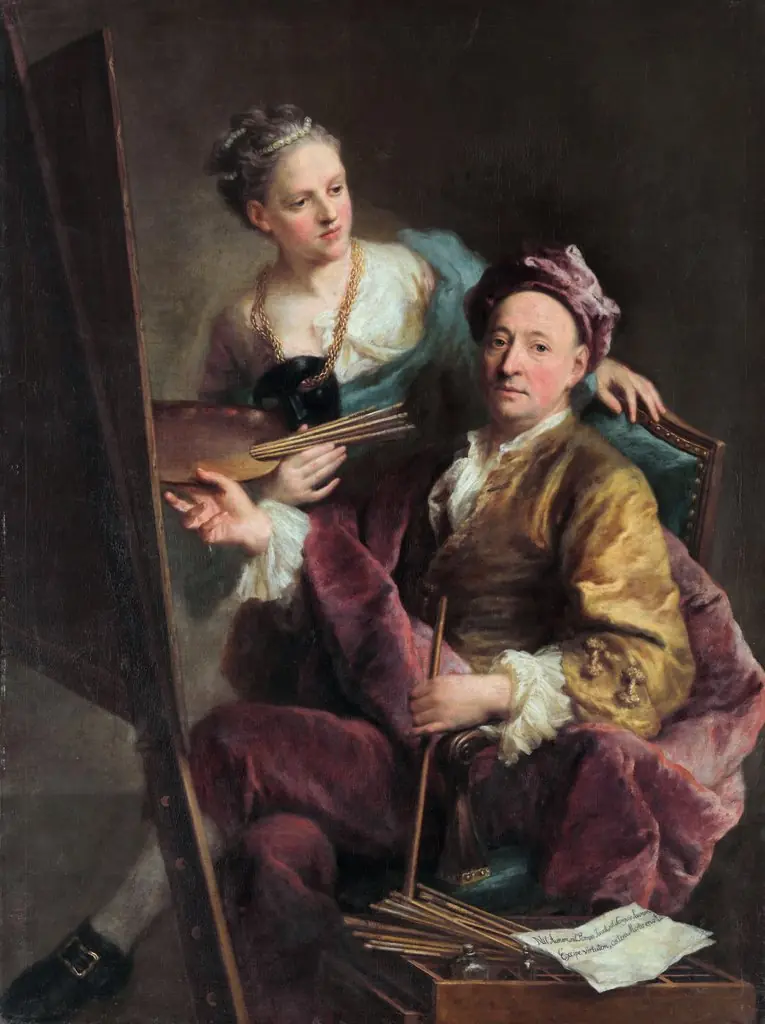 Self-portrait of the Artist with his Daughter Antonia
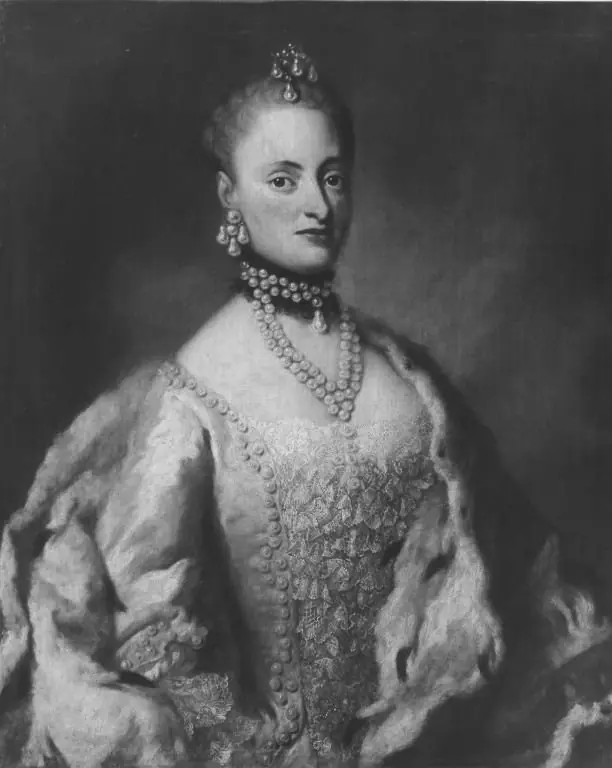 Elisabeth Apollonia of Saxony (1736–1818)
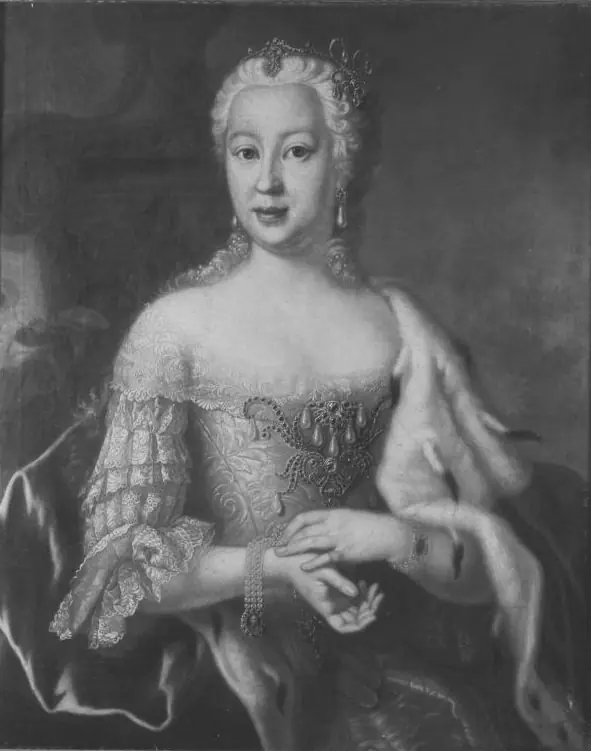 Maria Anna of Sulzbach (1722-1790)
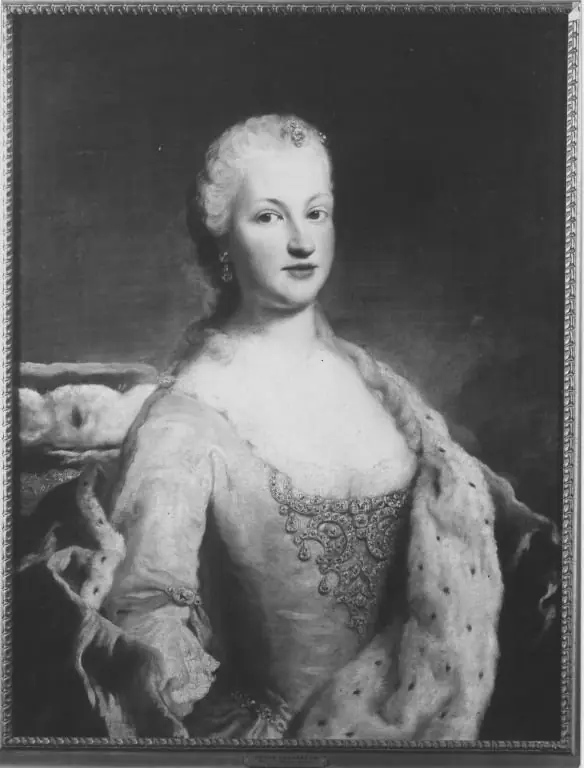 Bildnis der Maria Franziska Dorothea von Pfalz-Sulzbach, Herzogin von Zweibrücken-Birkenfeld (1724-1794)
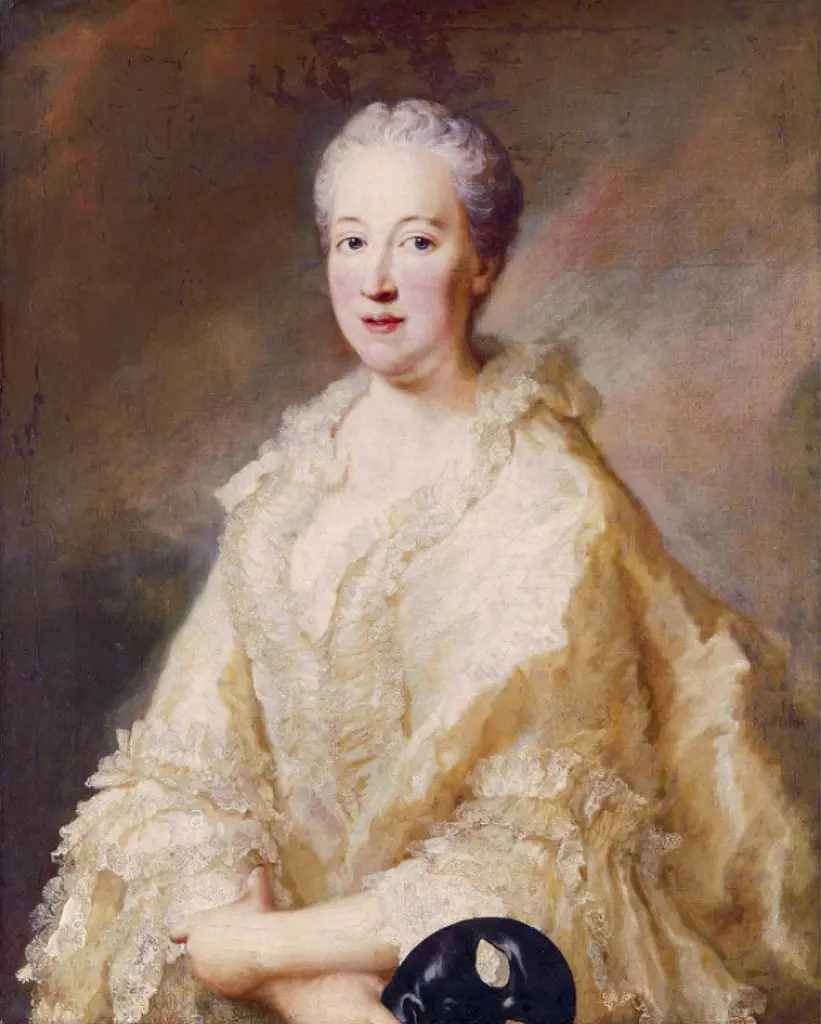 Portrait of Countess Palatine Maria Anna of Sulzbach (1722-1790)
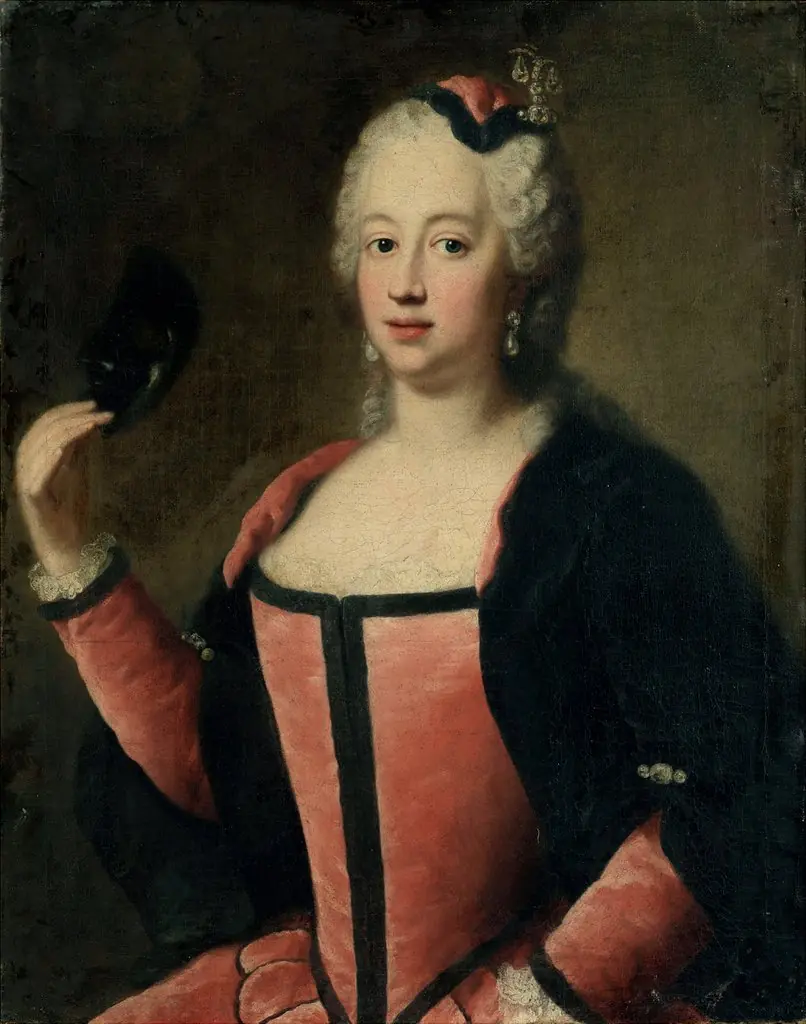 Maria Anna of Sulzbach
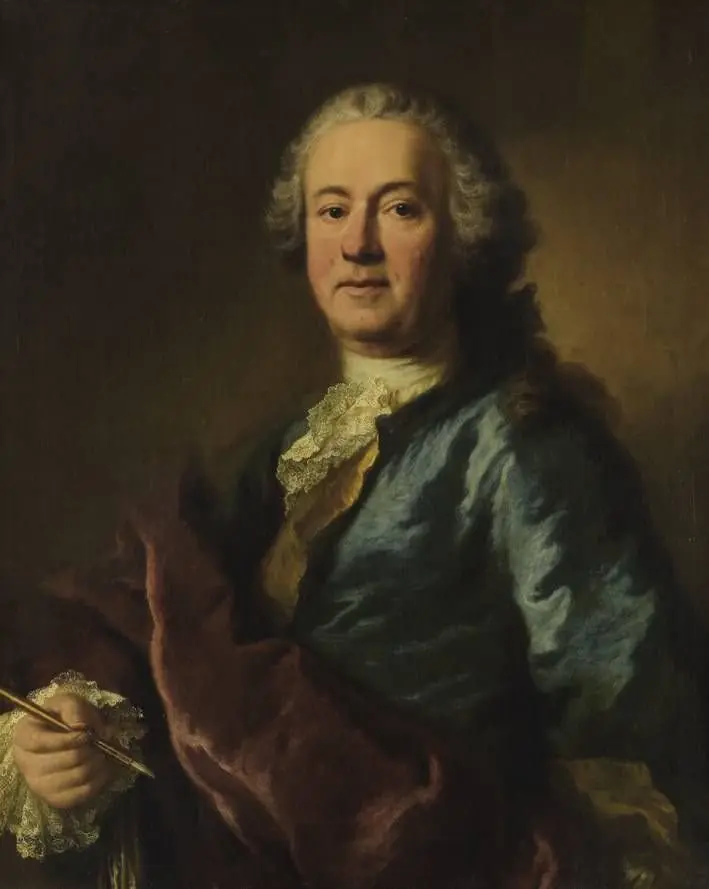 Bildnis des Hofmalers Balthasar August Albrecht (1687-1765)
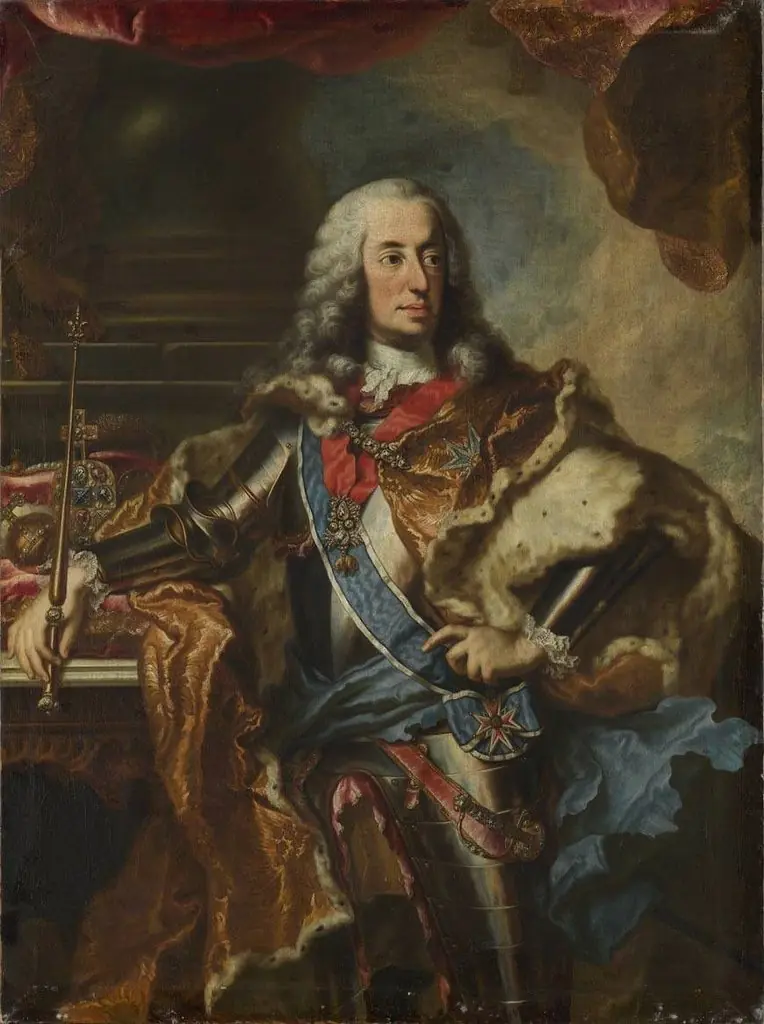 Kurfürst Karl Albrecht als Kaiser Karl VII. (1697-1745)
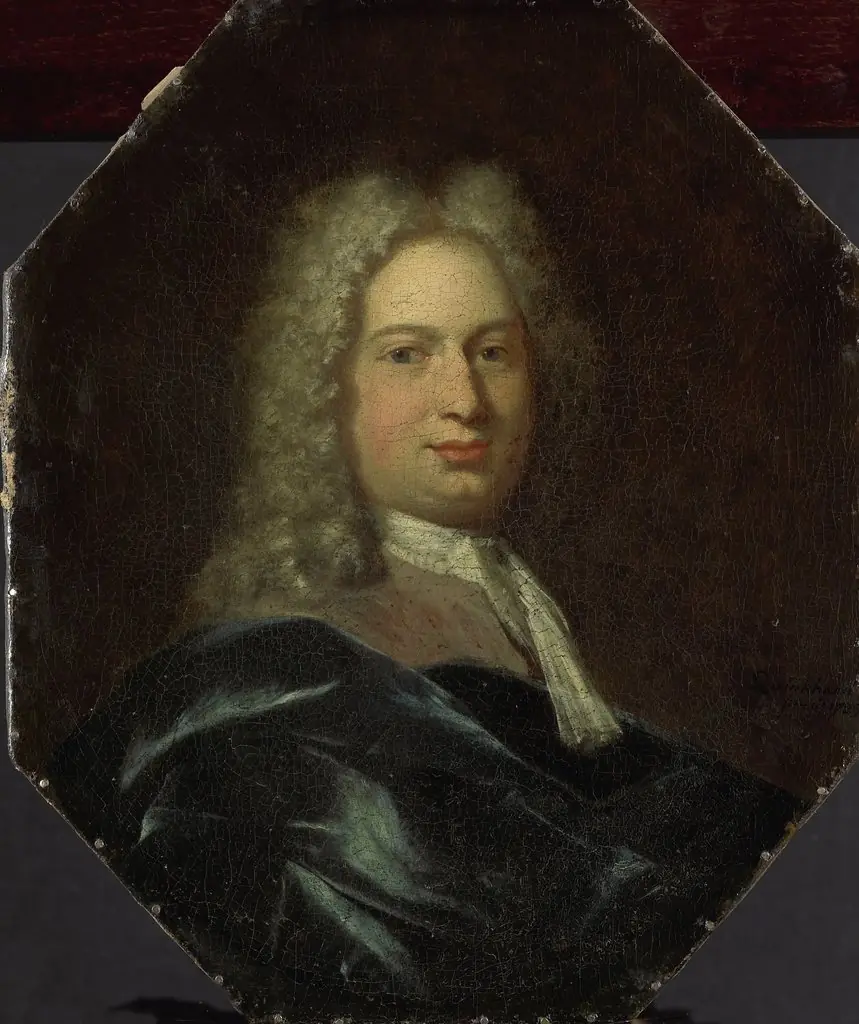 Portrait of Isaac Verburg, Rector of the Latin School in Amsterdam
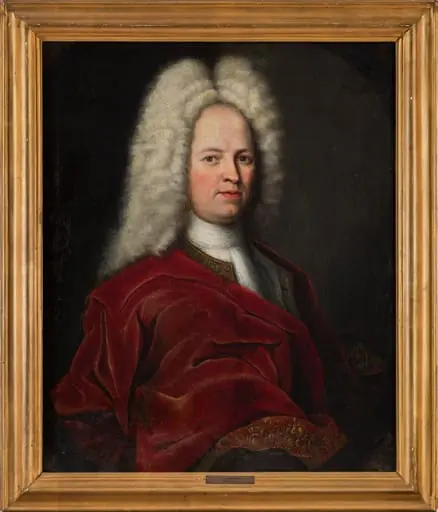 Valtiomies Georg Heinrich von Görtz
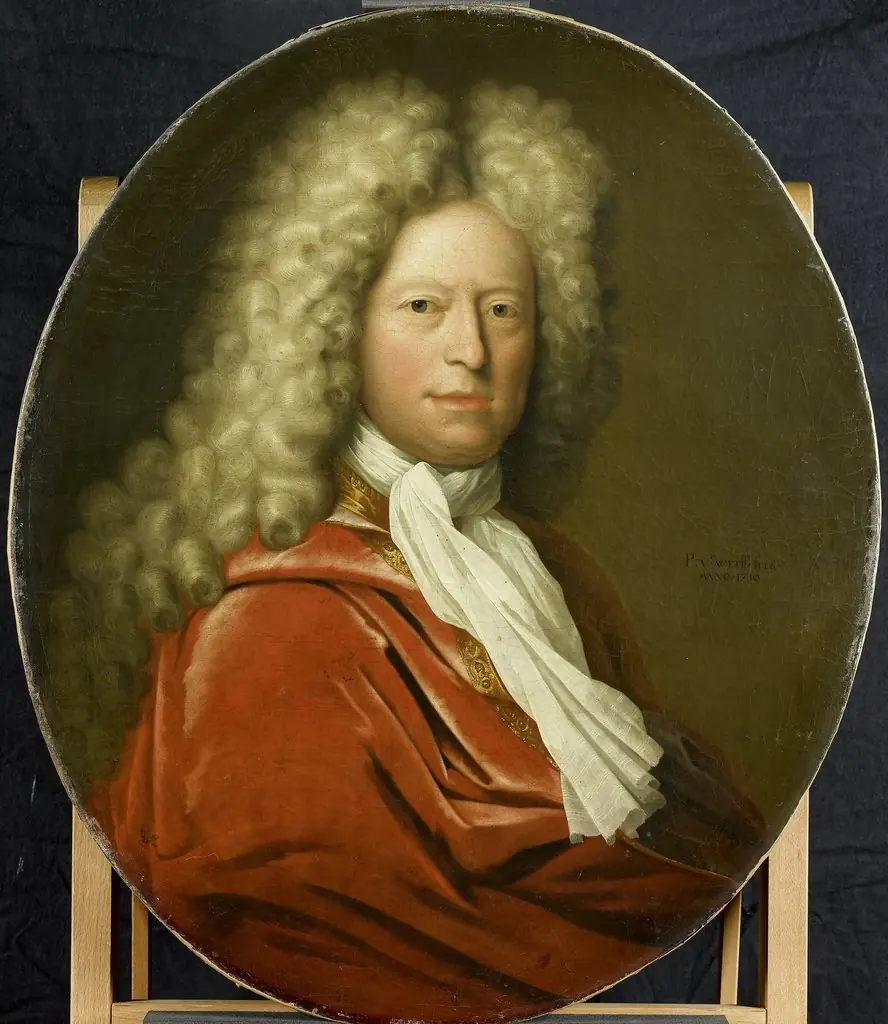 Portrait of Mr. Brust
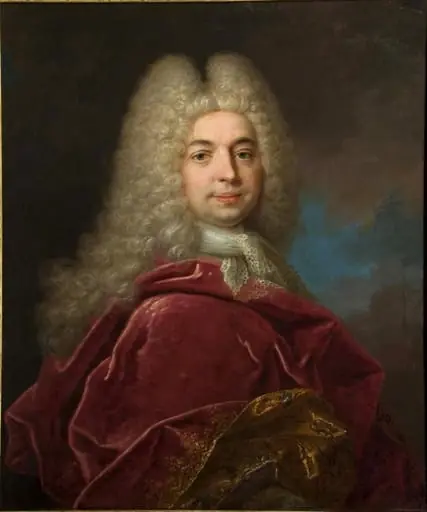 Portret de bărbat
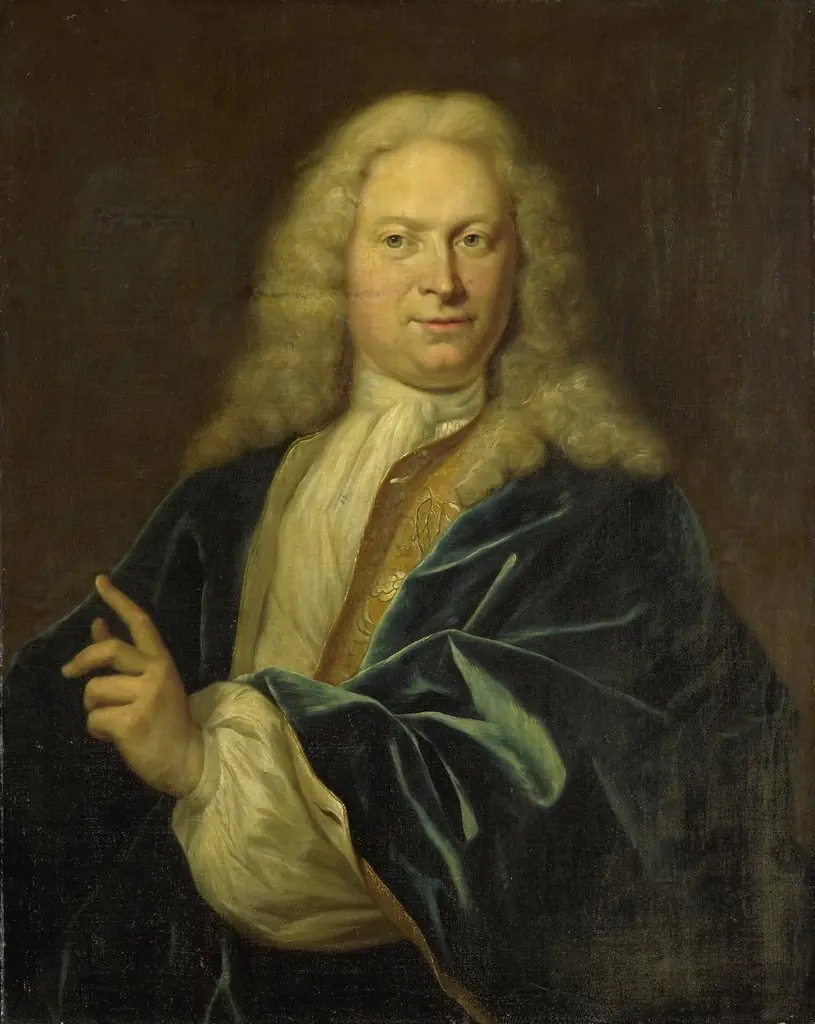 Portrait of Jan Hendrik van Heemskerck, Count of the Holy Roman Empire, Lord of Achttienhoven, Den Bosch and Eyndschoten, Captain of the Citizenry of Amsterdam (Johan Hendrik Graaf Van Heemskerk)
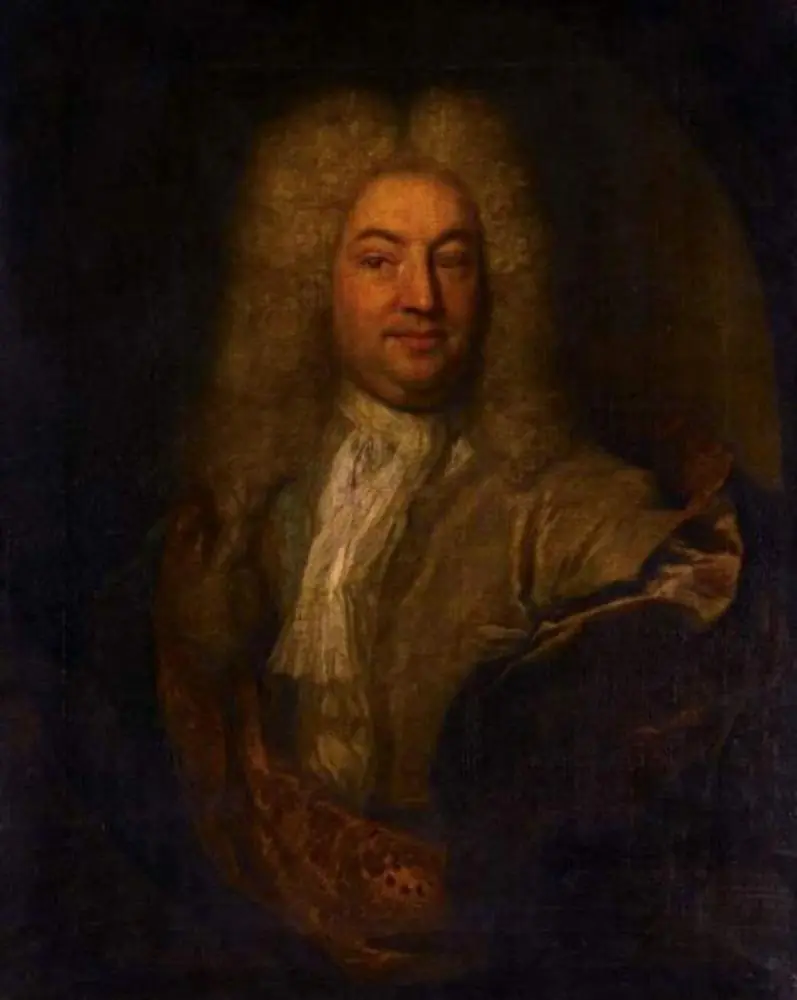 Portrait of Sir Matthew Decker, Bart
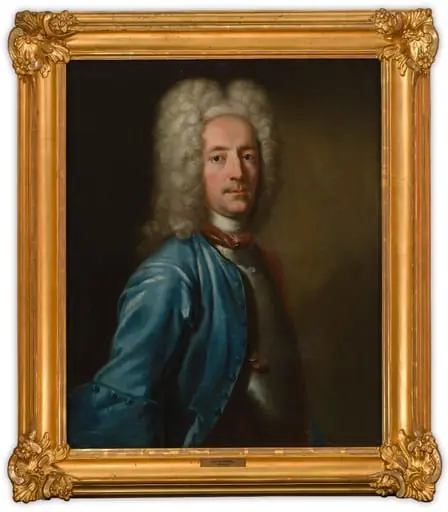 Eversti Henrik Falkenberg af Bålby
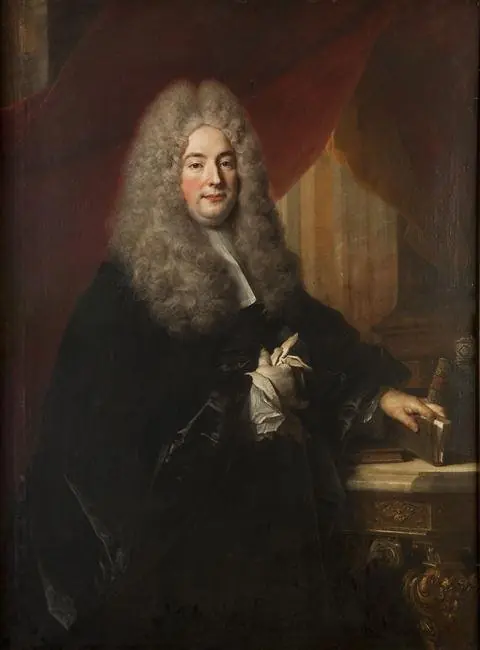 Thomas Morant, conseiller d'Etat
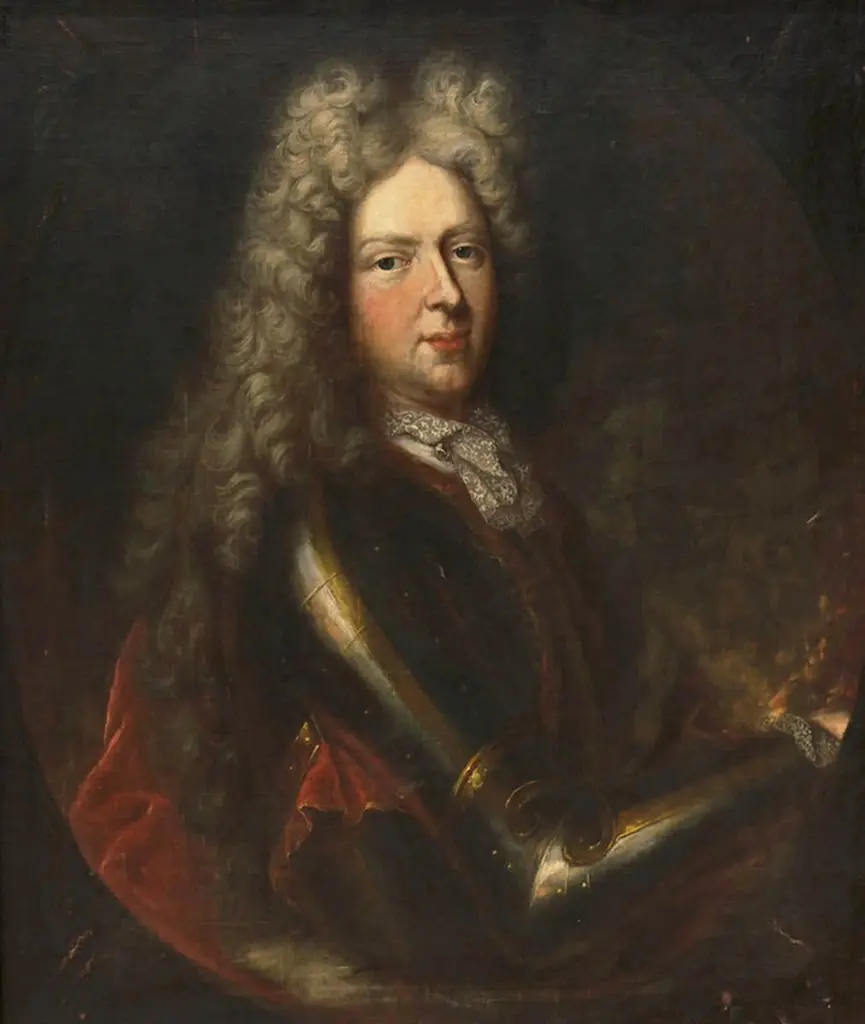 Markgraf Georg Friedrich II von Brandenburg Ansbach
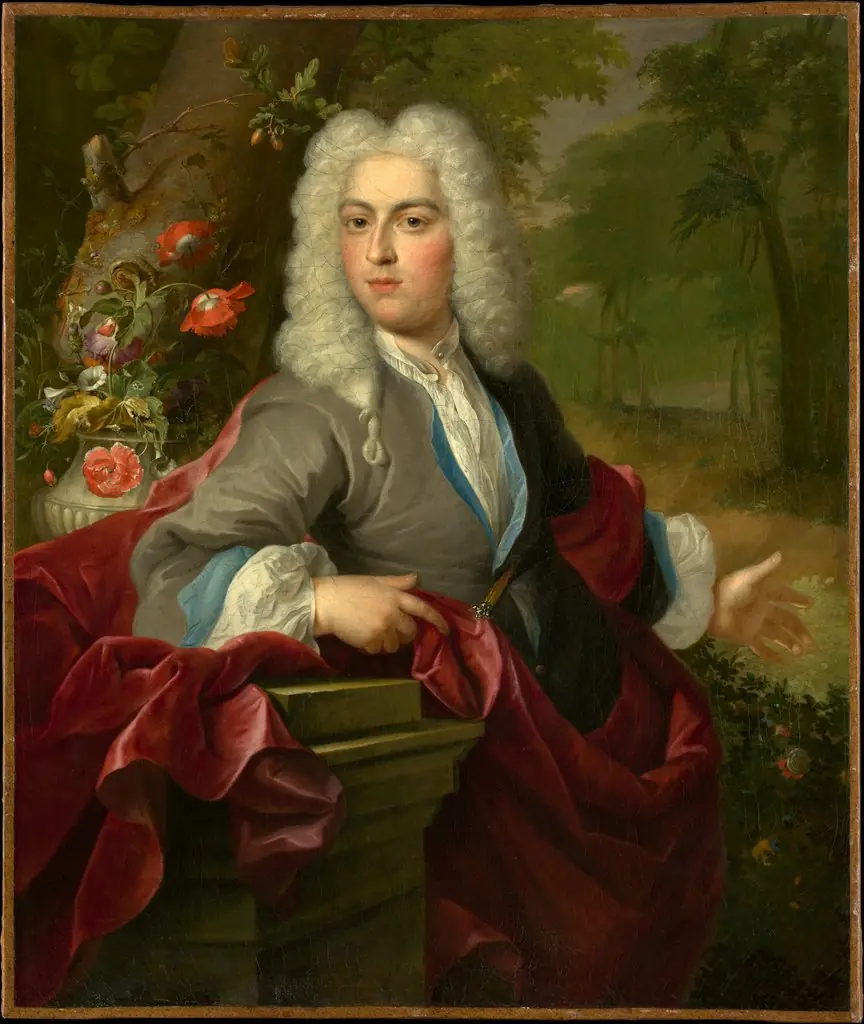 Portrait of a Man
 Erik Wrangel af Lindeberg (1686–1765), Baron, Senator
 Portrait of a Man