Artwork
Death of the Virgin
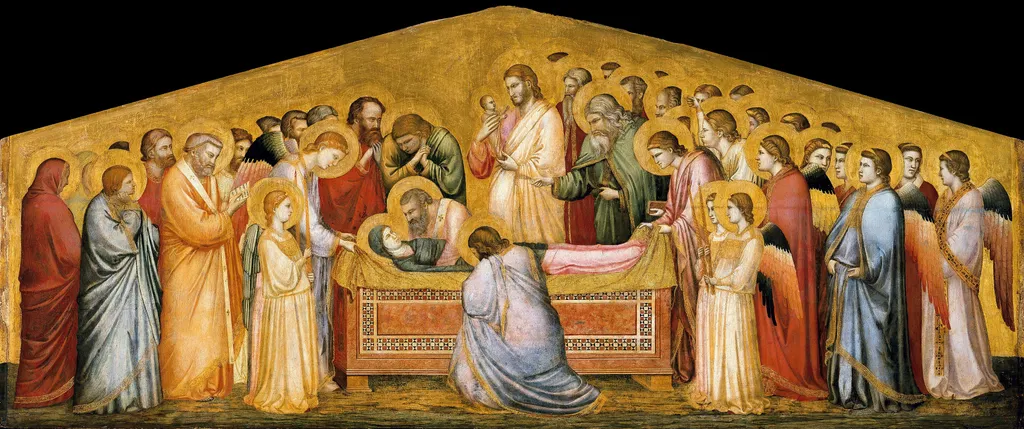
Death of the Virgin is a tempera painting by the Byzantine icon painting artist Giotto. It dates from 1310 and is held in the collection of the Gemäldegalerie Berlin.
About this work
Overview
Death of the Virgin is a tempera painting by Giotto, dated to 1310, depicting a somber scene of mourning around a deceased figure, housed in the Gemäldegalerie Berlin.
Subject & Meaning
The painting portrays the moment of the Virgin Mary's death, surrounded by a group of mourners. The figures exhibit intense grief, with some burying their faces in their hands and others gazing sorrowfully at the deceased.
Technique & Style
Executed in tempera, the work features a muted color palette dominated by yellows, oranges, and reds. The overall effect is one of subdued, emotional intensity, characteristic of Giotto's expressive approach.
History & Provenance
Created in 1310 by Giotto, the painting is part of the collection at the Gemäldegalerie Berlin, though specific details of its provenance prior to its current location are not provided here.
Context
As a religious work from the early 14th century, 'Death of the Virgin' reflects the devotional themes common during Giotto's time, emphasizing the emotional and human aspects of biblical narratives.
Legacy
While the painting's direct influence is not detailed here, as a work by Giotto, it contributes to the broader legacy of the artist in transitioning from Byzantine to more humanistic representations in Western art.
Own this work as a print
Artist & collection


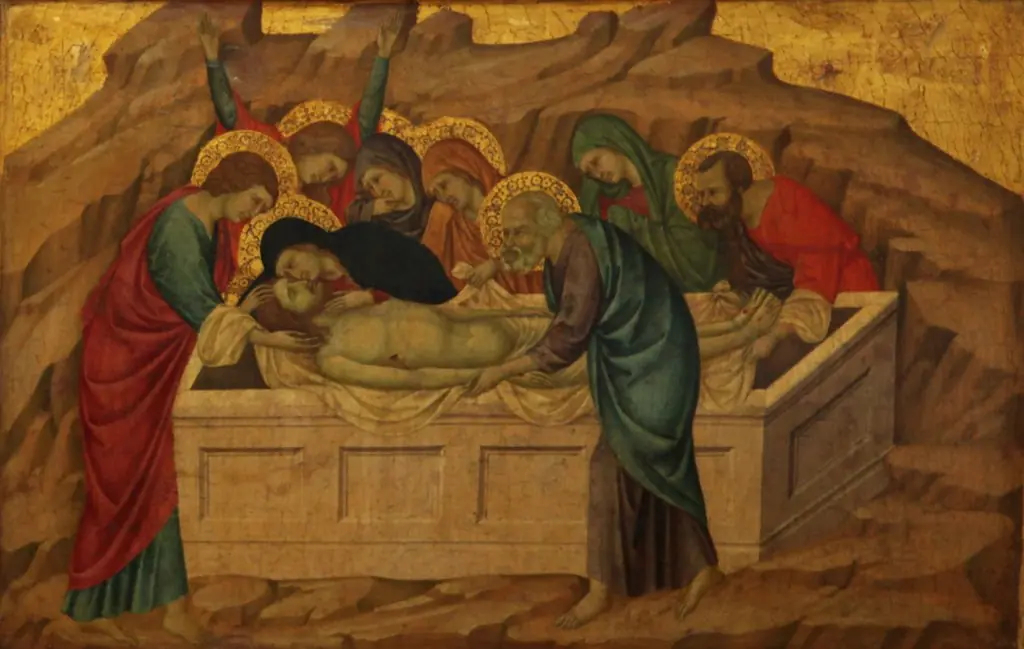 The Entombment of Christ
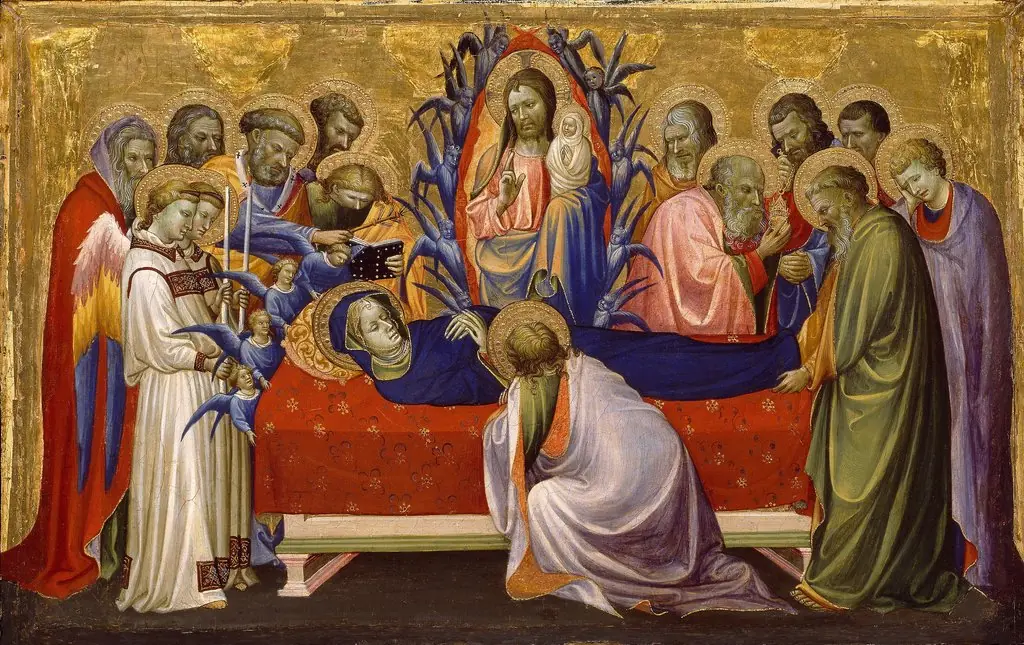 The Dormition of the Virgin
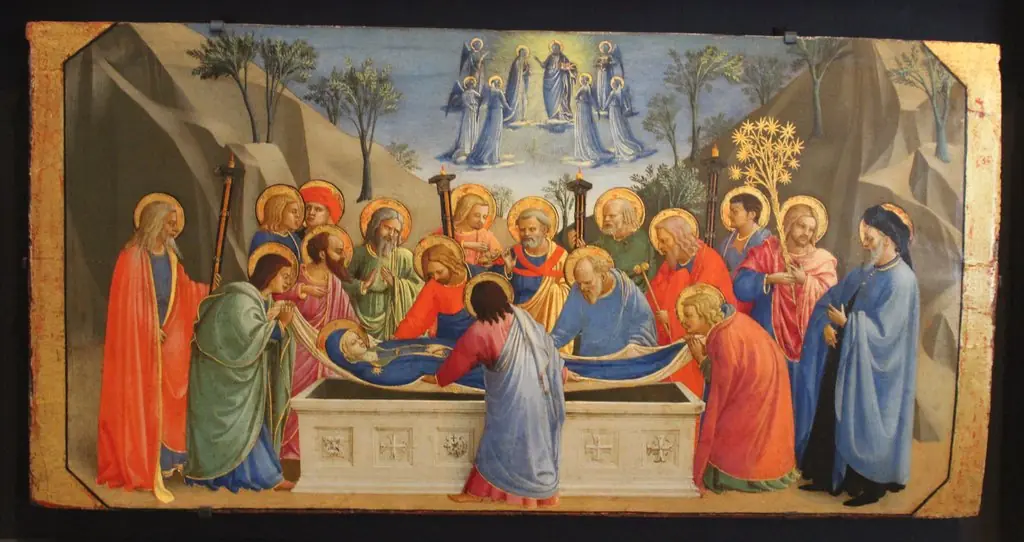 Dormition of the Virgin
 The Death of the Virgin
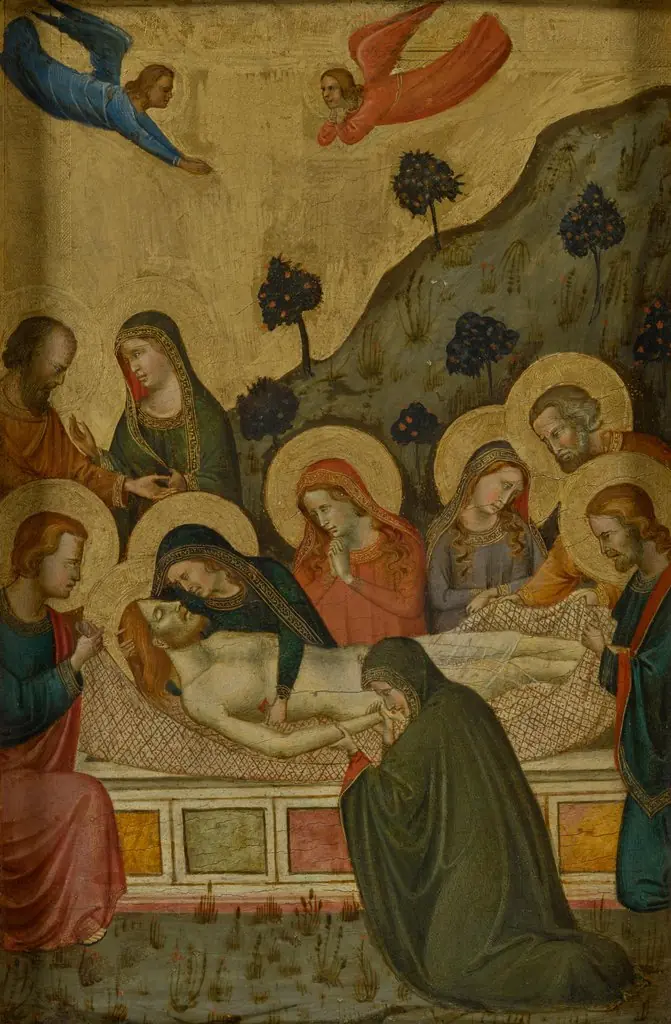 Entombment
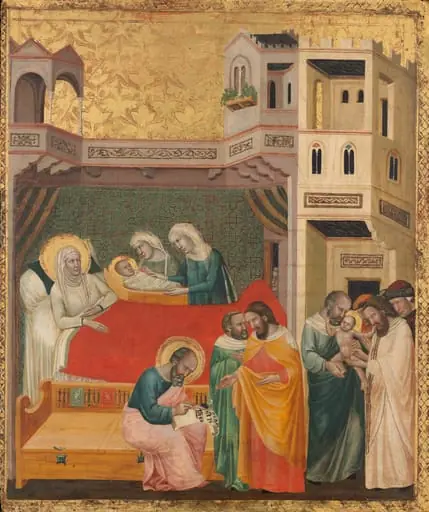 The Birth, Naming, and Circumcision of Saint John the Baptist
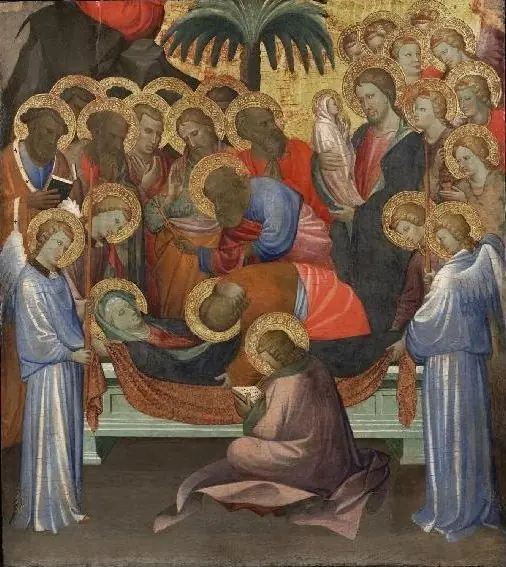 Dormition of the Virgin
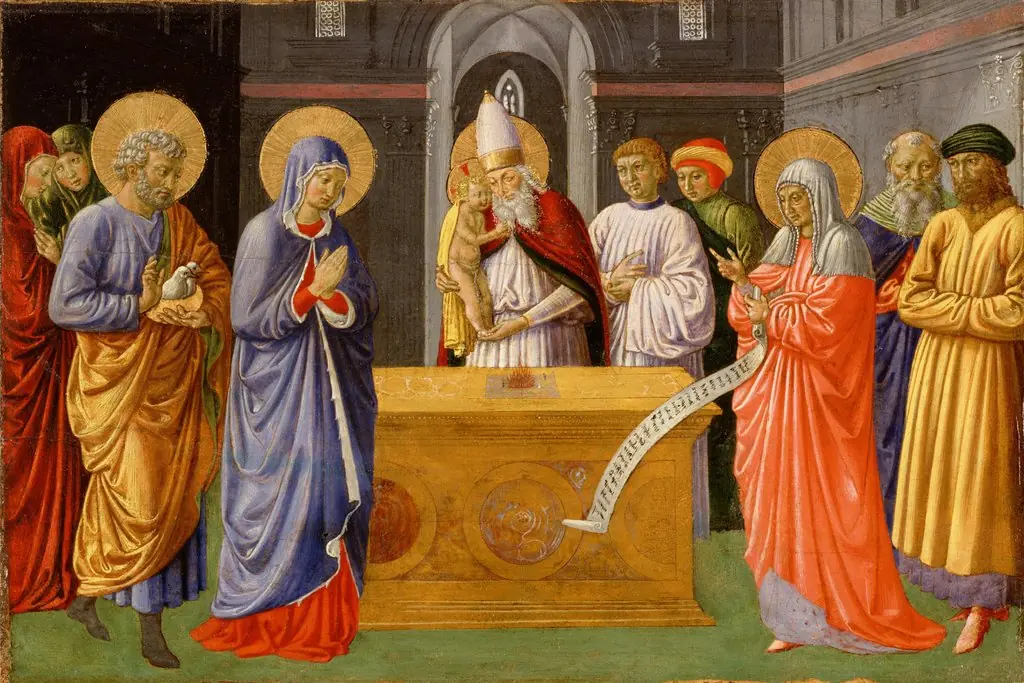 Purification of the Virgin
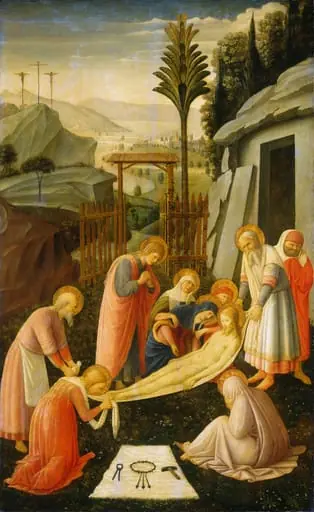 The Entombment of Christ
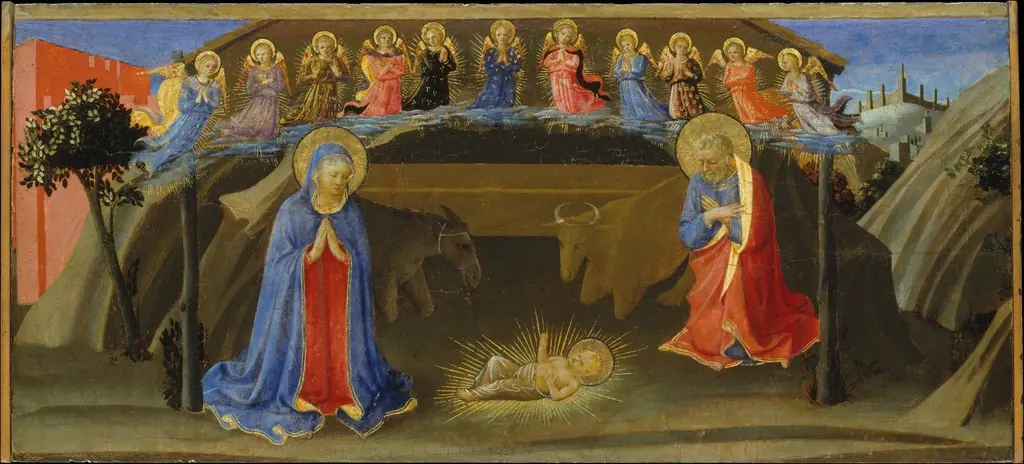 The Nativity
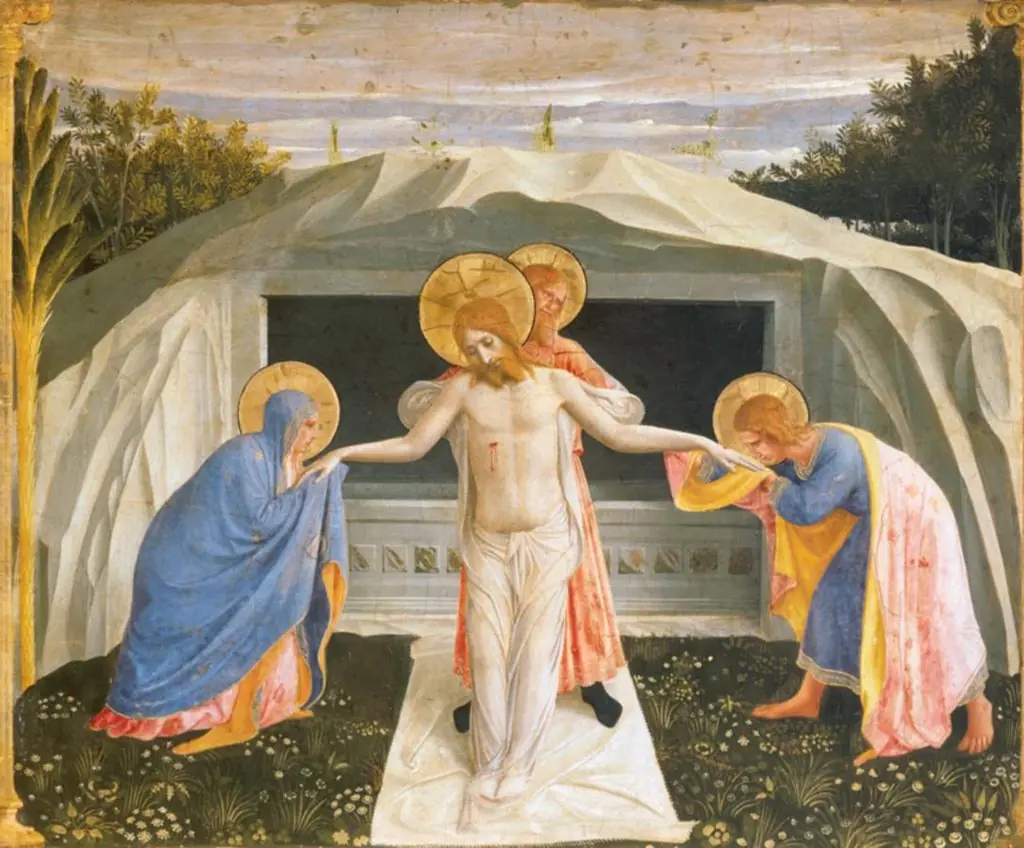 Entombment of Christ
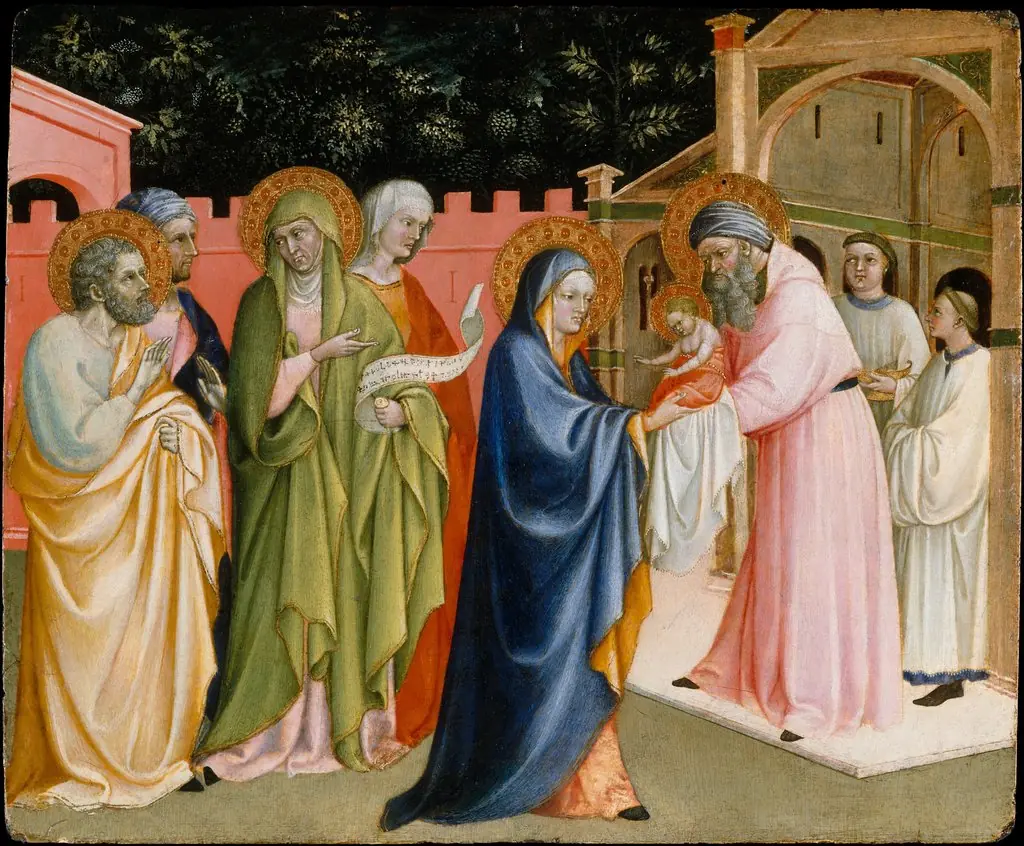 The Presentation in the Temple