Artwork
The Death of the Virgin
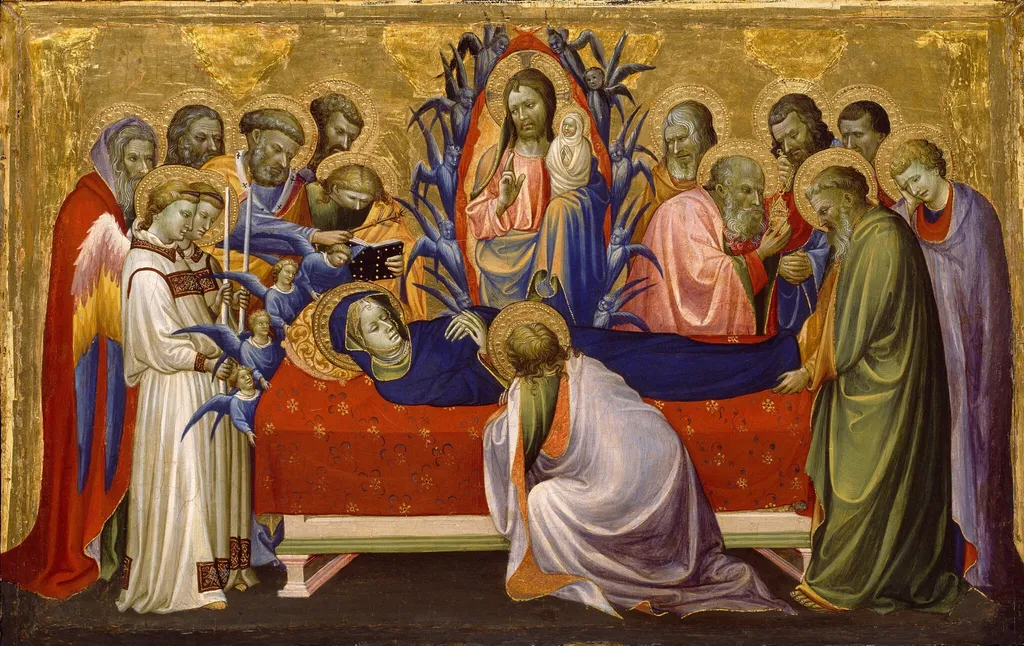
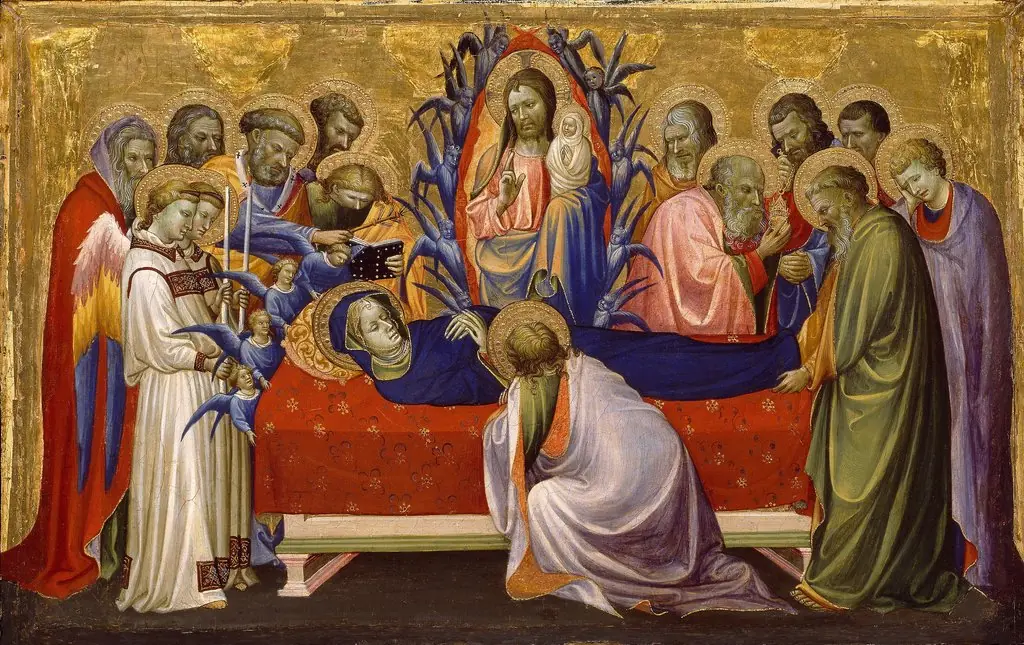
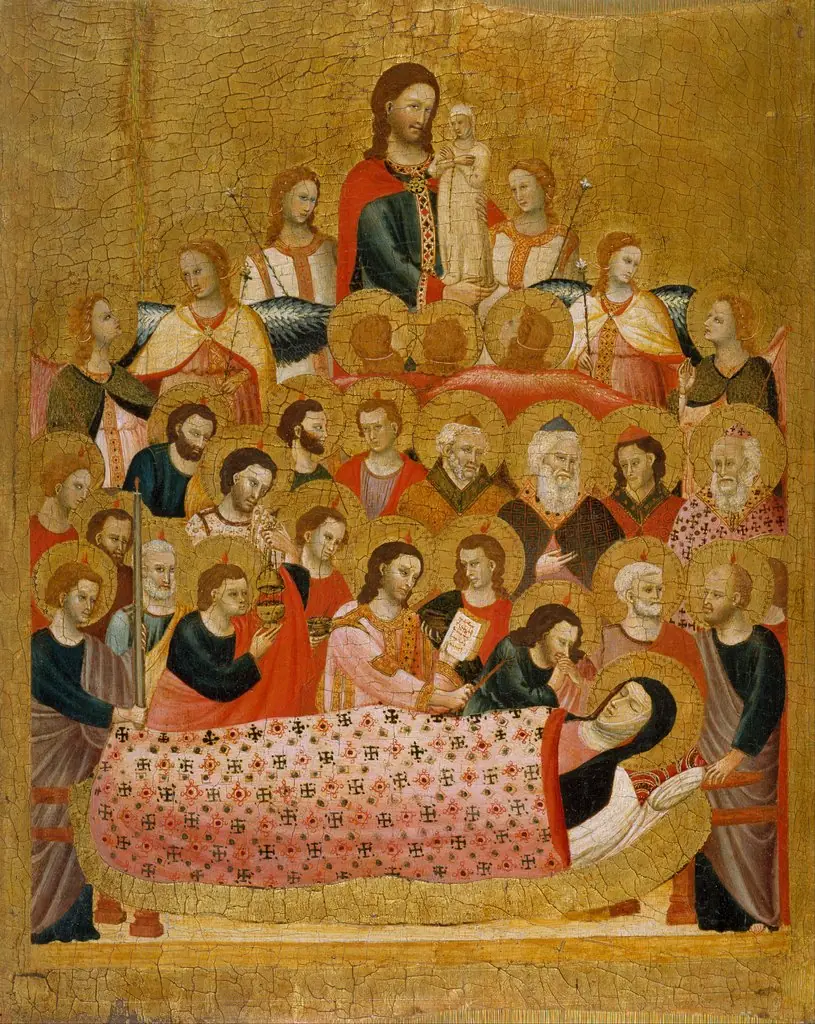
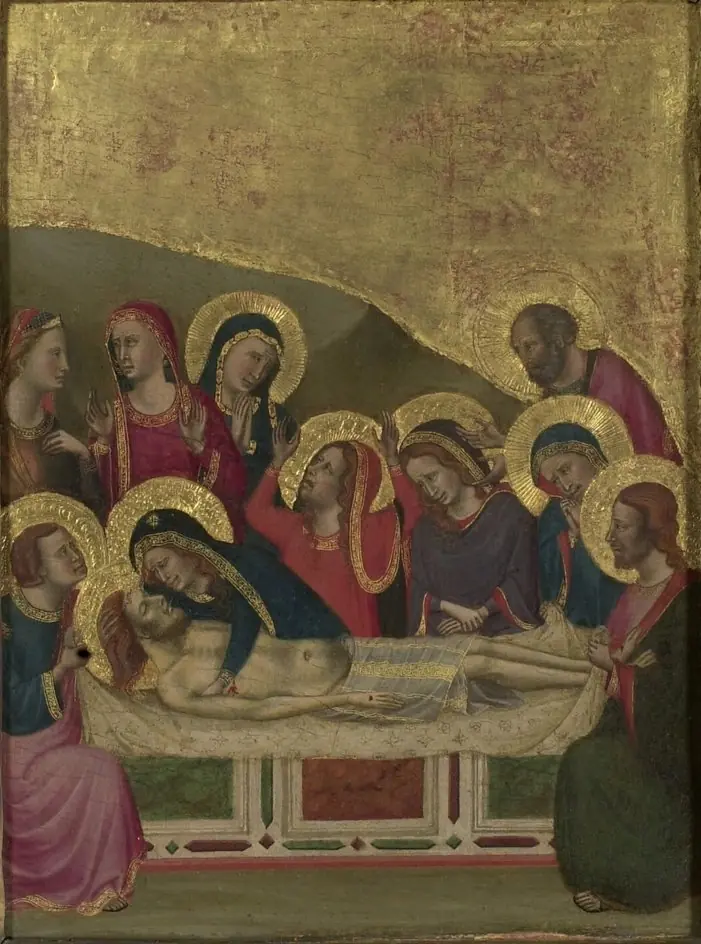
The Death of the Virgin is a tempera painting by the Early Renaissance artist Gherardo Starnina. It dates from 1408 and is held in the collection of the Art Institute of Chicago.
About this work
Overview
The Death of the Virgin, created in 1408 by Florentine painter Gherardo Starnina, is a tempera on panel painting from the early Renaissance period. It is now part of the Art Institute of Chicago's collection.
Subject & Meaning
The painting depicts a religious scene focusing on the death of the Virgin Mary, surrounded by mourners, conveying a solemn and devotional atmosphere typical of its time.
Technique & Style
Starnina employed tempera on panel, a common medium at the time. The work features extensive use of gold, characteristic of the period's artistic practices, and exhibits increasing detail and realism reflective of the early Renaissance's stylistic evolution.
History & Provenance
Painted in 1408, the work is attributed to Starnina's mature style, following his training under Antonio Veneziano and Agnolo Gaddi, and his influential sojourn in Spain, particularly Toledo, in the 1380s.
Context
Created during the transition towards the Renaissance, the painting reflects the era's growing emphasis on realism and detail, positioning Starnina at the forefront of this artistic shift in Florence.
Legacy
While not extensively detailed here, the piece contributes to the understanding of early Renaissance techniques and the career of Gherardo Starnina, with suggestions for further study through his broader oeuvre.
Own this work as a print
Artist & collection

Artist
Gherardo Starnina (c. 1360–1413) was an Italian painter from Florence in the Quattrocento era. According to the biographer Giorgio Vasari, Starnina initially trained with Antonio Veneziano, then with Agnolo Gaddi. He is…