Artwork
Interior: A Sultana taking Coffee in the Harem
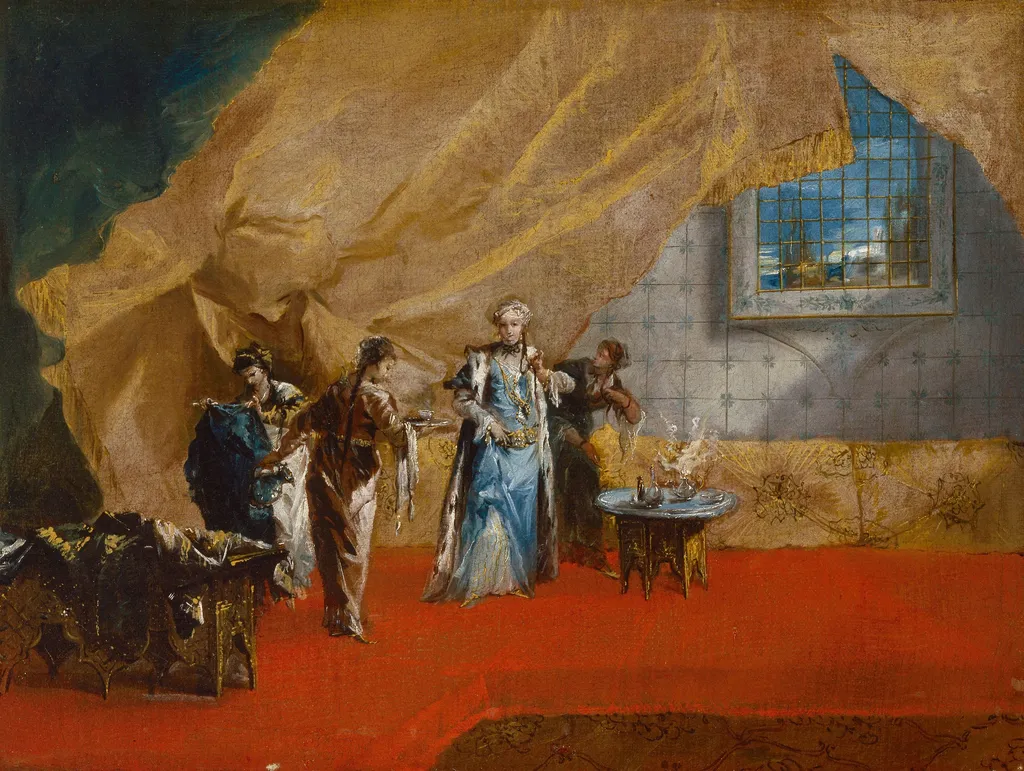
Interior: A Sultana taking Coffee in the Harem is an oil painting by the Rococo painting artist Giovanni Antonio Guardi. It dates from 1742 and is held in the collection of the Art Institute of Chicago.
About this work
Overview
The painting is part of the Art Institute of Chicago’s collection and reflects Guardi’s interest in domestic spaces and atmospheric lighting.
Painted in 1742 by Giovanni Antonio Guardi, this oil work presents an intimate interior scene set within a harem. The composition centers on a woman in blue, preparing coffee near a small table illuminated by a candle. Surrounding figures are arranged in quiet, varied postures, suggesting a moment of daily ritual. The painting is part of the Art Institute of Chicago’s collection and reflects Guardi’s interest in domestic spaces and atmospheric lighting.
Subject & Meaning
The scene captures a private, unceremonious moment in a harem setting, avoiding overt exoticism. The figures engage in routine activity—serving and receiving coffee—without theatrical gesture or narrative climax. The presence of barred windows and patterned tiles hints at confinement, yet the tone remains subdued, emphasizing quiet observation over dramatization. The focus on ordinary ritual suggests an interest in the rhythms of secluded life rather than its spectacle.
Technique & Style
Guardi employs thick, textured brushwork, using impasto to build surface depth and capture the play of dim light. The walls, rugs, and fabrics are rendered with loose, tactile strokes that suggest materiality without fine detail. Shadows dominate the composition, isolating faces and objects in pools of weak illumination. The rough handling contrasts with the refined setting, creating a sense of immediacy and visual ambiguity that draws attention to mood over precision.
History & Provenance
The painting was completed in Venice during the mid-18th century, a period when Guardi frequently depicted interior scenes and Venetian life. It entered the Art Institute of Chicago’s collection in the 20th century, though its earlier ownership history remains largely undocumented. Its survival and preservation reflect its status as a lesser-known but distinctive example of Guardi’s genre work, distinct from his more famous vedute.
Context
In 18th-century Venice, artists like Guardi often turned to domestic and private scenes as alternatives to grand historical or religious subjects. The harem theme, though rooted in Orientalist curiosity, is treated here with restraint, avoiding the sensationalism common in contemporary European depictions. The painting aligns with a broader trend of intimate interior studies, influenced by Dutch genre painting and Venetian attention to light and texture.
Legacy
Though not widely exhibited, the painting contributes to understanding Guardi’s range beyond his cityscapes. Its emphasis on atmosphere, tactile brushwork, and quiet observation influenced later artists interested in psychological depth over narrative clarity. The work remains a quiet testament to the artist’s ability to convey presence and solitude through light and texture, rather than gesture or symbolism.
Own this work as a print
Artist & collection
Artist
Giovanni Antonio Guardi, also known as Gianantonio Guardi, was an Italian painter and nobleman. Guardi was one of the founders of the Venetian Academy in 1756.

 Head of a Woman
 Saint John the Baptist in the Wilderness
 The Fight between Tancred and Argante With Clorinda in the Background
 Death of Saint Joseph
 Pharoah's Daughter, after Palma il Giovane
 The Sala grande of the Ridotto, Palazzo Dandolo, S. Moisè
 Head of a Woman
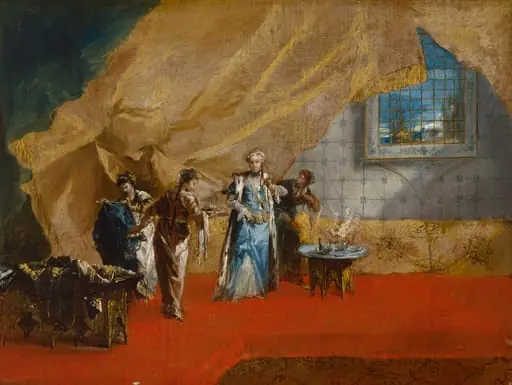 Interior: A Sultana taking Coffee in the Harem
 Imperial Coronation
 The Adoration of the Magi
 Croesus displays his treasures to Solon
 Courtiers in an Interior
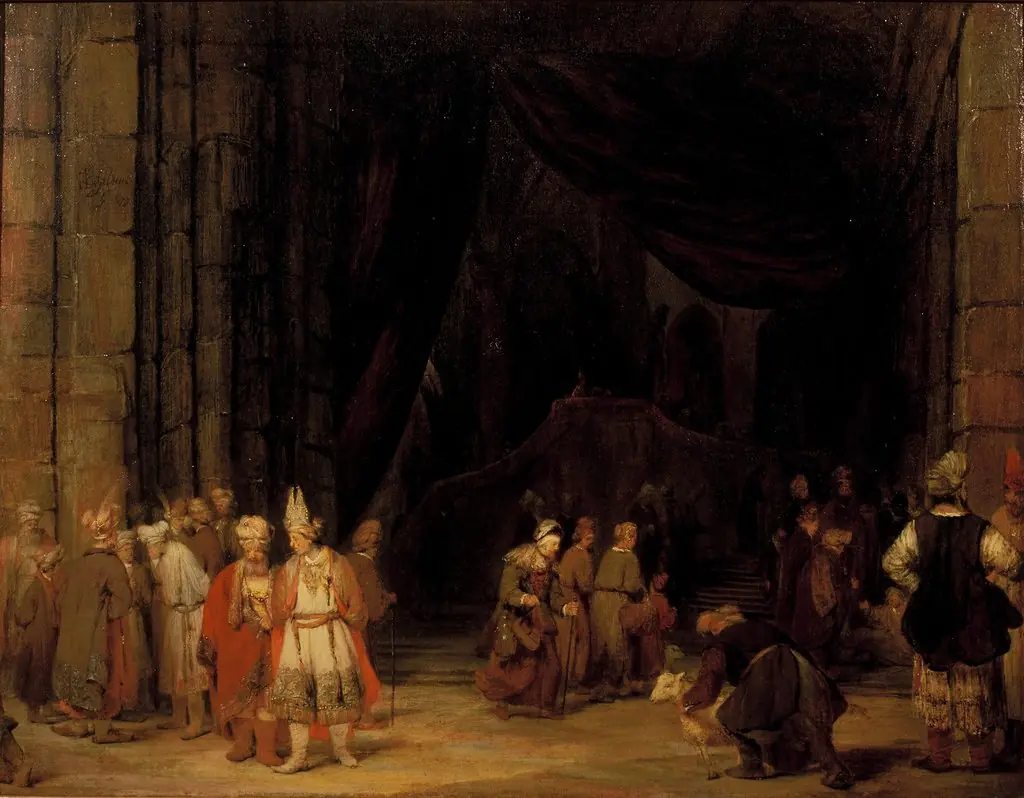 Courtyard of a temple
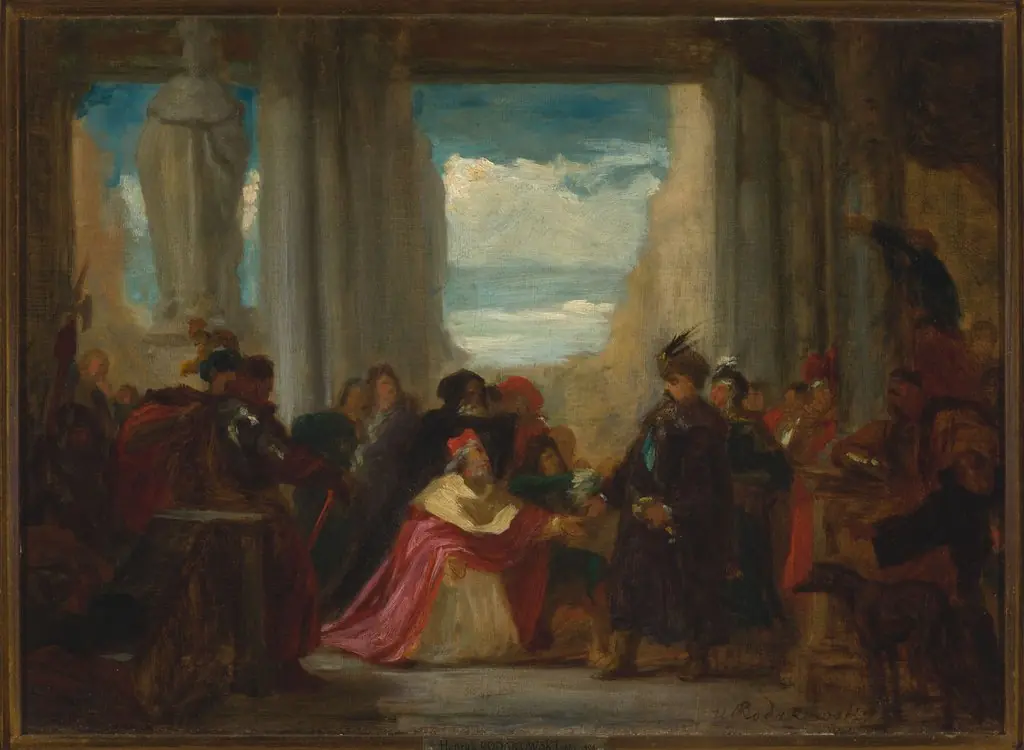 Count Wilczek beseeching king John Sobieski to help Vienna against the Turks, sketch
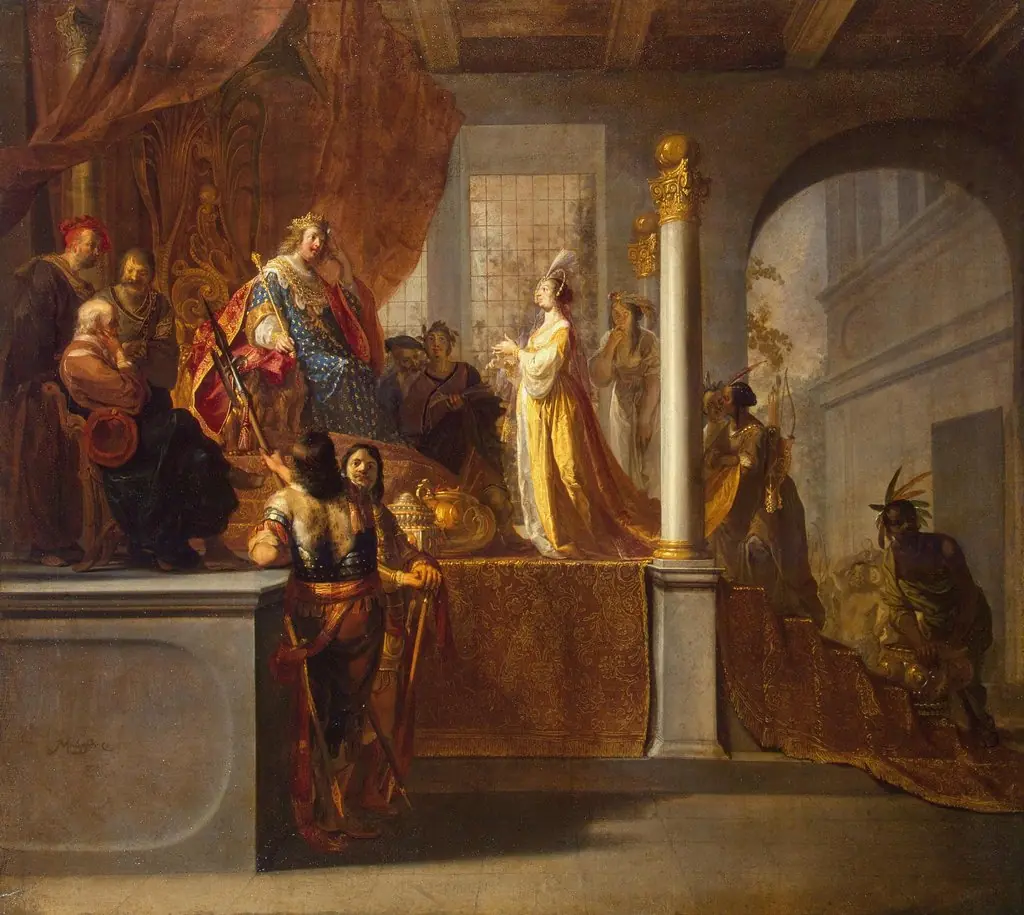 Queen of Sheba before Solomon
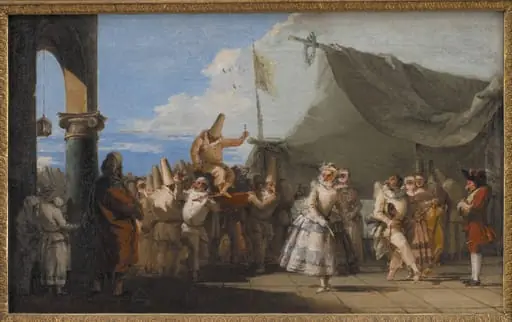 The Triumph of Pulcinella
 Death of Pyrrhus
 Anbetung
 Dervishes Sharing a Meal