Artwork
Krönung der Eleonora Magdalena von Pfalz-Neuburg zur Kaiserin
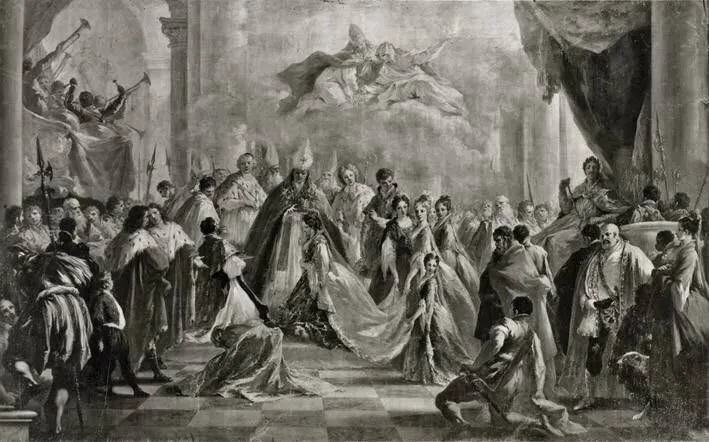
Krönung der Eleonora Magdalena von Pfalz-Neuburg zur Kaiserin is an unspecified painting by the Rococo painting artist Giovanni Antonio Pellegrini. It dates from 1708 and is held in the collection of the Bavarian State Painting Collections.
About this work
Overview
Painted in 1708 by Giovanni Antonio Pellegrini, this work commemorates the imperial coronation of Eleonora Magdalena von Pfalz-Neuburg as Holy Roman Empress.
Painted in 1708 by Giovanni Antonio Pellegrini, this work commemorates the imperial coronation of Eleonora Magdalena von Pfalz-Neuburg as Holy Roman Empress. Executed during the artist’s time in Central Europe, the painting reflects his synthesis of Venetian colorism and Italian Baroque grandeur. It was commissioned to honor a significant dynastic event and remains part of the Alte Pinakothek’s collection in Munich.
Subject & Meaning
The scene depicts the ceremonial crowning of Eleonora Magdalena, wife of Emperor Leopold I, surrounded by courtiers, clergy, and nobility. Above them, an allegorical sky scene shows celestial figures—winged angels and putti—signifying divine sanction of her imperial status. The composition merges political legitimacy with religious symbolism, reinforcing the sacred authority of the Habsburg monarchy through visual hierarchy and ceremonial splendor.
Technique & Style
Pellegrini employed rich, luminous pigments and fluid brushwork derived from Venetian traditions, particularly Veronese’s spatial harmony. The architectural setting, with its towering columns and coffered ceiling, echoes the theatricality of Cortona and Giordano. Delicate rendering of fabrics, intricate details in ornamentation, and the layered depth of figures demonstrate a refined command of perspective and atmospheric lighting characteristic of early Rococo sensibility.
History & Provenance
Commissioned shortly after Eleonora’s coronation in 1691, the painting was likely created for a Habsburg residence in Vienna. Pellegrini, then working in German-speaking courts, completed it during a period of active patronage from imperial circles. It entered the Bavarian royal collection in the 18th century and was later transferred to the Alte Pinakothek, where it has remained since the museum’s founding.
Context
The painting emerged during a time when Habsburg rulers used art to assert dynastic continuity and religious authority. Pellegrini’s presence in Vienna reflects broader European trends of Italian artists being recruited for imperial projects. The fusion of sacred imagery with courtly ceremony aligns with contemporary practices in Central Europe, where visual propaganda reinforced political stability after the Thirty Years’ War.
Legacy
Though less widely known than some of his contemporaries, Pellegrini’s work influenced decorative painting in Central Europe. His synthesis of Venetian and Roman styles helped shape the transition from High Baroque to Rococo in imperial Austria and Bavaria. This painting stands as a documented example of how art served state ideology, preserving the visual language of Habsburg legitimacy for later generations.
Artist & collection
Artist
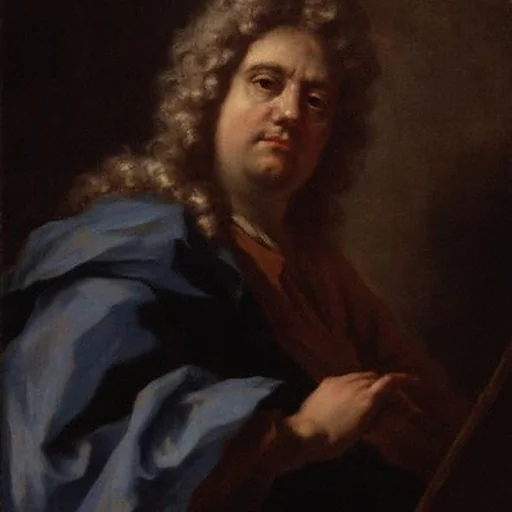
Giovanni Antonio Pellegrini (29 April 1675 – 2 or 5 November 1741) was one of the leading Venetian history painters of the early 18th century.

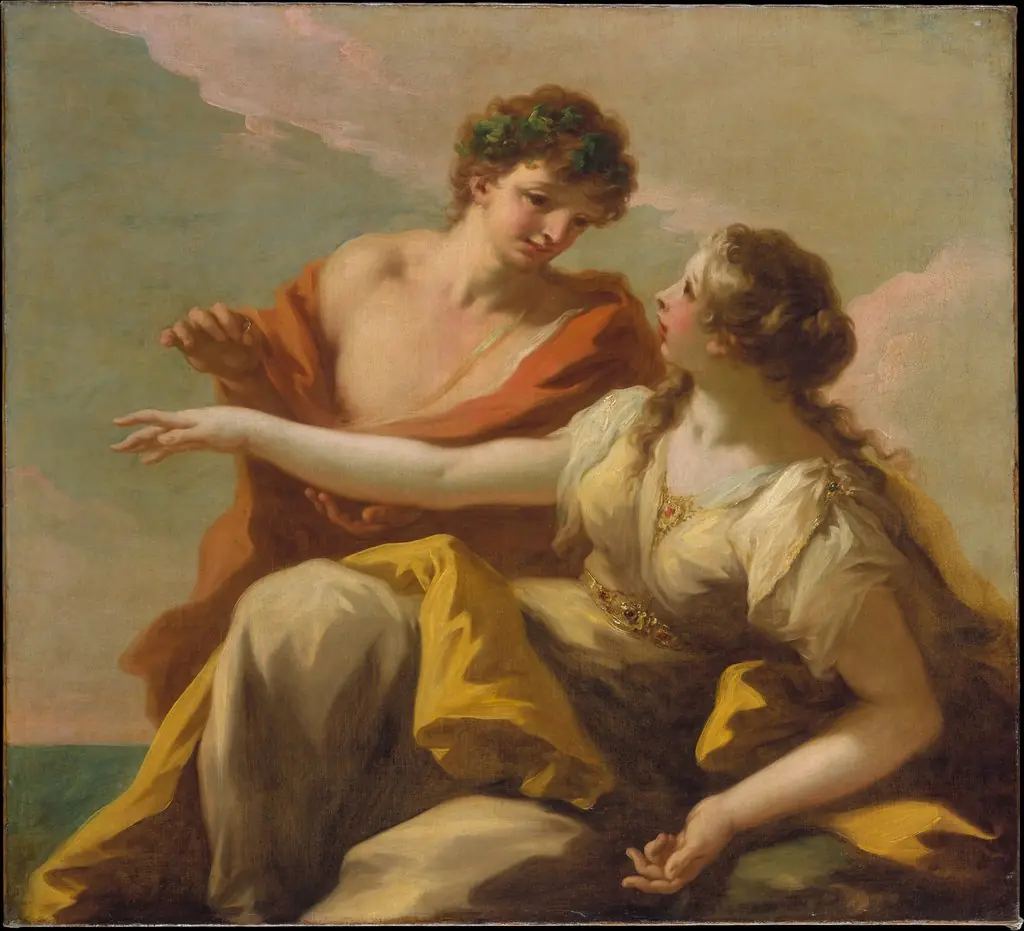 Bacchus and Ariadne
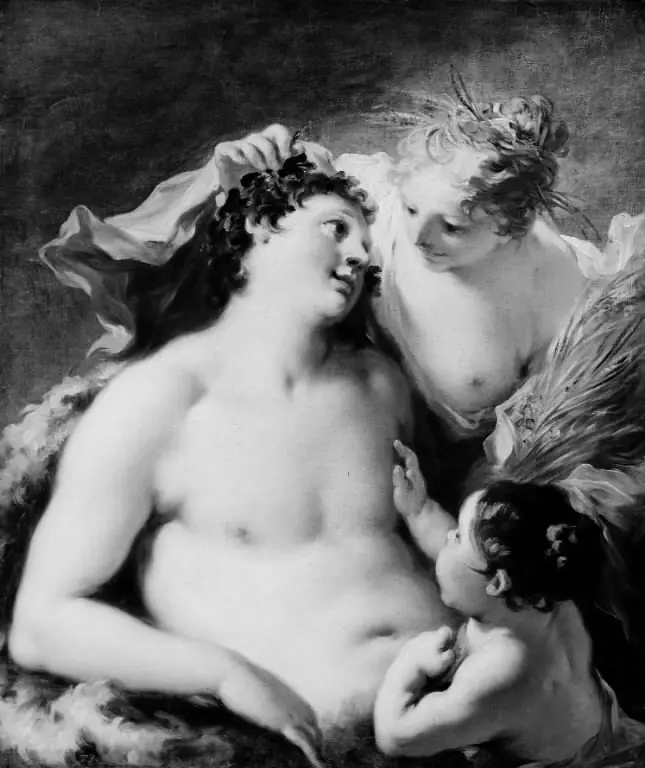 Ceres, Bacchus and Cupid
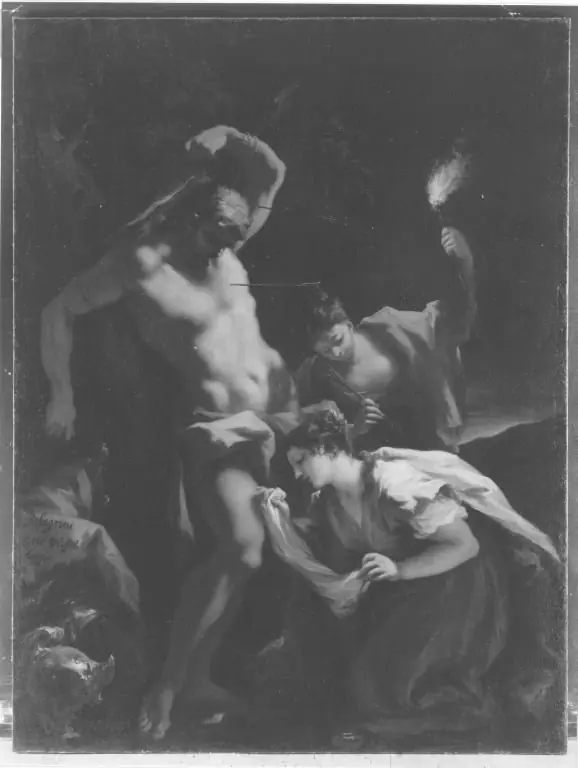 Rettung des hl. Sebastian durch Irene
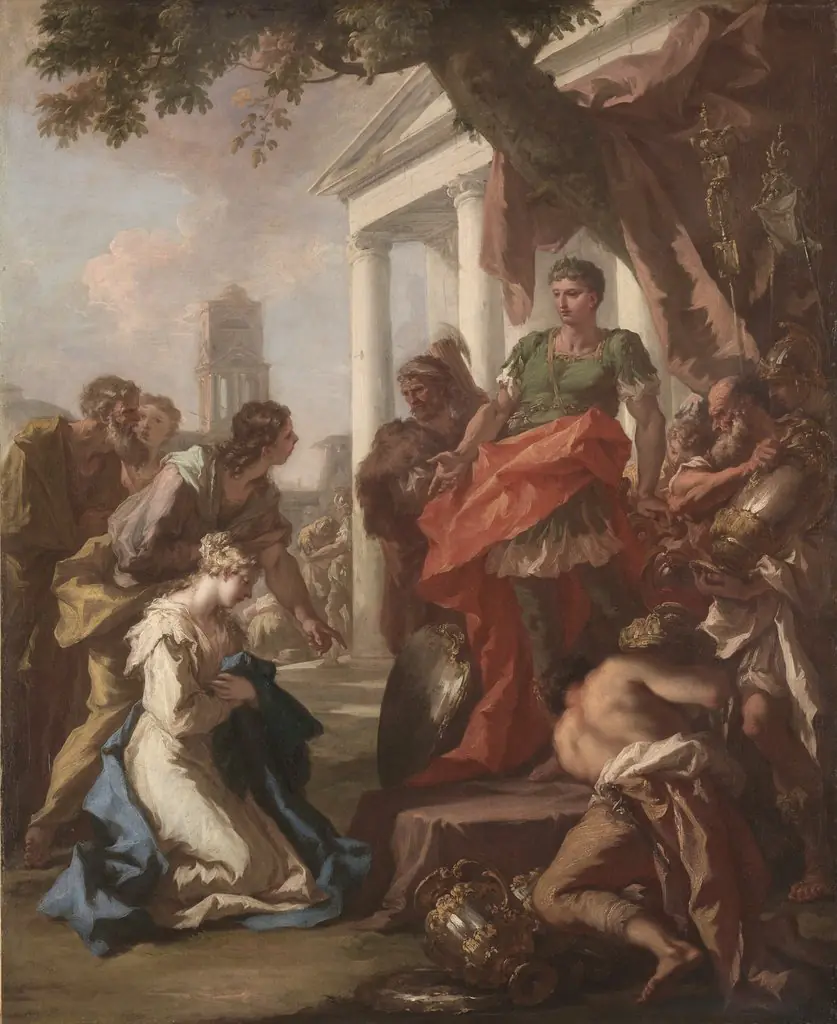 The Continence of Scipio
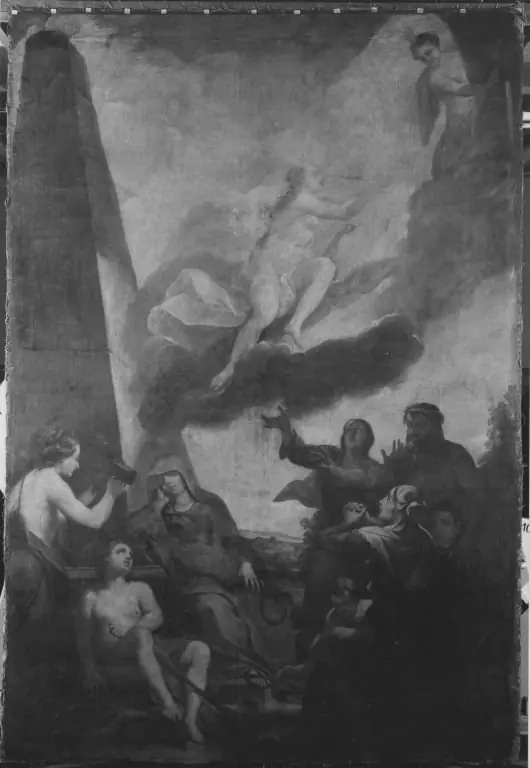 Allegorie auf den Tod einer Fürstin
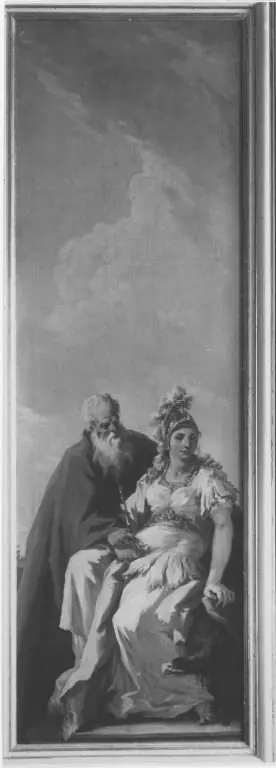 Allegorie: Ein alter Mann ergreift das Szepter
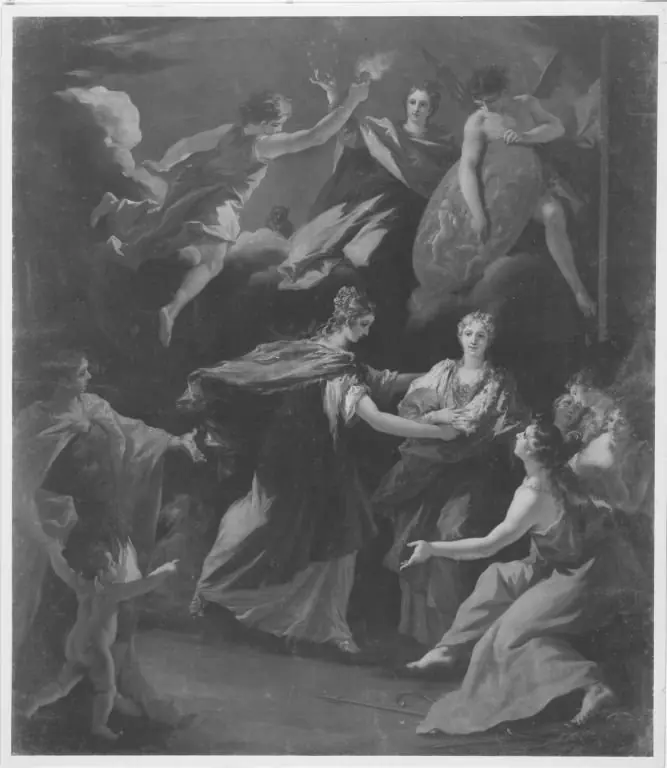 Begrüßung der Kurfürstin Maria Luisa von Toskana
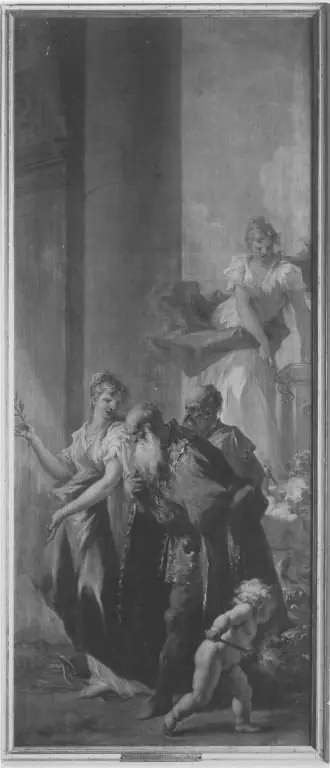 Allegorie der Befreiung vom Joch des Islam (Frieden und Glück unter Johann Wilhelm von der Pfalz)
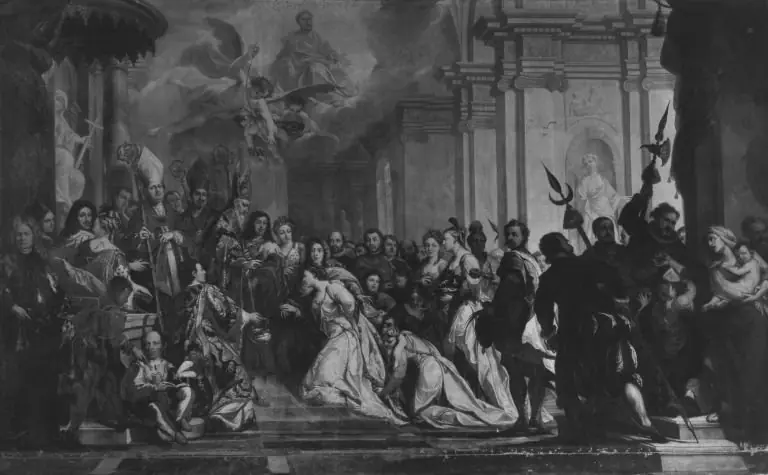 Trauung des Kurfürsten Johann Wilhelm von der Pfalz
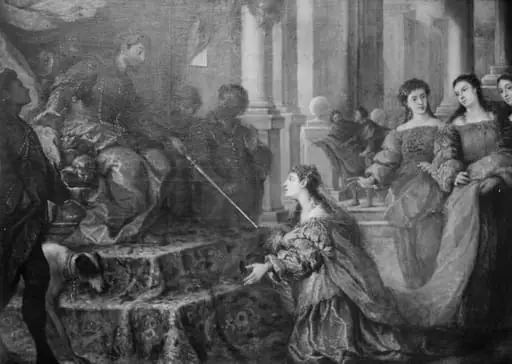 Esther Kneeling before Ahasverus
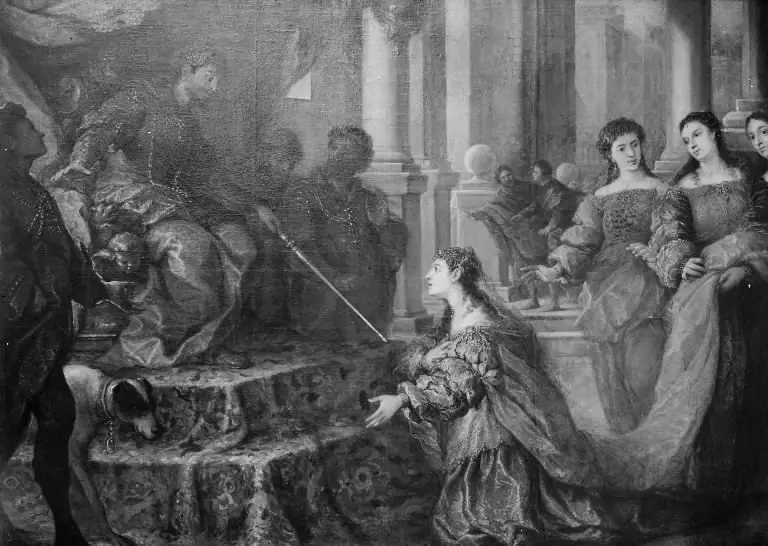 Esther Kneeling before Ahasverus
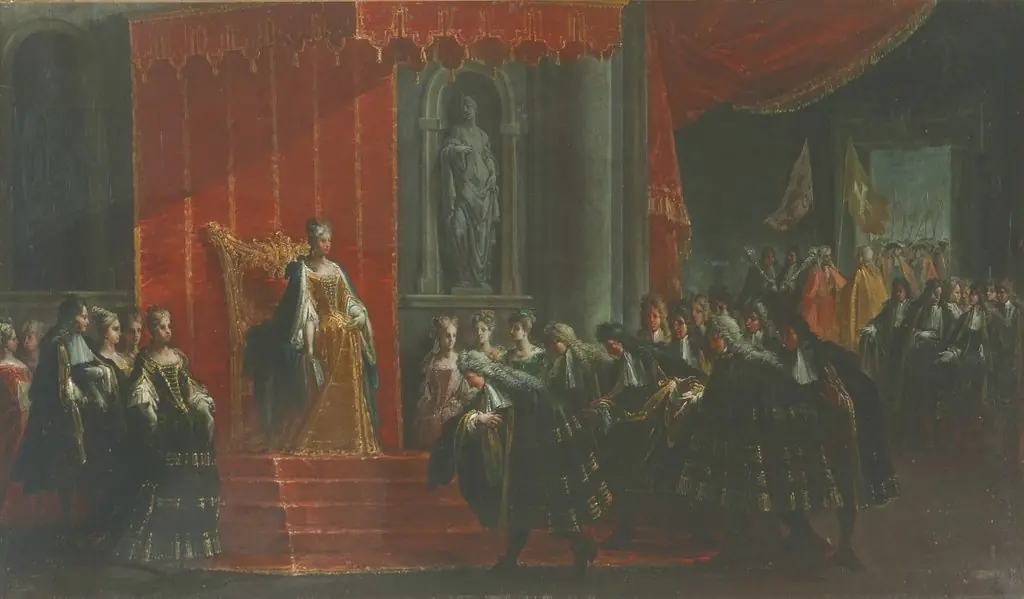 Handkiss by the communities of Parma and Piacenza
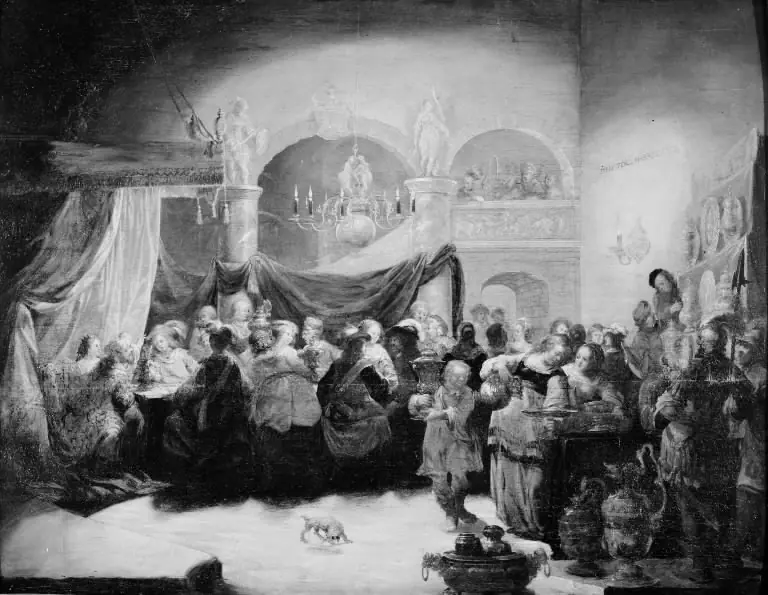 Belshazzar's Feast
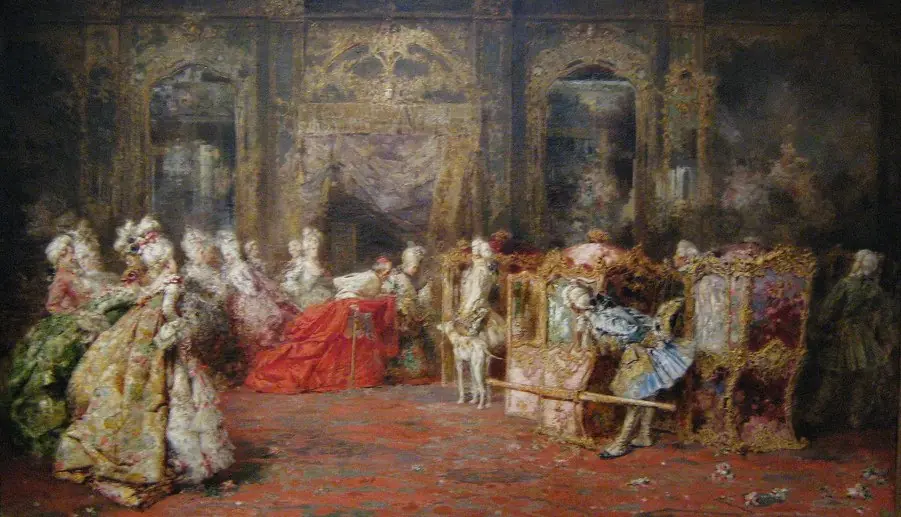 Recepción de un cardenal
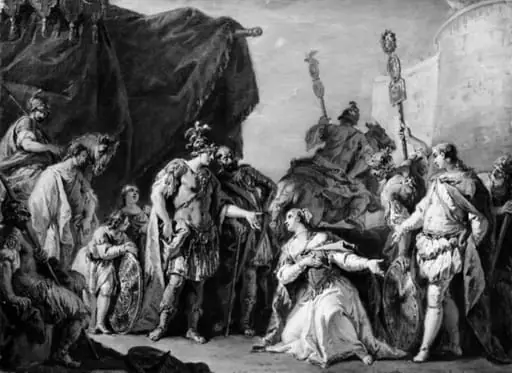 The Continence of Scipio
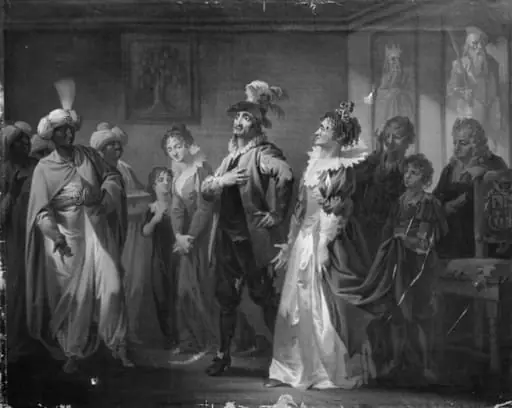 Don Ranudo de Colibrados, V. akt, 4. scene
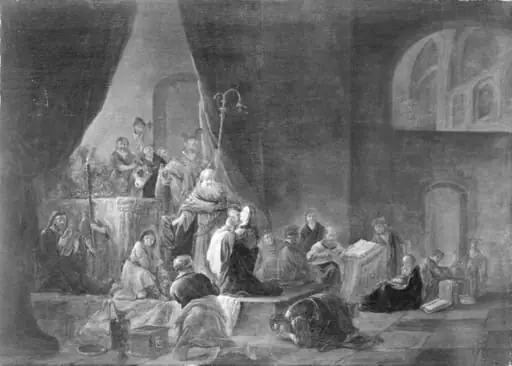 The Presentation in the Temple
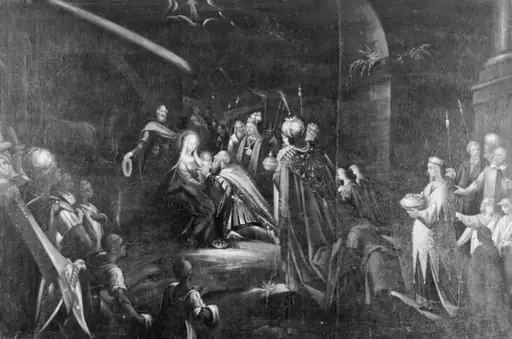 The Adoration of the Magi
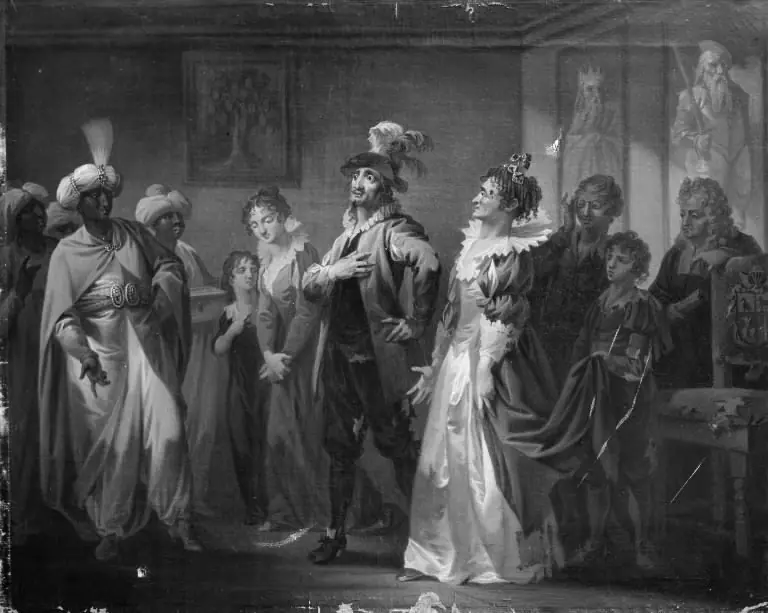 Don Ranudo de Colibrados, V. akt, 4. scene
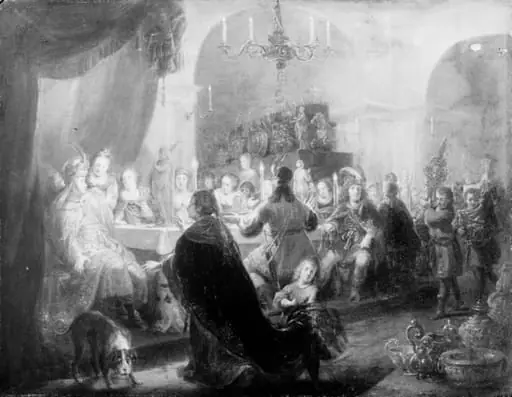 Belshazzar's Vision