Artwork
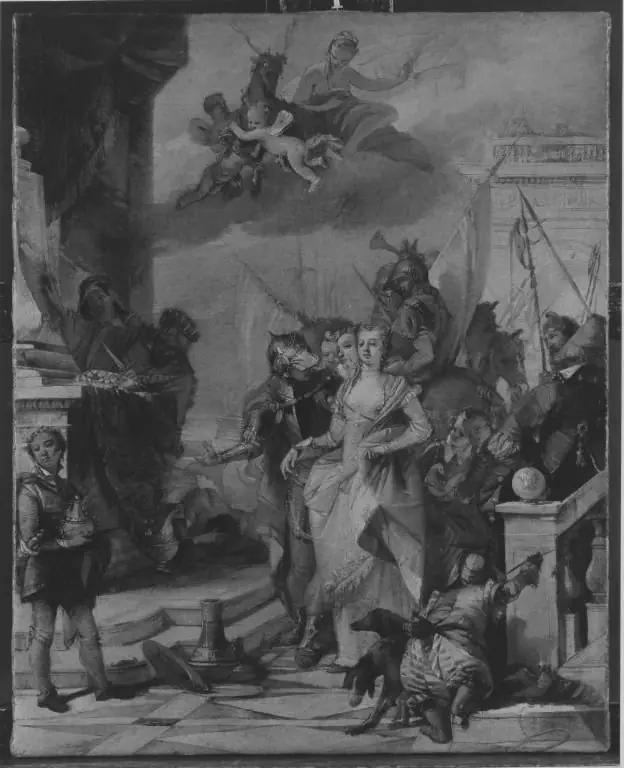
Trauung des Kurfürsten Johann Wilhelm von der Pfalz
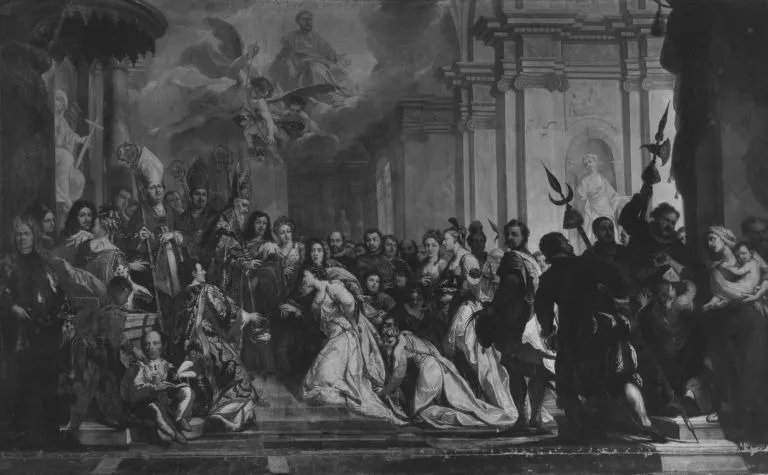
Trauung des Kurfürsten Johann Wilhelm von der Pfalz is an unspecified painting by the Barbizon school artist Antonio Bellucci. It dates from 1696 and is held in the collection of the Bavarian State Painting Collections.
About this work
Overview
The work resides in the Alte Pinakothek in Munich, part of a broader tradition of courtly portraiture that emphasized status through visual spectacle.
Antonio Bellucci completed this oil painting in 1696, documenting the wedding of Johann Wilhelm, Elector Palatine. Trained in Venice, Bellucci brought a refined Italianate style to northern European courts, where he was commissioned to portray aristocratic events with ceremonial grandeur. The work resides in the Alte Pinakothek in Munich, part of a broader tradition of courtly portraiture that emphasized status through visual spectacle.
Subject & Meaning
The scene captures the formal marriage ceremony of Johann Wilhelm, reinforcing the political and dynastic significance of the union. Attendees include nobility and court officials, arranged to reflect hierarchical order. The inclusion of celestial figures above, likely allegorical, elevates the event beyond mere ritual, suggesting divine favor and the sanctity of rulership in the Baroque worldview.
Technique & Style
Bellucci employed chiaroscuro to model figures against a richly detailed interior, using deep shadows and luminous highlights to create depth. The composition is symmetrical, with architectural elements framing the central couple. The figures are rendered with precise drapery and facial individuality, while the floating putti introduce a mythological layer, blending realism with symbolic embellishment typical of late Baroque court painting.
History & Provenance
Commissioned shortly after the wedding, the painting likely adorned a palace residence of the Palatinate court. It entered the Bavarian state collection in the 19th century and was later transferred to the Alte Pinakothek. Its preservation reflects the continued interest in dynastic imagery, even as political structures shifted after the Elector’s reign.
Context
In late 17th-century Europe, rulers used art to project legitimacy and cultural sophistication. Bellucci’s work aligns with the broader trend of Italian-inspired grand manner painting favored by German princes seeking to emulate Habsburg and Venetian court aesthetics. The inclusion of mythological elements was common in such commissions, merging earthly power with celestial endorsement.
Legacy
Though Bellucci’s reputation faded after his death, this painting remains a documented example of how Italian-trained artists shaped the visual language of German courts. It offers insight into the intersection of art, politics, and ritual in early modern Europe, preserving the ceremonial norms of a specific aristocratic milieu without overt embellishment.
Artist & collection
Artist
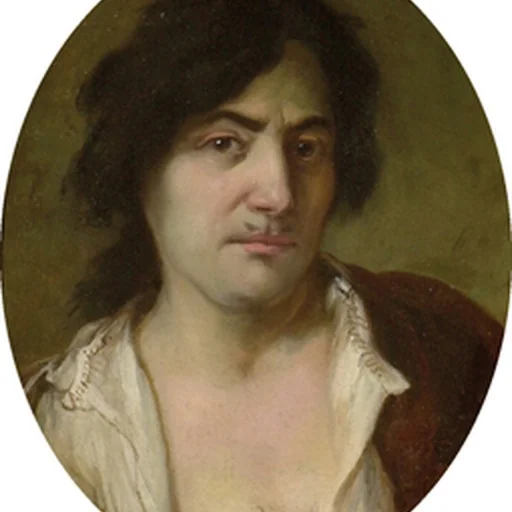
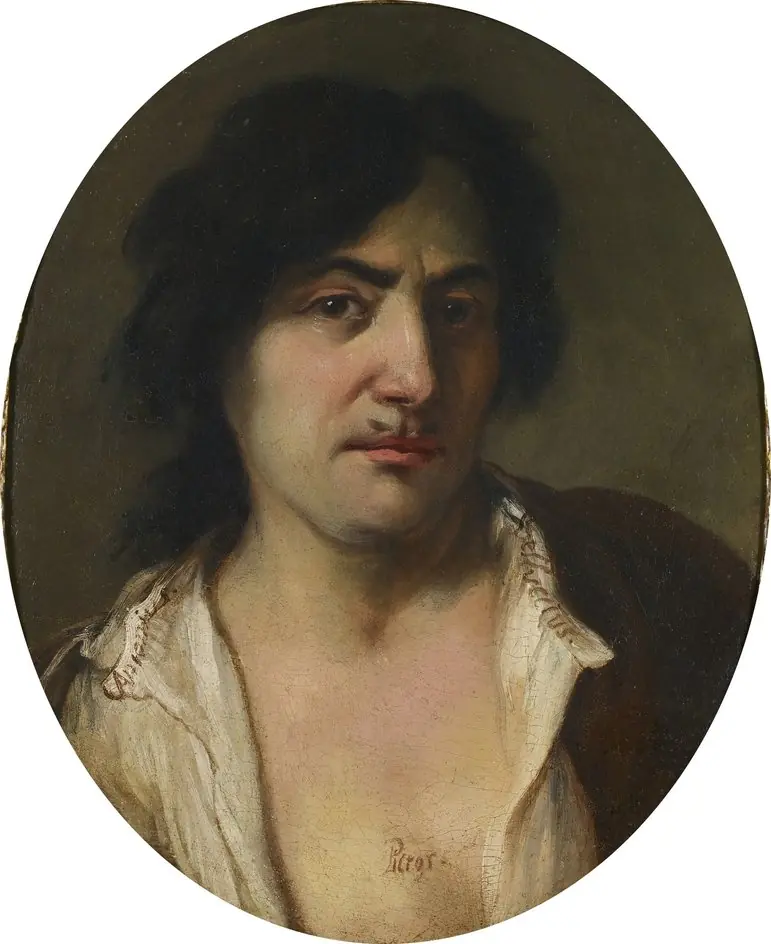
Antonio Bellucci (19 February 1654 – 29 August 1726) was an Italian soldier who became a painter of the Rococo period and is best known for his work in England, Germany, and Austria.

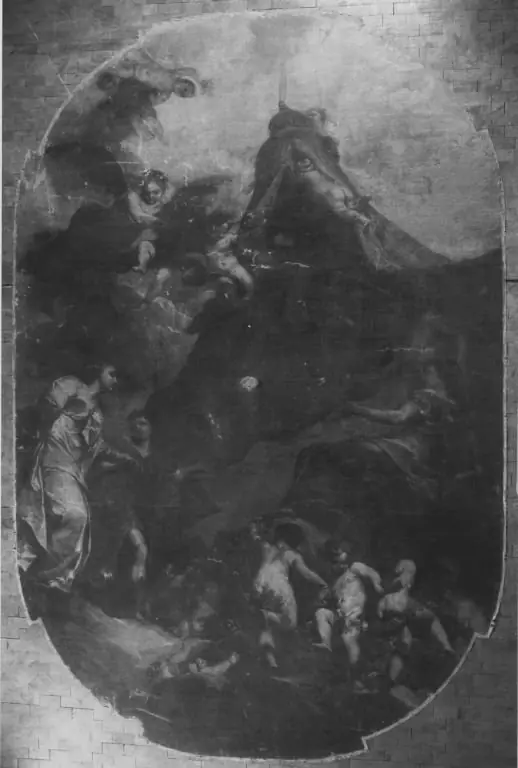
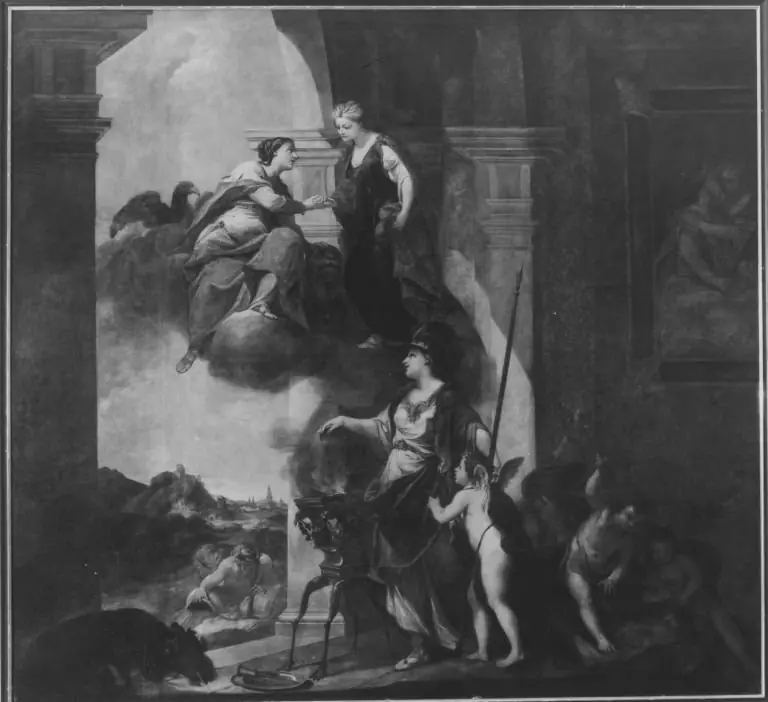
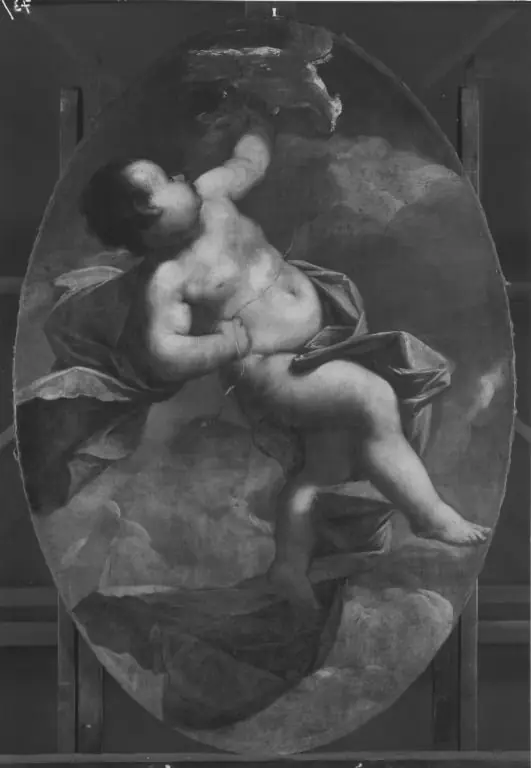
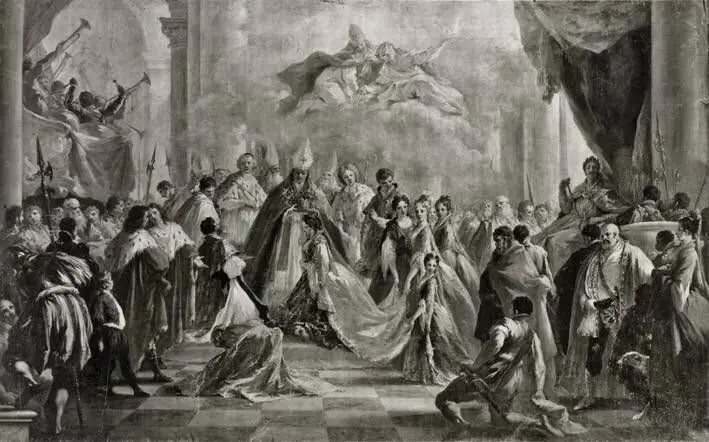 Krönung der Eleonora Magdalena von Pfalz-Neuburg zur Kaiserin
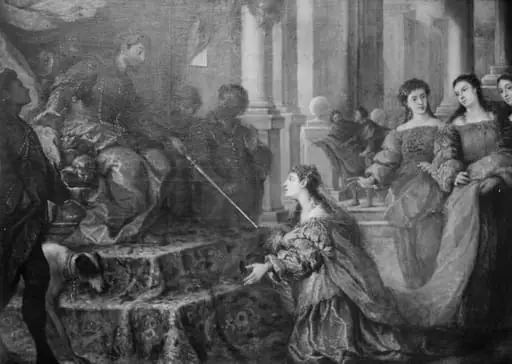 Esther Kneeling before Ahasverus
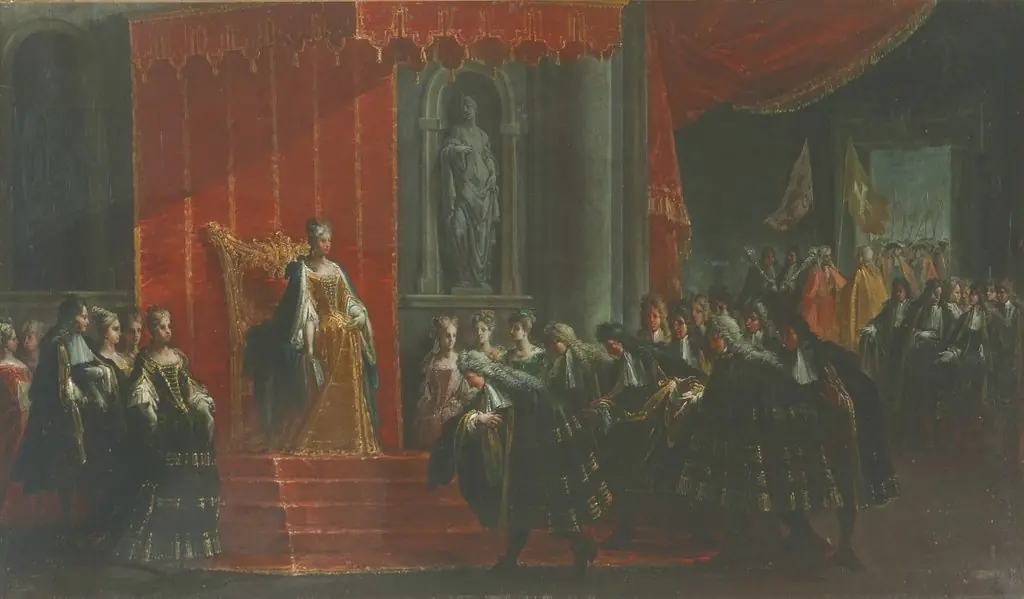 Handkiss by the communities of Parma and Piacenza
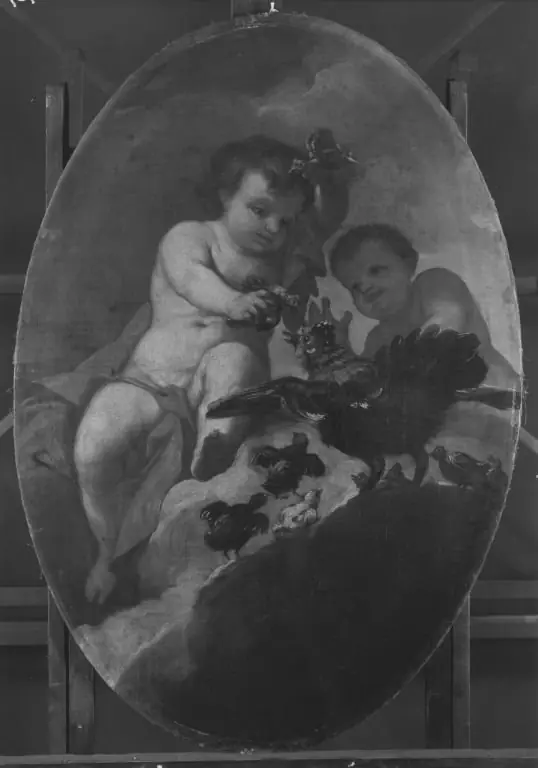
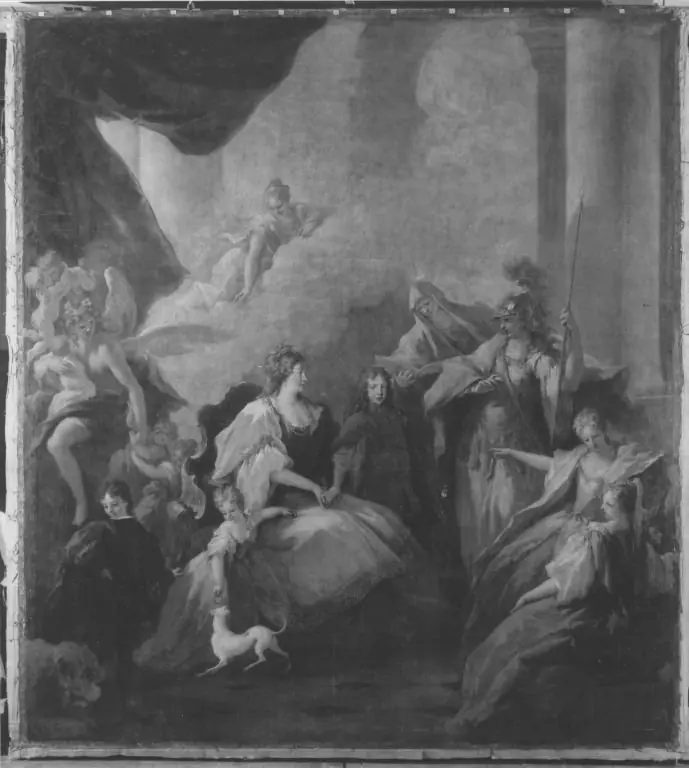 Erziehung des Kurprinzen Johann Wilhelm
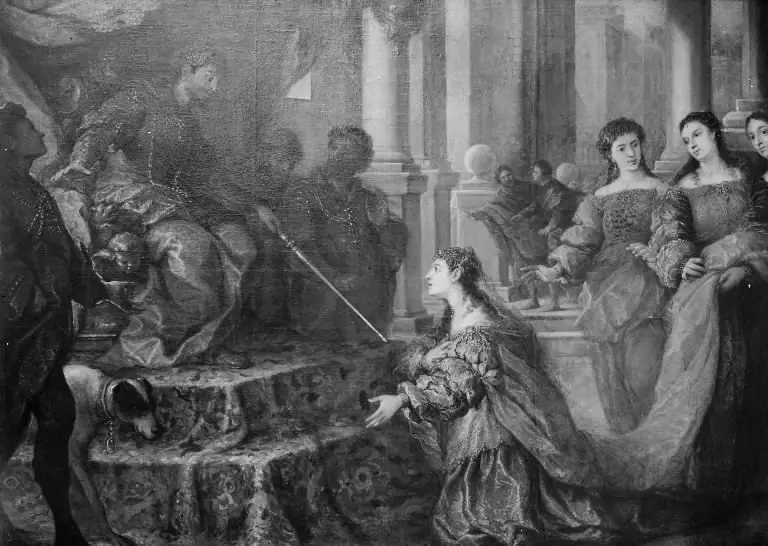 Esther Kneeling before Ahasverus
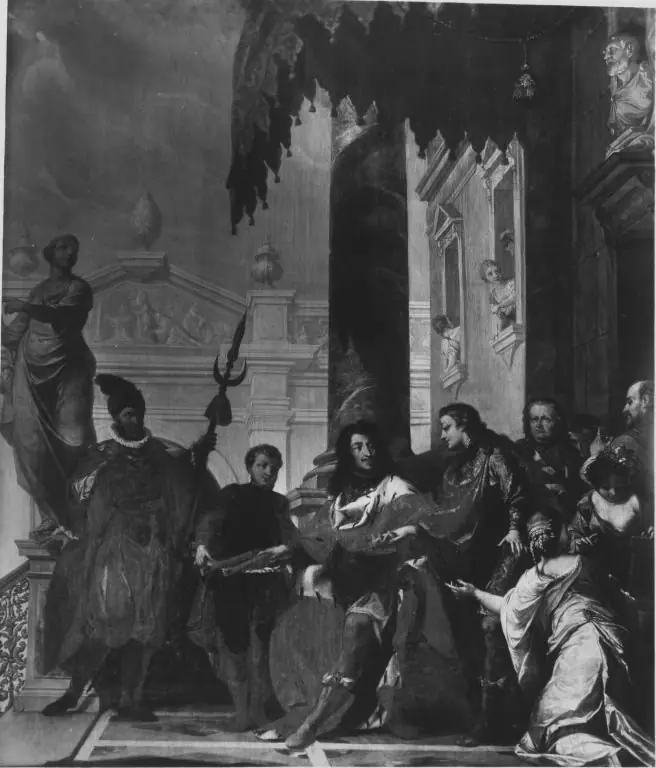
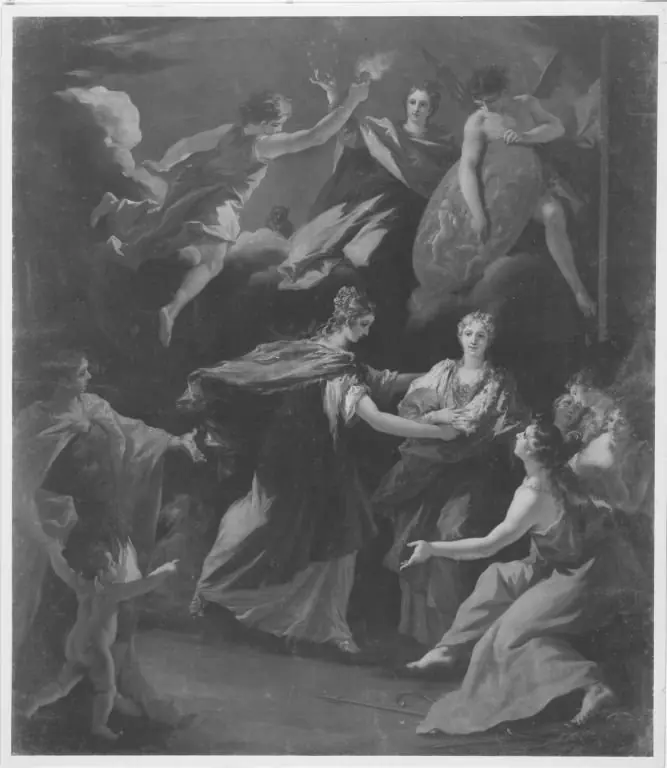 Begrüßung der Kurfürstin Maria Luisa von Toskana
 Curación y acción de gracias del príncipe don Carlos. Serie de la Vida de San Diego de Alcalá
 Louis XVI receives homage from the Knights of the Holy Spirit in Reims, June 13, 1775
 Reparations made to Louis XIV by the Doge of Genoa on 15 May 1685
 The leavetaking of Captain Hendrik de Sandra (1619-1707), sent off by his wife and children
 Iphigenie wird zum Tempel geführt