Artwork
The Descent from the Cross
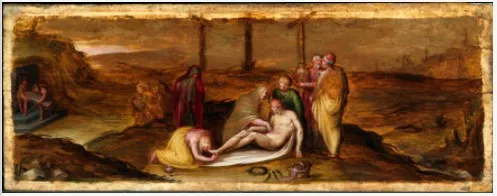
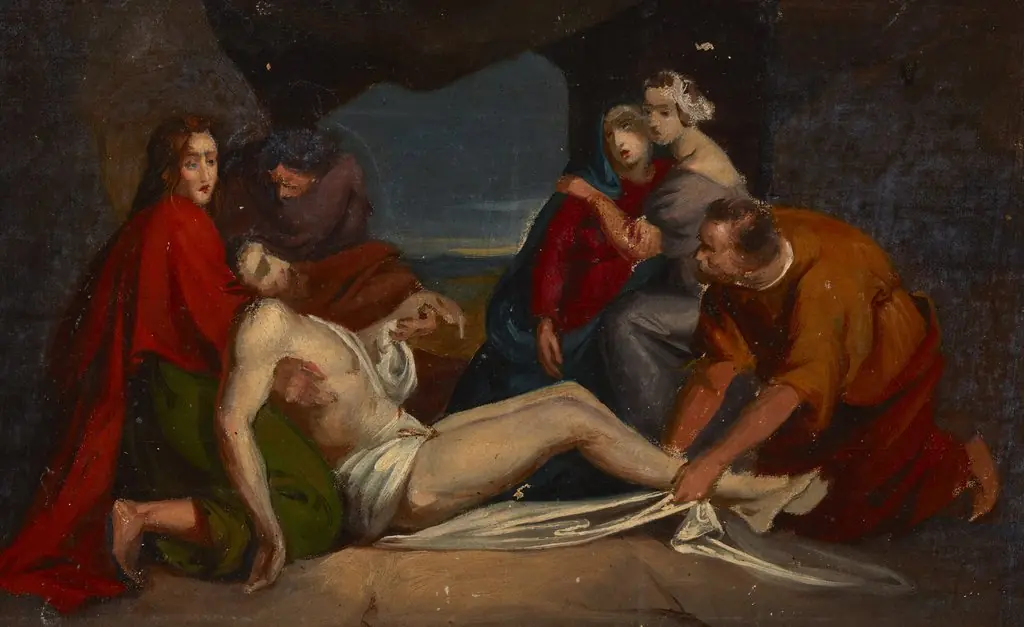
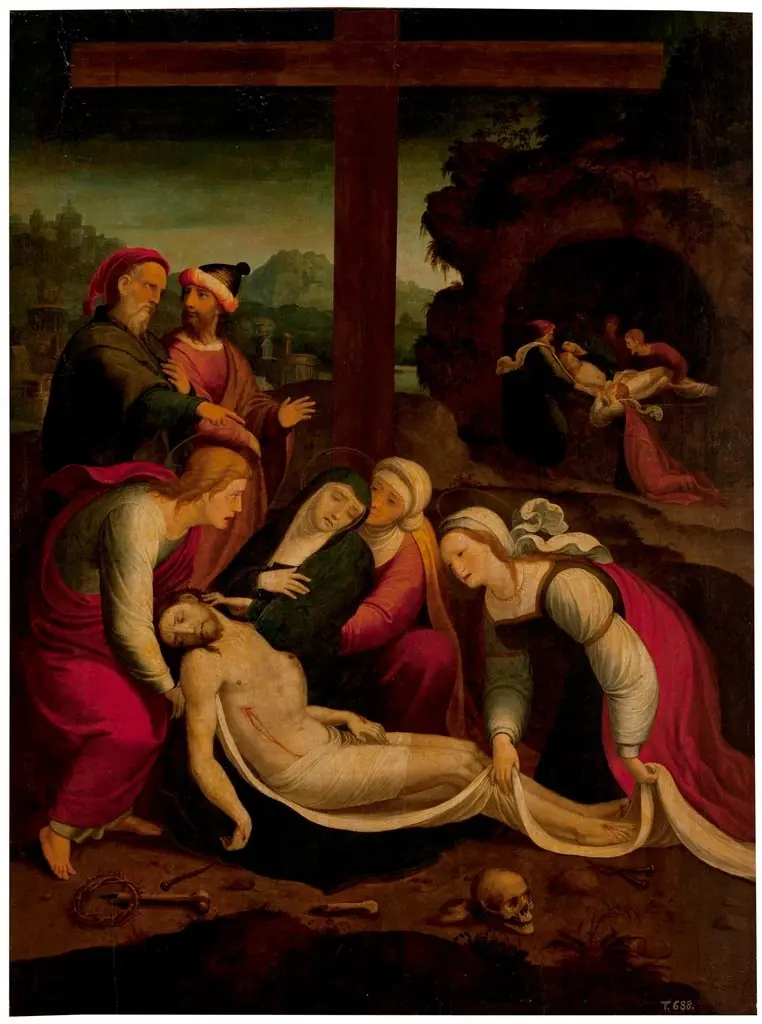
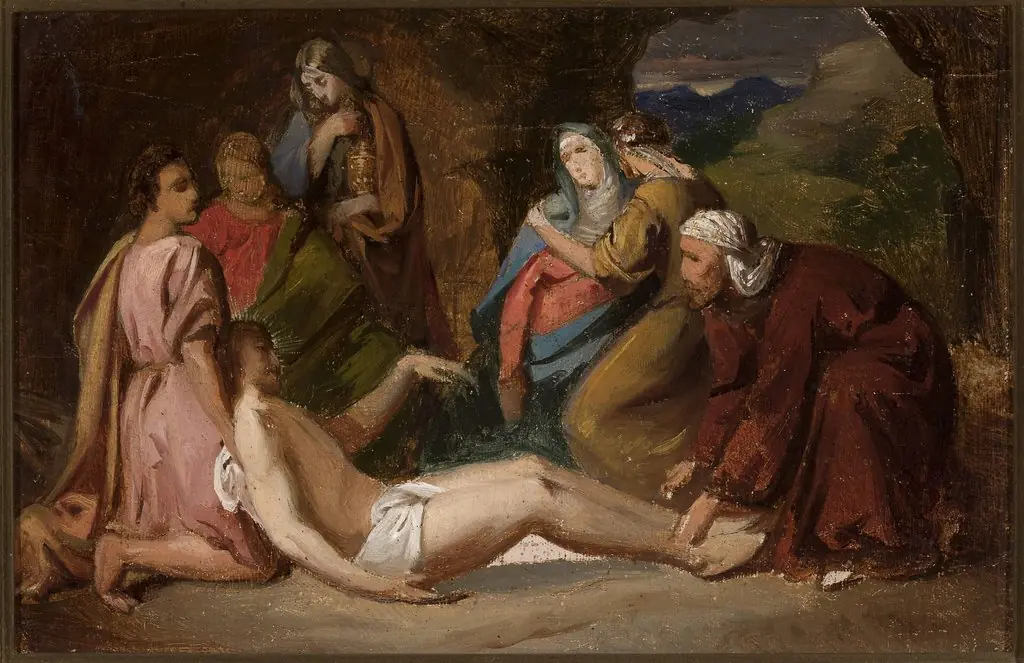
The Descent from the Cross is an unspecified painting by Giovanni Balducci. It dates from 1605 and is held in the collection of the National Gallery of Ireland.
About this work
Overview
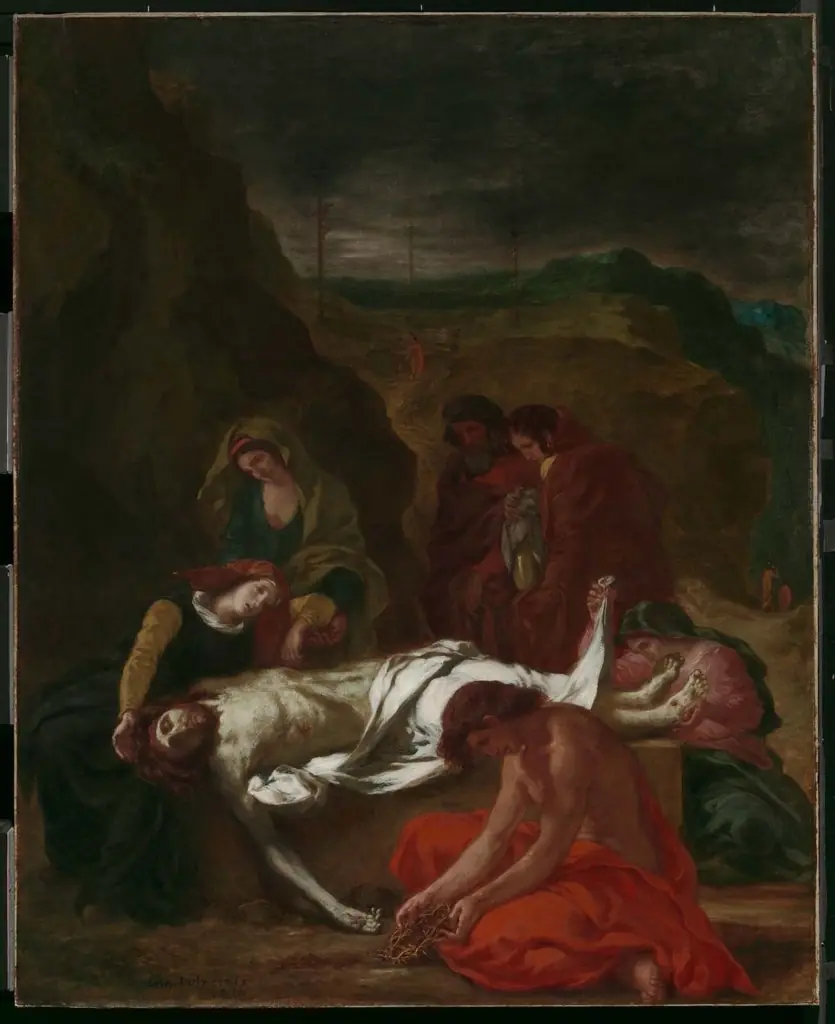
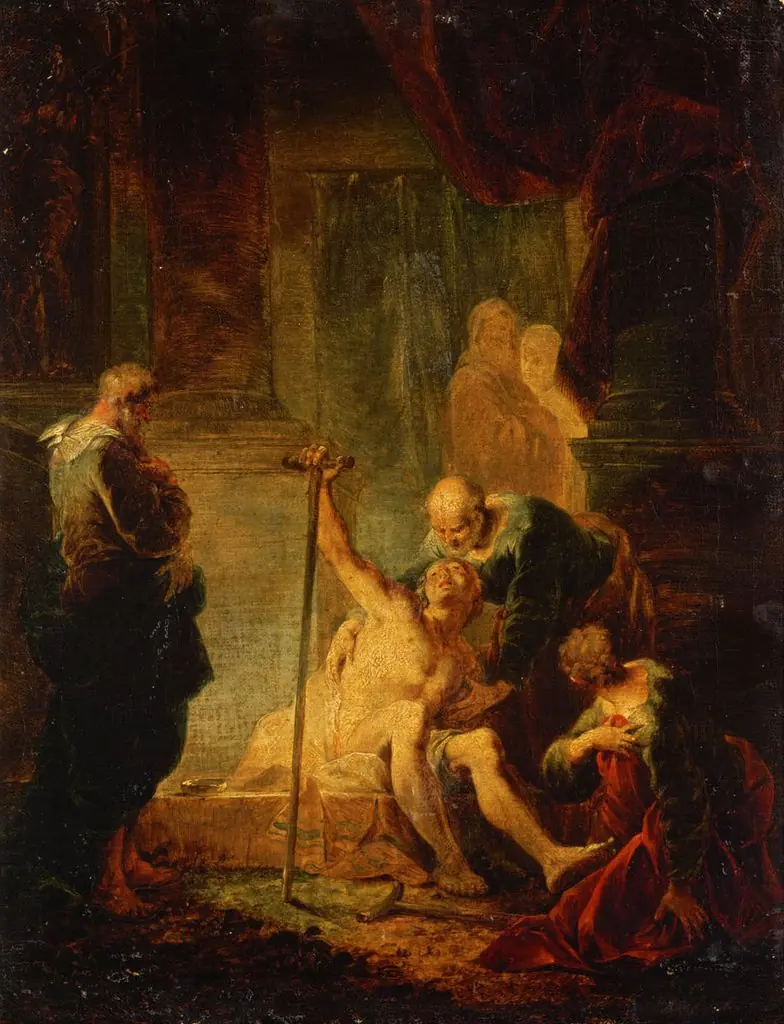
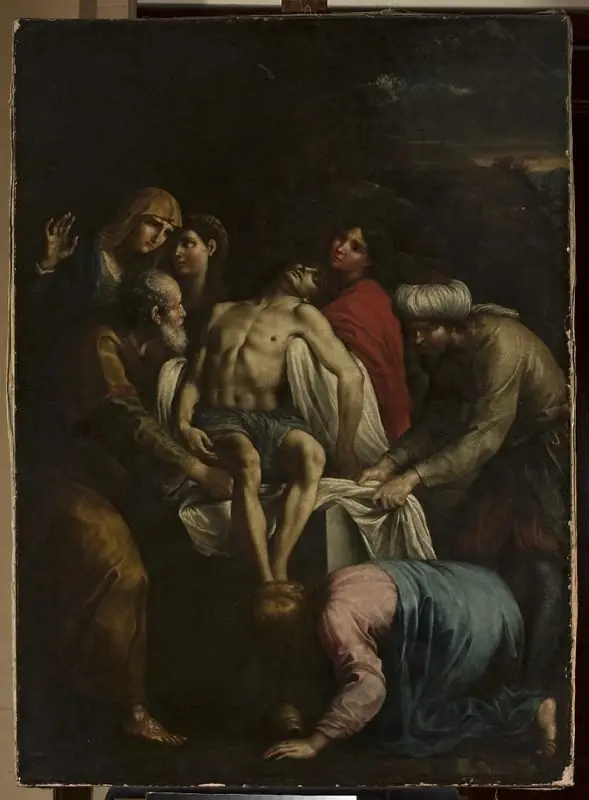
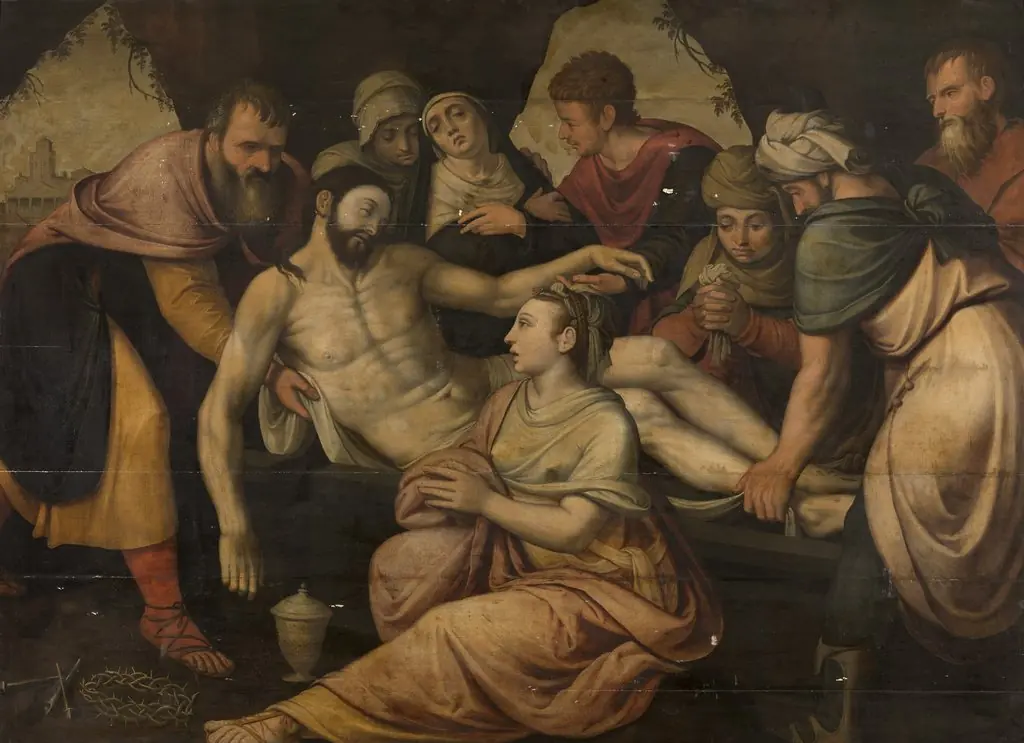
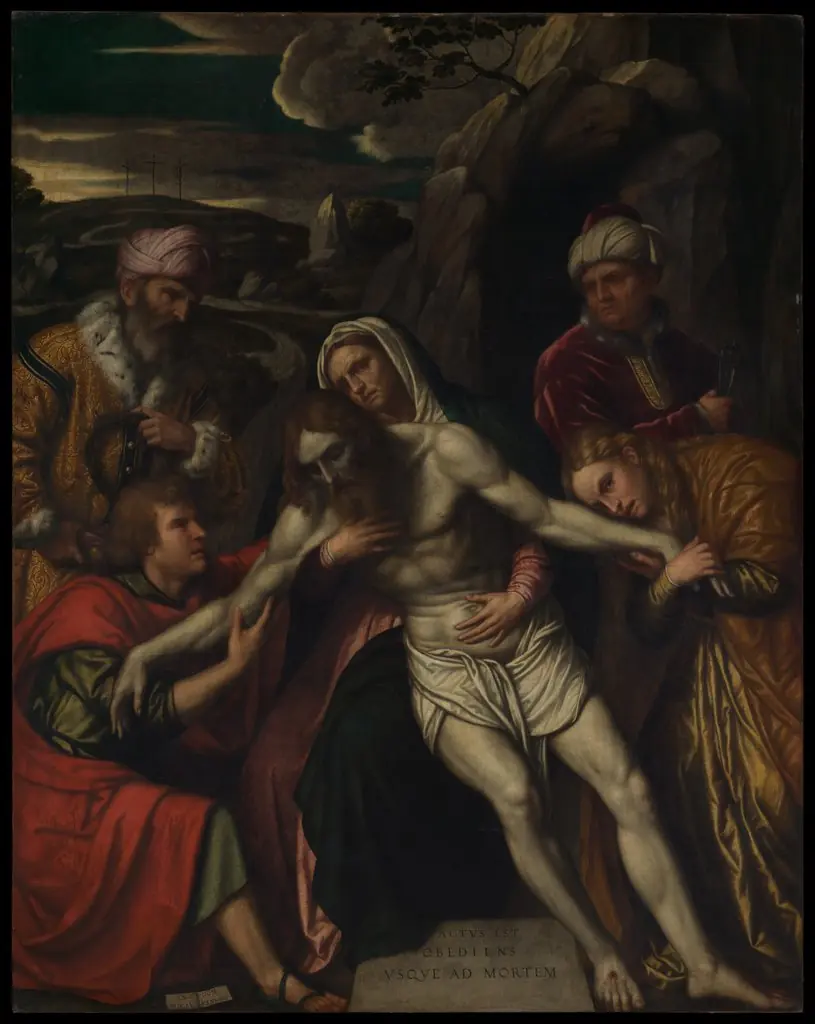
Painted around 1605 by Giovanni Balducci, this work portrays the removal of Christ’s body from the cross. It is an oil on canvas composition, currently held in the National Gallery of Ireland. The scene is rendered with restrained emotion, focusing on the physical and spiritual weight of the moment rather than dramatic spectacle.
Subject & Meaning
The painting captures the quiet aftermath of the crucifixion, with Christ’s body laid on a shroud as mourners gather around him. Figures include Joseph of Arimathea, Nicodemus, and the Virgin Mary, each engaged in acts of reverence or sorrow. The absence of overt anguish emphasizes contemplation, aligning with Counter-Reformation ideals of quiet piety and human vulnerability.
Technique & Style
Balducci employs a muted, earth-toned palette—ochres, soft browns, and pale whites—to evoke solemnity. Forms are modeled with gentle chiaroscuro, avoiding sharp contrasts. The figures are arranged in a stable, horizontal composition, drawing attention to the body at the center. Background elements are simplified, preserving focus on the emotional core of the scene.
History & Provenance
The painting entered the National Gallery of Ireland’s collection in the 19th century, though its earlier ownership remains undocumented. It was likely commissioned for a private chapel or religious institution in central Italy, where Balducci was active. No records of its creation or initial display survive, but its style suggests ties to late Mannerist traditions in Tuscany.
Context
Created during the early Baroque period, the work reflects regional responses to the Council of Trent’s call for clear, emotionally resonant religious imagery. While contemporaries like Caravaggio embraced dramatic realism, Balducci’s approach is quieter, rooted in the Tuscan tradition of restrained expression and spiritual introspection.
Legacy
Balducci’s painting remains a modest but significant example of early 17th-century Italian devotional art. Though not widely known outside academic circles, it contributes to understanding how regional artists interpreted sacred narratives with subtlety rather than spectacle, preserving a quieter strand of Counter-Reformation visual culture.
Artist & collection