Artwork
Landscape with biblical scenes and scenes from the legends of saints
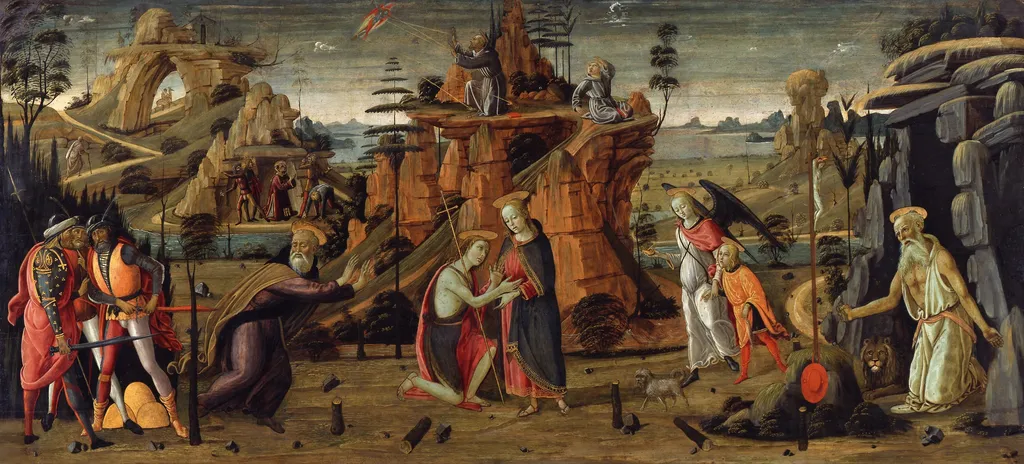
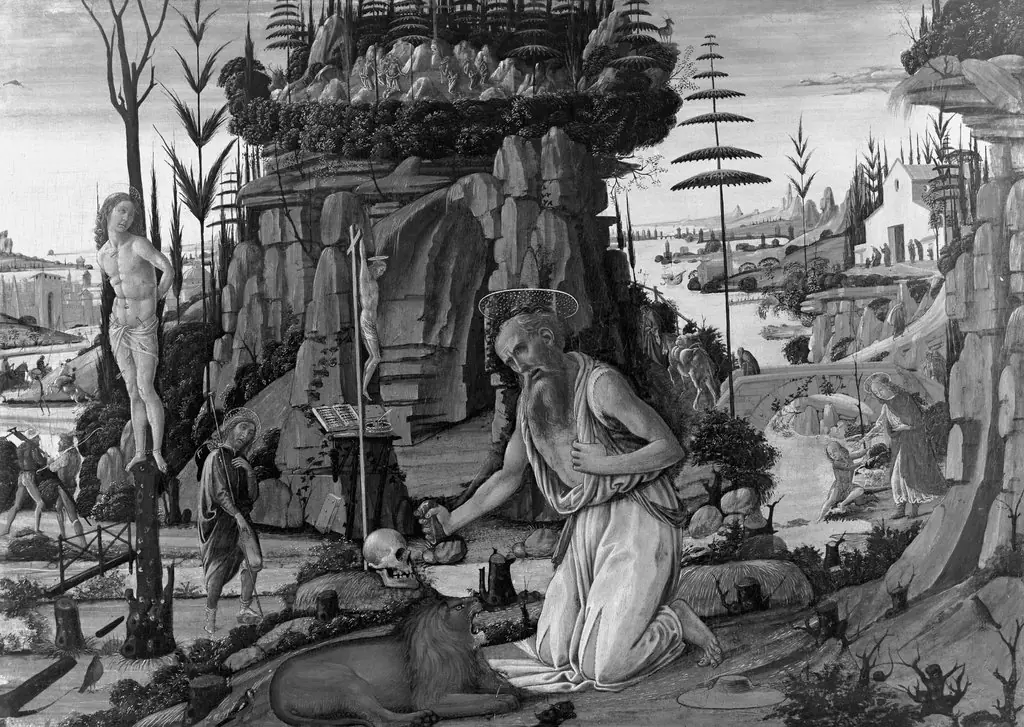
Landscape with biblical scenes and scenes from the legends of saints is a paint painting by the Early Renaissance artist Jacopo da Sellaio. It dates from 1496 and is held in the collection of the Gemäldegalerie Berlin.
About this work
Overview
Executed in Florence during the late 15th century, the painting reflects the period’s interest in integrating sacred stories into naturalistic settings.
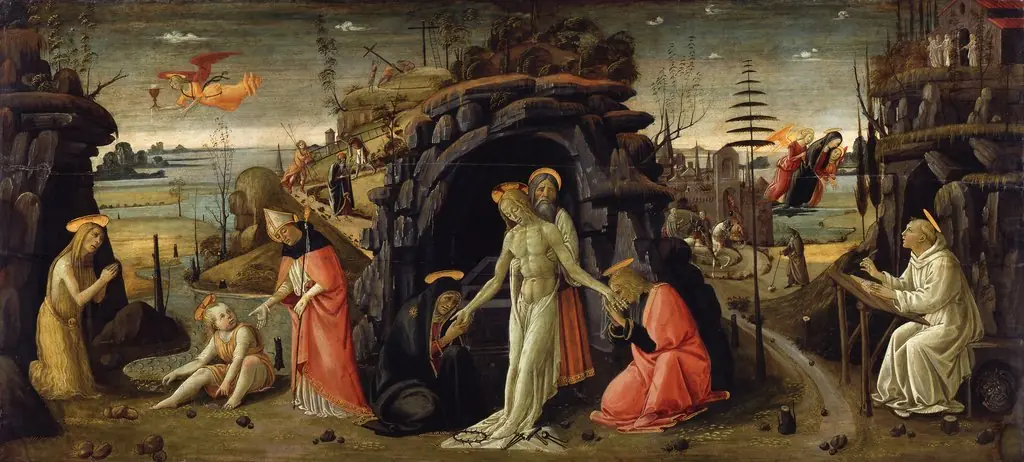
Painted in 1496 by Jacopo da Sellaio, this tempera work presents a complex landscape woven with multiple narrative episodes drawn from biblical texts and hagiographic traditions. Executed in Florence during the late 15th century, the painting reflects the period’s interest in integrating sacred stories into naturalistic settings. Sellaio, a member of the Compagnia di San Luca since 1460, synthesized stylistic elements from contemporaries like Botticelli and Ghirlandaio to create a densely populated scene that balances detail with spatial depth.
Subject & Meaning
The painting layers numerous episodes from scripture and saintly legends within a single continuous landscape. Central figures include a man in a red robe kneeling before a celestial presence, likely representing a moment of divine revelation. Surrounding vignettes depict other saints and biblical characters engaged in acts of devotion, miracles, or martyrdom. These scenes are not arranged chronologically but spatially, inviting viewers to navigate the narrative as they move through the composition, reinforcing the devotional function of the work.
Technique & Style
Rendered in tempera on panel, the painting employs fine brushwork to render intricate details of clothing, architecture, and natural elements. Sellaio’s style blends the linear elegance of Botticelli with the narrative clarity of Ghirlandaio, while retaining a certain archaic formality. The landscape is rendered with attention to geological features and vegetation, yet figures are scaled to emphasize narrative importance over spatial realism. Animals—such as a dog and a lion—are included as symbolic attributes of specific saints.
History & Provenance
The painting has been in the collection of the Gemäldegalerie Berlin since the 19th century, acquired as part of a broader effort to assemble representative works of early Renaissance Florentine art. Its documented history before this acquisition remains limited, though its style and date align with Sellaio’s known output during the final decades of his career. It was likely commissioned for private devotion, given its intimate scale and rich iconography.
Context
In late 15th-century Florence, devotional paintings often combined multiple sacred narratives to serve as aids for meditation. Sellaio’s work reflects this trend, situating biblical and saintly episodes within a unified natural world that mirrors contemporary humanist interests in observation and order. While not a major innovator, Sellaio contributed to a visual culture where storytelling through landscape became increasingly sophisticated, bridging medieval iconography and Renaissance naturalism.
Legacy
Though Jacopo da Sellaio is not among the most celebrated figures of the Florentine Renaissance, this painting exemplifies the period’s capacity to embed complex theological narratives within visually rich environments. It remains a valuable reference for understanding how lesser-known artists adapted prevailing styles to serve devotional needs. The work continues to be studied for its layered iconography and as an example of how narrative painting evolved in pre-Mannerist Florence.
Artist & collection
Artist
Jacopo del Sellaio (1441/42–1493) was an Italian painter of the early Renaissance, active in his native Florence.

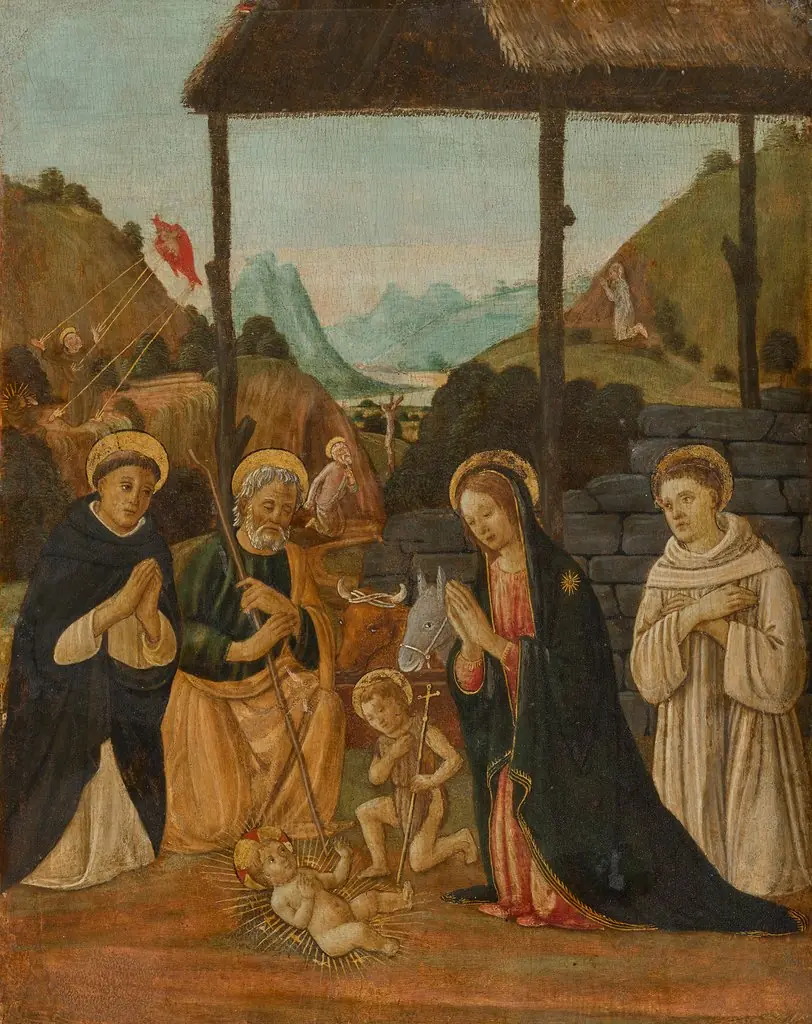
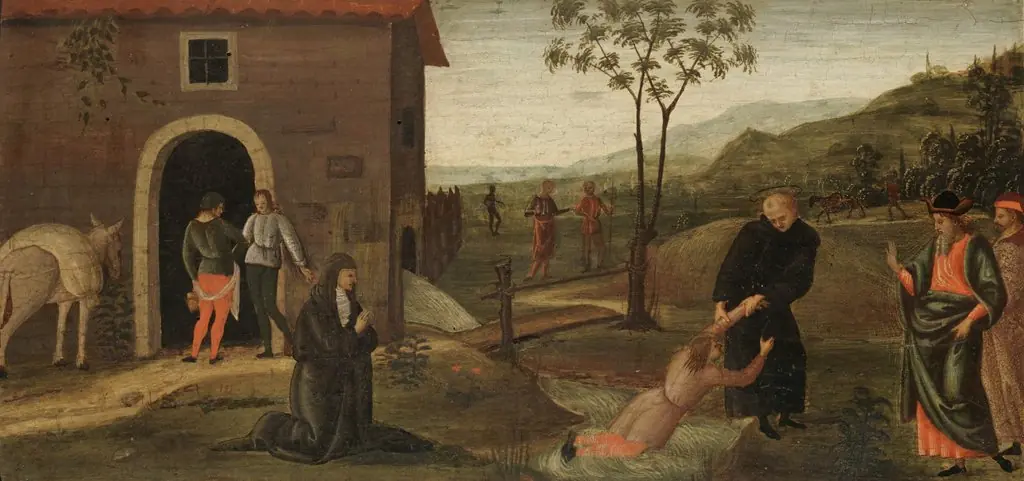 Saint Nicholas of Tolentino Rescuing a Boy from Drowning
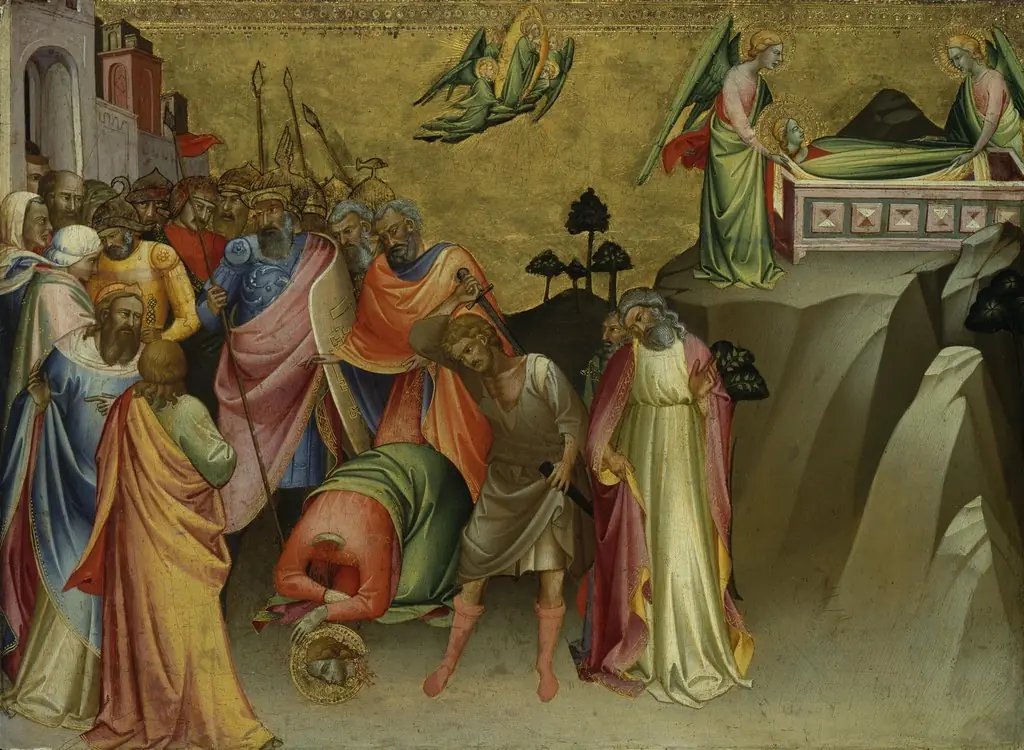 The Beheading of St. Catherine of Alexandria
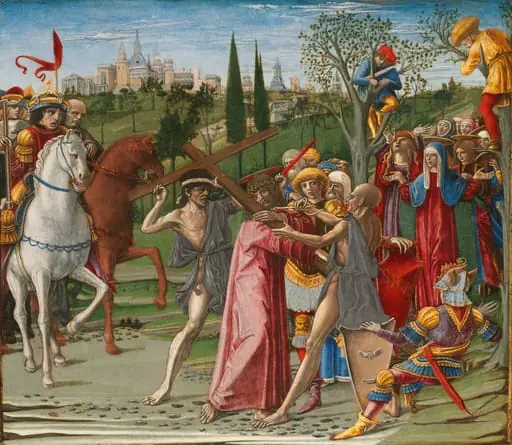 Christ Carrying the Cross
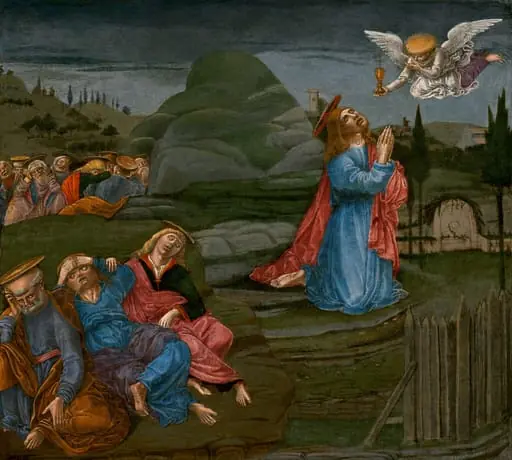 The Agony in the Garden
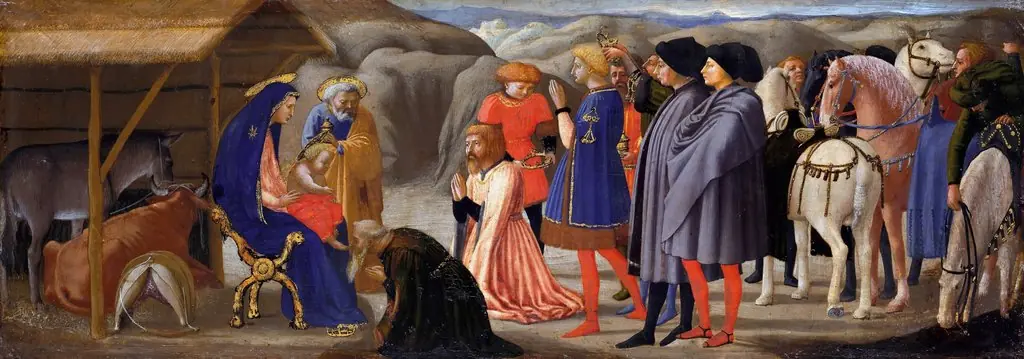 The Adoration of the Magi
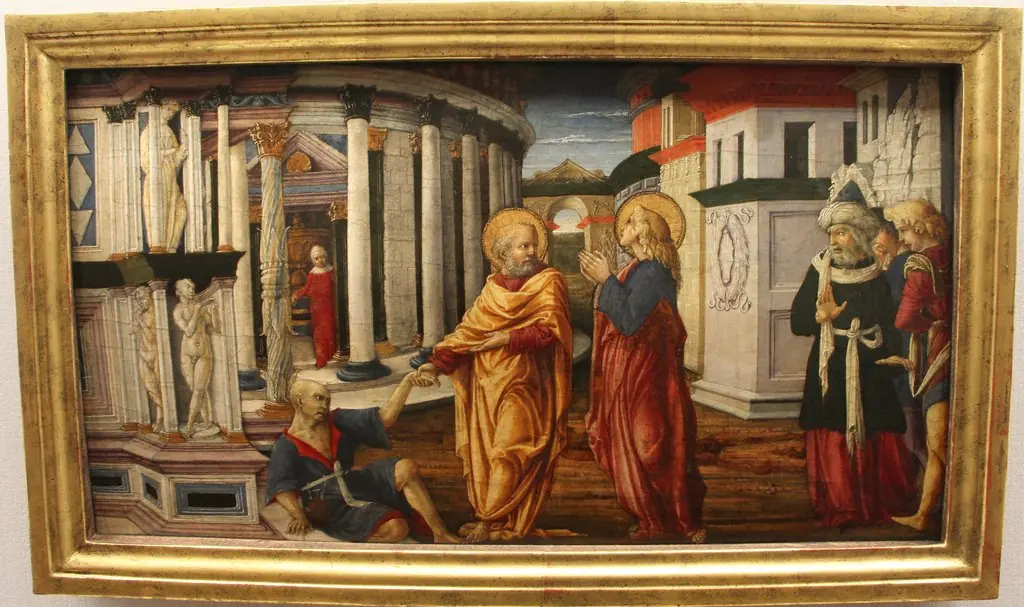 Petrus heilt einen Lahmen
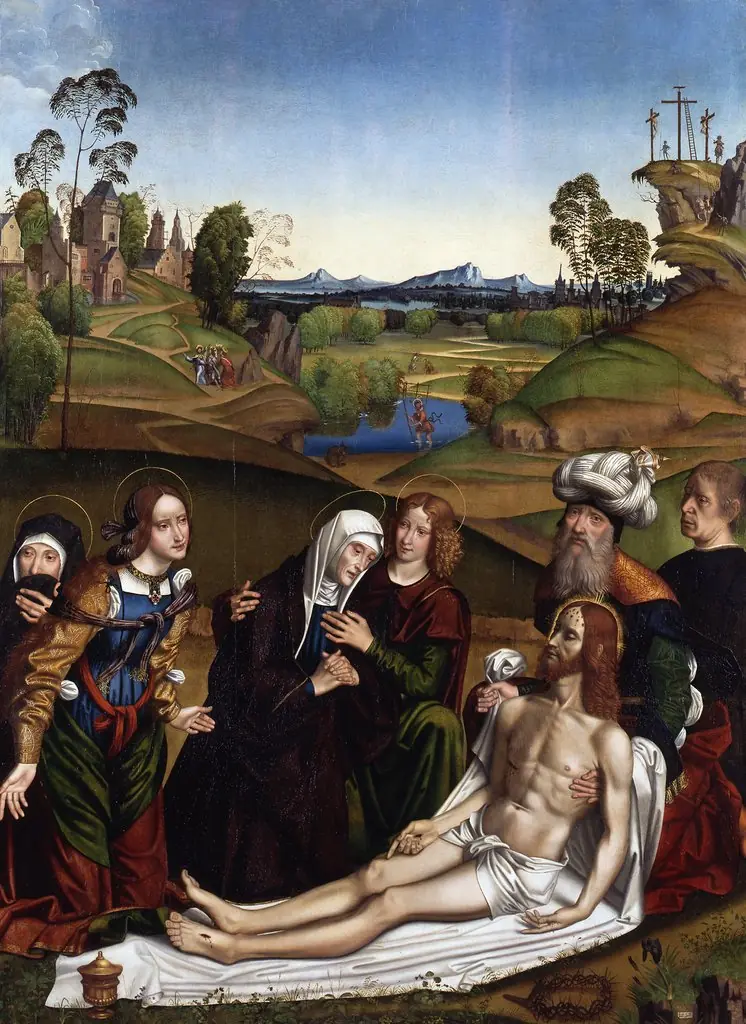 The Lamentation of Christ with a Donor
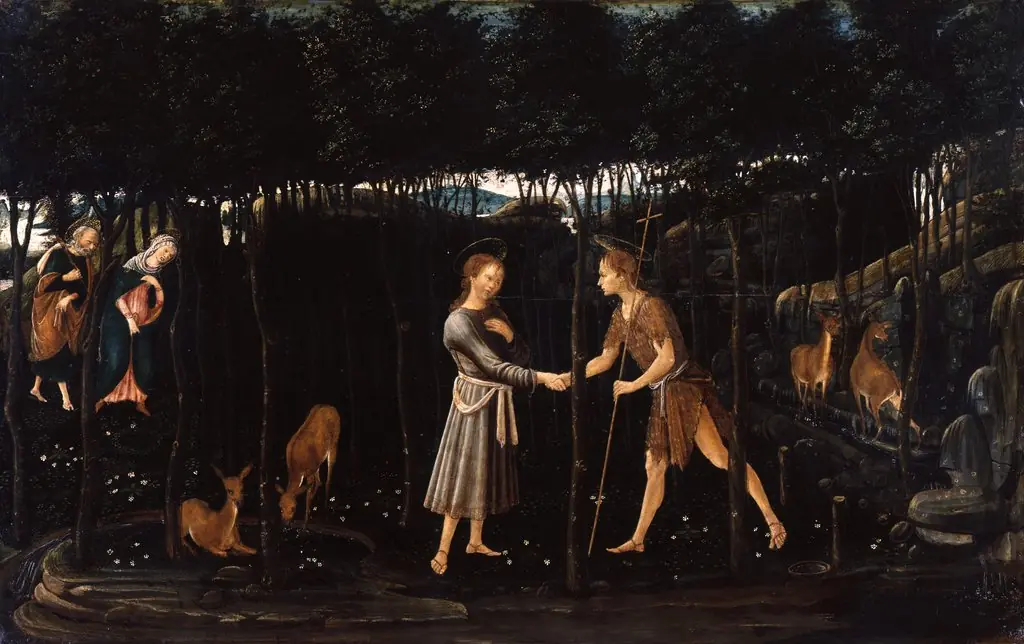
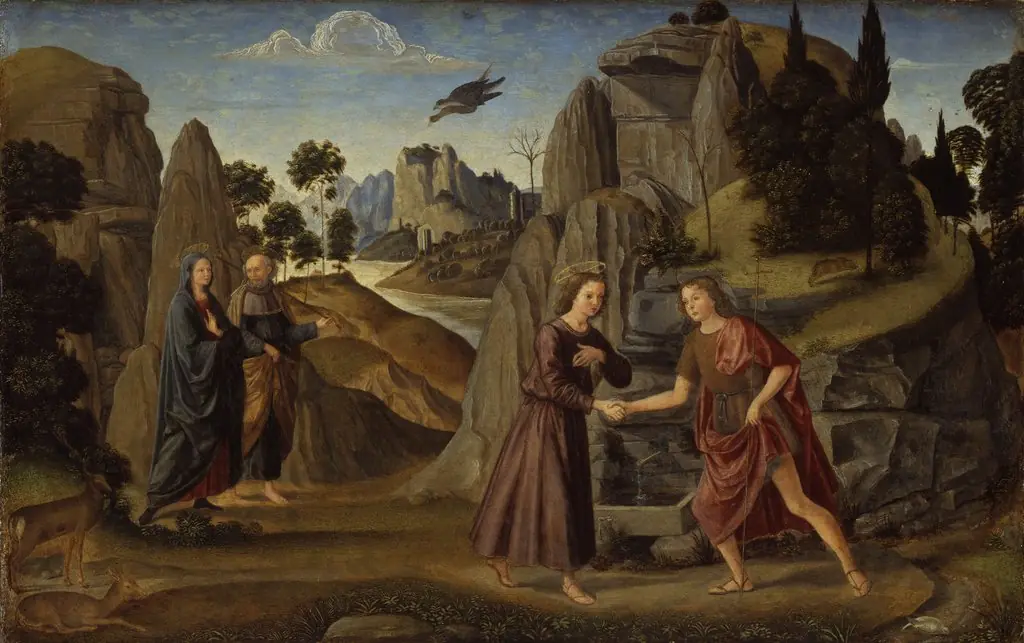 The Meeting of the Young Christ and the Young St. John
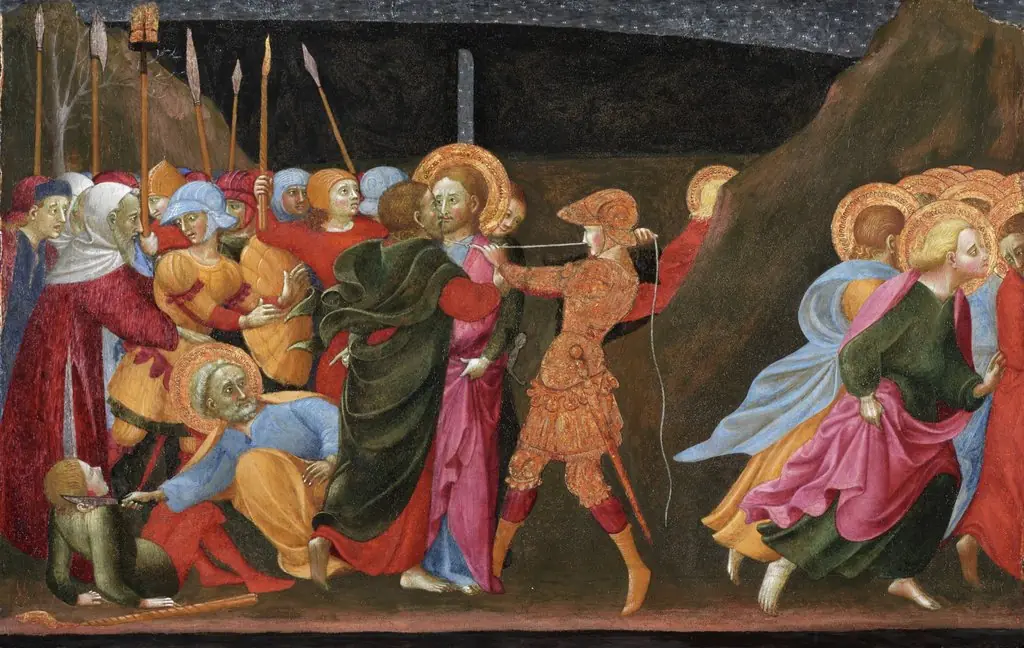 The Betrayal of Christ
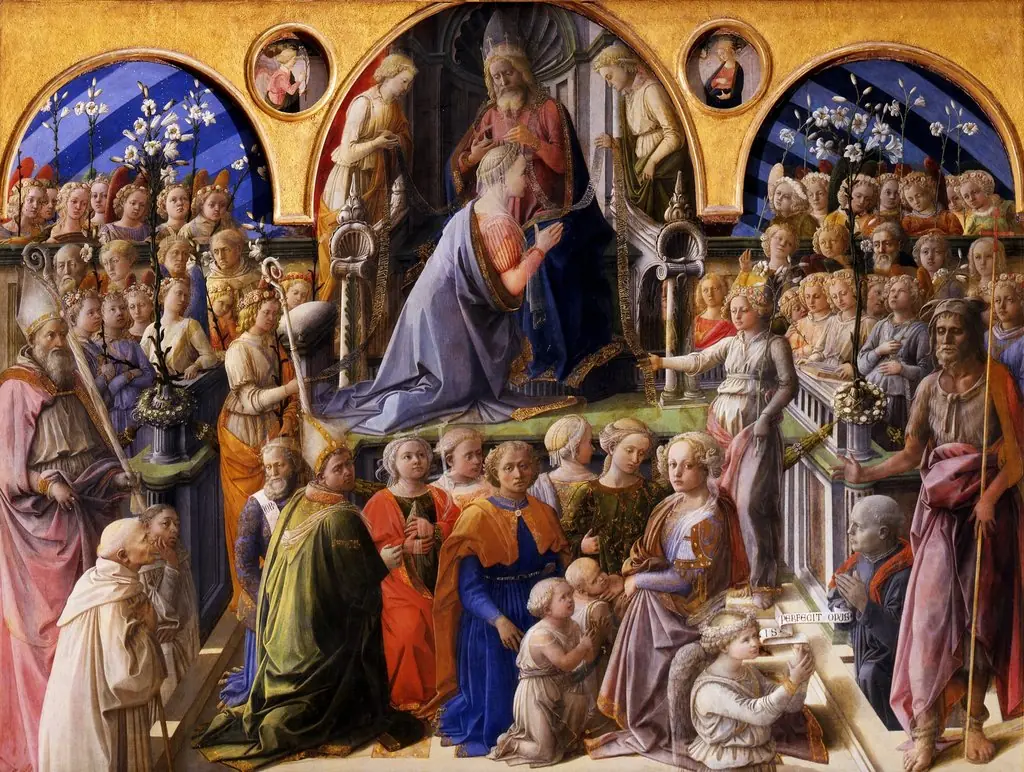 Coronation of the Virgin
 Predella Panel Representing the Legend of St. Stephen: The Stoning of St. Stephen
 Landscape with biblical scenes and scenes from the legends of saints