Artwork
Isotta Brembati
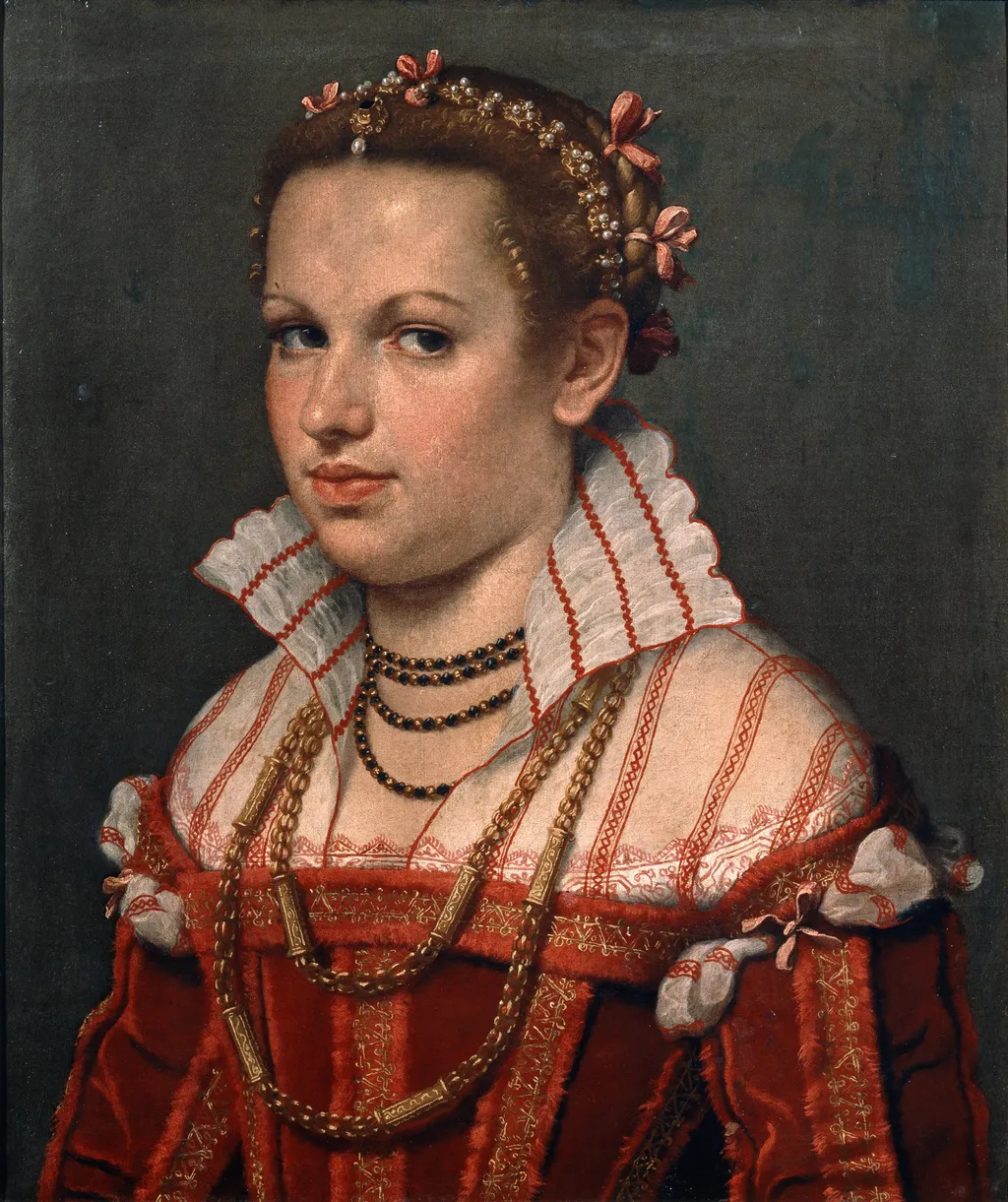
Isotta Brembati is an oil painting by the Mannerist artist Giovanni Battista Moroni. It dates from 1560 and is held in the collection of the Accademia Carrara.
About this work
Overview
Painted in 1560 by Giovanni Battista Moroni, this oil portrait captures Isotta Brembati, a member of a prominent Bergamo family.
Painted in 1560 by Giovanni Battista Moroni, this oil portrait captures Isotta Brembati, a member of a prominent Bergamo family. The work resides in the Accademia Carrara in Bergamo, Italy. Rendered with precise attention to detail, the painting reflects the quiet dignity of aristocratic portraiture in mid-16th-century northern Italy, where personal identity and social standing were conveyed through attire and composure.
Subject & Meaning
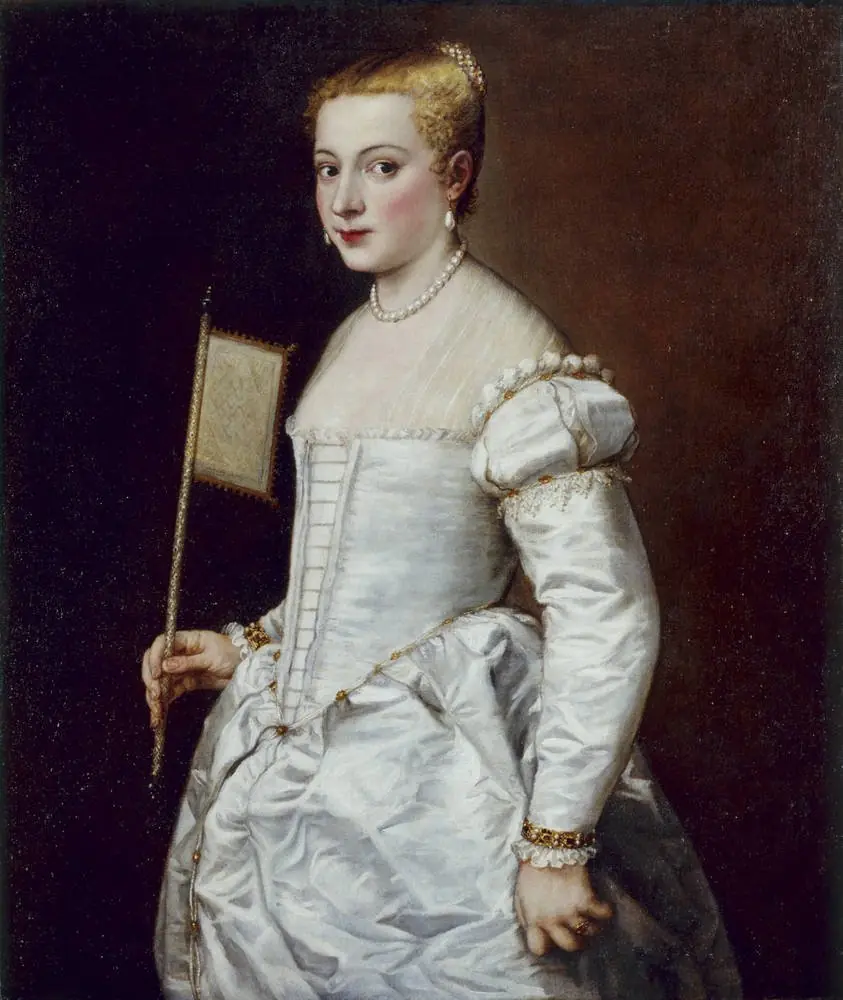
Isotta Brembati is depicted in formal attire, her posture composed and gaze directed slightly to the left, suggesting contemplation rather than direct engagement. The richness of her garments—red silk, gold embroidery, and pearl-adorned headpiece—signals her noble status. The absence of symbolic props or narrative elements focuses attention on her presence, emphasizing lineage and personal refinement over allegory.
Technique & Style
Moroni employs subtle chiaroscuro to model the contours of her face and dress, lending volume without theatricality. The texture of fabric, from the sheen of silk to the crispness of lace ruffles, is rendered with meticulous brushwork. Dark gray background isolates the figure, enhancing the luminosity of her jewelry and the intricate patterns of her gown, a hallmark of Moroni’s restrained realism.
History & Provenance
The portrait has remained in Bergamo since its creation, likely commissioned by the Brembati family. It entered the Accademia Carrara’s collection in the 19th century, where it has been consistently displayed as a key example of Lombard portraiture. Its continuous local ownership underscores its cultural significance to the region’s artistic heritage.
Context
In 1560s Lombardy, portraiture served as a tool for asserting familial prestige. Moroni, active in Bergamo, was known for his unidealized depictions of the local elite, distinguishing himself from the grander styles of Venice or Rome. This work reflects a regional preference for intimate, detailed representation over mythological or religious themes common elsewhere.
Legacy
Isotta Brembati exemplifies Moroni’s contribution to the evolution of secular portraiture in Renaissance Italy. His focus on individual character and material precision influenced later artists seeking authenticity over idealization. The painting remains a reference point for studies of 16th-century dress, social hierarchy, and the quiet power of civilian representation in art.
Own this work as a print
Artist & collection
Artist
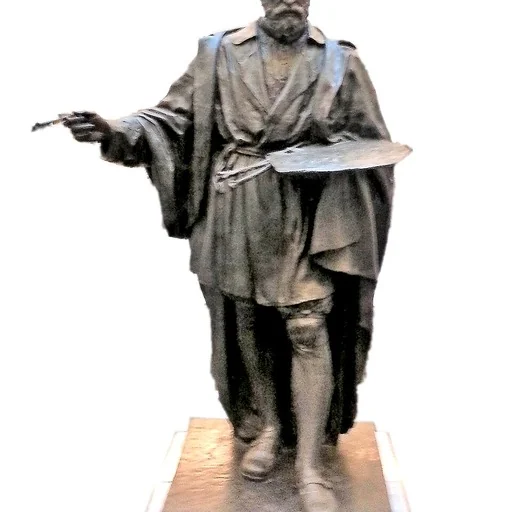
Giovanni Battista Moroni, also known as Giambattista Moroni was an Italian painter of the Mannerist school.

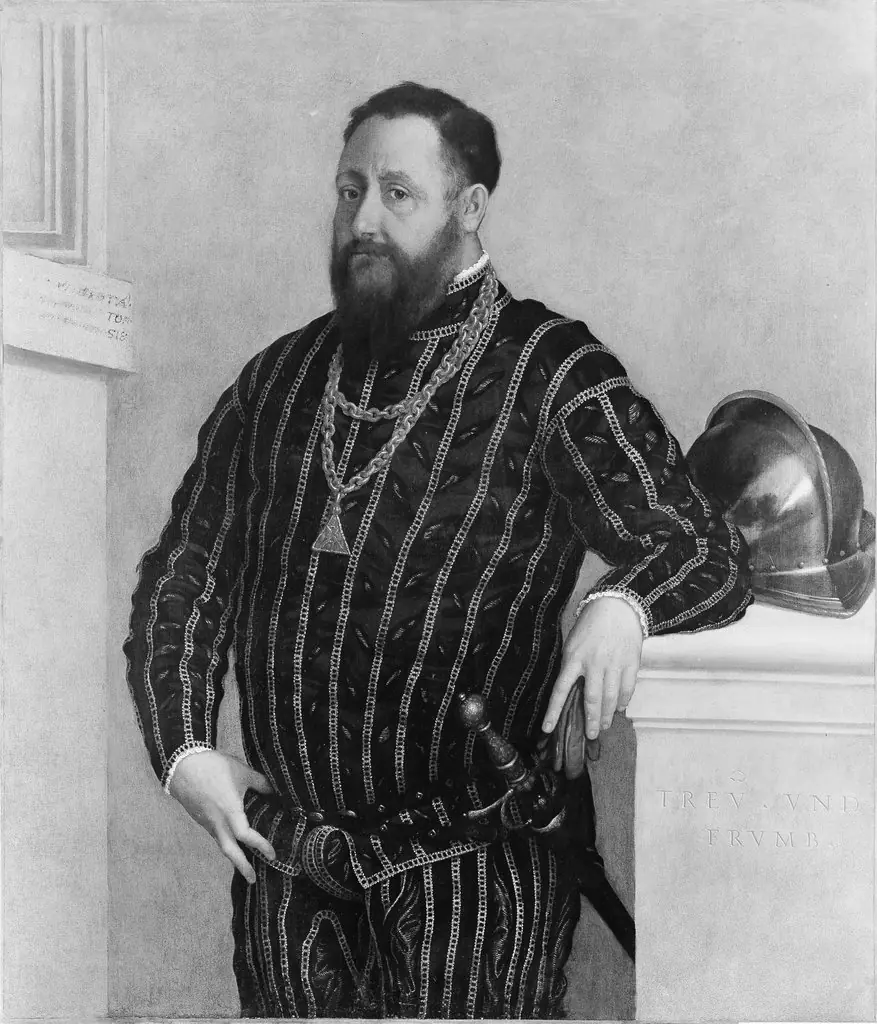 Portrait of a Man
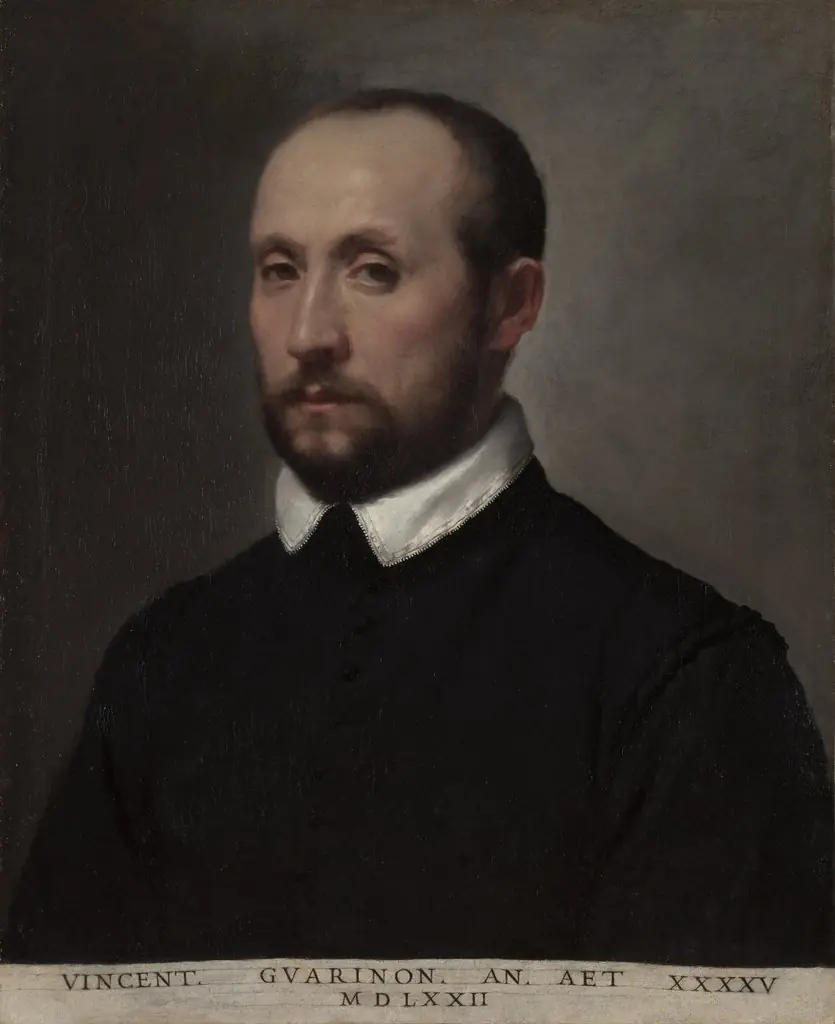 Portrait of Vincenzo Guarignoni
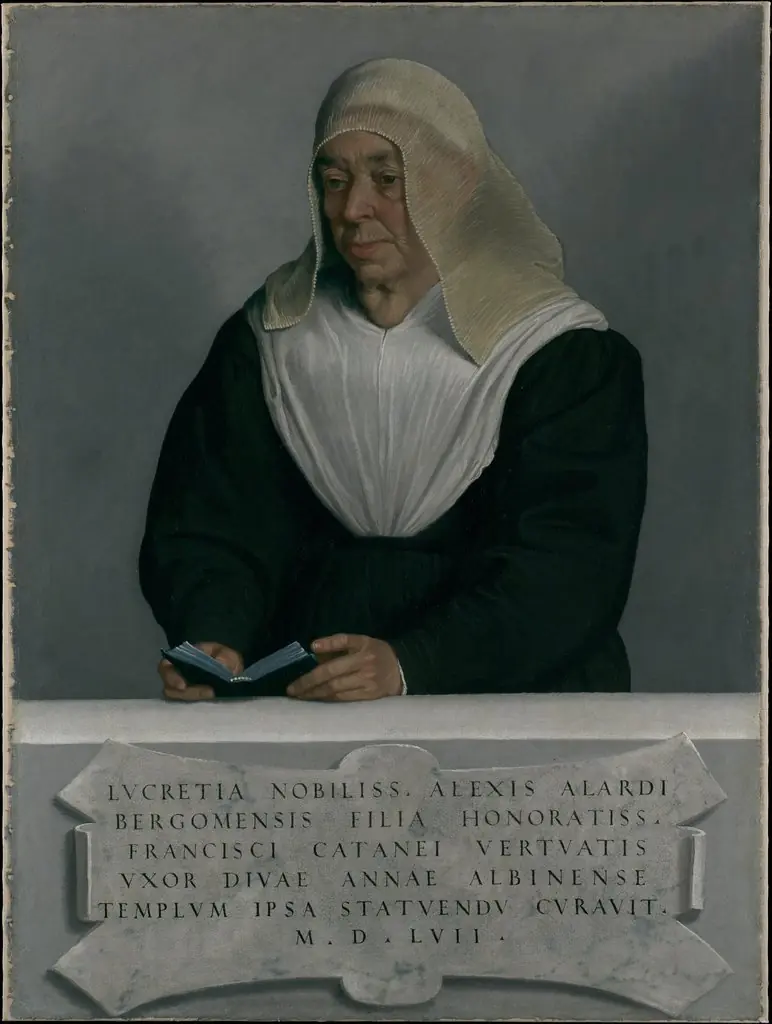 Abbess Lucrezia Agliardi Vertova (1490?–1558)
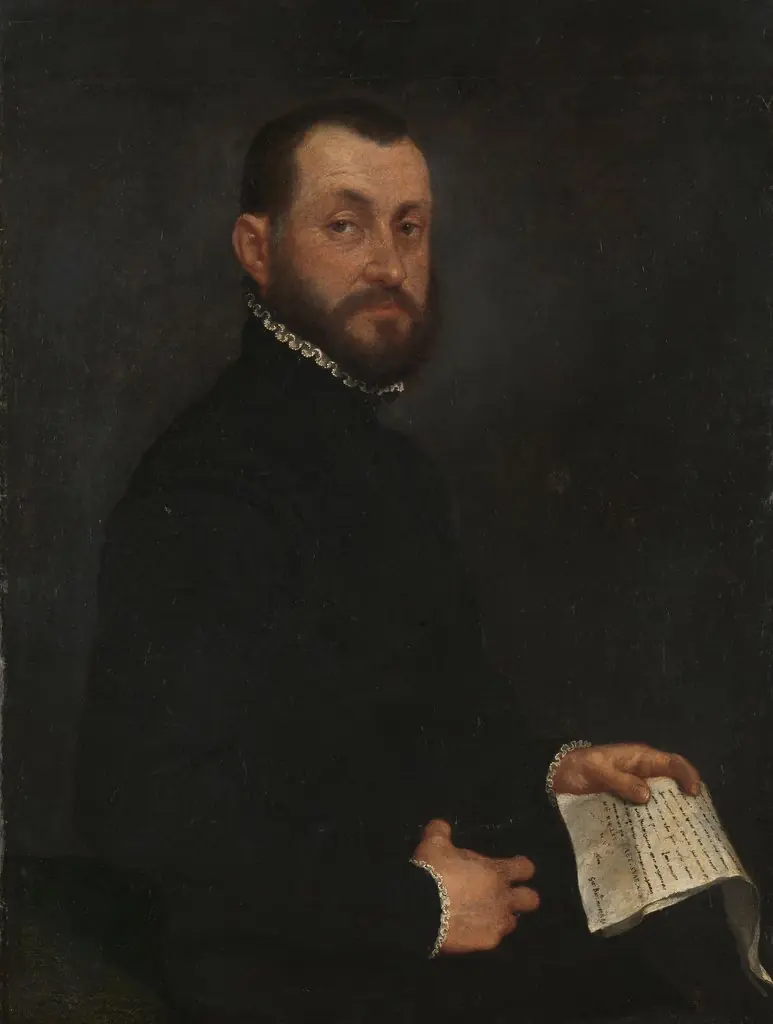 Portrait of a Man
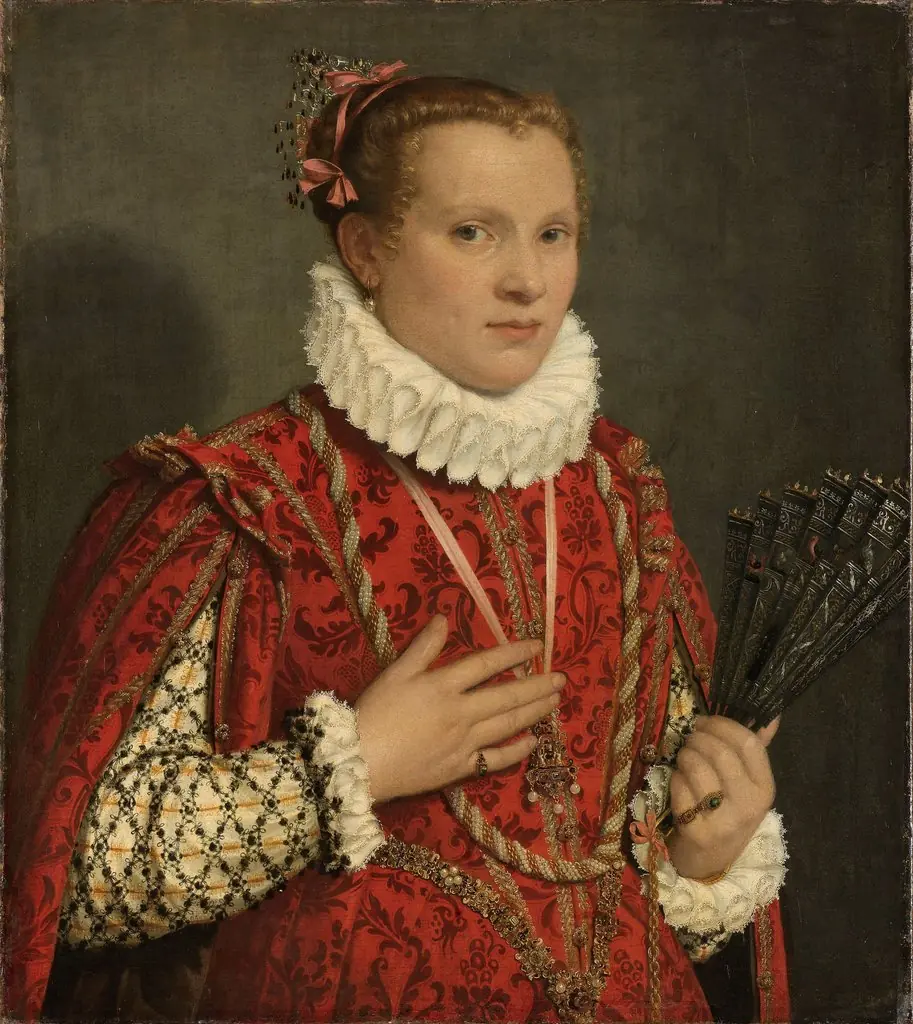 Portrait of a young Woman
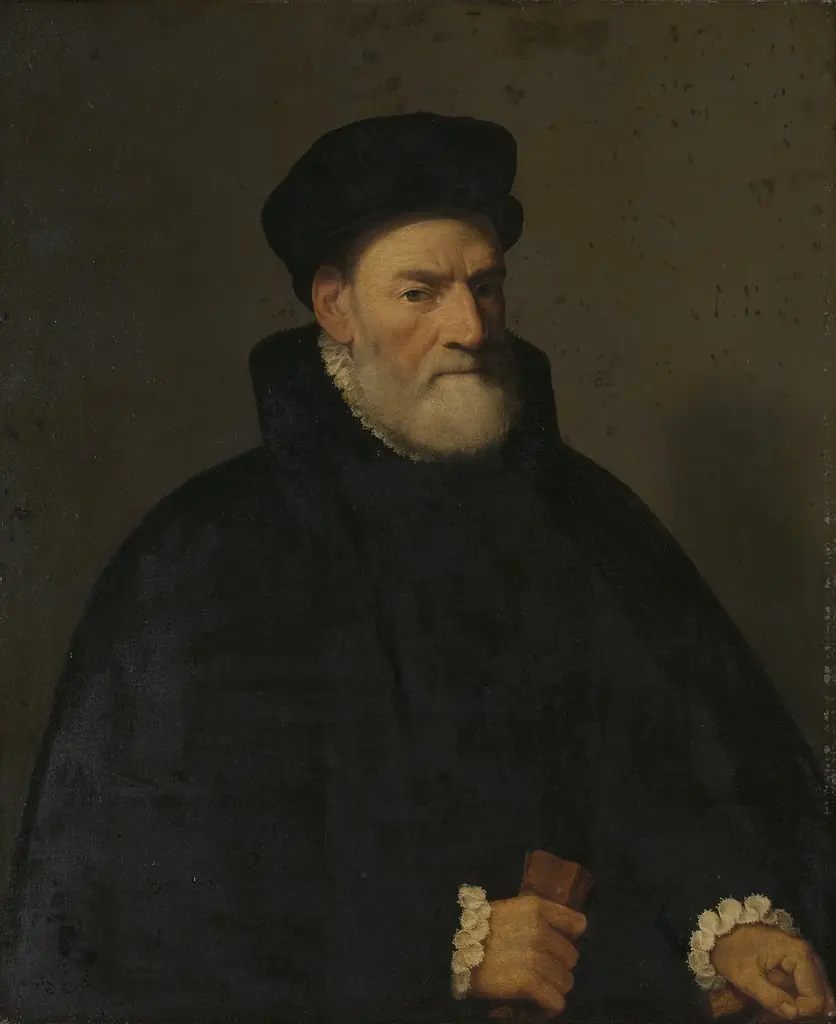 Portrait of an Old Man, probably Vercellino Olivazzi, Senator from Bergamo
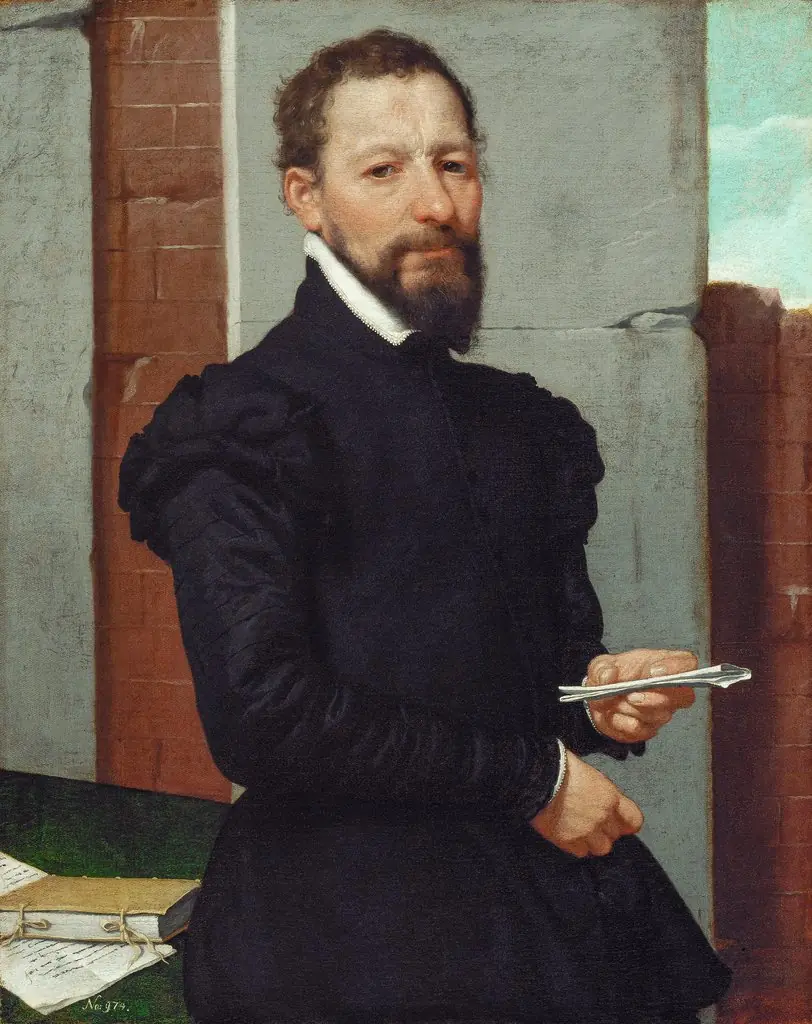 The Orator Giovan Pietro Maffeis (?) (1533-1603)
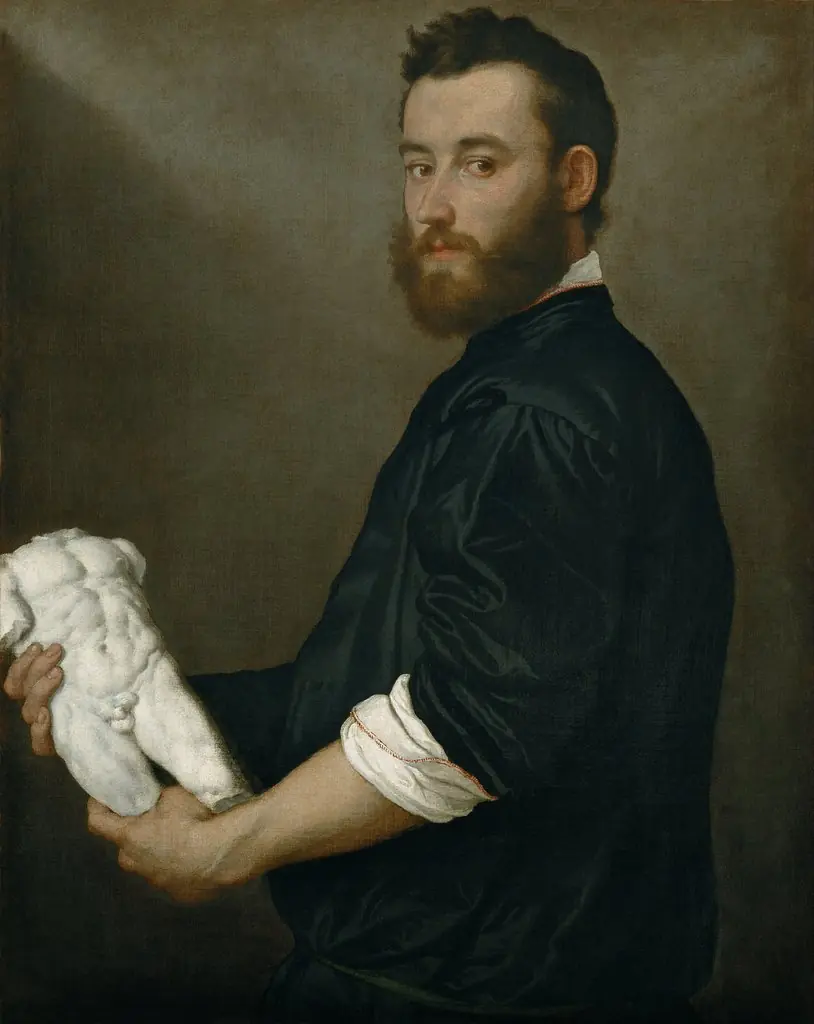 Portrait of the sculptor Alessandro Vittoria
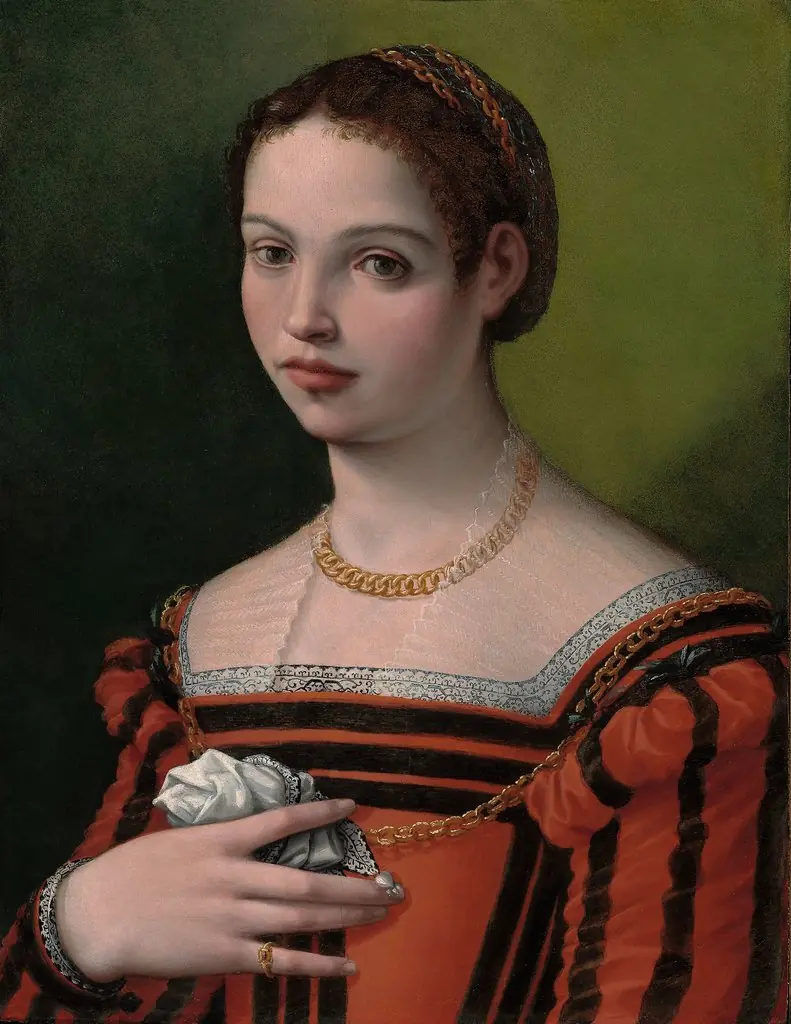 Portrait of a Lady
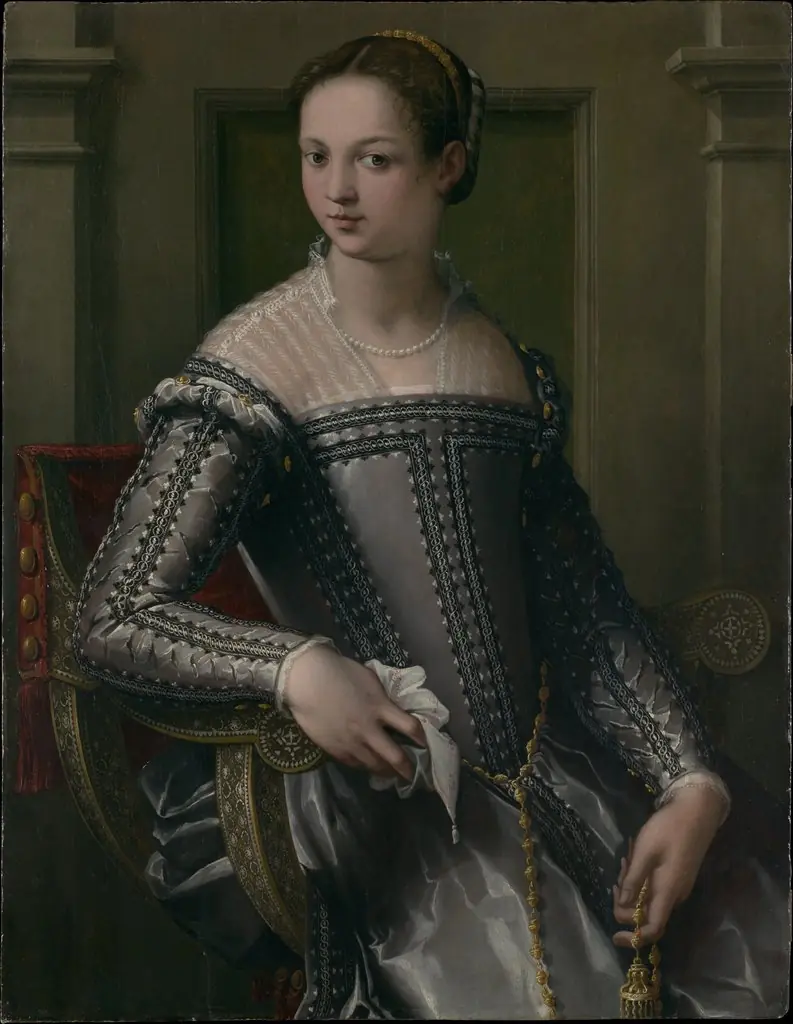 Portrait of a Woman
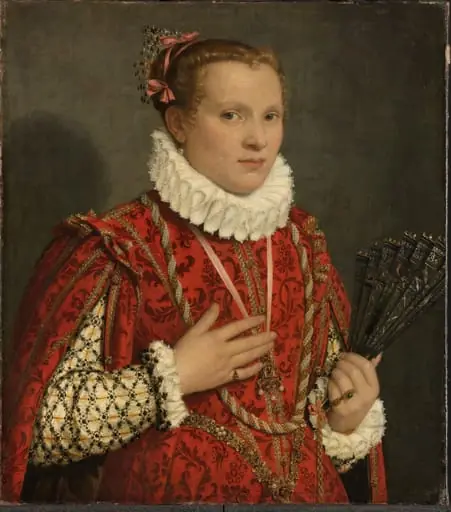 Portrait of a young woman holding a fan
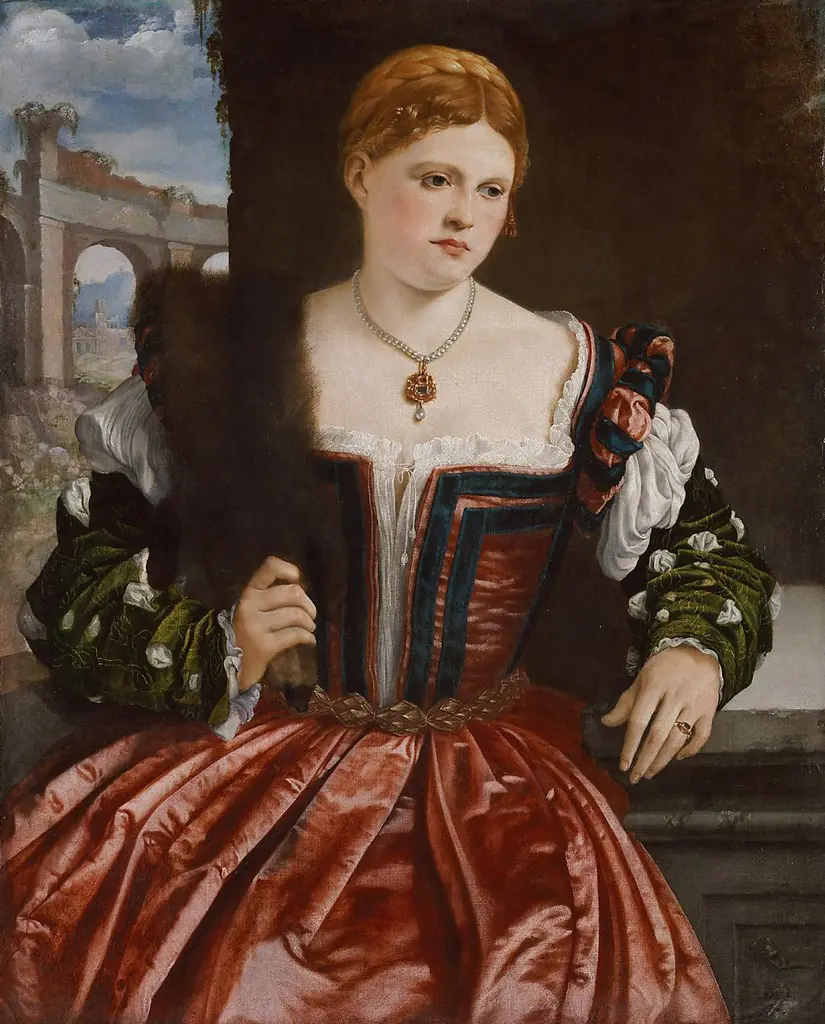 Portrait of a Young Lady
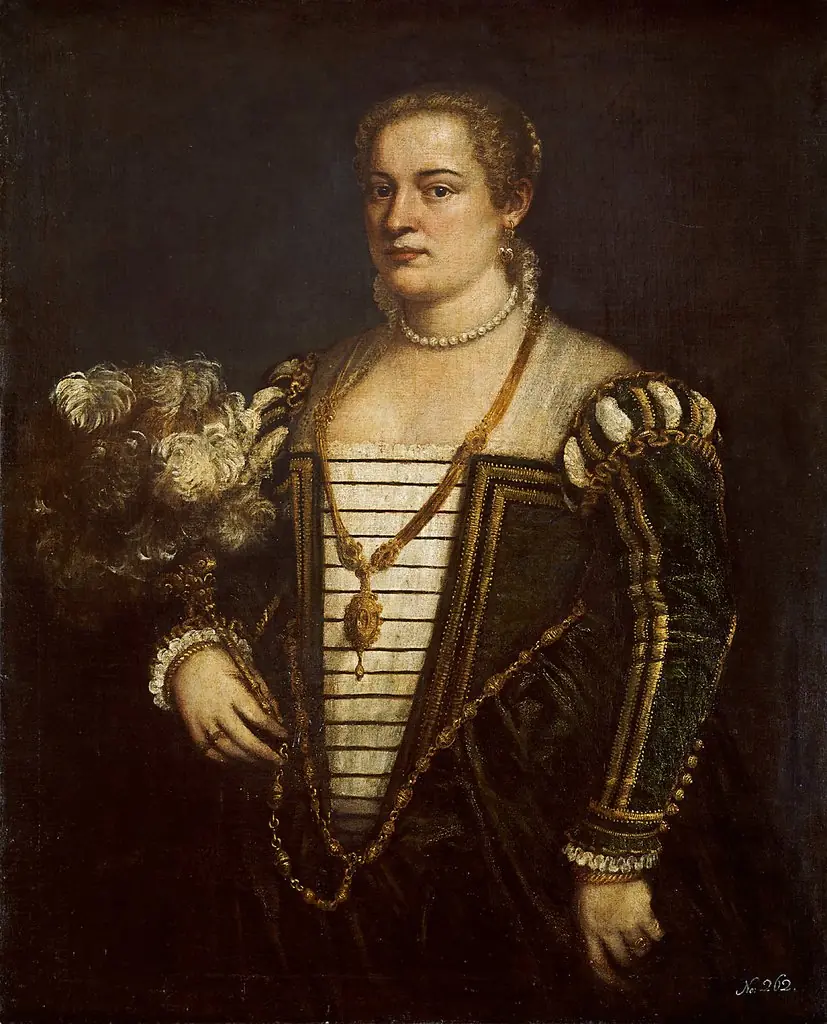 Portrait of the Artist's daughter Lavinia
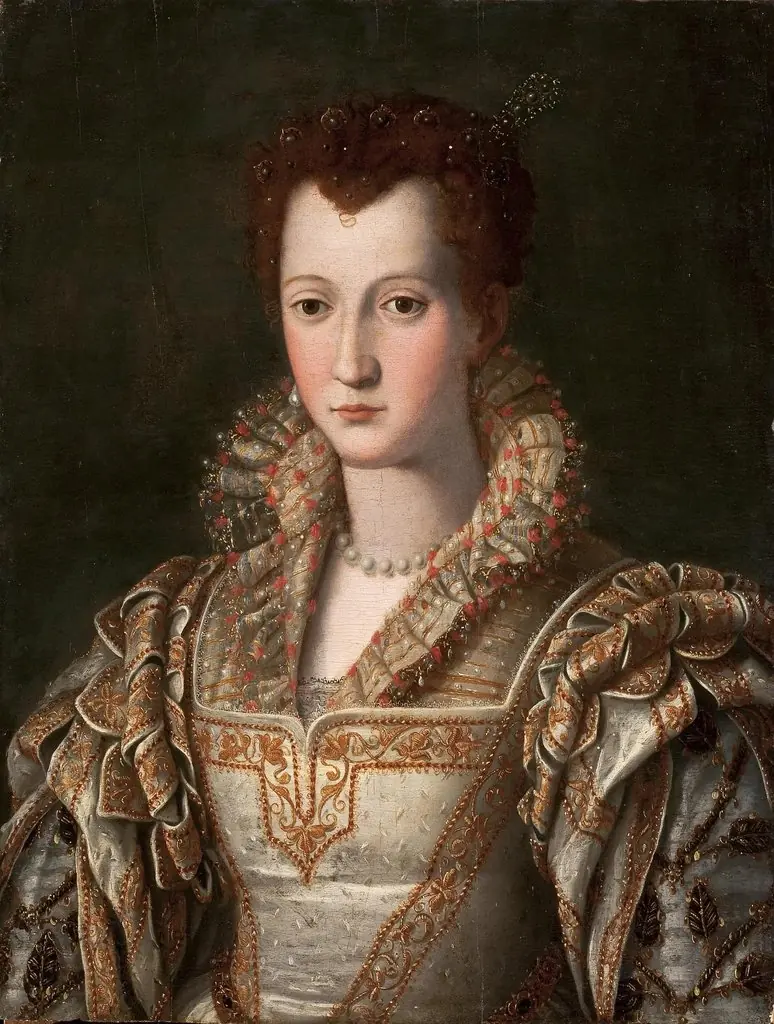 Portrait of Eleonora (Dianora) Medici of Toledo
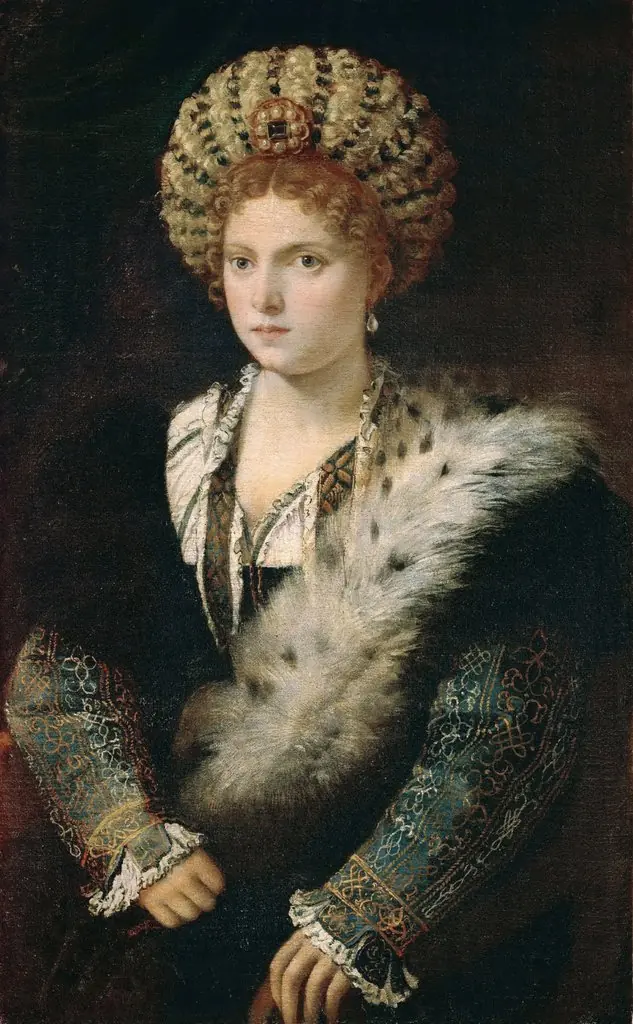 Portrait of Isabella d'Este
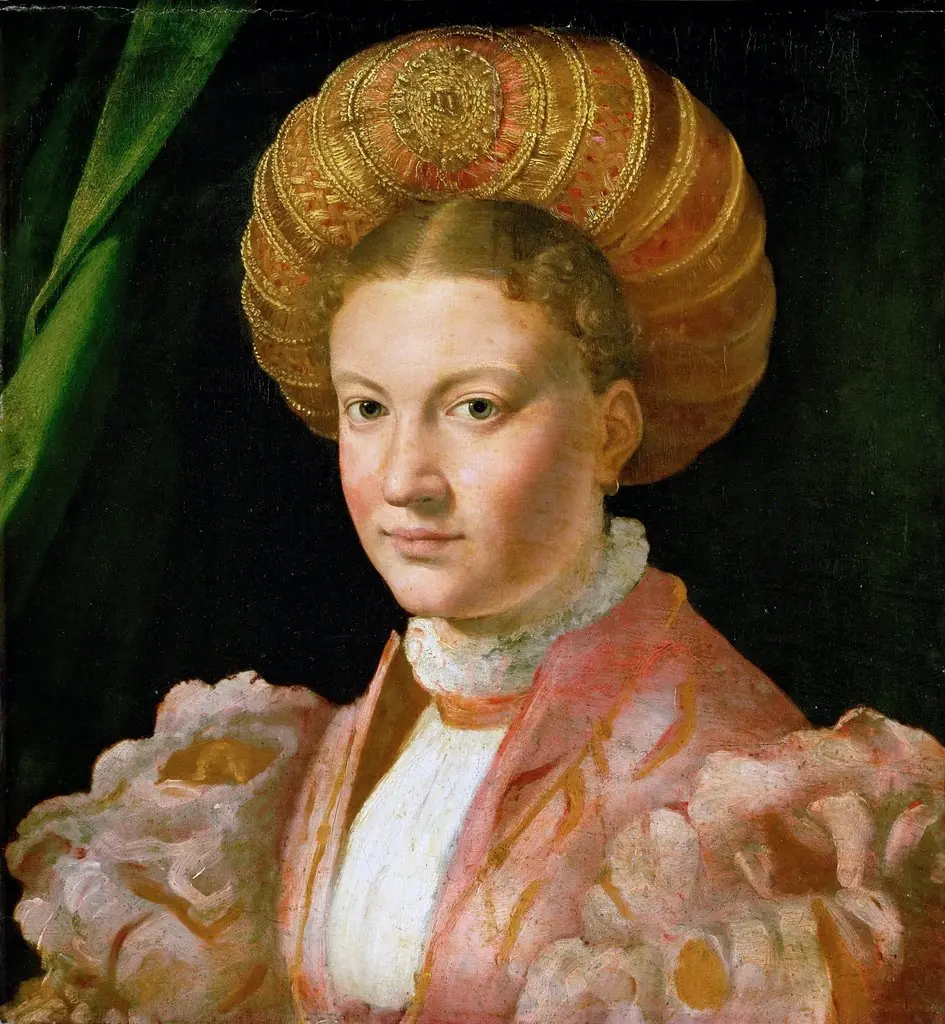 Portrait of a Young Woman
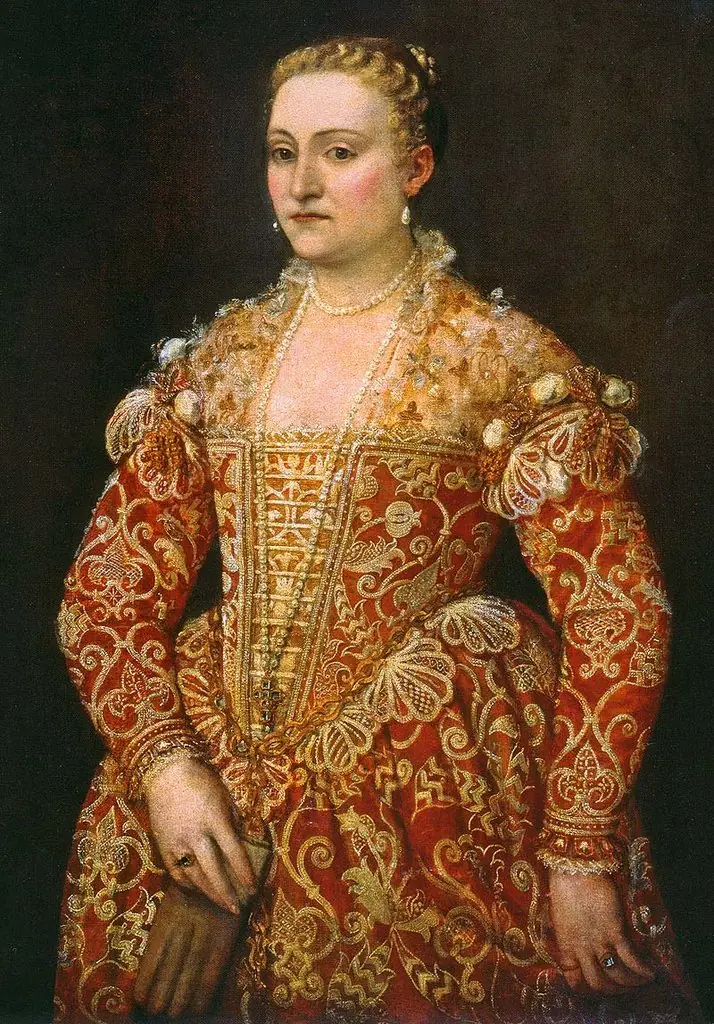 Portrait of a Lady
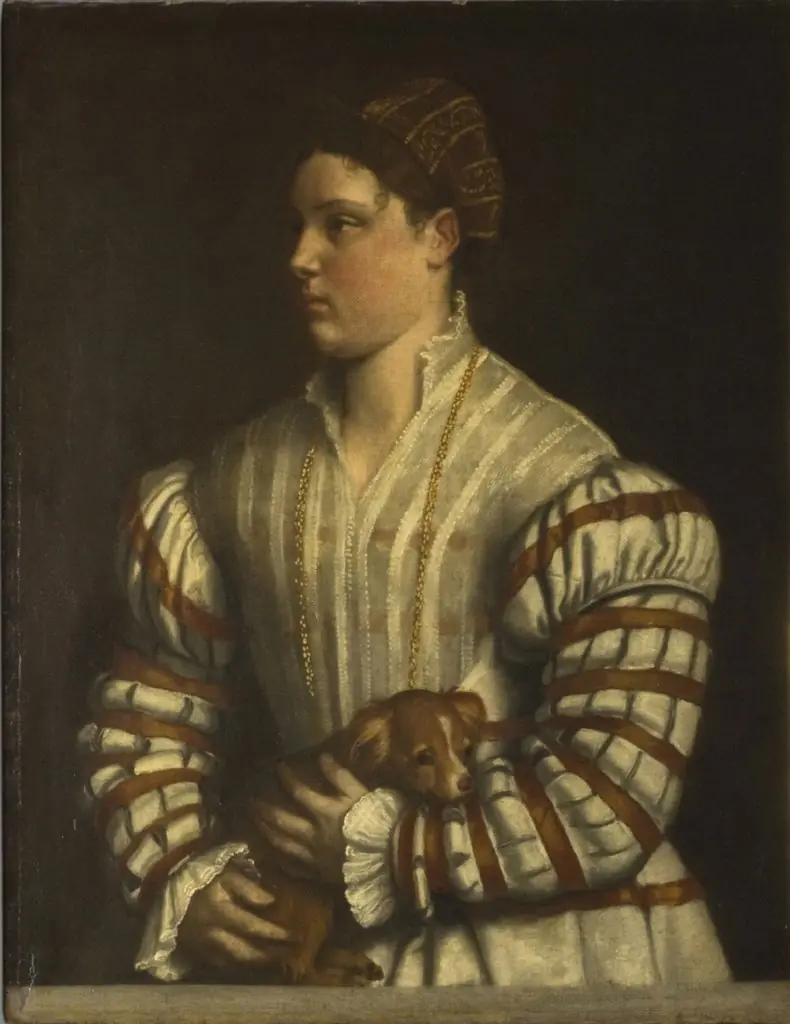 Portrait of Eleonora Averoldi
 Portrait of a Lady in White