Artwork
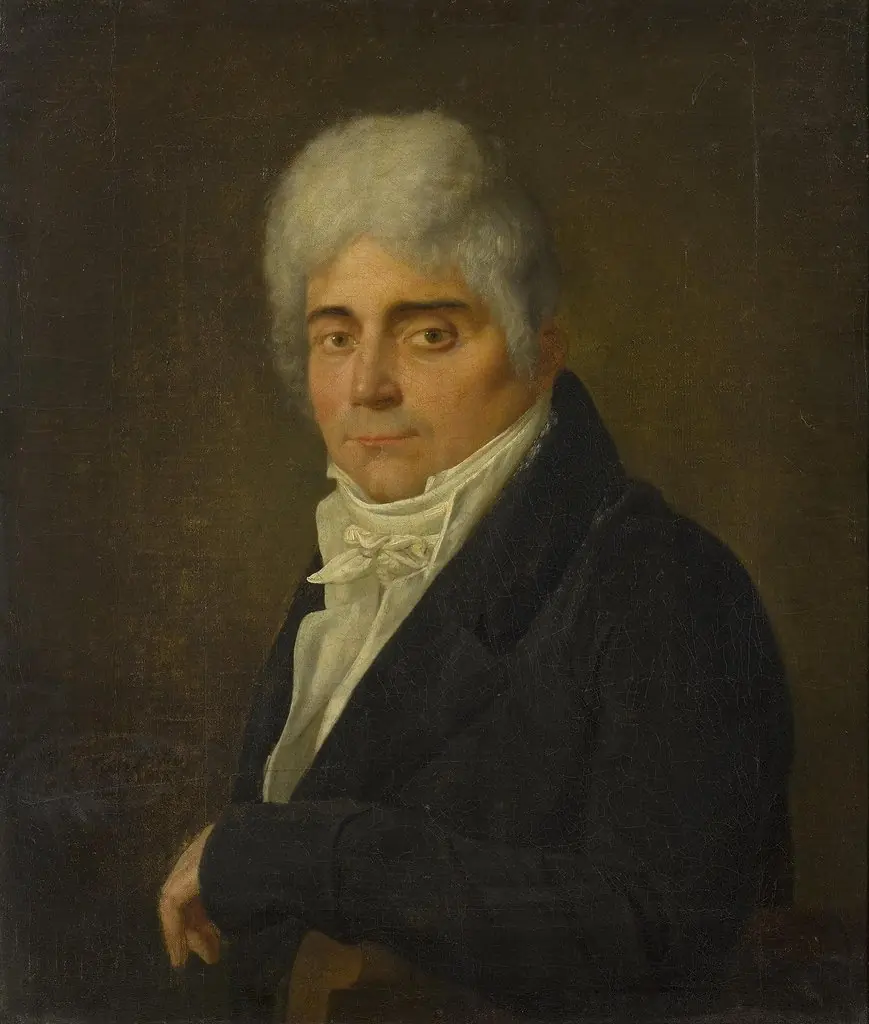
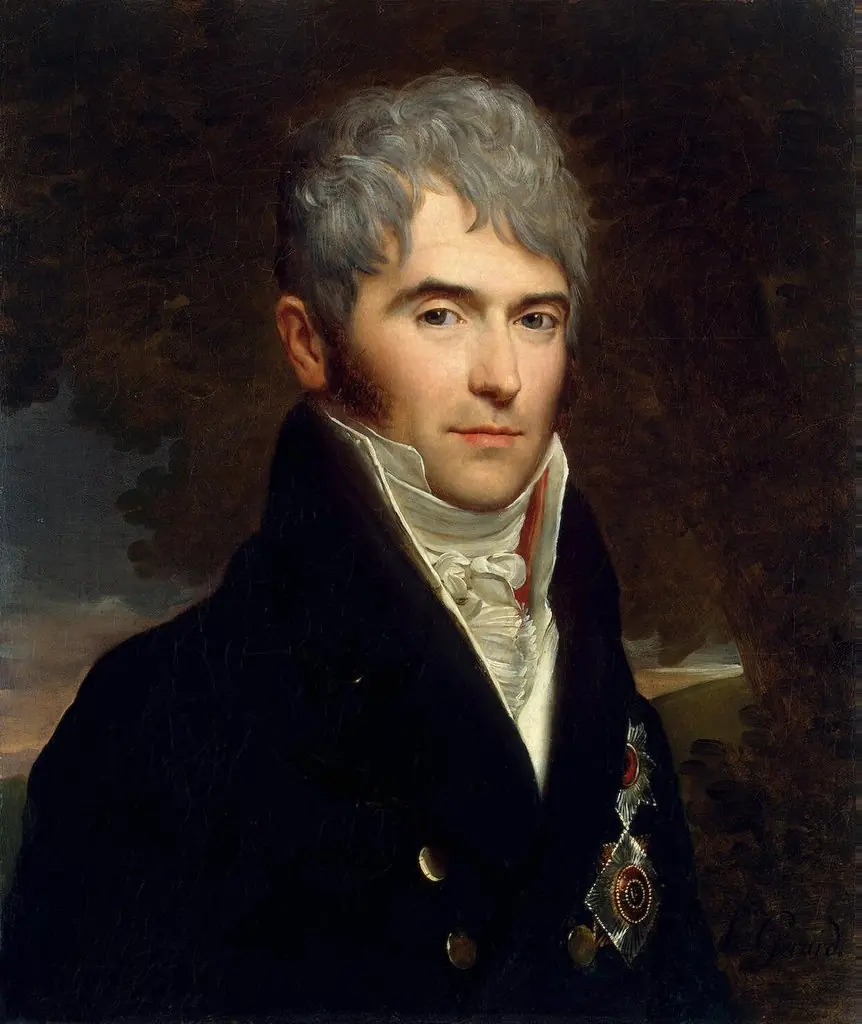
Portrait of Prince Sergei Golitsyn
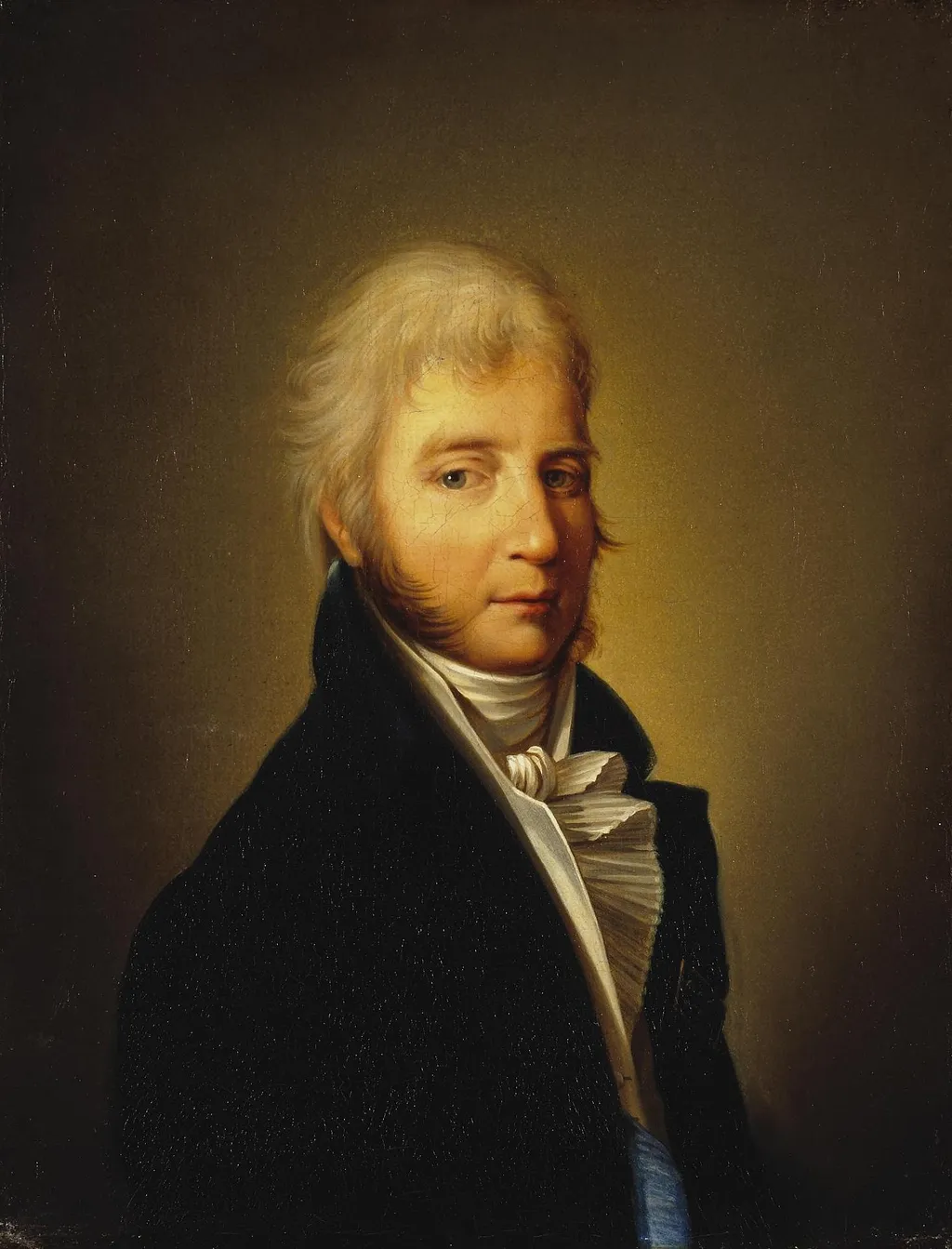
Portrait of Prince Sergei Golitsyn is an oil painting by Giovanni Battista Ortolani Damon. It dates from 1805 and is held in the collection of the Hermitage Museum.
About this work
Overview
The work is part of the State Hermitage Museum’s collection in Saint Petersburg.
Painted in 1805 by Giovanni Battista Ortolani Damon, this oil portrait captures Prince Sergei Fyodorovich Golitsyn, a Russian nobleman of the early 19th century. The work is part of the State Hermitage Museum’s collection in Saint Petersburg. Its restrained composition and focused lighting reflect the conventions of portraiture during the Napoleonic era, emphasizing dignity and presence over ornamentation.
Subject & Meaning
Prince Golitsyn, depicted in his fifties, presents a composed, introspective demeanor. His formal attire—dark coat, crisp white cravat, and hints of blue sleeve—signals his aristocratic status without overt display. The absence of symbolic objects or elaborate settings directs attention to his character: a man of authority, marked by age and quiet resolve, embodying the restrained ideals of Russian nobility at the time.
Technique & Style
Ortolani Damon employs subtle chiaroscuro to model the prince’s face, enhancing volume through soft transitions between light and shadow beneath the cheekbones and nose. Brushwork is delicate, particularly in rendering fine details like wrinkled skin and textured hair. The dark, unadorned background isolates the figure, reinforcing the portrait’s intimate, psychological tone and aligning with classical portraiture traditions of the period.
History & Provenance
The portrait entered the Hermitage’s collection in the early 19th century, likely acquired during the reign of Alexander I, when Russian aristocrats frequently commissioned European artists. Ortolani Damon, an Italian painter active in Russia, was known for his refined style and connections to imperial circles. The painting’s uninterrupted presence in the museum suggests it was valued from the outset as a representative work of noble portraiture.
Context
Created during a period of political transition in Russia, the portrait reflects the cultural alignment of the nobility with European artistic norms. While Russia was asserting its imperial identity, elite families still turned to Western-trained artists to document their lineage. This work exemplifies how portraiture served as both personal record and social statement, balancing individuality with the expectations of aristocratic decorum.
Legacy
Though not widely exhibited outside Russia, the portrait remains a quiet example of early 19th-century Russian aristocratic representation. It contributes to the Hermitage’s broader collection of imperial portraiture, offering insight into the visual language of power and refinement among the Russian elite. Its enduring presence underscores the value placed on understated realism in formal portraiture of the era.
Own this work as a print
Artist & collection
Artist
Giovanni Battista Ortolani Damon
The way Giovanni Battista Ortolani Damon painted faces, you’d swear his sitters were about to speak—until you noticed his backgrounds, always a little too crisp, like someone had ironed the air.

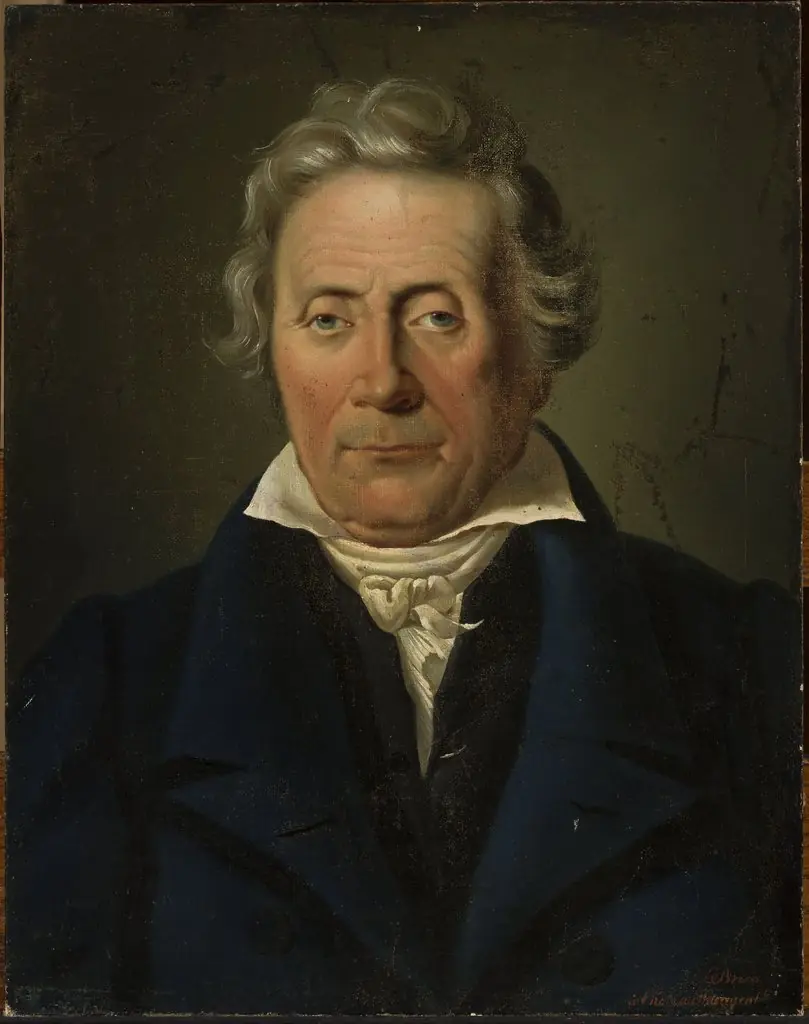 Portrait of Nicolas Demimuid
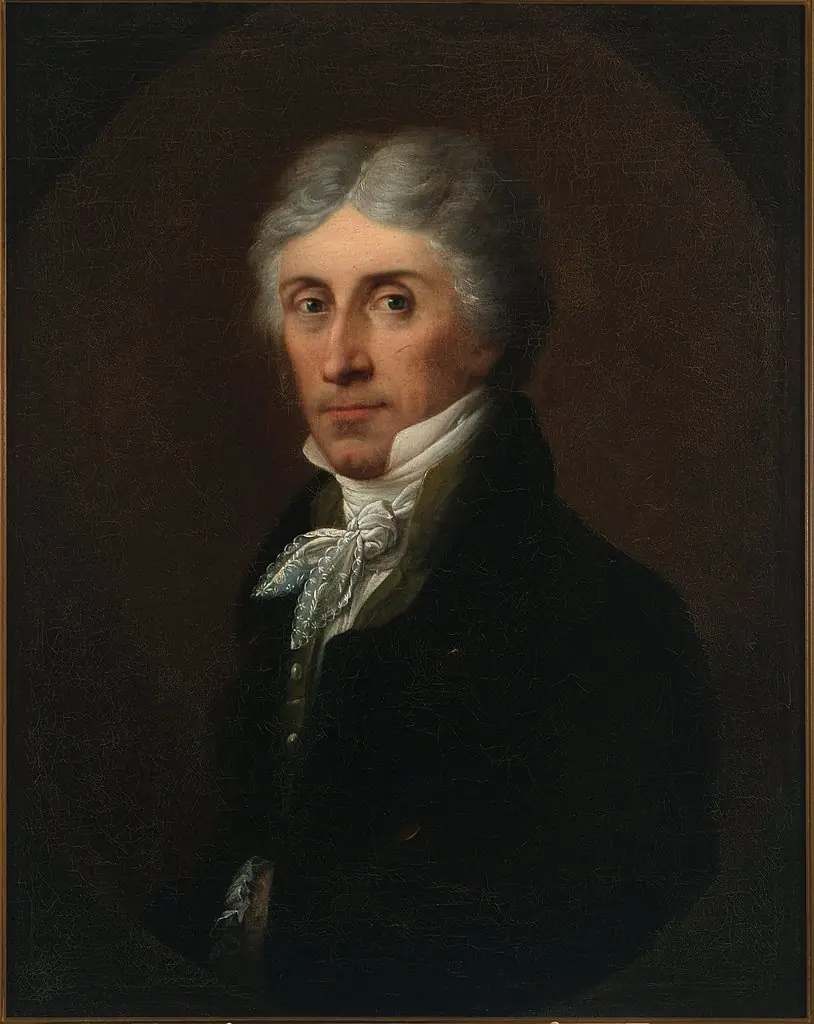 Portrait of Józef Michałowski, senator
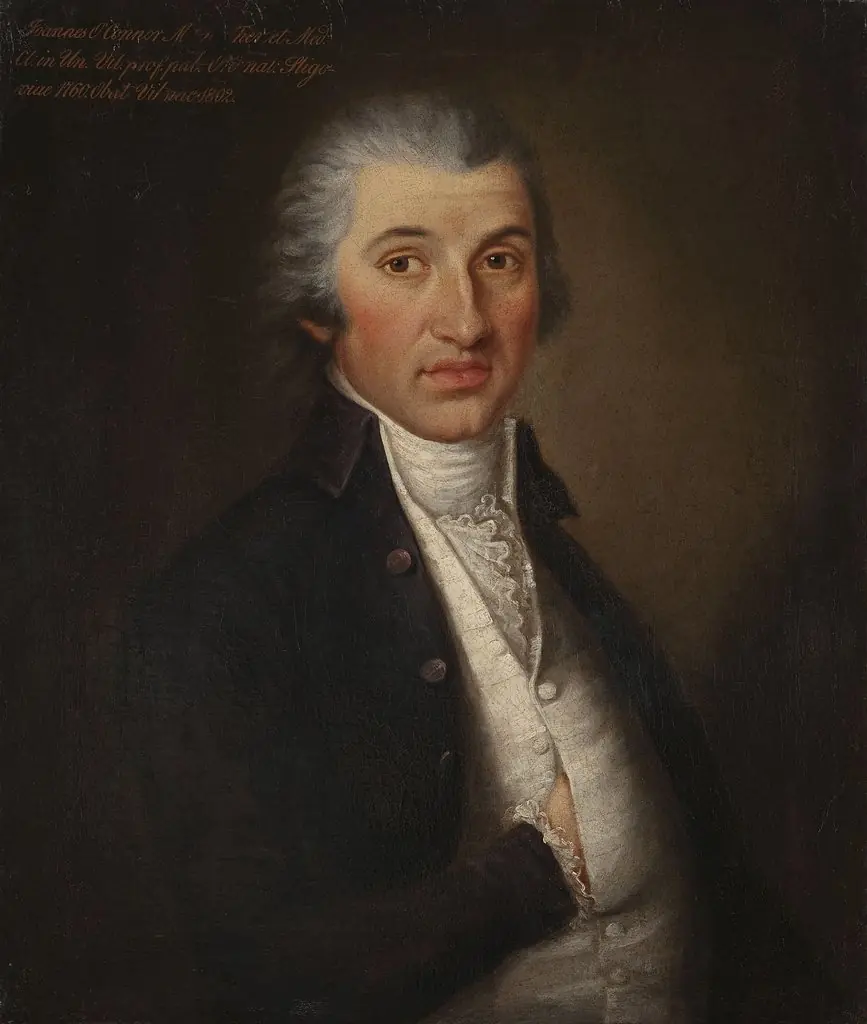 Portrait of John O'Connor (1760-1802), professor at the University of Vilnius
 Portrait of a Civilian
 William Henry Winder
 Alan Pollok
 Alexander Smith
 Charles Pinckney
 The Lawyer Jean Louis Bourceret
 Portrait of a man in a blue frock coat with a jabot
 John Porteous
 Portrait of Prince Viktor Kochubey