Artwork
John Porteous
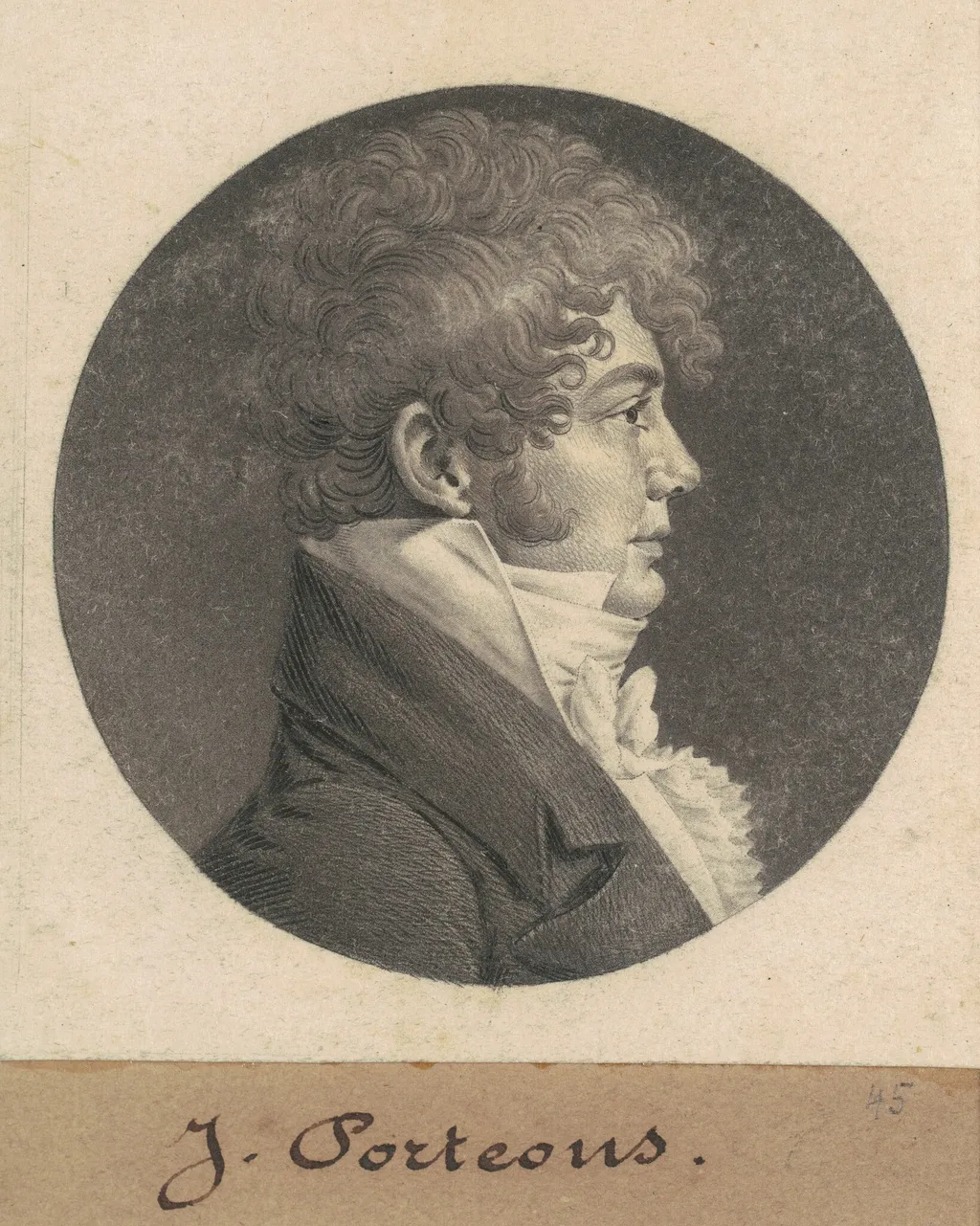
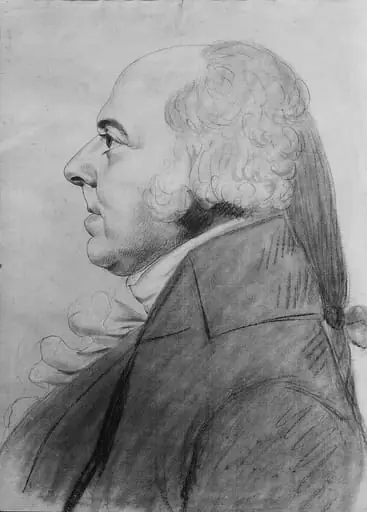
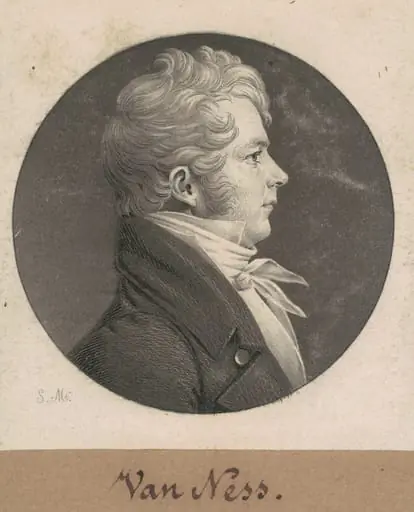
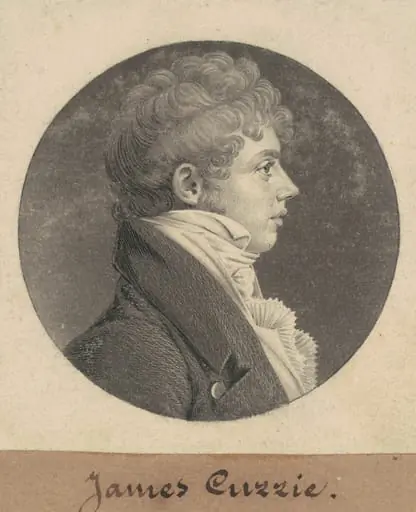
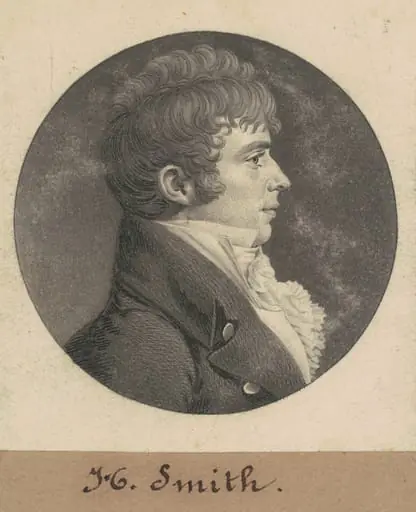
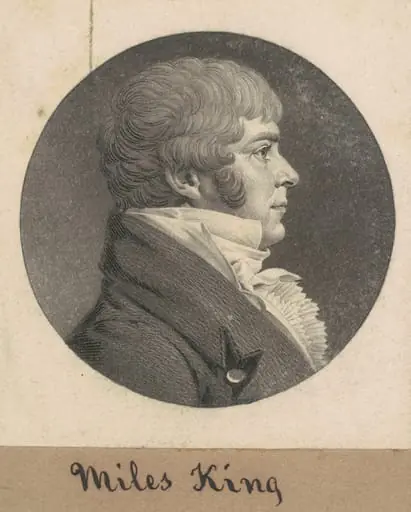
John Porteous is an ink print by the Romanticist artist Charles Balthazar Julien Févret de Saint-Mémin. It dates from 1809 and is held in the collection of the National Gallery of Art.
About this work
Overview
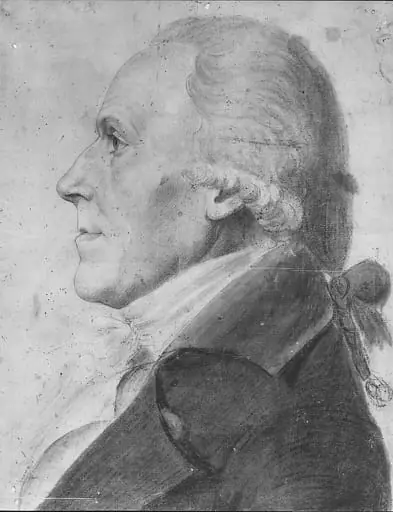
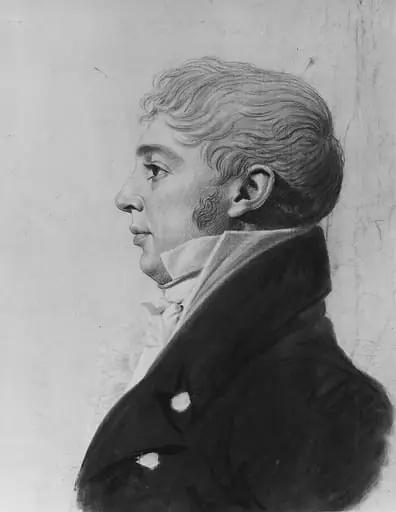
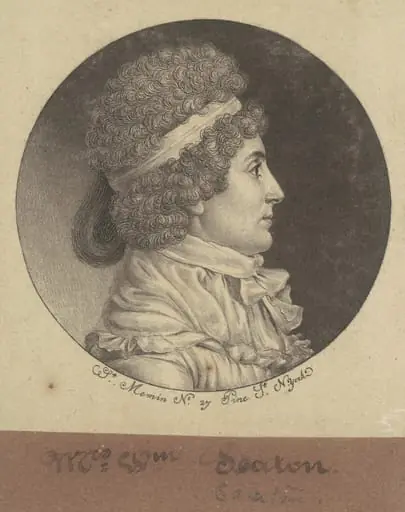
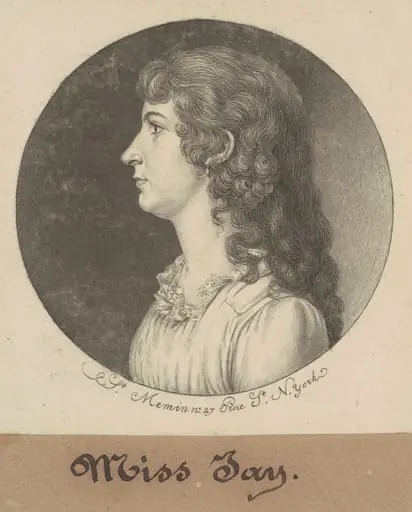
The composition focuses on the sitter’s facial features and attire, offering a clear example of early nineteenth‑century portraiture in print form.
This print presents a profile portrait of John Porteous, rendered in black on wove paper that has been mounted to a brown backing. Executed around 1808, the work combines mezzotint and engraving techniques, allowing for a nuanced range of tones and fine line work. The composition focuses on the sitter’s facial features and attire, offering a clear example of early nineteenth‑century portraiture in print form.
Subject & Meaning
John Porteous is shown in three‑quarter profile, his curly hair framing a pronounced nose and a composed expression. He wears a dark jacket over a ruffled white shirt, attire typical of a gentleman of his era. The careful rendering of his features suggests an intention to convey both his personal identity and his social standing, emphasizing the dignified bearing expected of a public figure.
Technique & Style
The image merges mezzotint, known for its rich tonal gradations, with engraving, which provides precise line definition. This hybrid approach enables the artist to model light and shadow on the face while maintaining crisp detail in the clothing and hair. The overall style is restrained and realistic, avoiding ornamental excess and focusing on the subtle interplay of dark and light to suggest volume.
History & Provenance
Created by Charles Balthazar Julien Févret de Saint‑Mémin, a French émigré active in the United States, the print dates to circa 1808, a period when he was producing portrait prints of notable American figures. The work’s paper support—wove paper mounted on a brown backing—reflects common conservation practices of the time, and the piece has been documented in several early nineteenth‑century print collections.
Artist & collection

Artist
Charles Balthazar Julien Févret de Saint-Mémin
Charles Balthazar Julien Févret de Saint-Mémin (French pronunciation: ; 1770–1852) was a French portrait painter and museum director.