Artwork
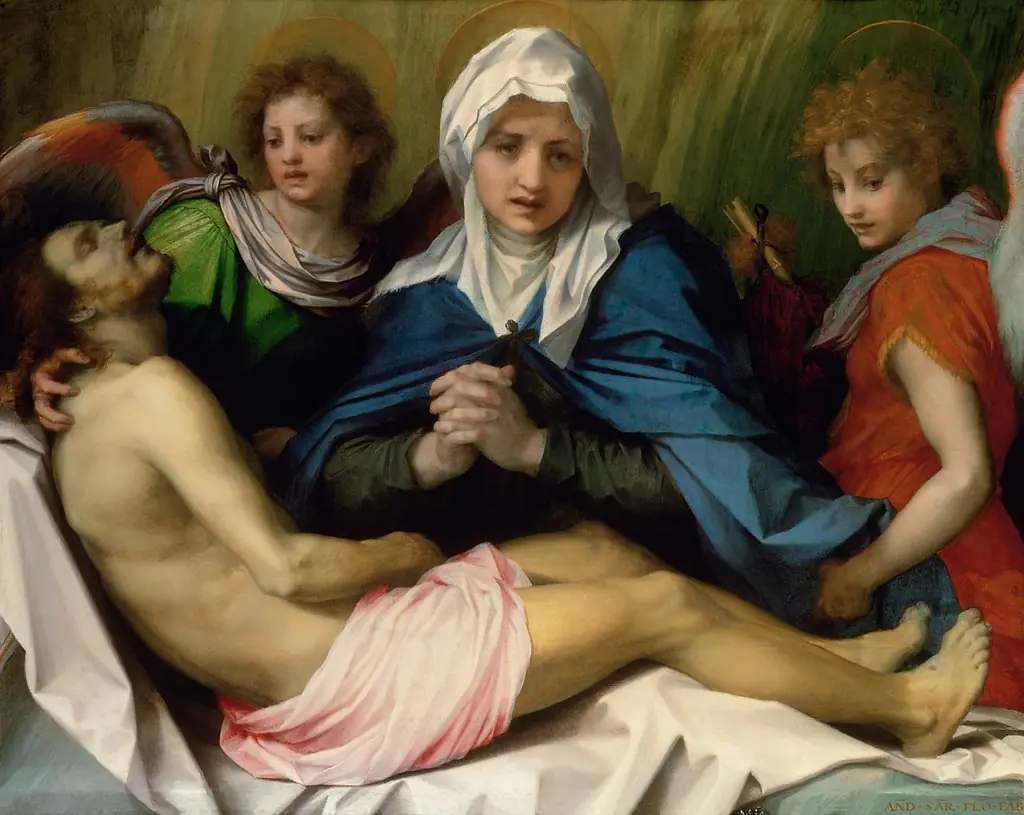
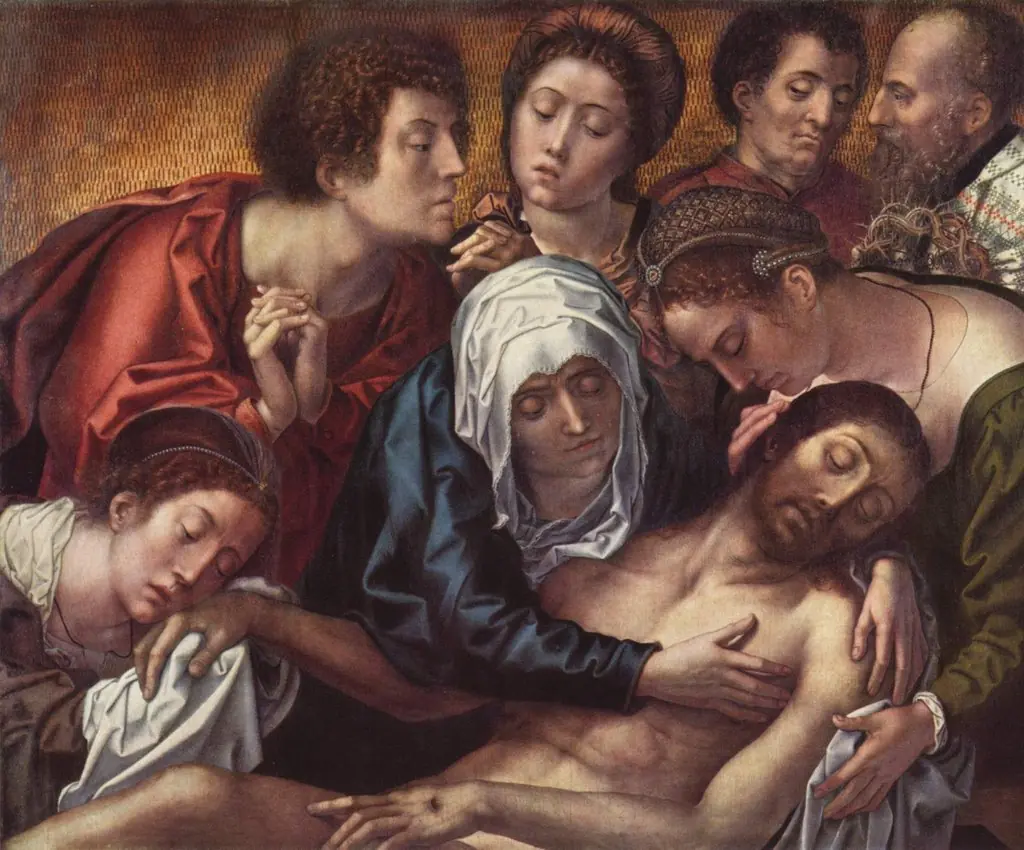
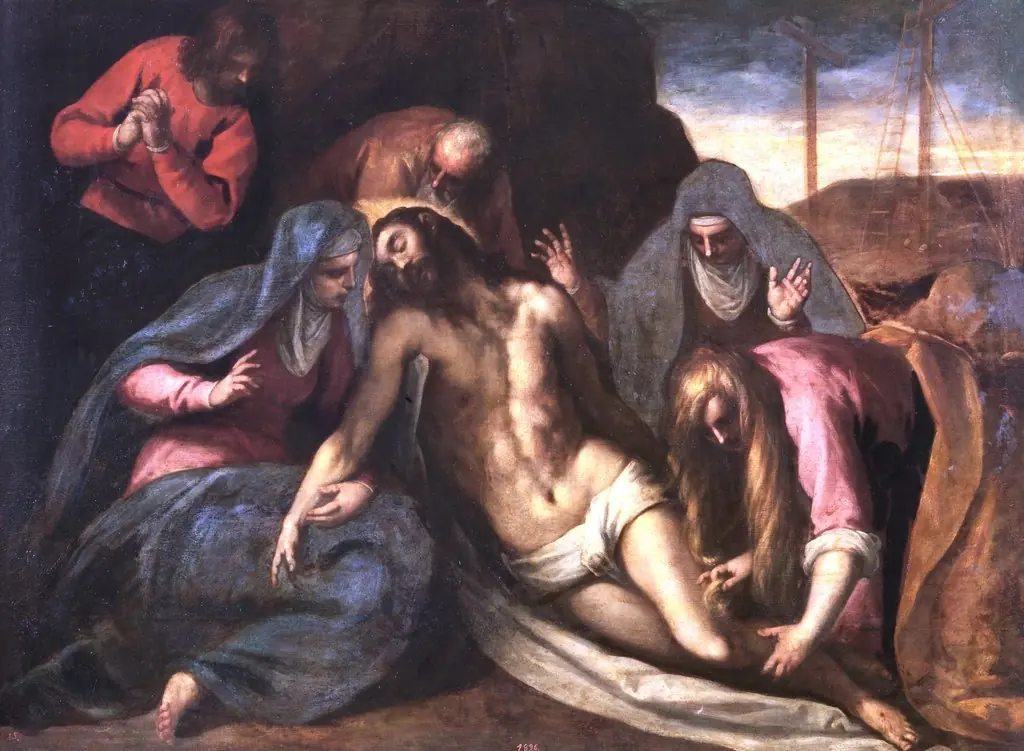
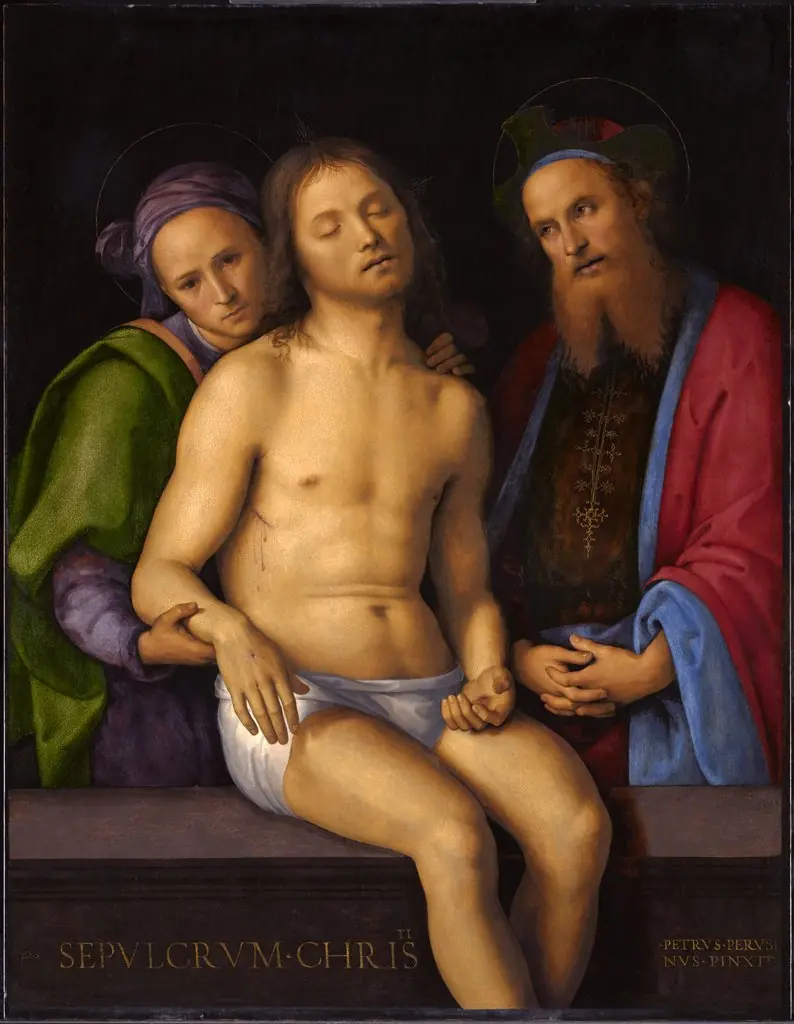
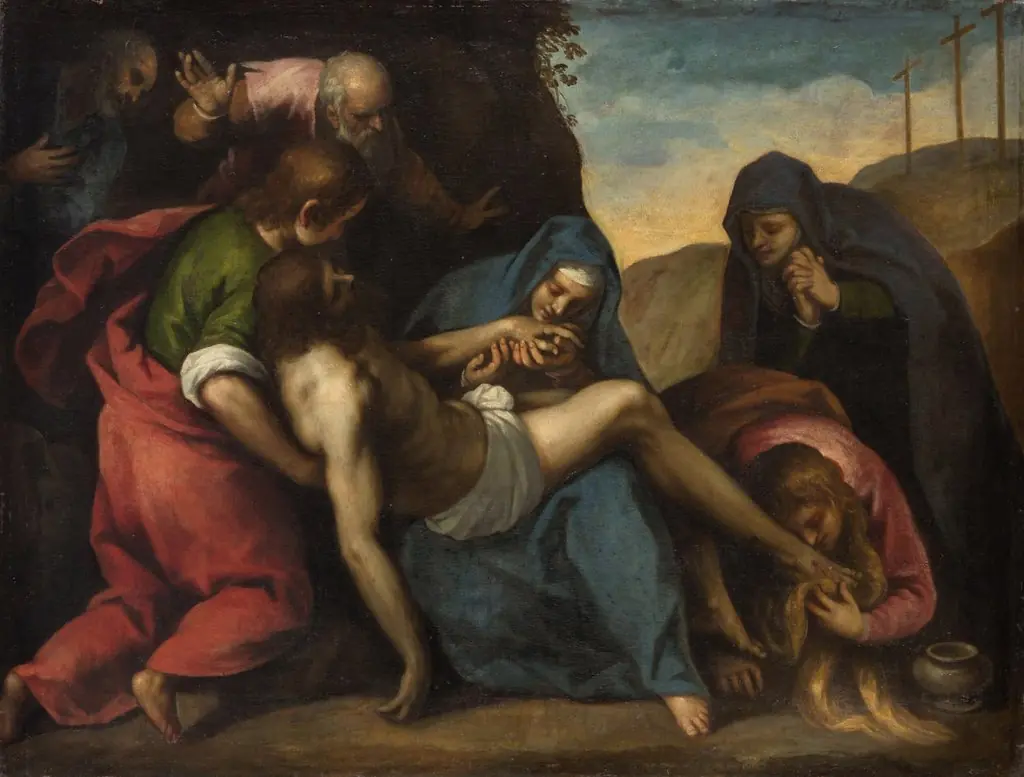
The Lamentation: The corpse of Christ held by Mary and St. John
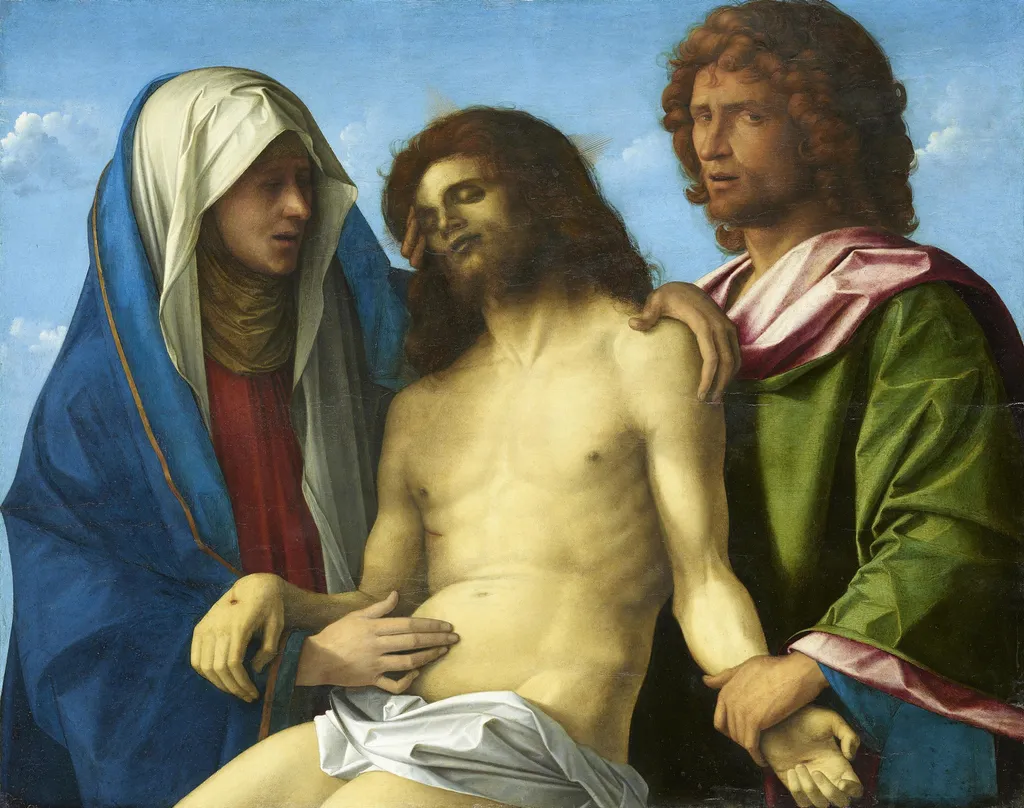
The Lamentation: The corpse of Christ held by Mary and St. John is an oil painting by the Early Renaissance artist Giovanni Bellini. It dates from 1498 and is held in the collection of the Gemäldegalerie Berlin.
About this work
Overview
Giovanni Bellini's *The Lamentation: The Corpse of Christ held by Mary and St. John (Pietà)*, created in 1498, is an oil painting exemplifying early Renaissance religious art. It is housed in the Gemäldegalerie Berlin.
Subject & Meaning
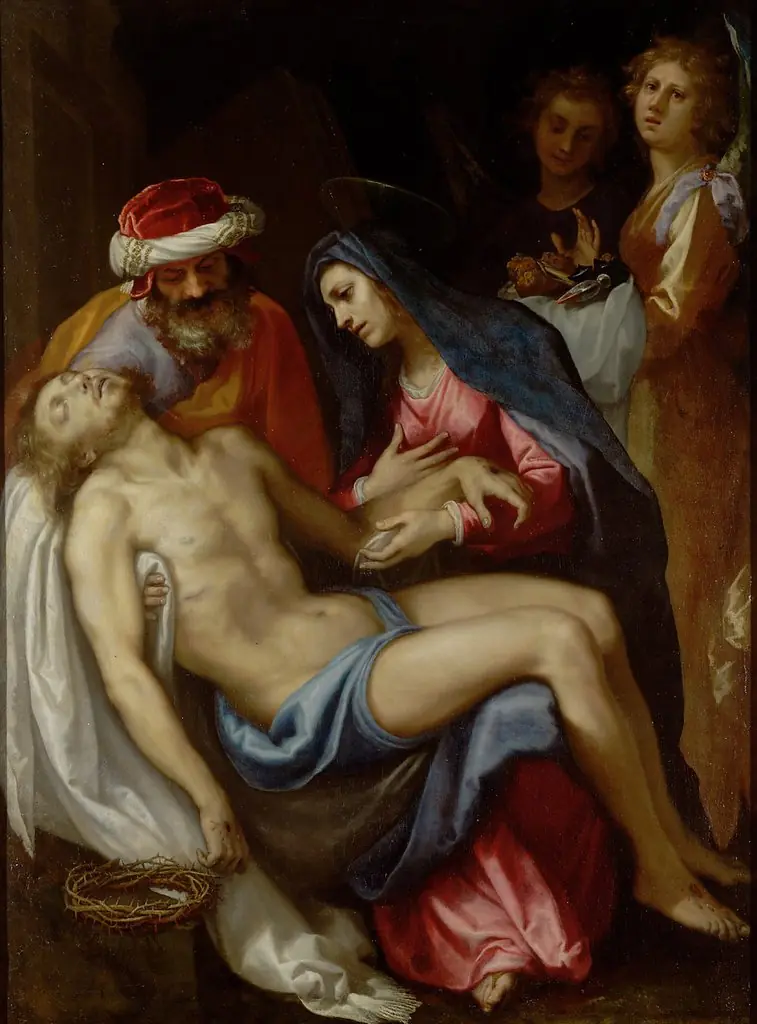
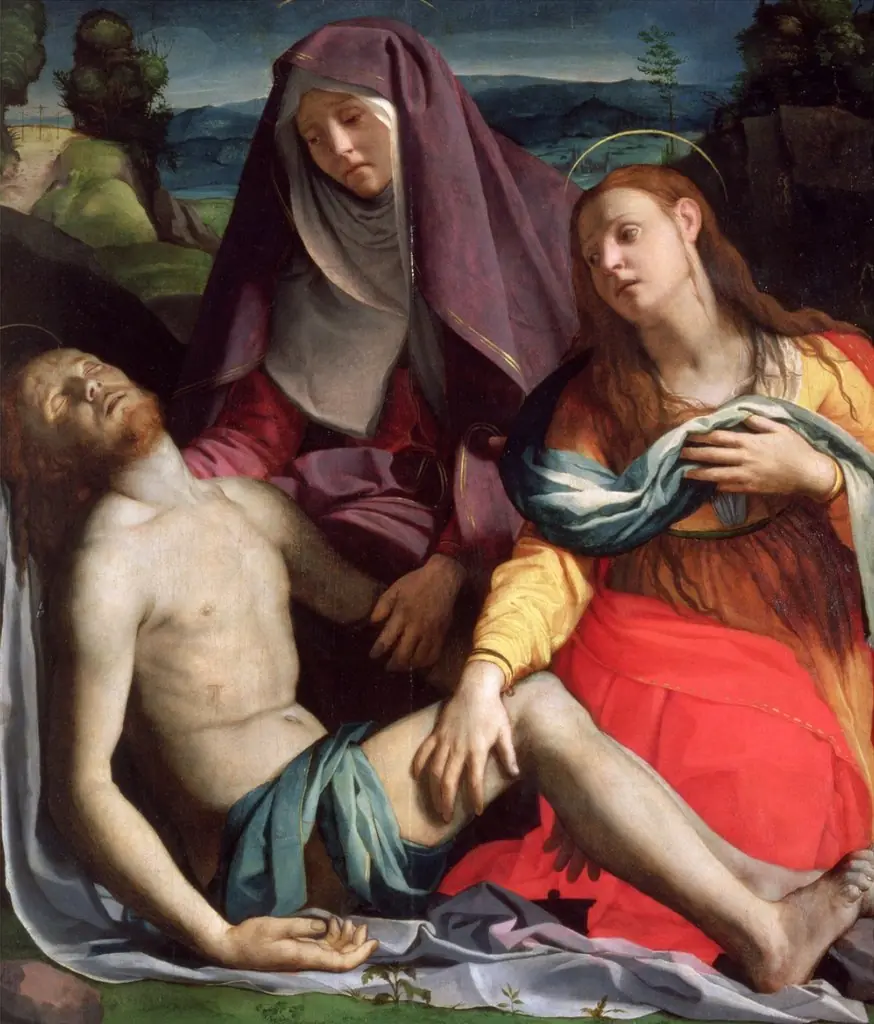
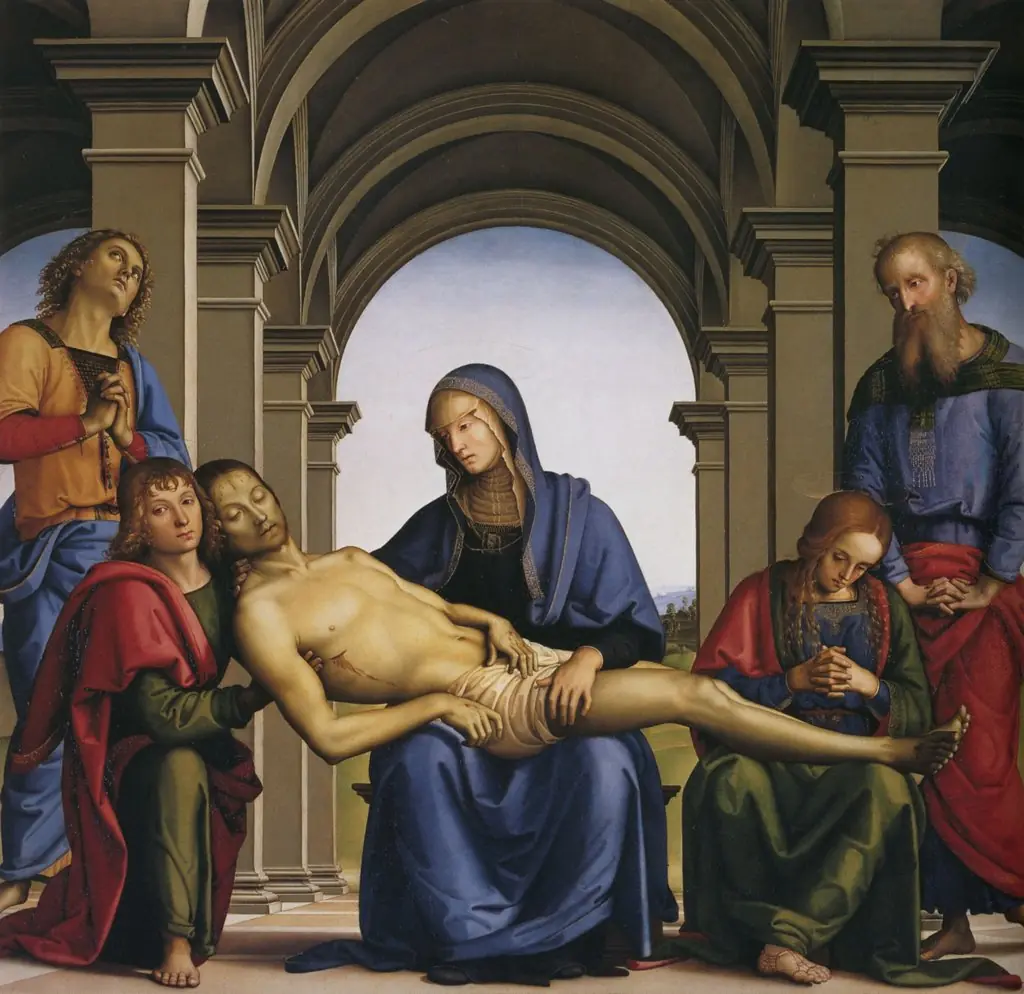
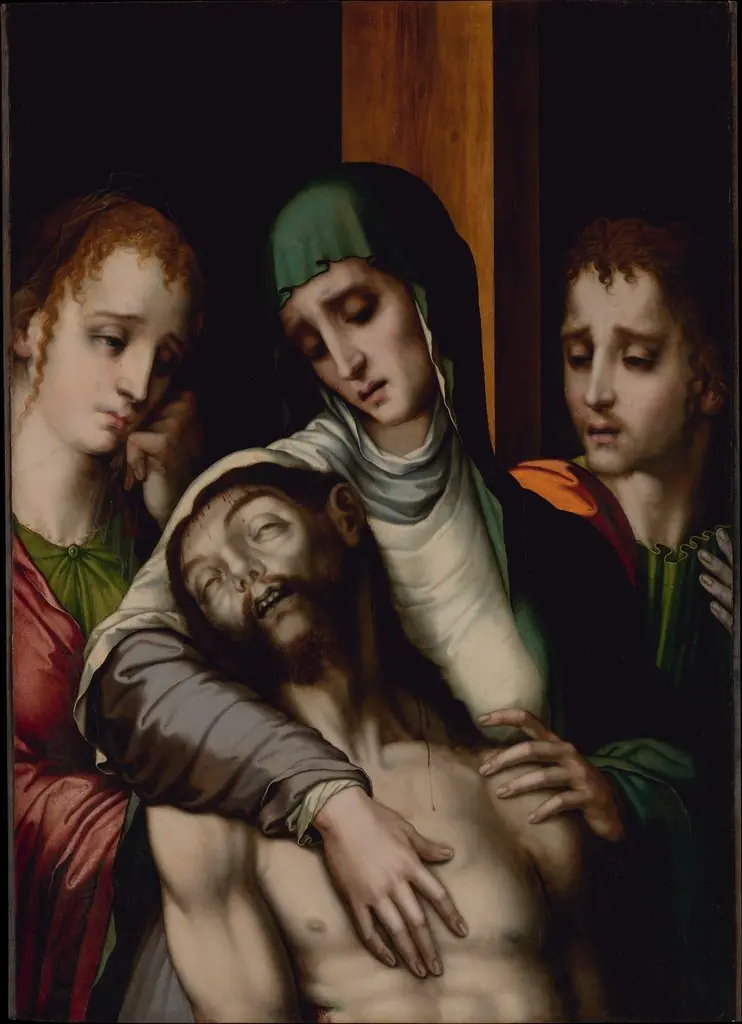
The painting depicts a somber scene of mourning: Mary and St. John gently cradle the lifeless body of Christ. The composition conveys profound intimacy and sorrow, despite the serene atmosphere.
Technique & Style
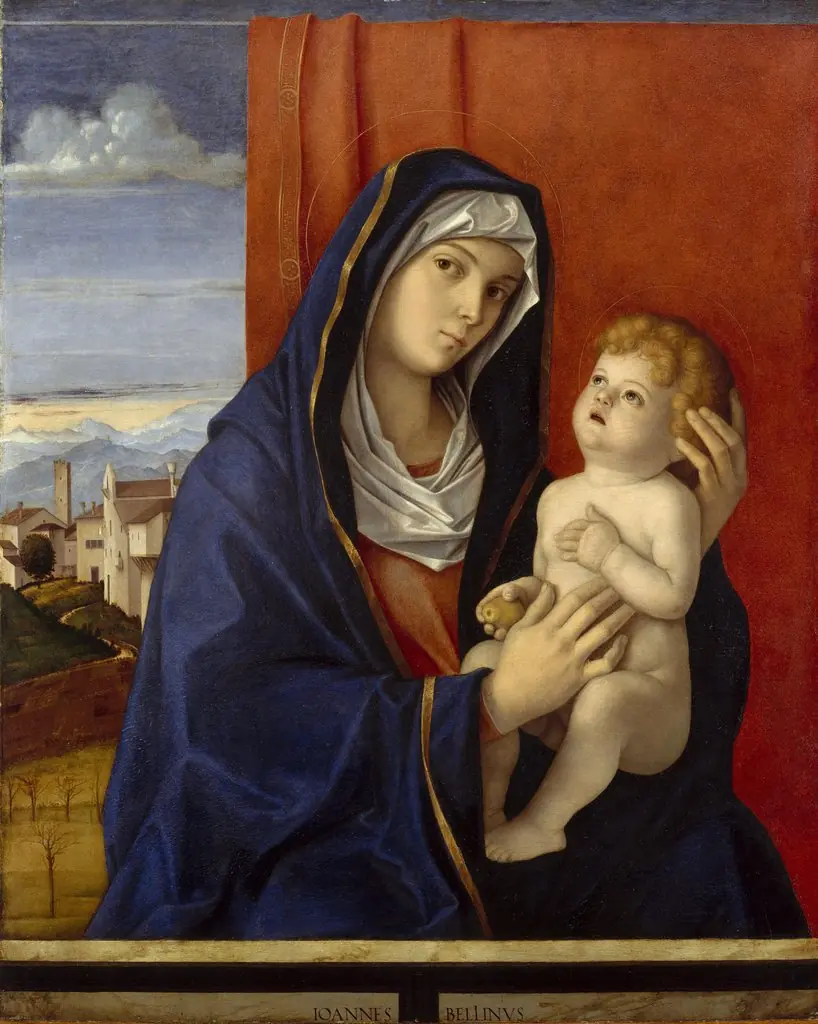
Bellini's innovative use of color and composition defines the work. Soft blue backgrounds and subtle robes (notably Mary's blue cloak and St. John's green attire) enhance emotional depth. Figures are arranged in a curved line, focusing attention on Christ's face.
History & Provenance
Created in 1498 by Giovanni Bellini, a pivotal figure in transforming Venetian painting towards greater emotiveness and atmosphere. The work is part of the Gemäldegalerie Berlin's collection.
Context
Bellini's familial connections (including Gentile Bellini and Andrea Mantegna by marriage) influenced his artistic development. *The Lamentation* reflects his contribution to the early Renaissance, distinguishing Venetian art with its emotional and atmospheric qualities.
Legacy
*The Lamentation* showcases Bellini's impactful style, which shifted Venetian painting towards deeper emotional expression and harmonious, atmospheric settings, leaving a lasting mark on Renaissance art.
Own this work as a print
Artist & collection

Artist
Giovanni Bellini spent his life in Venice, where the city’s soft light and water shaped his view of the world.