Artwork
Pietá
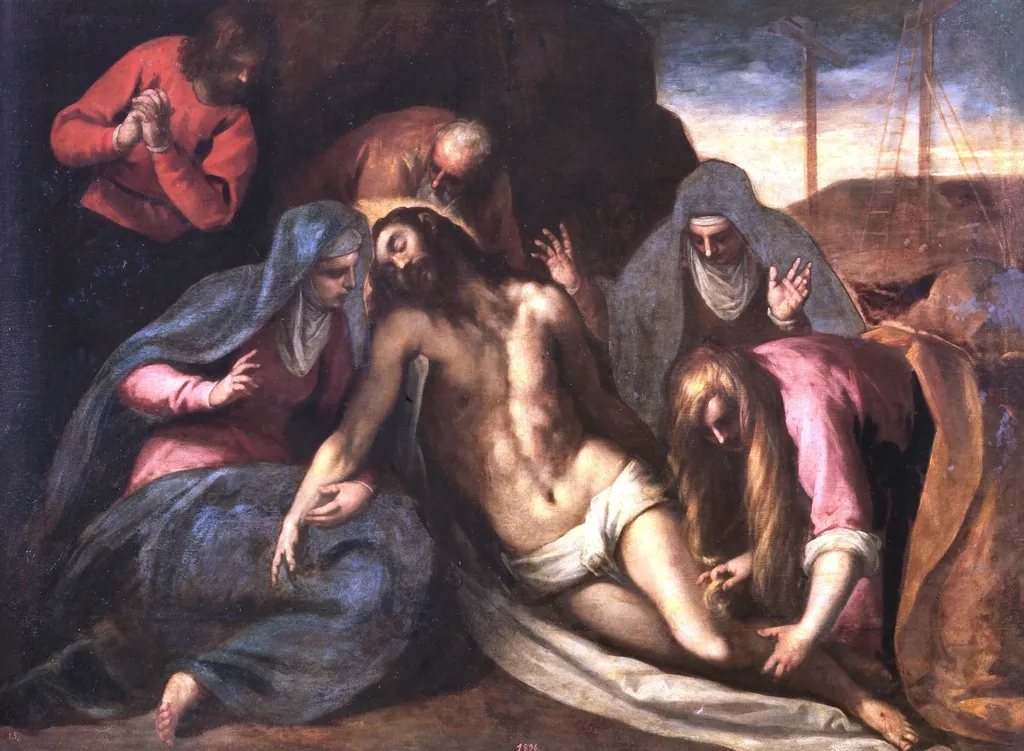
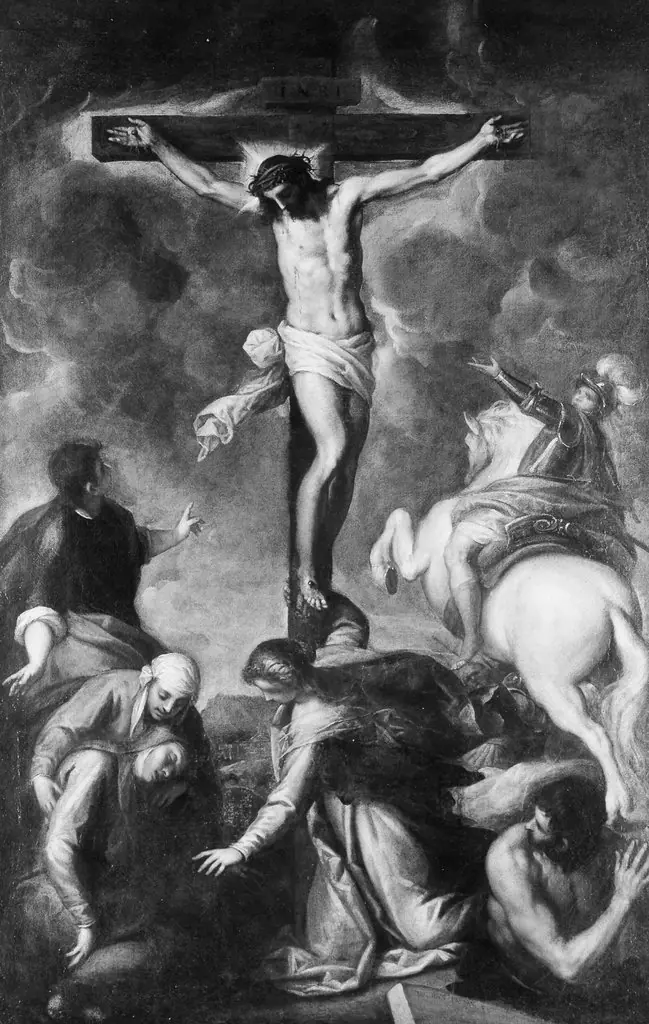
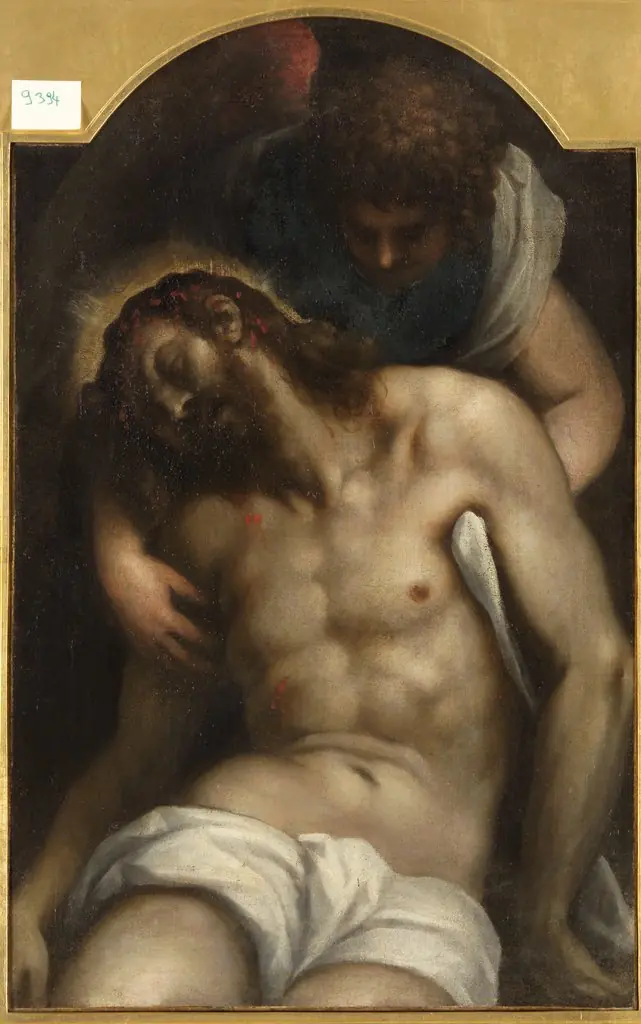
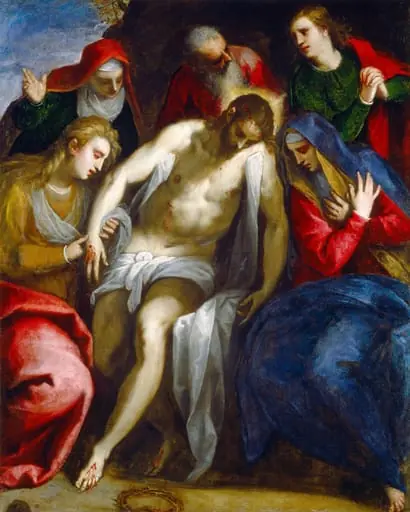
Pietá is an oil painting by the Early Baroque Italian artist Palma il Giovane. It dates from 1611 and is held in the collection of the Museo del Prado.
About this work
Overview
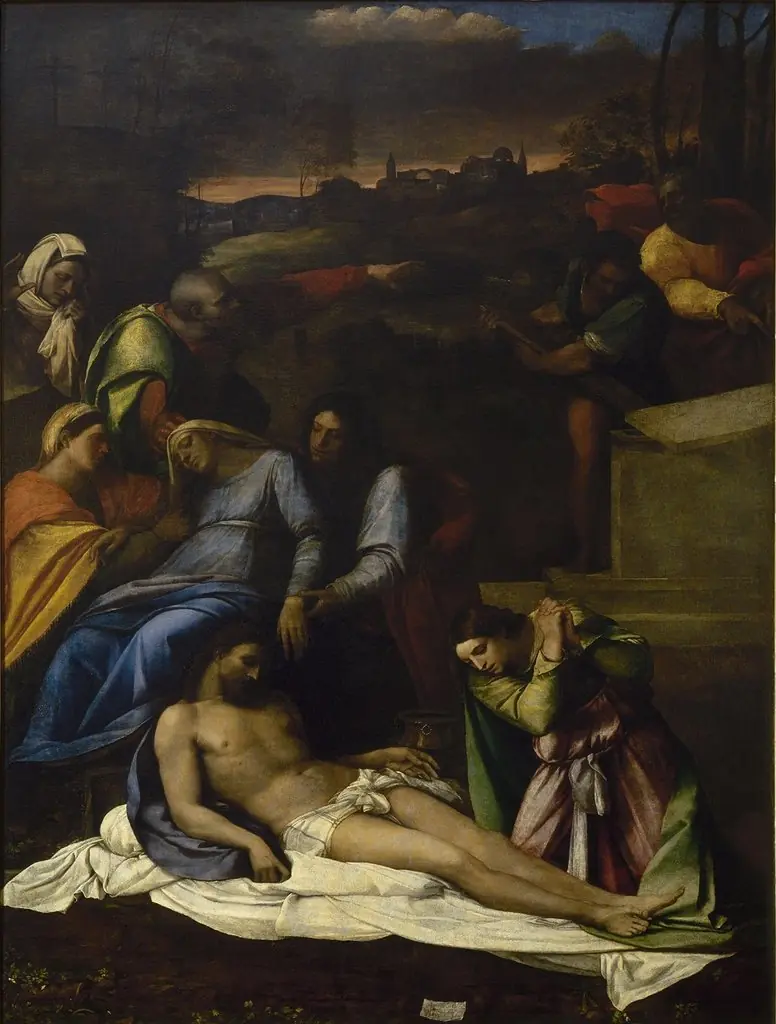
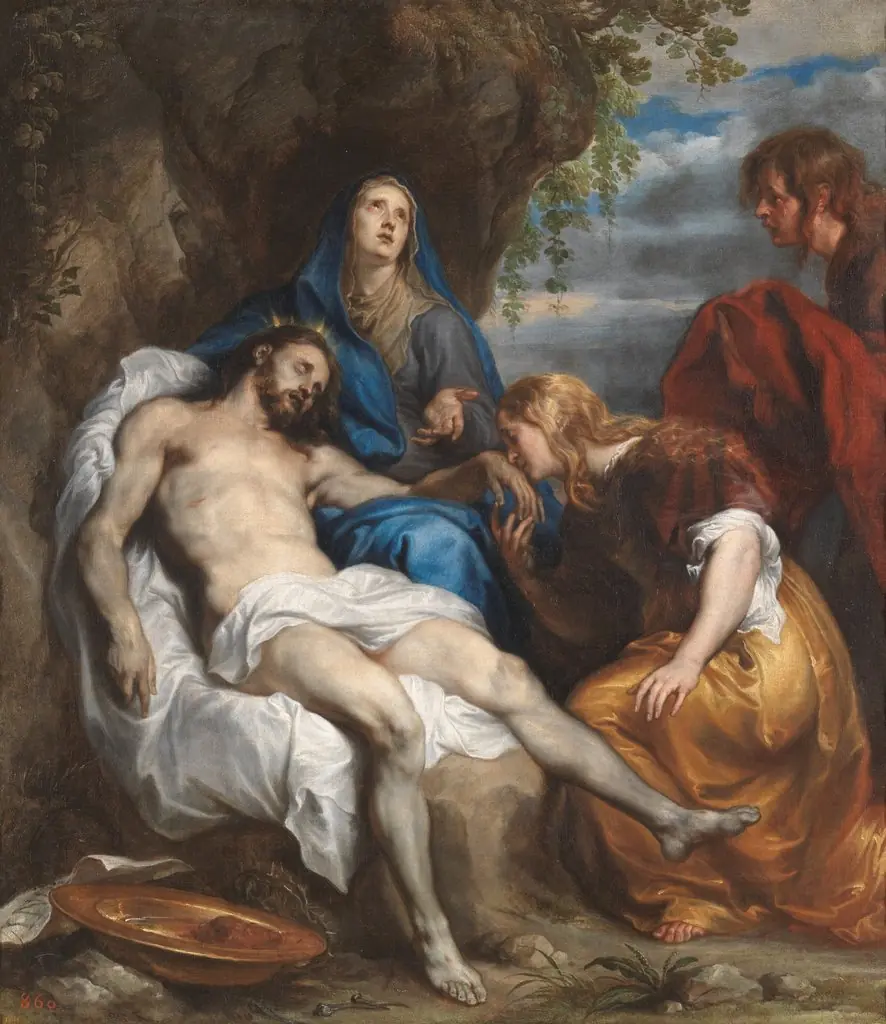
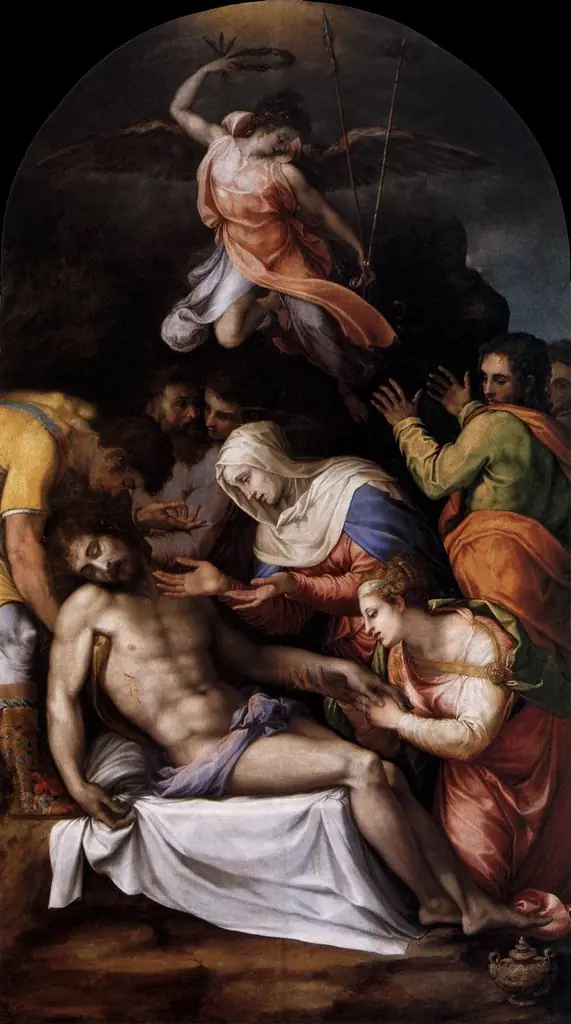
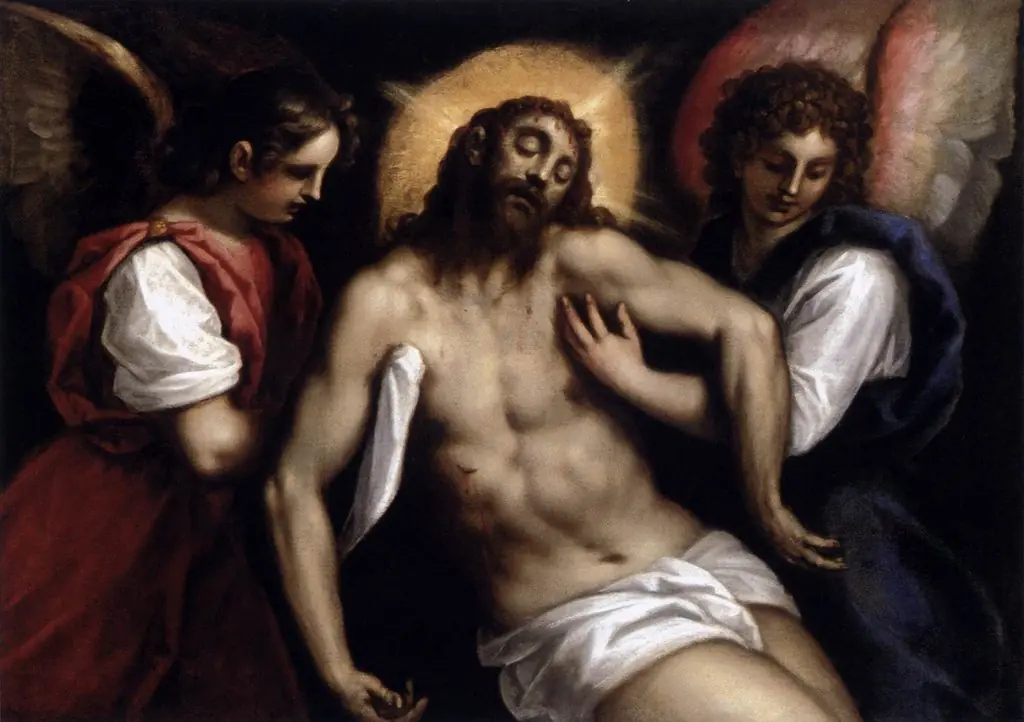
Palma il Giovane’s *Pietà*, executed in oil in 1611, is a religious composition now in the Museo del Prado. The canvas presents a somber gathering around a lifeless, unclothed figure, illuminated against a darkened backdrop that includes a faint ship and a muted sky.
Subject & Meaning
The central figure is the dead Christ, his pallid skin and head reclined on a cloth, surrounded by mourners whose gestures convey grief and compassion. The arrangement emphasizes the human response to the crucifixion, inviting contemplation of loss and devotion.
Technique & Style
Palma adopts a chiaroscuro scheme, casting strong contrasts of light and shadow across the body of Christ to heighten drama. The handling of oil paint reflects the vigorous brushwork and dynamic composition associated with Tintoretto, whose influence Palma continued after the elder master’s death.
History & Provenance
Created during Palma il Giovane’s mature period, the work followed his emergence as Venice’s foremost painter after 1594. Though primarily active in Venice, his career also included commissions in Bergamo and parts of Central Europe. The painting entered the Prado’s collection at an unspecified later date.
Context
The *Pietà* belongs to the late Renaissance‑early Baroque transition, a time when Venetian artists emphasized emotional intensity and theatrical lighting. Palma’s adherence to Tintoretto’s dramatic visual language situates the work within the broader shift toward more expressive religious imagery.
Own this work as a print
Artist & collection
Artist
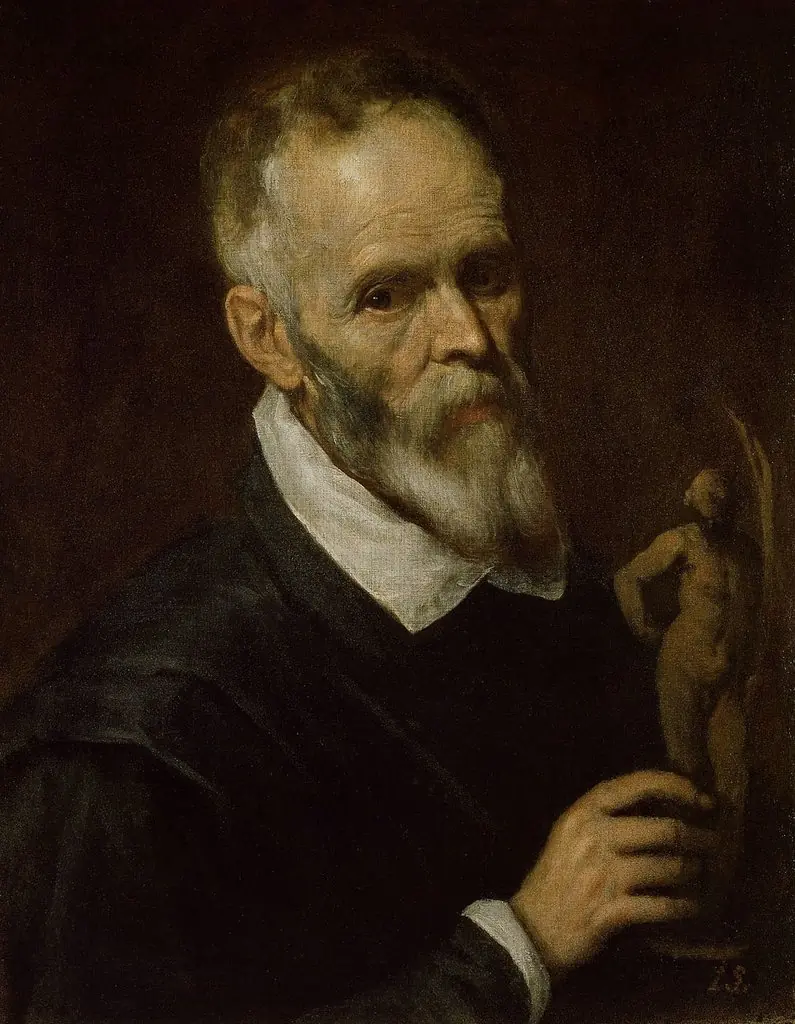
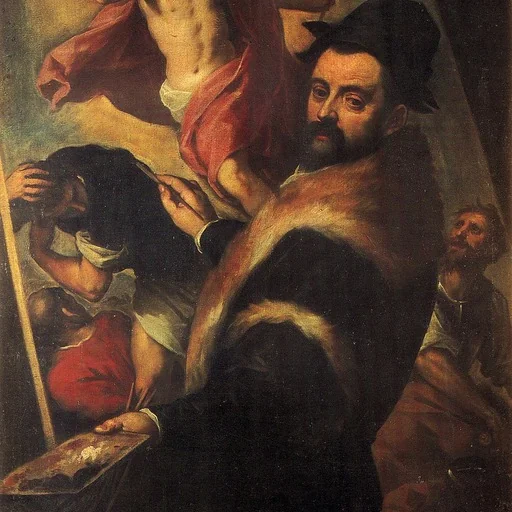
Iacopo Negretti (1548/50 – 14 October 1628), best known as Jacopo or Giacomo Palma il Giovane or simply Palma Giovane ('Young Palma'), was an Italian painter from Venice and a notable exponent of the Venetian school.