Artwork
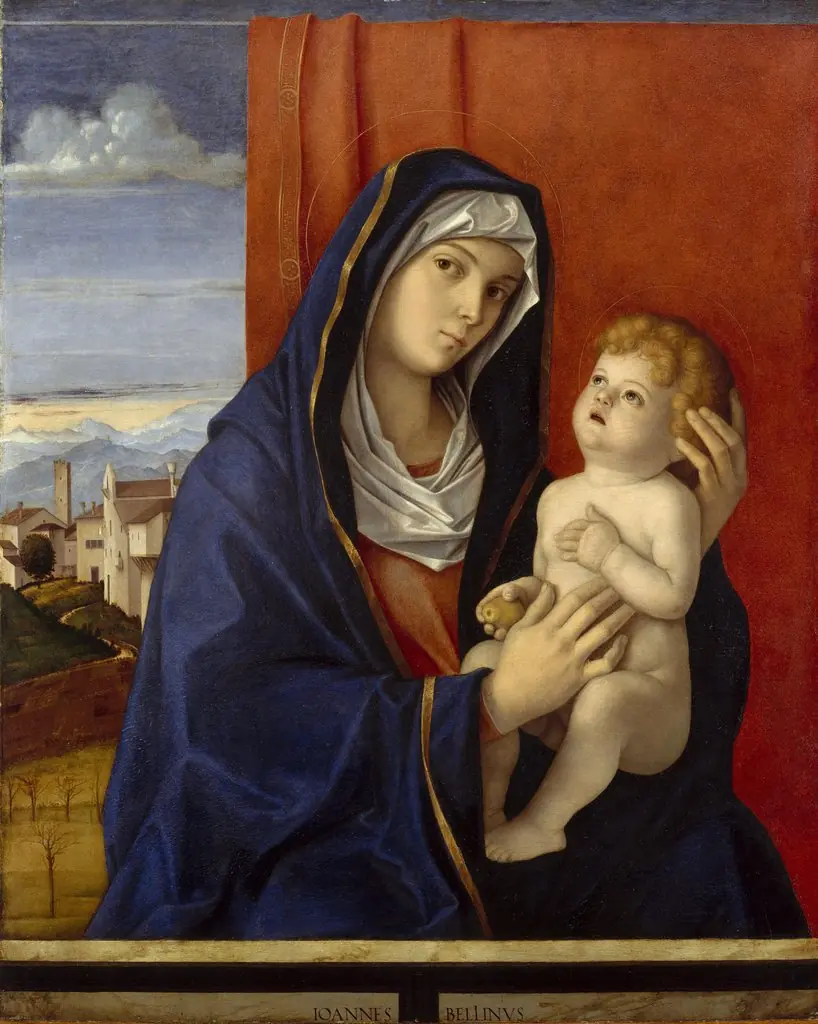
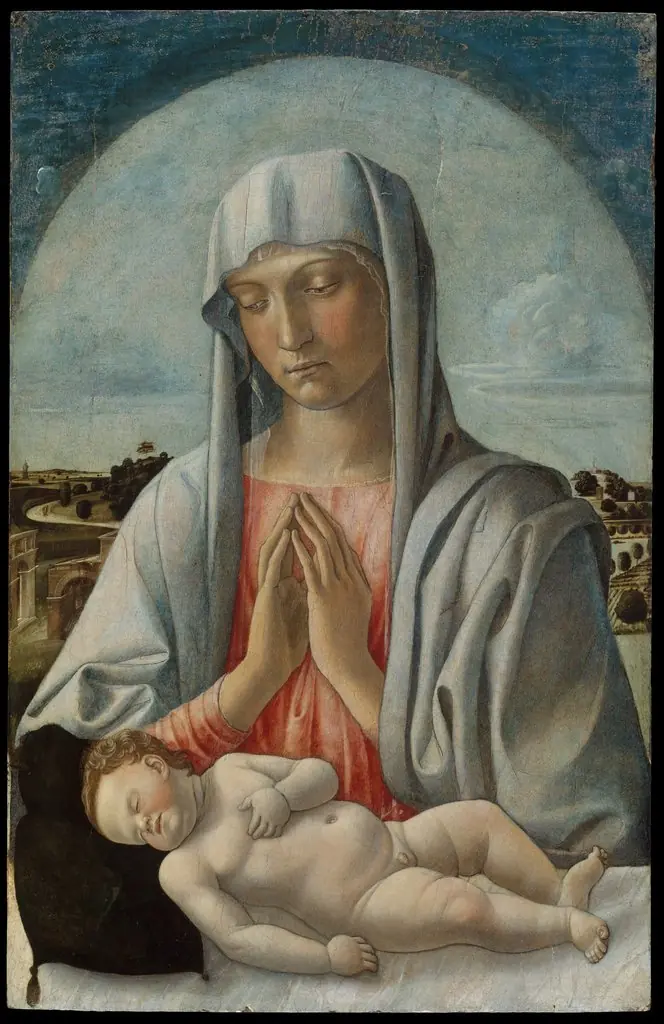
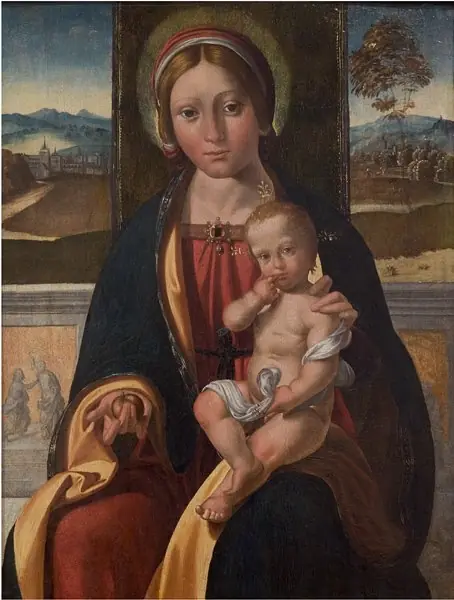
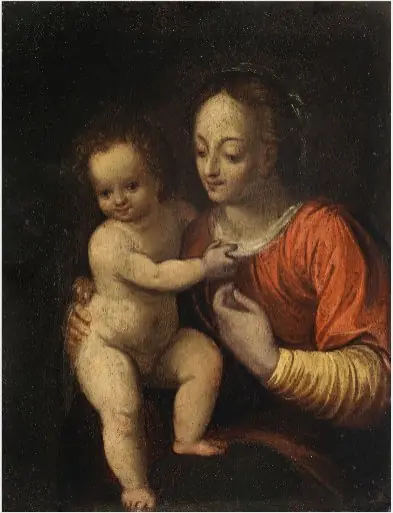
The Virgin and Child
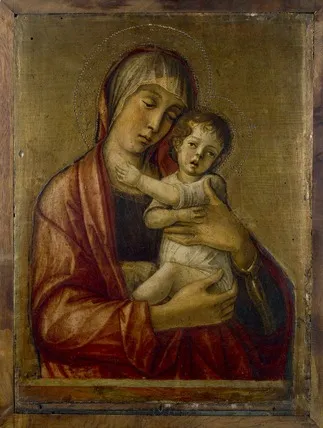
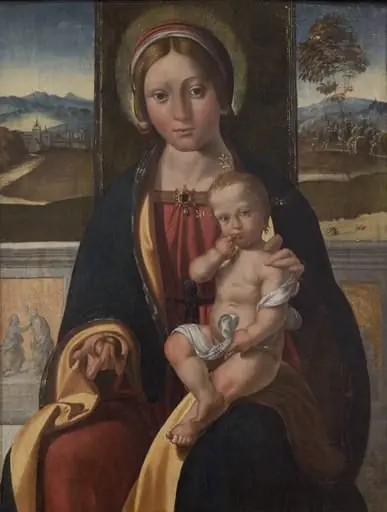
The Virgin and Child is an unspecified painting by the High Renaissance artist Giovanni Bellini. It dates from 1510 and is held in the collection of the Ashmolean Museum.
About this work
Overview
Executed in oil on panel, it reflects Bellini’s mature style, characterized by gentle modeling and subdued tonal harmonies.
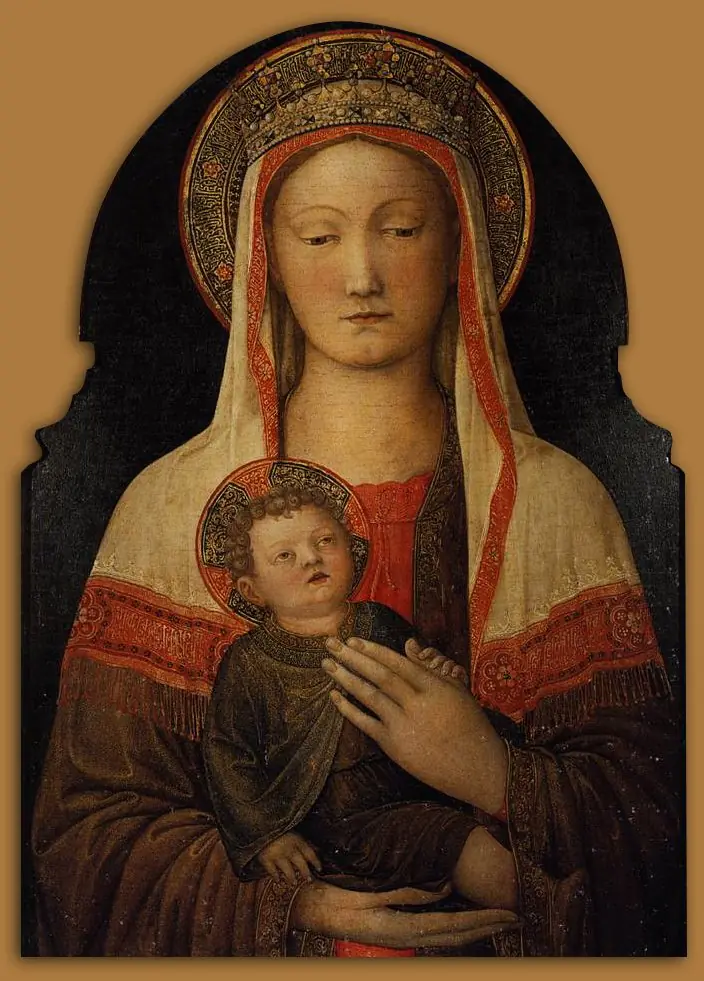
Painted circa 1510 by Giovanni Bellini, this devotional panel portrays the Virgin Mary with the infant Jesus. Executed in oil on panel, it reflects Bellini’s mature style, characterized by gentle modeling and subdued tonal harmonies. The composition is contained within a narrow, window-like frame, emphasizing its intimate, sacred purpose. It resides today in the Ashmolean Museum, Oxford, as part of its collection of Renaissance religious art.
Subject & Meaning
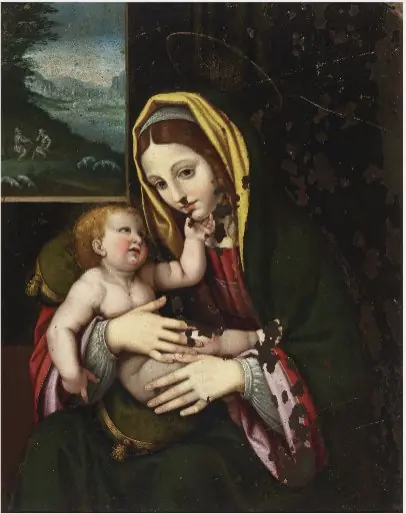
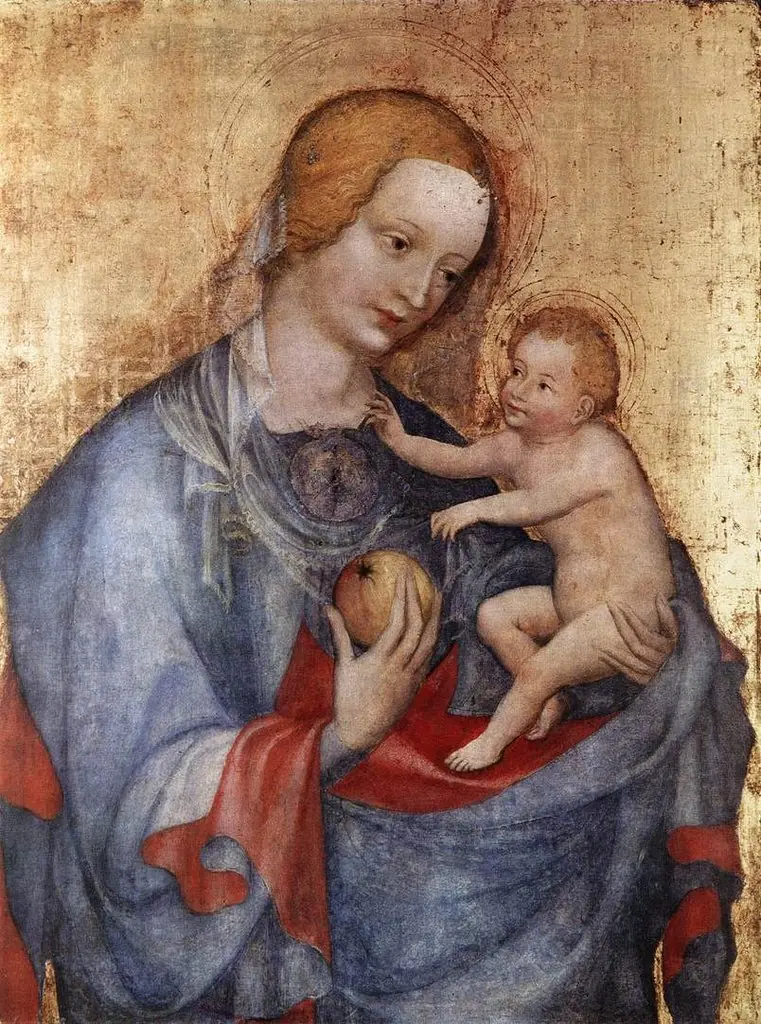
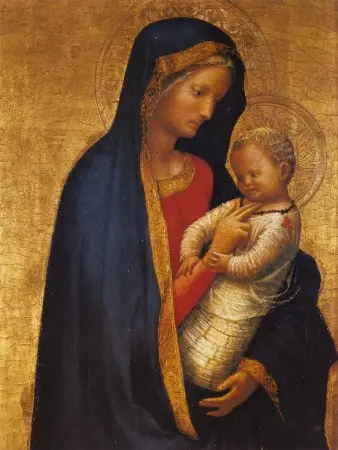
The Virgin, depicted with quiet composure, holds the Christ Child, who turns his gaze outward toward the viewer. This direct engagement invites contemplation and personal connection, a common feature in late medieval and Renaissance devotional imagery. The absence of narrative context focuses attention on the emotional bond between mother and child, reinforcing themes of tenderness and divine presence.
Technique & Style
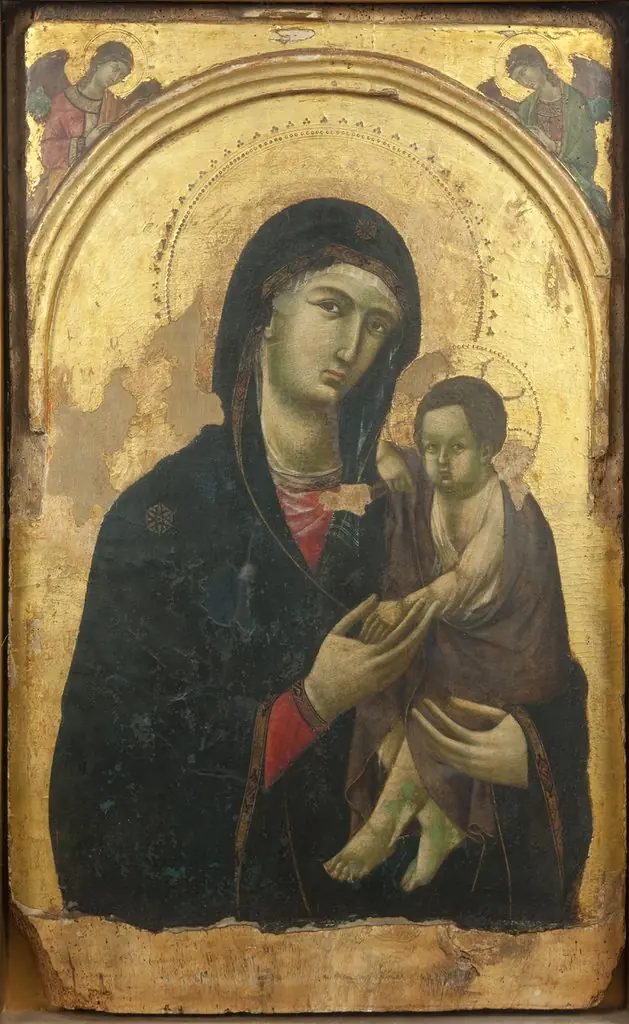
Bellini employed oil paint to achieve soft transitions between light and shadow, particularly in the folds of the Virgin’s garments and the subtle modeling of the child’s face. The gold background, typical of earlier Byzantine traditions, is rendered with a muted, aged patina, enhancing the work’s quiet solemnity. Color is restrained yet warm, with red and blue robes grounded in naturalistic tones rather than symbolic intensity.
History & Provenance
The painting entered the Ashmolean Museum’s collection in the 19th century, having previously belonged to a private English collection. Its origins before that are undocumented, though its style aligns with Bellini’s workshop output during the final decade of his life. The panel’s condition suggests careful preservation, with minimal retouching visible under examination.
Context
Created during the High Renaissance, this work reflects Venice’s distinct artistic priorities—emphasis on color, atmosphere, and tactile surface over Florentine linear precision. While contemporaries like Raphael explored dynamic compositions, Bellini favored stillness and emotional resonance. The painting’s simplicity speaks to the enduring appeal of private devotion in a period increasingly shaped by humanist ideals.
Legacy
Bellini’s approach to the Virgin and Child theme influenced generations of Venetian painters, including Titian and Giorgione. This particular work exemplifies his quiet revolution: replacing rigid iconography with psychological nuance and sensory richness. Though not widely reproduced, it remains a key example of how religious imagery evolved toward intimacy and naturalism in early 16th-century Venice.
Artist & collection
Artist
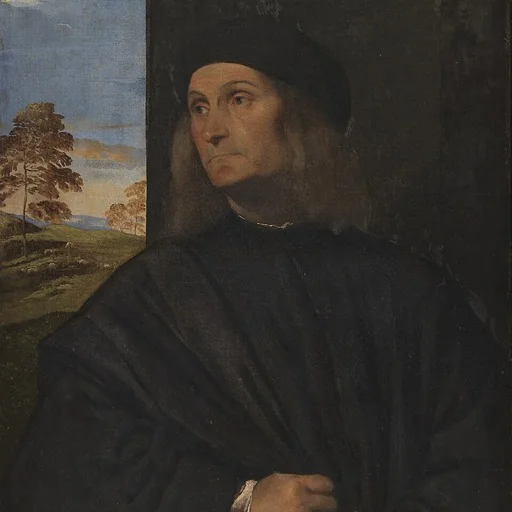
Giovanni Bellini spent his life in Venice, where the city’s soft light and water shaped his view of the world.