Artwork
Deucalion and Pyrrha
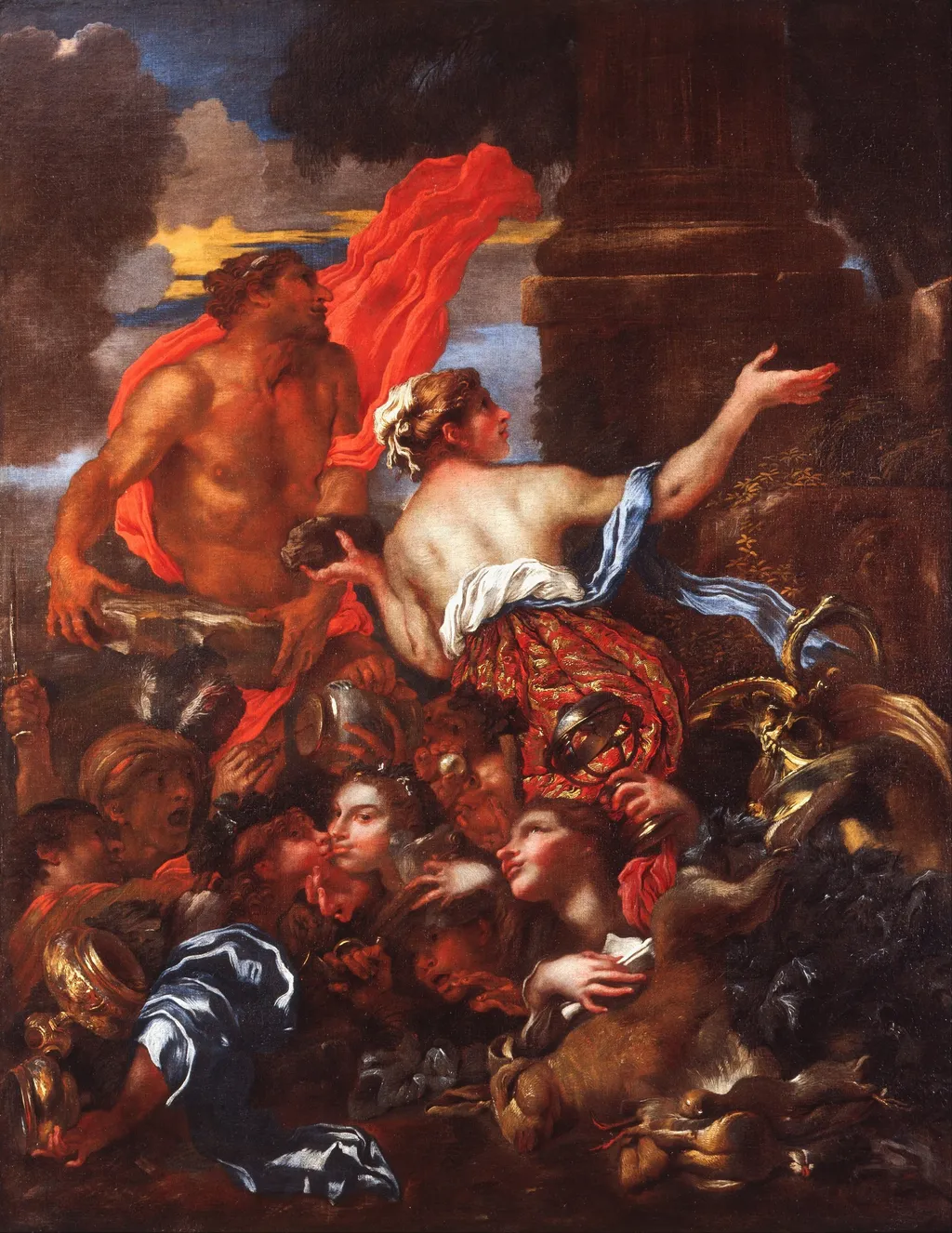
Deucalion and Pyrrha is an oil painting by the Early Baroque Italian artist Giovanni Benedetto Castiglione. It dates from 1655 and is held in the collection of the Denver Art Museum.
About this work
Overview
Giovanni Benedetto Castiglione, an Italian painter of the mid‑17th century, executed the oil painting Deucalion and Pyrrha in 1655. The work is classified as a history painting within the early Baroque idiom and is currently held by the Denver Art Museum.
Subject & Meaning
The canvas depicts the mythological survivors Deucalion and Pyrrha amid a tumultuous crowd. The central couple is rendered with distinctive garments—a bare‑chested man with a red drape and a woman in a red skirt and white sash—while surrounding figures appear distressed, emphasizing the narrative of renewal after catastrophe.
Technique & Style
Castiglione employs a muted, earth‑tone palette and a dynamic arrangement of figures that guide the eye across the scene. Strong chiaroscuro models the bodies, creating depth and volume, while the overall composition conveys movement and dramatic tension characteristic of Baroque painting.
History & Provenance
Although Castiglione is best known for his rural genre scenes and pioneering monotype prints, this work reflects his occasional engagement with classical subjects. After its creation, the painting entered private collections before being acquired by the Denver Art Museum, where it remains on view.
Context
The painting belongs to the Genoese school of the Baroque period, a regional style noted for vigorous storytelling and vigorous use of light and shadow. Castiglione’s choice of a mythological theme aligns with contemporary interests in antiquity, contrasting with his usual depictions of animals and countryside life.
Own this work as a print
Artist & collection
Artist
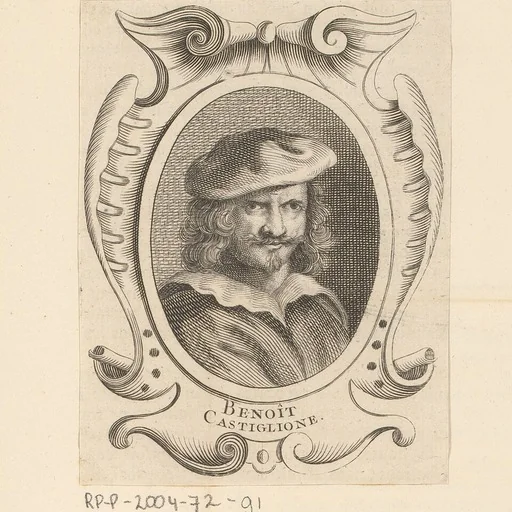
Giovanni Benedetto Castiglione
Giovanni Benedetto Castiglione (baptized 23 March 1609 – 5 May 1664) was an Italian Baroque painter, printmaker and draftsman, of the Genoese school.

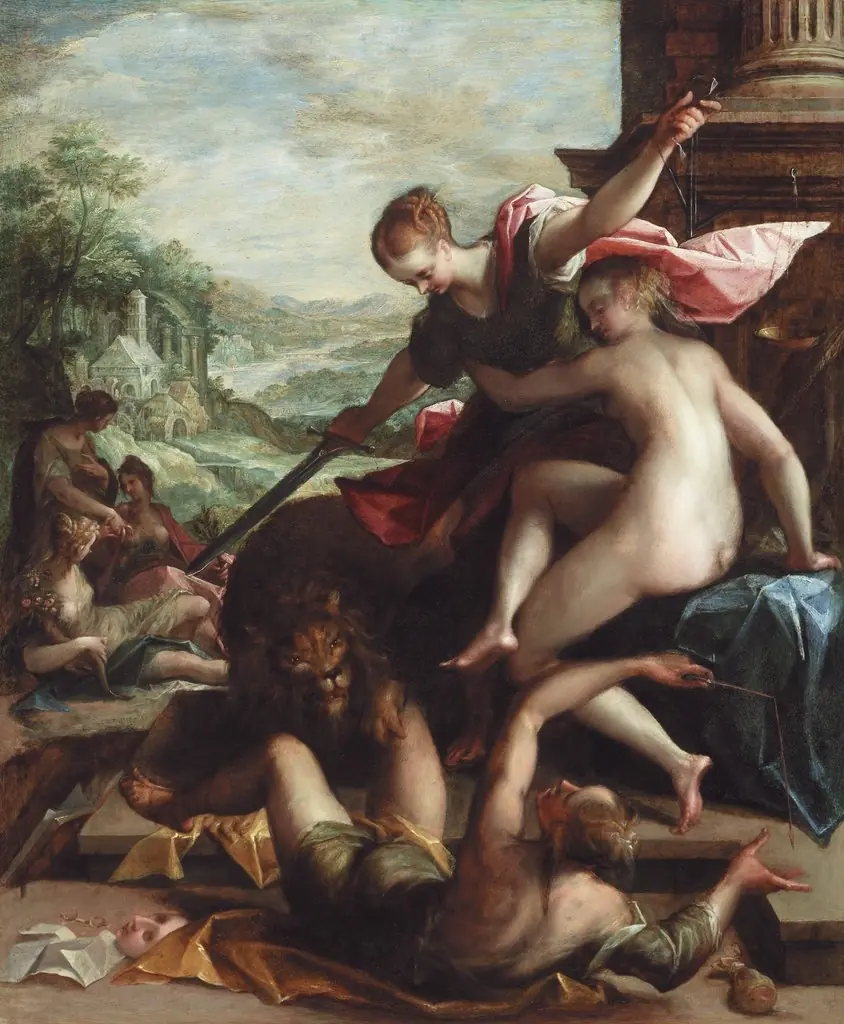 The Triumph of Truth
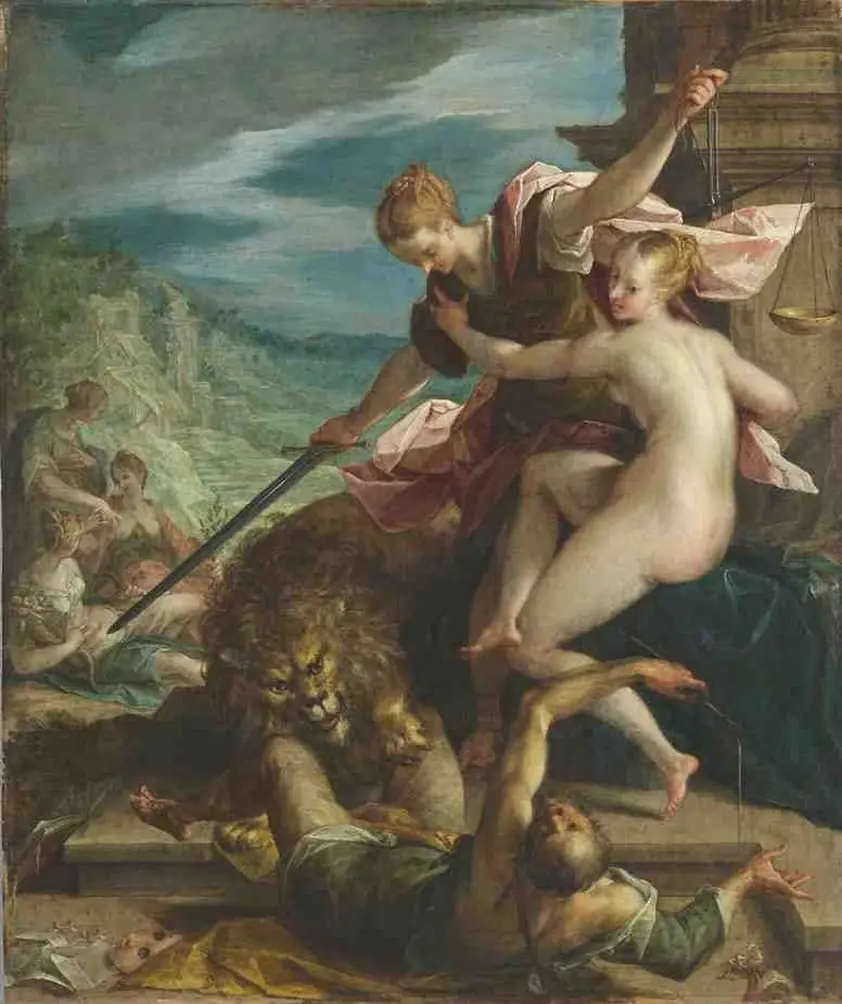 The Triumph of Truth
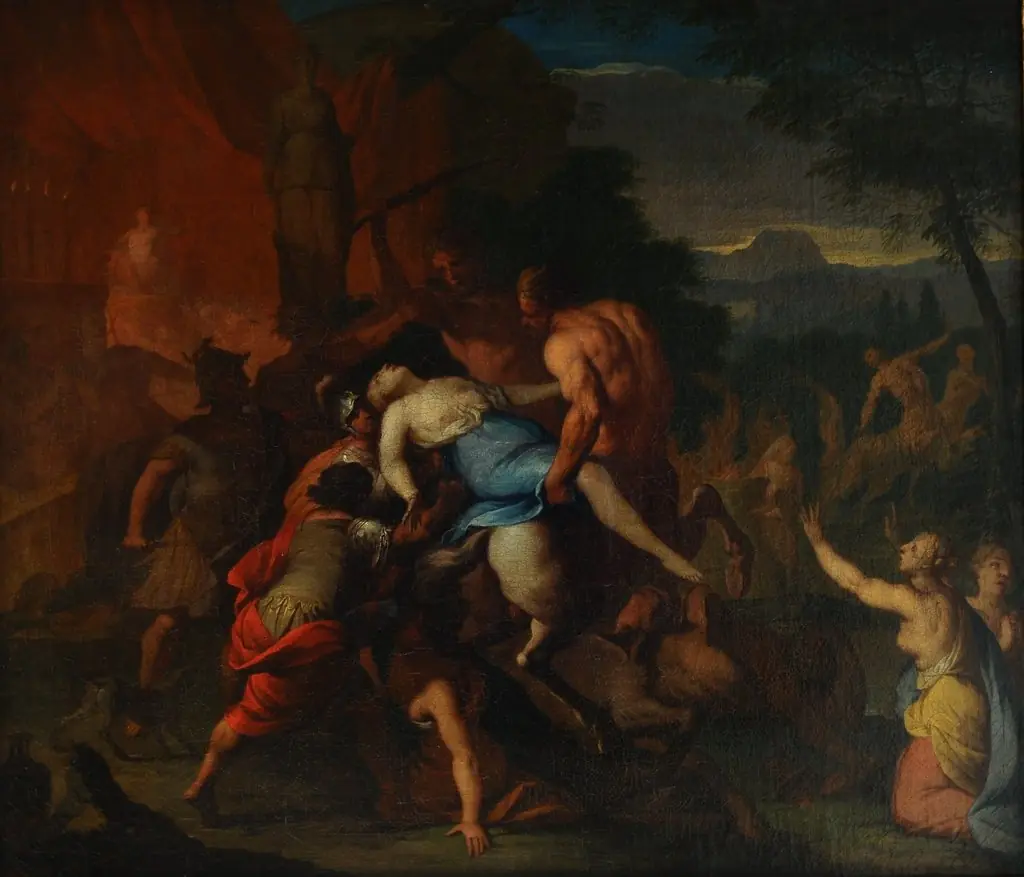 Combate de centauros y lapitas. (Tit. Ant.: Centauros e ilotas)
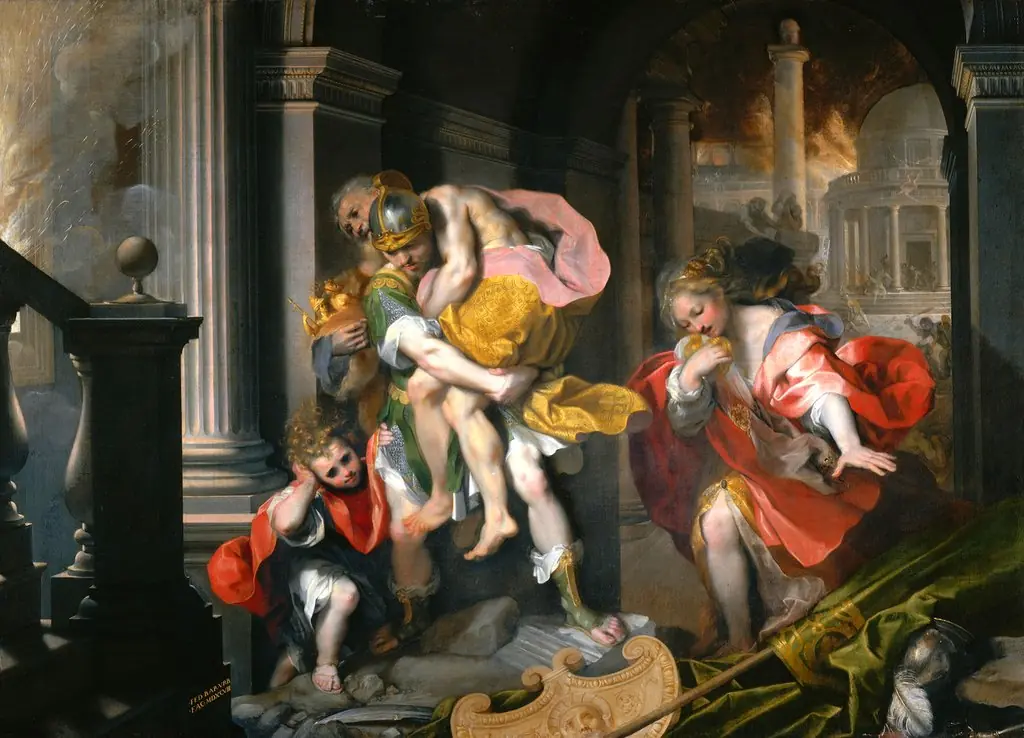 Escape of Aeneas from Troy
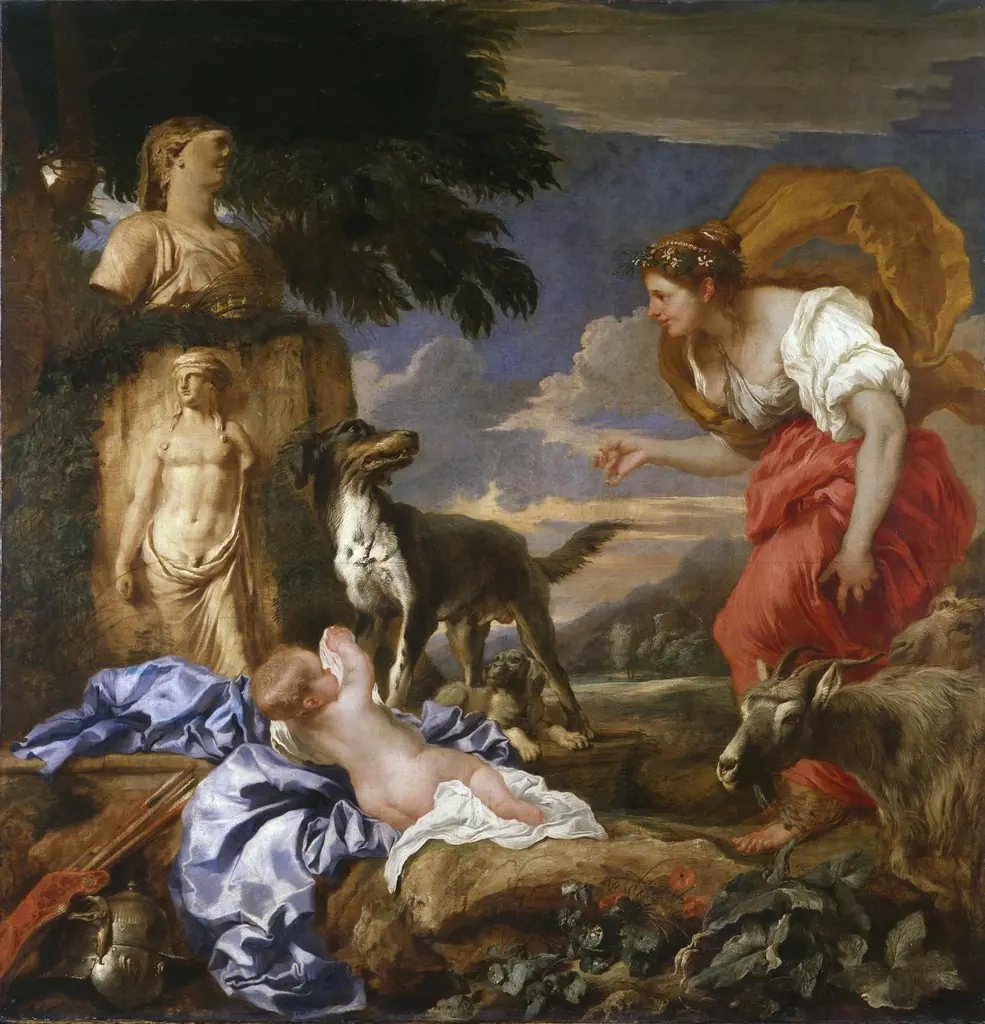 Cyrus with the Shepherd's Wife Spako
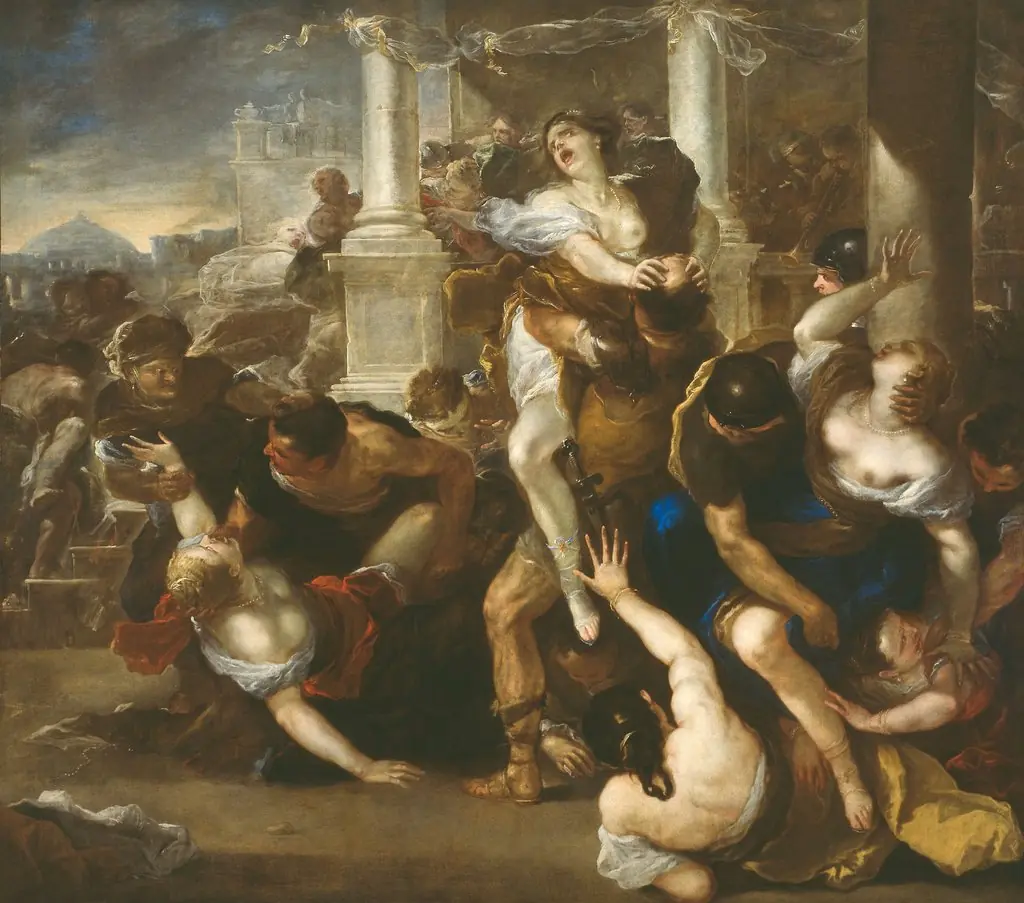 The Abduction of the Sabine Women
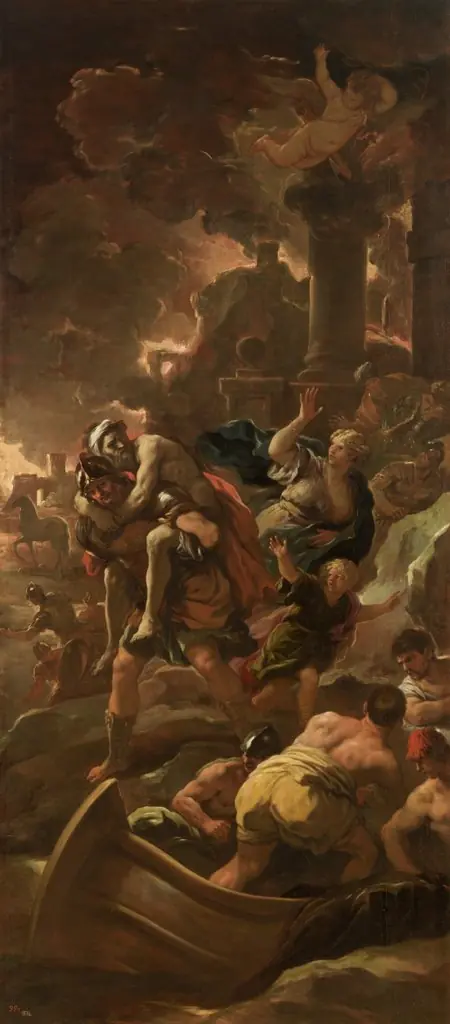 Eneas, fugitivo con su familia
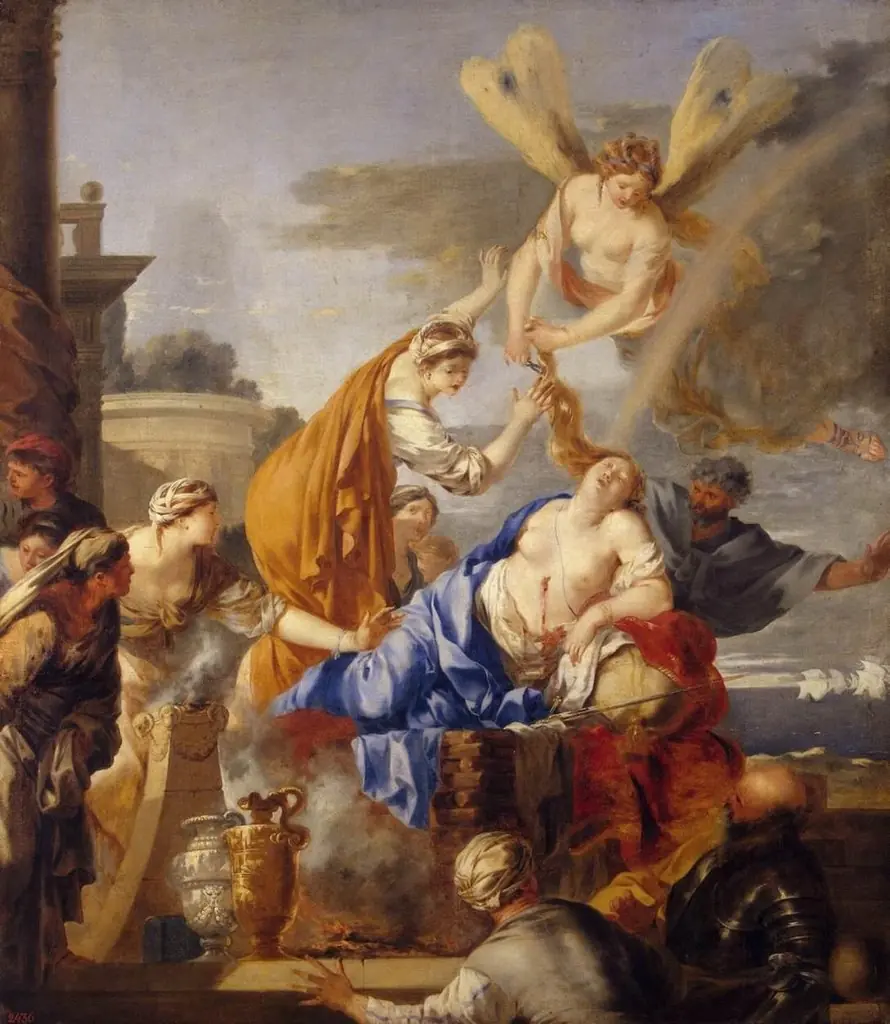 Death of Dido
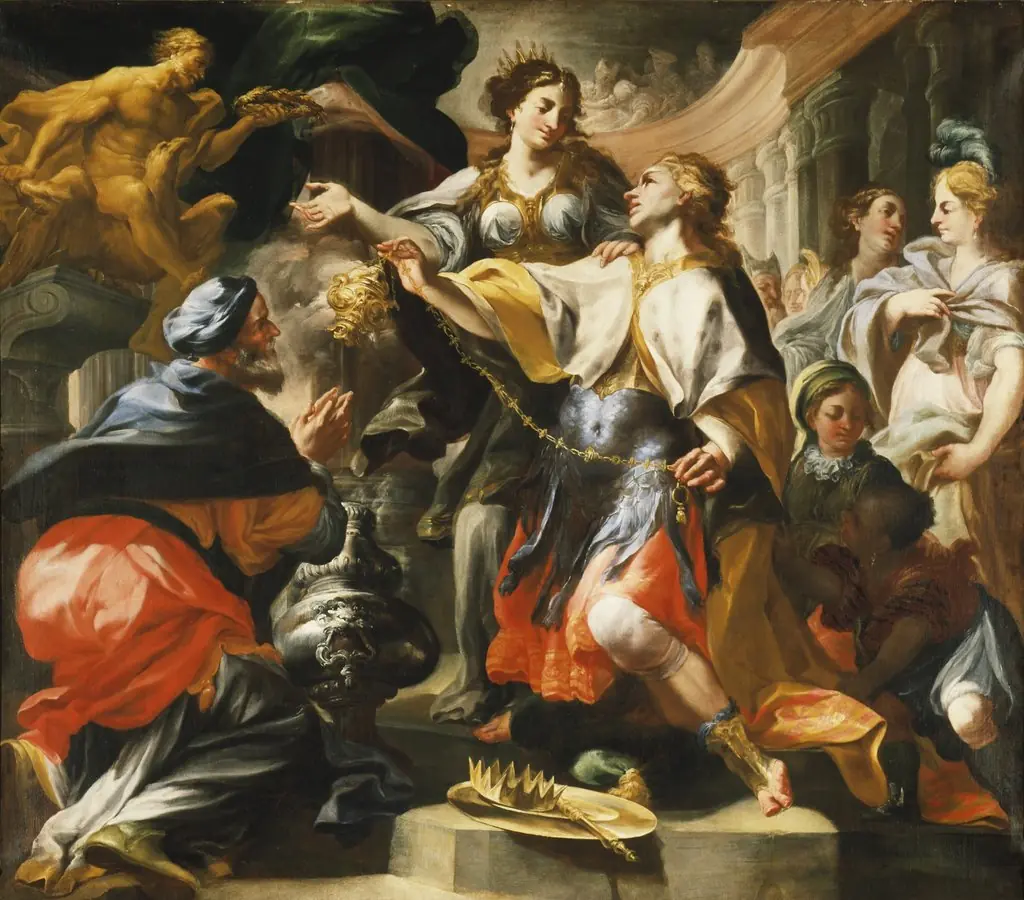 Solomon Worshiping a Pagan God
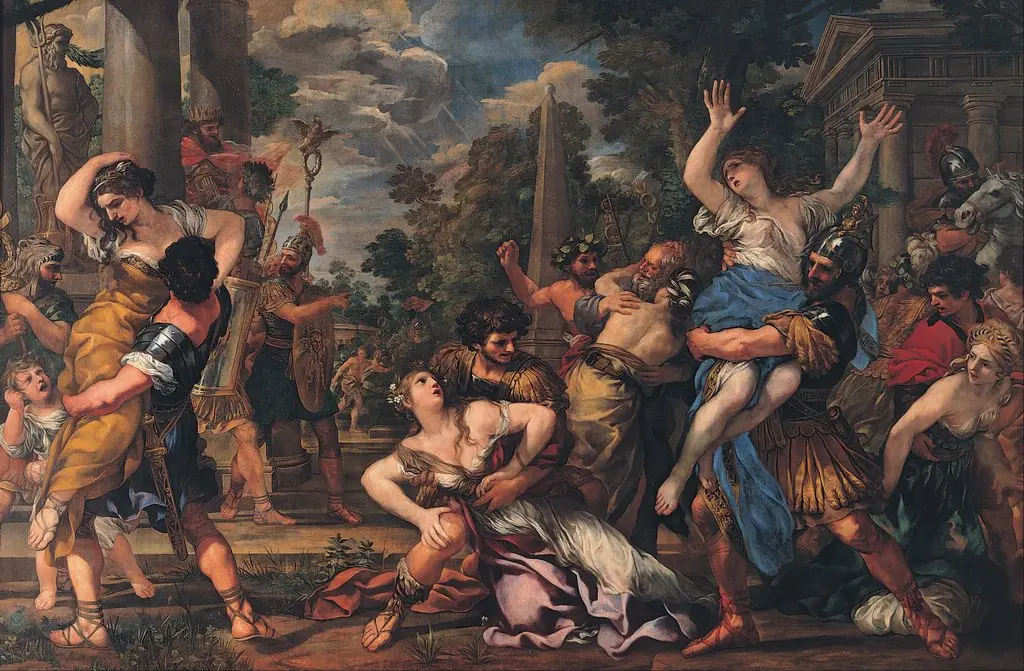 Rape of the Sabines
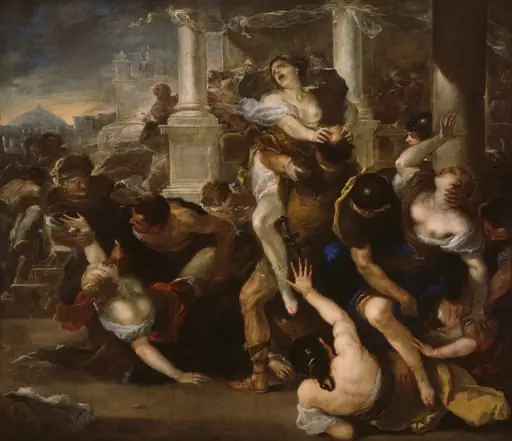 The Abduction of the Sabine Women
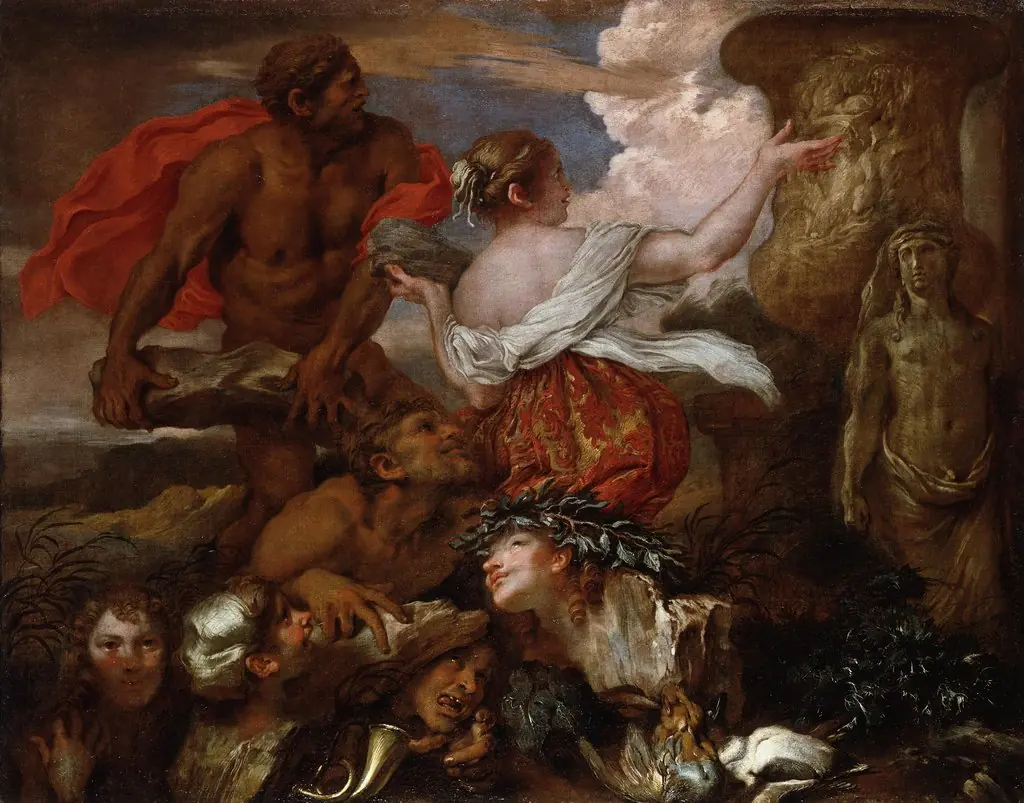 Deukalion and Pyrrha