Artwork
Escape of Aeneas from Troy
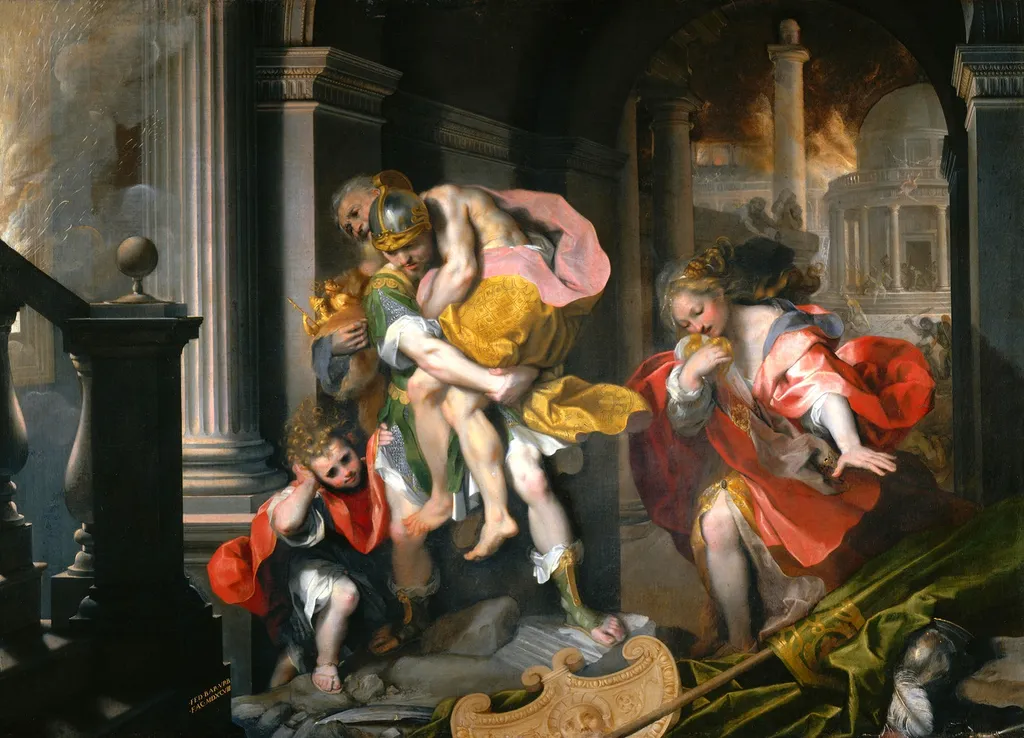
Escape of Aeneas from Troy is an oil painting by the Early Baroque Italian artist Federico Barocci. It dates from 1600 and is held in the collection of the Galleria Borghese.
About this work
Overview
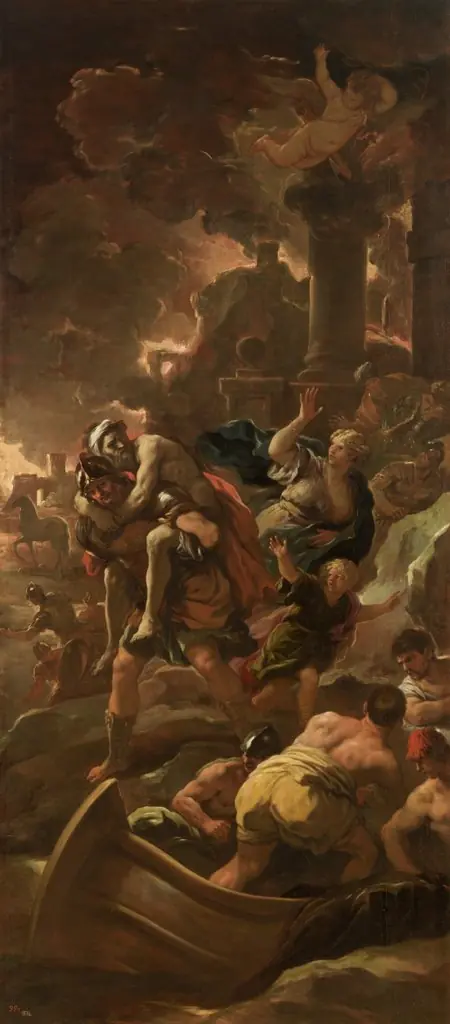
Federico Barocci’s *Escape of Aeneas from Troy* (1600) is an oil painting that belongs to the early Italian Baroque. The canvas captures the moment of Aeneus fleeing the burning city, carrying his aged father and guiding his infant son, while his wife follows. The work is part of the collection of the Galleria Borghese in Rome.
Subject & Meaning
The composition illustrates a scene from Virgil’s *Aeneid*: Aeneas, helmeted, bears his father Anchises on his back and leads his son Ascanius, with his wife Creusa close behind, as they escape the conflagration of Troy. The narrative emphasizes filial duty, heroic rescue, and the tragic loss of Creusa, who disappears in the chaos.
Technique & Style
Barocci employs strong chiaroscuro, allowing the figures to emerge from deep shadows into illuminated foregrounds, heightening the drama. Warm reds and golds of the flames contrast with the cooler tones of the fleeing family, while dynamic gestures and a diagonal composition convey movement and urgency.
History & Provenance
Completed at the turn of the 17th century, the painting reflects Barocci’s reputation as a leading central‑Italian painter whose work prefigured the later Baroque exuberance of artists such as Rubens. It entered the Galleria Borghese collection, where it remains on display.
Artist & collection
Artist
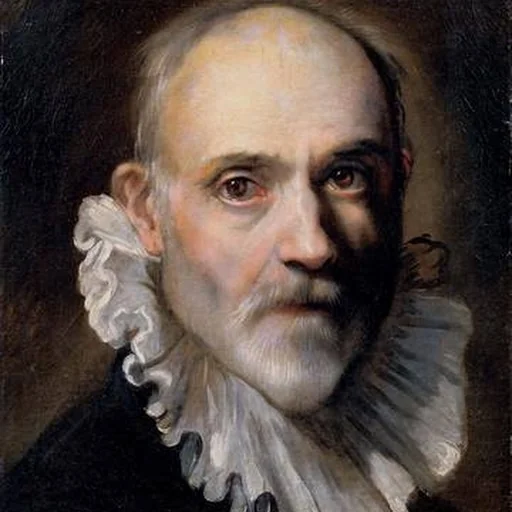
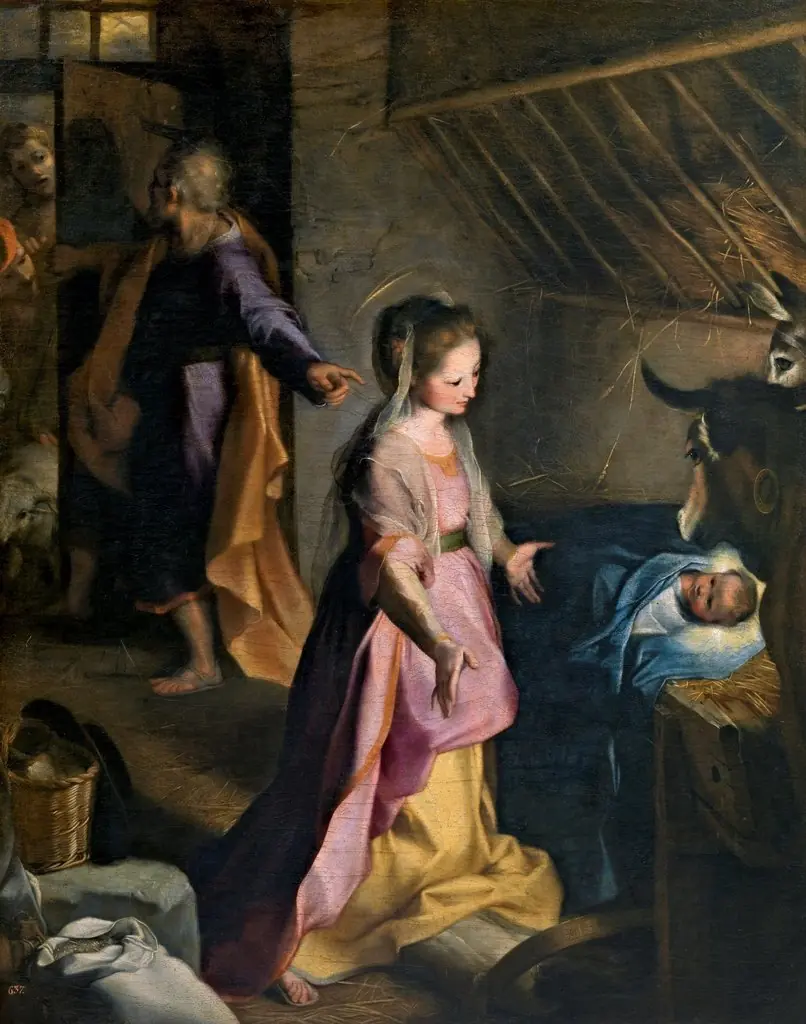
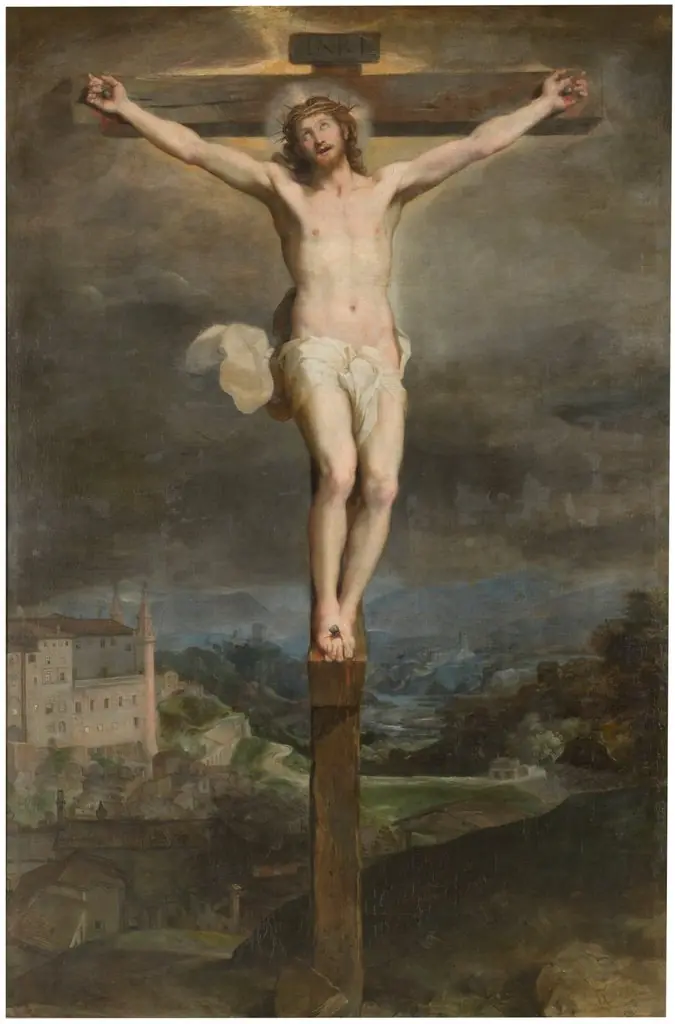
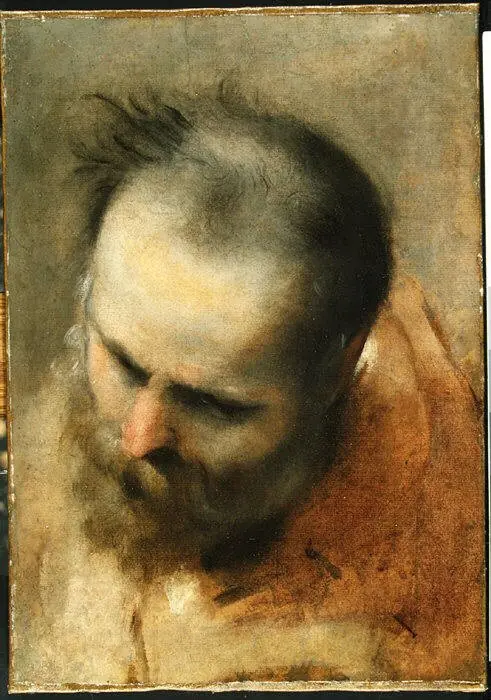
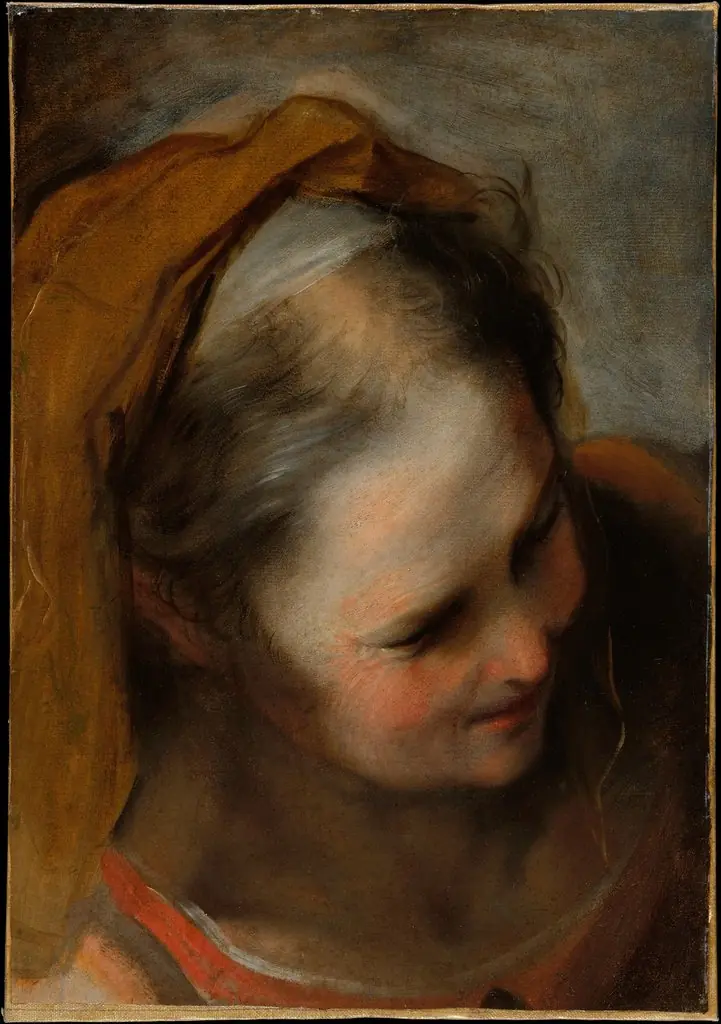
Federico Barocci (also written Barozzi) (c. 1535 – 30 September 1612) was an Italian Renaissance painter and printmaker. His original name was Federico Fiori, and he was nicknamed Il Baroccio. His work was highly…

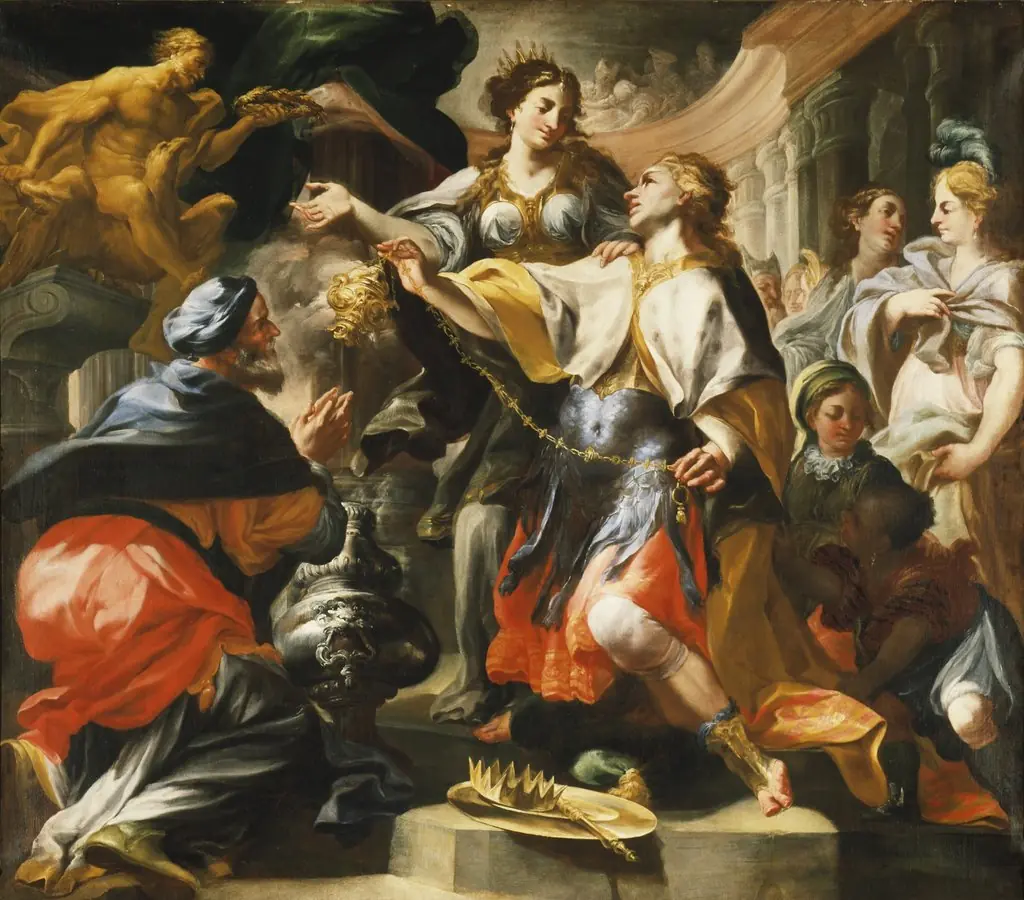 Solomon Worshiping a Pagan God
 Eneas, fugitivo con su familia
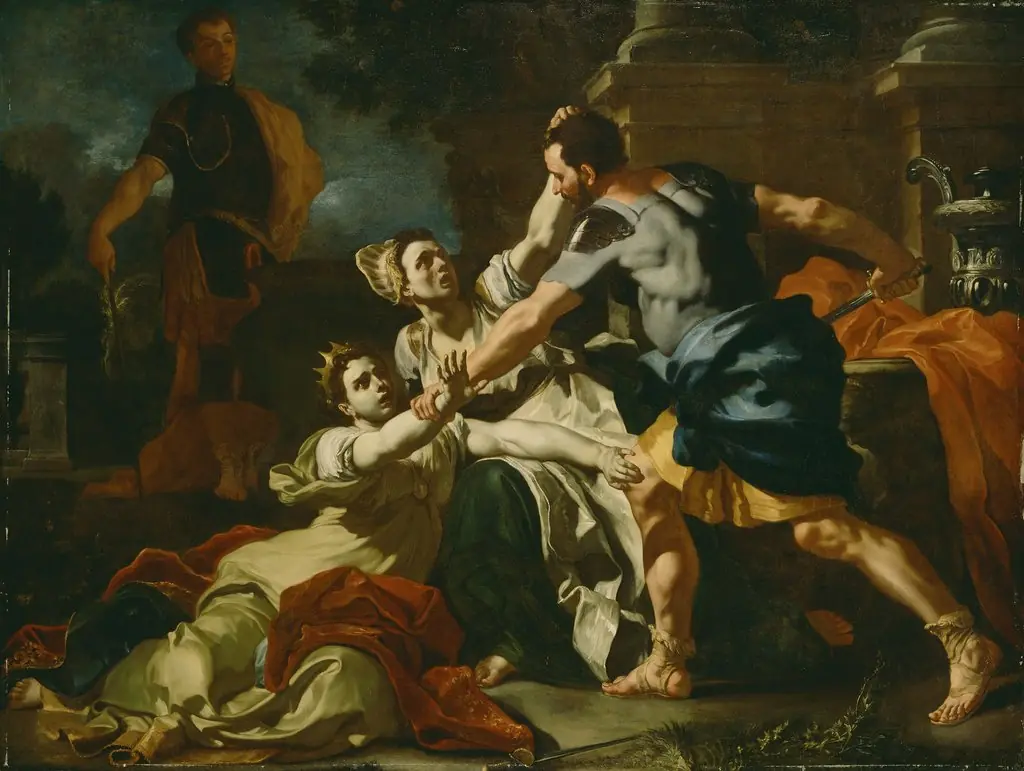 Death of Messalina
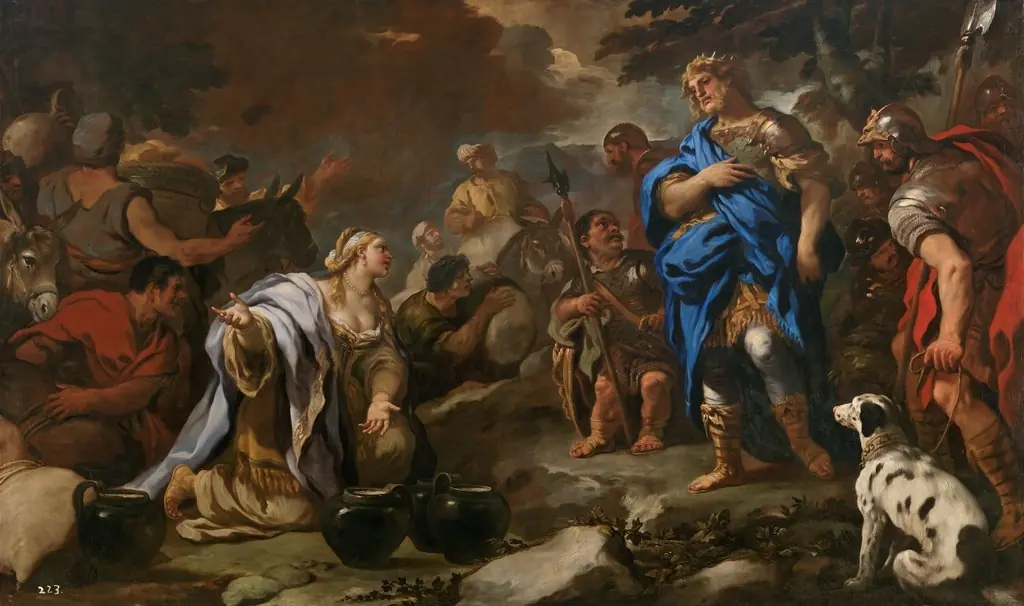 La prudente Abigail
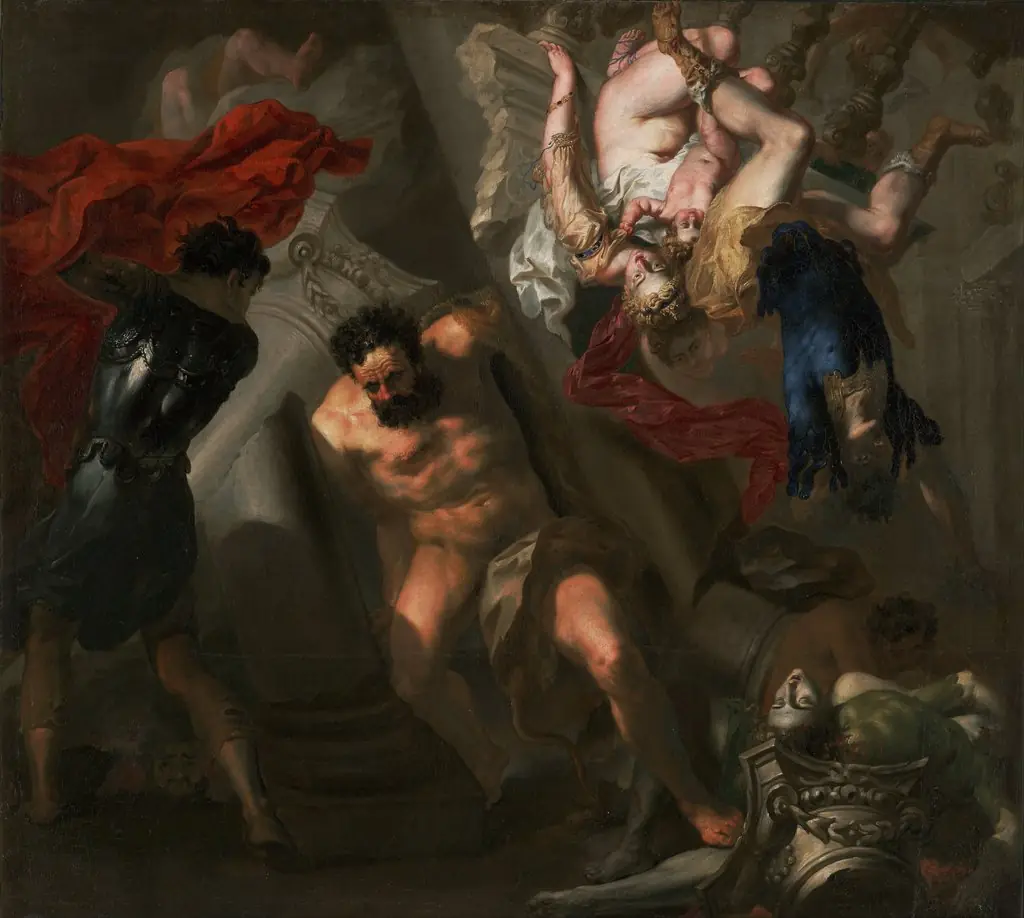 The Death of Samson
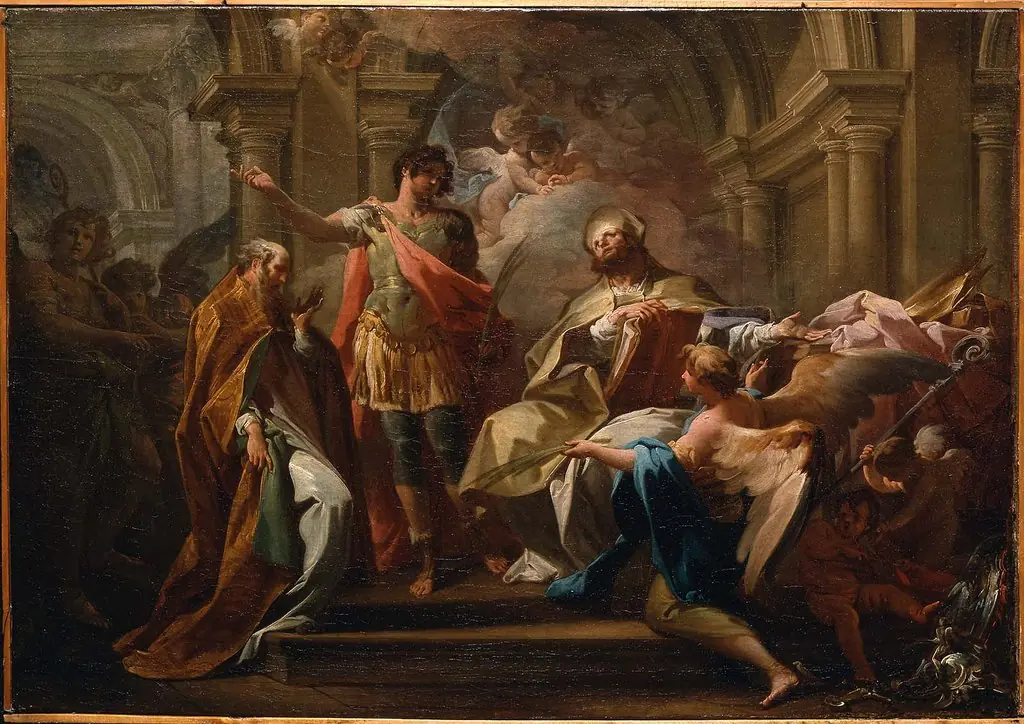 Saints Ippolito, Taurino, and Ercolano
 Deucalion and Pyrrha
 Perseus Confronting Phineus with the Head of Medusa
 Wisdom triumphant over war and discord under the government of James I of England