Artwork
Tobias's Farewell to the Angel
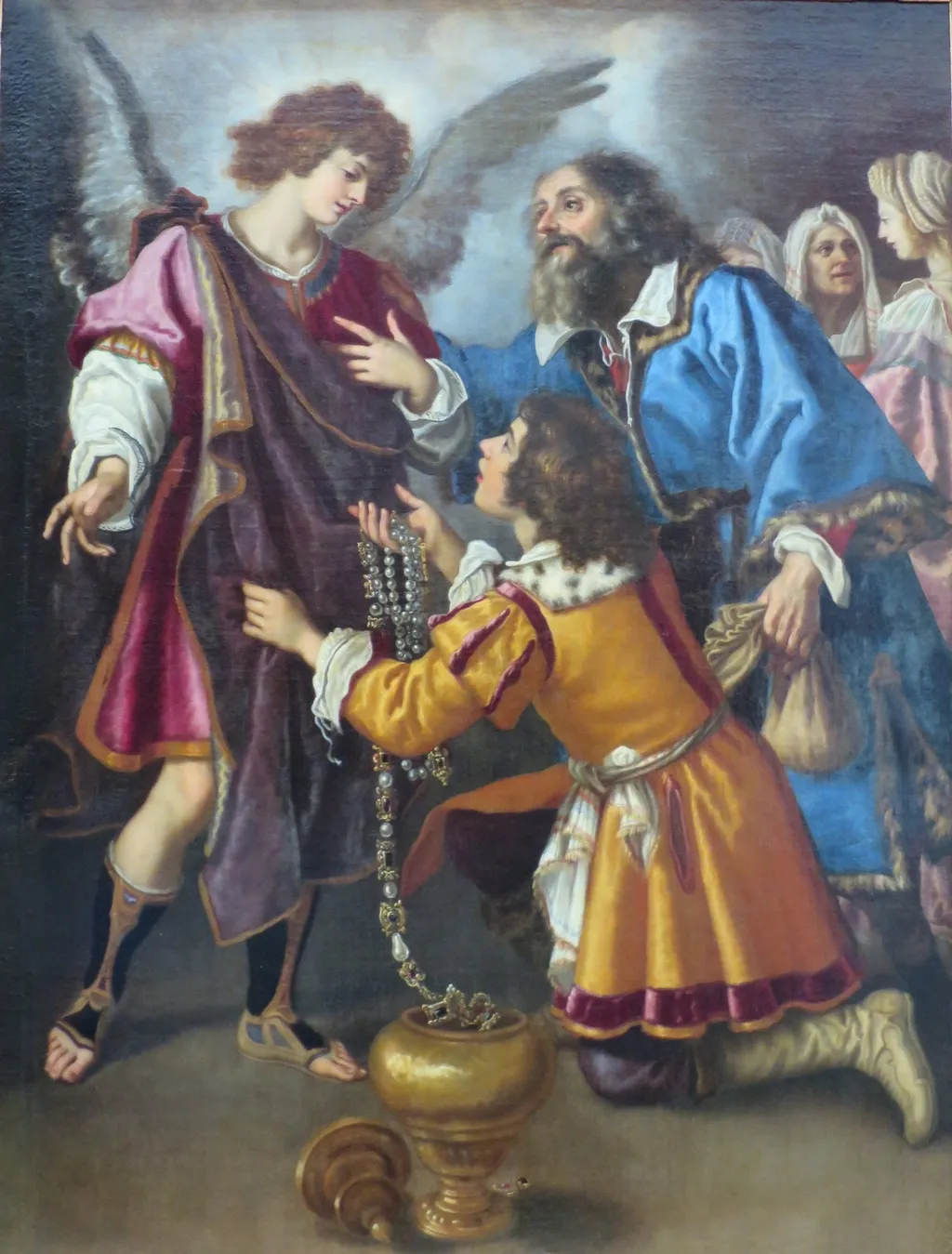
Tobias's Farewell to the Angel is an oil painting by the Early Baroque Italian artist Giovanni Biliverti. It dates from 1610 and is held in the collection of the Hermitage Museum.
About this work
Overview
Giovanni Biliverti, an Italian painter working at the transition from late Mannerism to early Baroque, completed the oil painting *Tobias’s Farewell to the Angel* in 1610. The work is a religious genre scene now in the collection of the State Hermitage Museum in St. Petersburg.
Subject & Meaning
The composition portrays the biblical episode in which the archangel Raphael, identifiable by his wings and the pink‑red garment, bids farewell to the young Tobias. Tobias kneels, clutching a golden jar that contains the fish’s gall, while a companion in bright yellow and orange watches. The gathering of figures emphasizes the narrative’s themes of guidance and divine assistance.
Technique & Style
Biliverti employs a pronounced chiaroscuro, allowing the illuminated figures to emerge from a deep, shadowed backdrop. The contrast of rich, saturated colors against the darkness directs the viewer’s eye toward the central interaction, a hallmark of early Baroque drama and emotional emphasis.
History & Provenance
After its creation in the early seventeenth century, the painting entered various private collections before being acquired by the State Hermitage Museum, where it has been displayed as part of the museum’s Italian Baroque holdings.
Context
The work reflects the early Baroque shift toward more naturalistic lighting and dynamic storytelling, moving away from the artificial elegance of late Mannerism. Biliverti’s treatment of a biblical subject aligns with contemporary Counter‑Reformation interests in clear, affective religious imagery.
Artist & collection
Artist
Giovanni Biliverti (surname also written as Bilivelt and Bilivert or other variants; 25 August 1585 – 16 July 1644) was an Italian painter of the late-Mannerism and early-Baroque period, active mainly in his adoptive city of Florence, as…

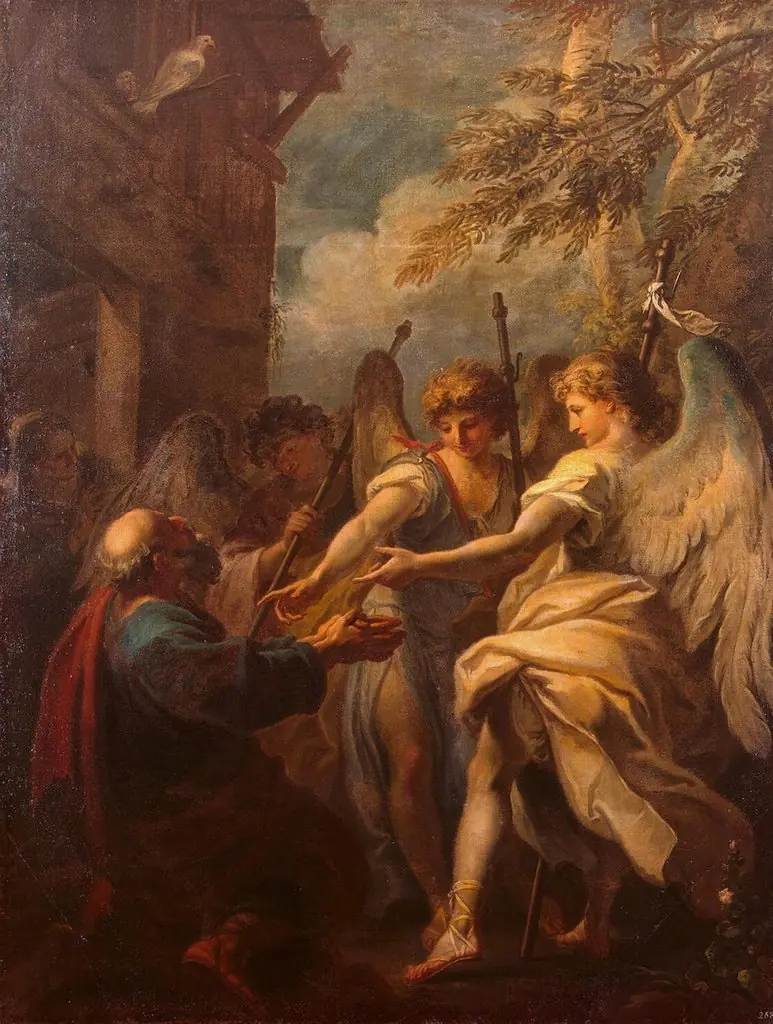 Abraham and the Angels
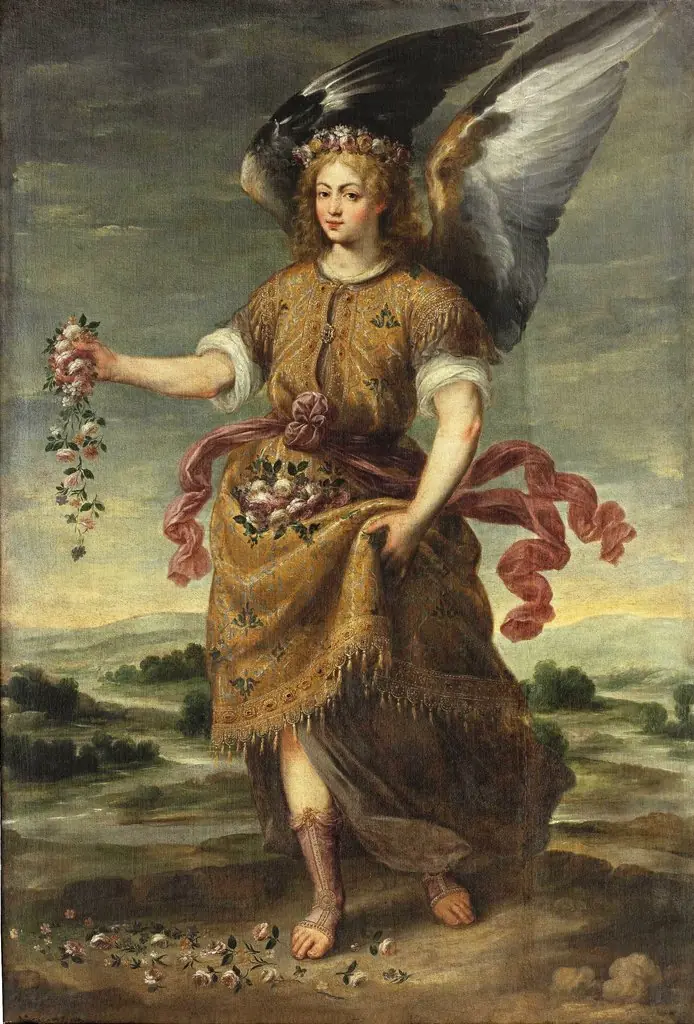 The Archangel Baraquiel scattering flowers
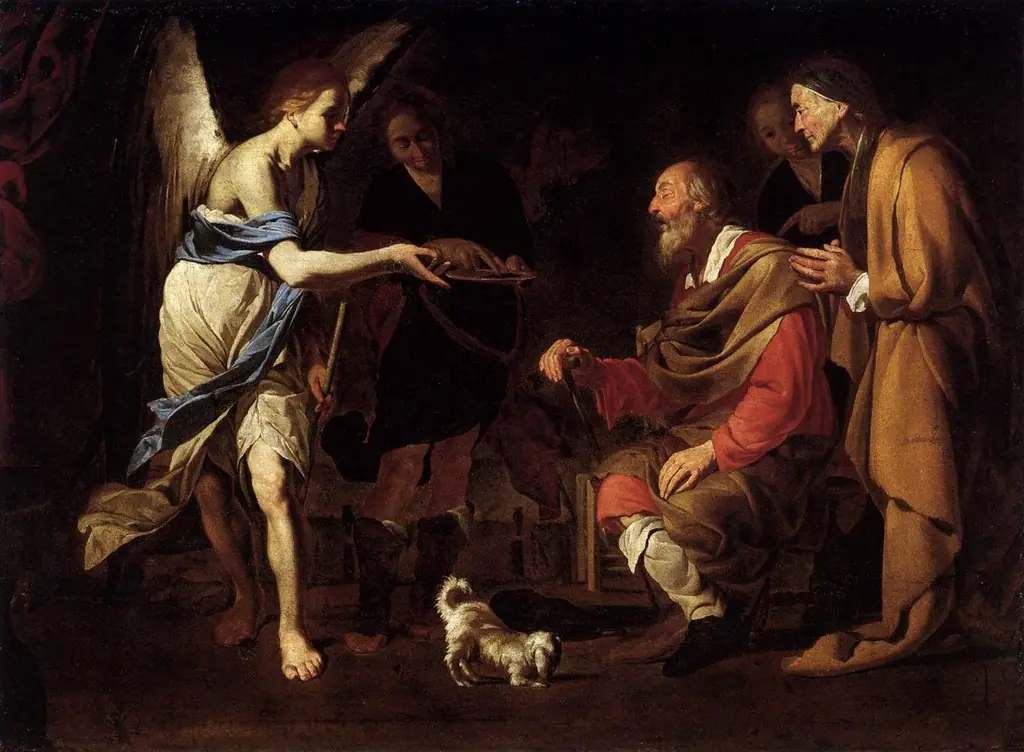 Curing of Tobias
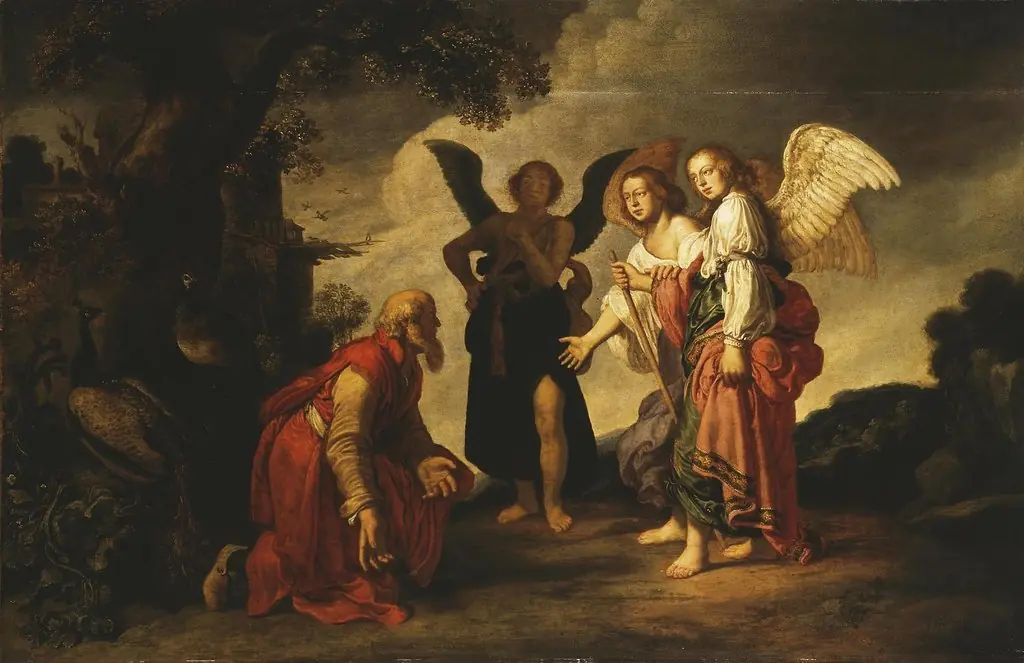 Abraham and the Three Angels
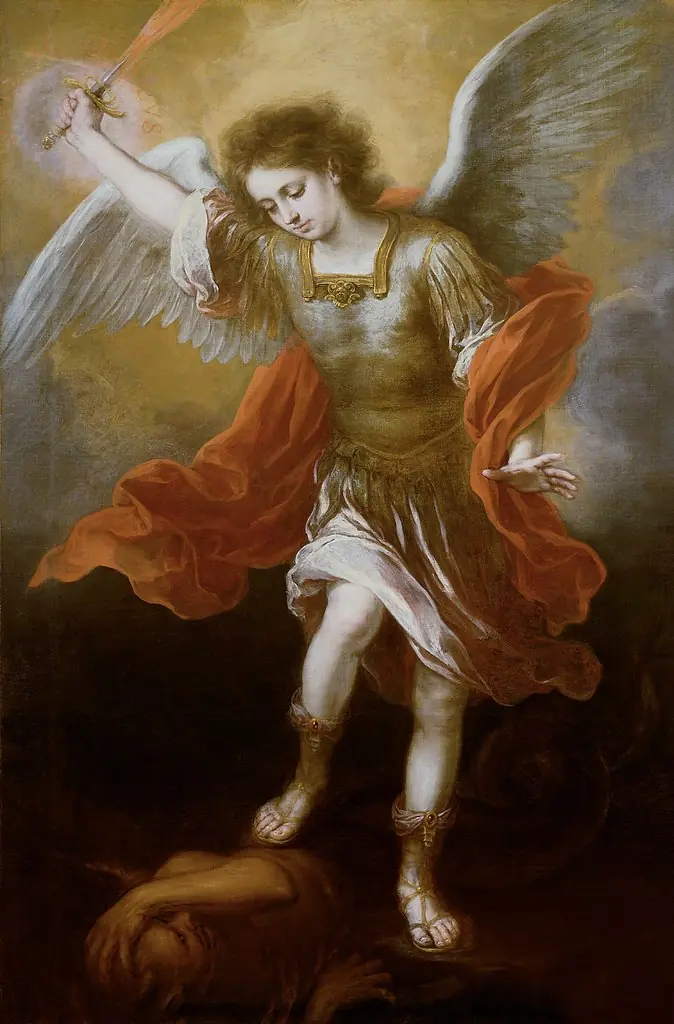 Archangel Michael plunges the devil into the abyss
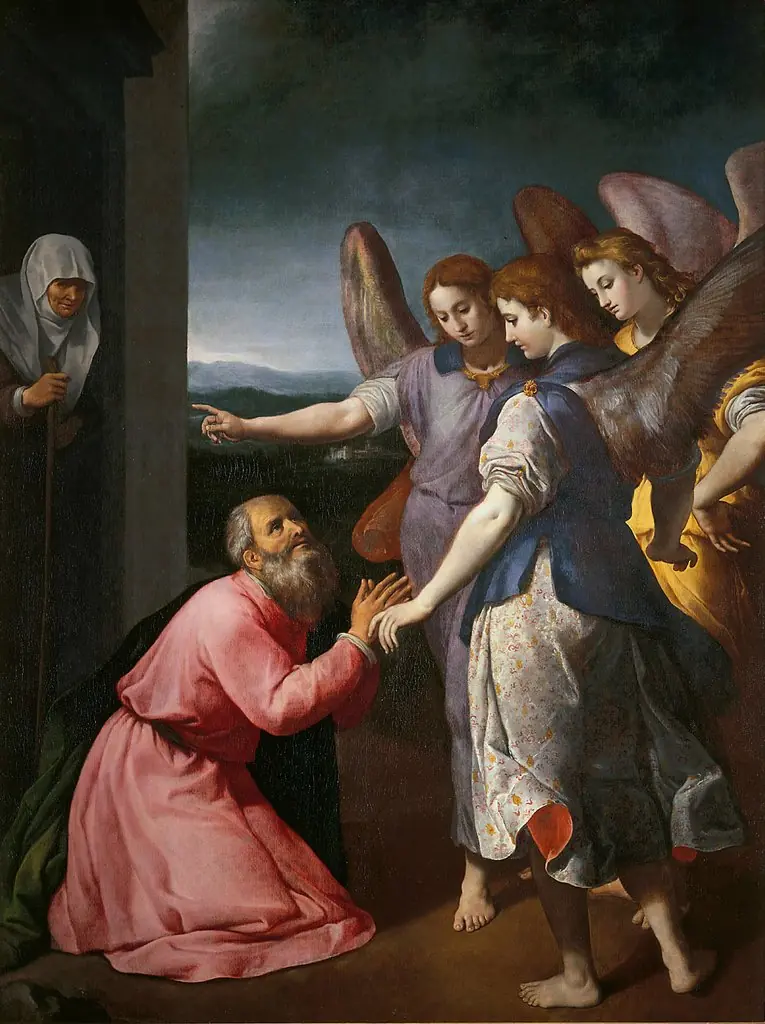 Verheissung der drei Engel an Abraham
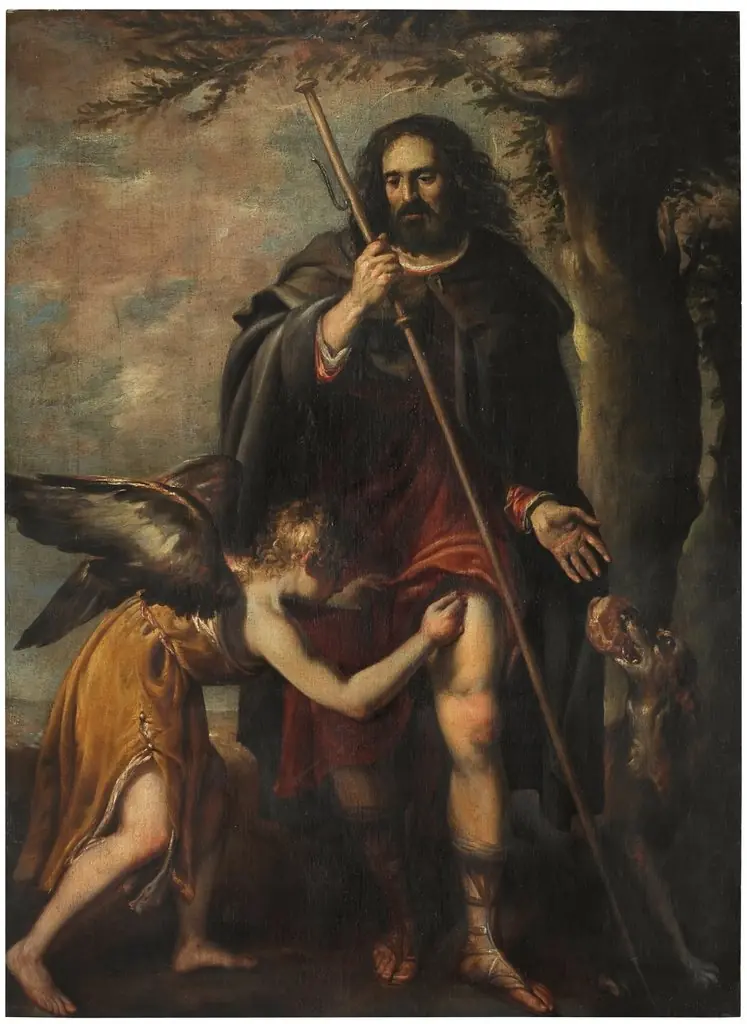 San Roque
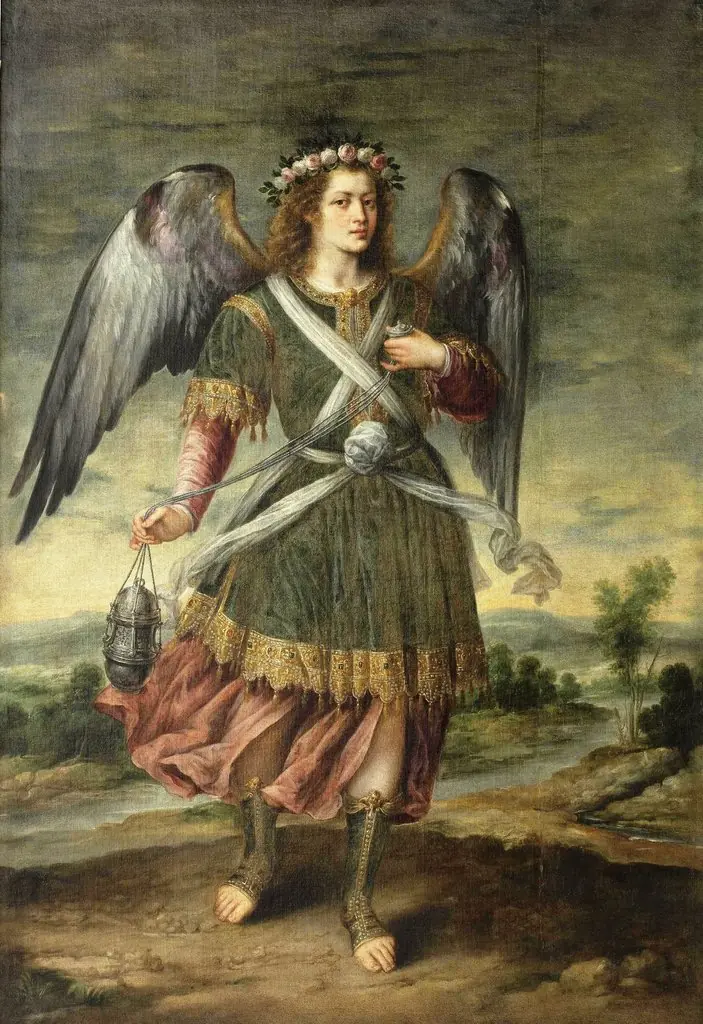 Archangel Seatiel with a censer
 The liberation of saint Peter
 Christ in the Garden of Gethsemane (The Agony in the Garden)