Artwork
Washerwomen
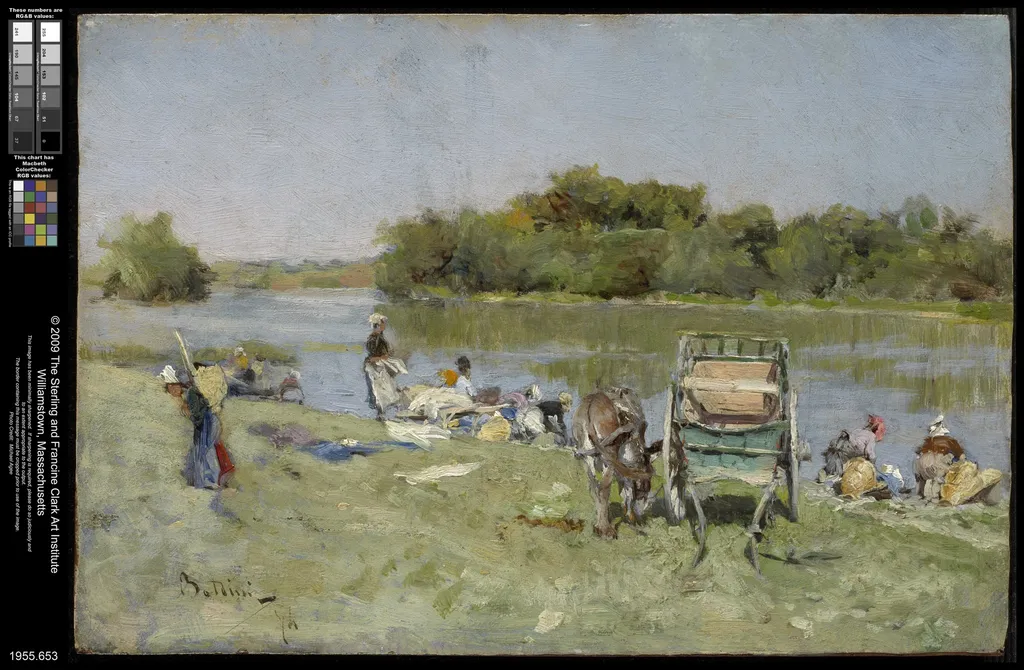
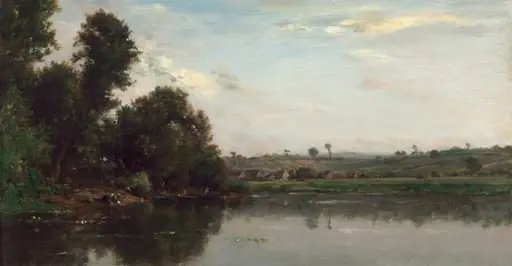
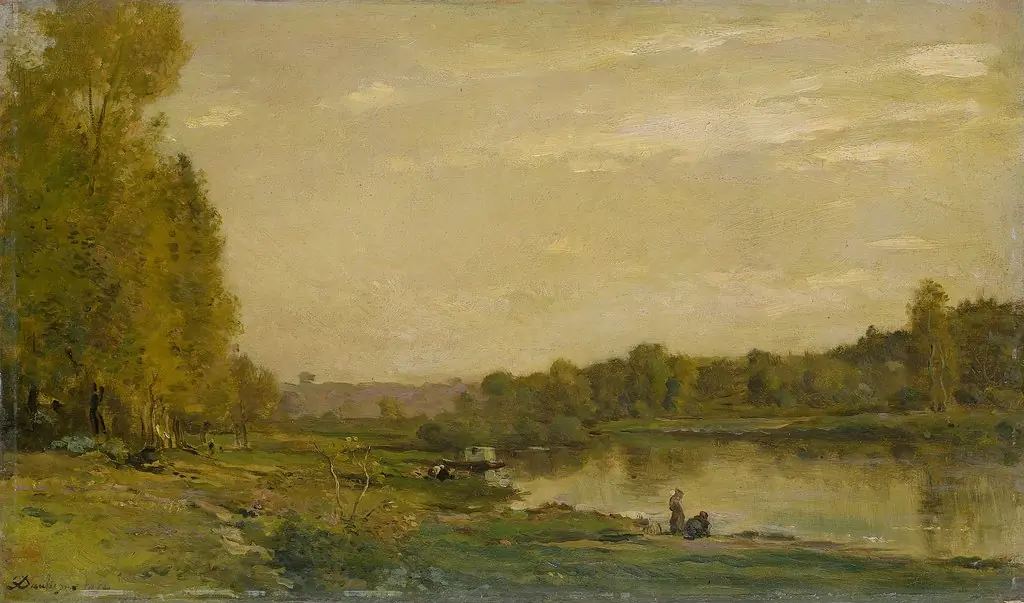
Washerwomen is an oil painting by the Impressionist artist Giovanni Boldini. It dates from 1874 and is held in the collection of the Clark Art Institute.
About this work
Overview
Washerwomen, painted in 1874 by Italian artist Giovanni Boldini, is an oil-on-canvas work associated with the Impressionist movement. It captures a serene riverside scene of women engaged in laundry activities.
Subject & Meaning
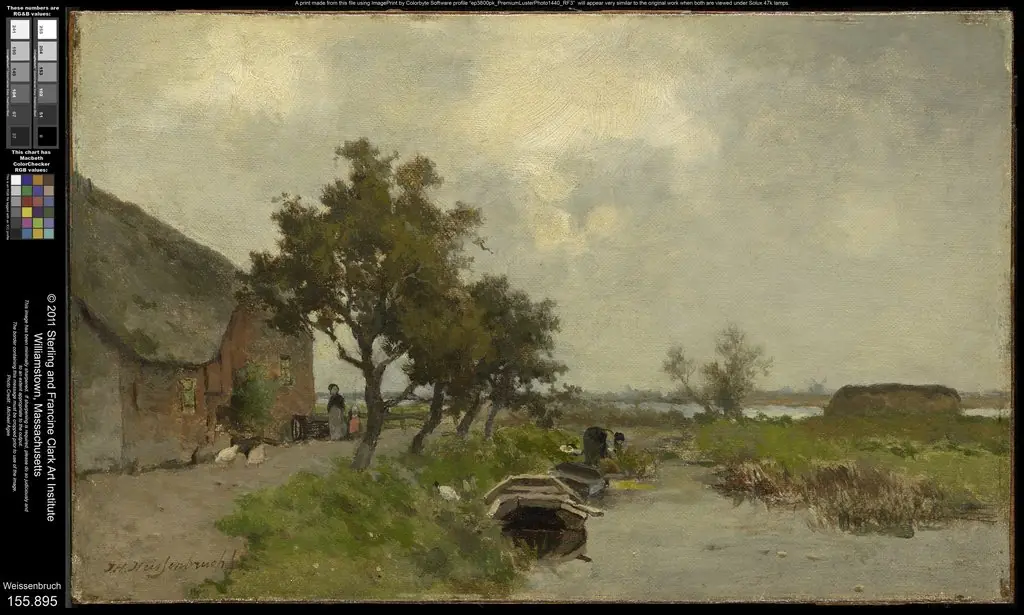
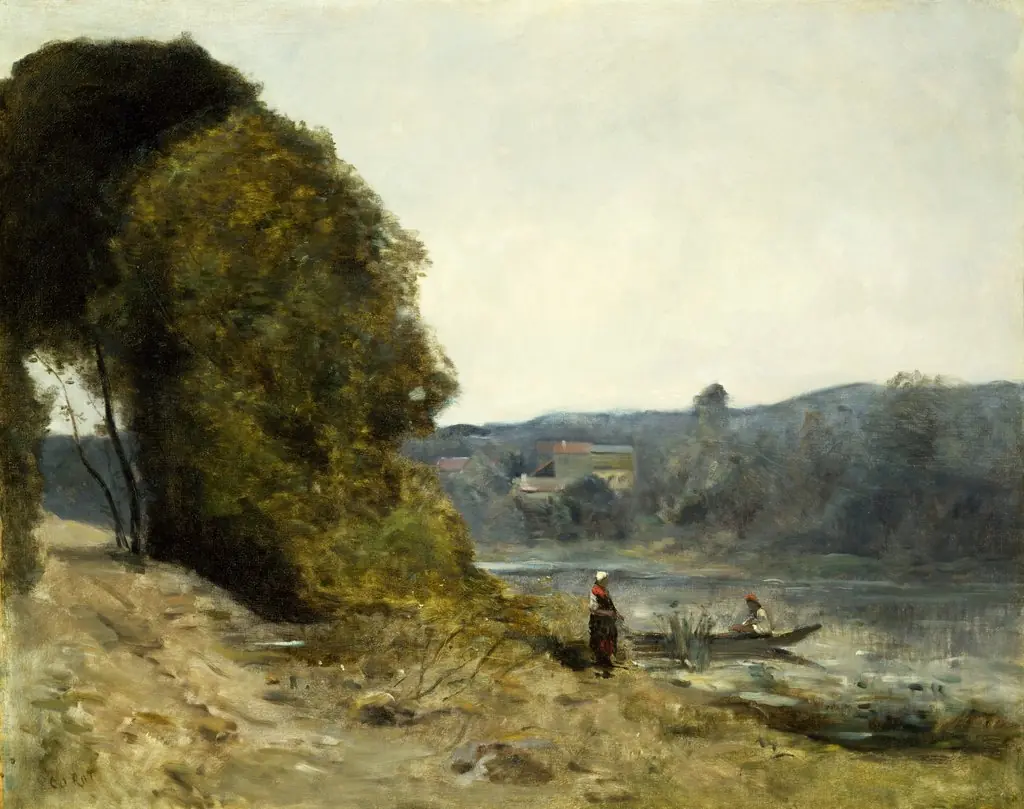
The painting portrays a group of women washing and drying clothes by a river, surrounded by natural elements. Their everyday task is depicted in a peaceful, serene atmosphere, emphasizing the mundane as a subject of artistic interest.
Technique & Style
Boldini's characteristic flowing style is evident through soft color palette choices and gentle brushstrokes, contributing to the overall calm ambiance of the scene. Figures are rendered in relaxed poses, with attention to their daily activities.
History & Provenance
Created in 1874, Washerwomen reflects Boldini's work during his time in Paris, aligning with Impressionist themes of capturing modern life and natural light. Specific provenance details are not provided.
Context
Within the Impressionist context, Washerwomen fits the movement's emphasis on everyday life and outdoor settings. It contrasts with more urban Impressionist themes, focusing instead on a rural, working-class scene.
Legacy
As part of Boldini's oeuvre, Washerwomen contributes to the broader Impressionist legacy, though its specific impact or notable exhibitions are not detailed in the provided information.
Artist & collection

Artist
Giovanni Boldini (31 December 1842 – 11 January 1931) was an Italian genre and portrait painter who lived and worked in Paris for most of his career.

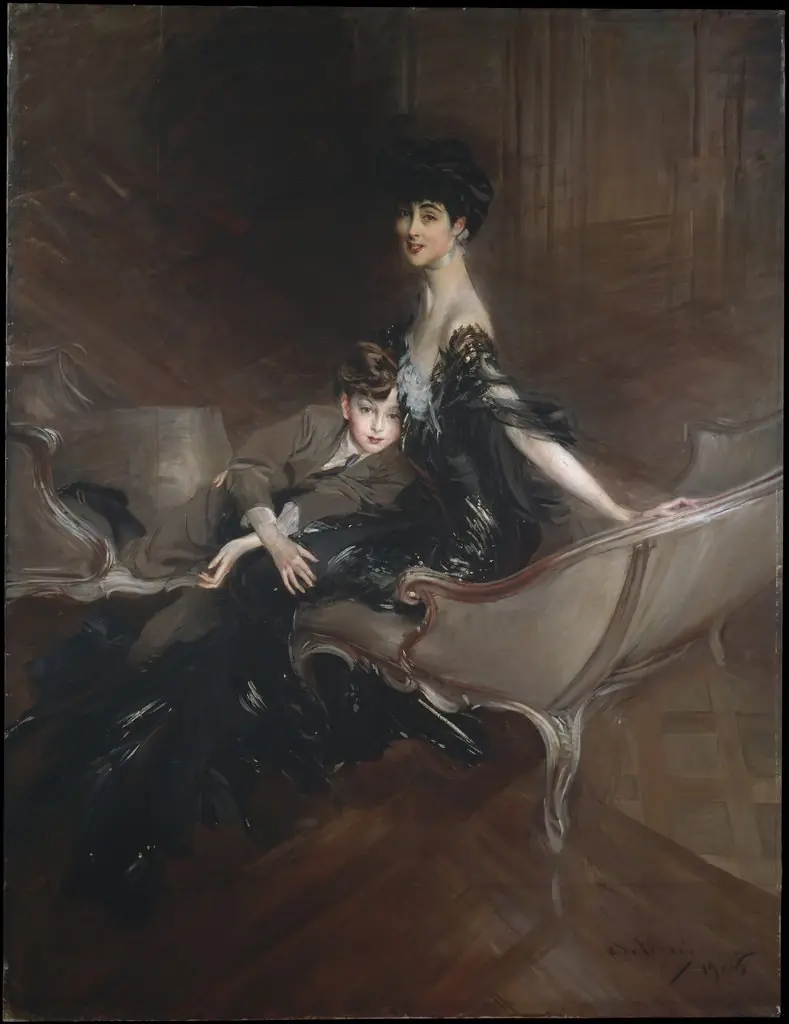 Consuelo Vanderbilt (1876–1964), Duchess of Marlborough, and Her Son, Lord Ivor Spencer-Churchill (1898–1956)
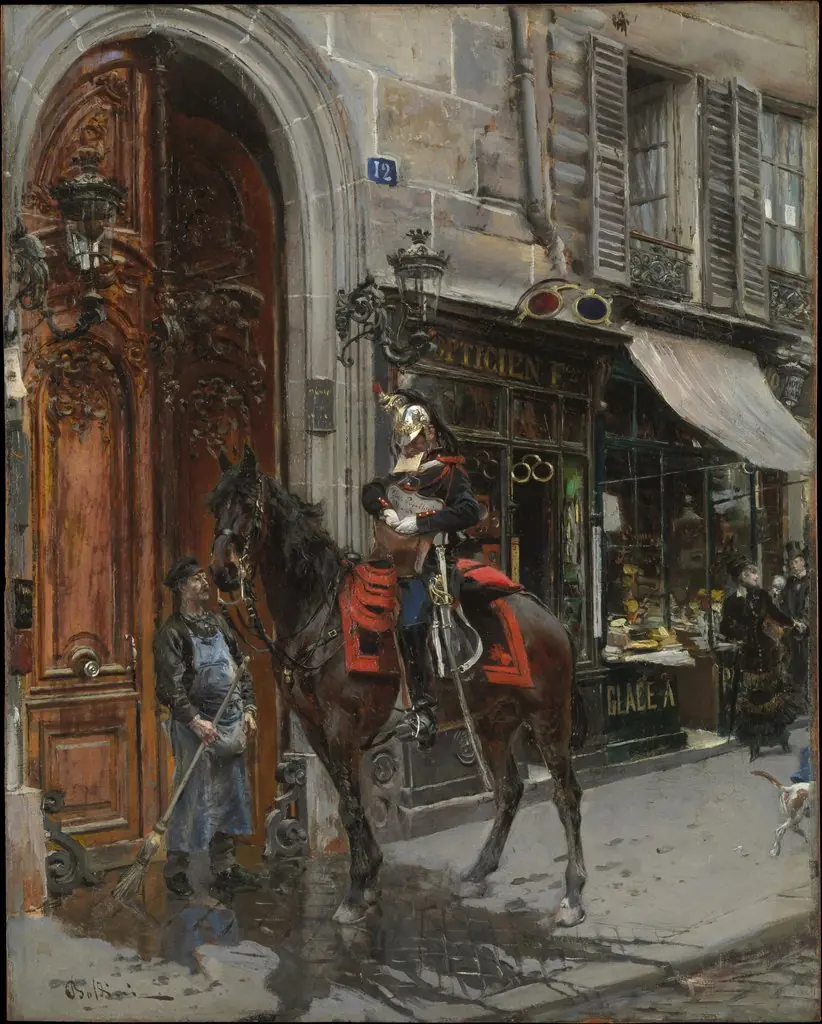 The Dispatch-Bearer
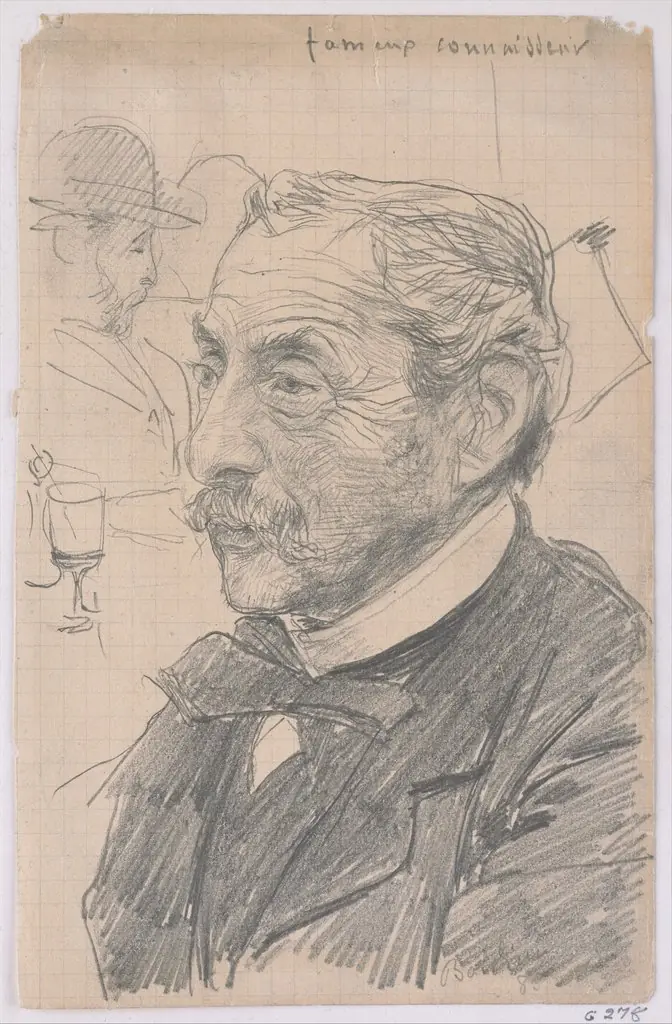 Famous Connoisseur (Fameux Connaisseur)
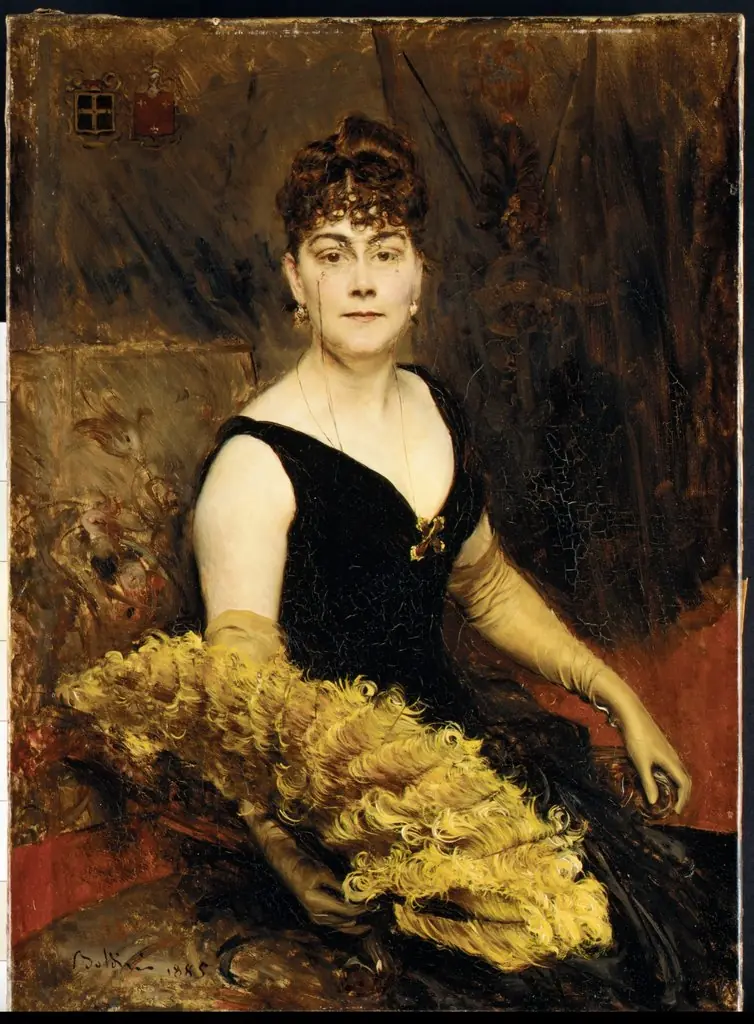 Mrs. Charles Warren-Cram (Ella Brooks Carter, 1846–1896)
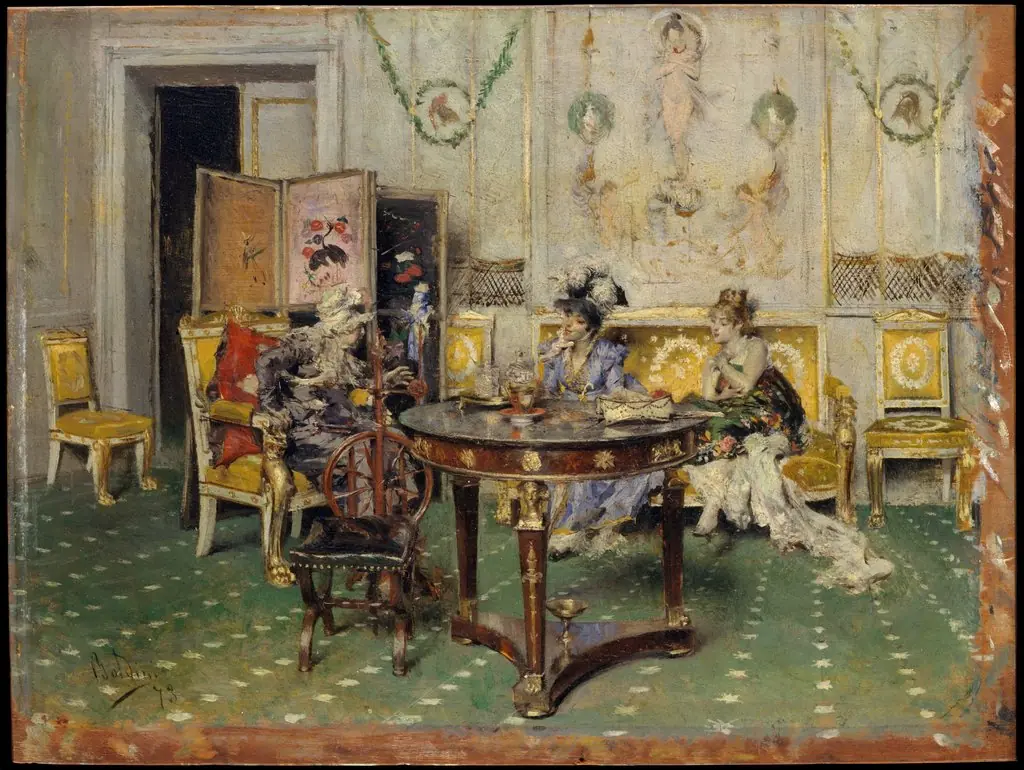 Gossip
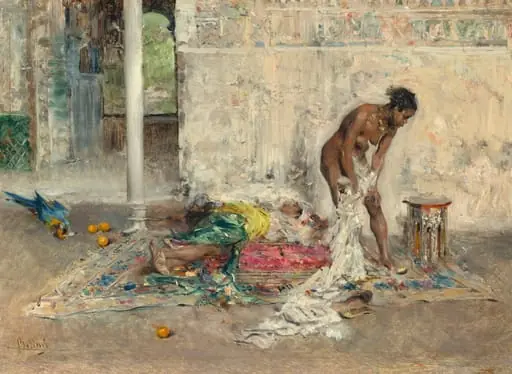 After the Bath
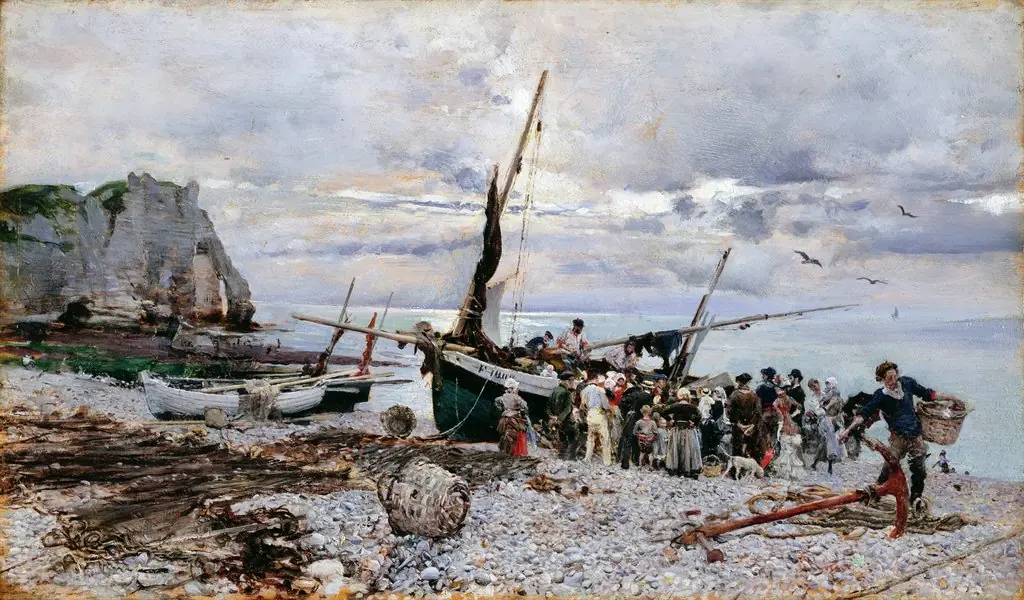 The Return of the Fishing Boats, Étretat
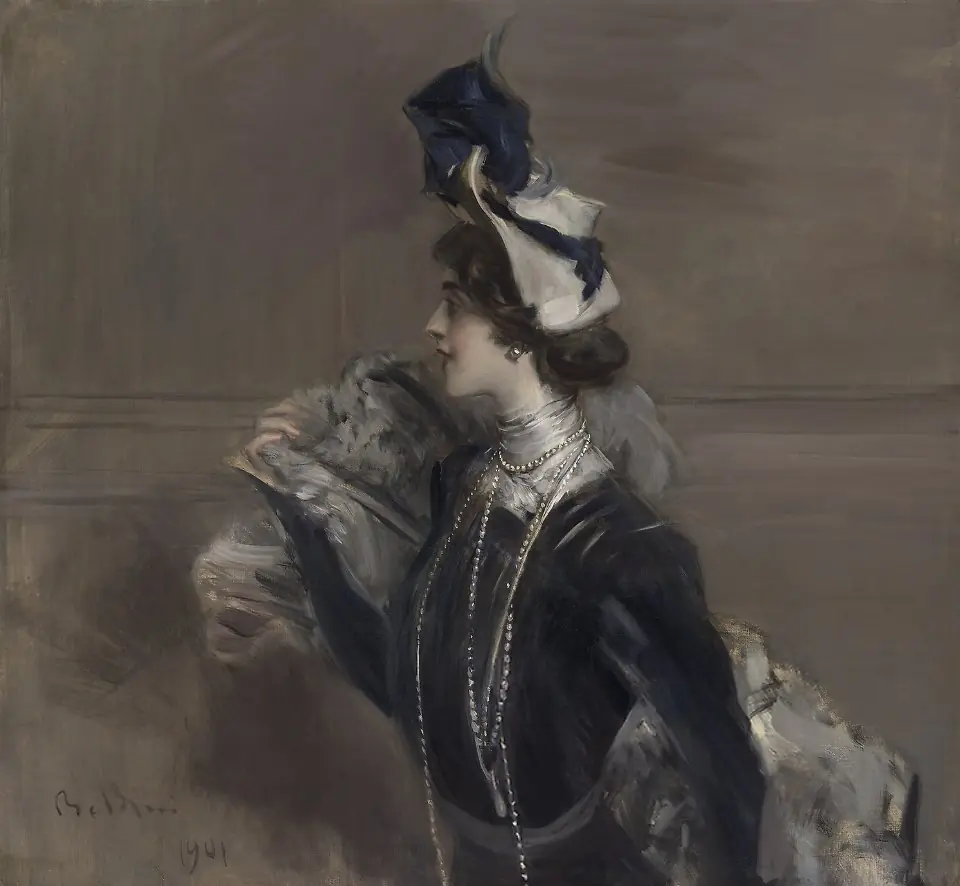 Portrait of Mme. Lina Cavalieri