Artwork
Portrait of a Patrician from Nuremberg
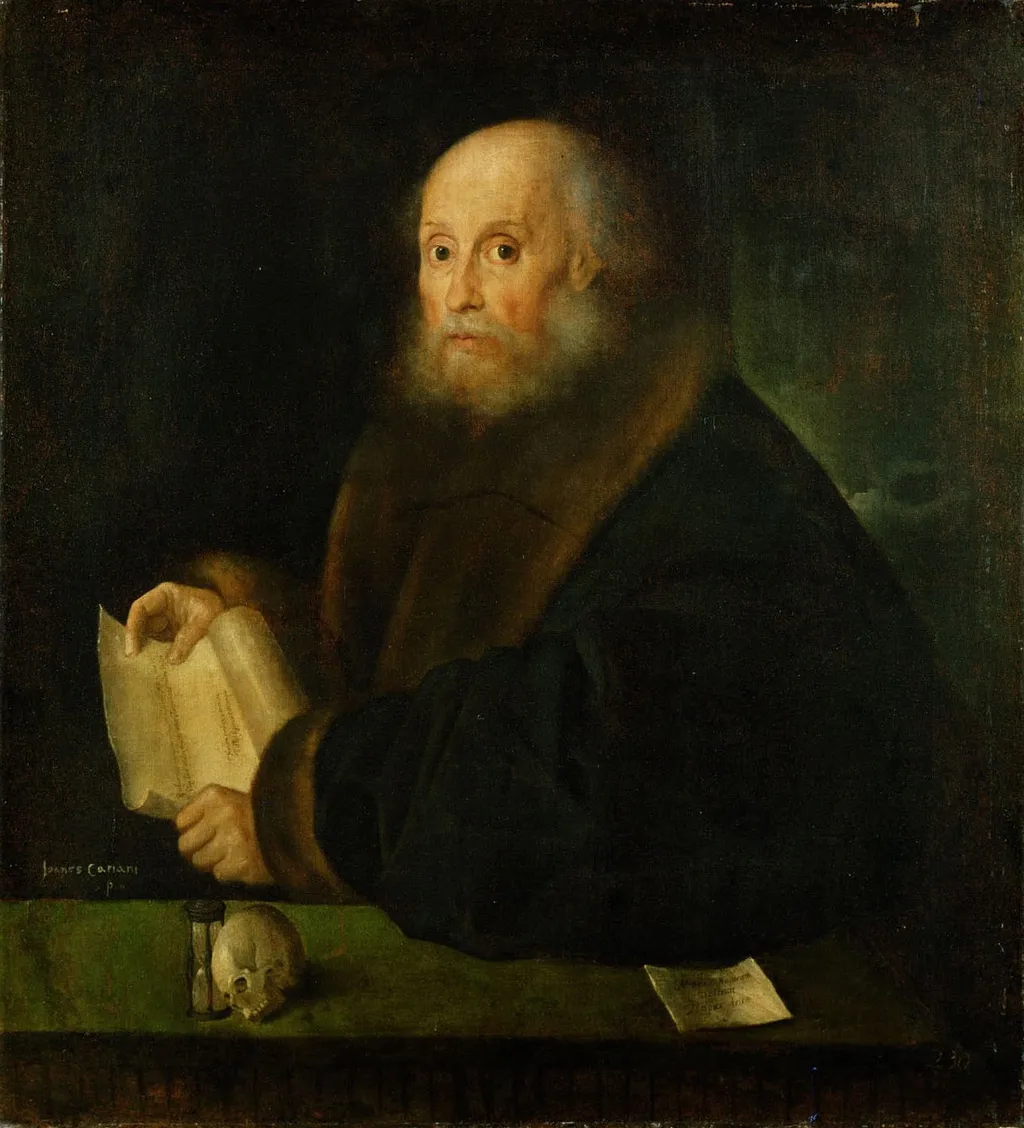
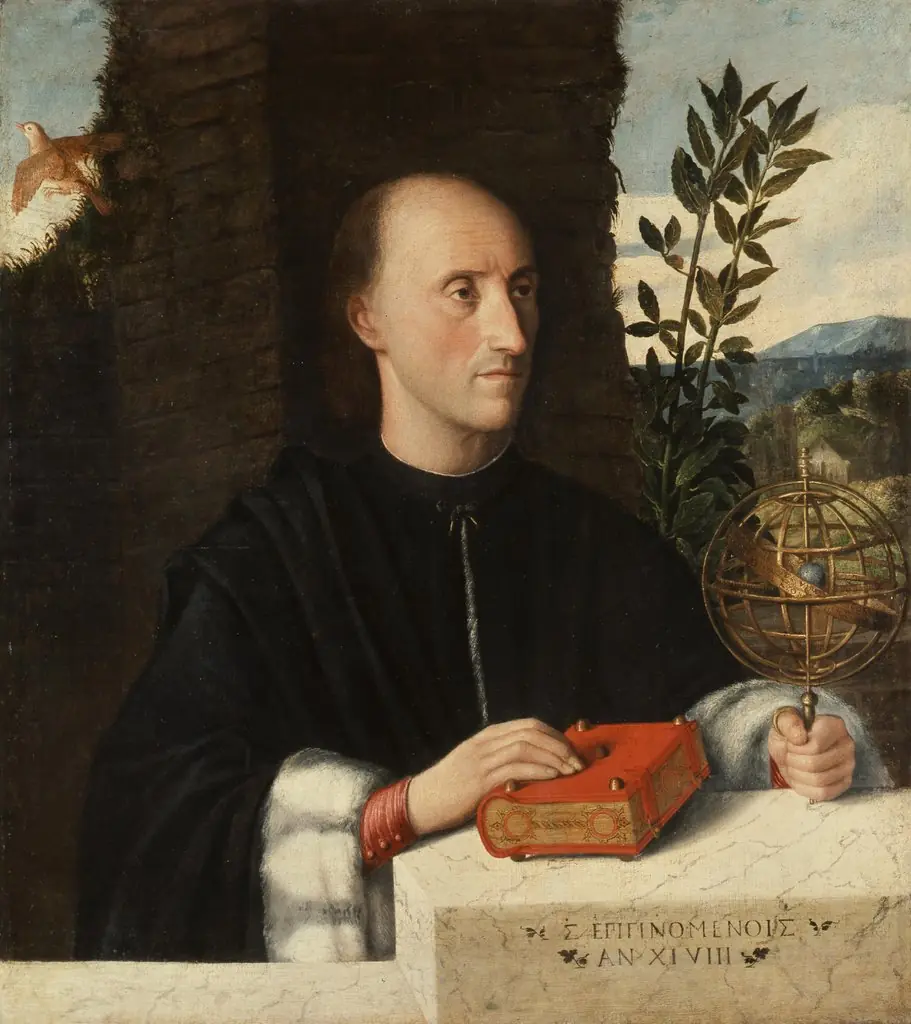
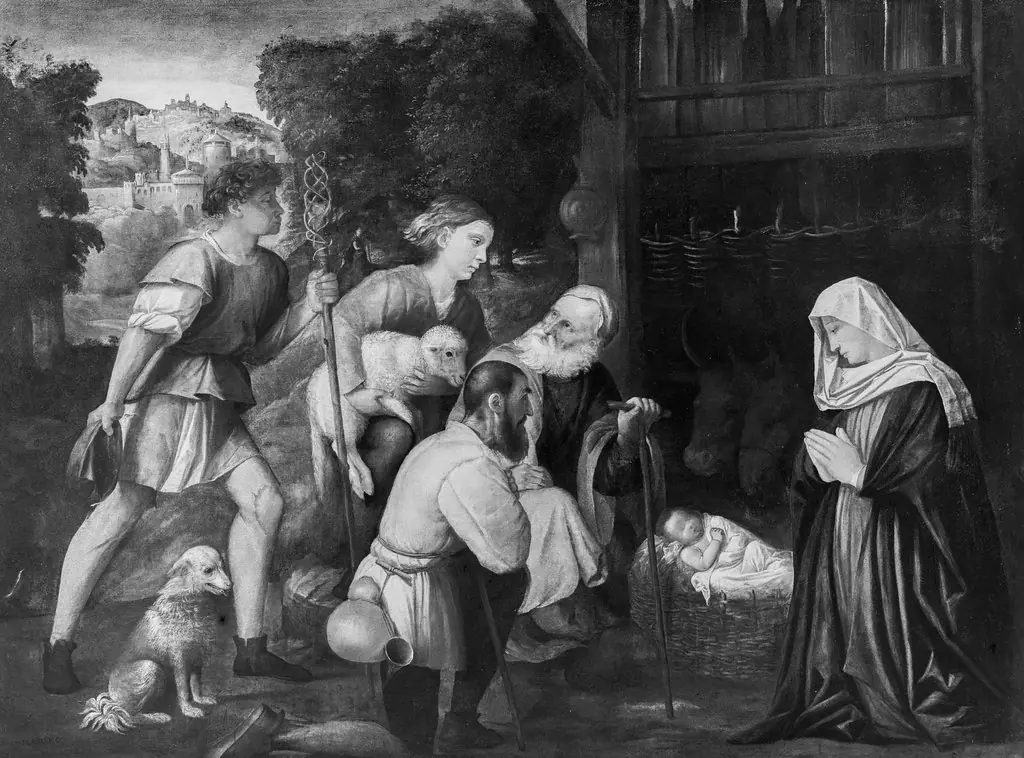
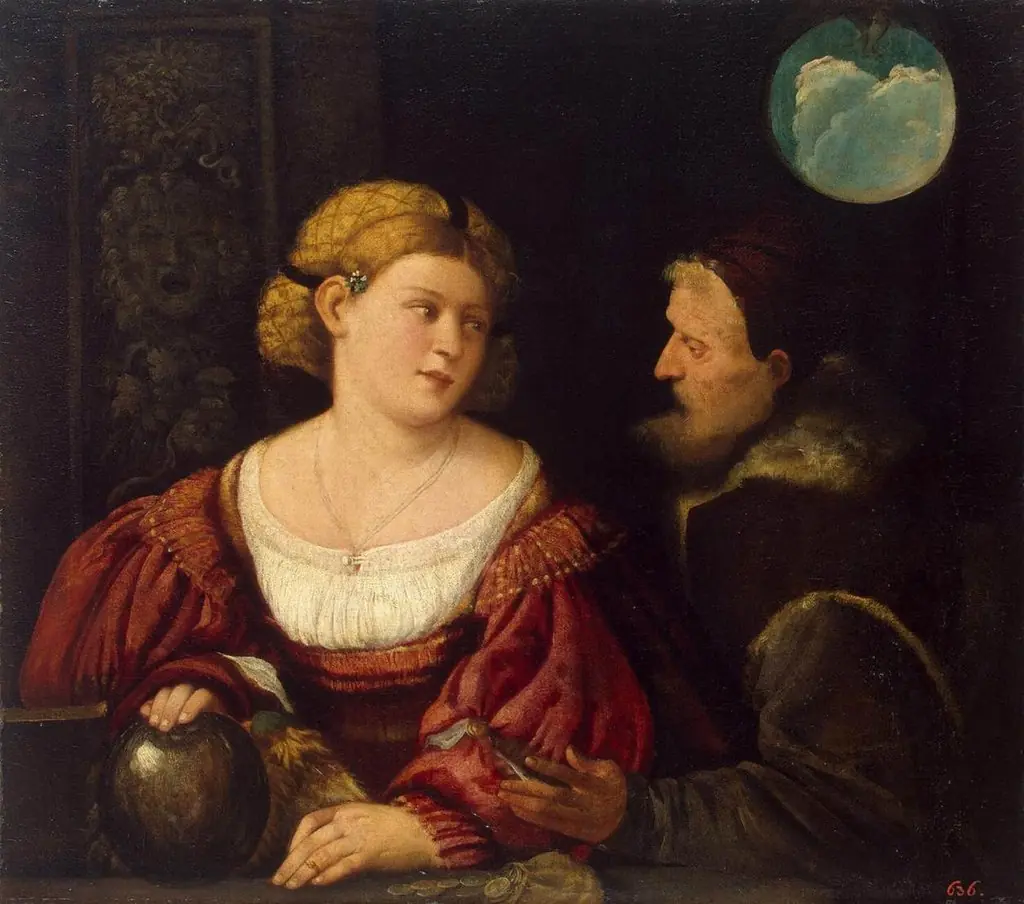
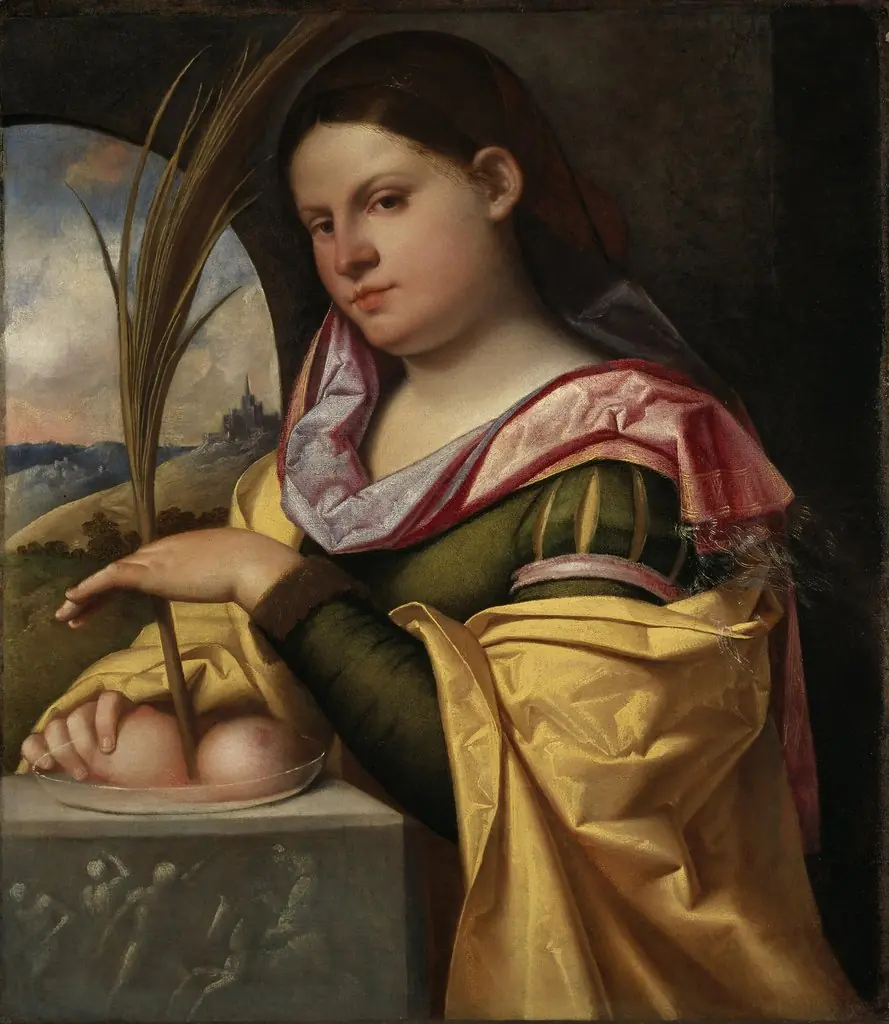
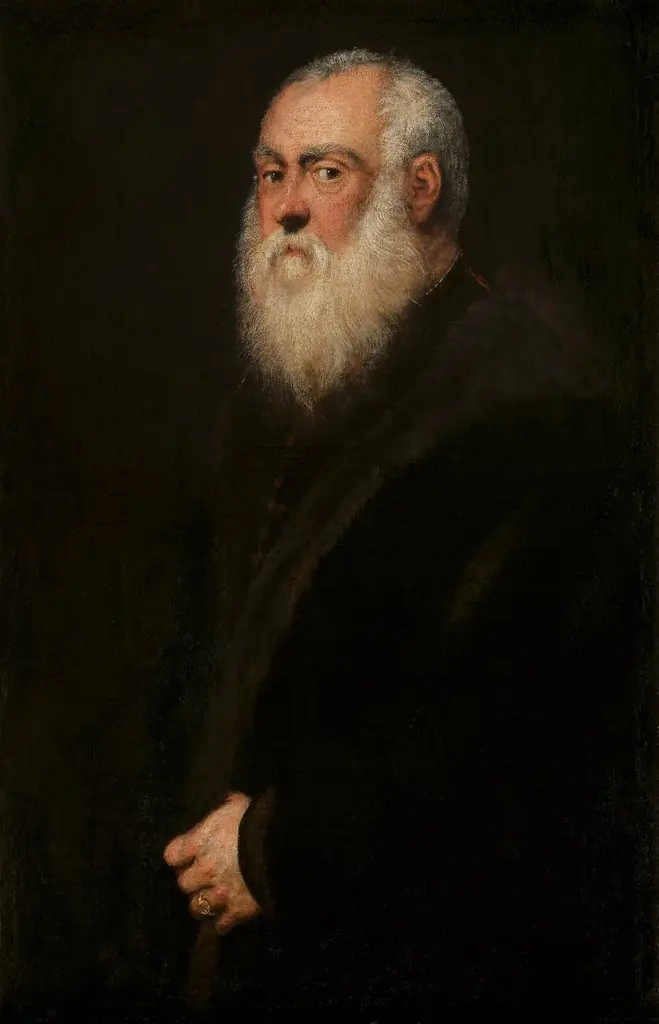
Portrait of a Patrician from Nuremberg is an unspecified painting by the Mannerist artist Giovanni Cariani. It dates from 1536 and is held in the collection of the Kunsthistorisches Museum.
About this work
Overview
Though Cariani was Venetian, the subject’s German origins reflect the cultural exchanges between northern and Italian Renaissance centers.
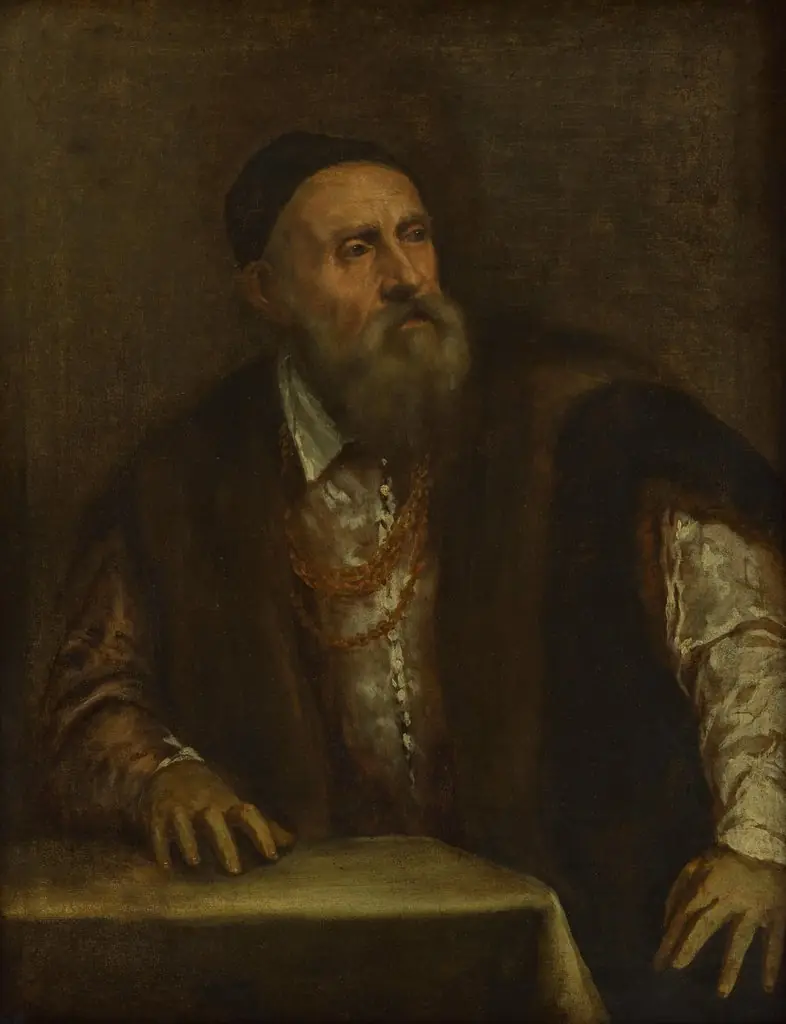
Painted in 1536 by Giovanni Cariani, this oil on canvas portrait captures a member of Nuremberg’s urban elite. Though Cariani was Venetian, the subject’s German origins reflect the cultural exchanges between northern and Italian Renaissance centers. The painting is part of the Kunsthistorisches Museum’s collection, where it stands as an example of how Venetian technique was applied to northern European portraiture during the mid-16th century.
Subject & Meaning
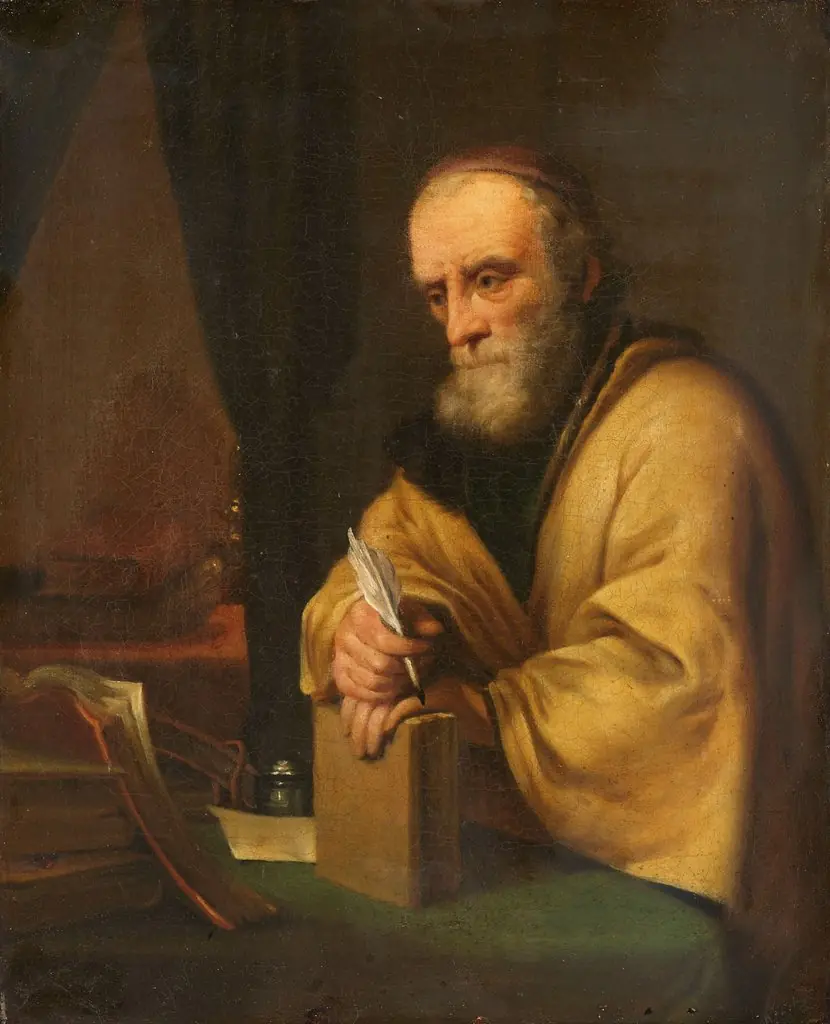
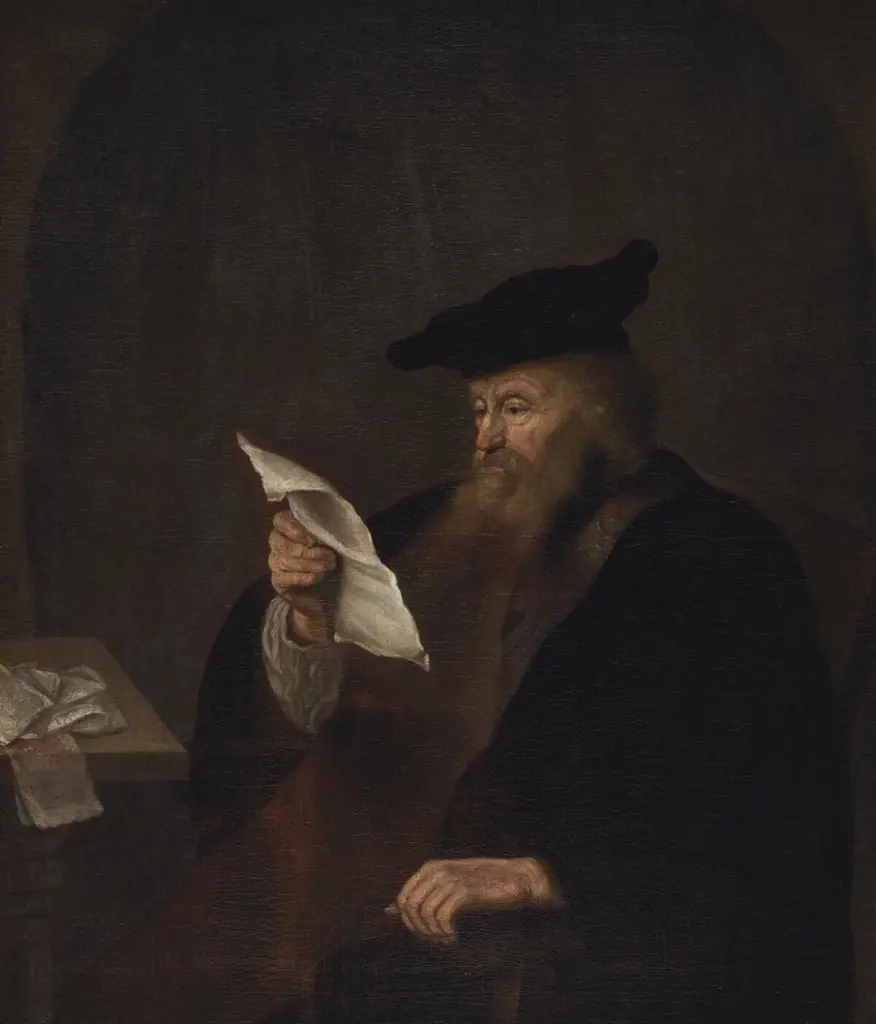
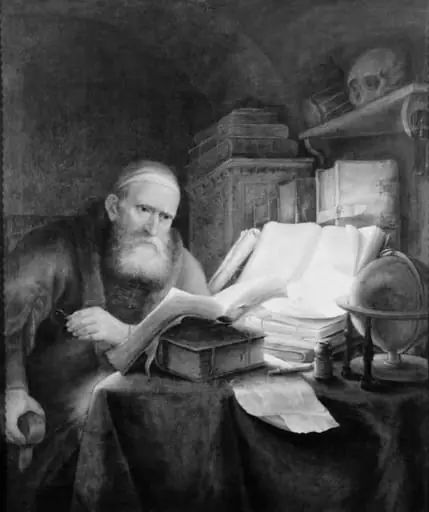
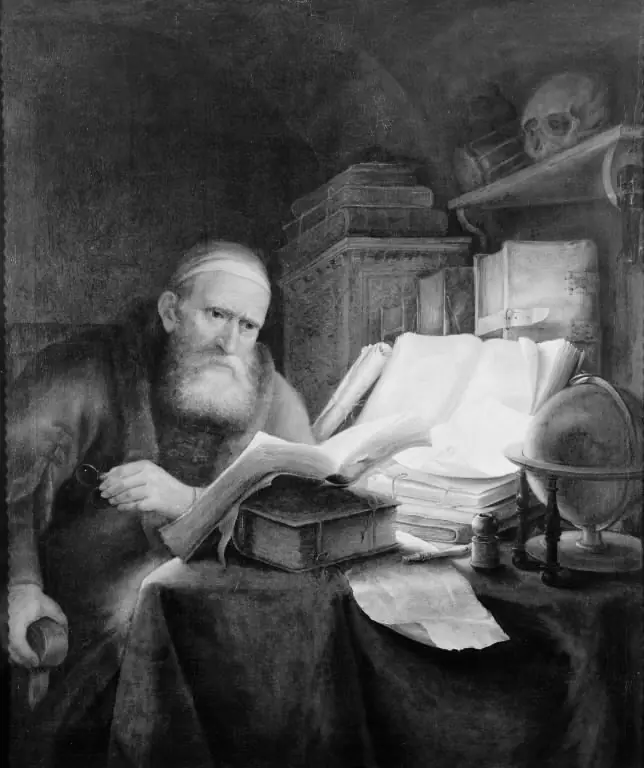
The sitter, a balding man with a beard, is depicted in modest dark attire, seated at a plain table. Beside him lies a skull and a glass vessel, paired with an open book and a folded document. These objects suggest contemplation of mortality and intellectual pursuit, common themes in humanist portraiture. The absence of overt symbols of power or wealth shifts focus to inner reflection, aligning the portrait with moralizing traditions of the time.
Technique & Style
Cariani employs chiaroscuro to model the sitter’s face with sharp contrast against a dark, undefined background. The lighting isolates the figure, drawing attention to his expression and the texture of skin and fabric. Brushwork is restrained, favoring clarity over ornamentation. The composition’s simplicity and psychological depth reflect Mannerist tendencies, where emotional nuance supersedes idealized form.
History & Provenance
The painting entered the Kunsthistorisches Museum’s collection in the 19th century, likely through Habsburg acquisitions of northern European art. Its documented attribution to Cariani dates to the 1930s, based on stylistic comparisons with his other works. While the sitter’s identity remains unconfirmed, the inclusion of Nuremberg in the title suggests the subject’s civic prominence in that imperial city.
Context
In the 1530s, Nuremberg was a hub of humanist learning and Protestant reform, where portraits often conveyed intellectual and moral seriousness. Cariani, trained in Venice, adapted his coloristic approach to suit northern tastes for restraint and introspection. This work bridges Venetian pigment mastery with German portraiture’s emphasis on individual character, illustrating the transregional flow of artistic ideas during the Reformation era.
Legacy
The portrait exemplifies how Italian painters responded to northern European demands for psychologically grounded imagery. While Cariani’s output is less known than Titian’s, this work influenced later artists seeking to merge Venetian technique with northern thematic concerns. Its quiet intensity continues to inform studies of cross-cultural portraiture in the 16th-century Holy Roman Empire.
Artist & collection
Artist
Giovanni Cariani (c. 1490–1547), also known as Giovanni Busi or Il Cariani, was an Italian painter of the high-Renaissance, active in Venice and the Venetian mainland, including Bergamo, thought to be his native city.