Artwork
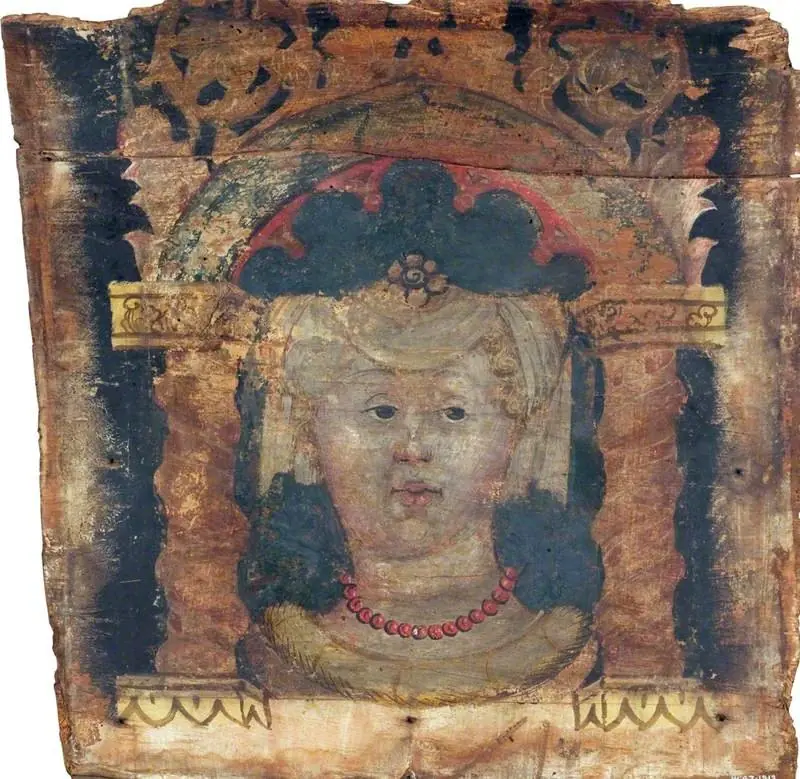
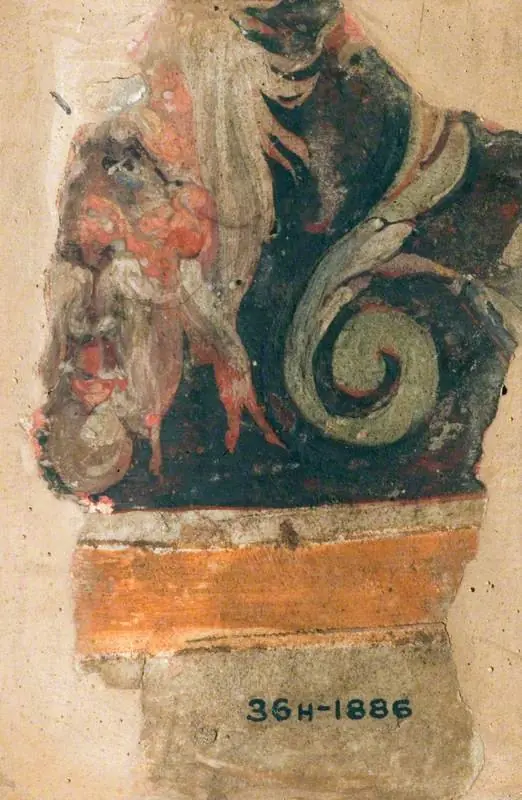
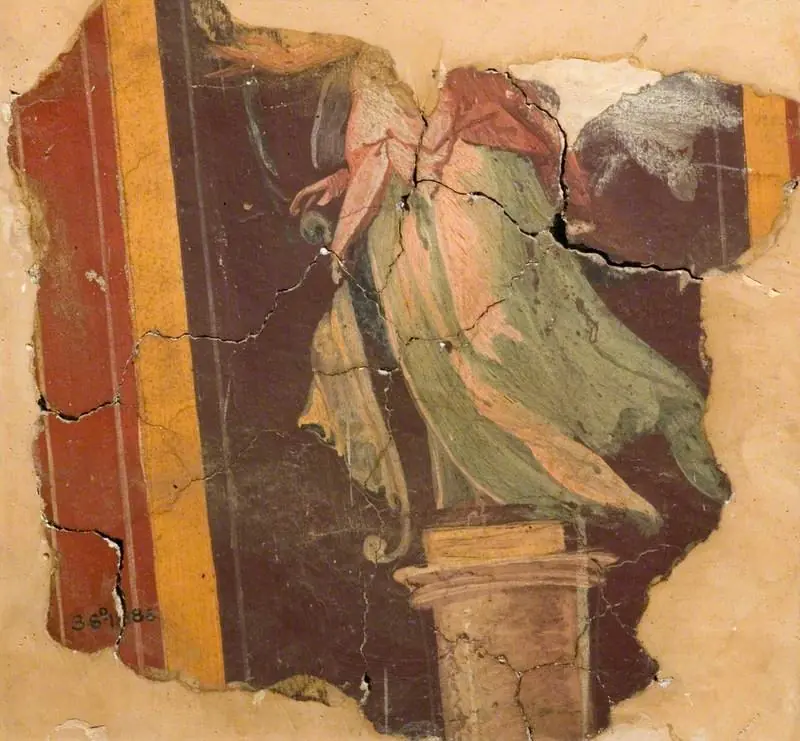
Upper Half of a Decorative Figure, with the Remnant of a Rectangular Frame (fragment of a wall decoration)
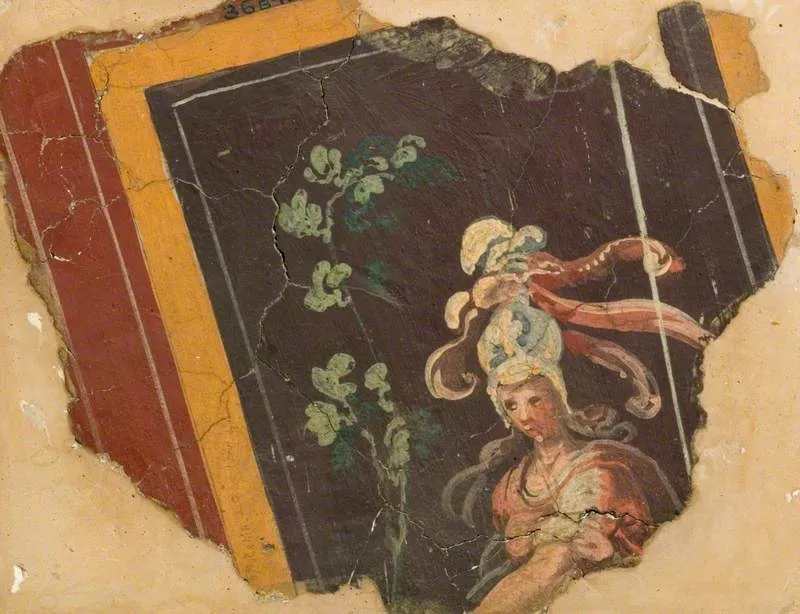
Upper Half of a Decorative Figure, with the Remnant of a Rectangular Frame (fragment of a wall decoration) is an unspecified painting by the Mannerist artist Giovanni da Udine. It dates from 1535 and is held in the collection of the Victoria and Albert Museum.
About this work
Overview
The surviving portion includes a female figure and the edge of a rectangular border, suggesting its function as part of an architectural fresco cycle.
This fragmentary wall painting dates to around 1535 and is attributed to Giovanni da Udine, an Italian artist known for his ornamental work. It originally formed part of a larger decorative scheme, likely within a domestic or ecclesiastical interior. The surviving portion includes a female figure and the edge of a rectangular border, suggesting its function as part of an architectural fresco cycle. The piece is now held in the Victoria and Albert Museum, where it represents Renaissance-era decorative practices.
Subject & Meaning
The figure depicts a woman with flowing hair and a headpiece, dressed in a red robe and a white, voluminous sleeve. Her neutral expression and turned posture suggest a symbolic or allegorical role rather than a portrait. The inclusion of greenery and a gilded border implies a connection to nature or mythological themes common in Mannerist decoration. The figure may represent an idealized virtue, a muse, or a personification of an element, consistent with the era’s preference for layered, enigmatic imagery.
Technique & Style
Executed in tempera or oil on plaster, the fragment reveals fine brushwork and attention to textile detail, particularly in the rendering of the sleeve’s volume and the sheen of the red fabric. The dark background enhances the figure’s luminosity, while the yellow border functions as a framing device. Visible brushstrokes indicate a hand-painted, artisanal approach, typical of decorative frescoes that prioritized ornamental harmony over naturalistic depth.
History & Provenance
The fragment was likely removed from a wall in Italy during the 16th or 17th century, possibly during renovations or the dismantling of a decorated room. It entered the Victoria and Albert Museum’s collection in the 19th century, among other decorative arts salvaged from Italian interiors. Its survival as a fragment reflects the common practice of reusing or repurposing wall decorations, rather than preserving them intact.
Context
Giovanni da Udine was a key figure in the Roman decorative tradition, influenced by Raphael and active in the Vatican’s Loggie. His work exemplifies the Mannerist shift toward intricate, stylized ornamentation over High Renaissance balance. This fragment aligns with contemporaneous wall schemes that blended classical motifs with elaborate borders and allegorical figures, serving both aesthetic and intellectual purposes in elite Renaissance interiors.
Legacy
Though incomplete, the fragment preserves evidence of the collaborative, workshop-based methods used in Renaissance decorative painting. It contributes to scholarly understanding of how ornamental cycles were constructed and how individual figures functioned within broader architectural programs. As a surviving piece of a once-extensive design, it underscores the transitory nature of wall decoration and the importance of archival records in reconstructing lost compositions.
Artist & collection

Artist
Giovanni Nanni, also Giovanni de' Ricamatori, better known as Giovanni da Udine (1487–1564), was an Italian painter and architect born in Udine. A painter also named Giovanni da Udine was exiled from his native city in 1472.

 Decorative Pattern (fragment of a wall decoration)
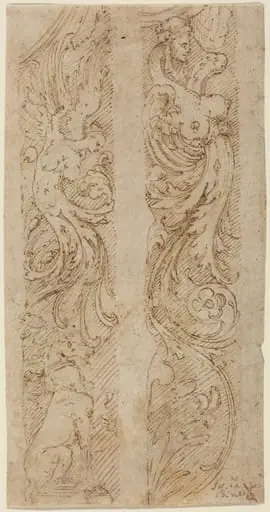 Grotesque Decorations for Wall Panels
 Mystical marriage of St. Catherine
 A Figure in the Attitude of Punting (fragment of a wall decoration)
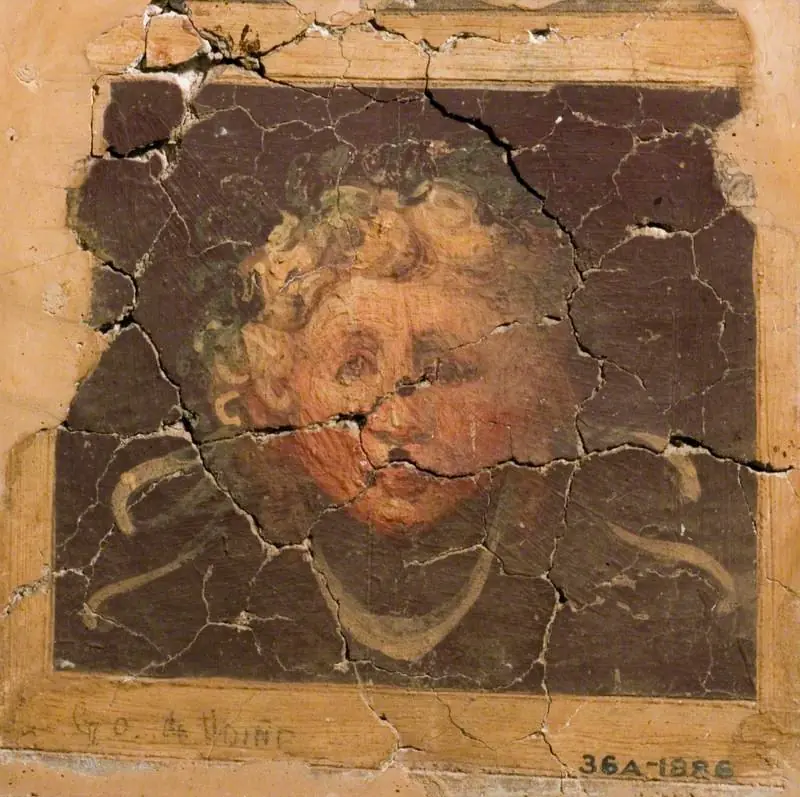 Female Head Framed by a Pattern of Ribbons (fragment of a wall decoration)
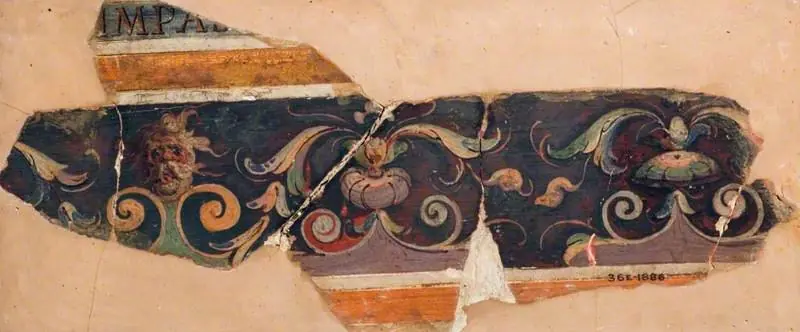 Part of a Decorative Frieze (fragment of a wall decoration)
 Lower Half of a Decorative Figure (fragment of a wall decoration)