Artwork
Virgin Annunciate
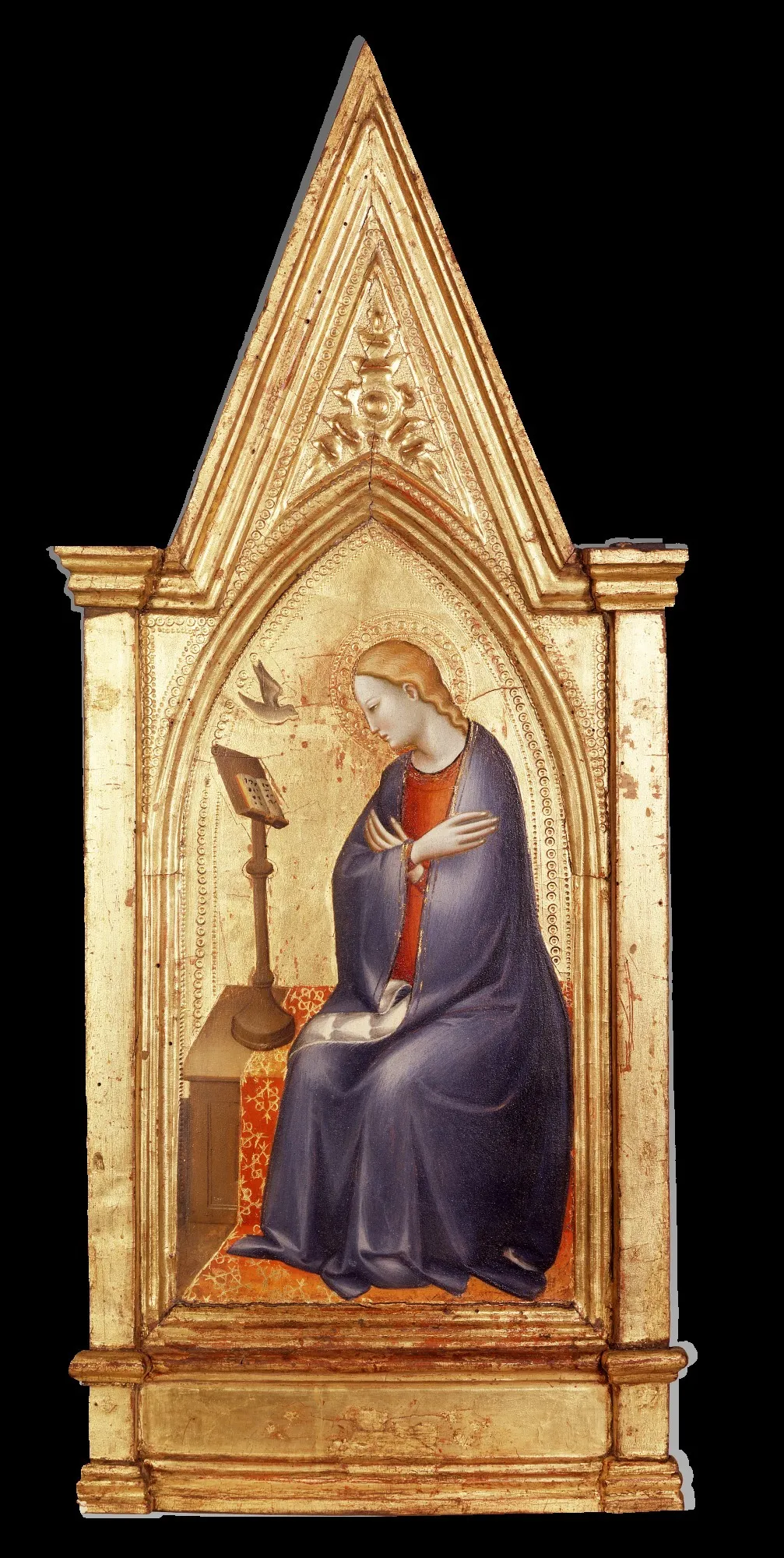
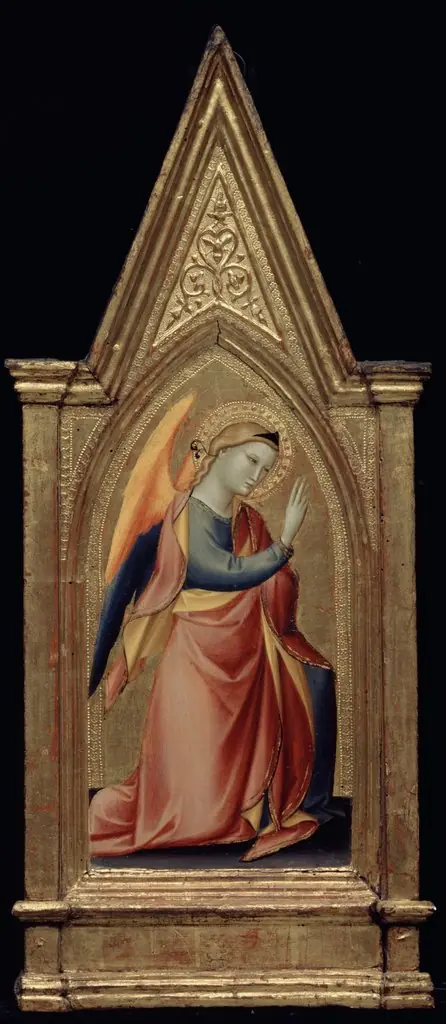
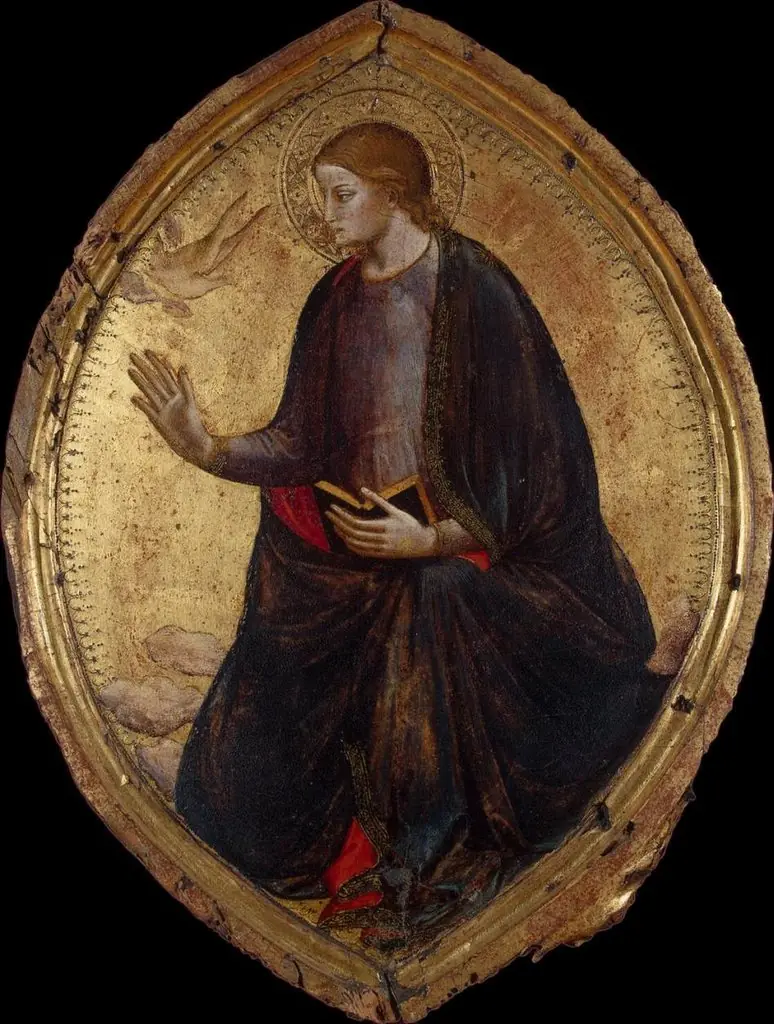
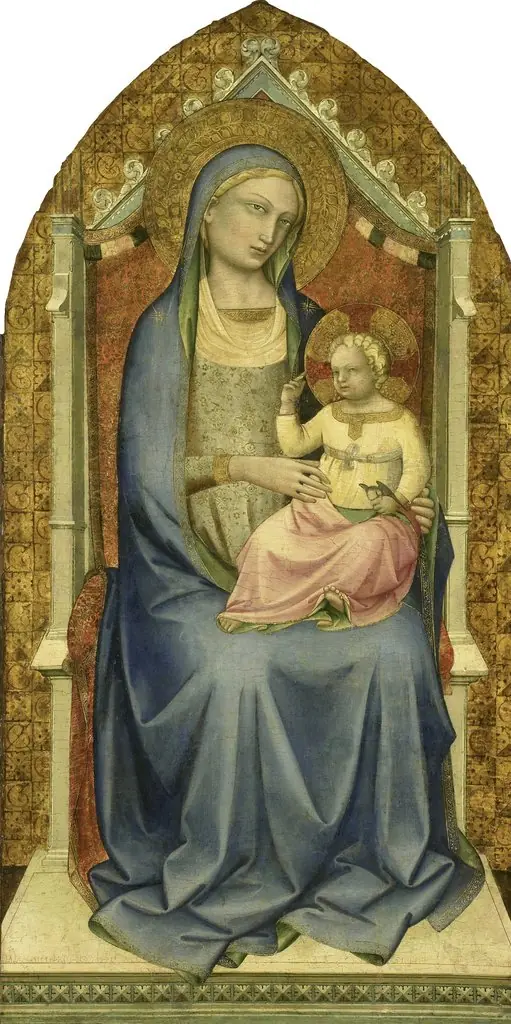
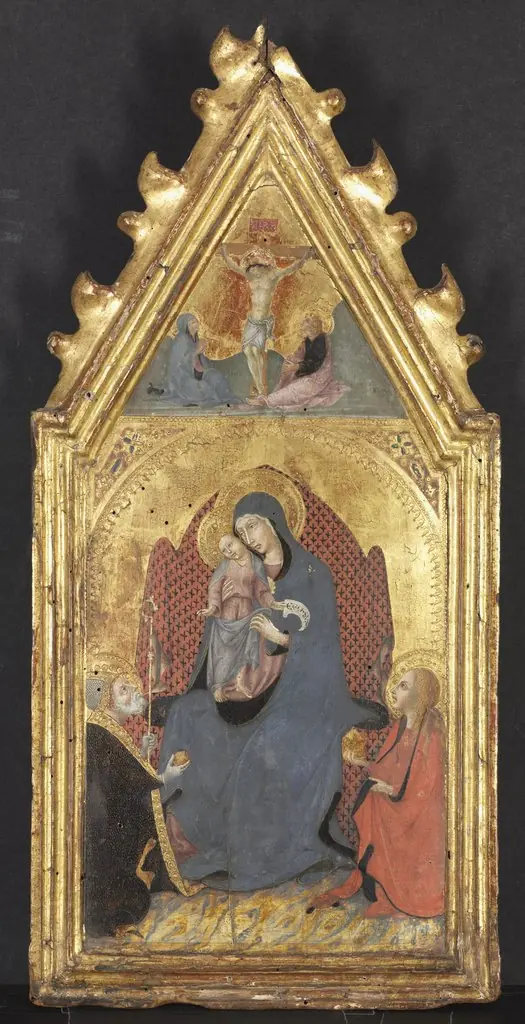
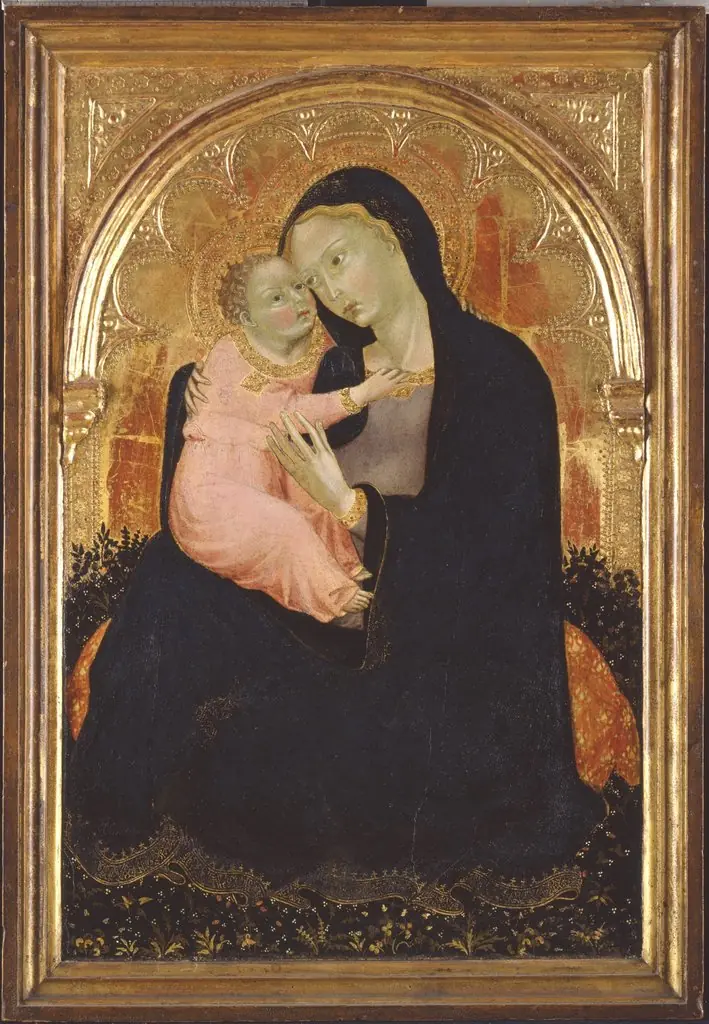
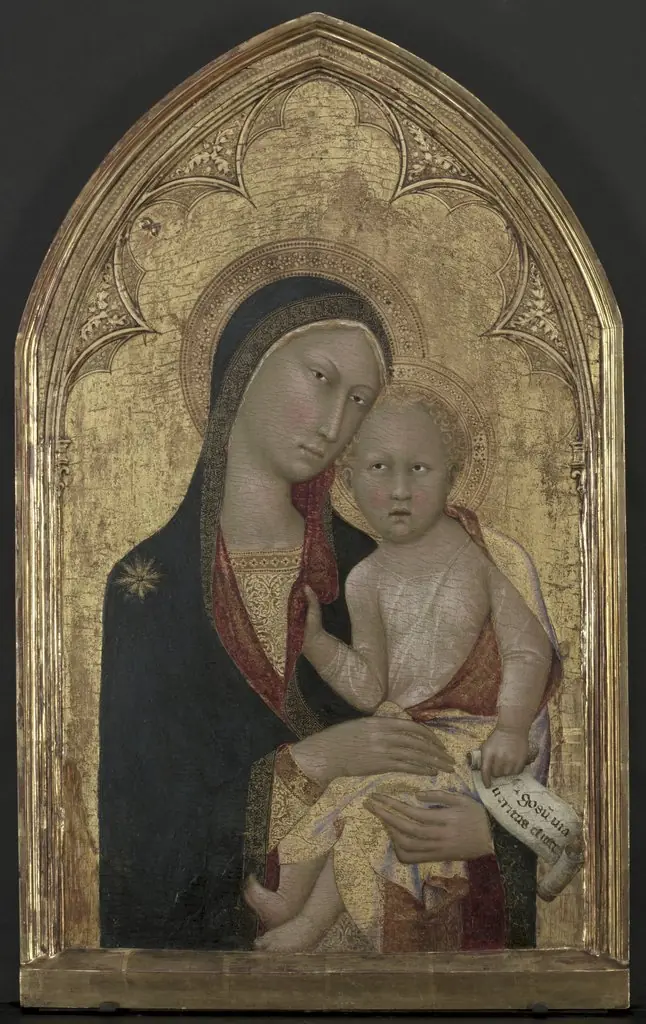
Virgin Annunciate is a tempera painting by the Byzantine icon painting artist Giovanni del Biondo. It dates from 1356 and is held in the collection of the Detroit Institute of Arts.
About this work
Overview
Active in Tuscany during the second half of the 14th century, del Biondo was known for devotional panels rooted in the Italo-Byzantine tradition.
Painted in 1356 by Giovanni del Biondo, this tempera-on-panel work portrays the Virgin Mary at the moment of the Annunciation. Active in Tuscany during the second half of the 14th century, del Biondo was known for devotional panels rooted in the Italo-Byzantine tradition. The painting resides in the collection of the Detroit Institute of Arts, where it stands as one of the few surviving examples of his early work.
Subject & Meaning
The Virgin is depicted in a moment of quiet reception, her hands folded as she gazes downward at an open book, symbolizing her contemplation of divine scripture. Above her, a dove represents the Holy Spirit descending to announce the Incarnation. The scene omits the angel Gabriel, focusing instead on Mary’s inner response, emphasizing humility and spiritual readiness rather than dramatic narrative.
Technique & Style
Executed in tempera on wood panel, the painting employs flat planes of color and delicate linework characteristic of late Byzantine-derived Italian art. The Virgin’s blue mantle and crimson undergarment contrast sharply against a pale, arched background, enhancing her stillness. The folds of fabric are rendered with precision, and the dove is rendered with minimal detail, reinforcing the work’s devotional restraint.
History & Provenance
Created in the mid-1350s, the painting entered the Detroit Institute of Arts’ collection in the 20th century. Its early history is undocumented, but its style aligns with workshop practices in Florence and Siena during del Biondo’s active years. No records of prior ownership or commission survive, though its size and subject suggest it was intended for private devotion.
Context
In mid-14th-century Italy, panel paintings of the Annunciation were common in both public altarpieces and private chapels. Del Biondo’s version reflects a shift toward introspective piety, moving away from narrative spectacle. While still bound to Byzantine conventions of form and hierarchy, the work hints at emerging naturalism in the Virgin’s gentle posture and subdued expression.
Legacy
Though not widely known outside scholarly circles, del Biondo’s *Virgin Annunciate* exemplifies the transition in Italian religious art between rigid medieval iconography and the more humanized forms of the early Renaissance. Its quiet intensity and technical discipline make it a representative example of Tuscan panel painting in the decades before Giotto’s influence fully matured.
Artist & collection
Artist
Giovanni del Biondo was a 14th-century Italian painter of the Gothic and early-Renaissance period.