Artwork
Christ on the Way to Calvary
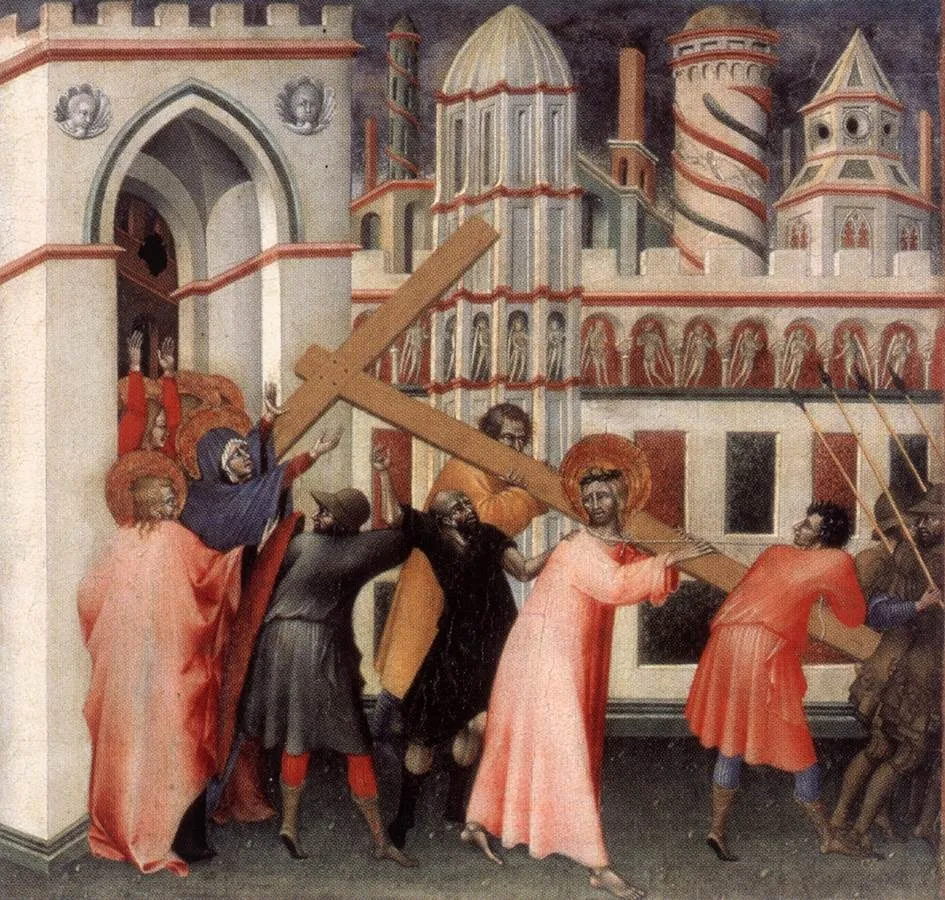
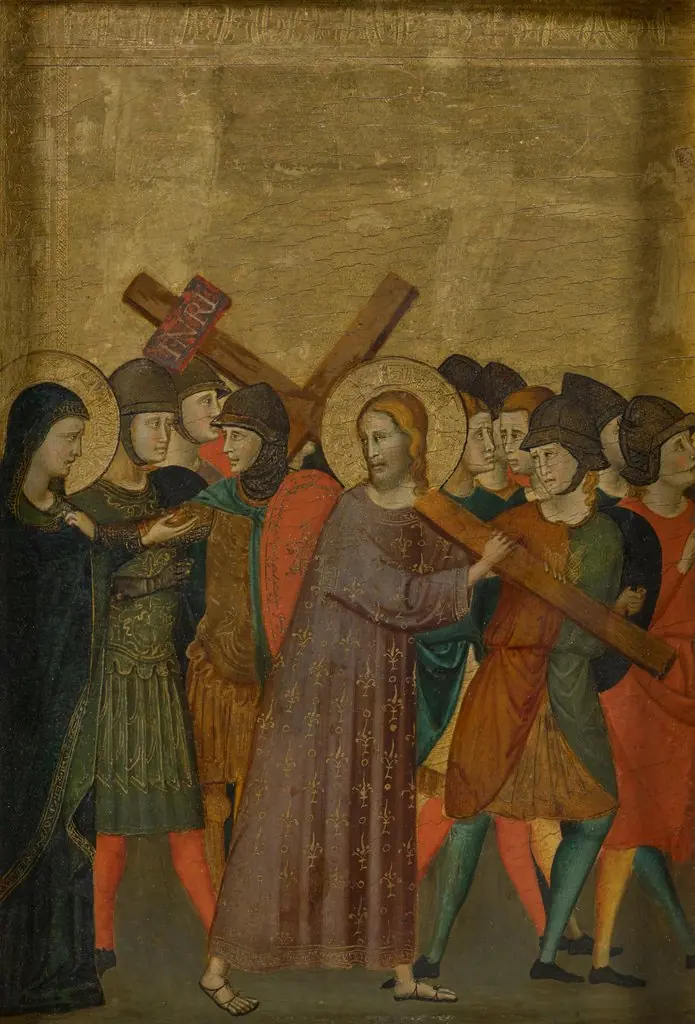
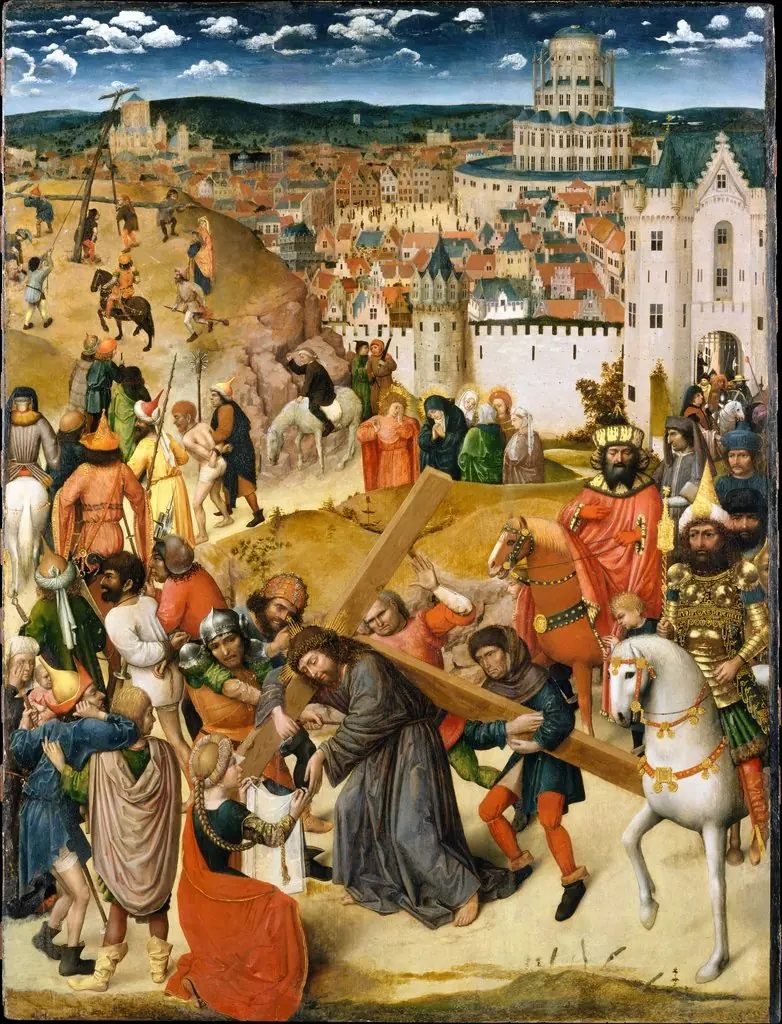
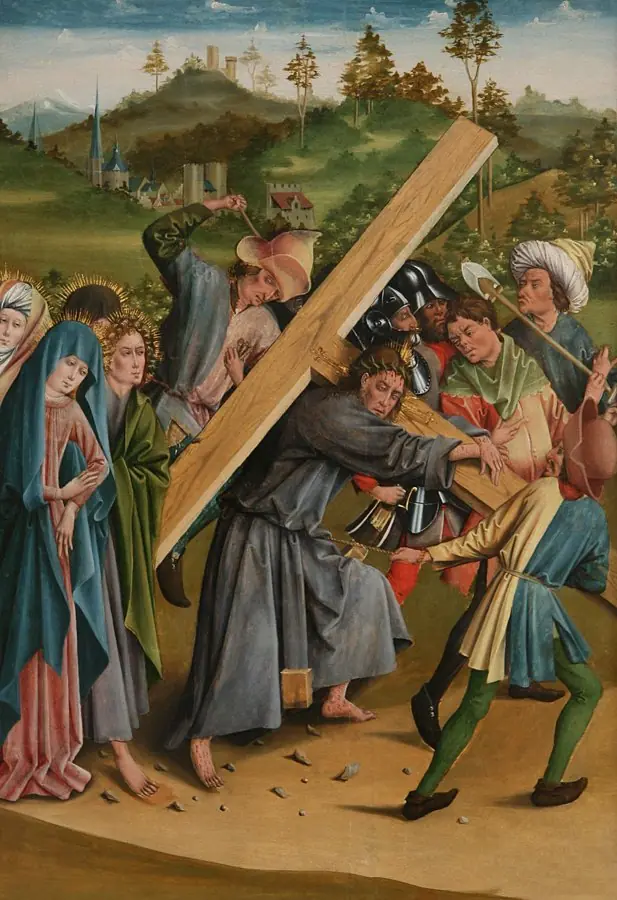
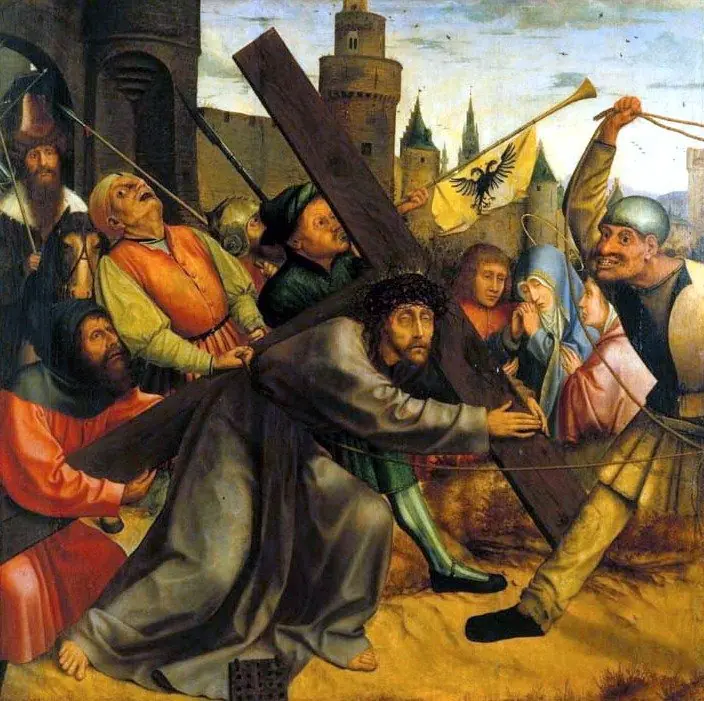
Christ on the Way to Calvary is a tempera painting by the Early Renaissance artist Giovanni di Paolo. It dates from 1430 and is held in the collection of the Philadelphia Museum of Art.
About this work
Overview
Rendered in a restrained palette of earth tones, the scene unfolds with quiet intensity, emphasizing spiritual gravity over dramatic spectacle.
Created around 1430 by Giovanni di Paolo, this tempera-on-panel painting portrays Christ bearing the cross on his journey to Calvary. The work is part of the collection at the Philadelphia Museum of Art. Rendered in a restrained palette of earth tones, the scene unfolds with quiet intensity, emphasizing spiritual gravity over dramatic spectacle. The medium of tempera lends a fine, luminous surface that enhances the delicate modeling of forms.
Subject & Meaning
The painting captures Christ at the moment of his physical and spiritual burden, surrounded by a crowd of onlookers—some sympathetic, others indifferent. Figures gesture toward him, reach out, or avert their gaze, reflecting varied human responses to suffering. The inclusion of a distant cityscape suggests the broader world witnessing the event, reinforcing the theological weight of the moment as both historical and universal.
Technique & Style
Giovanni di Paolo employed tempera, a fast-drying medium made from pigment and egg yolk, to achieve sharp contours and a matte, textured surface. The figures are elongated and stylized, with flowing drapery that suggests movement despite the rigid panel format. Background architecture is rendered with schematic precision, contrasting with the emotional immediacy of the central group, a hallmark of Sienese Gothic tradition.
History & Provenance
The painting was likely produced for private devotion in Siena, where Giovanni di Paolo was active. It entered the Philadelphia Museum of Art’s collection in the early 20th century, having passed through European private holdings. Its survival in good condition reflects its careful preservation, though its original context within a devotional altarpiece or sequence remains uncertain.
Context
In early 15th-century Tuscany, religious imagery served both liturgical and personal contemplative functions. Giovanni di Paolo’s style diverged from Florentine naturalism, favoring expressive line and symbolic space. This work aligns with Sienese traditions that prioritized spiritual atmosphere over anatomical accuracy, reflecting a worldview in which divine events transcended physical reality.
Legacy
Though less widely known than contemporaries like Giotto or Masaccio, Giovanni di Paolo’s devotional works influenced later Sienese painters through their emotional intensity and decorative detail. This painting exemplifies the enduring power of tempera in conveying sacred narrative, preserving a quiet, introspective vision of Christ’s passion that resonated within medieval piety.
Artist & collection

Artist
Giovanni di Paolo di Grazia was an Italian painter, working primarily in Siena, becoming a prolific painter and illustrator of manuscripts, including Dante's texts.

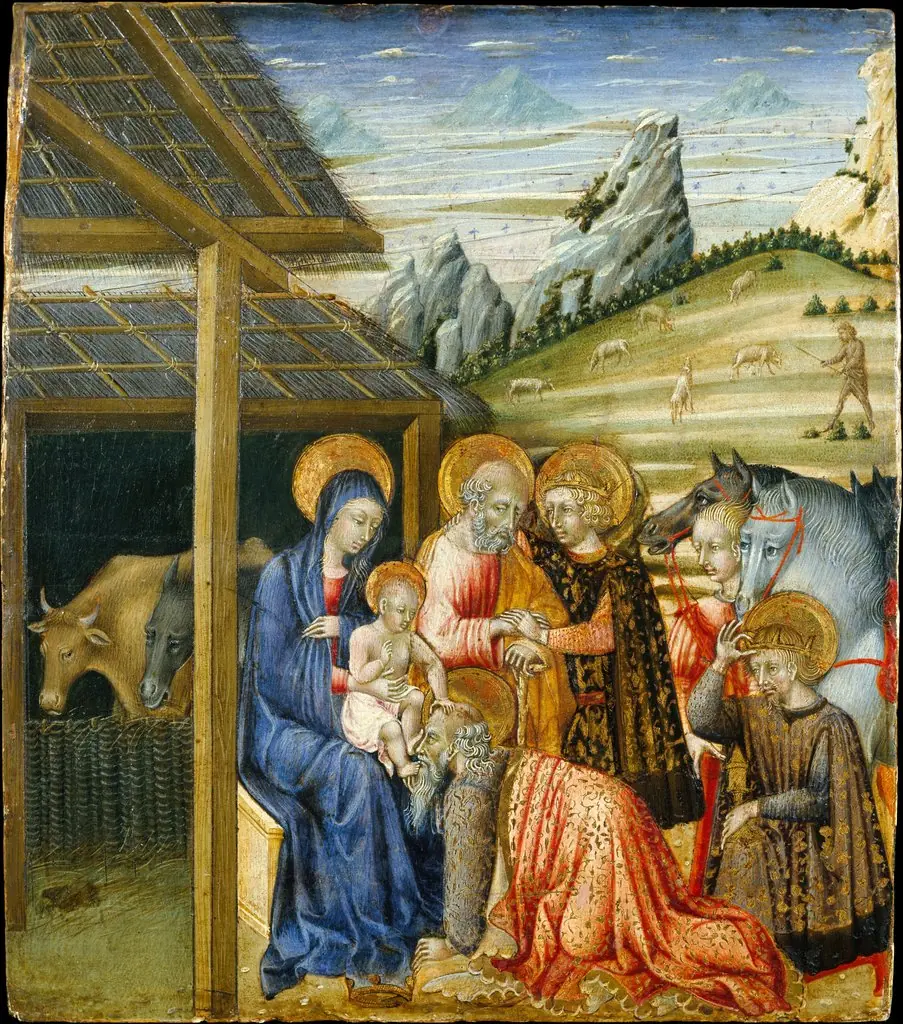 The Adoration of the Magi
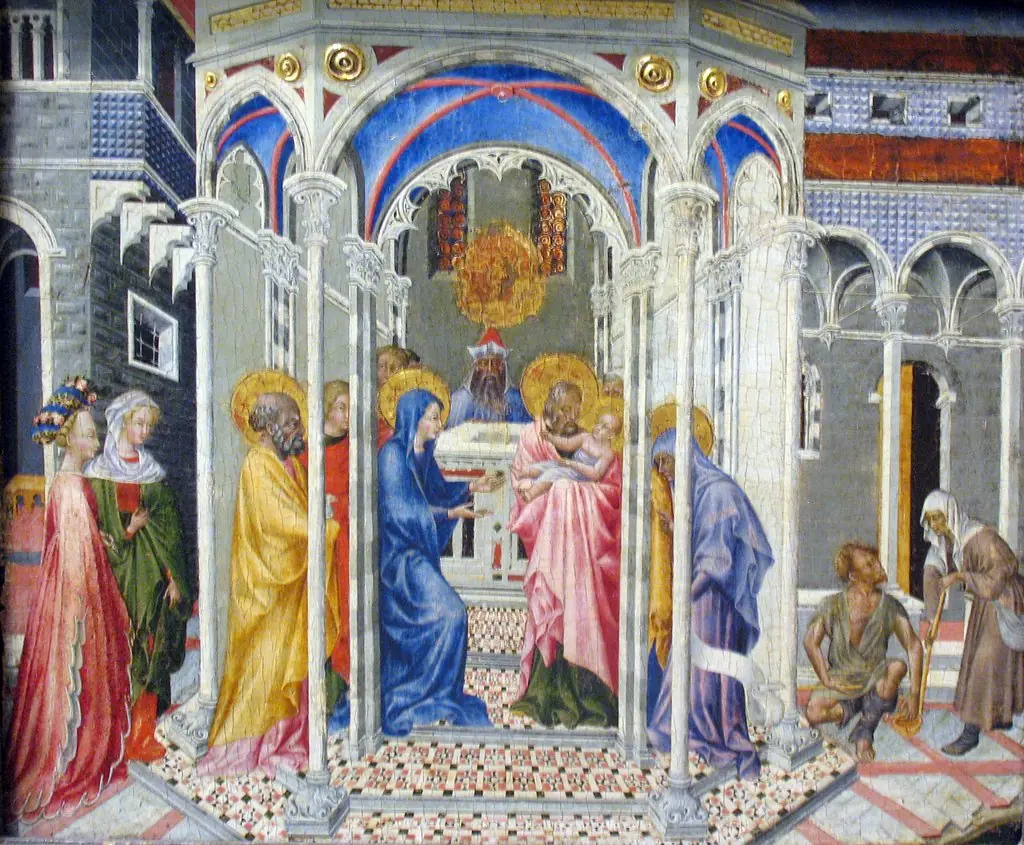 The Presentation of Christ in the Temple
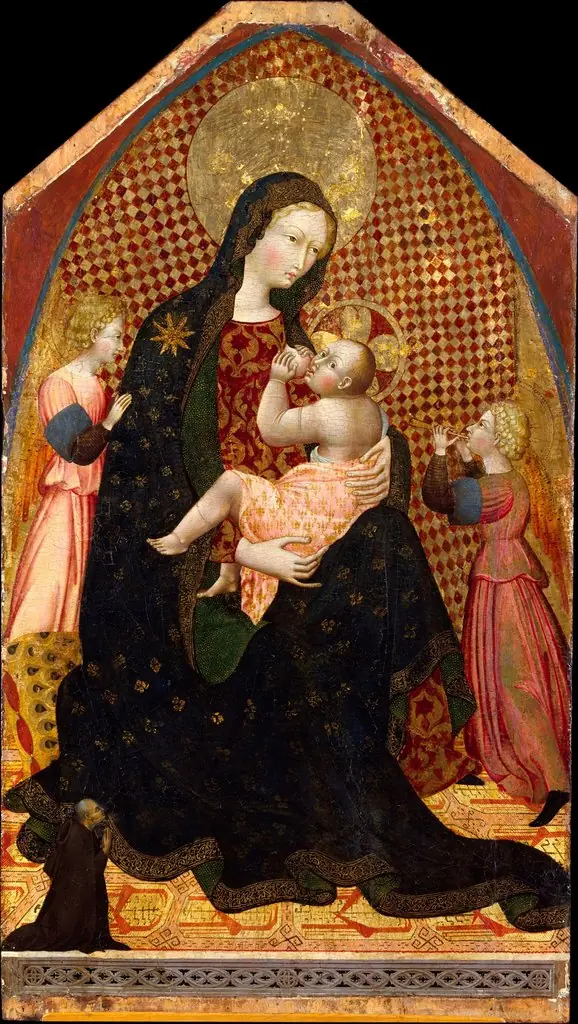 Madonna and Child with Two Angels and a Donor
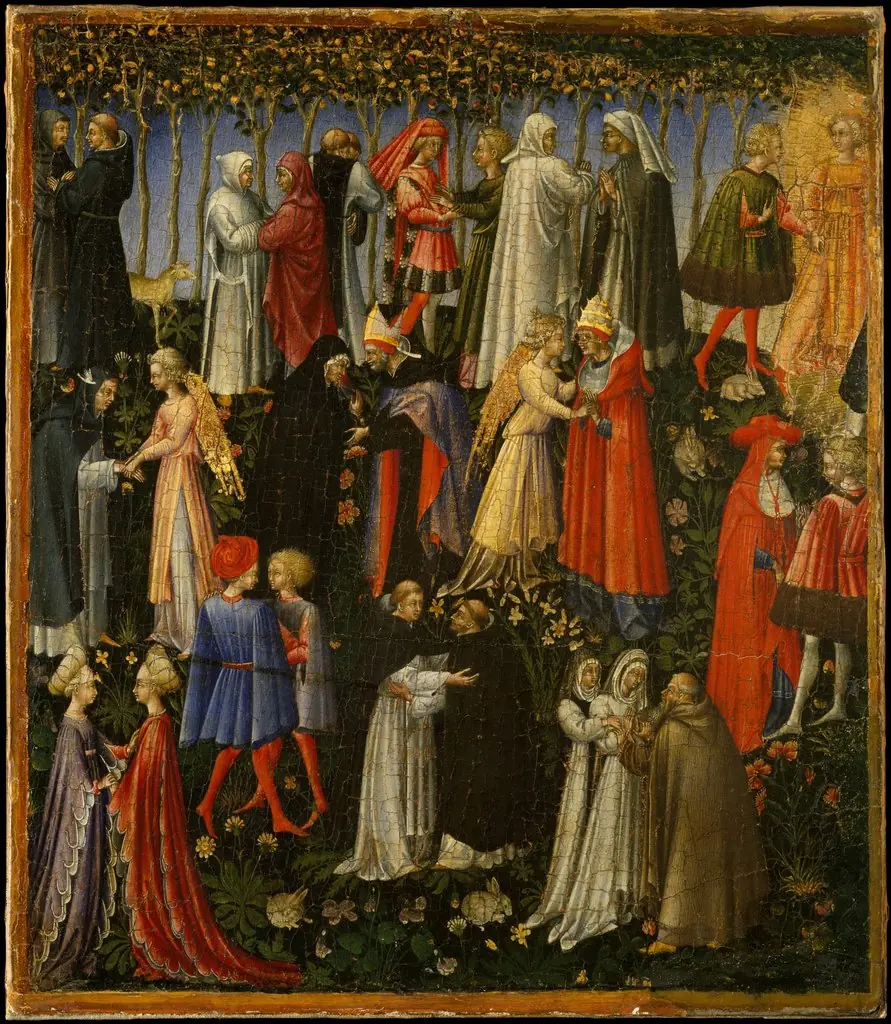 Paradise
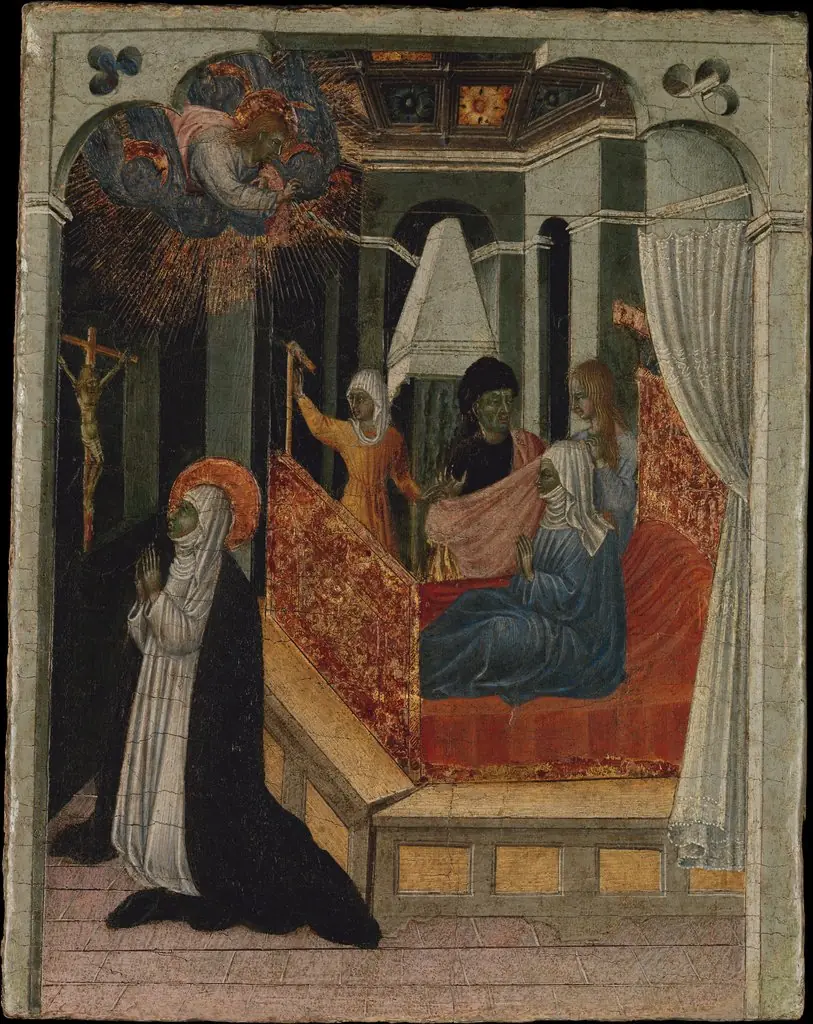 Saint Catherine of Siena Beseeching Christ to Resuscitate Her Mother
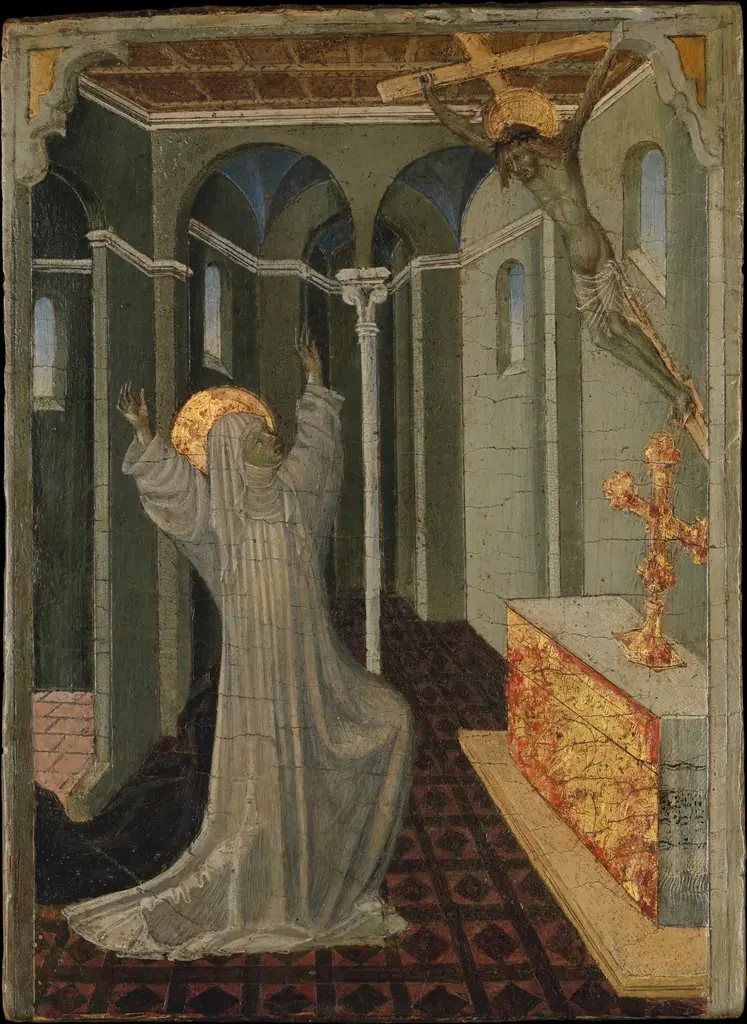 Saint Catherine of Siena Receiving the Stigmata
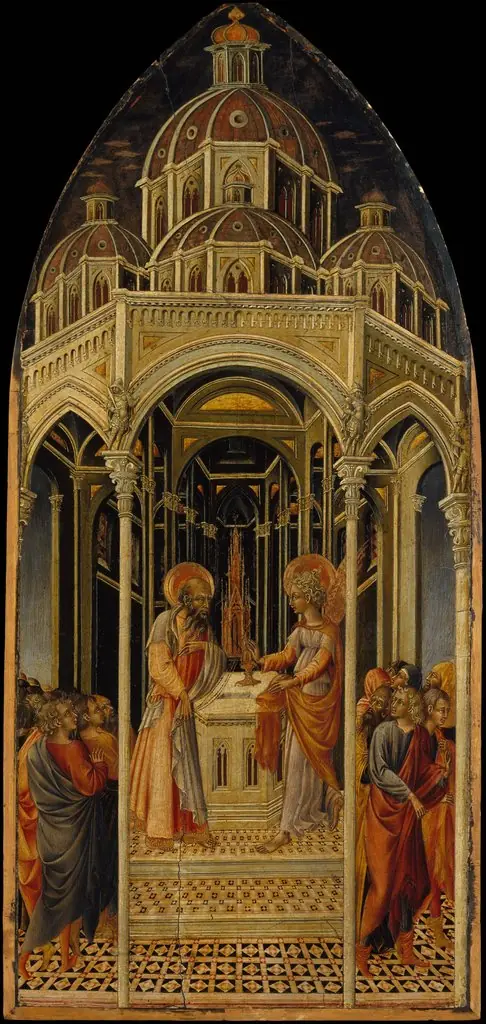 The Annunciation to Zacharias; (verso) The Angel of the Annunciation
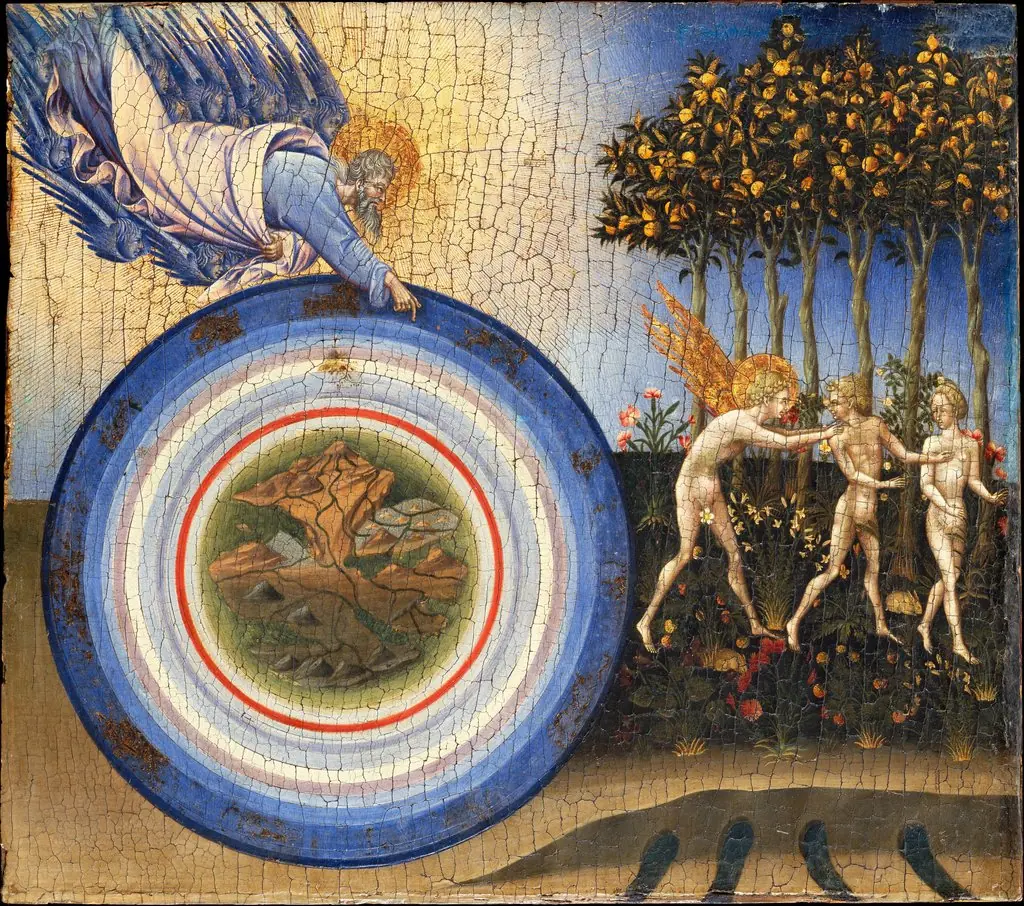 The Creation of the World and the Expulsion from Paradise