Artwork
Saint Catherine
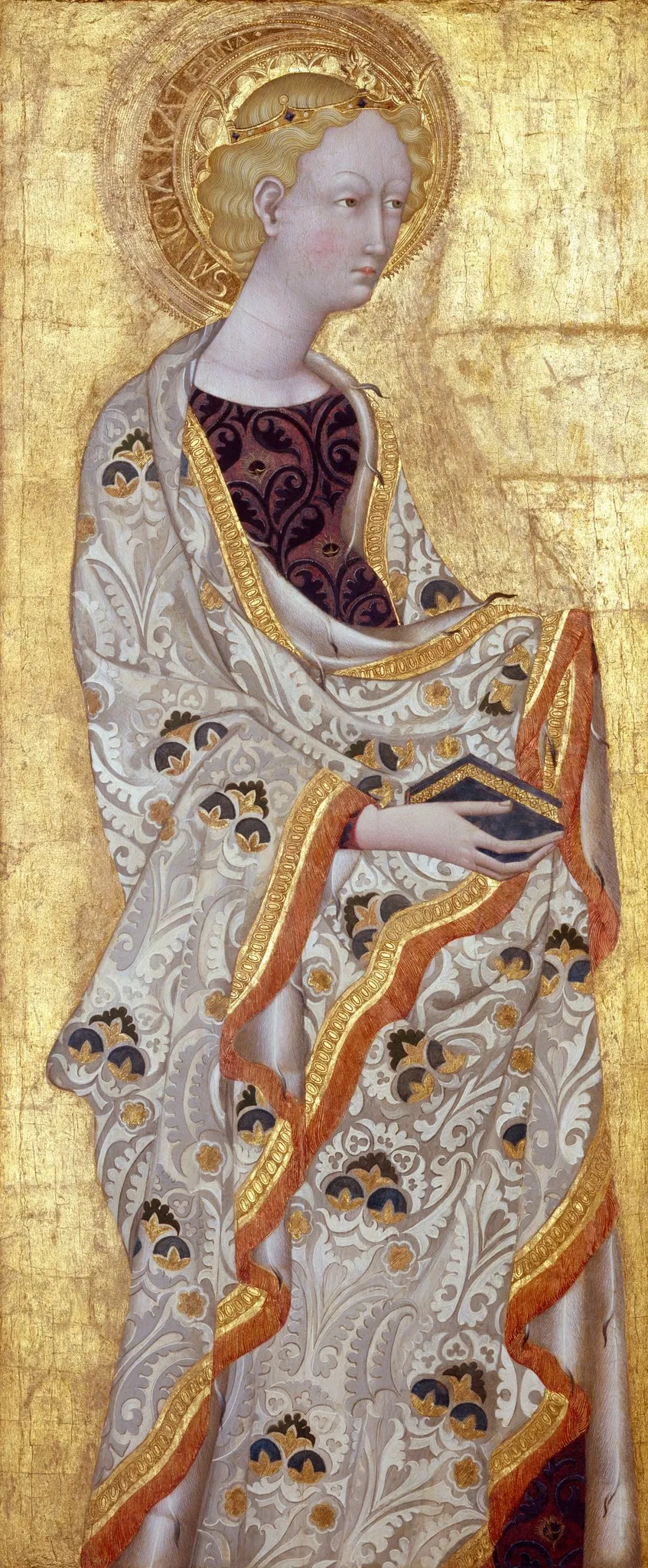
Saint Catherine is an unspecified painting by Giovanni di Paolo. It dates from 1437 and is held in the collection of the Museum of Fine Arts, Houston.
About this work
Overview
The work is part of the collection of the Museum of Fine Arts, Houston, and exemplifies the devotional imagery common in early Renaissance Italy.
Giovanni di Paolo’s panel, dated 1437, presents a solitary female figure rendered against a luminous golden backdrop. The composition centers on a woman in a flowing white garment, her head encircled by a halo, and her hands clasping a small dark object. The work is part of the collection of the Museum of Fine Arts, Houston, and exemplifies the devotional imagery common in early Renaissance Italy.
Subject & Meaning
The figure is identified as Saint Catherine, a martyr traditionally associated with scholarly wisdom and steadfast faith. The halo signals sanctity, while the dark object she grasps—often interpreted as a wheel or a martyr’s palm—serves as an emblem of her legendary torture and ultimate triumph over persecution.
Technique & Style
Executed in tempera on panel, the painting displays di Paolo’s characteristic delicate line work and luminous color palette. The white robe is embellished with intricate gold and black motifs that create a sense of texture and richness. The golden ground, applied in thin layers, enhances the figure’s three‑dimensionality and reflects the artist’s interest in light as a spiritual symbol.
History & Provenance
Created in Siena during the height of the city’s artistic flourishing, the panel later entered private collections before being acquired by the Museum of Fine Arts, Houston. Its documented provenance traces a path from early Italian ownership through 19th‑century European dealers, culminating in its present museum setting where it is displayed among other works of the period.
Artist & collection

Artist
Giovanni di Paolo di Grazia was an Italian painter, working primarily in Siena, becoming a prolific painter and illustrator of manuscripts, including Dante's texts.

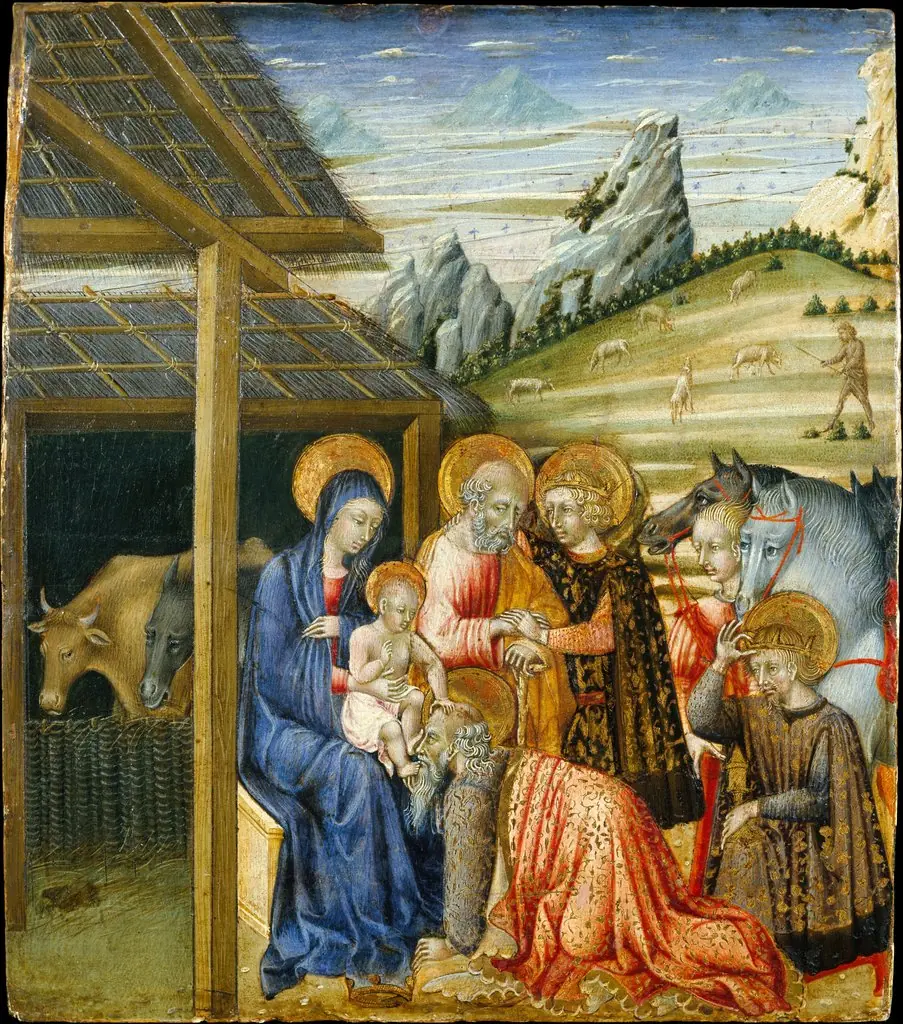 The Adoration of the Magi
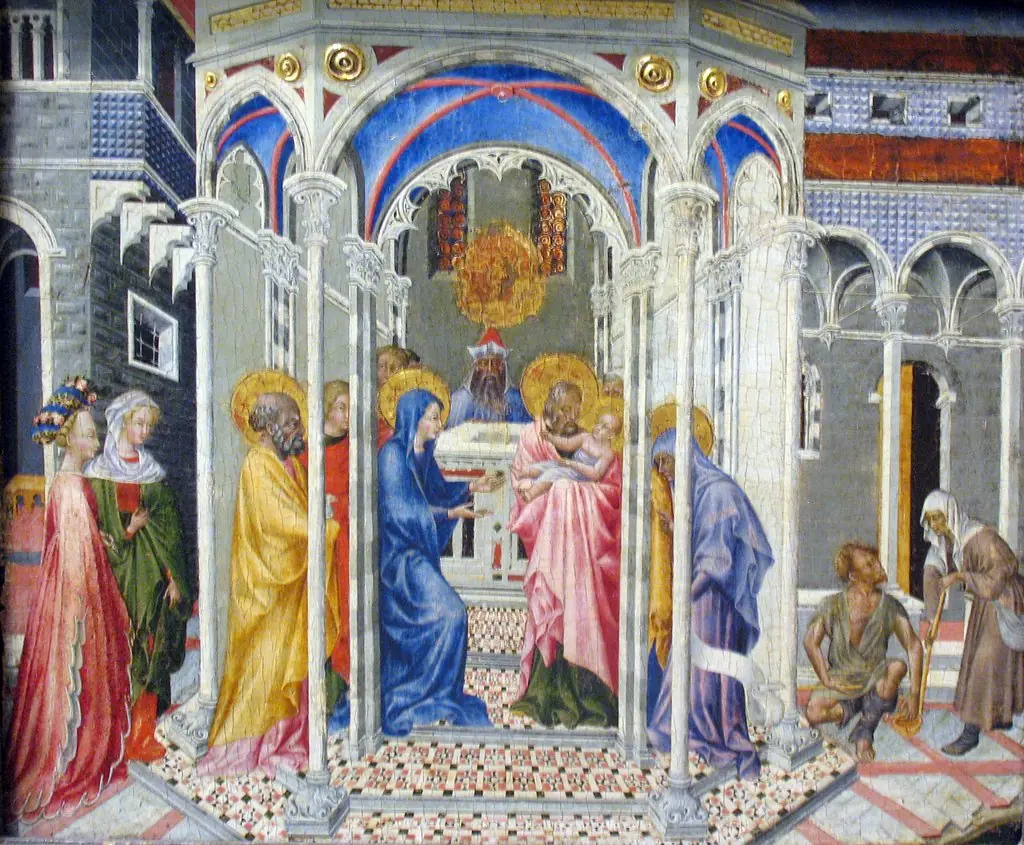 The Presentation of Christ in the Temple
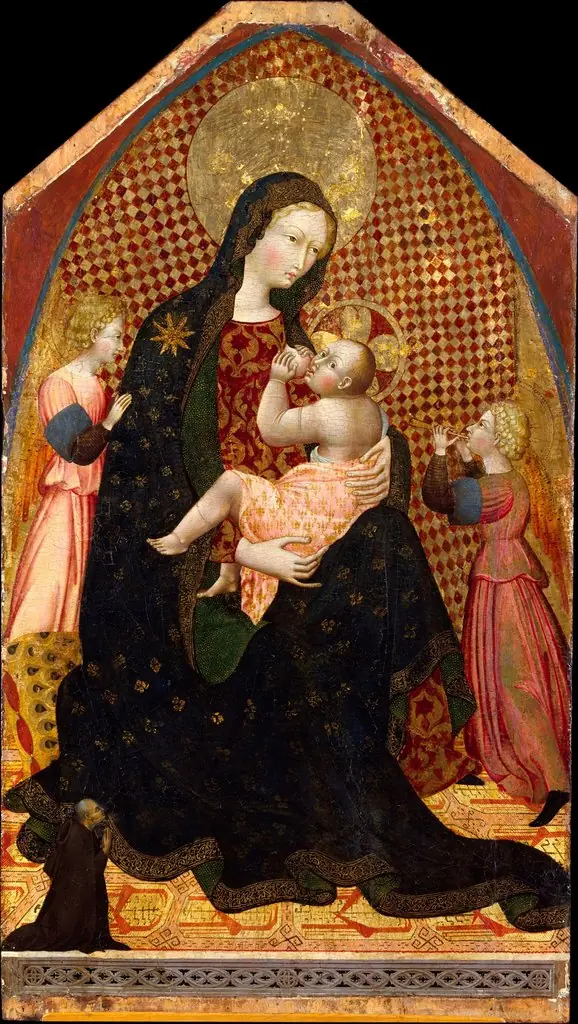 Madonna and Child with Two Angels and a Donor
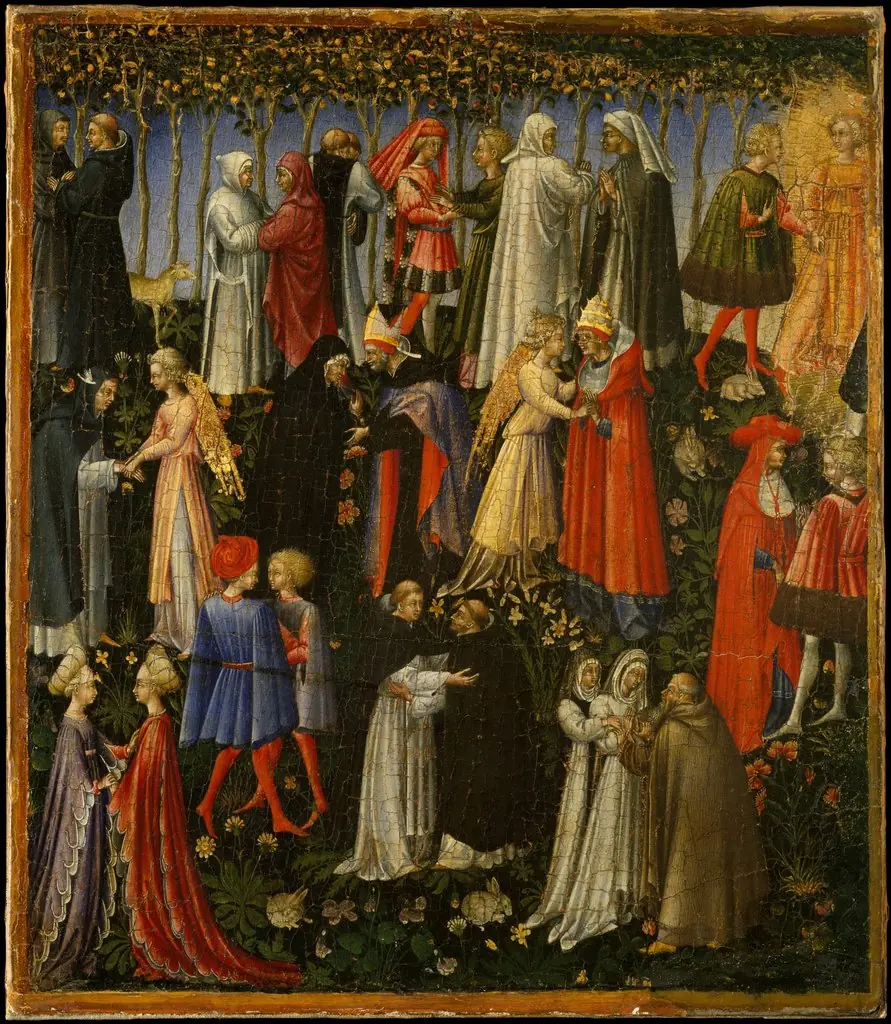 Paradise
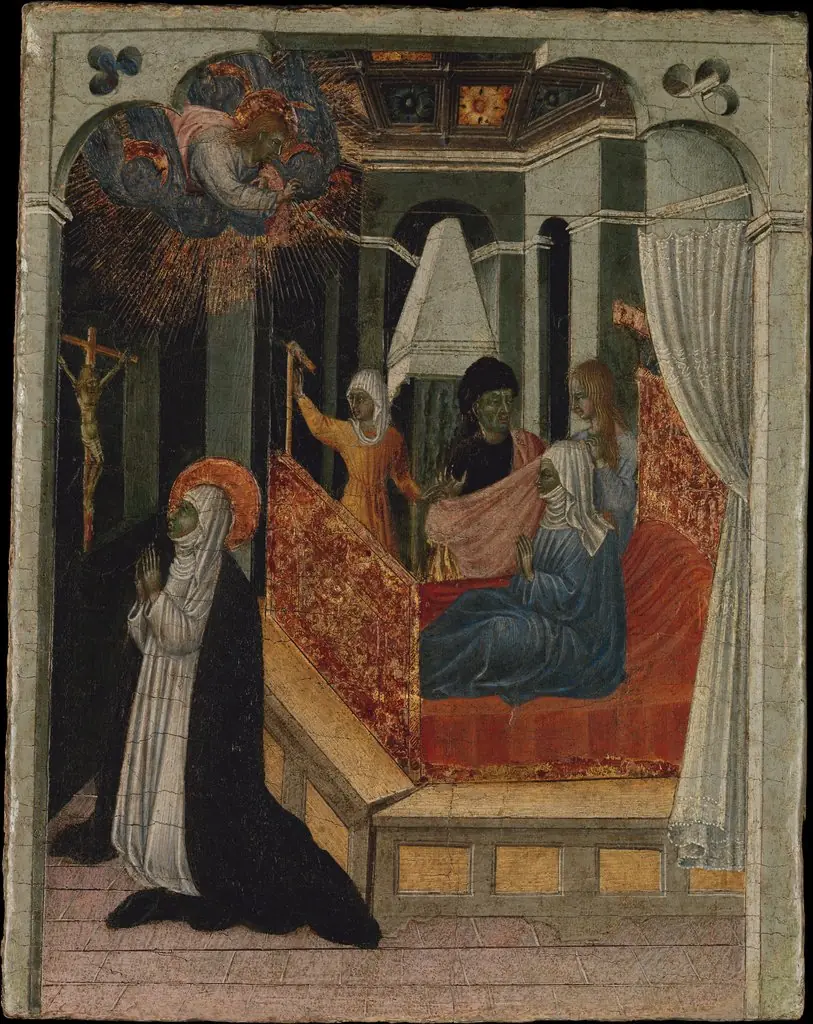 Saint Catherine of Siena Beseeching Christ to Resuscitate Her Mother
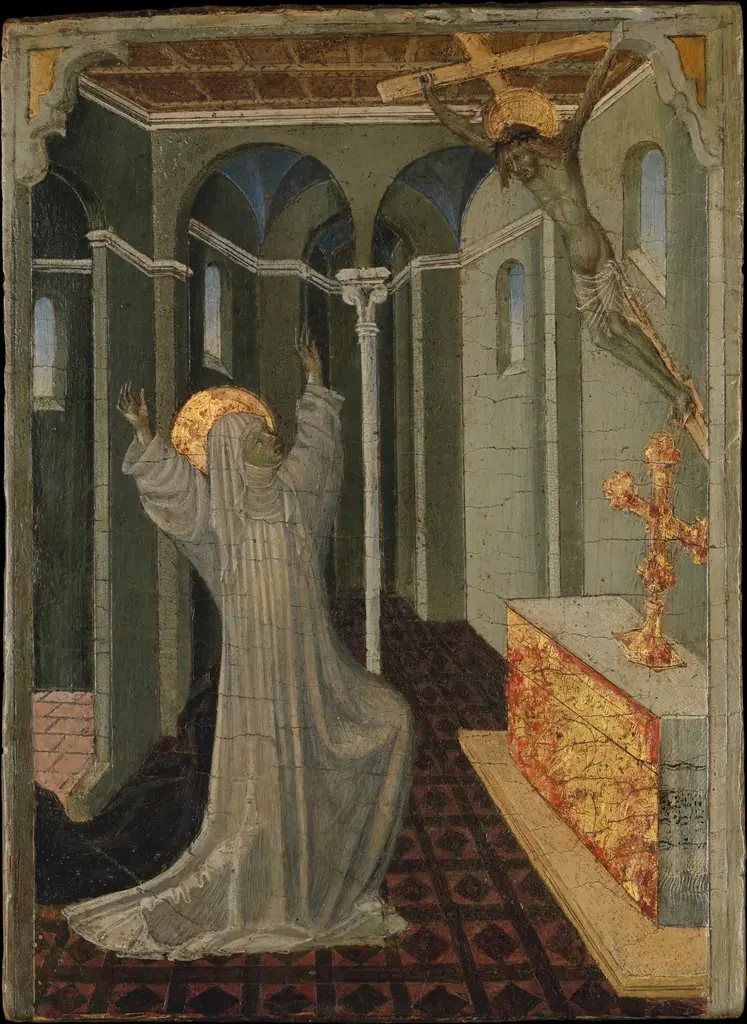 Saint Catherine of Siena Receiving the Stigmata
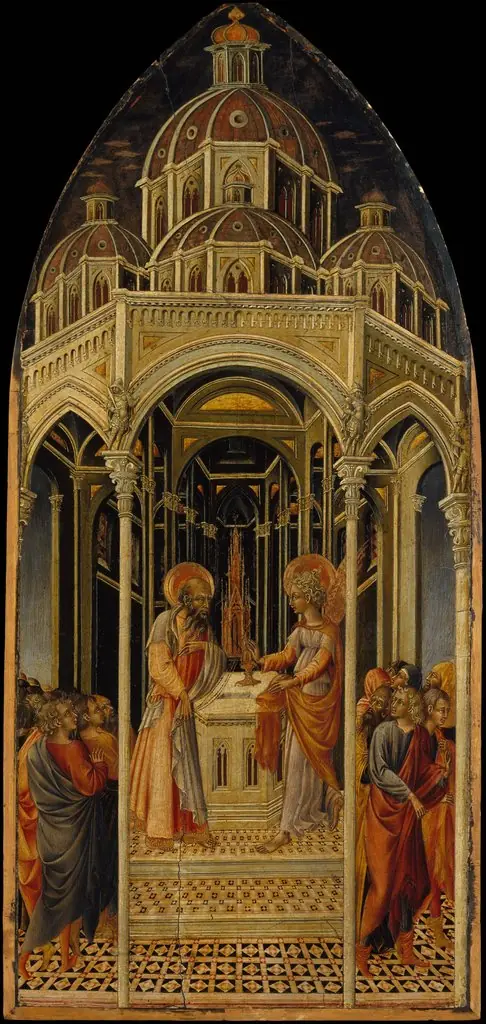 The Annunciation to Zacharias; (verso) The Angel of the Annunciation
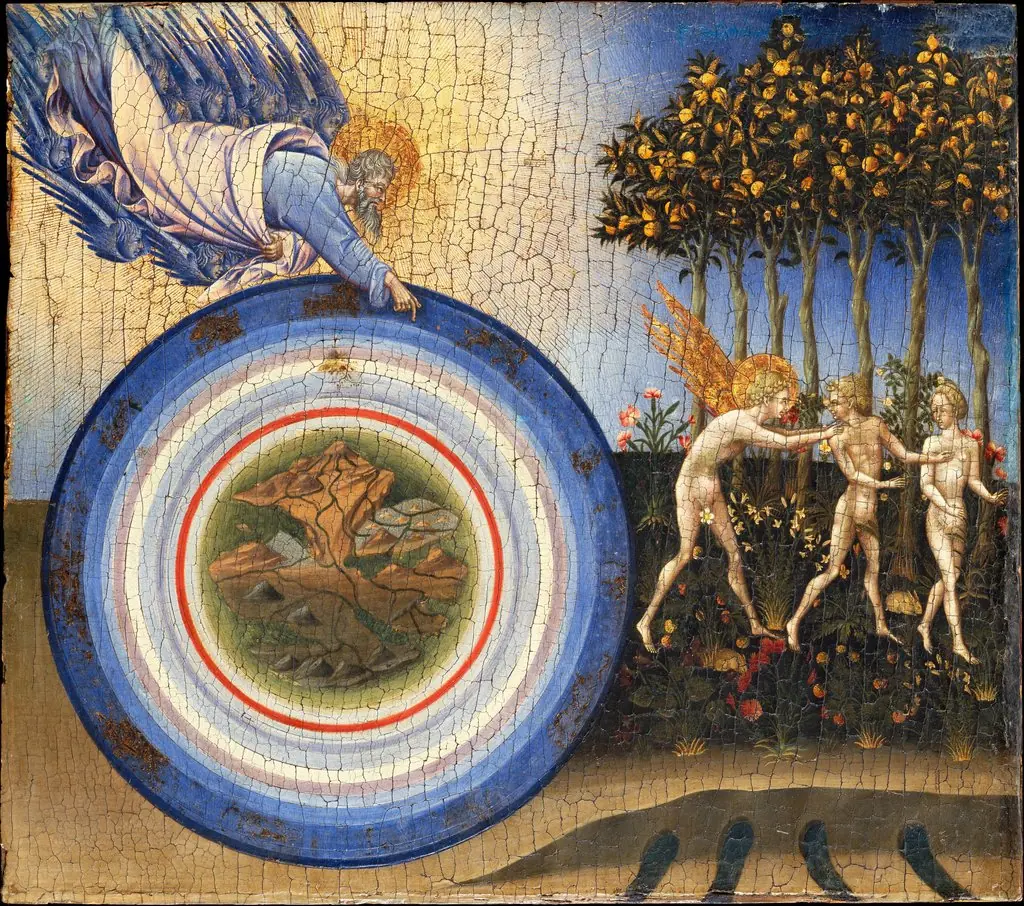 The Creation of the World and the Expulsion from Paradise
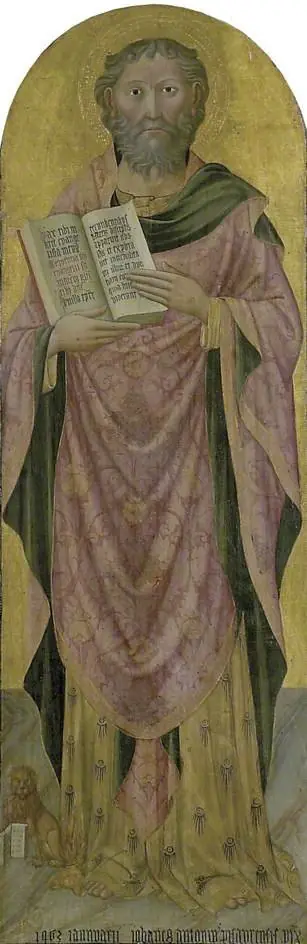 St Mark
 The Mourning Madonna
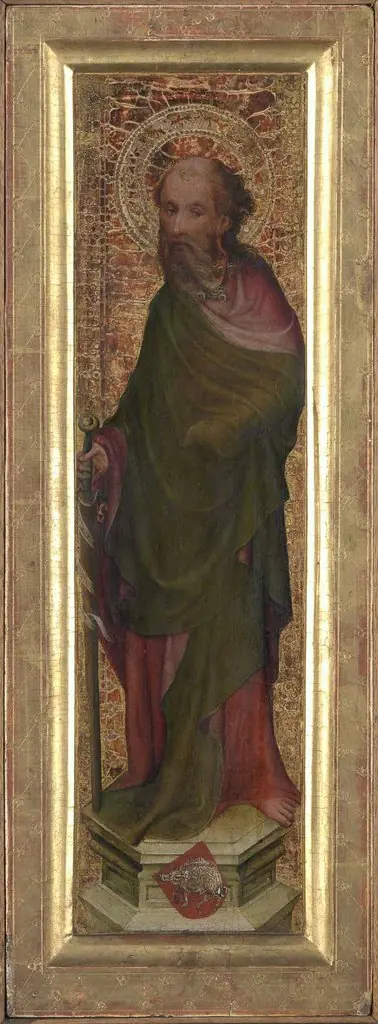 Hl. Paulus Rückseite: Hl. Reinoldus
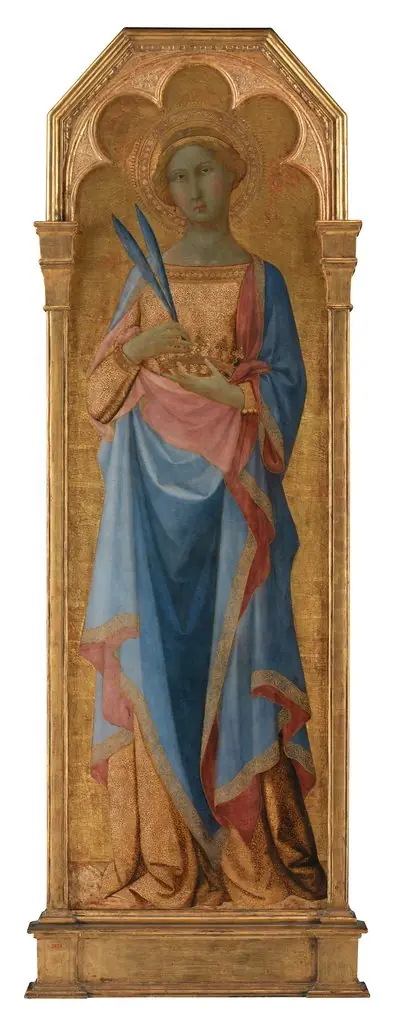 St. Corona
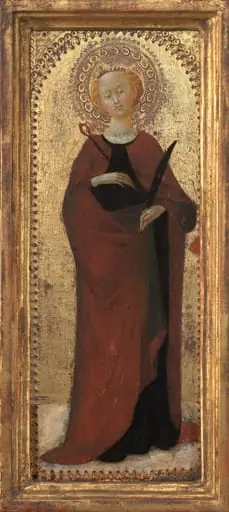 Saint Apollonia
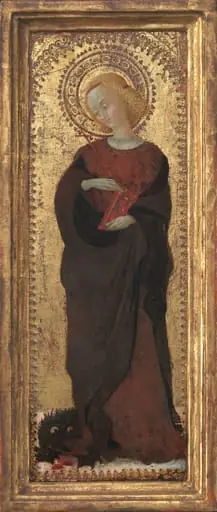 Saint Margaret
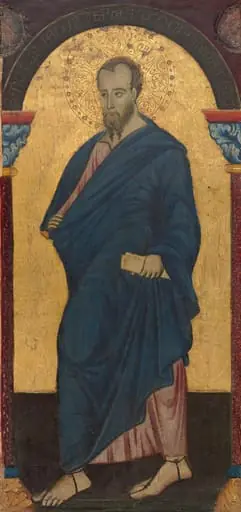 Saint James Minor
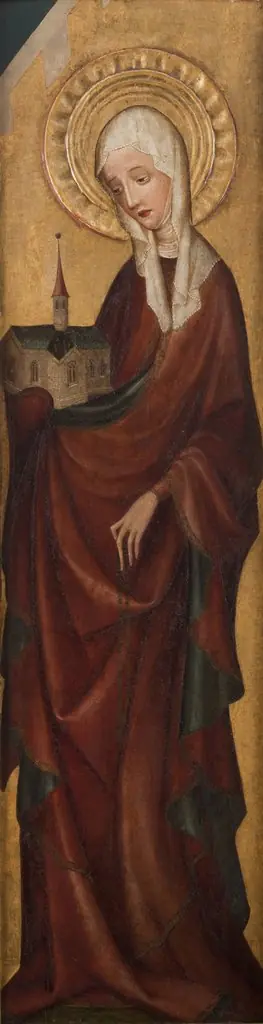 St Hedwig of Silesia. The wing from the altar retable from Trzebunia
 A Beardless Carmelite Saint
 The Madonna as an apocalyptic woman
 St. Louis of France, pendant to St. Bonaventure
 St. Stephen