Artwork
The Adoration of the Magi
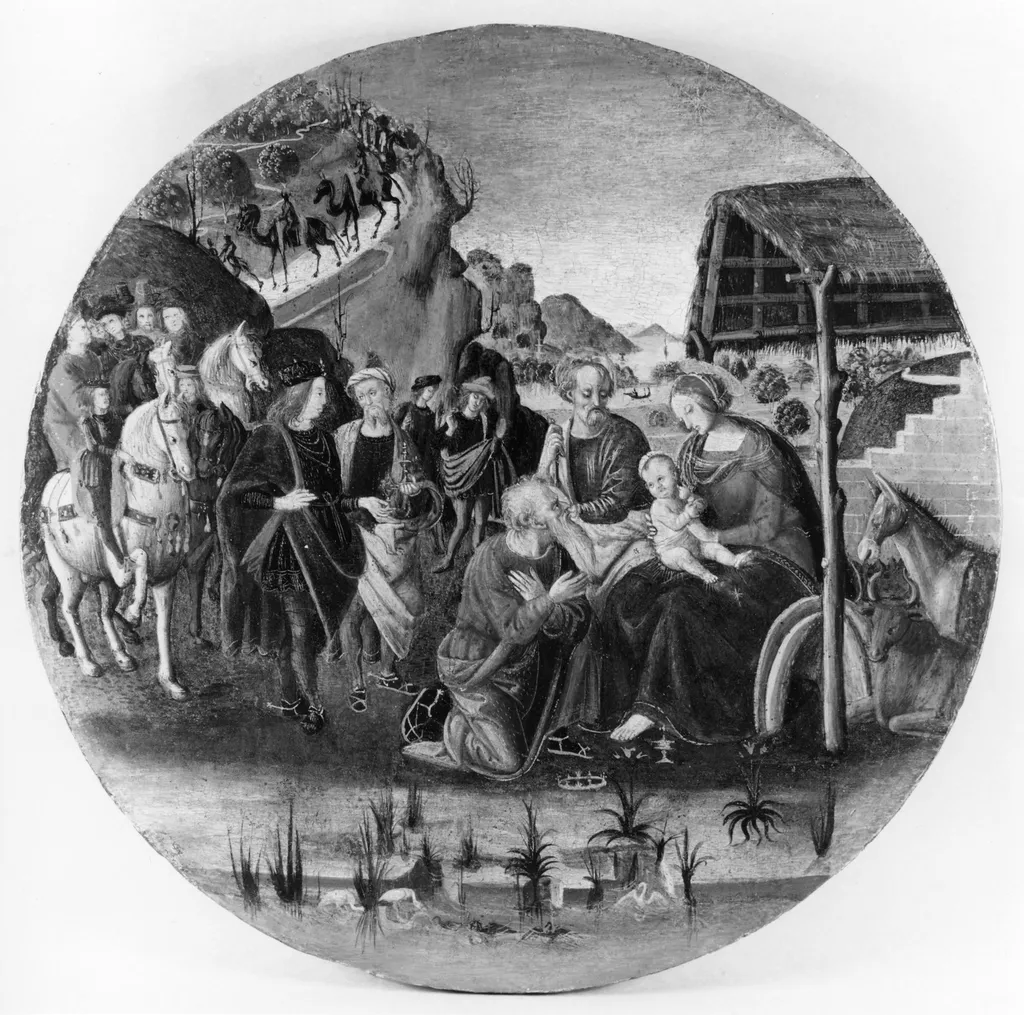
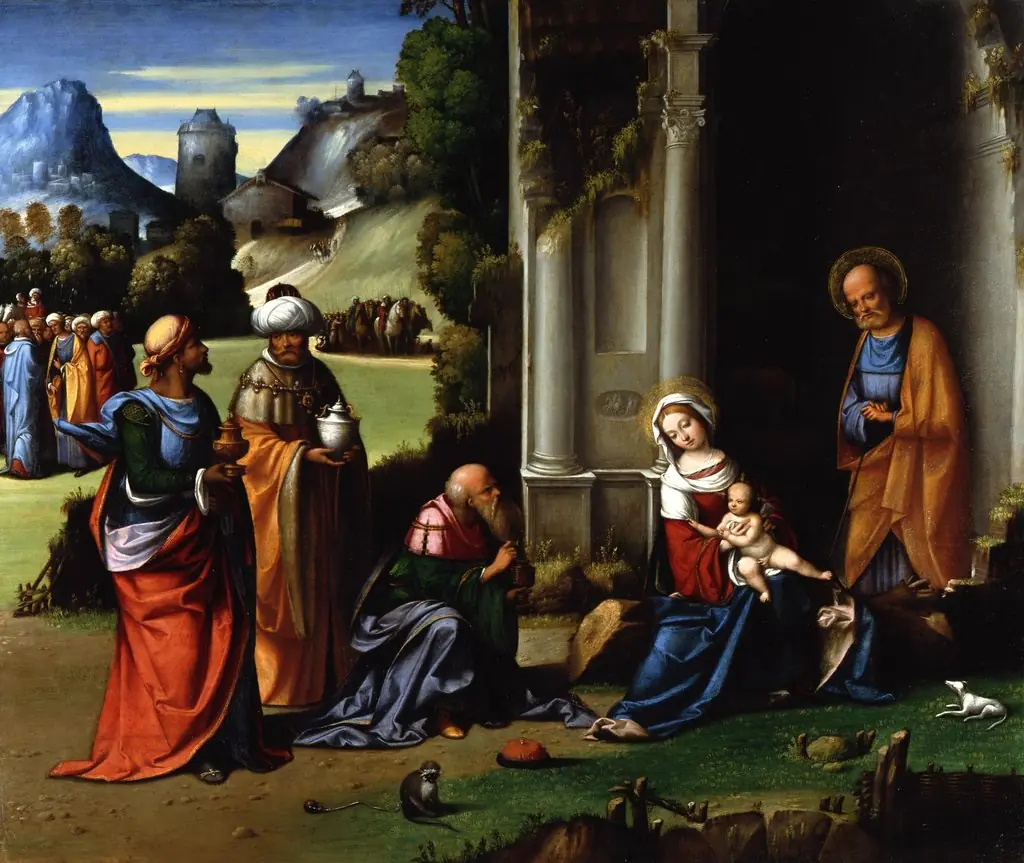
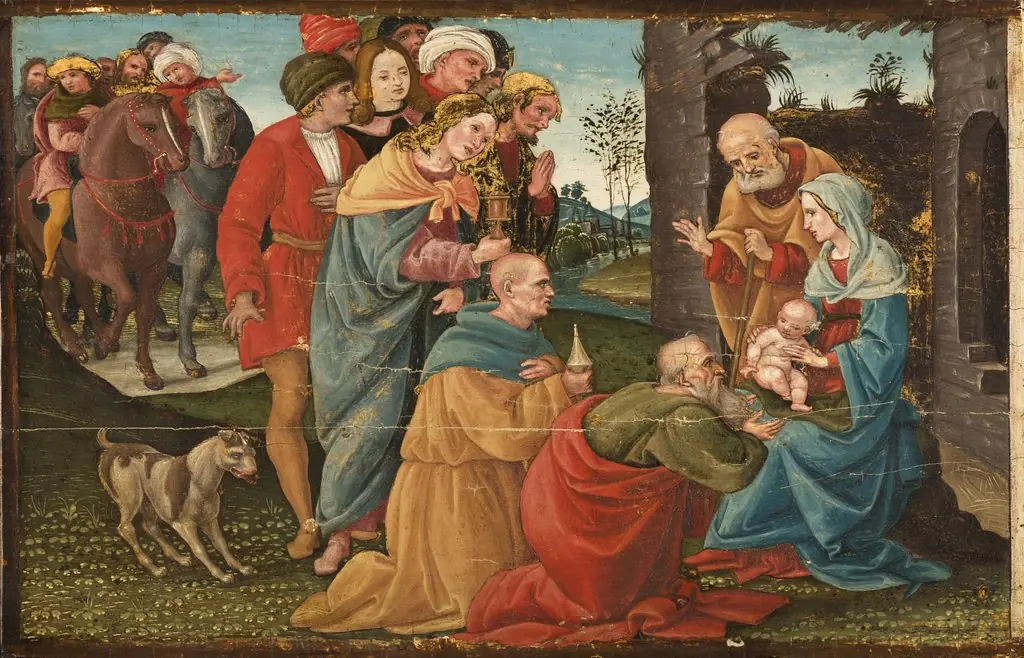
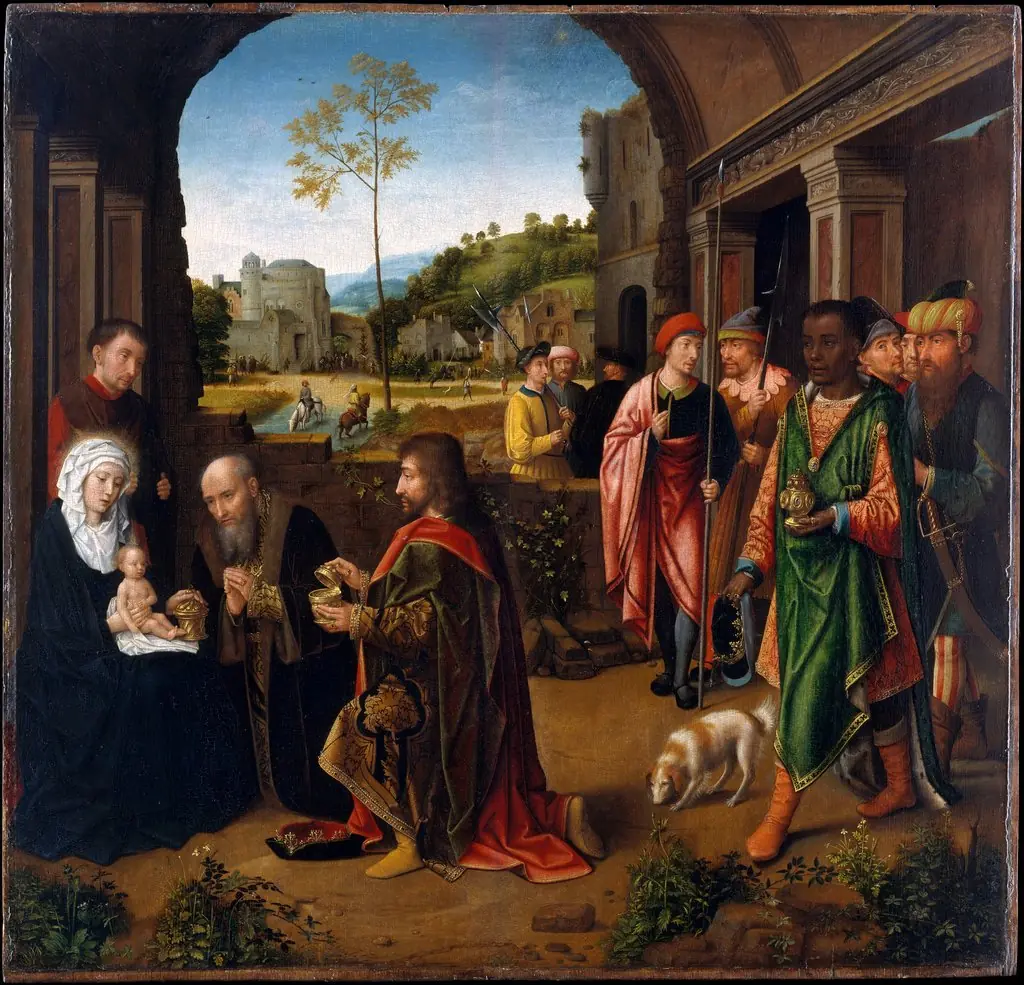
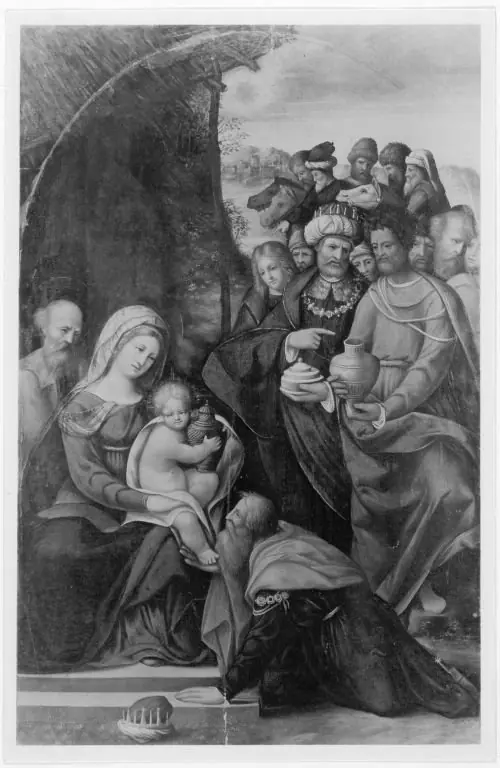
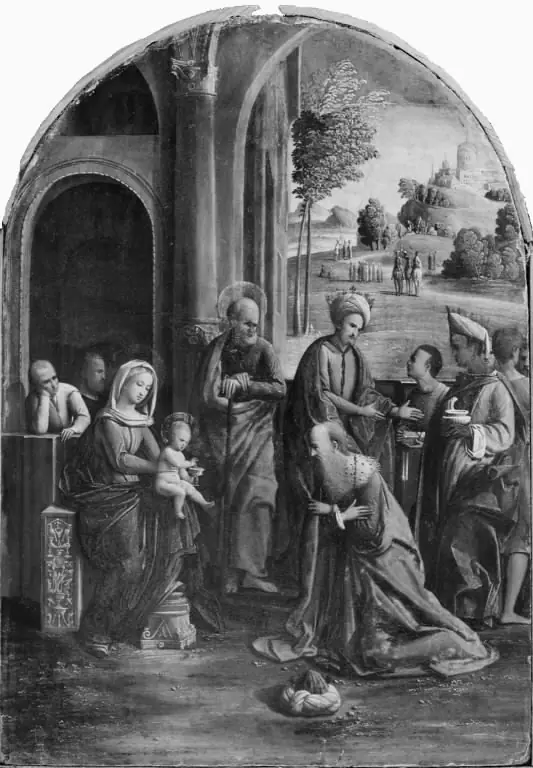
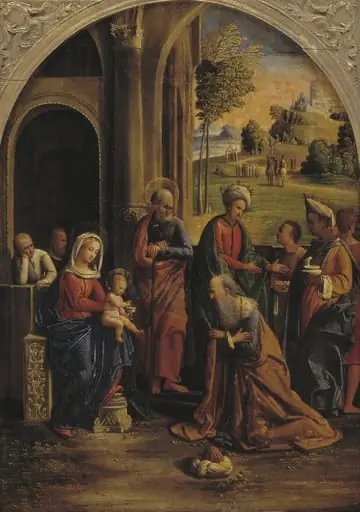
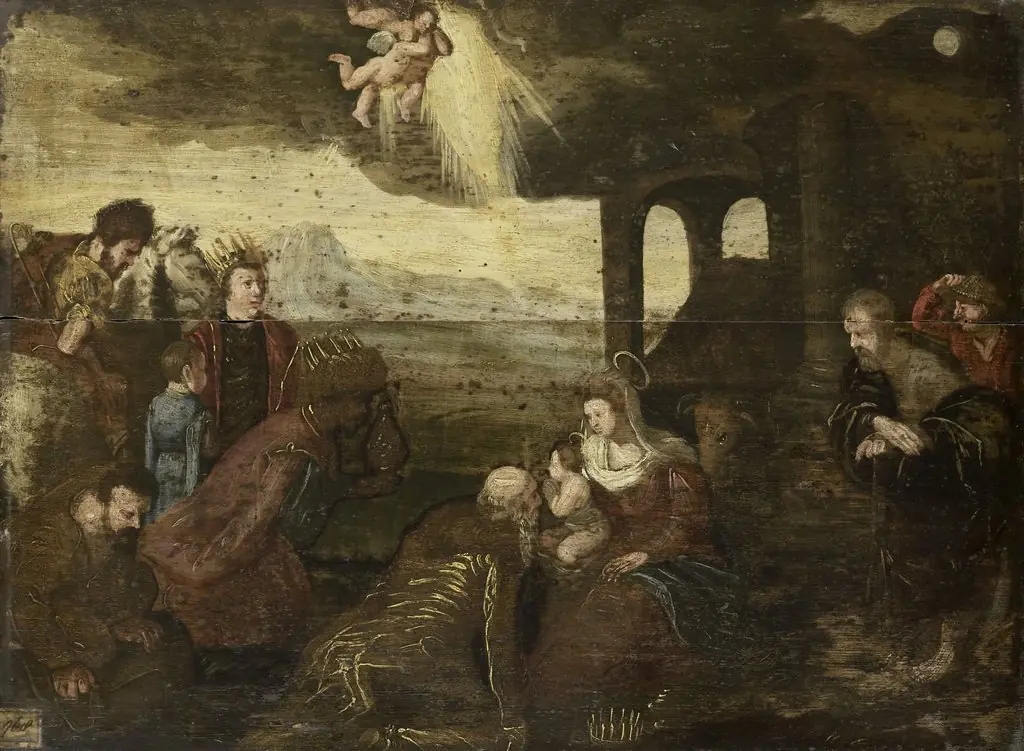
The Adoration of the Magi is an oil painting by the Early Renaissance artist Giovanni di Paolo. It is held in the collection of the Walters Art Museum. This oil painting, dated around 1500, portrays the biblical moment when the Magi pay homage to the infant Jesus.
About this work
Overview
This oil painting, dated around 1500, portrays the biblical moment when the Magi pay homage to the infant Jesus.
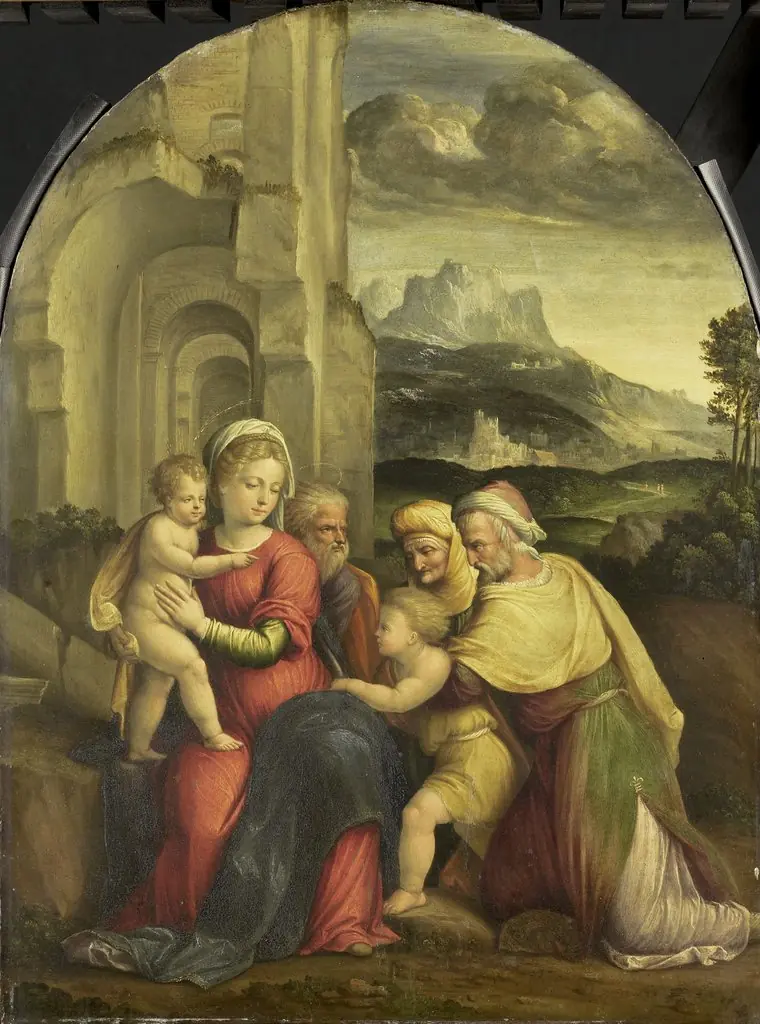
This oil painting, dated around 1500, portrays the biblical moment when the Magi pay homage to the infant Jesus. Created by Giovanni di Paolo, it is part of the Walters Art Museum’s collection. The composition centers on the Virgin Mary holding the Christ Child, surrounded by kneeling figures, attendants, and animals, all set against a backdrop of architectural forms and a softly rendered landscape.
Subject & Meaning
The scene illustrates the Epiphany, when three wise men arrive to honor the newborn Christ with gifts, symbolizing the recognition of his divine nature by the Gentile world. The Virgin Mary, seated with the child, embodies maternal serenity, while the Magi’s gestures of reverence reflect humility and devotion. The inclusion of horses and animals underscores the humble setting of the nativity, reinforcing themes of earthly simplicity and spiritual revelation.
Technique & Style
Giovanni di Paolo employed oil paint to achieve subtle gradations of color and delicate modeling of forms. The figures are rendered with elongated proportions and expressive gestures typical of late Gothic traditions, while the use of earth tones and rich blues suggests a transition toward Renaissance naturalism. The background architecture and landscape are rendered with a flattened perspective, preserving a medieval sensibility even as the medium evolves.
History & Provenance
The painting entered the Walters Art Museum’s collection in the early 20th century, having previously belonged to private European collectors. Its attribution to Giovanni di Paolo is supported by stylistic parallels with his other devotional works from the late 15th and early 16th centuries. No definitive documentation of its original commission survives, but its scale and detail suggest it was intended for private worship rather than public altarpiece use.
Context
Created during a period when Sienese artists maintained medieval iconographic traditions longer than their Florentine peers, this work reflects the enduring influence of Gothic aesthetics in central Italy. While Renaissance humanism was reshaping art elsewhere, di Paolo’s approach retained symbolic intensity and spiritual focus, catering to devotional needs in a region still deeply rooted in religious ritual and local piety.
Legacy
Though not widely known outside specialist circles, the painting exemplifies the persistence of late medieval visual language in early Renaissance Italy. It contributes to the understanding of regional artistic diversity during a time of broader stylistic transformation. Its preservation in a major American museum ensures continued access for scholarly study and public engagement with Sienese devotional art.
Artist & collection

Artist
Giovanni di Paolo di Grazia was an Italian painter, working primarily in Siena, becoming a prolific painter and illustrator of manuscripts, including Dante's texts.

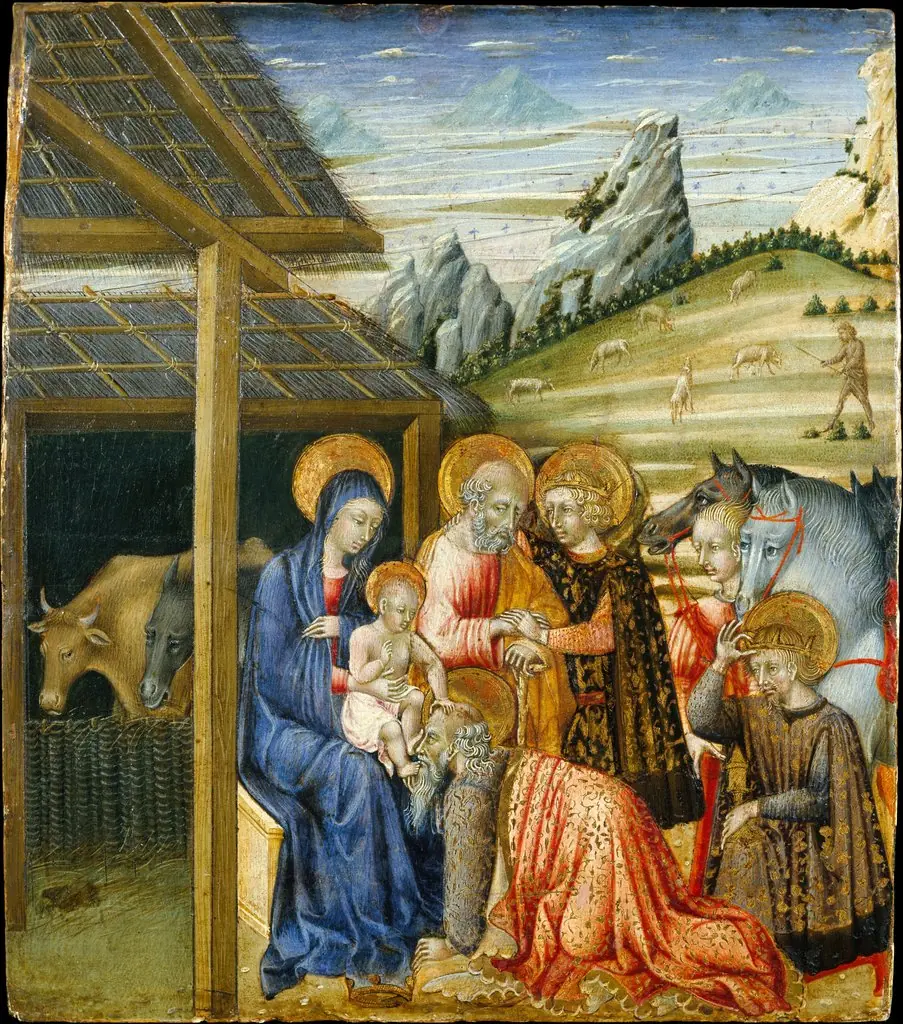 The Adoration of the Magi
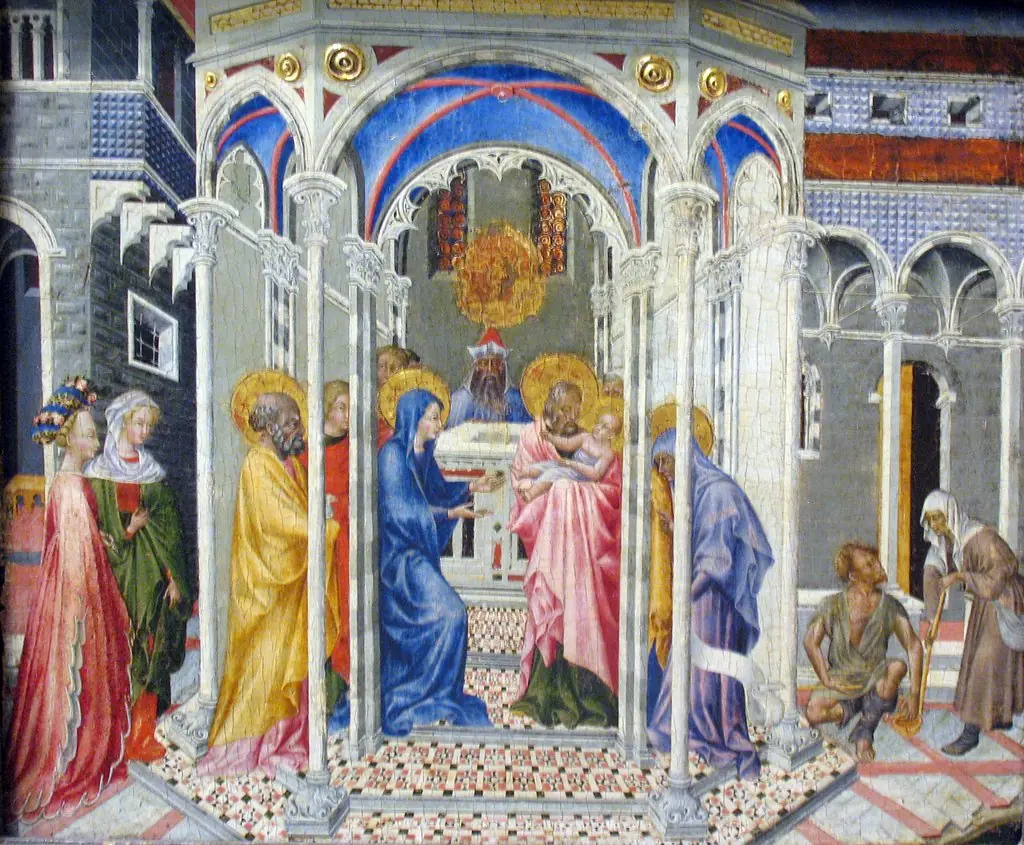 The Presentation of Christ in the Temple
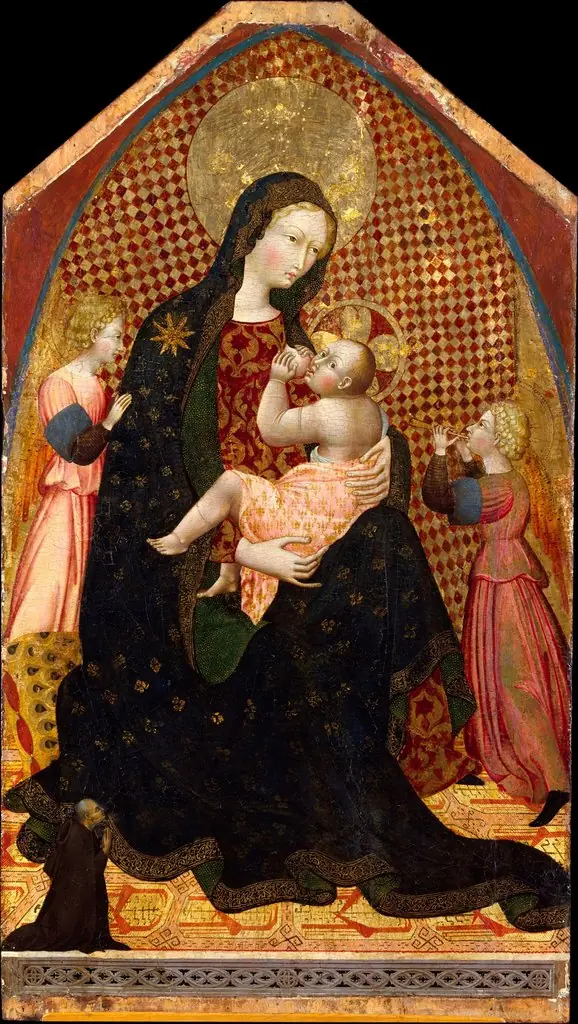 Madonna and Child with Two Angels and a Donor
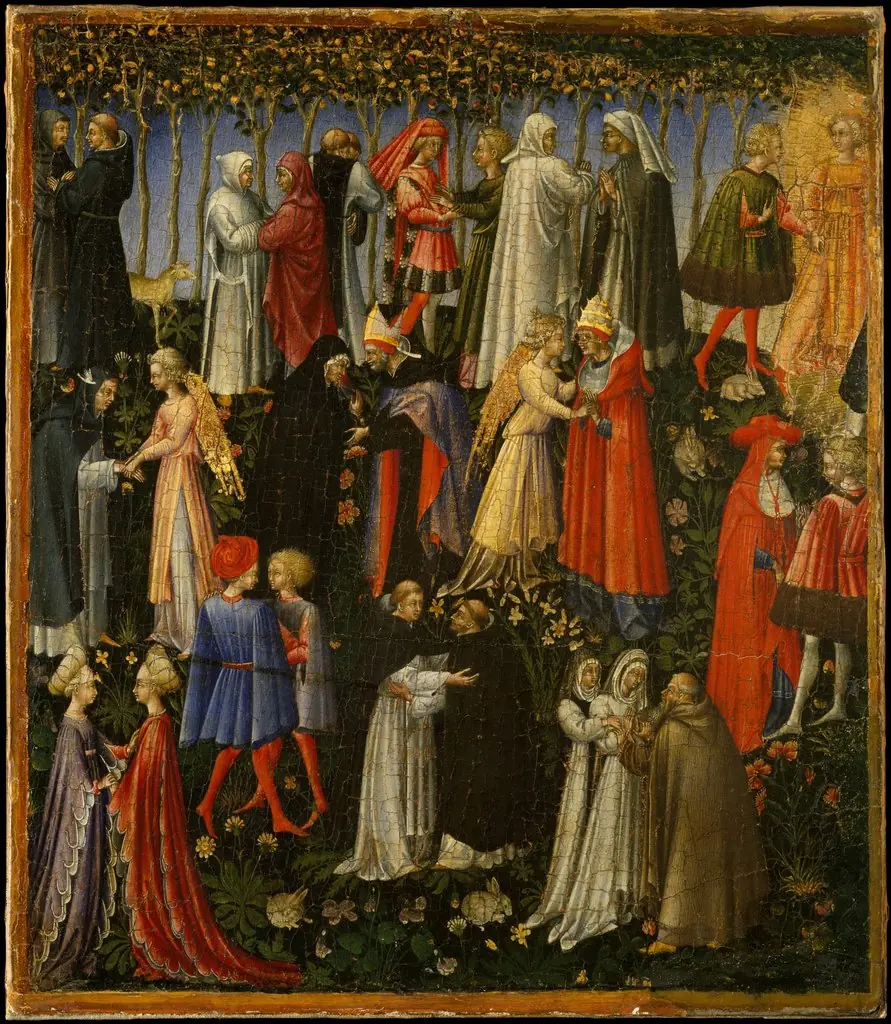 Paradise
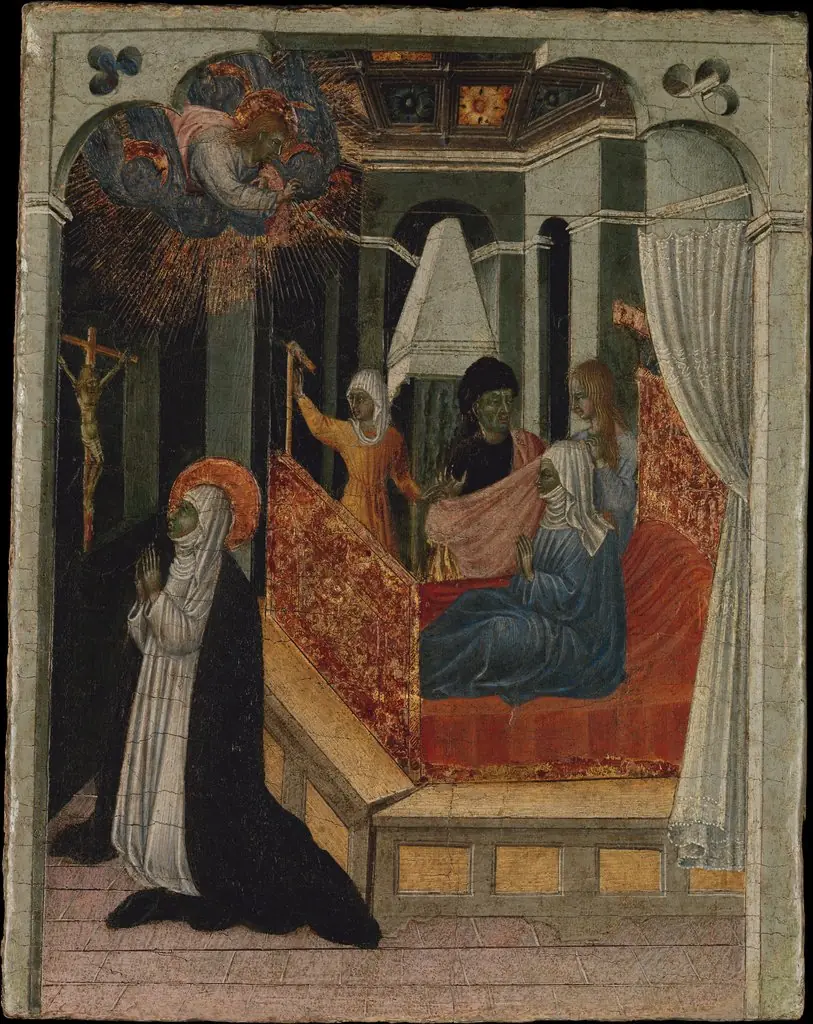 Saint Catherine of Siena Beseeching Christ to Resuscitate Her Mother
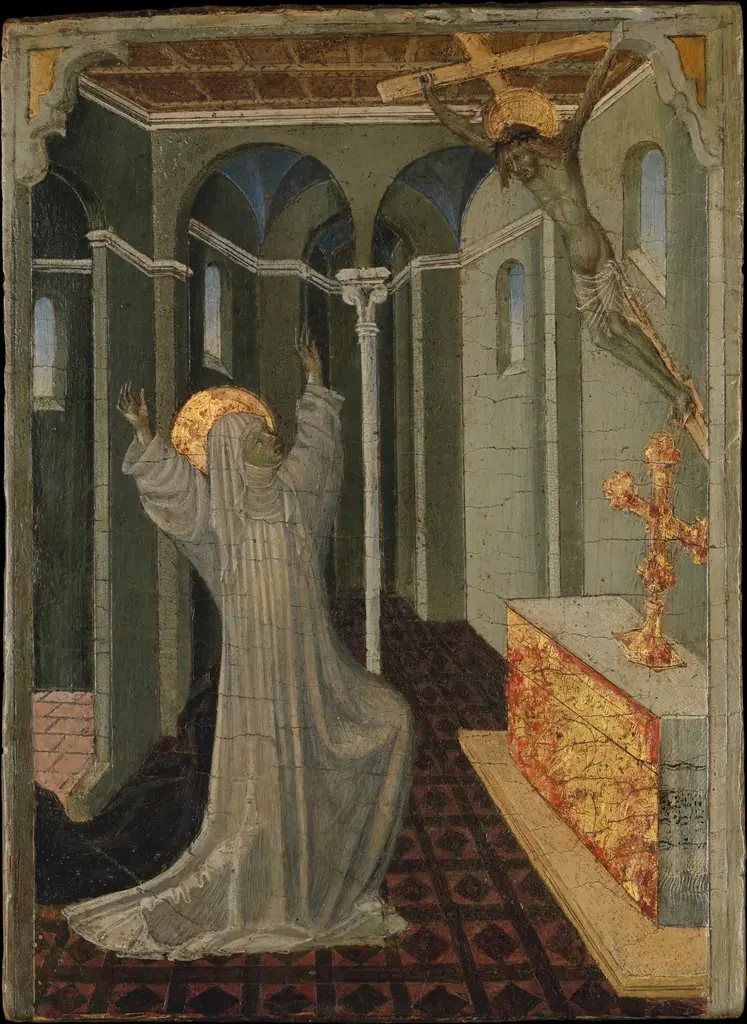 Saint Catherine of Siena Receiving the Stigmata
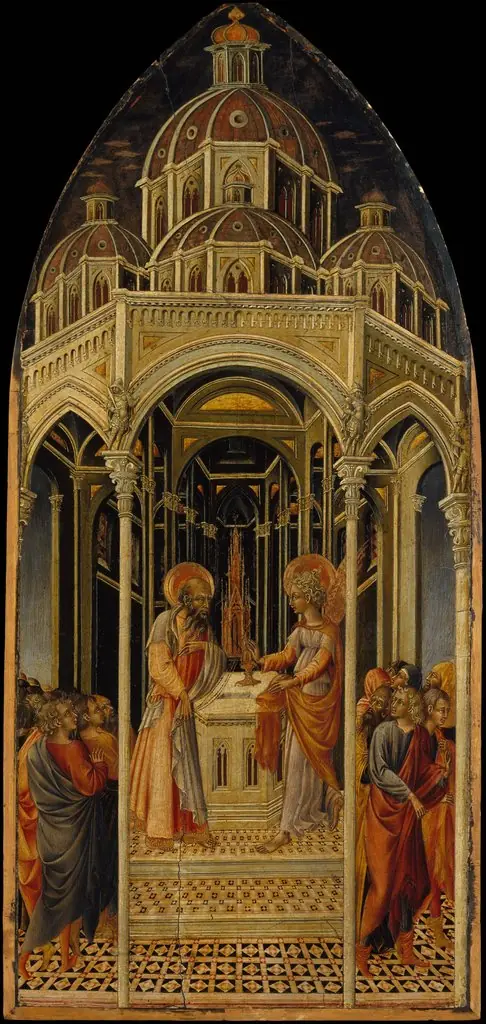 The Annunciation to Zacharias; (verso) The Angel of the Annunciation
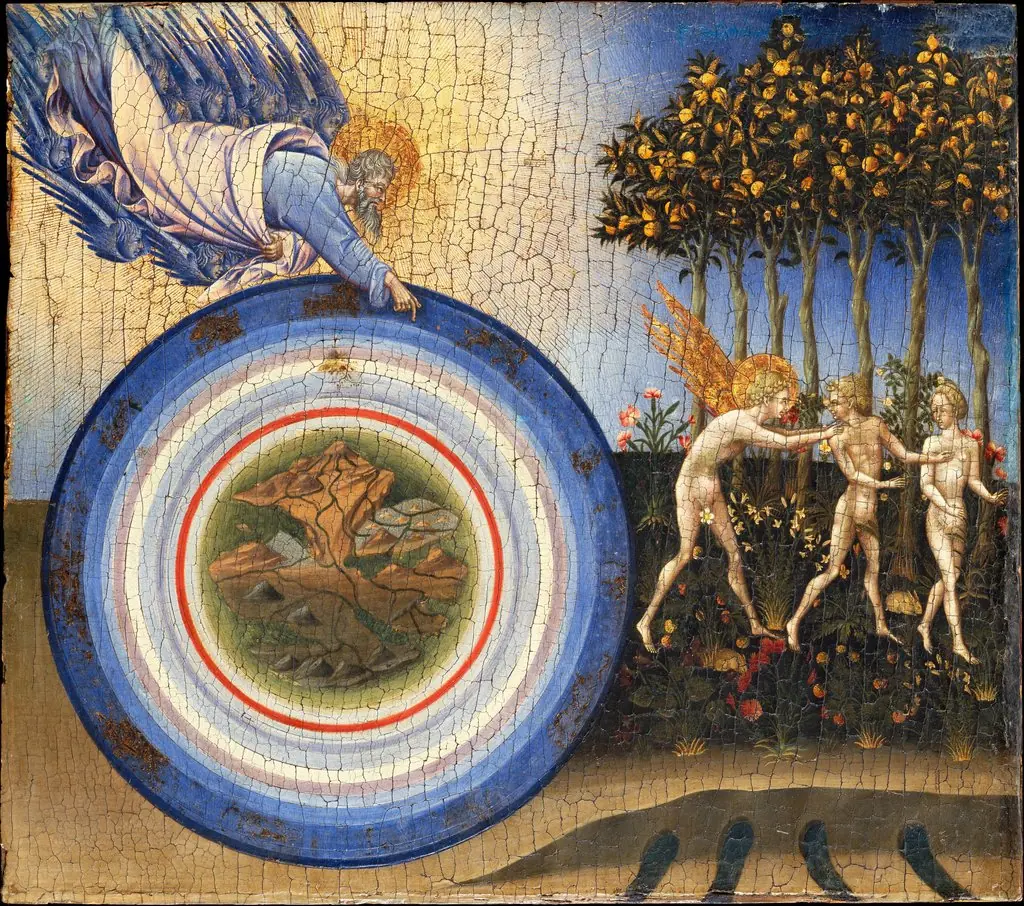 The Creation of the World and the Expulsion from Paradise