Artwork
Madonna in Adoration
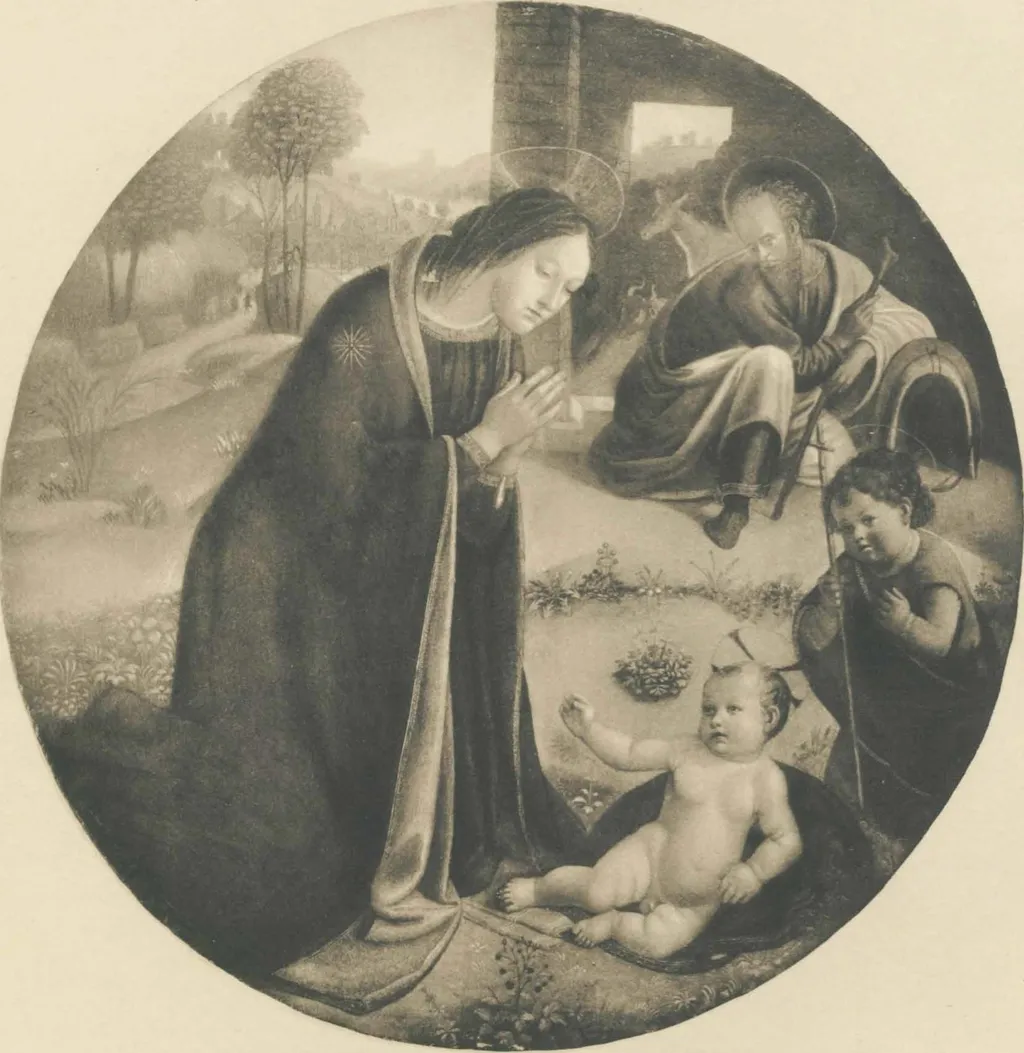
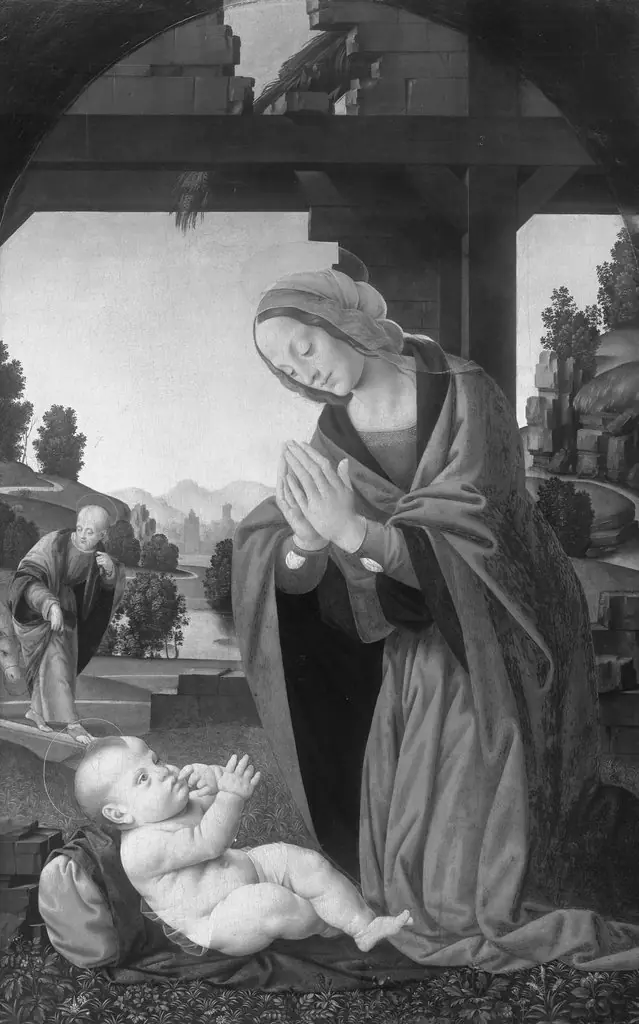
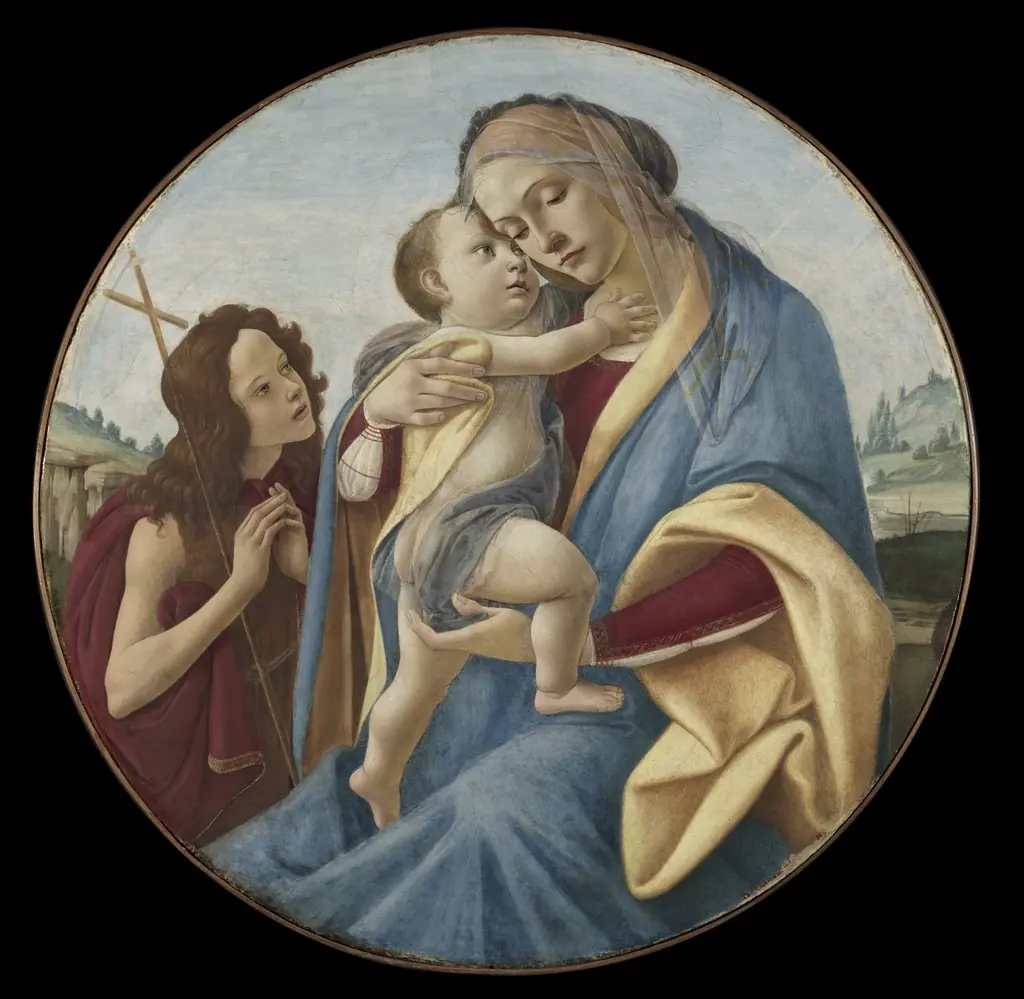
Madonna in Adoration is an unspecified painting by Matteo Rosselli. It dates from 1624 and is held in the collection of the Museum of Fine Arts Boston.
About this work
Overview
Painted around 1624 by Matteo Rosselli, this work presents the Virgin Mary in a moment of quiet reverence before the Christ Child.
Painted around 1624 by Matteo Rosselli, this work presents the Virgin Mary in a moment of quiet reverence before the Christ Child. Executed in Florence during a transitional phase in Italian art, the painting draws on earlier Quattrocento ideals rather than the theatricality of contemporary Baroque trends. It remains part of the Museum of Fine Arts, Boston’s collection, where its restrained composition stands in contrast to the more dynamic religious scenes of the era.
Subject & Meaning
The Virgin kneels in prayer, her hands folded, gazing tenderly at the infant Jesus seated before her. The child reaches upward, suggesting both human vulnerability and divine connection. The absence of angels or elaborate symbolism emphasizes intimacy over spectacle. This intimate moment underscores themes of maternal devotion and spiritual contemplation, aligning with devotional practices common in early 17th-century Florence.
Technique & Style
Rosselli employs soft modeling and muted tones to create a sense of quiet stillness. Light falls gently across the figures, defining form without dramatic contrast, reflecting a preference for clarity over theatrical chiaroscuro. The landscape background, rendered with delicate brushwork, recedes into hazy hills and trees, grounding the sacred scene in a natural world that feels calm and undisturbed.
History & Provenance
Commissioned during Rosselli’s mature period, the painting reflects his engagement with Florentine artistic traditions even as he produced large-scale historical works elsewhere. Its survival in relatively unaltered condition suggests it remained in private or ecclesiastical hands until entering the Boston museum’s collection. No documented early ownership records exist, but its style aligns with devotional commissions typical of mid-17th-century Tuscany.
Context
In early 17th-century Florence, artists like Rosselli navigated between the legacy of Renaissance harmony and the emerging Baroque emphasis on movement and emotion. This painting resists the grandeur of Roman Baroque, instead reviving the quiet piety of 15th-century Florentine altarpieces. Its modest scale and introspective tone reflect a local preference for contemplative religious imagery over public spectacle.
Legacy
Though not widely exhibited outside Boston, the painting exemplifies how regional traditions persisted amid broader stylistic shifts. It offers insight into the enduring appeal of serene, human-centered religious imagery in post-Tridentine Florence. Rosselli’s choice to favor restraint over drama highlights the diversity of artistic responses to Counter-Reformation spiritual ideals.
Artist & collection
Artist
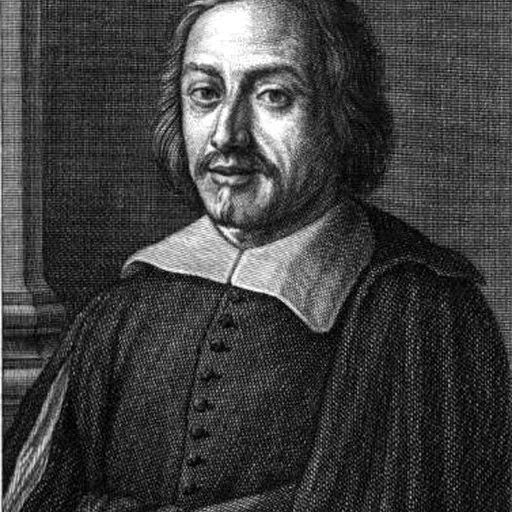
Matteo Rosselli (10 August 1578 – 18 January 1650) was an Italian painter of the late Florentine Counter-Mannerism and early Baroque. He is best known however for his highly populated grand-manner historical paintings.

![Man Playing a Lute [recto], by Matteo Rosselli](https://artifactworldgallery.com/img/matteo-rosselli--man-playing-a-lute-recto--ba21023023a336b9-w320.webp)
![Man Leaning on a Rail [verso], by Matteo Rosselli](https://artifactworldgallery.com/img/matteo-rosselli--man-leaning-on-a-rail-verso--c9936b6777df930d-w320.webp)
 Mary adoring the child
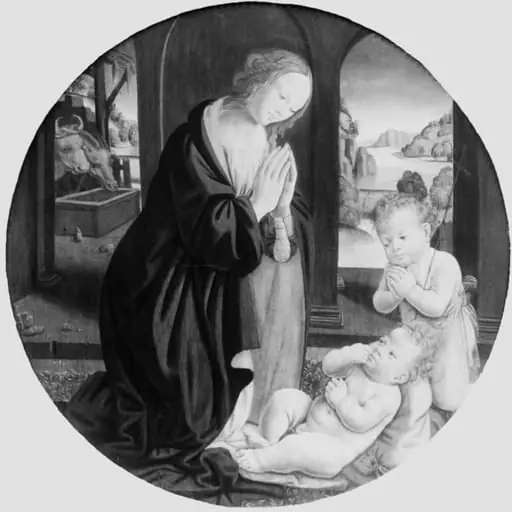 The Virgin and St. John Worshipping the Christ
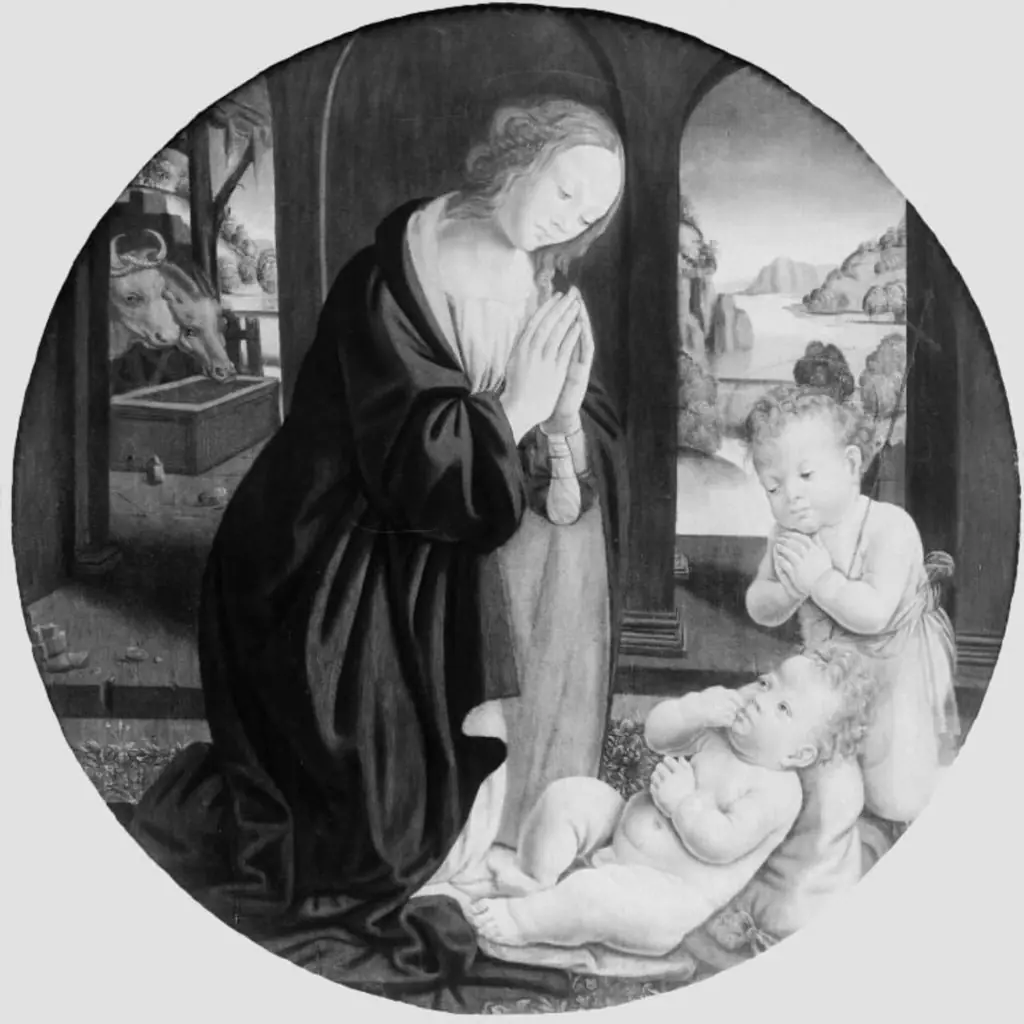 The Virgin and St. John Worshipping the Christ
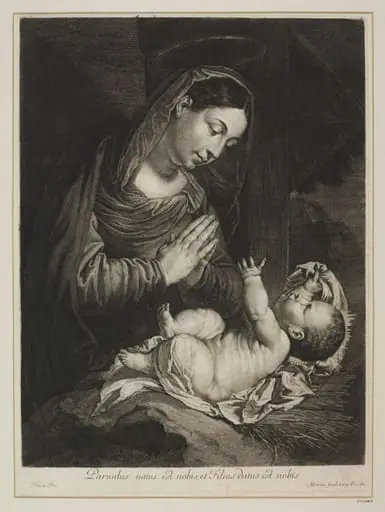 The Virgin adoring the Infant Jesus
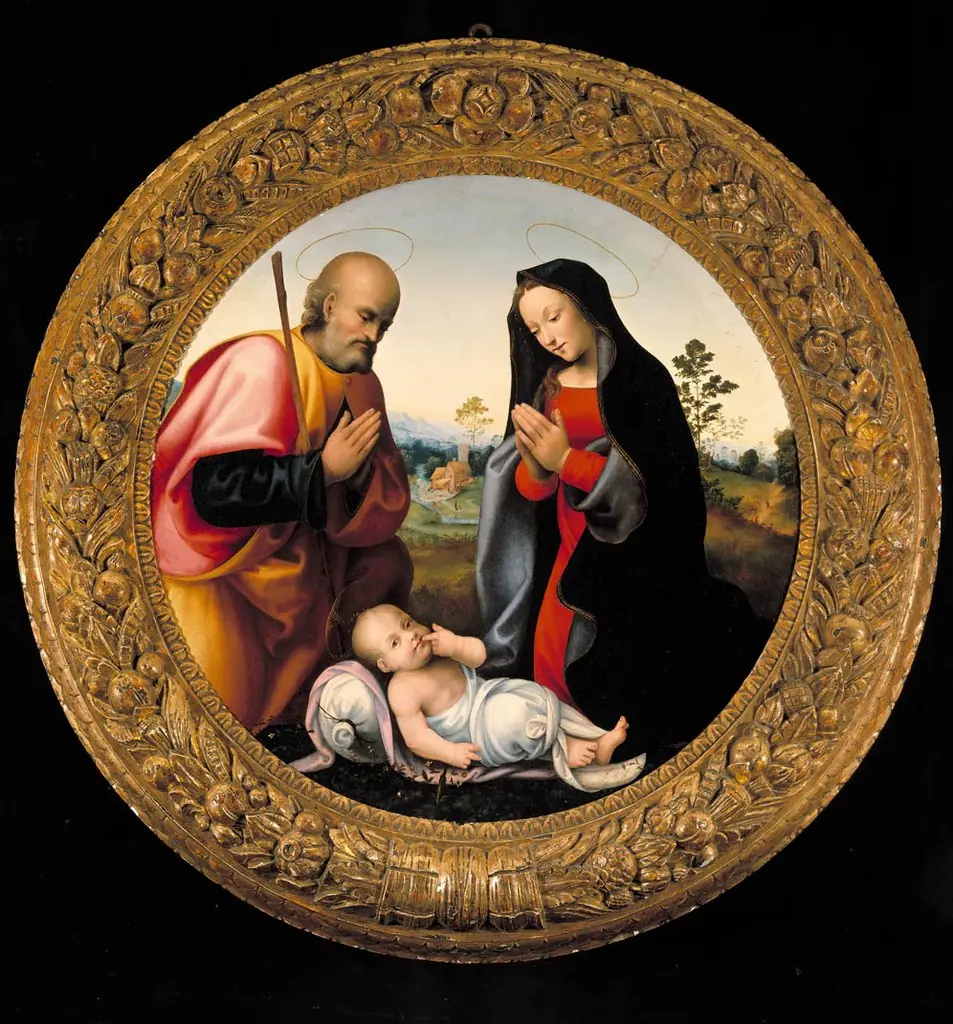 Holy Family
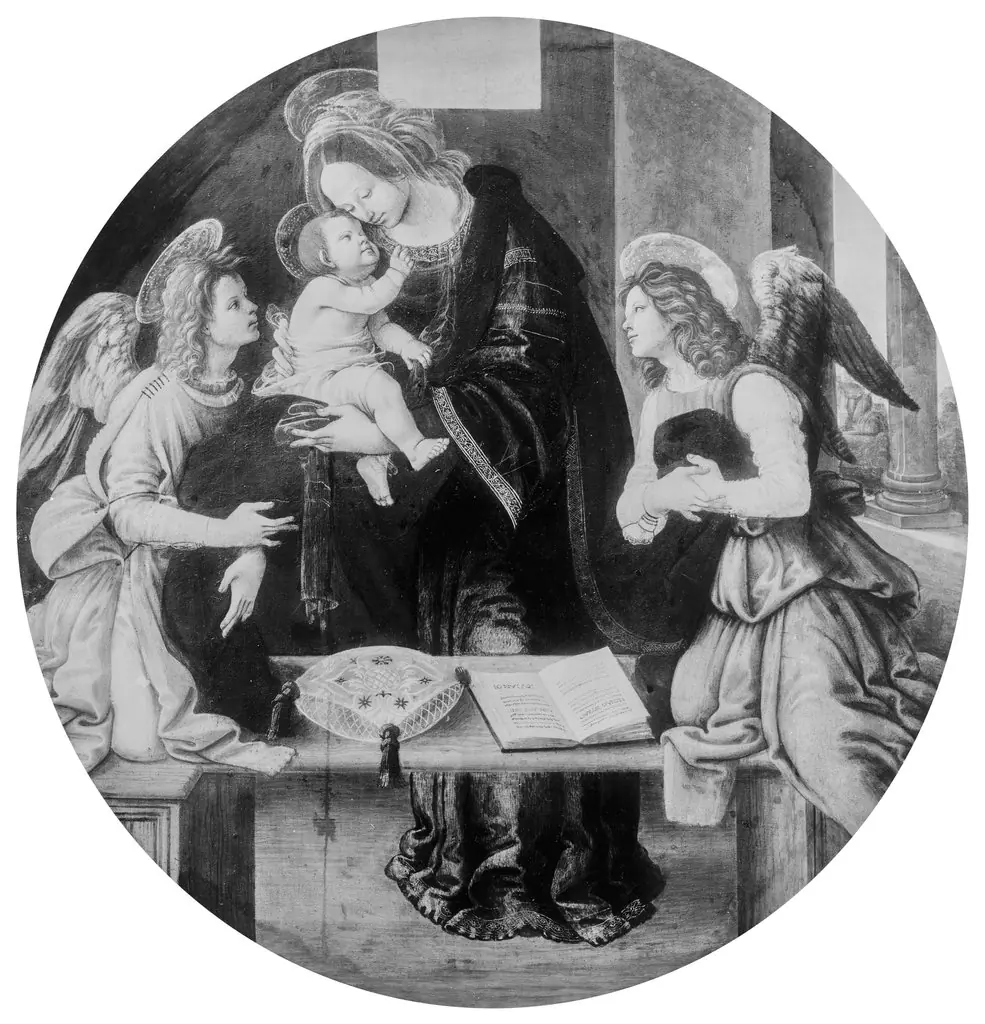 Mary with the child and two angels
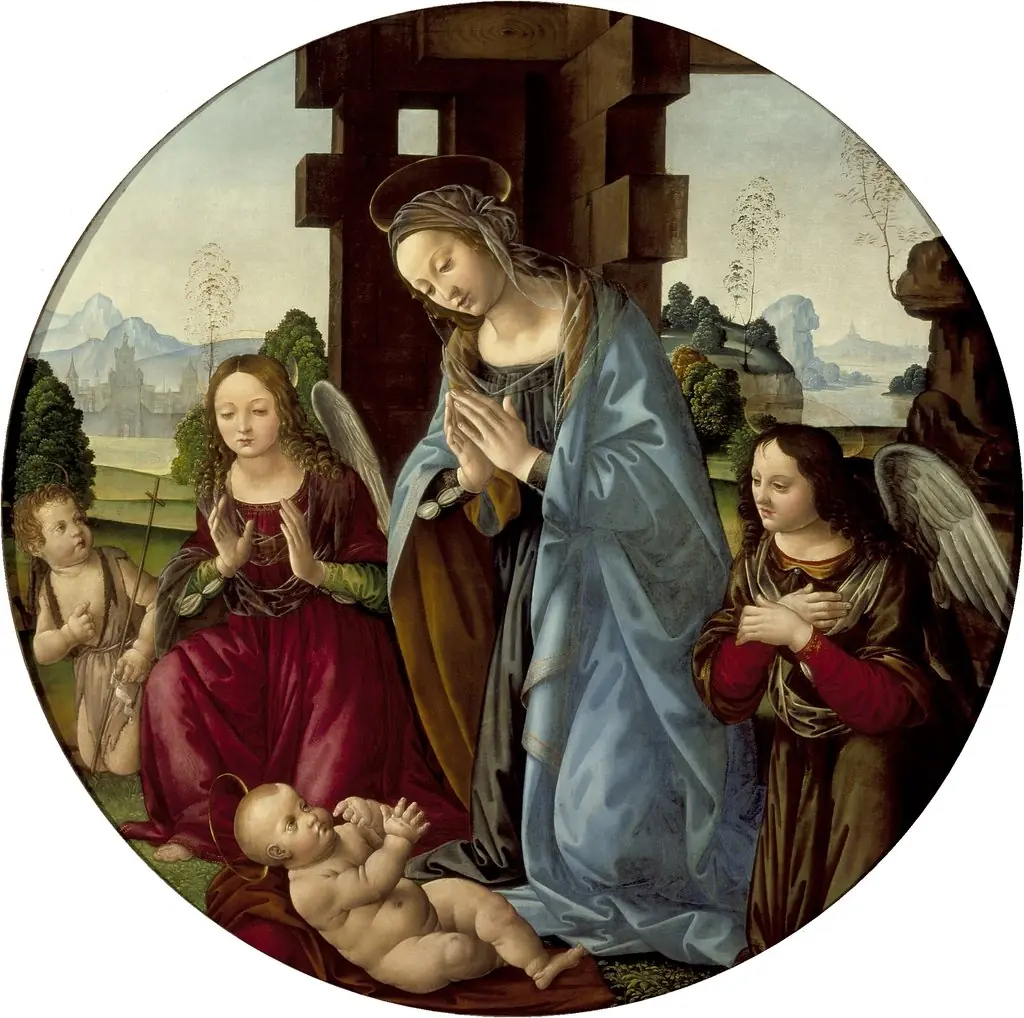 Virgin Adoring the Christ Child with St. John the Baptist and Two Angels
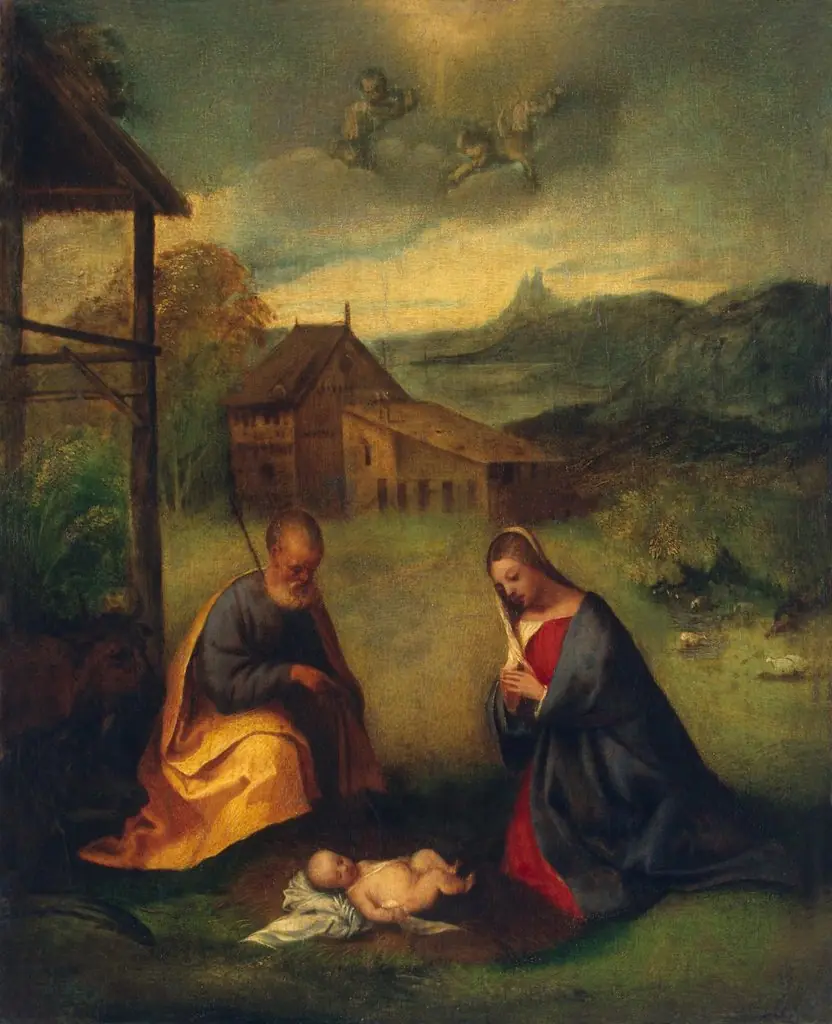 Adoration of the Christ Child
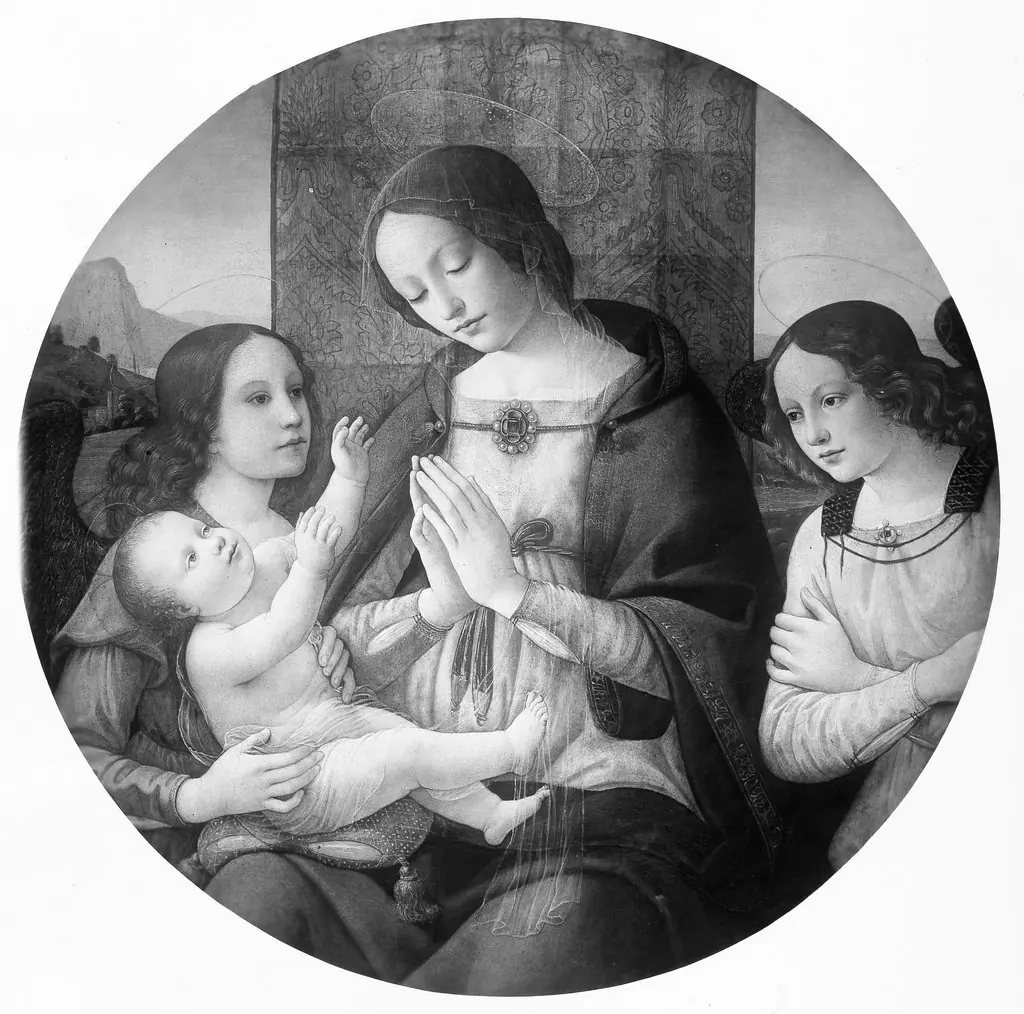 Madonna and Child with Angels
 Virgin and Child with the Young Saint John the Baptist