Artwork
Landscape with a River and Aqueduct
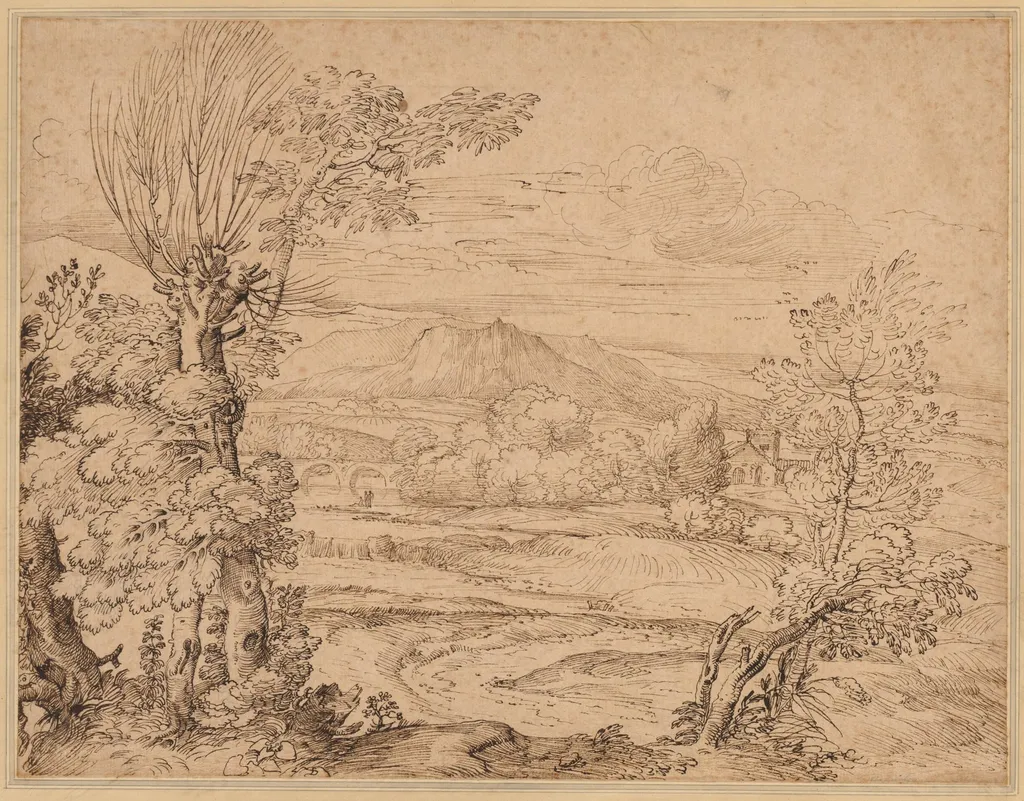
Landscape with a River and Aqueduct is a drawing by the Baroque artist Giovanni Francesco Grimaldi. It dates from 1604 and is held in the collection of the Cleveland Museum of Art.
About this work
Overview
Landscape with a River and Aqueduct is a drawing created by Italian artist Giovanni Francesco Grimaldi around 1604. It features a serene rural landscape with a winding river and a distant aqueduct, set amidst rolling hills and trees.
Subject & Meaning
The subject is an idealized natural scene, reflecting the period's preference for classical, structured landscapes. The composition highlights the harmony between natural elements (river, hills, trees) and man-made infrastructure (aqueduct).
Technique & Style
Grimaldi employed a range of colors to capture light and shadow, achieving depth and atmosphere. A prominent tree in the foreground, with branches reaching upwards, adds visual balance. The style aligns with Grimaldi's known architectural and landscape techniques.
History & Provenance
Created circa 1604, the work is now part of The Cleveland Museum of Art's collection. Grimaldi's landscapes were popular among prominent Roman families during his time.
Context
This drawing is characteristic of the Baroque movement's emphasis on light, shadow, and natural beauty. It shares similarities with other Baroque landscapes that often featured harmonious blends of nature and architecture.
Legacy
While specific influence of this piece is not detailed, it contributes to the broader legacy of Baroque landscape art, reflecting the era's aesthetic values and Grimaldi's contribution to the genre.
Own this work as a print
Artist & collection
Artist
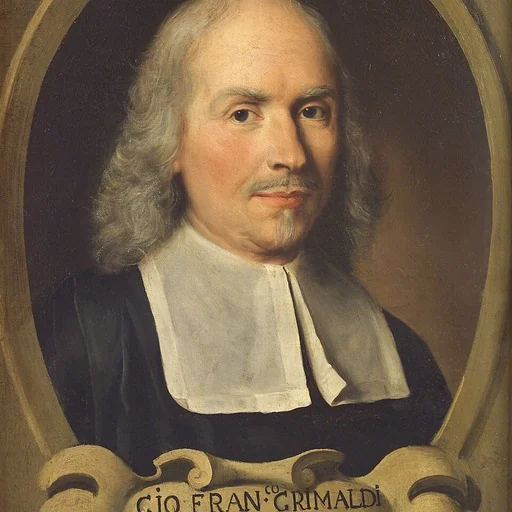
Giovanni Francesco Grimaldi (1606 – 28 November 1680) was an Italian painter, draughtsman, printmaker and architect. He was an accomplished fresco painter of classical landscapes which were popular with leading Roman families.

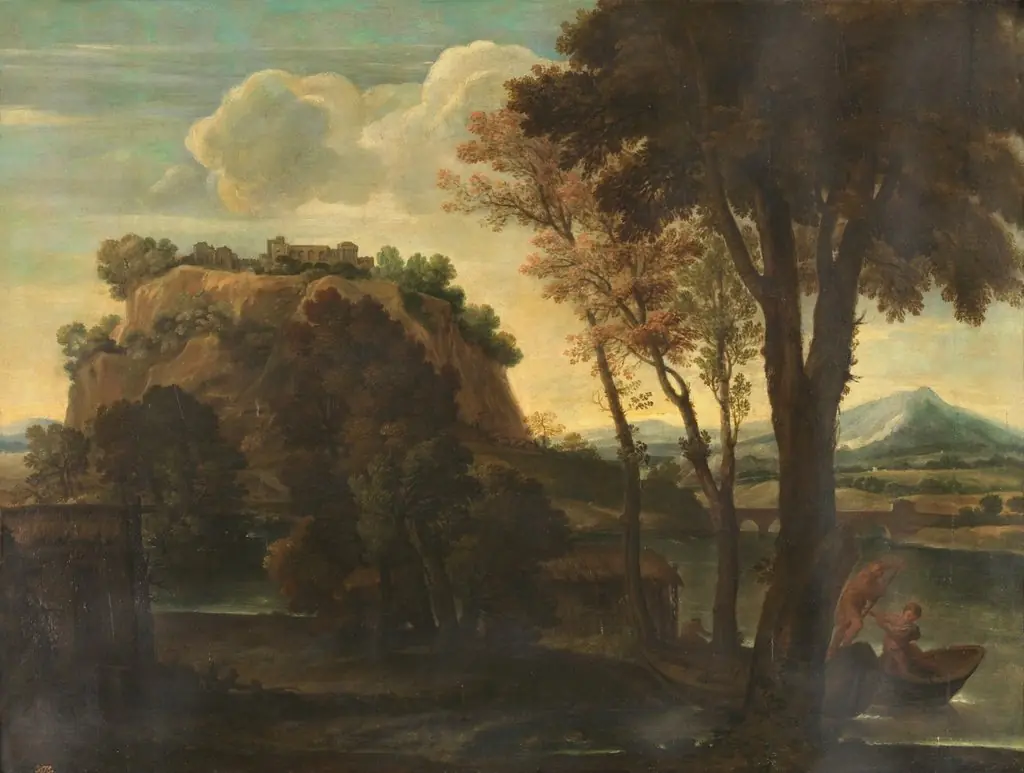 Landscape with River and Boats
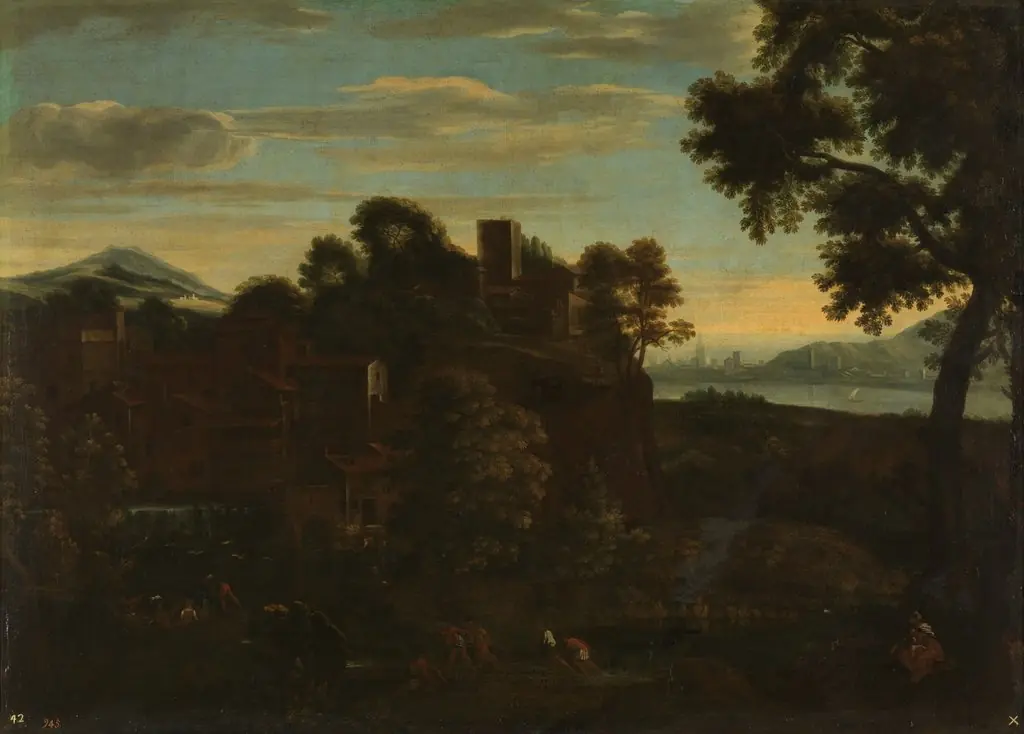 Paisaje con barcos, pescadores y la Huida a Egipto
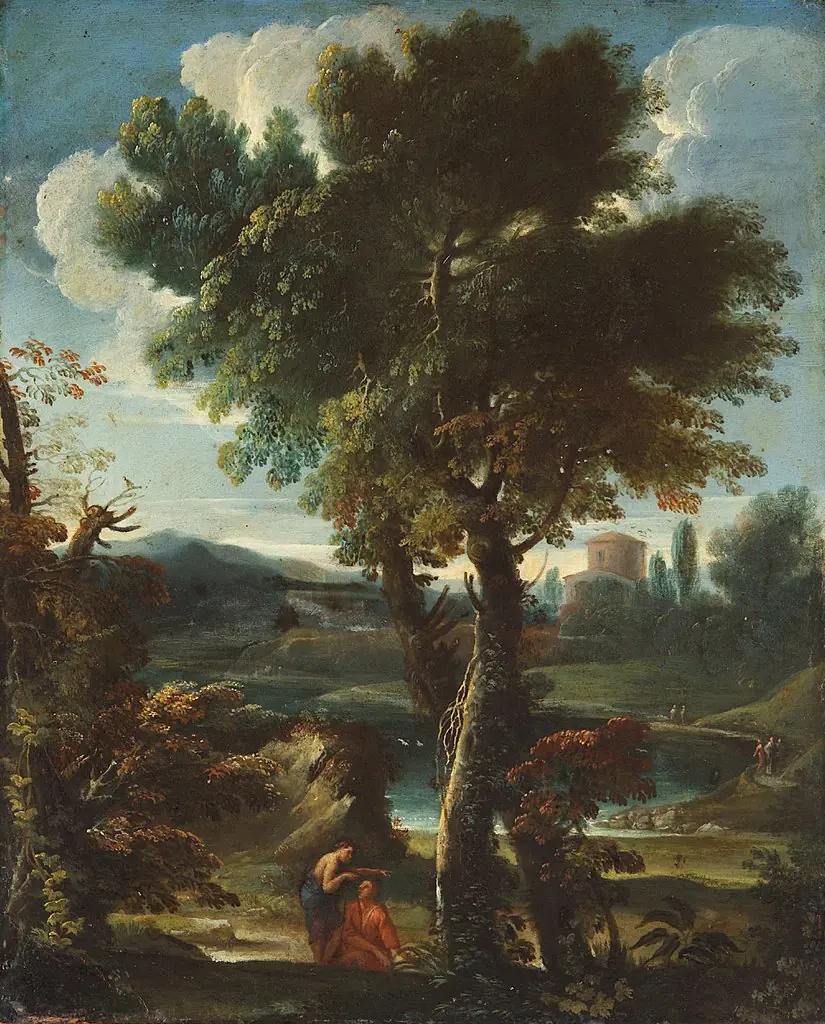 Landschaft mit Hirten
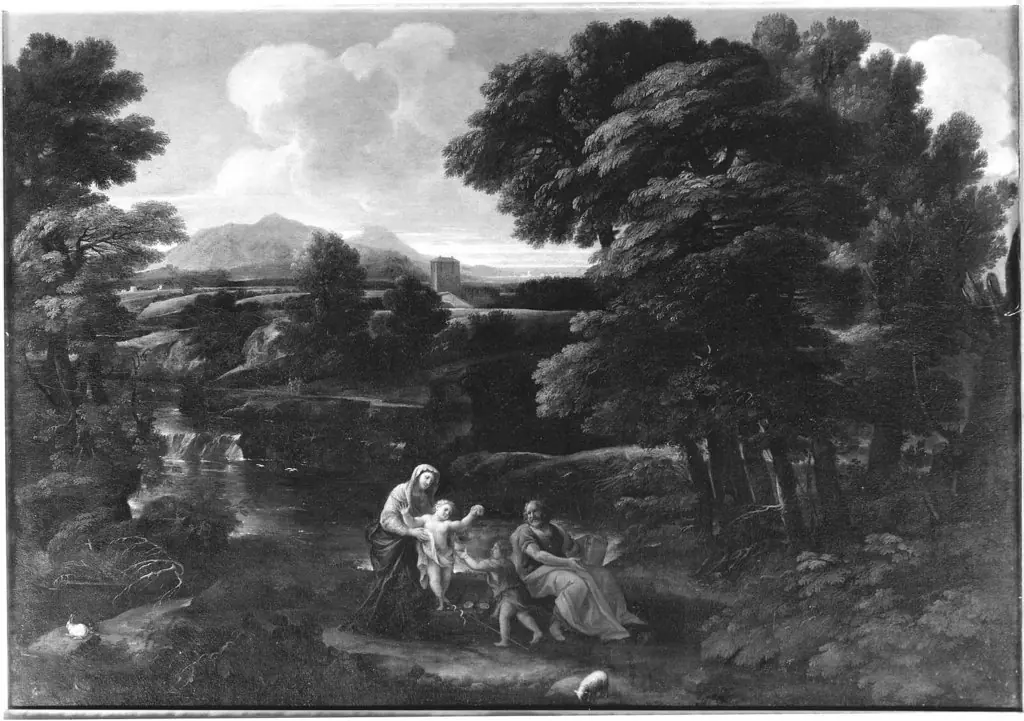 Landscape with the Holy Family and the Infant Saint John the Baptist
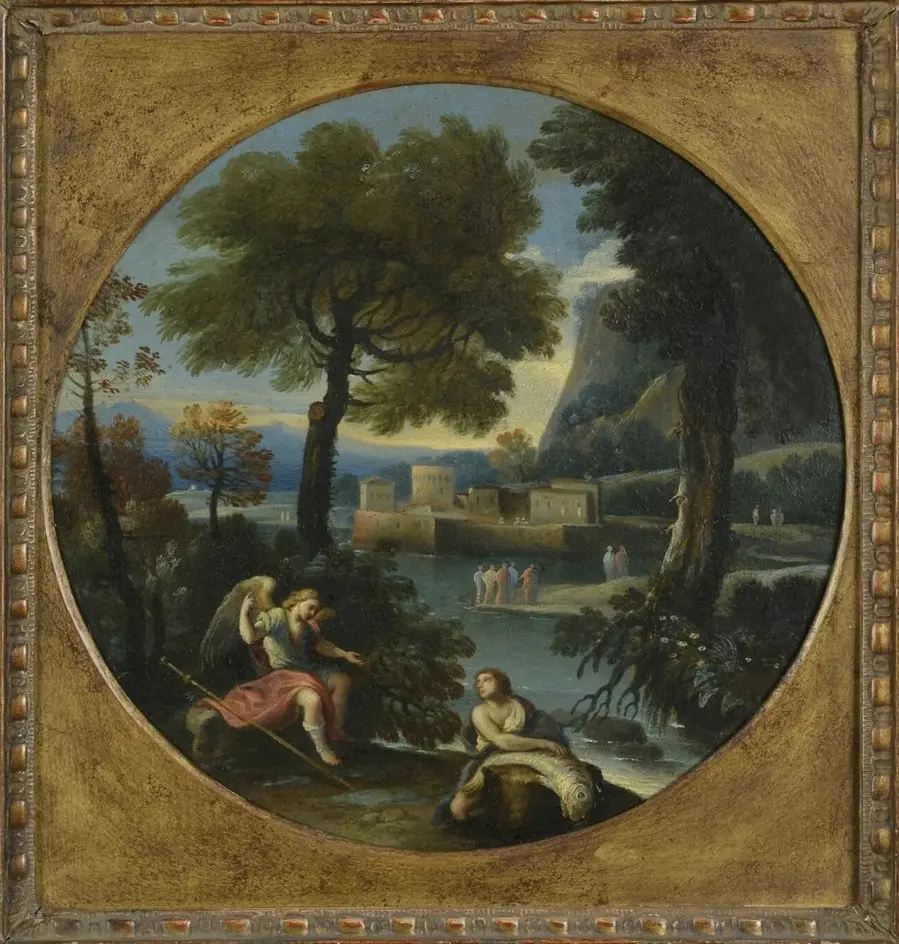 Landscape with Tobias and the Angel
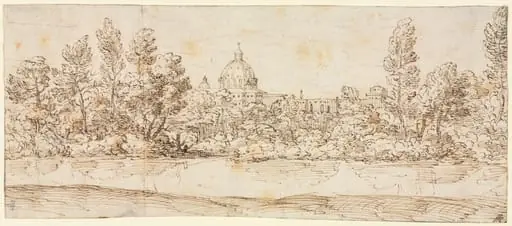 River Landscape with View of St. Peter's Basilica
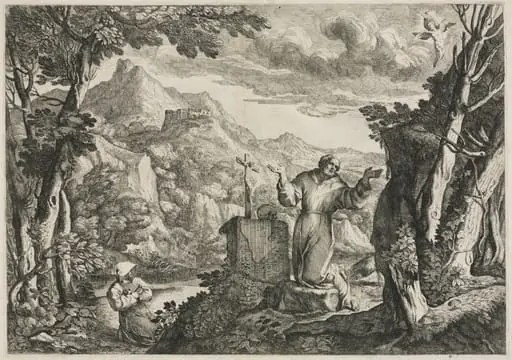 St. Francis of Assisi Receiving the Stigmata
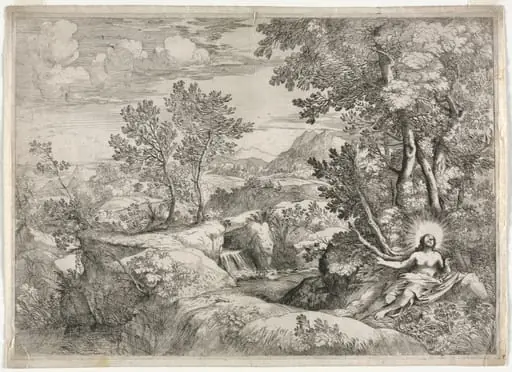 The Penitent Magdalen
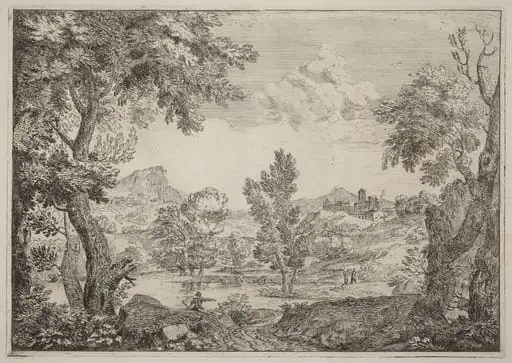 The Stream
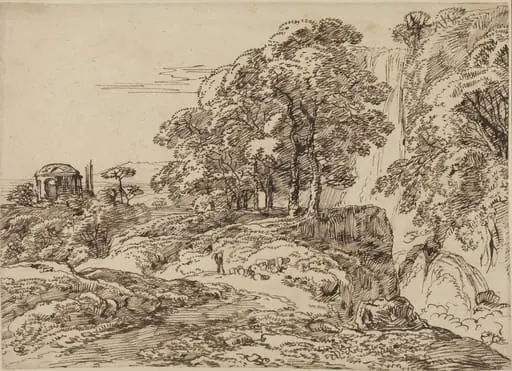 Pastoral Landscape with a Waterfall and a Temple
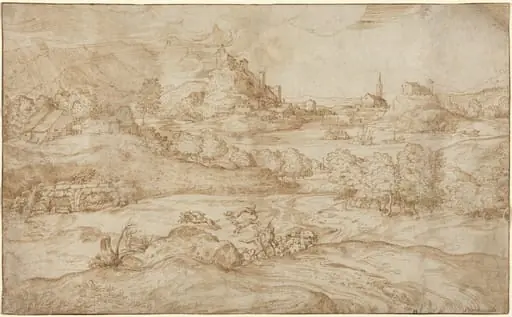 Landscape with Shepherds Driving Away a Wolf
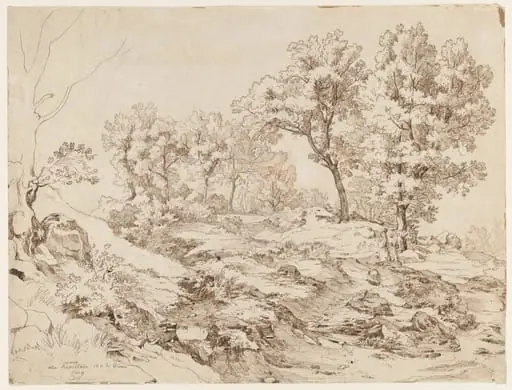 La Serpentara near Olevano
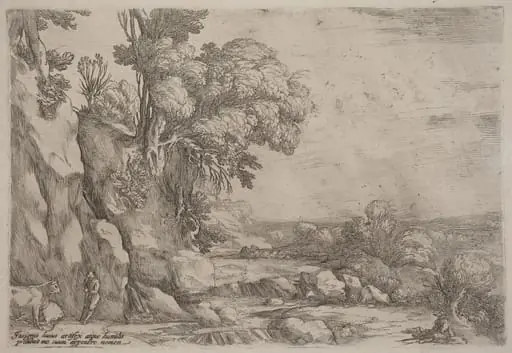 Landscape with Resting Herdsmen
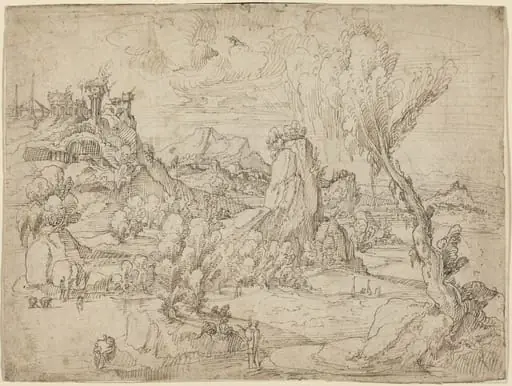 Landscape with the Baptism of Christ
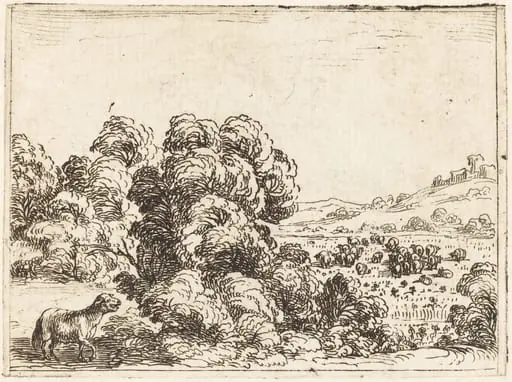 Sheep Calling Lamb
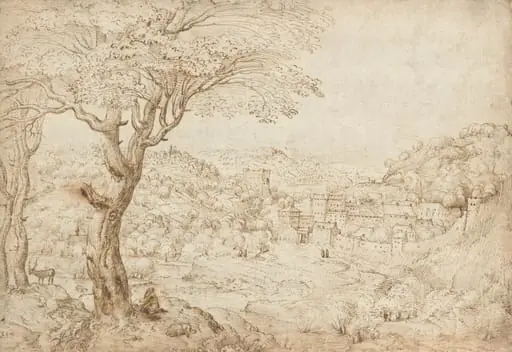 Landscape with the Penitence of Saint Jerome
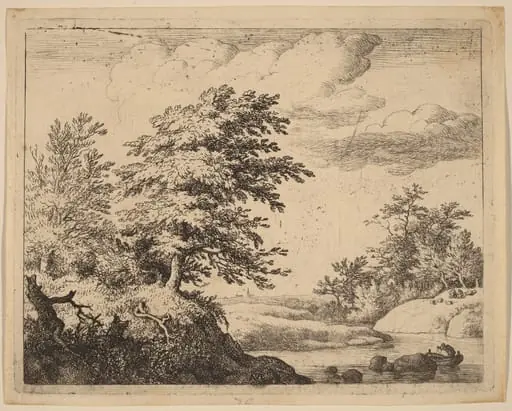 Winding River
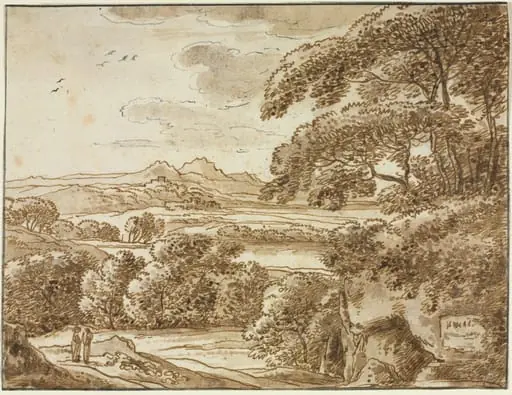 Landscape
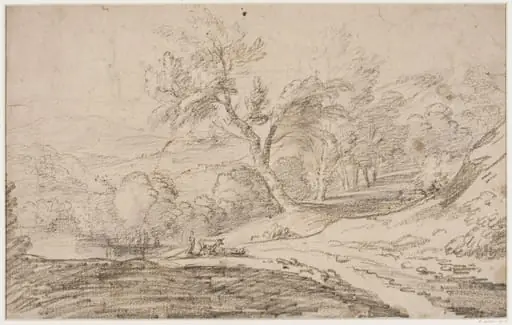 Landscape with lake
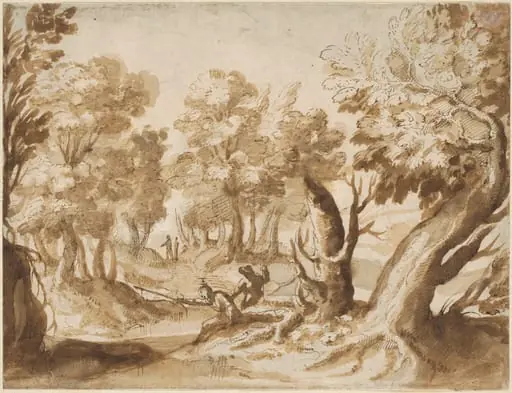 Two Figures Fishing in a Landscape