Artwork
Landscape with the Penitence of Saint Jerome
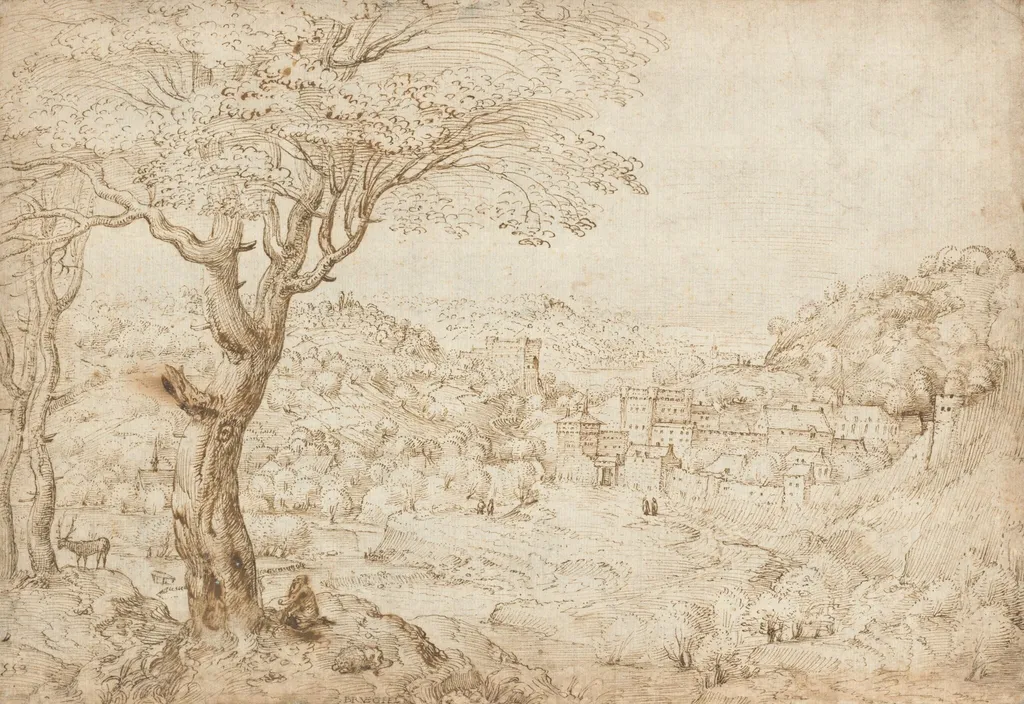
Landscape with the Penitence of Saint Jerome is an ink drawing by the Renaissance artist Pieter Bruegel the Elder. It dates from 1553 and is held in the collection of the National Gallery of Art.
About this work
It's interesting because Bruegel the Elder, Pieter was active during this time and his work reflects the style of his era.
This painting is called Landscape with the Penitence of Saint Jerome.
It was made by Bruegel the Elder, Pieter in 1553.
The artist used pen and brown ink on laid paper to create it.
I don't know what the image looks like, but I know it's from the Renaissance period.
It's interesting because Bruegel the Elder, Pieter was active during this time and his work reflects the style of his era.
Check out the movement: Renaissance.
Overview
Landscape with the Penitence of Saint Jerome is a drawing executed in 1553 by the Flemish artist Pieter Bruegel the Elder. Rendered with pen and brown ink on laid paper, the work presents a composed view that integrates a biblical theme within a natural setting, characteristic of Bruegel’s early output.
Subject & Meaning
The composition depicts Saint Jerome in a moment of penitence, a motif drawn from Christian hagiography. By placing the hermit within an expansive landscape, the drawing juxtaposes spiritual contemplation with the surrounding world, suggesting a dialogue between the sacred and the earthly.
Technique & Style
Bruegel employs fine pen work and a limited brown ink palette to delineate terrain, foliage, and architectural elements. The use of laid paper, with its visible ribbed texture, contributes to the drawing’s tactile quality, while the linear precision reflects the artist’s mastery of Northern Renaissance drawing conventions.
History & Provenance
Created during the mid‑sixteenth century, the piece belongs to the period when Bruegel was establishing his reputation in Antwerp and Brussels. Documentation of its ownership after the artist’s lifetime is sparse, but the drawing has been recorded in several scholarly catalogues of Bruegel’s works.
Context
The work emerges from the Northern Renaissance, a time when artists combined detailed observation of nature with religious narratives. Bruegel’s interest in landscape as a setting for moral subjects aligns with contemporary trends that elevated the natural world as a backdrop for spiritual reflection.
Artist & collection


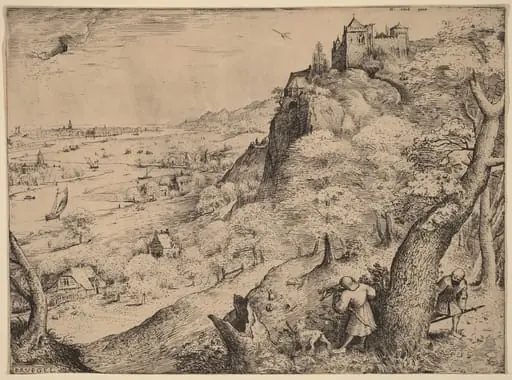
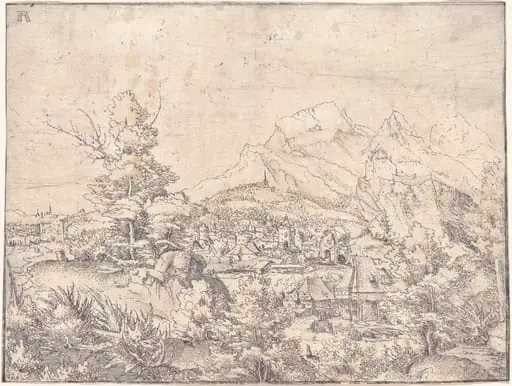 The Great Landscape with the Water Mill
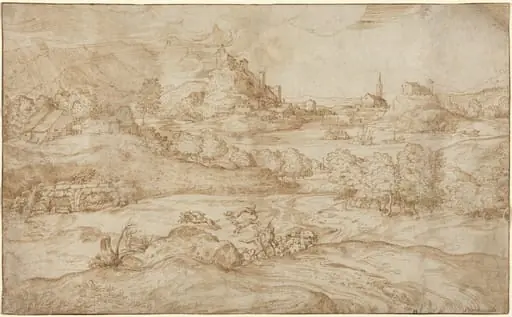 Landscape with Shepherds Driving Away a Wolf
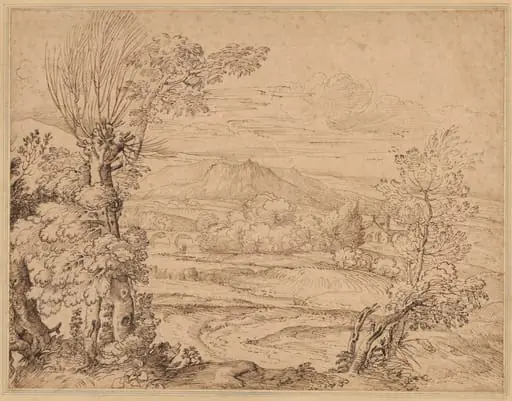 Landscape with a River and Aqueduct
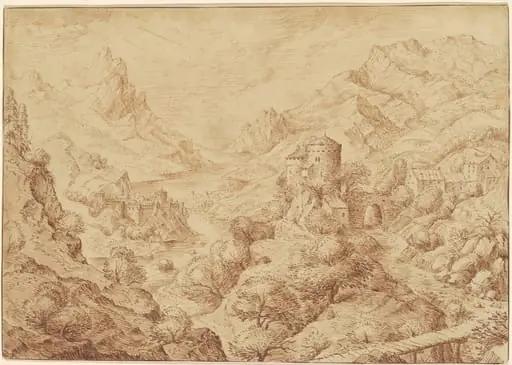 Panoramic River Landscape
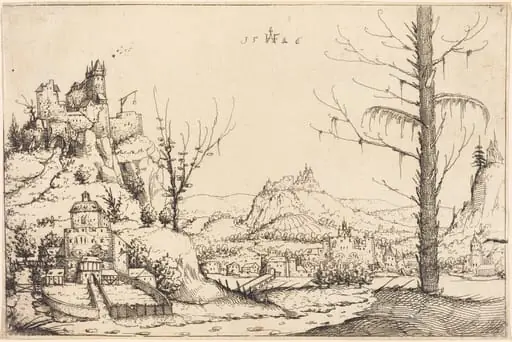 Landscape with High Cliffs, River, and City
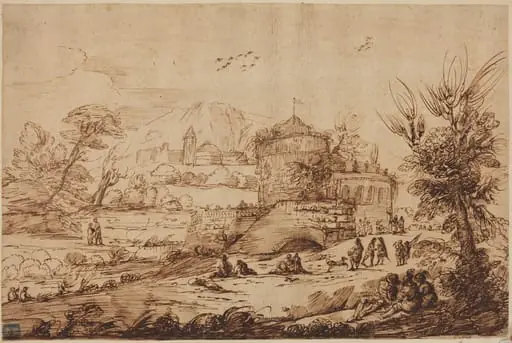 Landscape with Fortress and River
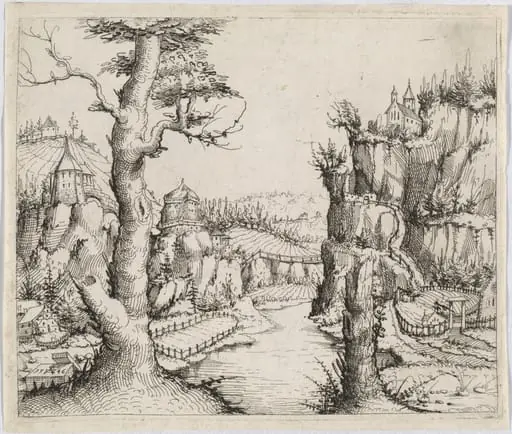 River Landscape with High Cliffs
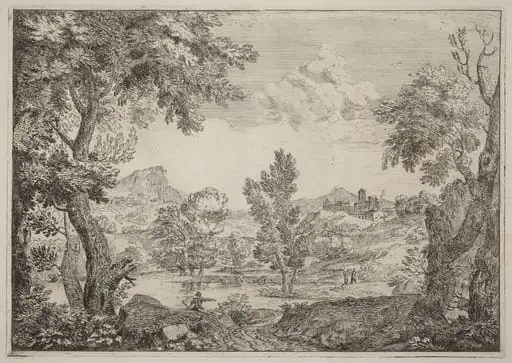 The Stream
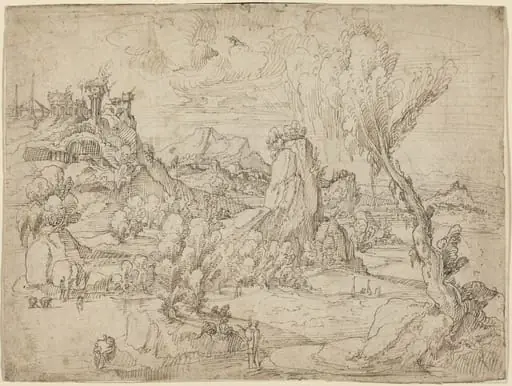 Landscape with the Baptism of Christ
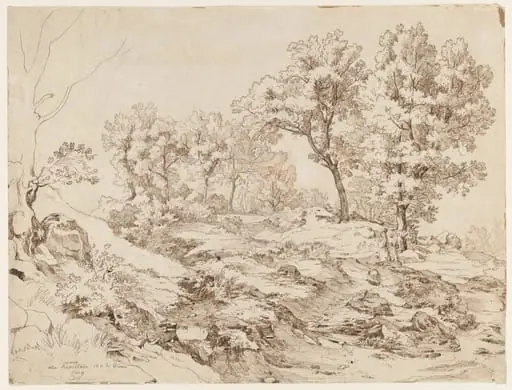 La Serpentara near Olevano
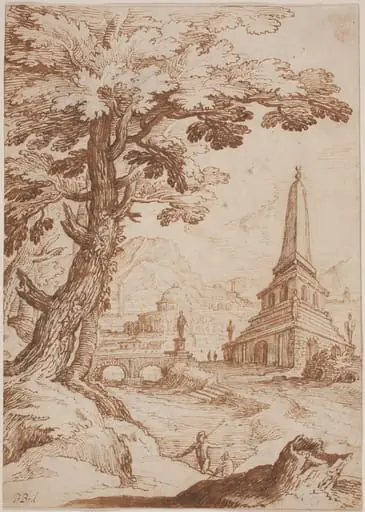 Heroic Landscape
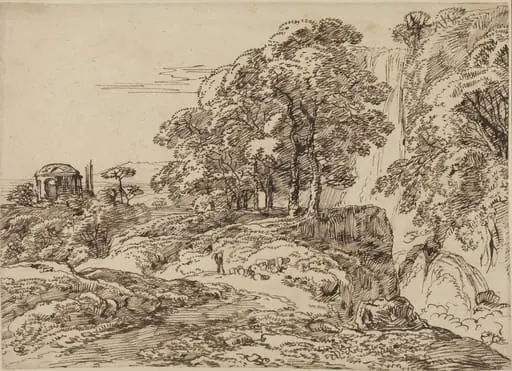 Pastoral Landscape with a Waterfall and a Temple