Artwork
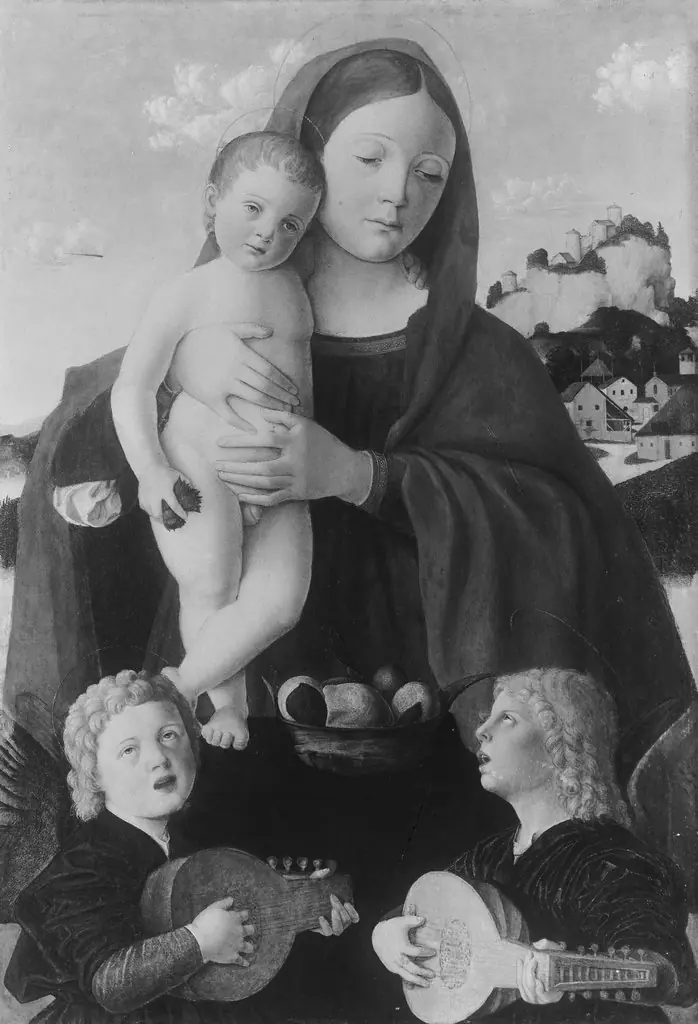
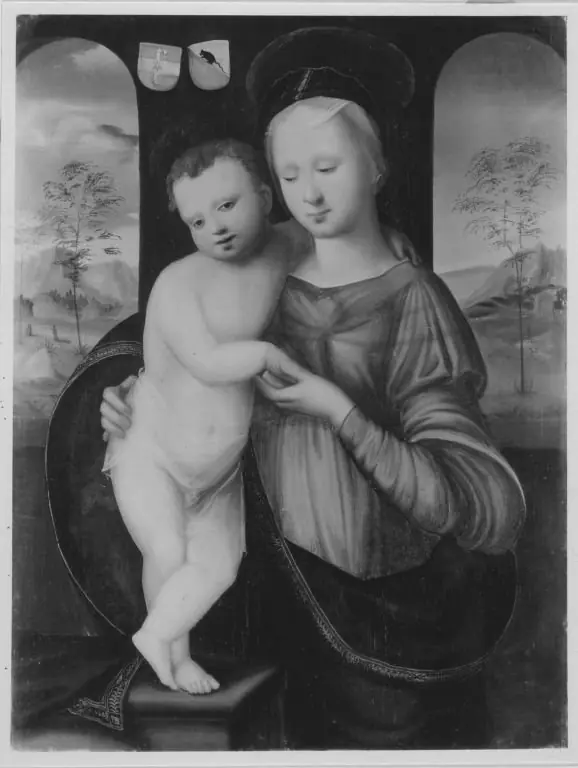
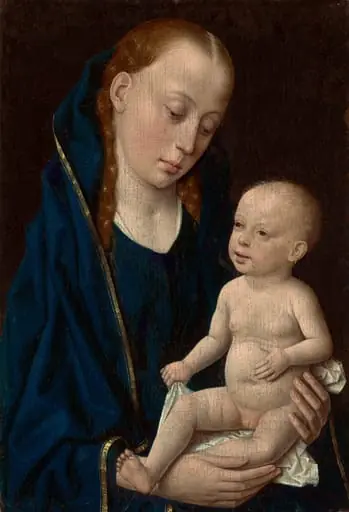
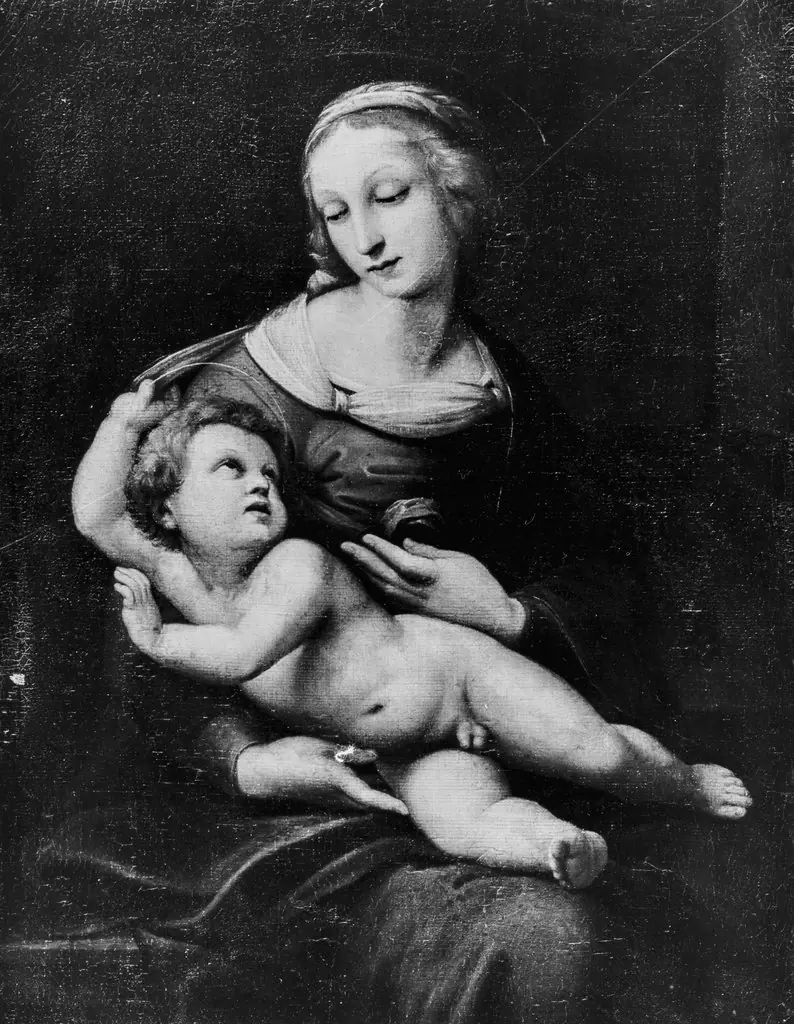
The virgin and Child
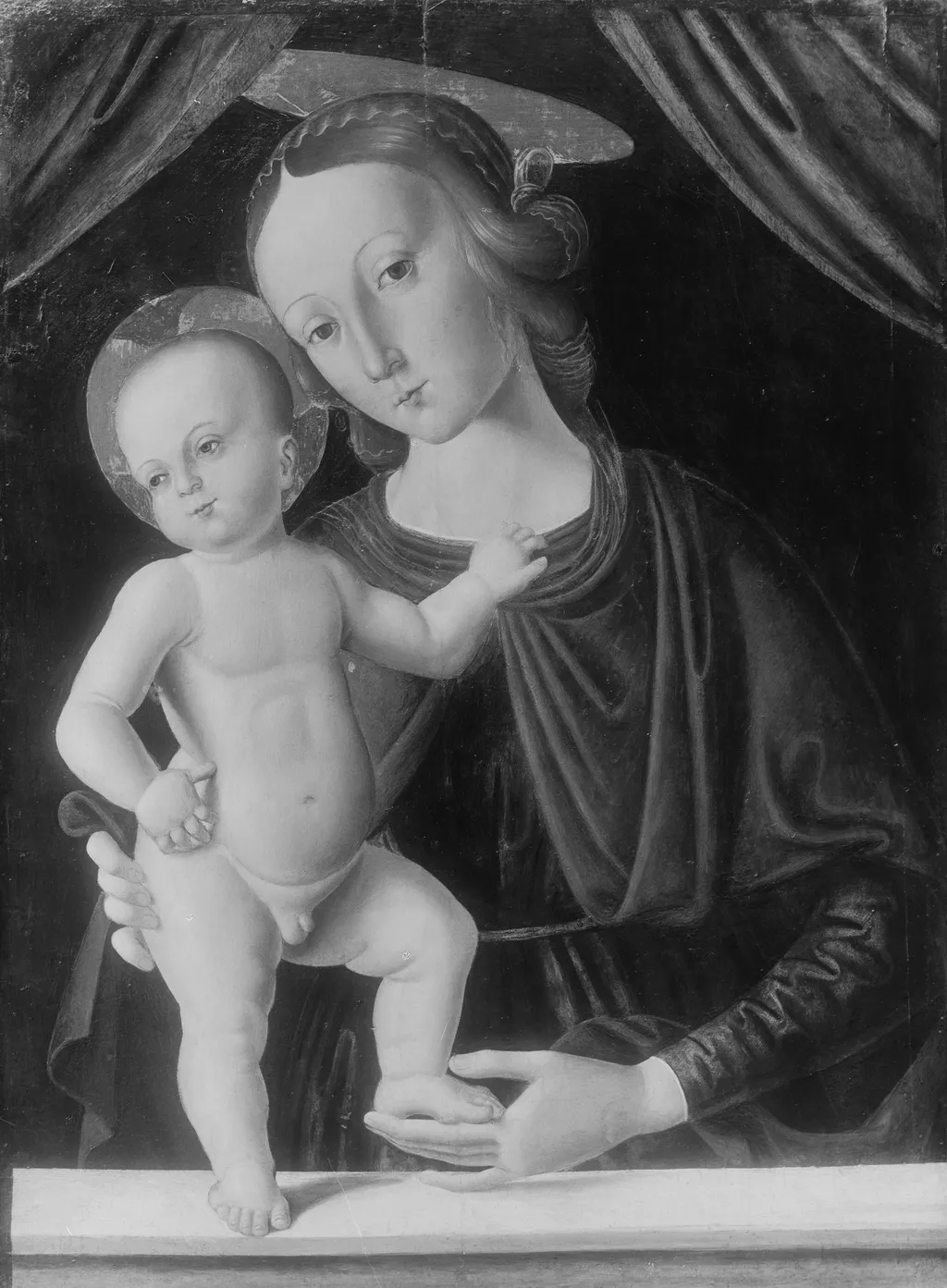
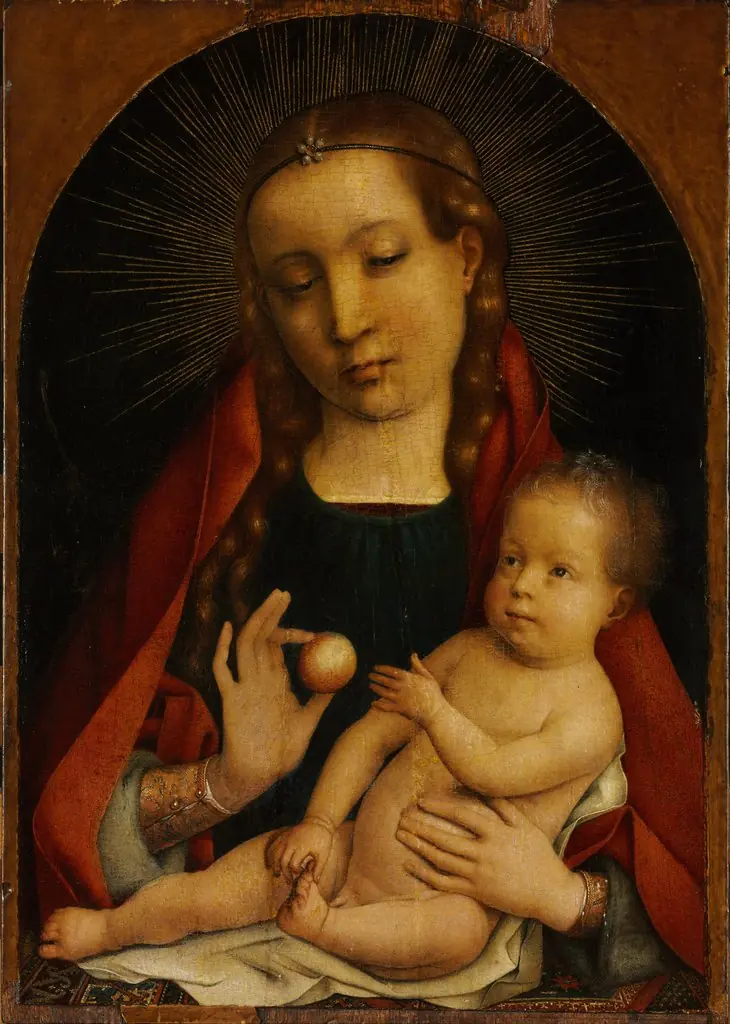
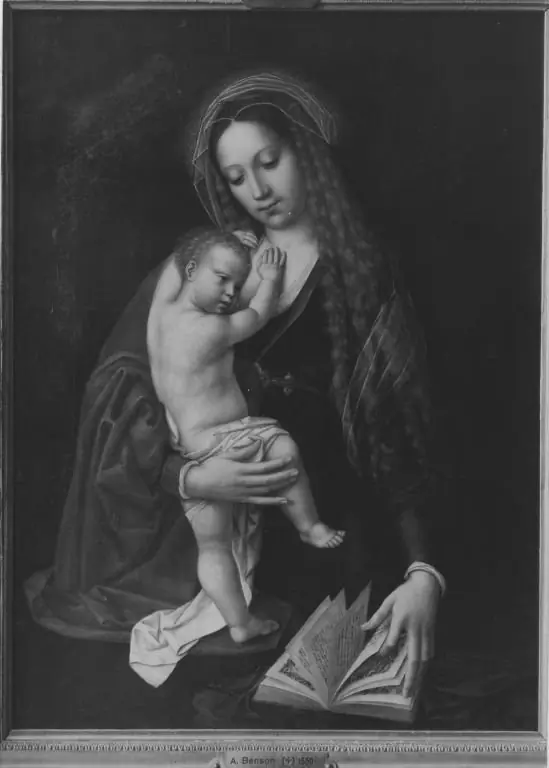
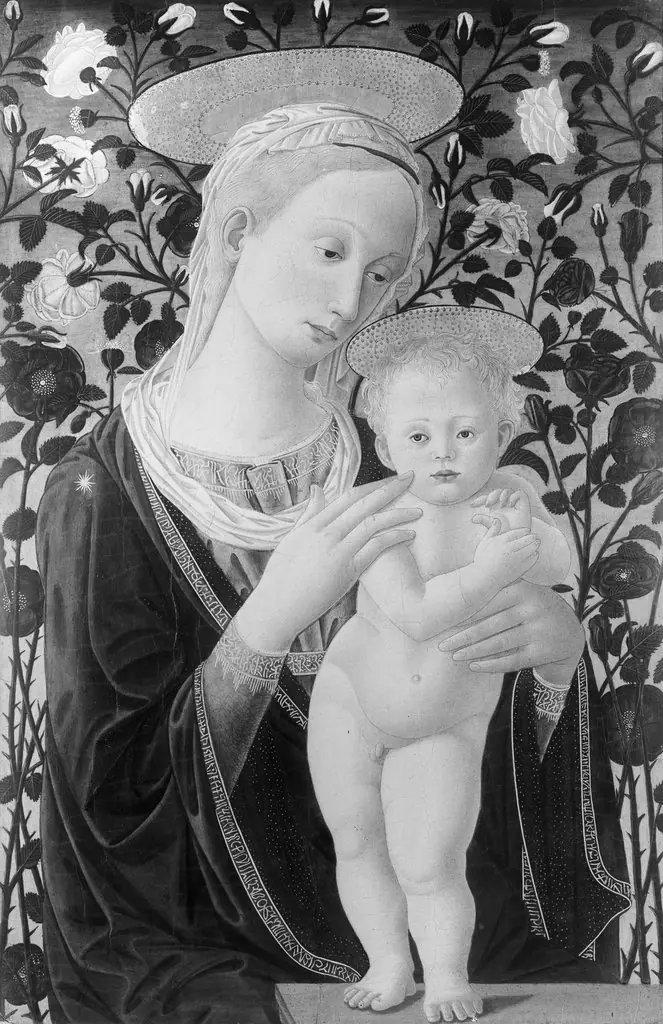
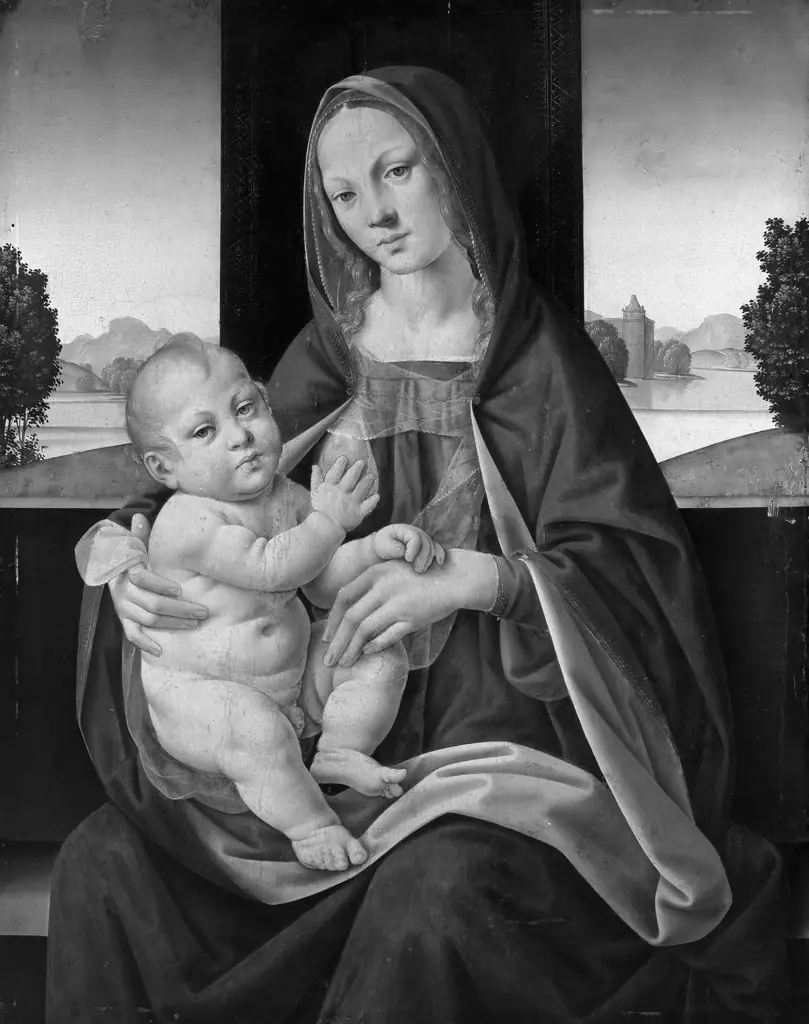
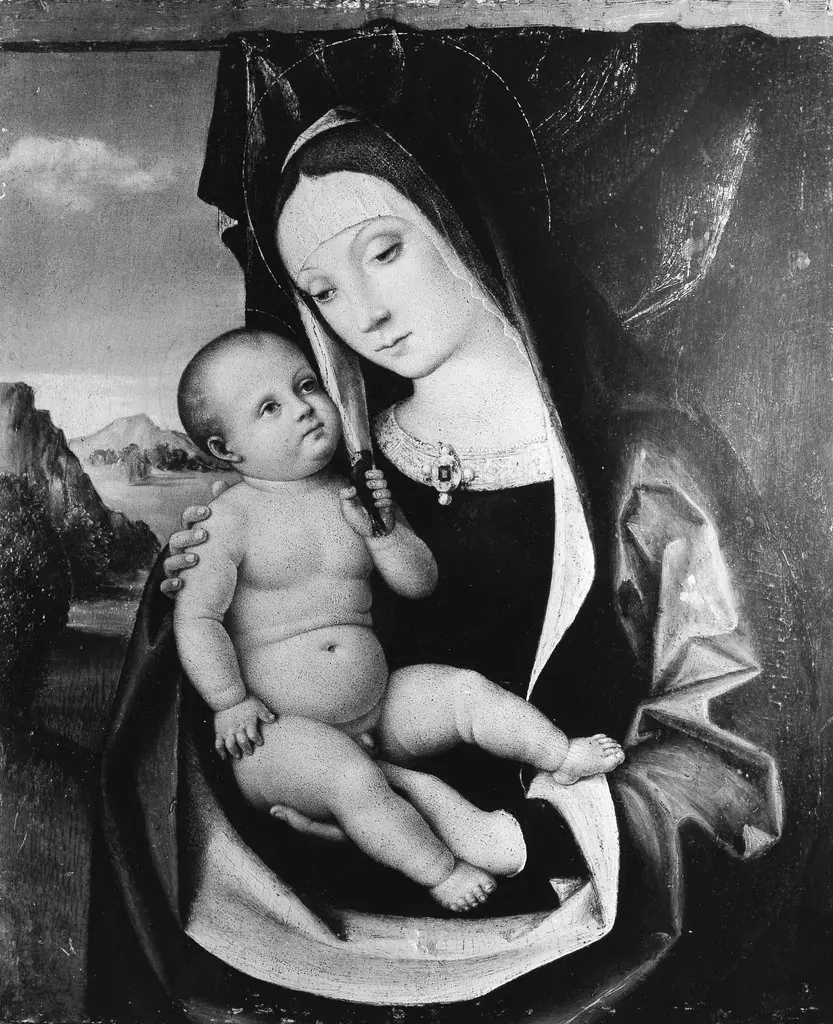
The virgin and Child is a paint painting by the High Renaissance artist Giovanni Santi. It dates from 1490 and is held in the collection of the Gemäldegalerie Berlin.
About this work
Overview
Created circa 1490 by Giovanni Santi, an Italian painter active in the late fifteenth century, this tempera panel portrays the Virgin Mary cradling the infant Christ. The work is part of the Gemäldegalerie Berlin’s collection and exemplifies the High Renaissance’s balanced composition and serene devotional tone.
Subject & Meaning
The central figures are the Virgin, rendered with a calm expression, and the newborn Jesus, who reaches toward his mother while holding a small object. The intimate gesture underscores themes of maternal tenderness and the divine nature of the child, common in devotional imagery of the period.
Technique & Style
Santi employed tempera on panel, achieving smooth skin tones through delicate shading that suggests three‑dimensional form. The handling of light and shadow creates a softened transition between edges, reminiscent of the sfumato effect, while the overall composition reflects the measured geometry learned from his master, Piero della Francesca.
History & Provenance
Giovanni Santi served as court painter to the Duke of Urbino, producing altarpieces and other religious commissions. This particular panel later entered the collection of the Gemäldegalerie Berlin, where it remains on display, offering insight into Santi’s output before his son, Raphael, rose to fame.
Context
The painting reflects the artistic climate of Urbino in the late Quattrocento, where influences from Piero della Francesca and Fiorenzo di Lorenzo merged with local court patronage. Santi’s work bridges the more rigid medieval iconography and the emerging naturalism that would define the High Renaissance.
Artist & collection
Artist
Giovanni Santi (c. 1435 – 1 August 1494) was an Italian painter and poet, father of Raphael Sanzio. He was born in 1435 at Colbordolo in the Duchy of Urbino. He studied under Piero della Francesca and was influenced by…