Artwork
Madonna and Child
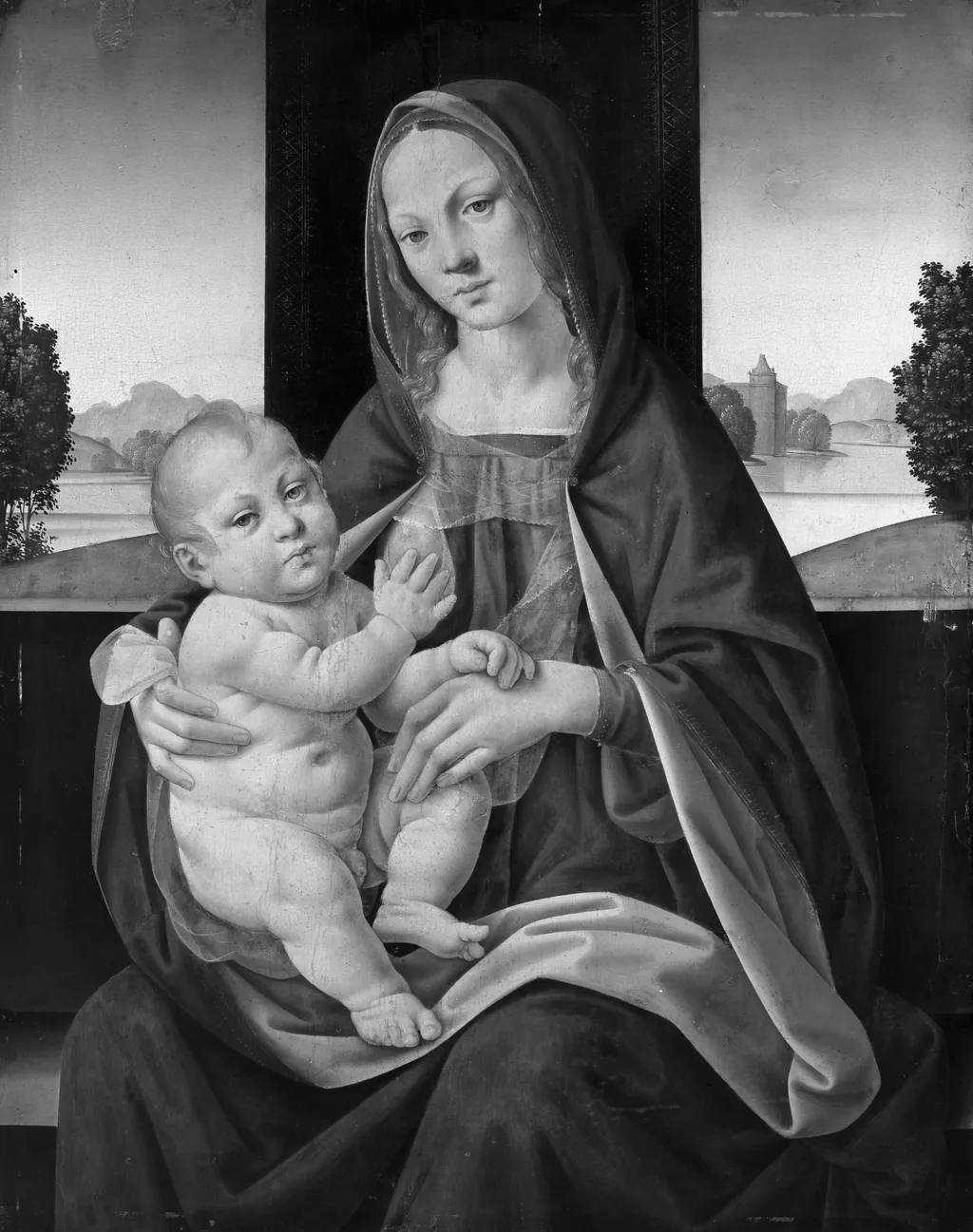
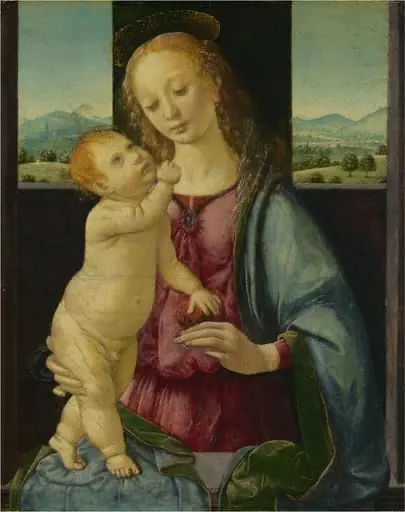
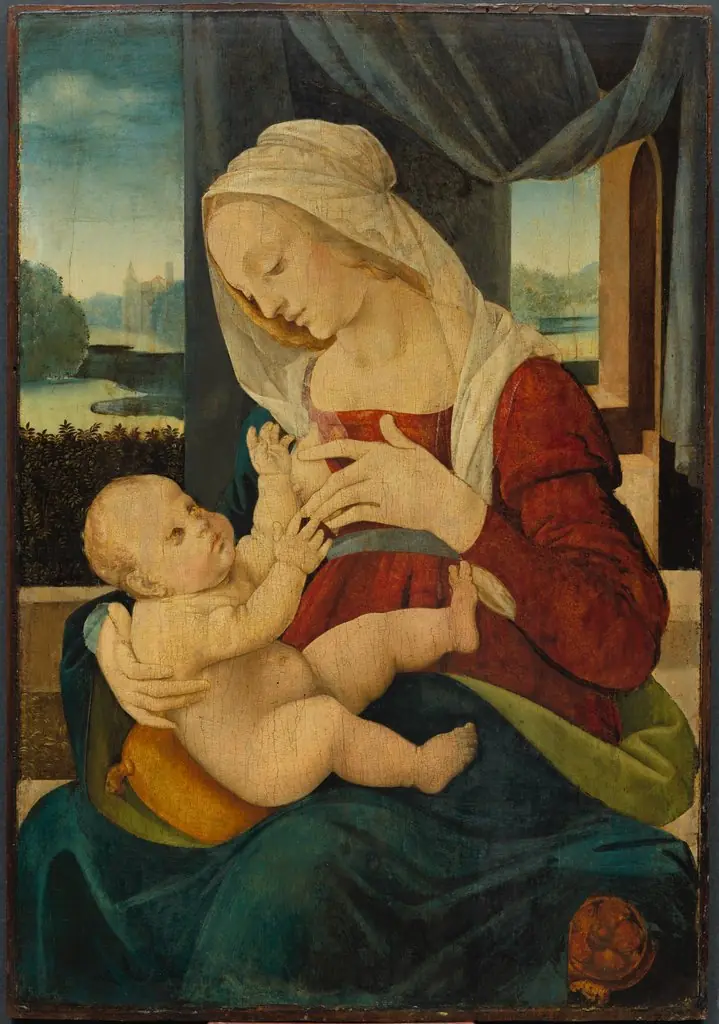
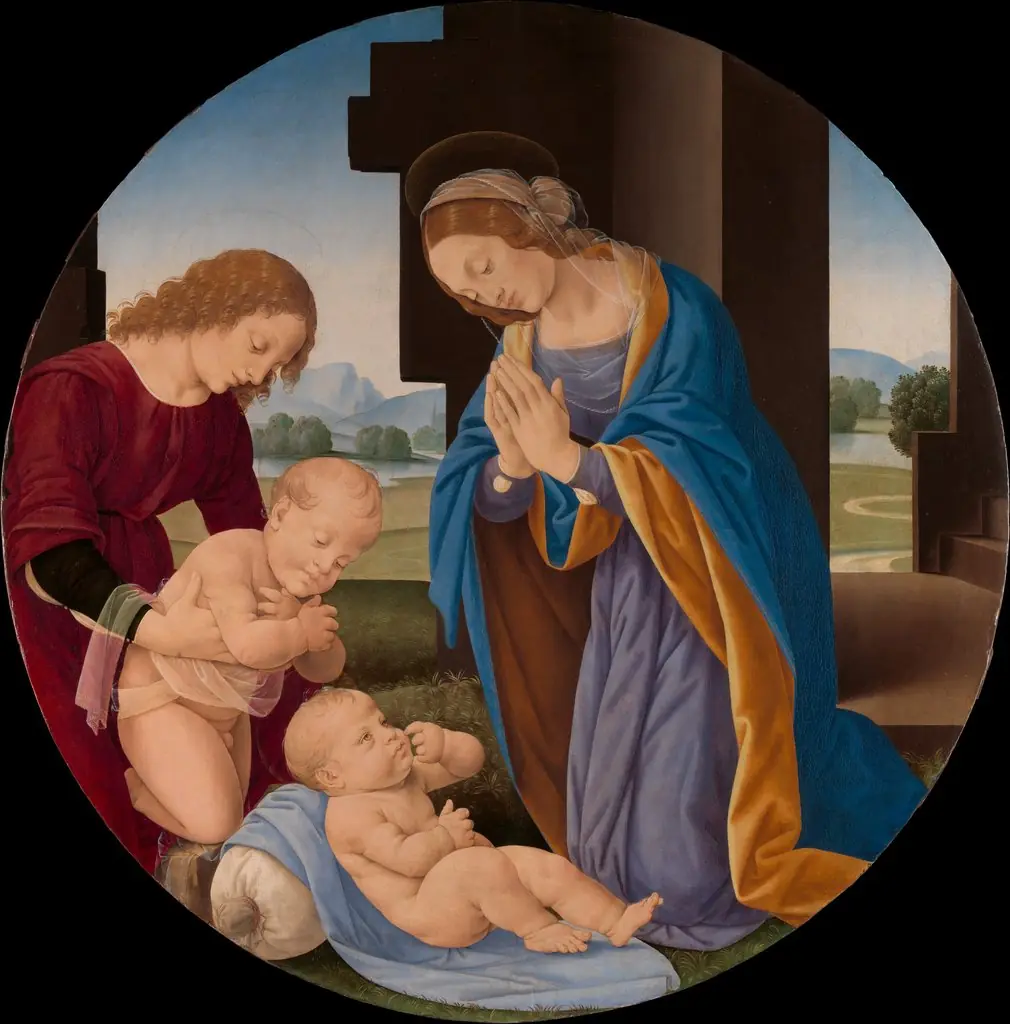
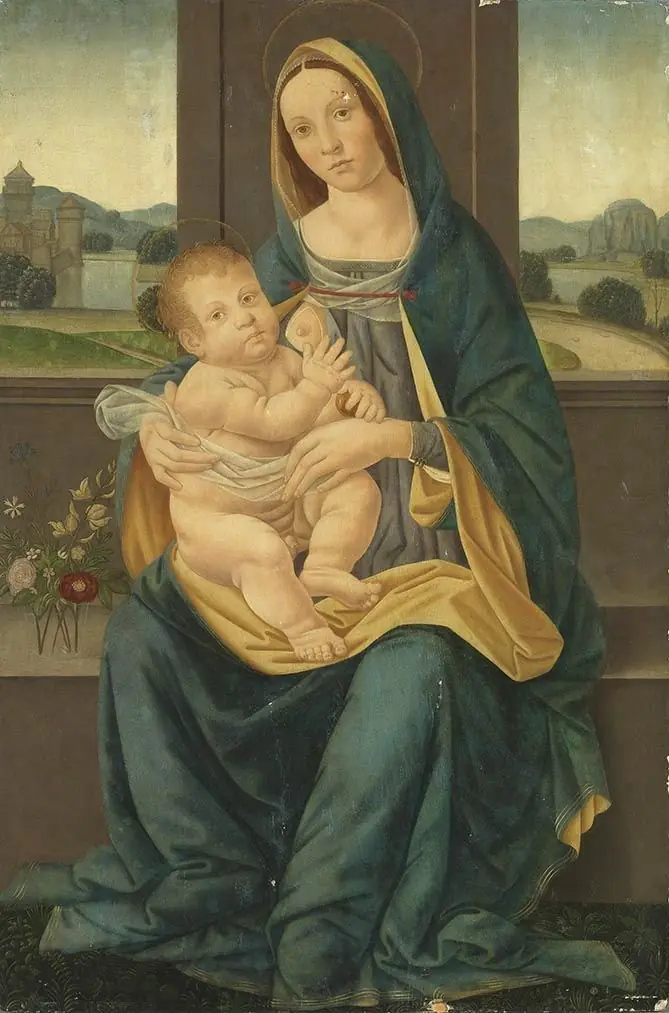
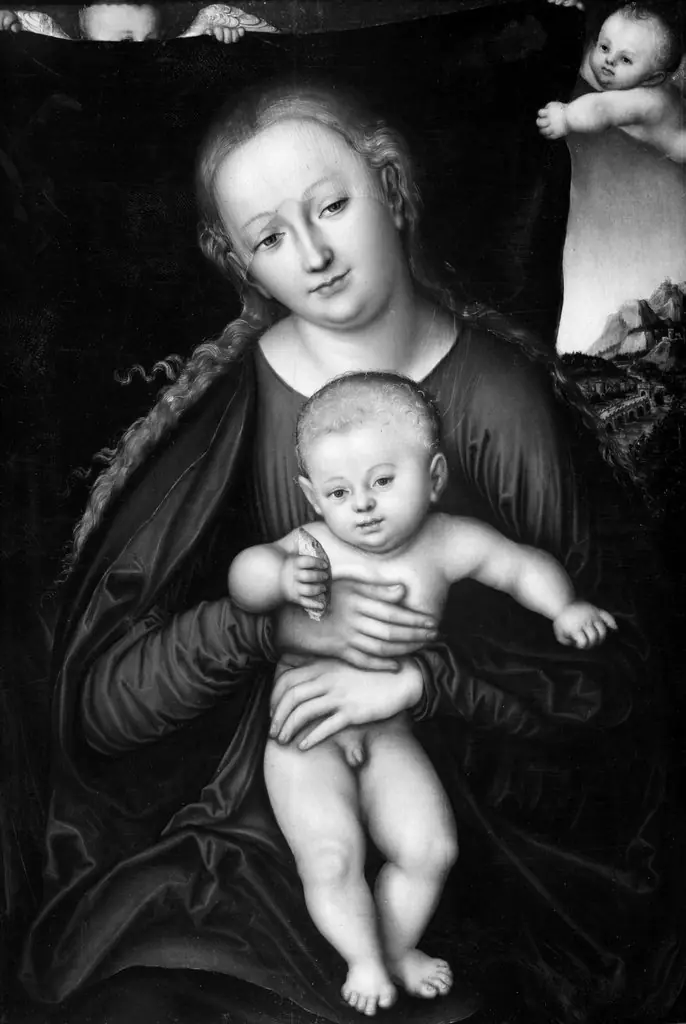
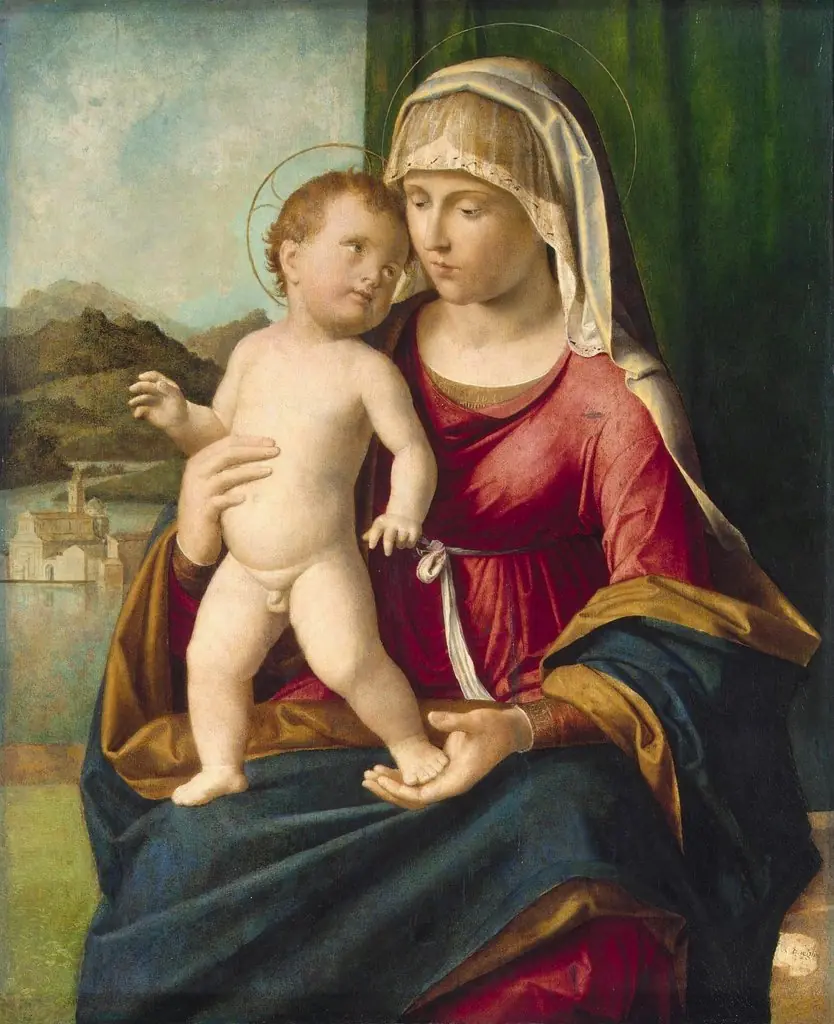
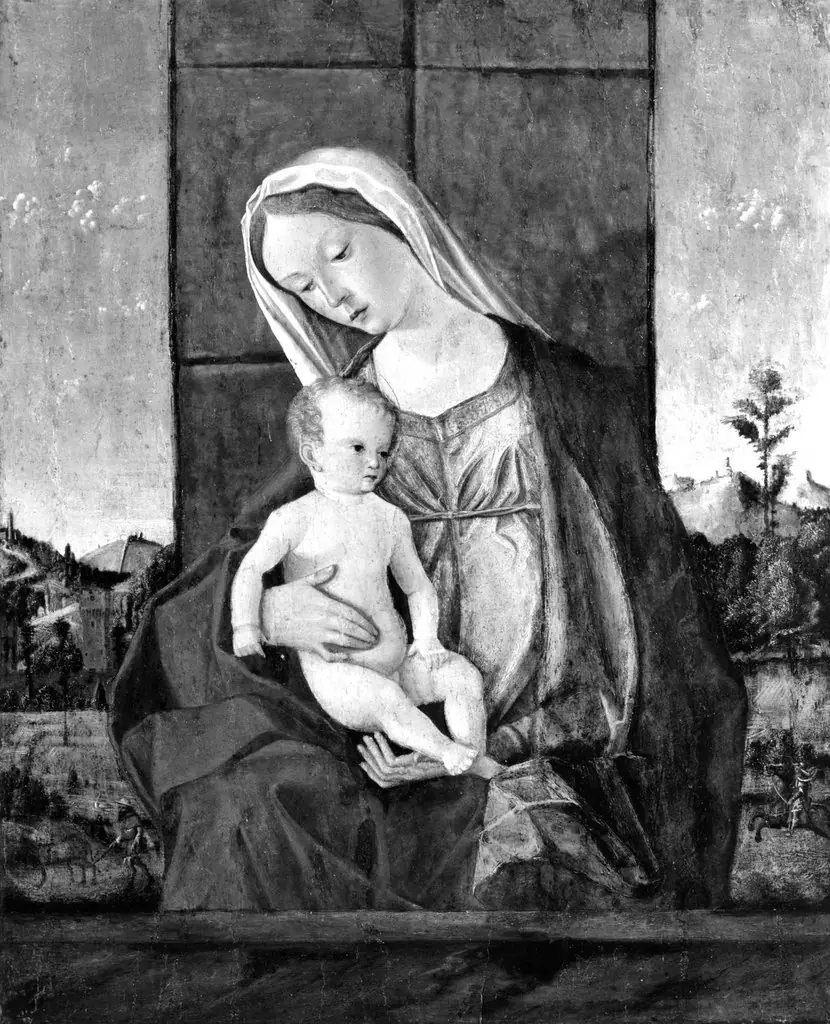
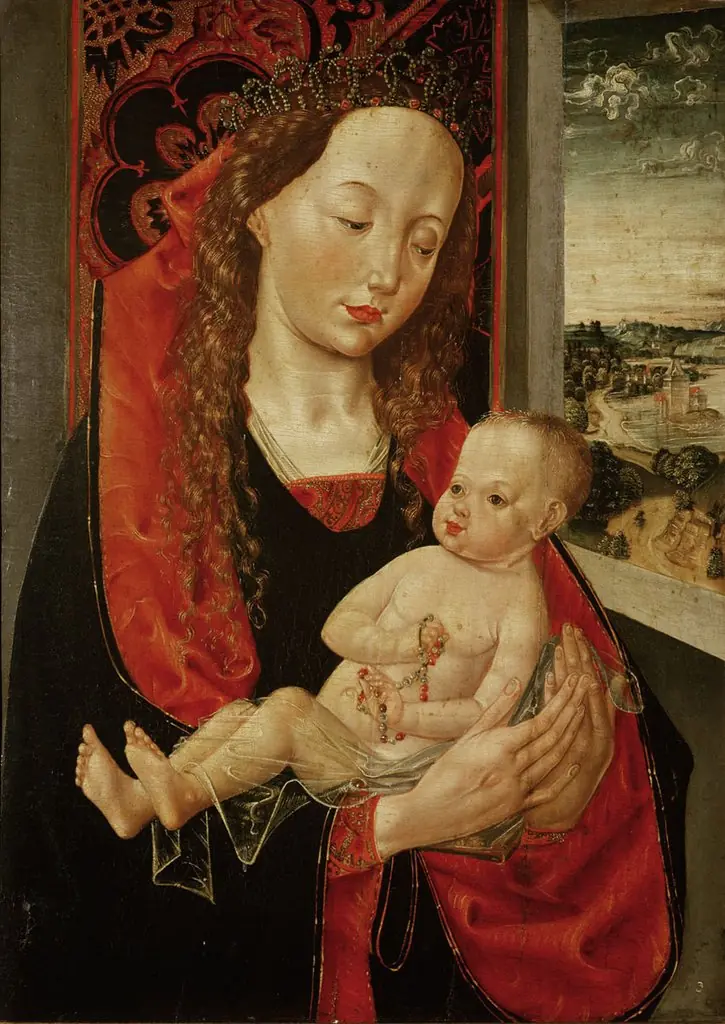
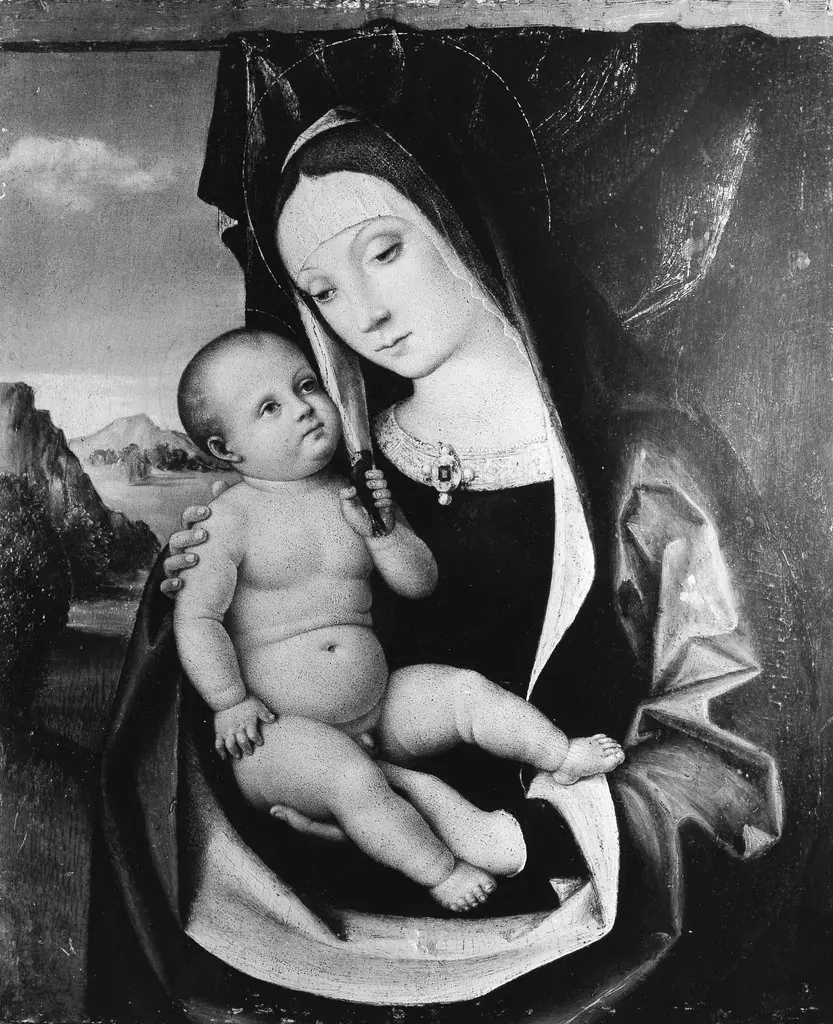
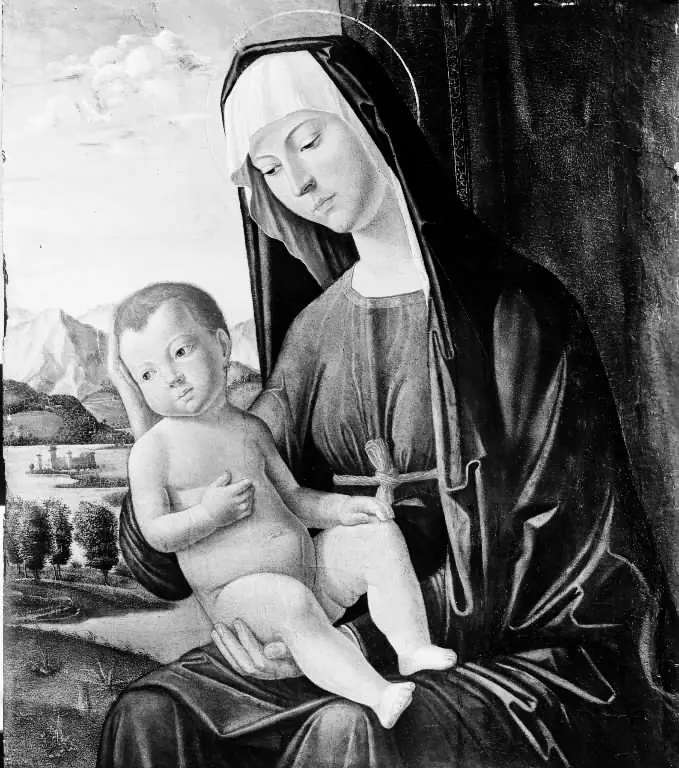
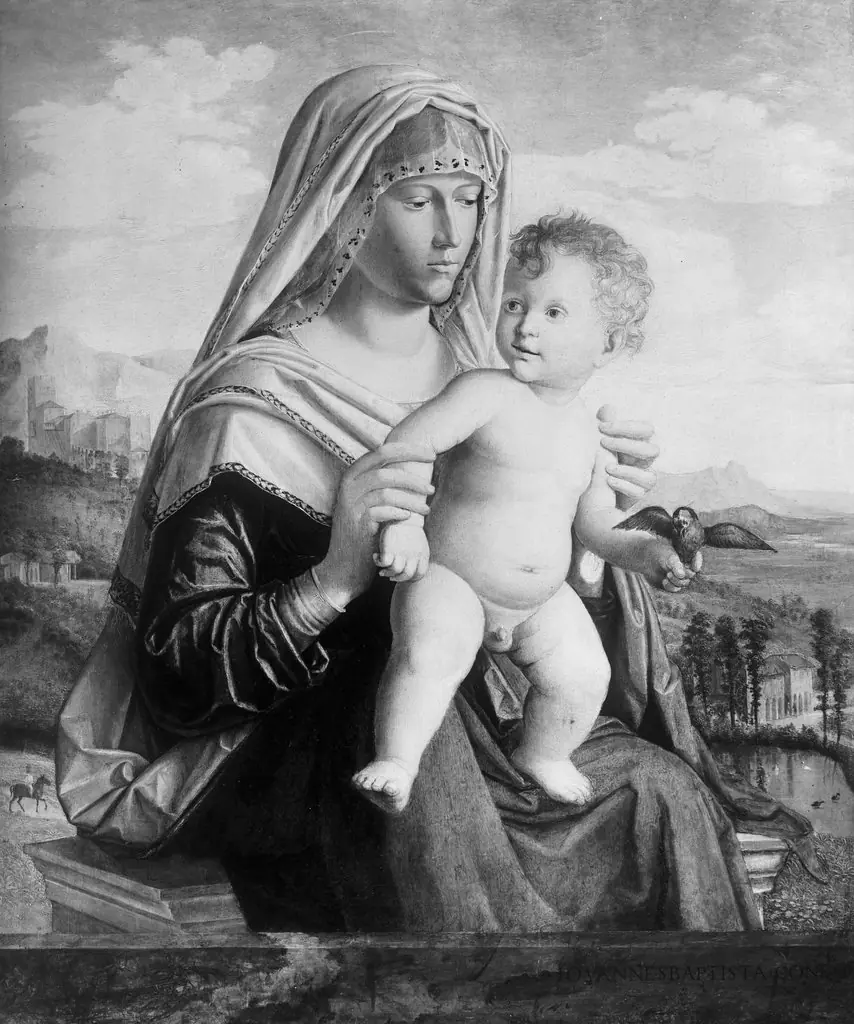
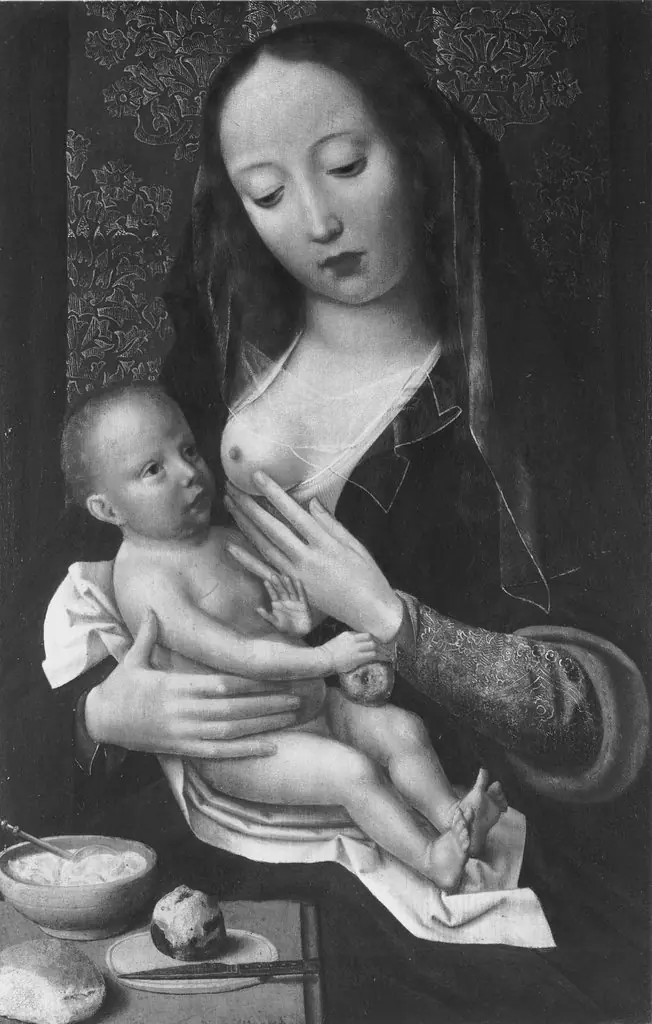
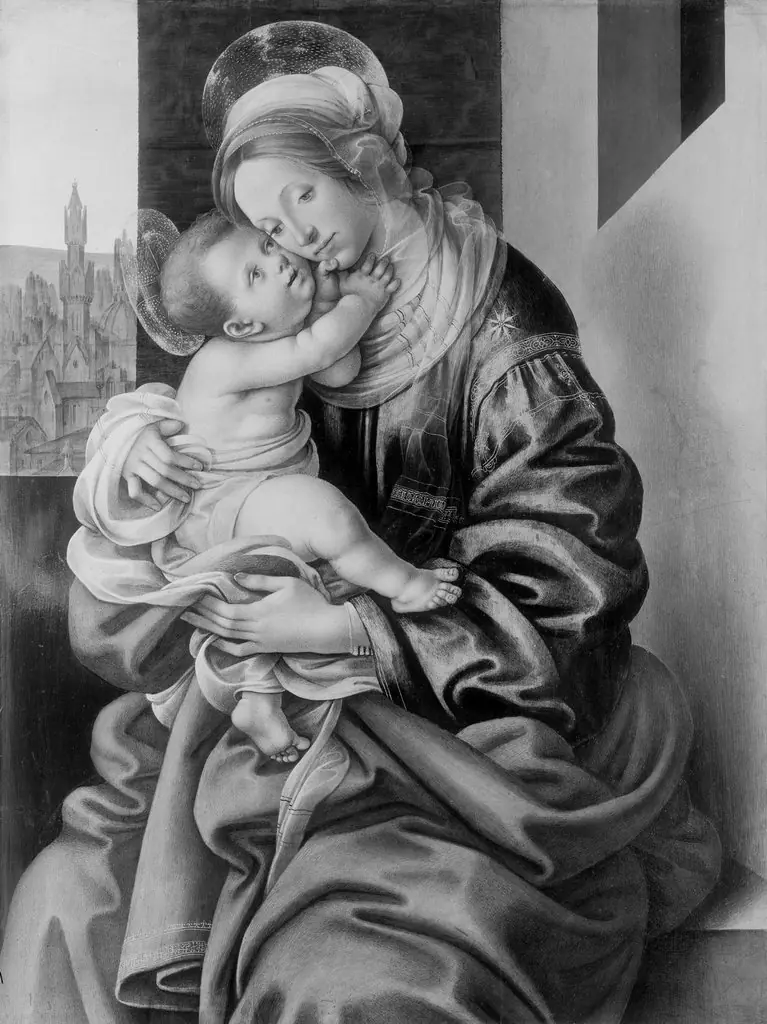
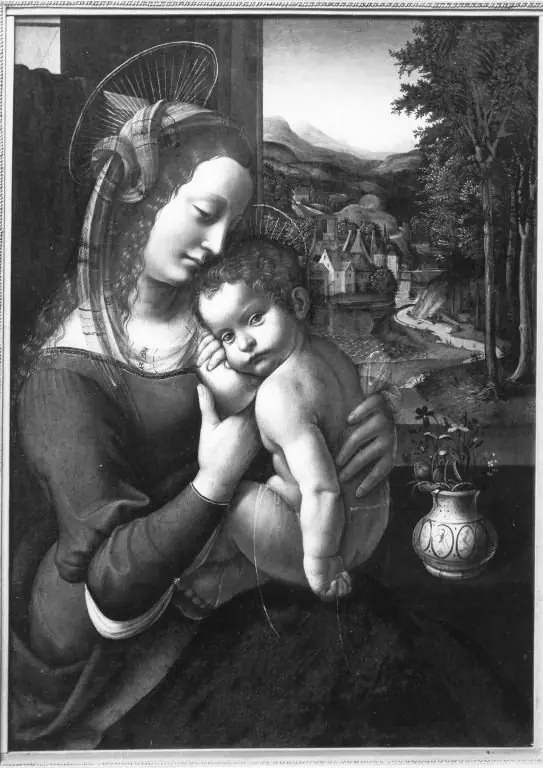
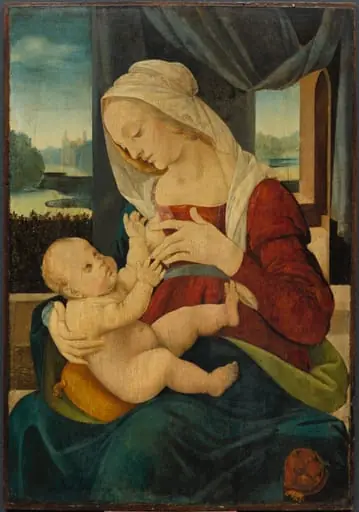
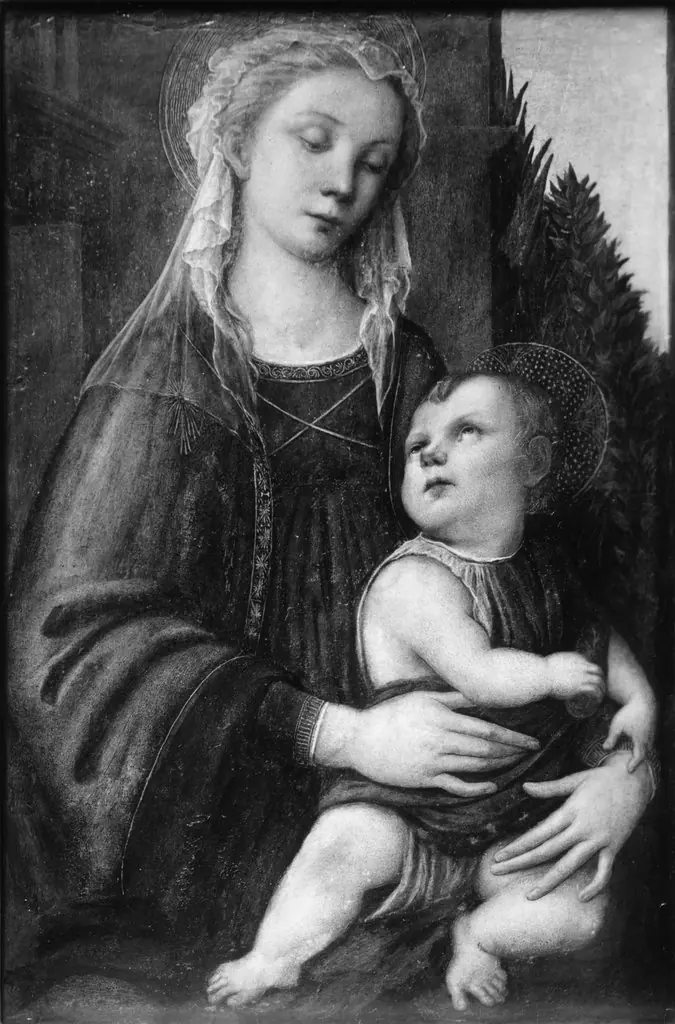
Madonna and Child is a paint painting by the High Renaissance artist Lorenzo di Credi. It dates from 1508 and is held in the collection of the Gemäldegalerie Berlin. Created circa 1508, the work shows the Virgin Mary seated in a dark mantle, cradling an infant Christ.
About this work
Overview
Rendered in tempera on panel, the composition centers the figures against a subdued landscape that recedes into distant trees and a faint architectural form.
Created circa 1508, the work shows the Virgin Mary seated in a dark mantle, cradling an infant Christ. Rendered in tempera on panel, the composition centers the figures against a subdued landscape that recedes into distant trees and a faint architectural form. The painting belongs to the collection of the Gemäldegalerie in Berlin and exemplifies the balanced, naturalistic approach of the High Renaissance.
Subject & Meaning
The image presents the traditional Christian motif of Madonna and Child, emphasizing maternal tenderness. Mary’s serene expression and the gentle grasp of the child’s fingers convey a quiet intimacy, while the infant’s lifelike flesh suggests both humanity and divinity. The background landscape, though minimal, situates the sacred pair within a tranquil, earthly setting, reinforcing the theme of divine presence in everyday life.
Technique & Style
Executed in tempera, the painting employs a careful modulation of light and shadow that highlights the figures’ forms—a practice related to chiaroscuro. The soft modeling of the infant’s skin and the subtle illumination of the faces create a three‑dimensional effect against the darker garments. The overall composition adheres to High Renaissance principles of harmony, proportion, and clear spatial organization.
History & Provenance
Lorenzo di Credi, a Florentine artist trained in Andrea del Verrocchio’s workshop alongside Leonardo da Vinci, completed the piece after assuming leadership of the studio following Verrocchio’s death in 1488. The painting entered the Gemäldegalerie Berlin’s holdings in the early 20th century, where it remains on display as part of the museum’s Renaissance collection.
Context
The work reflects the artistic climate of late 15th‑early 16th‑century Florence, where artists sought to merge natural observation with idealized beauty. Di Credi’s background in both painting and sculpture informs the tactile rendering of flesh, while his association with Verrocchio’s workshop connects the piece to a lineage of artists exploring realistic human anatomy and balanced compositional structures.
Artist & collection

Artist
Lorenzo di Credi (1456/59 – January 12, 1537) was an Italian Renaissance painter and sculptor best known for his paintings of religious subjects, and portraits.