Artwork
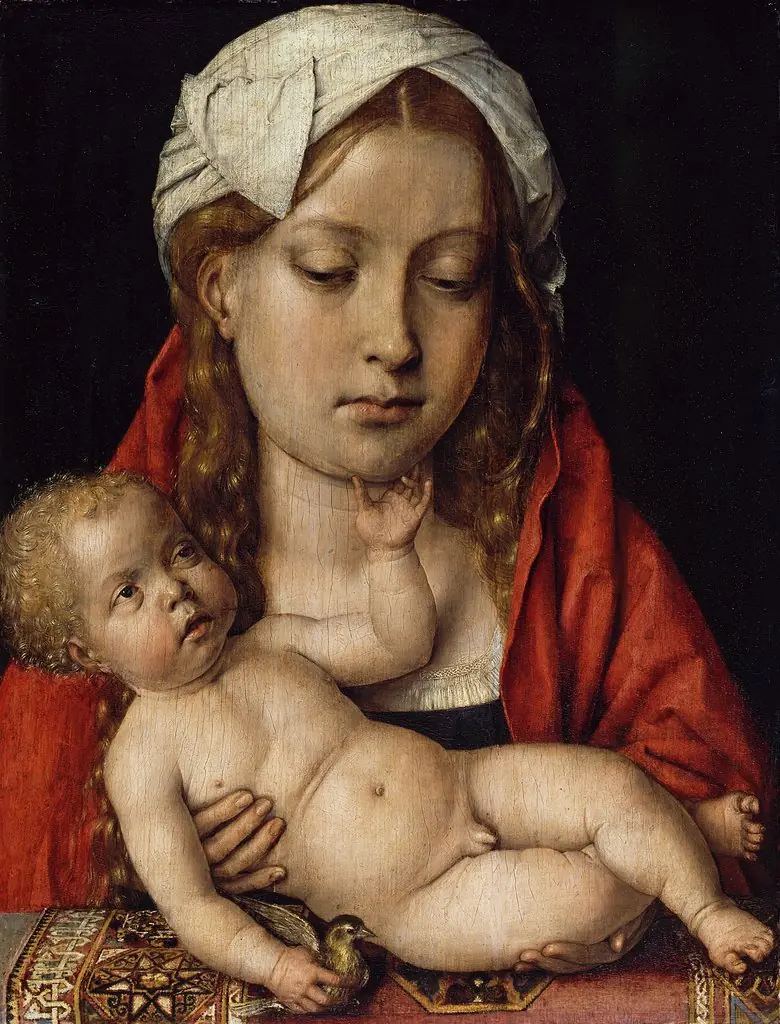
The Virgin and Child
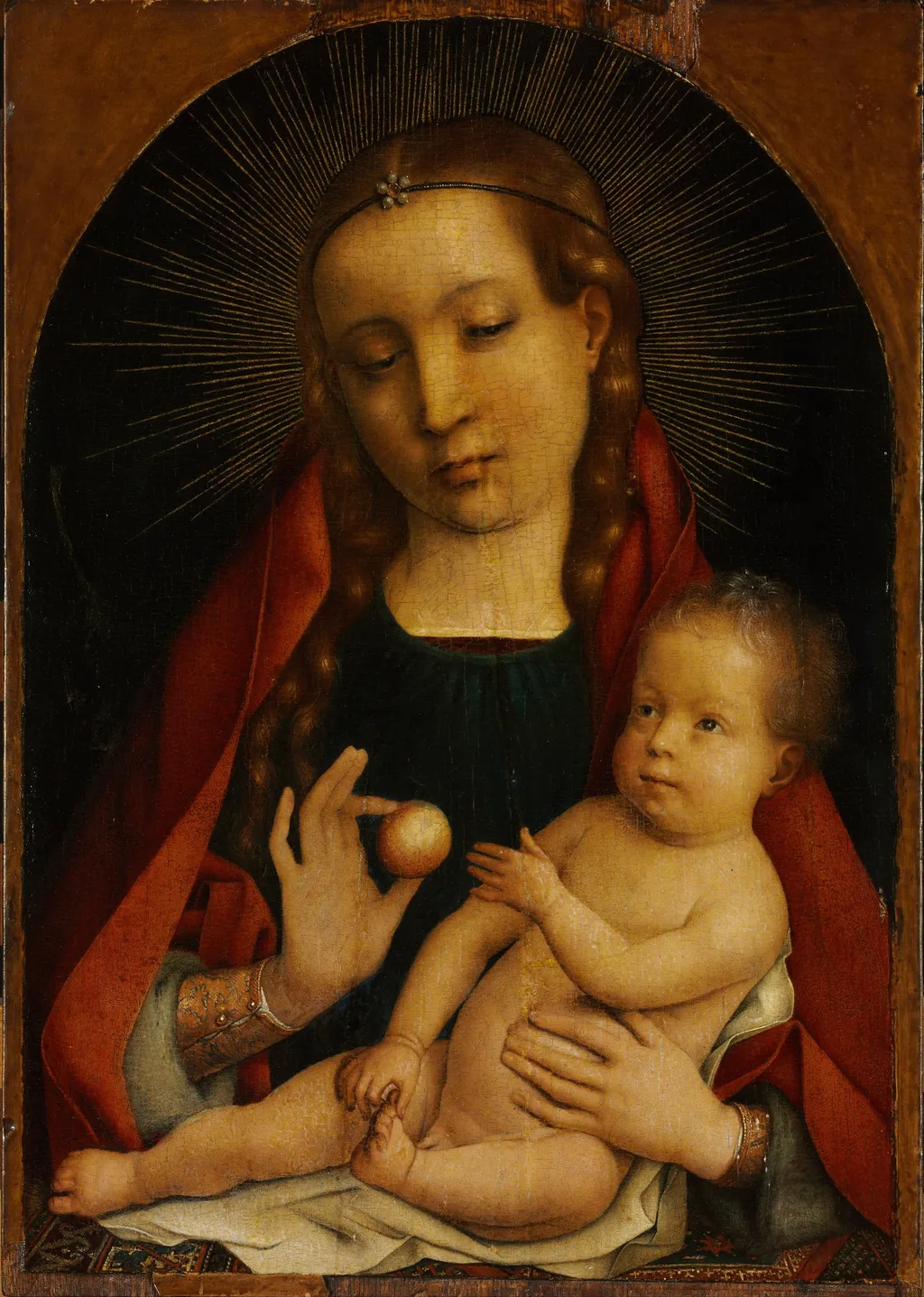
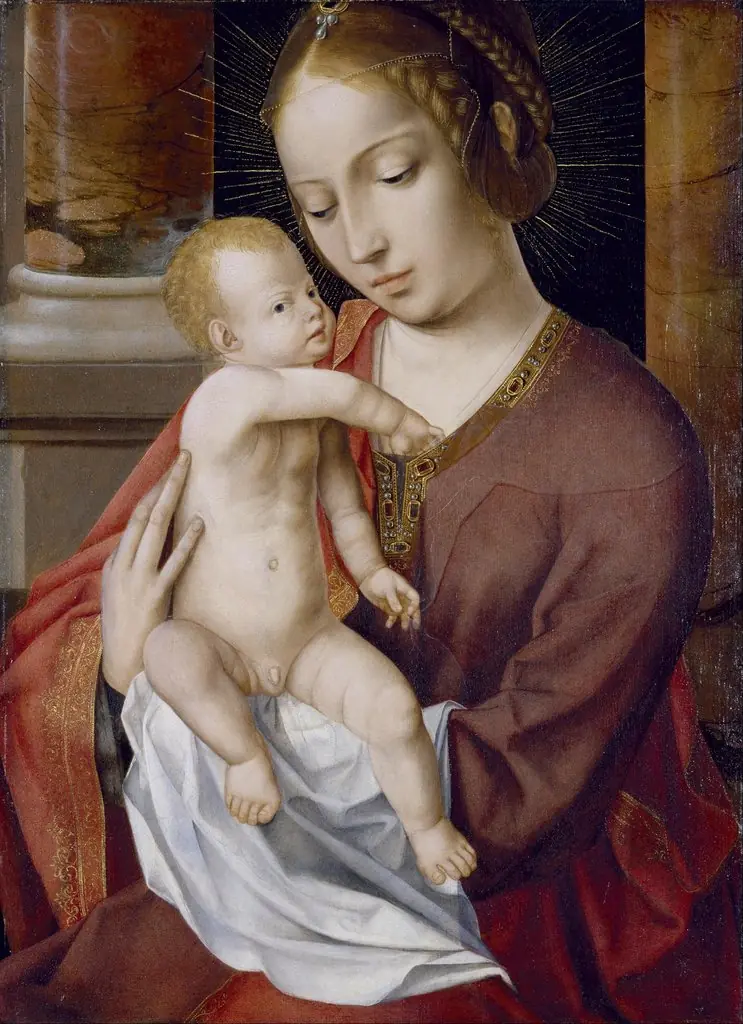
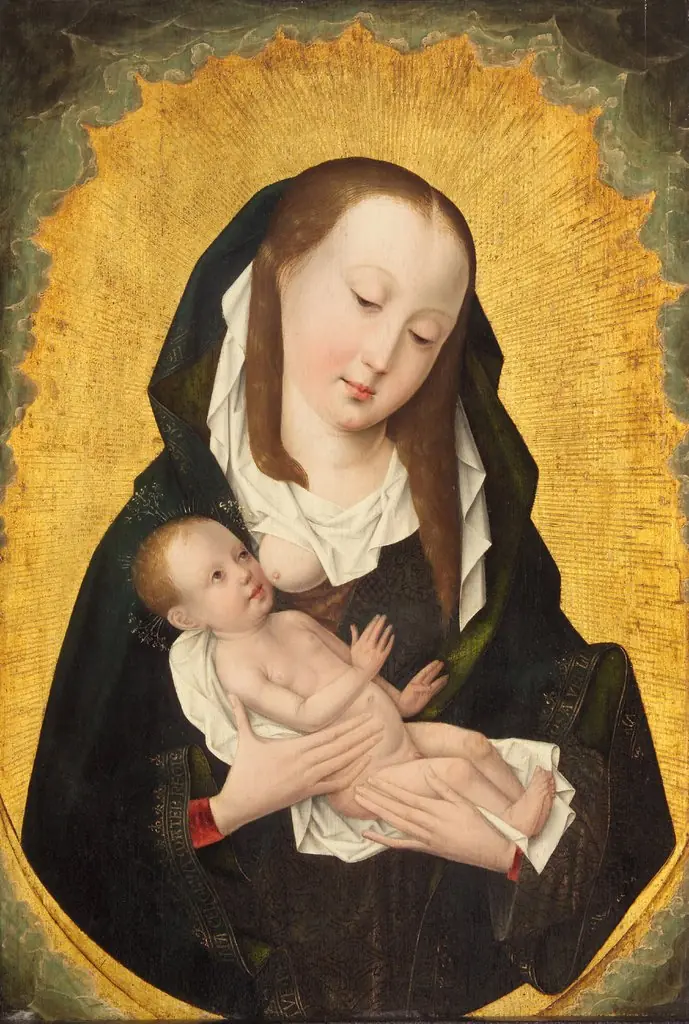
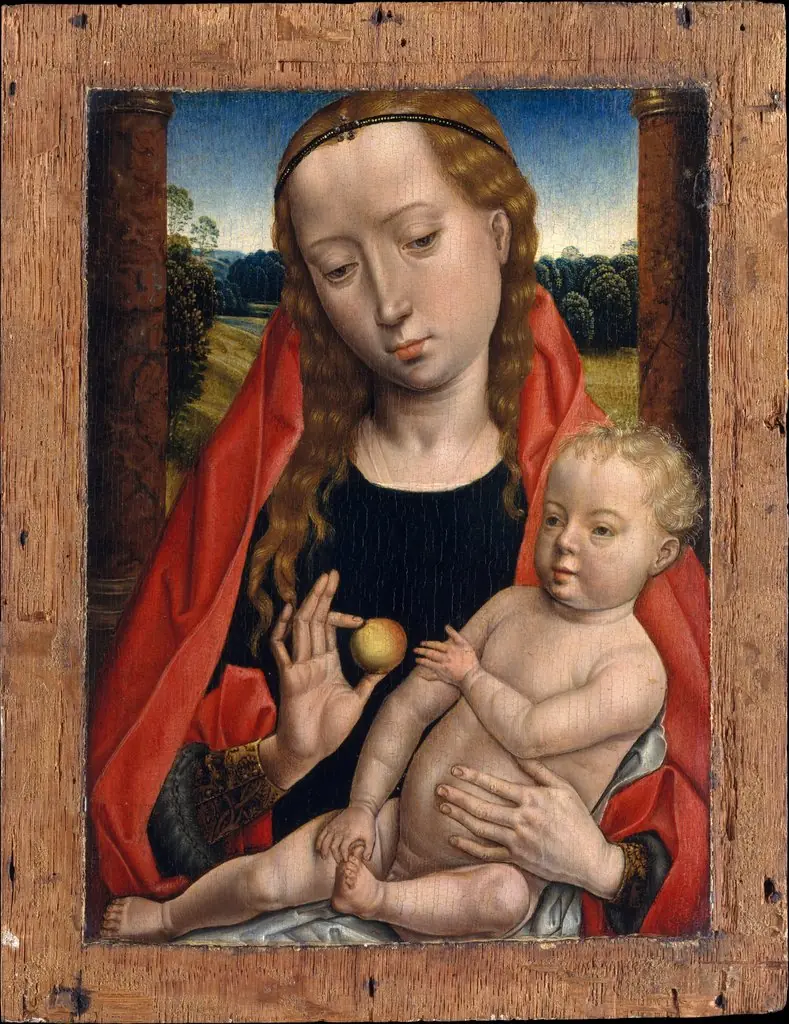
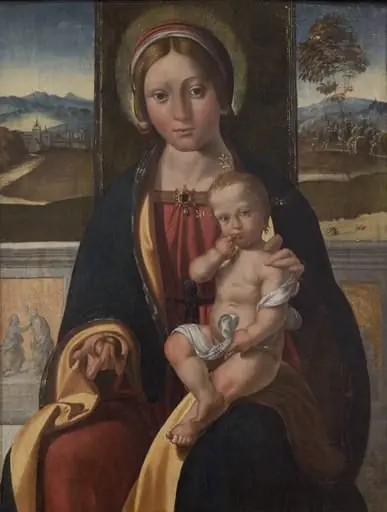
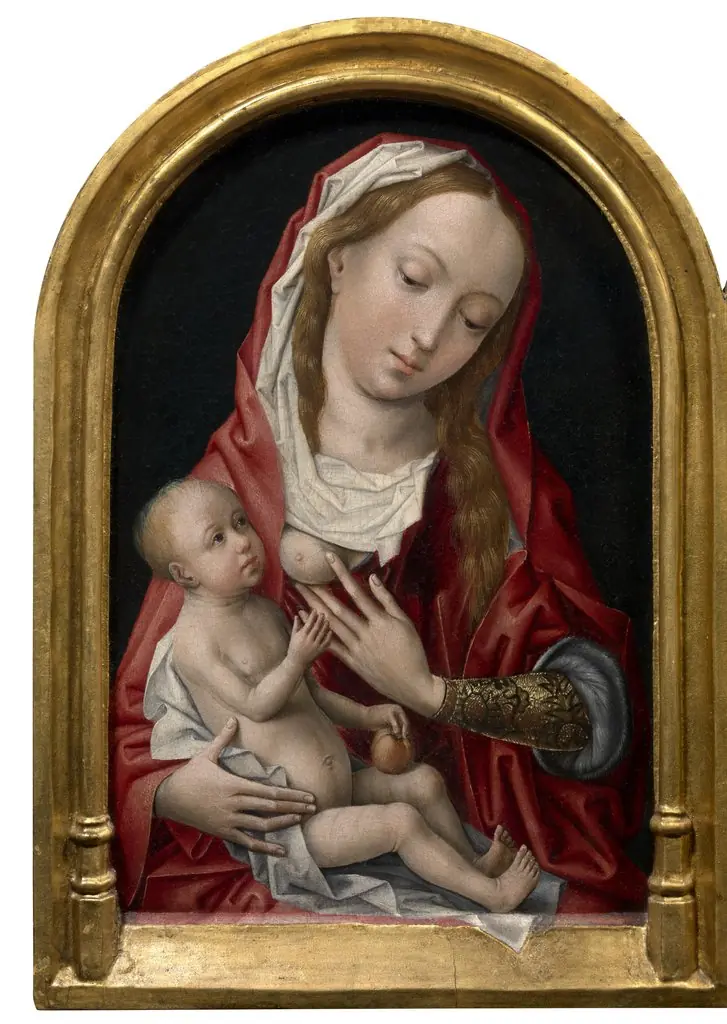
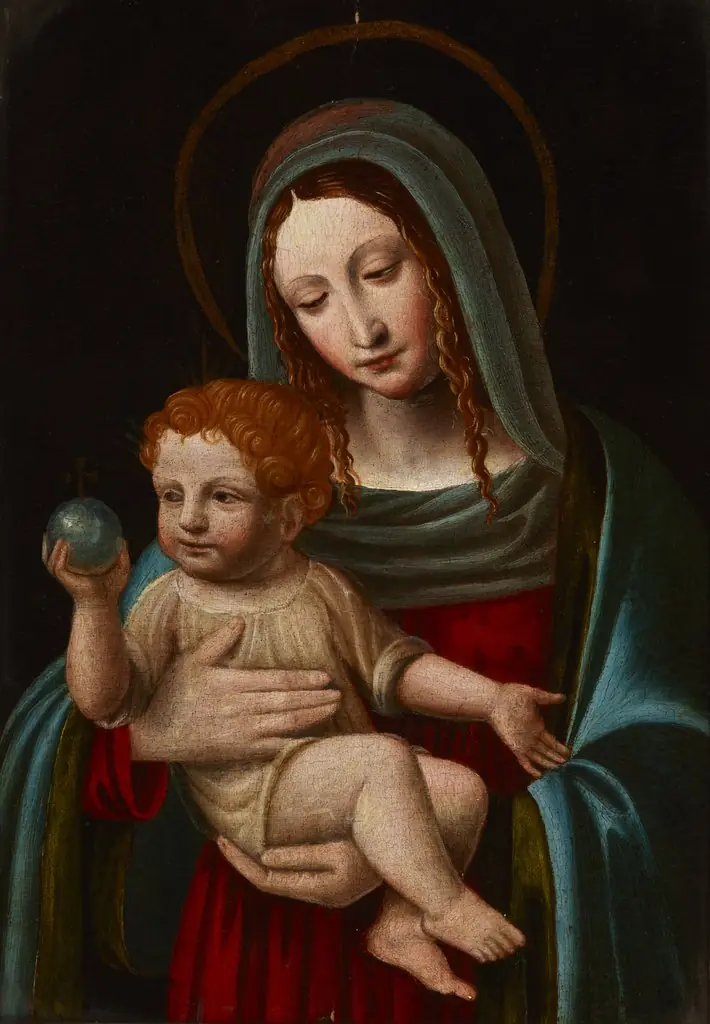
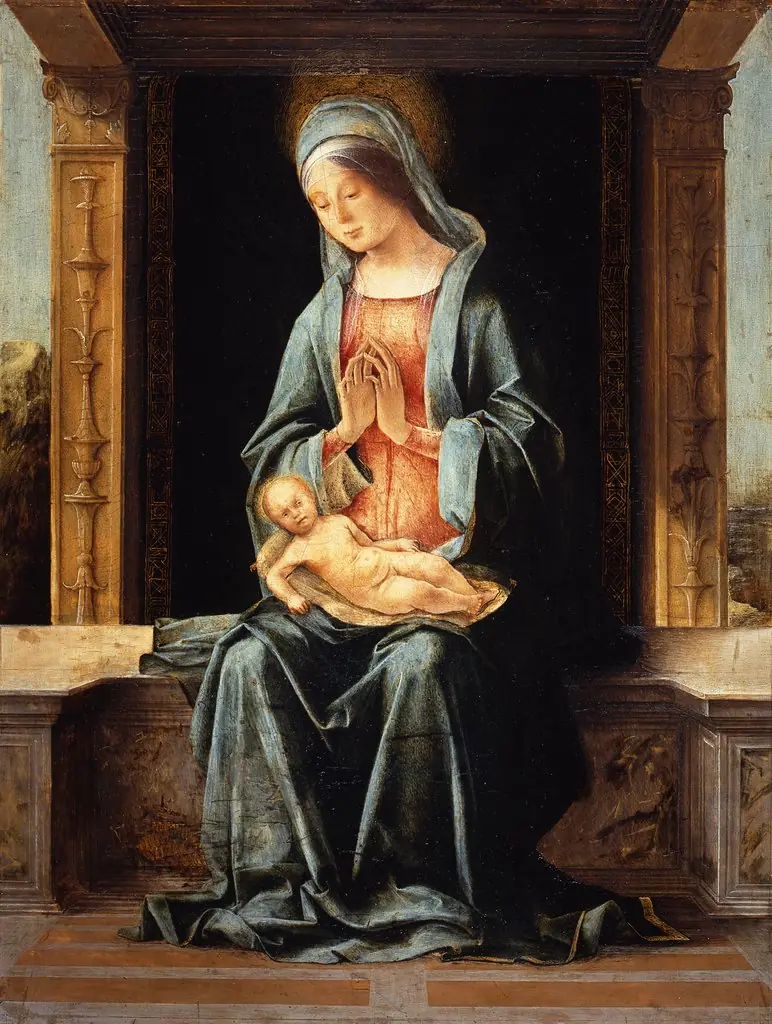
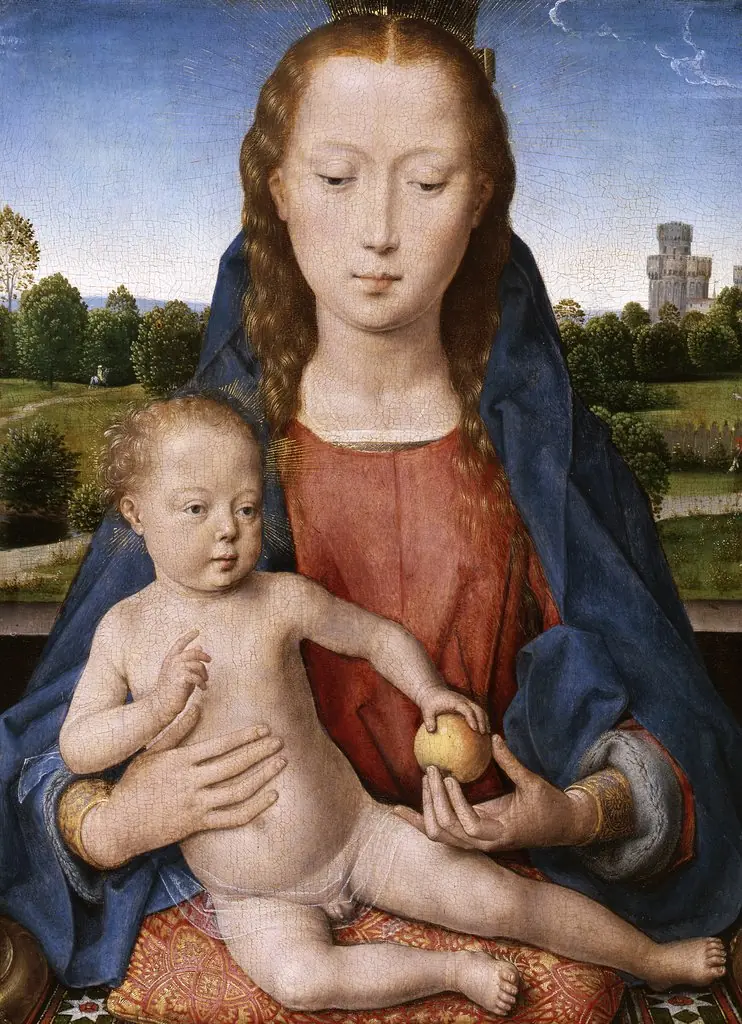
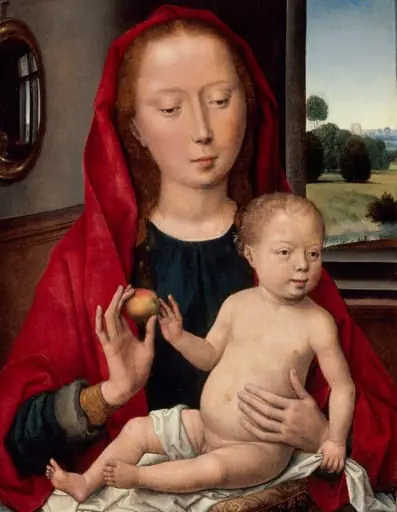
The Virgin and Child is an oil painting by the Northern Renaissance artist Michael Sittow. It dates from 1490 and is held in the collection of the Museum of Fine Arts, Budapest.
About this work
Overview
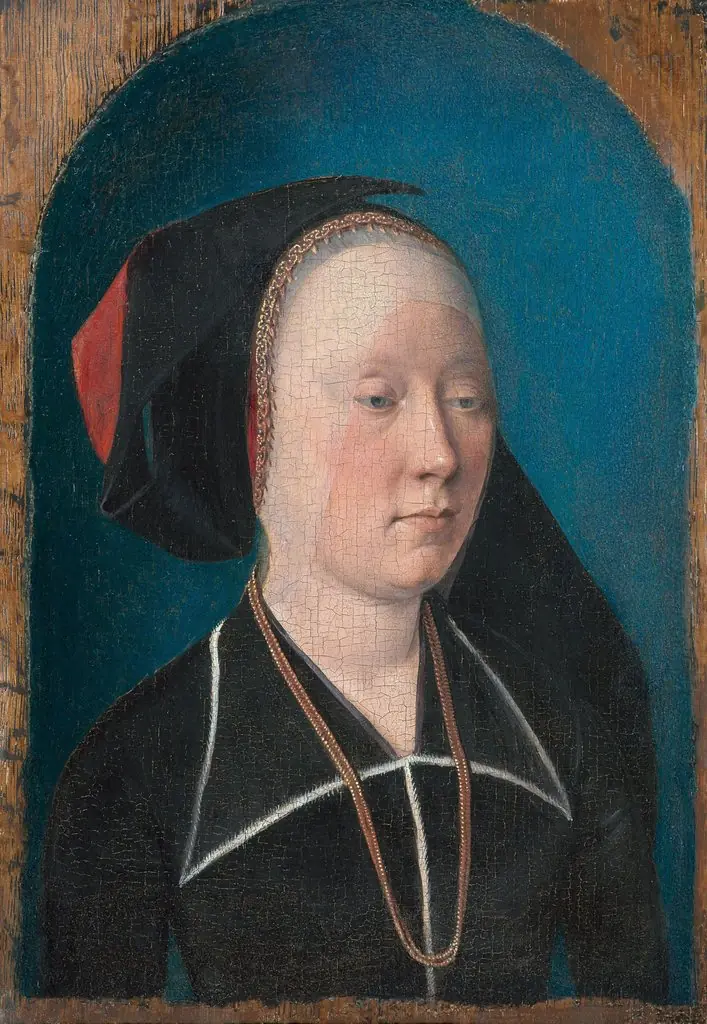
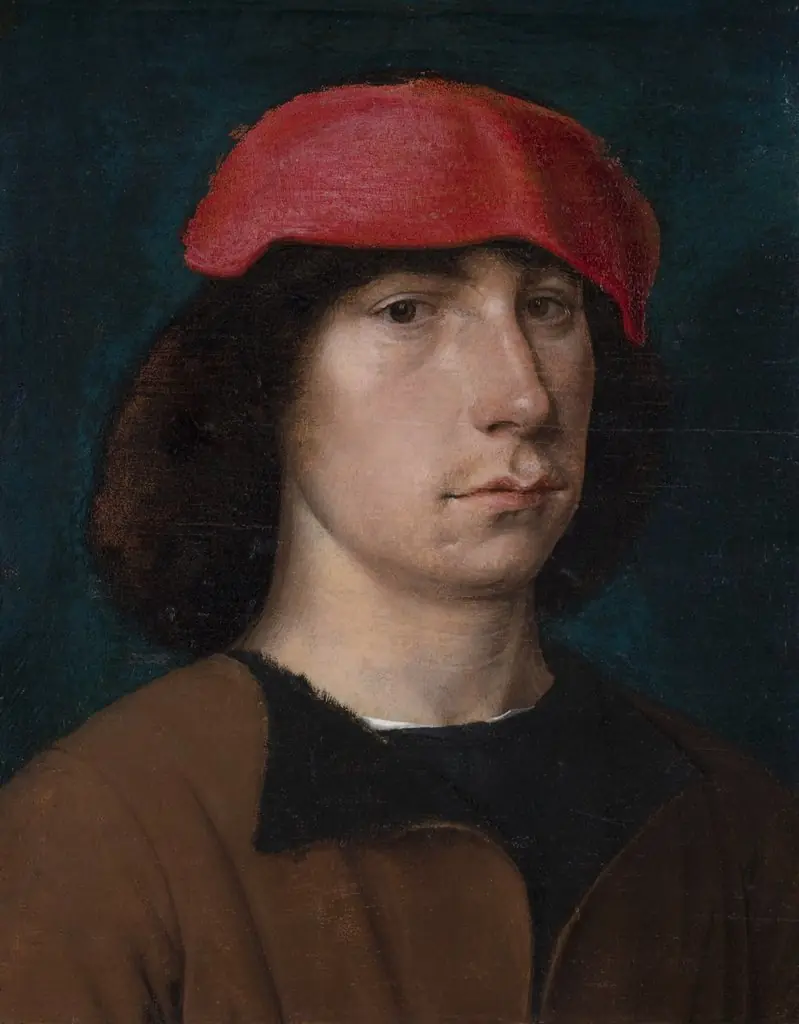
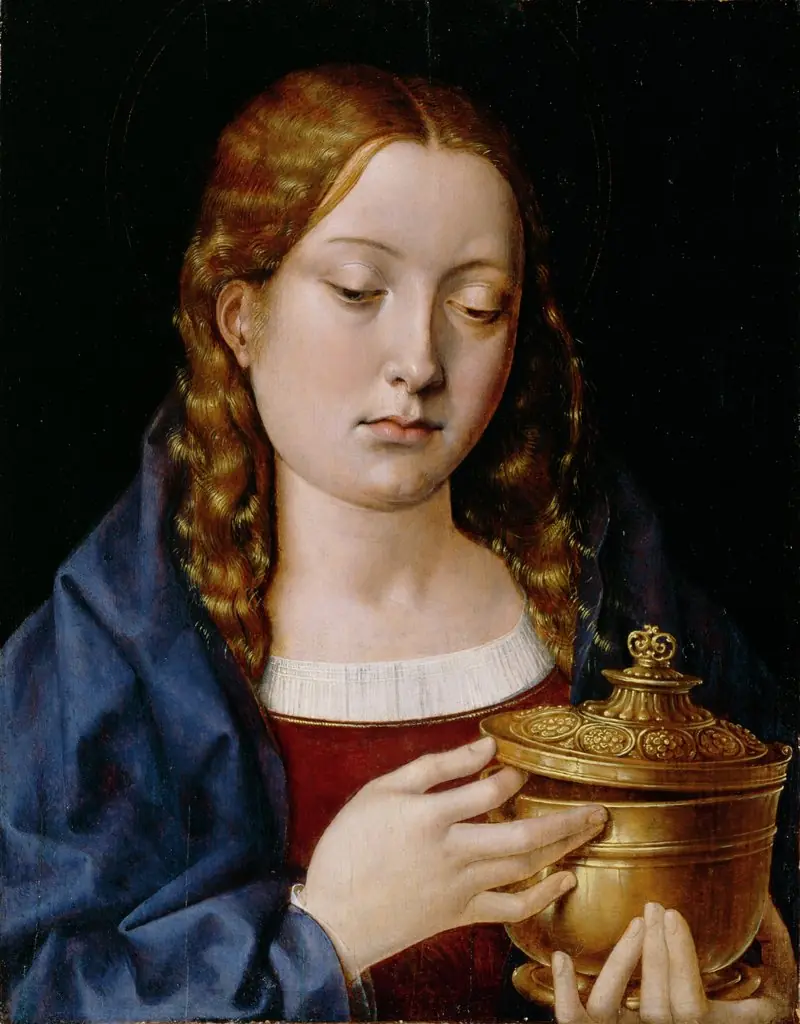
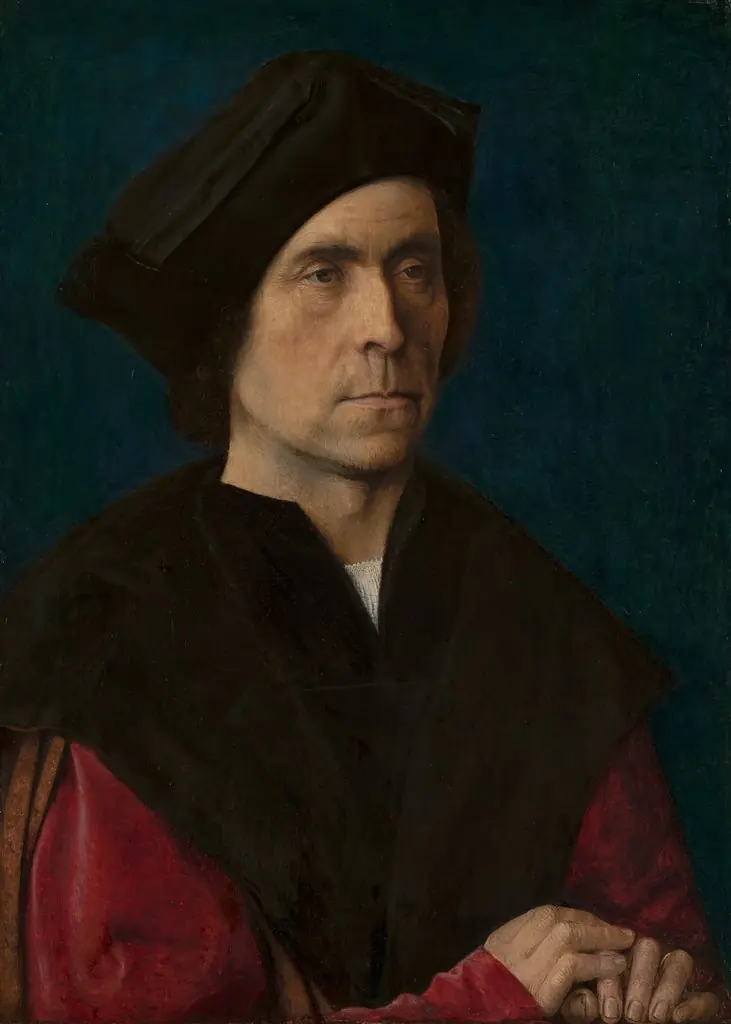
Sittow, trained in the Northern Renaissance tradition, was active in royal courts across Europe, particularly serving the Spanish and Habsburg families.
Painted around 1490 by Michael Sittow, a native of Reval now known as Tallinn, this oil-on-panel work presents the Virgin Mary with the infant Jesus. Sittow, trained in the Northern Renaissance tradition, was active in royal courts across Europe, particularly serving the Spanish and Habsburg families. The painting resides today in the Museum of Fine Arts, Budapest, as part of its early Netherlandish collection.
Subject & Meaning
The Virgin holds the Christ Child, who gazes at a small orb in her right hand—an attribute often symbolizing the world or divine authority. Her calm expression and downward gaze reflect contemplative devotion, while the child’s quiet attention suggests an early awareness of his destiny. The composition emphasizes intimacy and spiritual presence rather than dramatic narrative, aligning with devotional practices of the period.
Technique & Style
Sittow employed the Northern Renaissance technique of oil glazing, building subtle tonal transitions and luminous surfaces through thin, layered pigments. The dark background isolates the figures, enhancing their presence. The gold halo, rendered in fine yellow lines, and the rich textures of the red cloak and dark robe demonstrate meticulous attention to material detail, characteristic of Netherlandish portraiture and religious imagery.
History & Provenance
Created during Sittow’s tenure as a court painter, the work likely originated in a private devotional context, possibly commissioned by a member of the Castilian or Habsburg court. It entered the Budapest collection in the 19th century, following the dispersal of European ecclesiastical and noble holdings. Its attribution to Sittow has been consistently supported by stylistic analysis and documentary evidence linking him to similar works.
Context
Sittow operated at the intersection of Flemish painting traditions and Iberian court culture, blending the precision of Early Netherlandish art with the dignified portraiture favored by Spanish royalty. This image reflects a broader trend in late 15th-century devotional art: quiet, personal encounters between mother and child, designed for private meditation rather than public veneration.
Legacy
Though less widely known than contemporaries like van Eyck or Memling, Sittow’s refined technique and courtly sensibility influenced the evolution of Northern religious portraiture. His ability to merge spiritual gravity with psychological subtlety helped shape the visual language of sacred imagery in Habsburg territories, leaving a quiet but enduring mark on Renaissance art beyond the major centers.
Artist & collection
Artist
Michael Sittow (c. 1469 – 1525), also known as Master Michiel, Michel Sittow, Michiel, Miguel Sithium, and several other variants, was a painter from Reval (Tallinn), now capital of Estonia, who was trained in the…