Artwork
The Resurrection
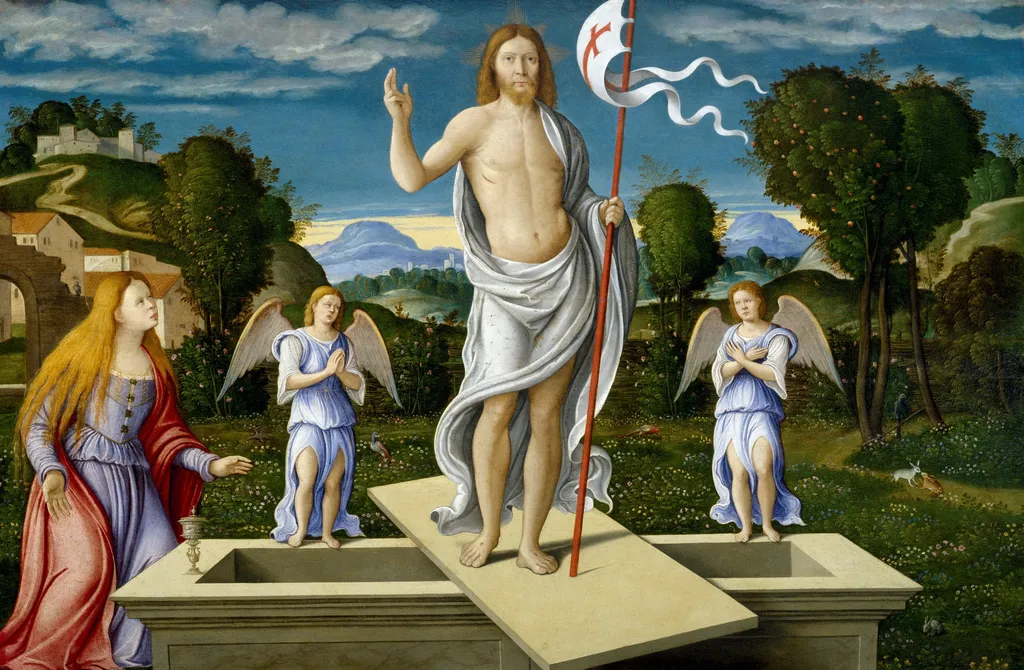
The Resurrection is an unspecified painting by Girolamo da Santacroce. It dates from 1528 and is held in the collection of the Museum of Fine Arts, Houston.
About this work
Overview
Created during the High Renaissance in Venice, it reflects the region’s blend of devotional intensity and lyrical landscape tradition.
Painted around 1528 by Girolamo da Santacroce, this work portrays the Resurrection of Christ in a quiet, contemplative manner. Created during the High Renaissance in Venice, it reflects the region’s blend of devotional intensity and lyrical landscape tradition. The painting is now part of the Museum of Fine Arts, Houston’s collection, where it stands as a representative example of Venetian religious art from the early 16th century.
Subject & Meaning
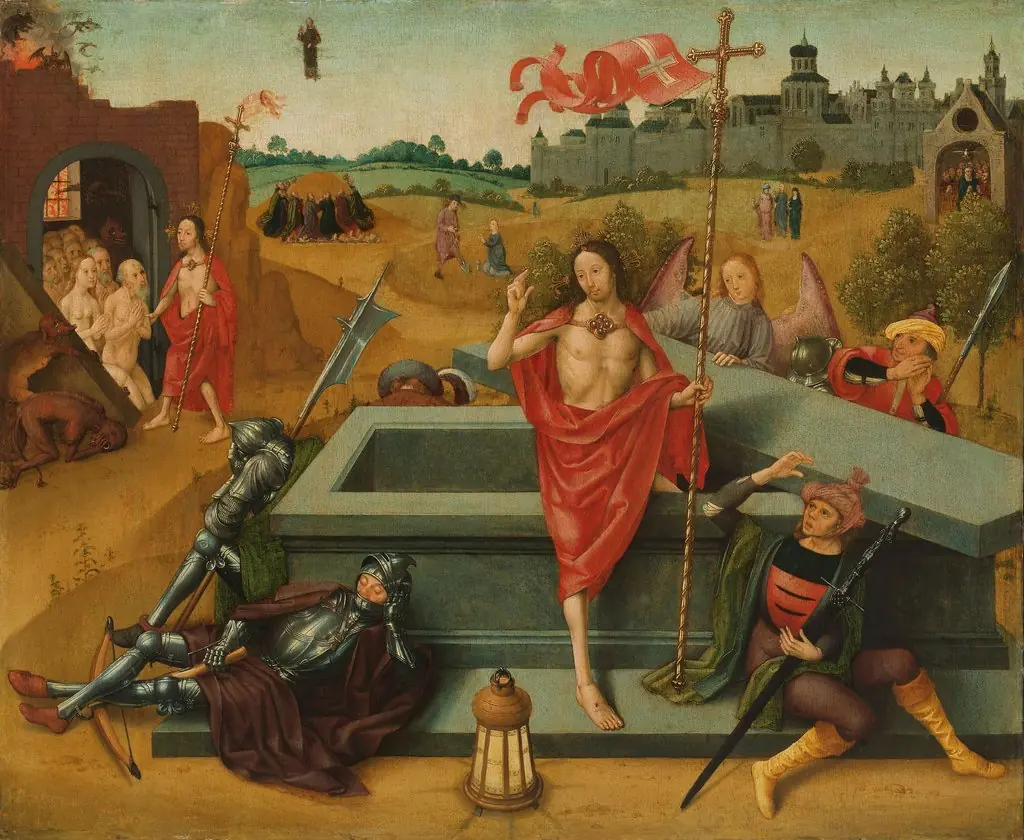
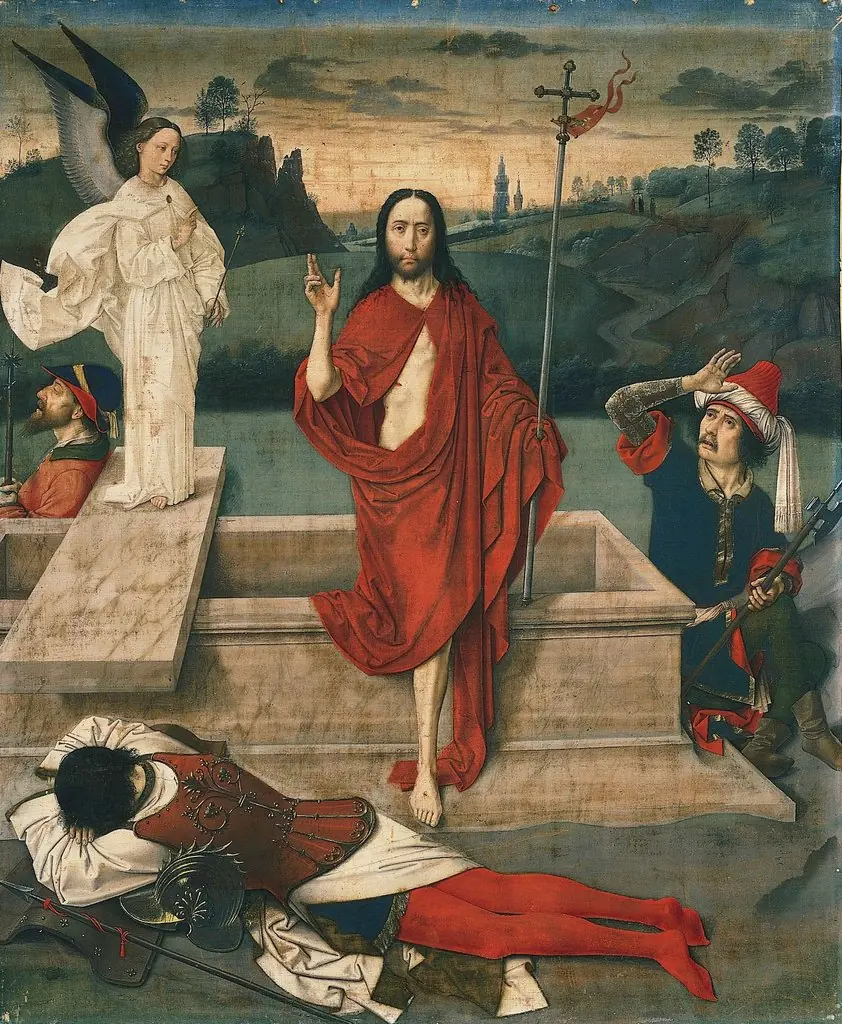
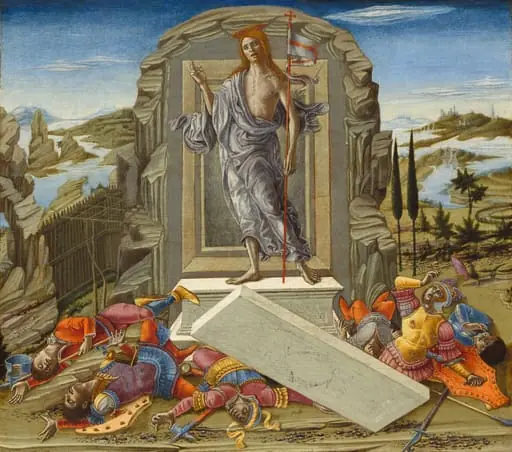
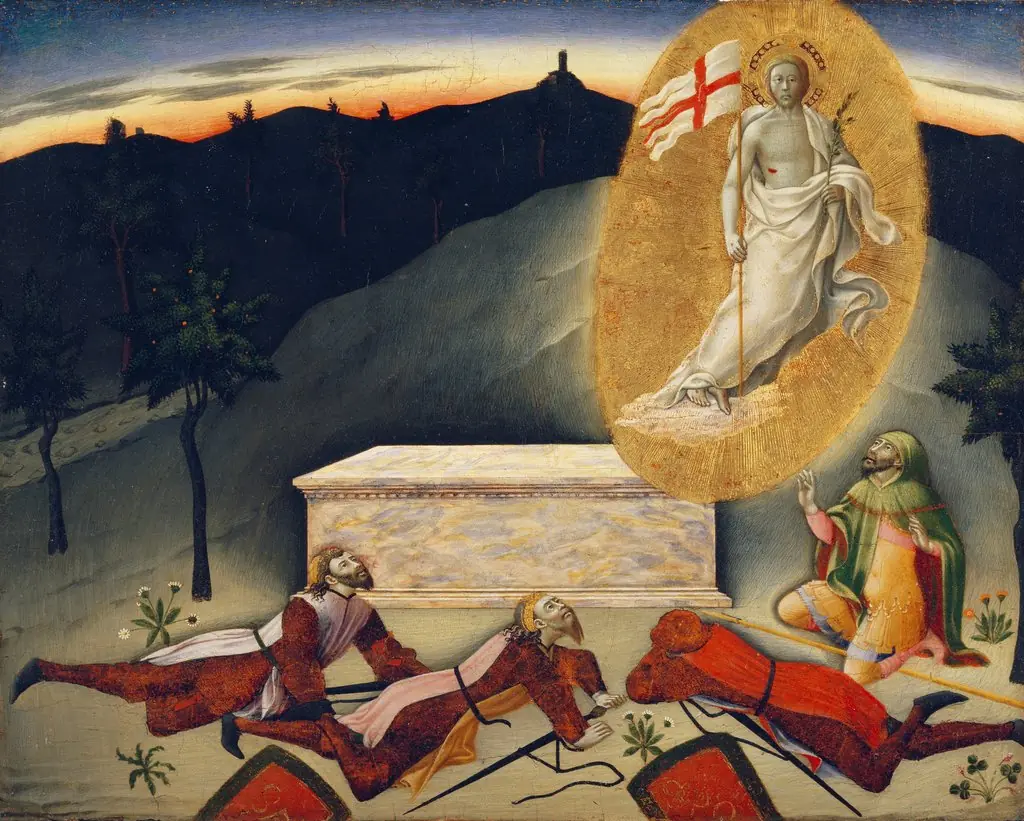
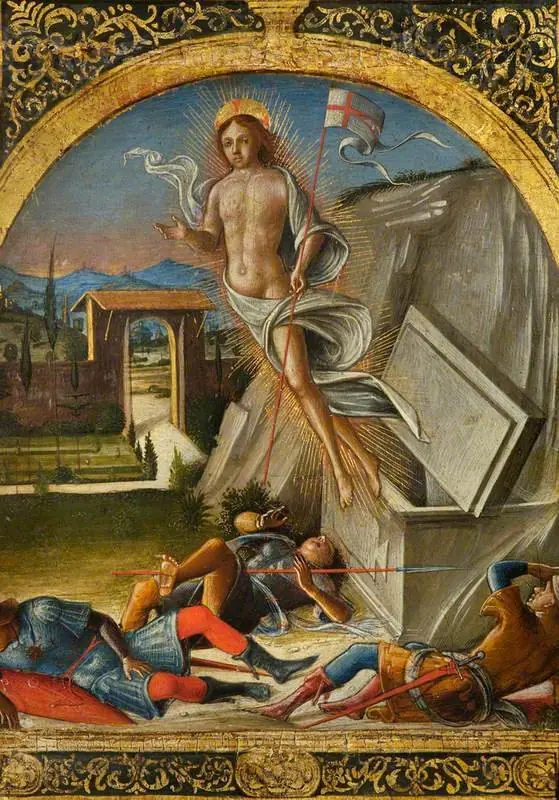
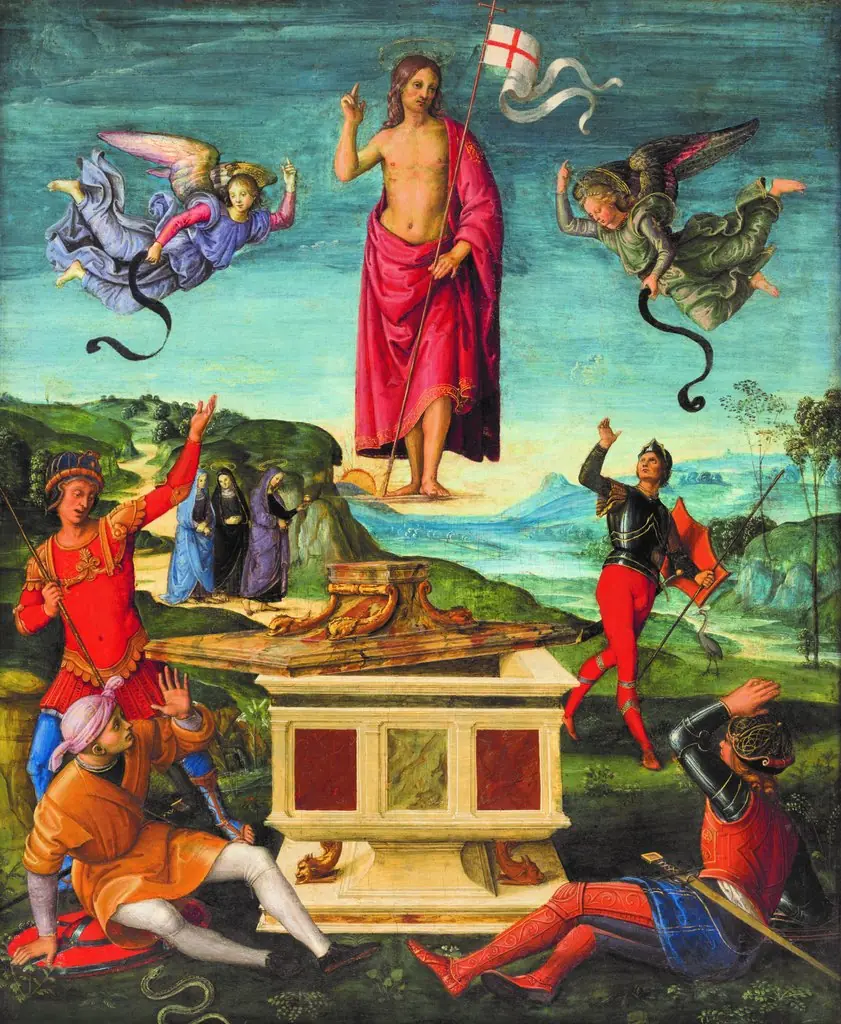
Christ stands upright on a stone slab, emerging from the tomb in a posture of serene authority rather than dramatic triumph. His white drapery suggests purity and divine presence, while the red banner on the pole symbolizes victory over death. Two angels, motionless and reverent, flank him, reinforcing the sacred stillness of the moment. The calm expression and composed gestures convey spiritual peace rather than earthly power.
Technique & Style
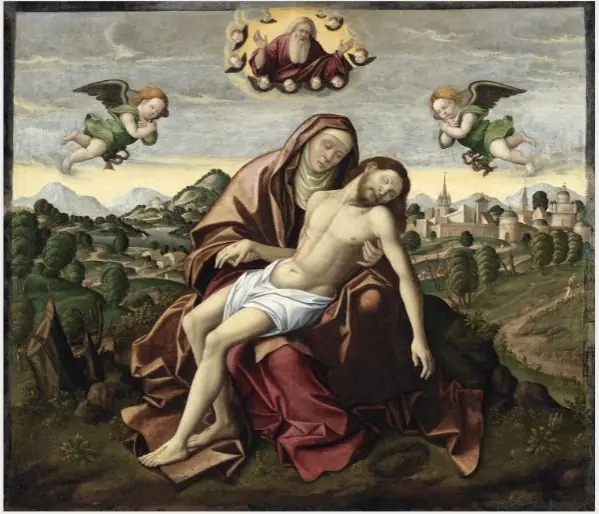
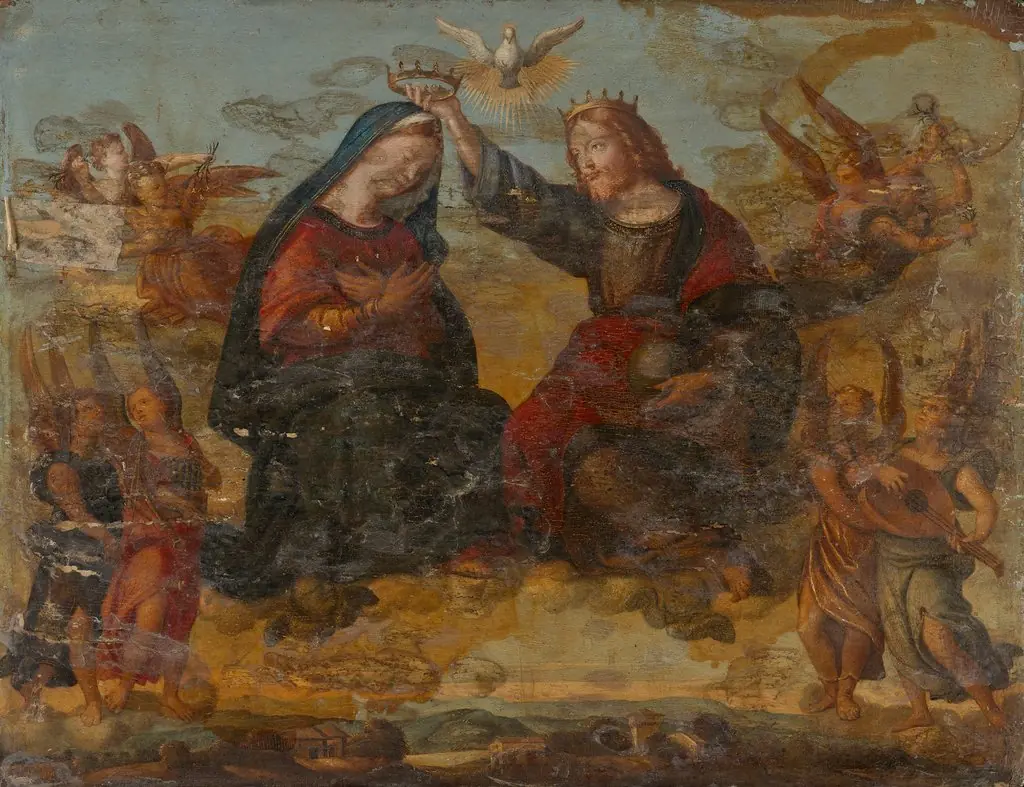
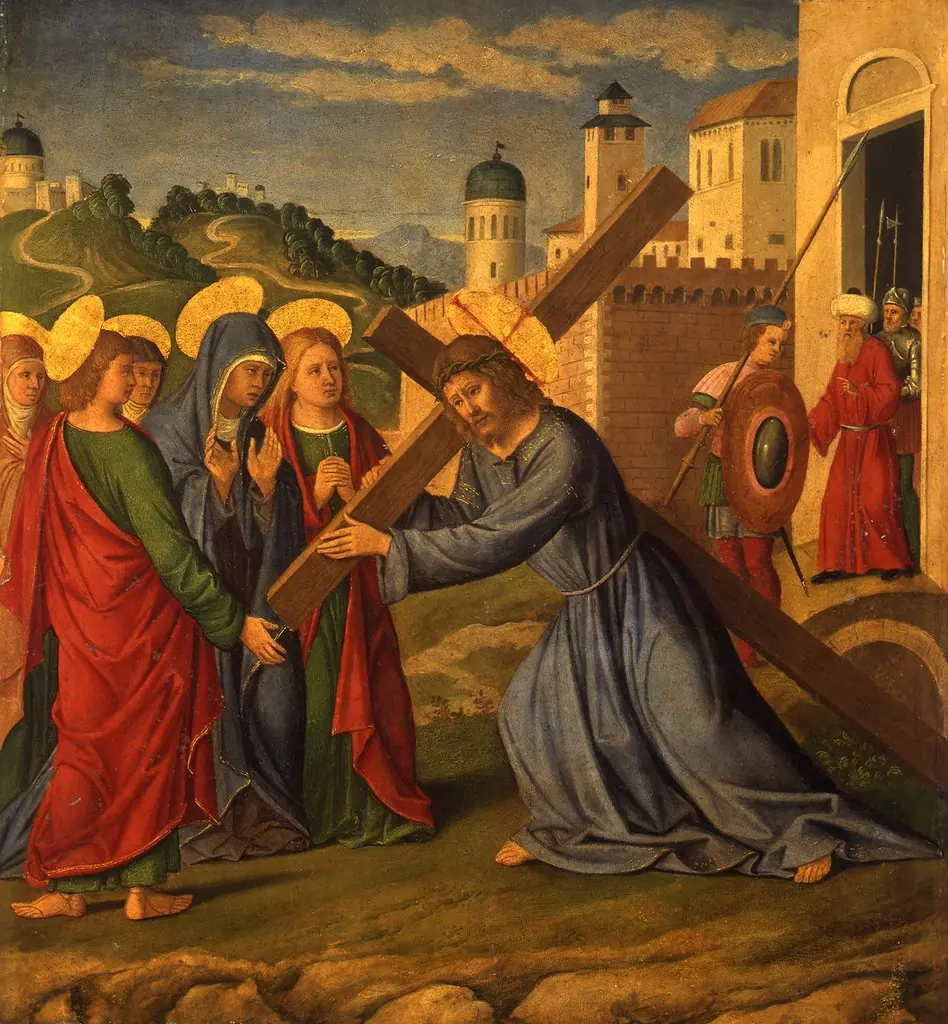
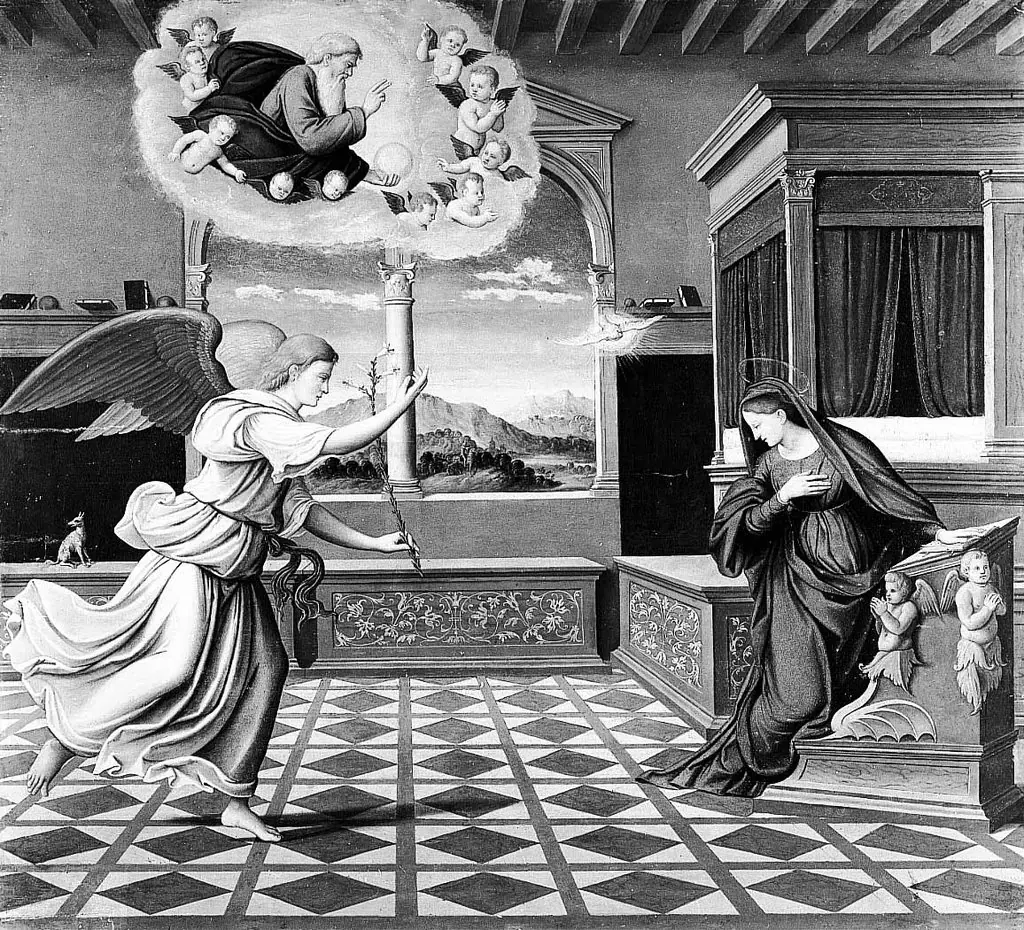
Santacroce employs soft modeling and gentle tonal transitions, characteristic of Venetian painting of the period. The landscape background, with its rolling hills and distant architecture, is rendered with atmospheric perspective, enhancing depth without distraction. Colors are muted yet harmonious, with the white of Christ’s garment and the red banner providing subtle focal points against the cool blues and earth tones of the setting.
History & Provenance
The painting was likely commissioned for a private chapel or religious institution in the Veneto region, common for works of this scale and subject. Its movement to Houston is undocumented prior to its acquisition by the museum, but its style aligns with other known works by Santacroce from the 1520s. No major alterations or restorations are recorded, preserving its original composition and surface.
Context
In early 16th-century Venice, religious imagery often emphasized emotional restraint and naturalism over theatricality. Santacroce’s approach reflects the influence of Giorgione and early Titian, who favored poetic tranquility in sacred scenes. This painting fits within a broader trend of devotional art that invited quiet meditation, contrasting with the more dynamic Resurrection depictions emerging in Rome and Florence at the time.
Legacy
Though not widely exhibited or studied today, the painting remains a quiet testament to the Venetian Renaissance’s capacity for spiritual subtlety. It contributes to the understanding of how religious themes were interpreted outside major artistic centers, revealing a regional preference for calm, contemplative narratives that prioritized inner meaning over spectacle.
Own this work as a print
Artist & collection
Artist
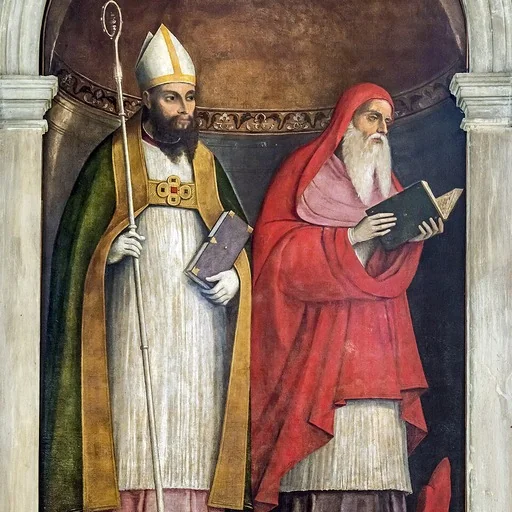
Girolamo da Santacroce (c. 1480/85 – c. 1556) was a 16th-century Italian painter of the Renaissance period, active mainly in Venice and the Venetian mainland.