Artwork
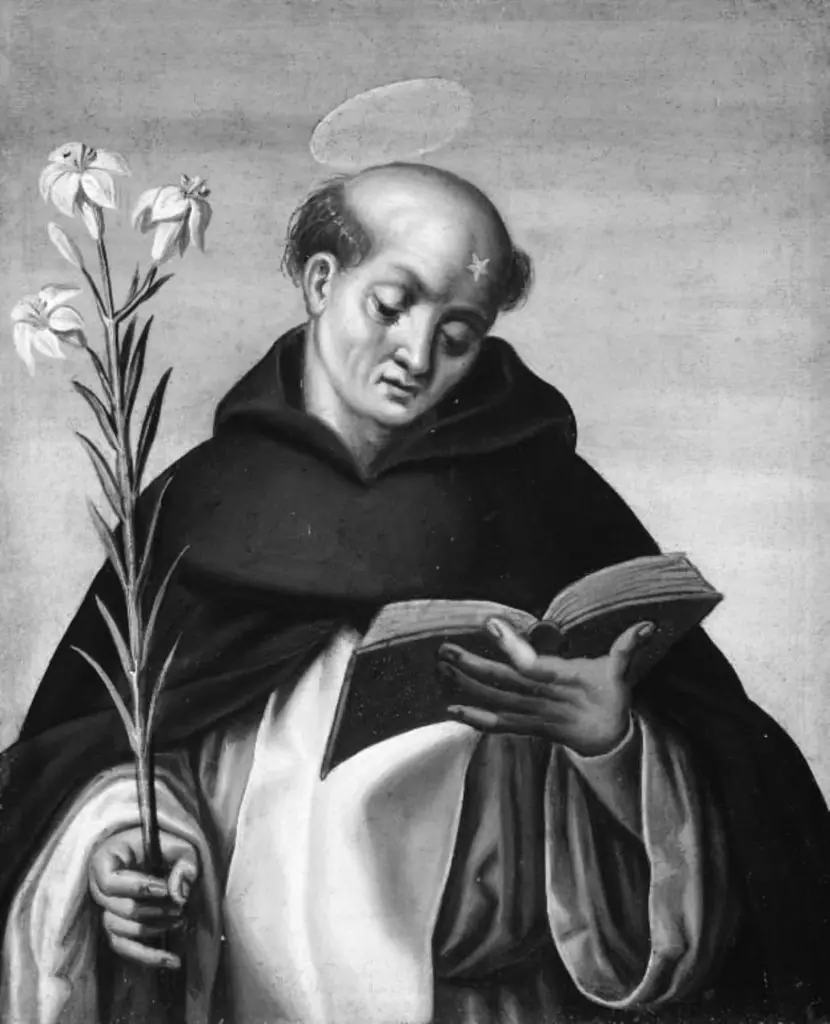
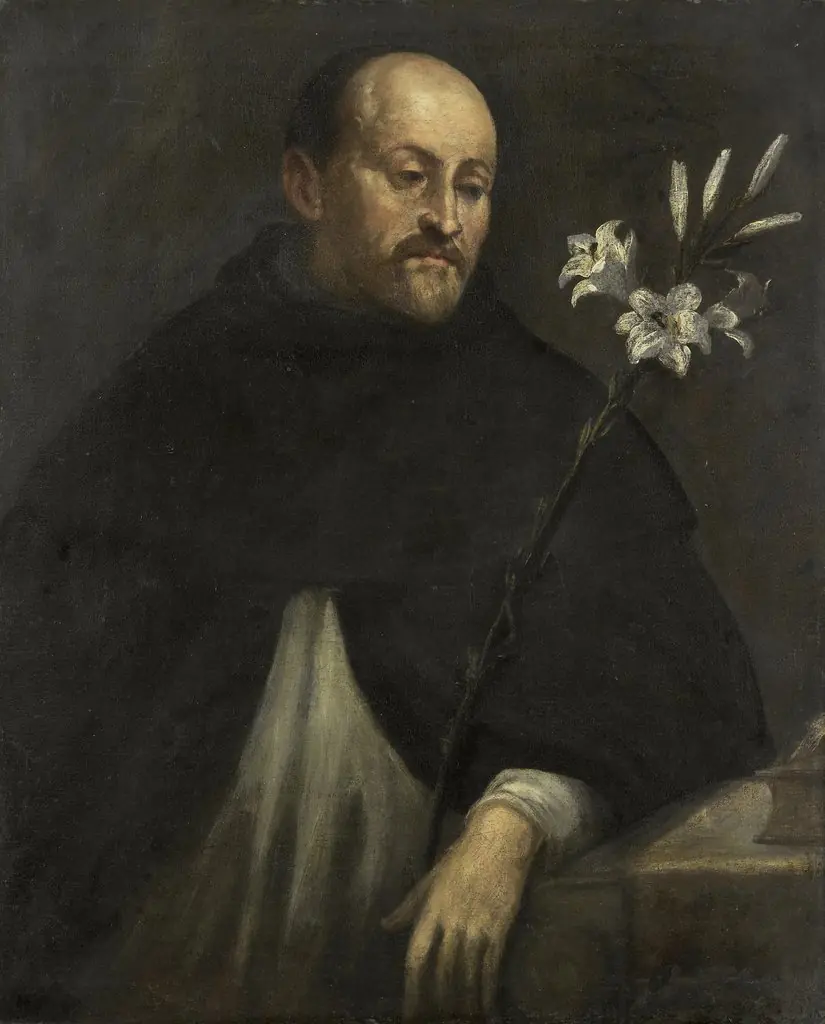
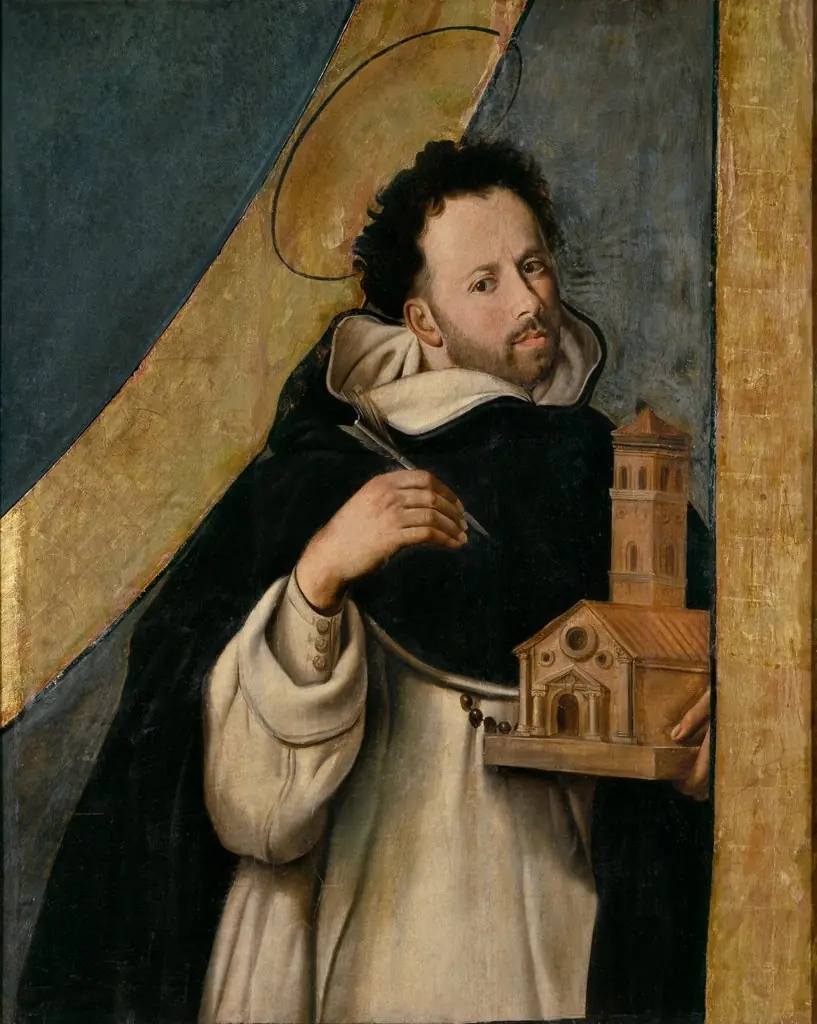
Portrait of friar, possibly Antonio Michele Ghislieri, as st. Thomas
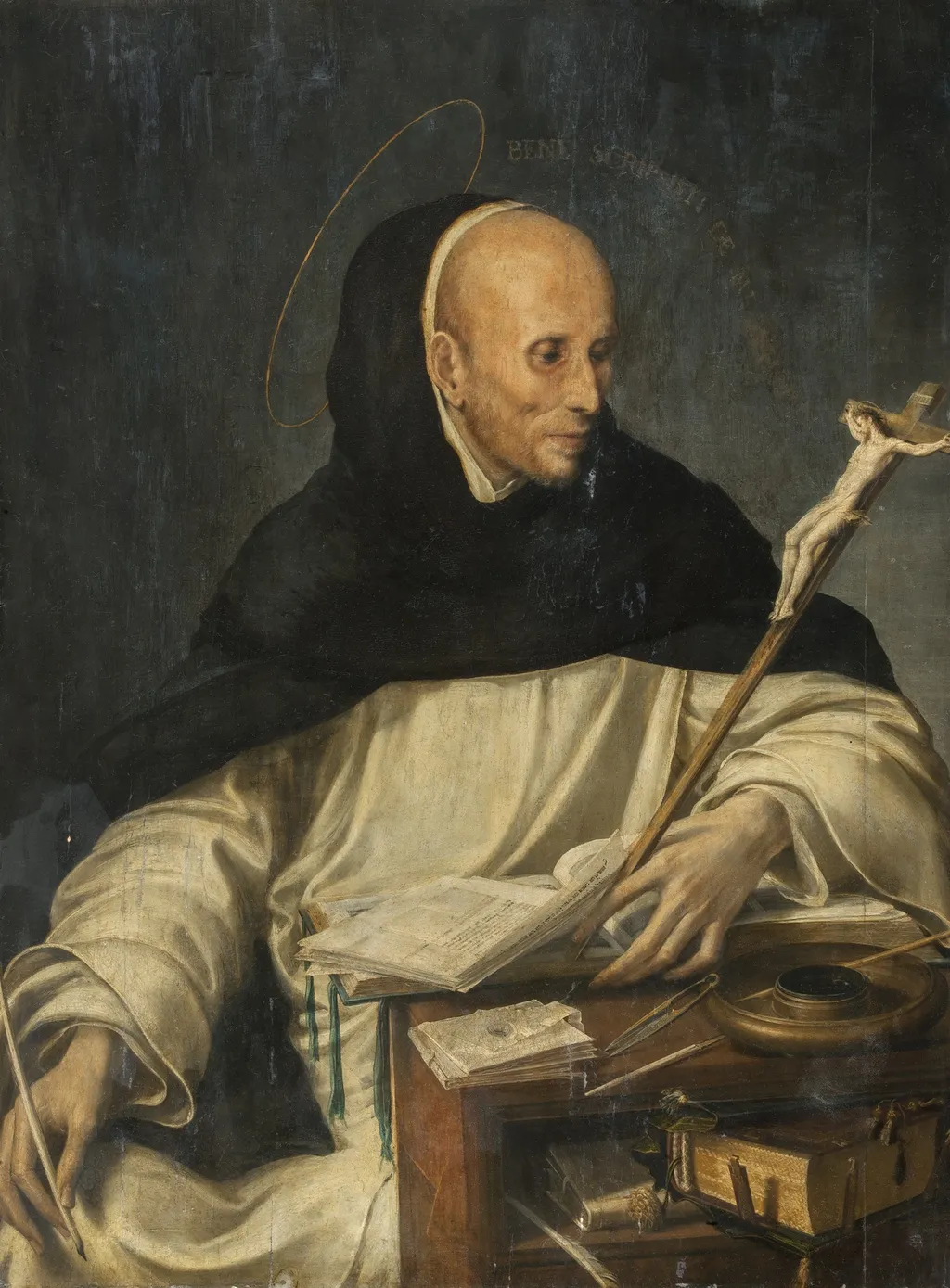
Portrait of friar, possibly Antonio Michele Ghislieri, as st. Thomas is an oil painting by the Mannerist artist Girolamo Mazzola Bedoli. It dates from 1543 and is held in the collection of the Pinacoteca di Brera.
About this work
Overview
Painted in 1543 by Girolamo Mazzola Bedoli, this oil portrait depicts a friar portrayed as Saint Thomas the Apostle. The work resides in the Pinacoteca di Brera in Milan. Rendered with careful attention to detail, the composition combines religious symbolism with a naturalistic depiction of a scholarly figure, reflecting the devotional and intellectual currents of mid-16th-century Italy.
Subject & Meaning
The portrayal merges the sitter’s real identity with the saint’s iconography, reinforcing the connection between personal piety and ecclesiastical authority.
The figure, possibly Antonio Michele Ghislieri—later Pope Pius V—is shown as Saint Thomas, identifiable by the spear-like staff crowned with a crucifix, a traditional attribute of the apostle. The halo signifies sanctity, while the books and writing implements suggest theological scholarship. The portrayal merges the sitter’s real identity with the saint’s iconography, reinforcing the connection between personal piety and ecclesiastical authority.
Technique & Style
Bedoli employs chiaroscuro to model the friar’s form, enhancing the three-dimensionality of the robe, face, and objects on the desk. The textures of fabric, parchment, and wood are rendered with precision, grounding the sacred subject in tangible reality. The dark, unadorned background focuses attention on the figure and his scholarly paraphernalia, emphasizing contemplation over ornamentation.
History & Provenance
The painting entered the Pinacoteca di Brera’s collection in the 19th century, likely from a religious institution in northern Italy. Its attribution to Bedoli is supported by stylistic parallels with his other works from the 1540s. The identification of the sitter as Ghislieri remains plausible but unconfirmed, as no definitive documentation from the period directly links the portrait to him.
Context
Created during the Counter-Reformation, the portrait reflects the Church’s emphasis on clerical learning and personal holiness. Depicting a friar as a saintly scholar aligned with efforts to elevate the moral and intellectual stature of the clergy. Such images served both devotional and propagandistic purposes, reinforcing the ideal of the learned religious leader in a time of doctrinal upheaval.
Legacy
Though not widely known outside specialist circles, the painting exemplifies the fusion of portraiture and religious allegory in Mannerist Italy. It contributes to the understanding of how individual identity was visually negotiated within sacred frameworks, offering insight into the visual culture of clerical self-representation during the Reformation era.
Own this work as a print
Artist & collection

![Figures Studies [recto], by Girolamo Mazzola Bedoli](https://artifactworldgallery.com/img/girolamo-mazzola-bedoli--figures-studies-recto--1ed79b3eaa10b09e-w320.webp)
![Birds in Flight [verso], by Girolamo Mazzola Bedoli](https://artifactworldgallery.com/img/girolamo-mazzola-bedoli--birds-in-flight-verso--8bc1f047f8469dc6-w320.webp)