Artwork
Autoritratto
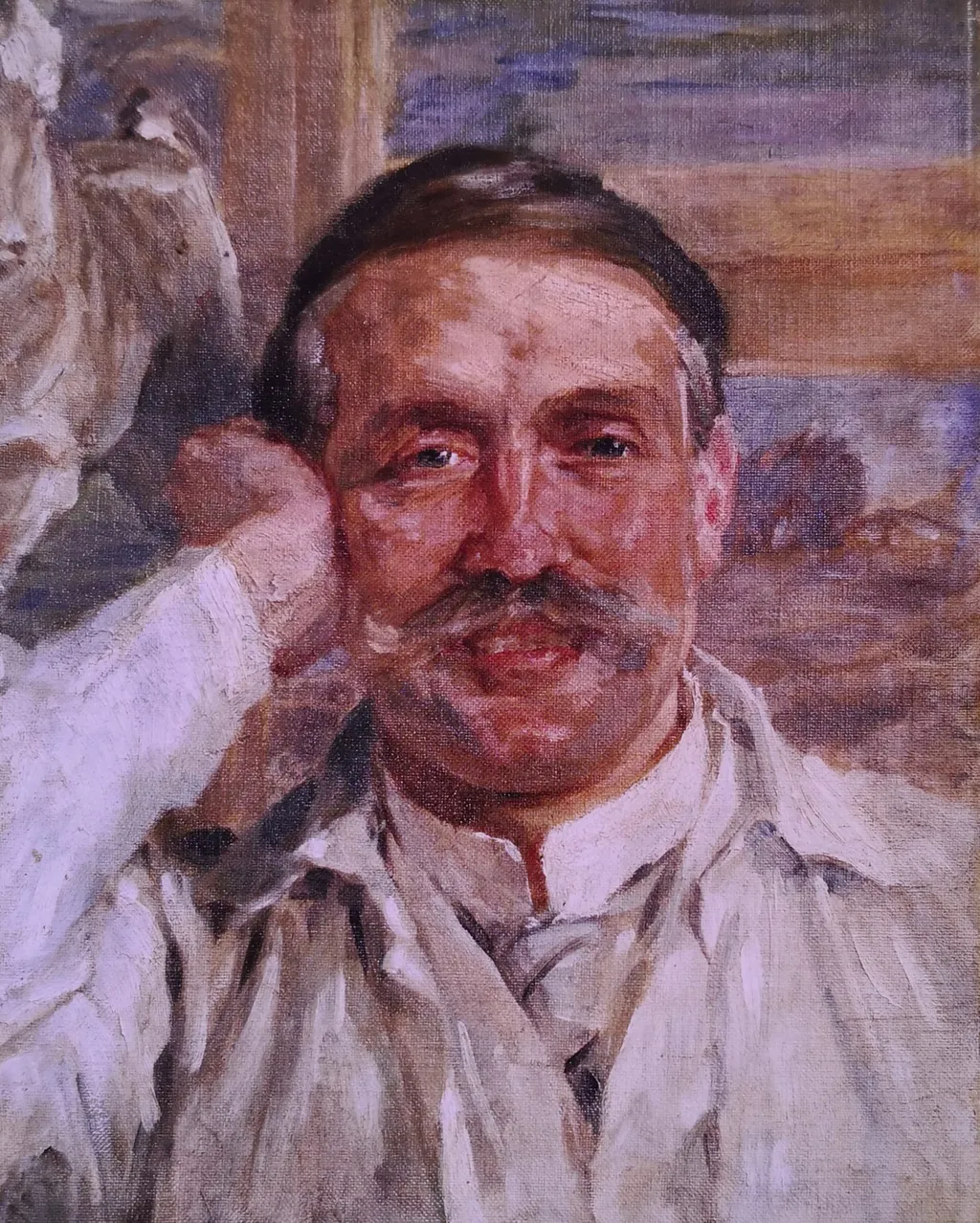
Autoritratto is an oil painting by the Post-Impressionist artist Giulio Aristide Sartorio. It dates from 1915 and is held in the collection of the Uffizi Gallery.
About this work
Overview
Giulio Aristide Sartorio painted his own portrait in oil in 1915, capturing himself in a moment of stillness. The work is part of the Uffizi Gallery’s collection in Florence. It presents the artist as a middle-aged man, dressed simply in a white shirt, with dark hair and a neatly trimmed mustache. His gaze meets the viewer directly, suggesting an intimate, unguarded self-representation.
Subject & Meaning
This quiet demeanor implies a contemplative state, perhaps reflecting the artist’s inner world during a period of personal and historical transition.
The portrait conveys introspection rather than assertion. Sartorio holds a pipe in his left hand and raises his right toward his face, as if pausing mid-thought. The absence of symbolic props or elaborate setting focuses attention on his expression and posture. This quiet demeanor implies a contemplative state, perhaps reflecting the artist’s inner world during a period of personal and historical transition.
Technique & Style
Sartorio employs chiaroscuro to model the face and hands with subtle gradations of light and shadow, lending volume and realism. The background blends muted tones of brown, blue, and purple, avoiding distraction while enhancing spatial depth. Brushwork is controlled but not overly refined, preserving a sense of immediacy. The composition is tightly framed, drawing the viewer into the subject’s personal space.
History & Provenance
Painted in 1915, the portrait remained in the artist’s possession until it entered the Uffizi’s collection. Its acquisition reflects institutional recognition of Sartorio’s significance in early 20th-century Italian art. Unlike many self-portraits of the era, it was not commissioned or intended for public display, suggesting a private act of self-examination later deemed worthy of preservation.
Context
Created during the early years of World War I, the portrait stands apart from the era’s prevailing avant-garde movements. Sartorio, associated with Symbolism and academic traditions, chose introspection over radical form. His quiet self-portrait contrasts with the turbulence of the time, offering a personal counterpoint to the public chaos unfolding across Europe.
Legacy
The portrait endures as a quiet testament to Sartorio’s artistic identity. While not widely reproduced, it contributes to understanding the range of Italian portraiture beyond modernist experimentation. Its presence in the Uffizi affirms its role as a documented self-representation within a major European collection, preserving the artist’s presence for future study.
Artist & collection

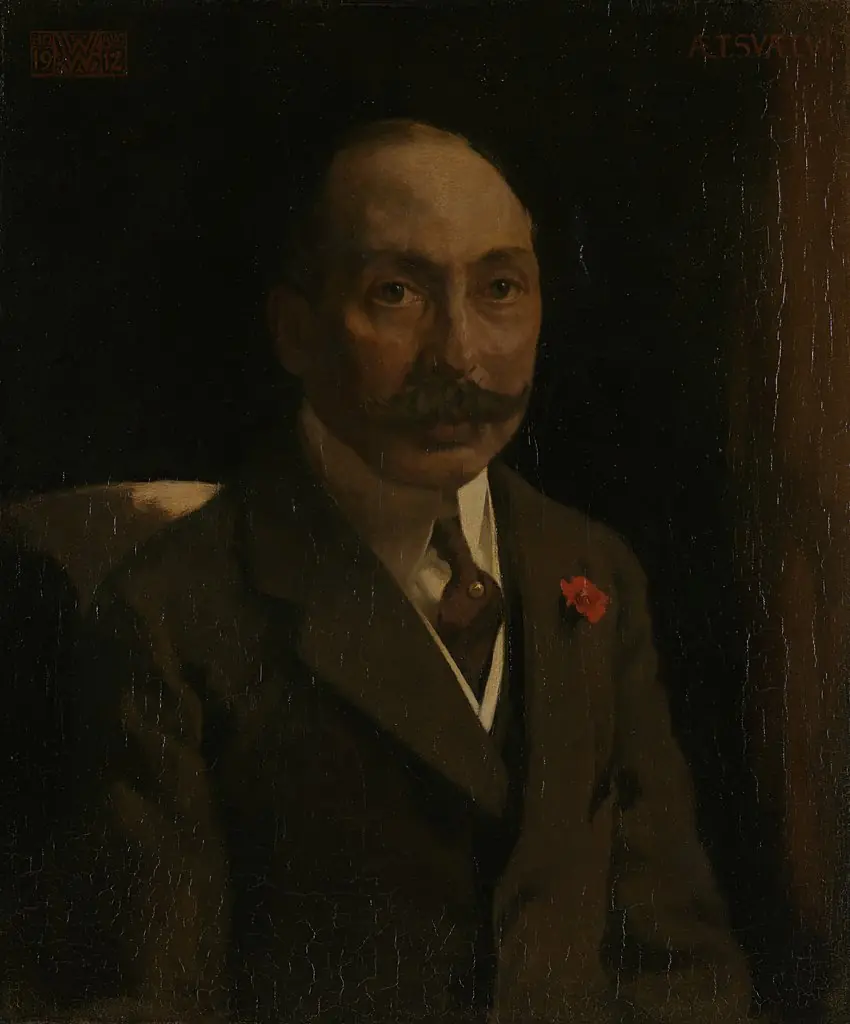 Andries van Wezel (1856–1922). Koopman te Antwerpen, legateerde in 1922 zijn schilderijenverzameling aan het Rijksmuseum
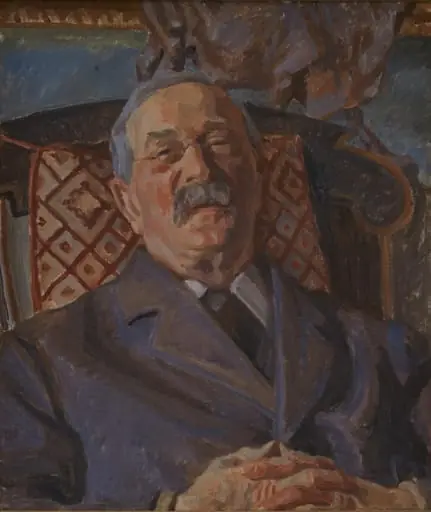 Maleren Theodor Philipsen
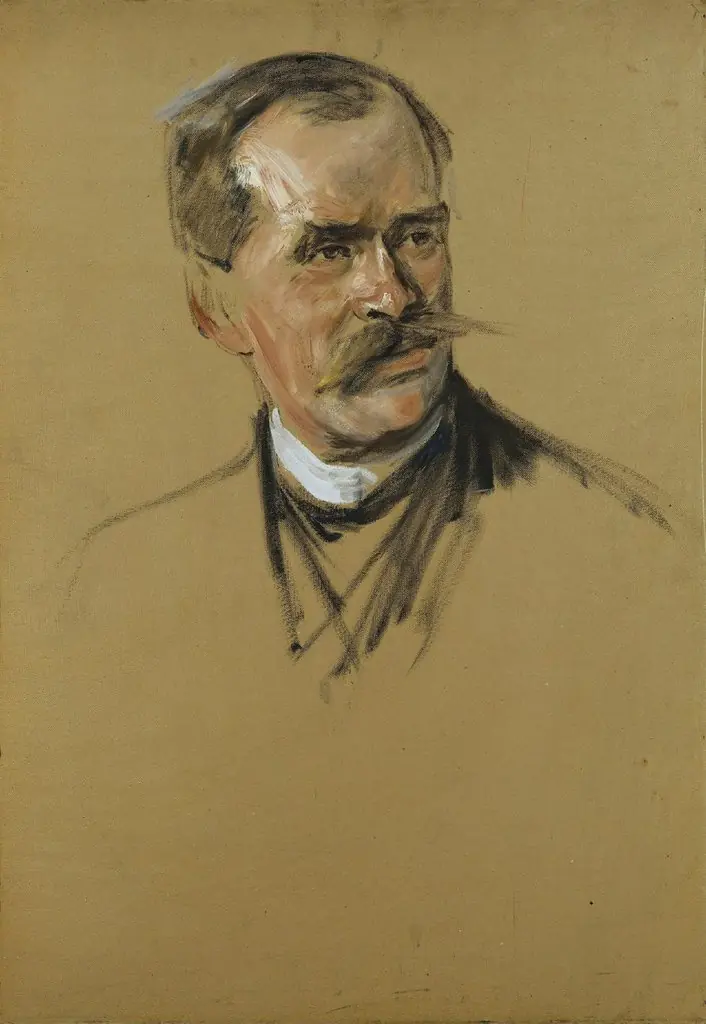 Professor Eduard Zacharias
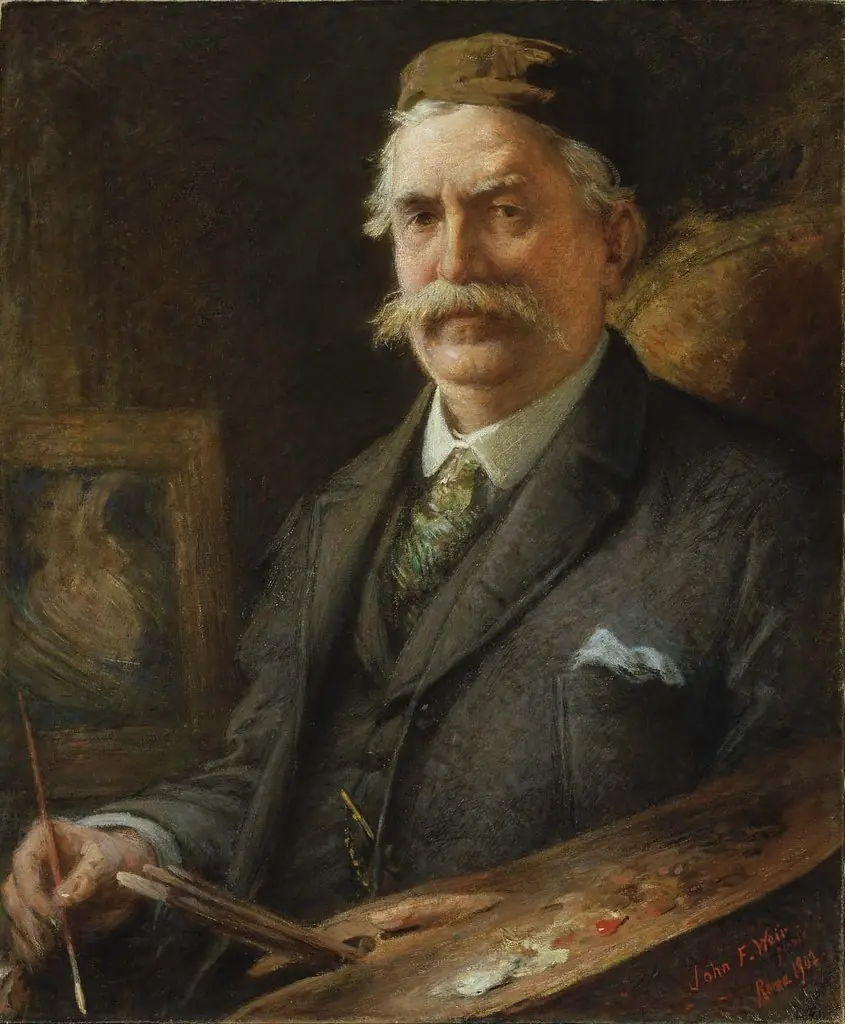 Elihu Vedder
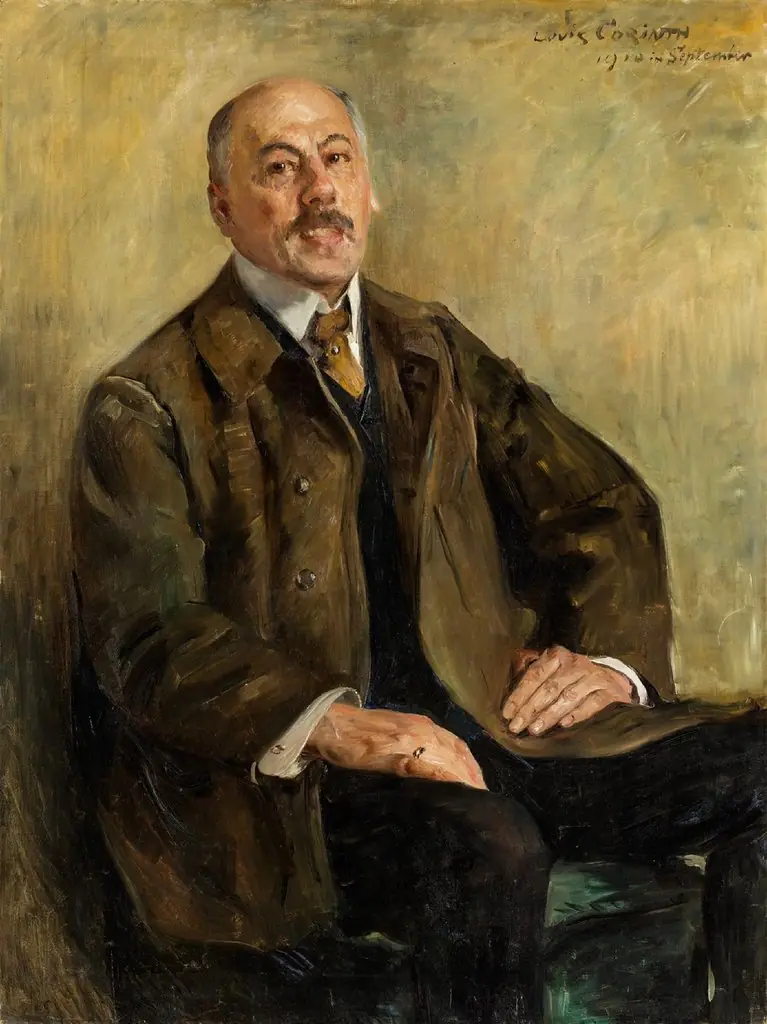 Porträt Albert Kaumann
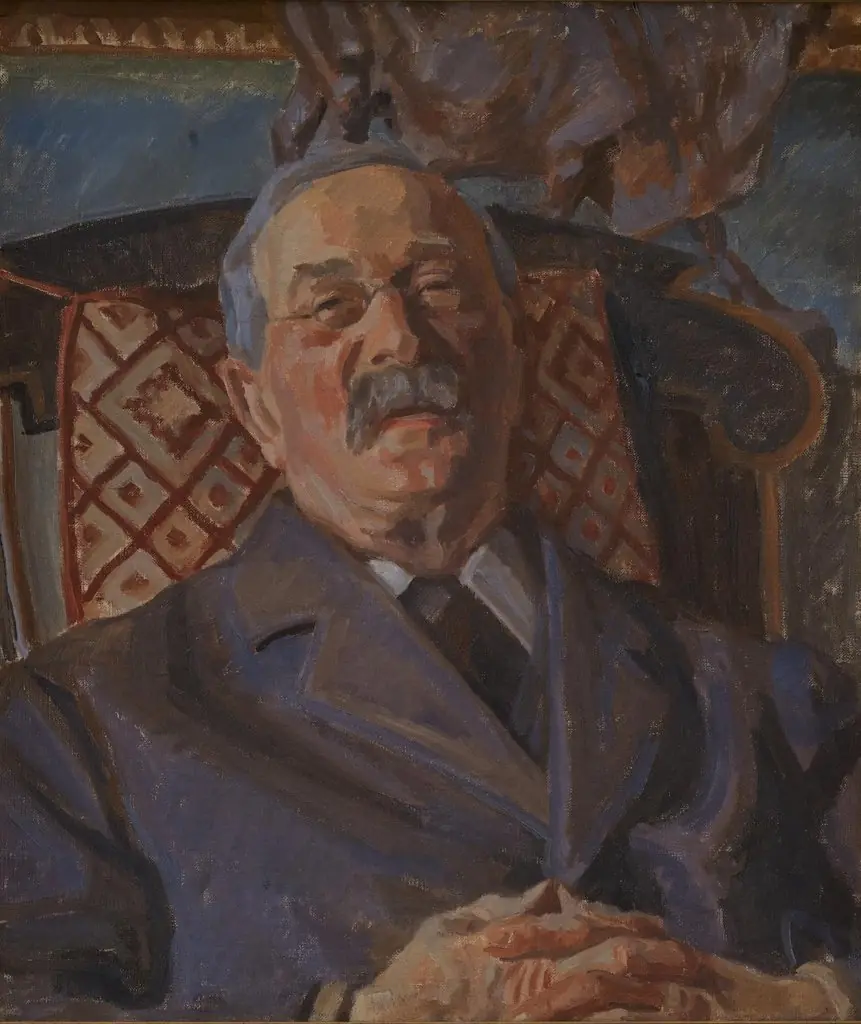 Maleren Theodor Philipsen
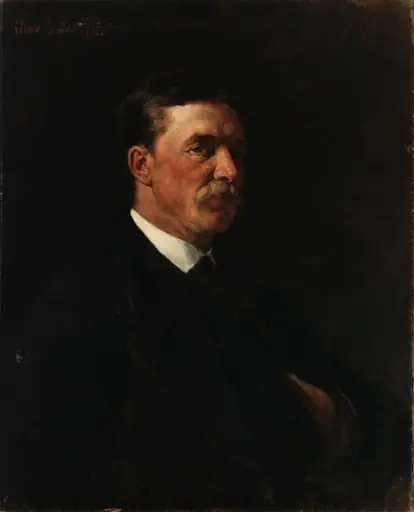 Hjalmar Munsterhjelmin muotokuva
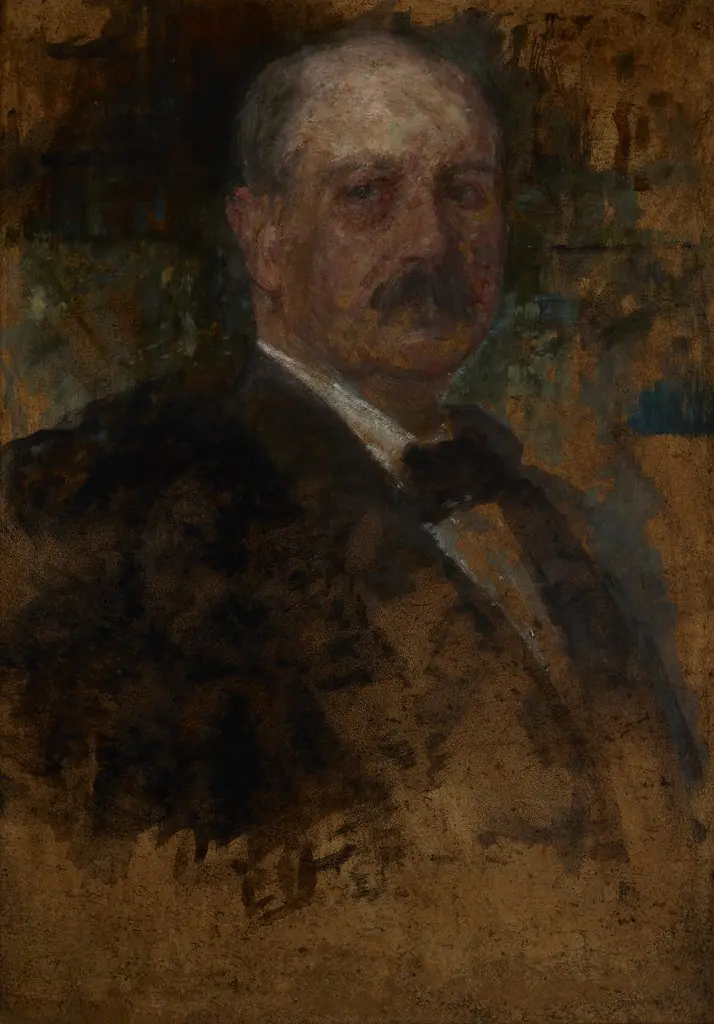 Portrait of an American
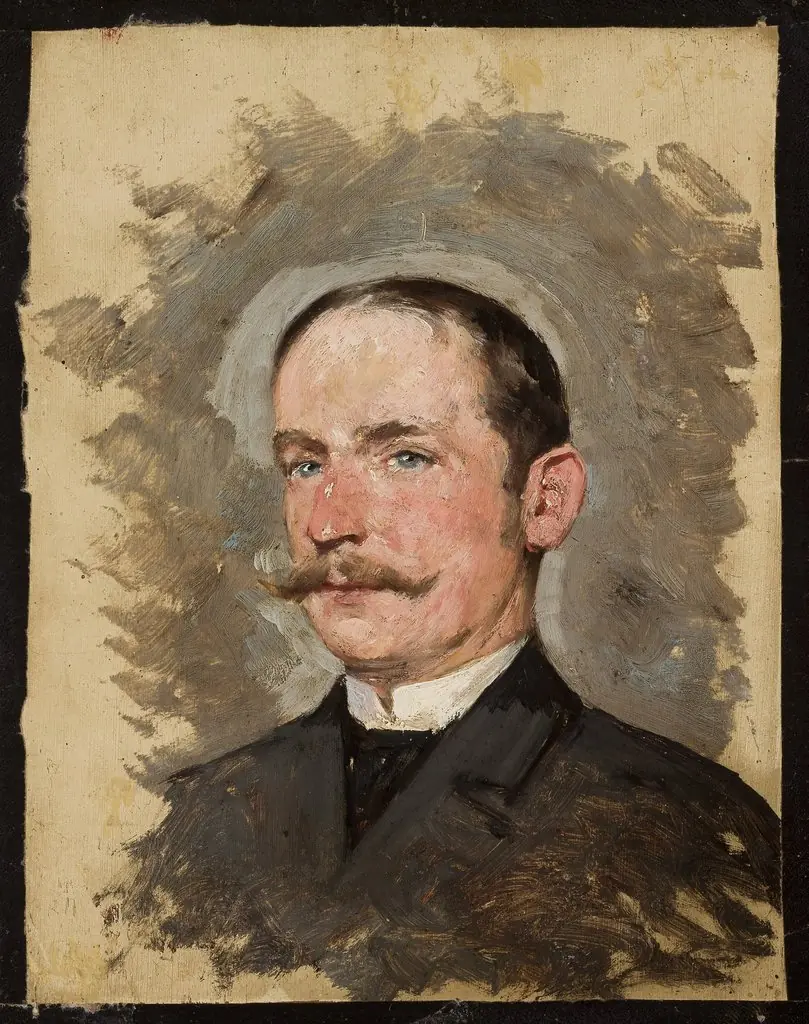 Portrait of a man
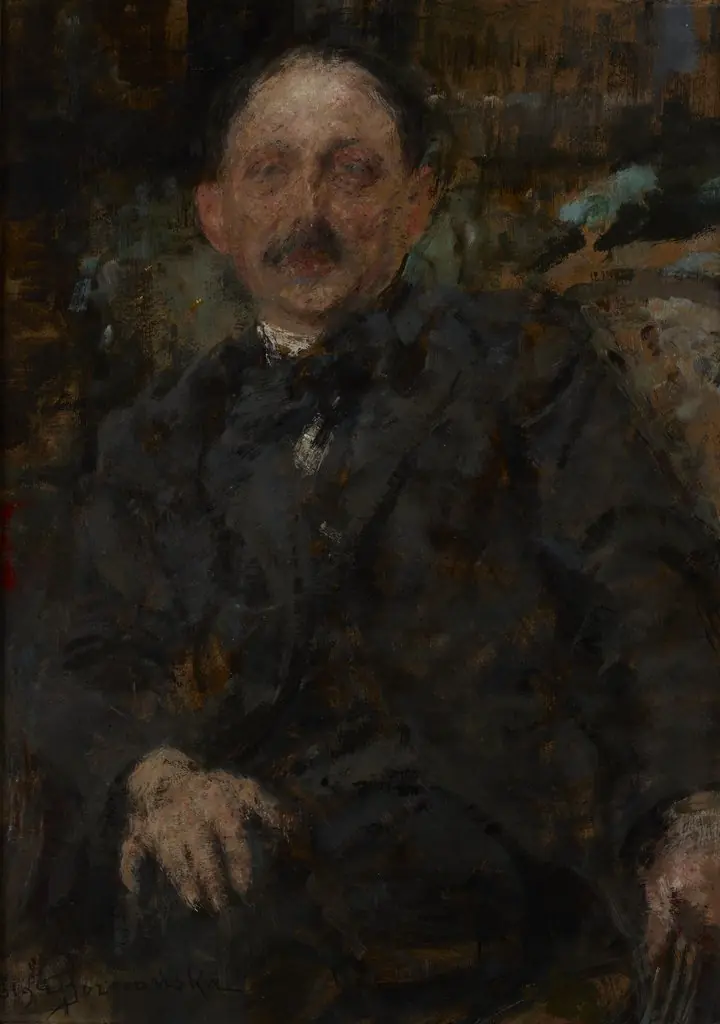 Portrait of Painter Marcin Samlicki
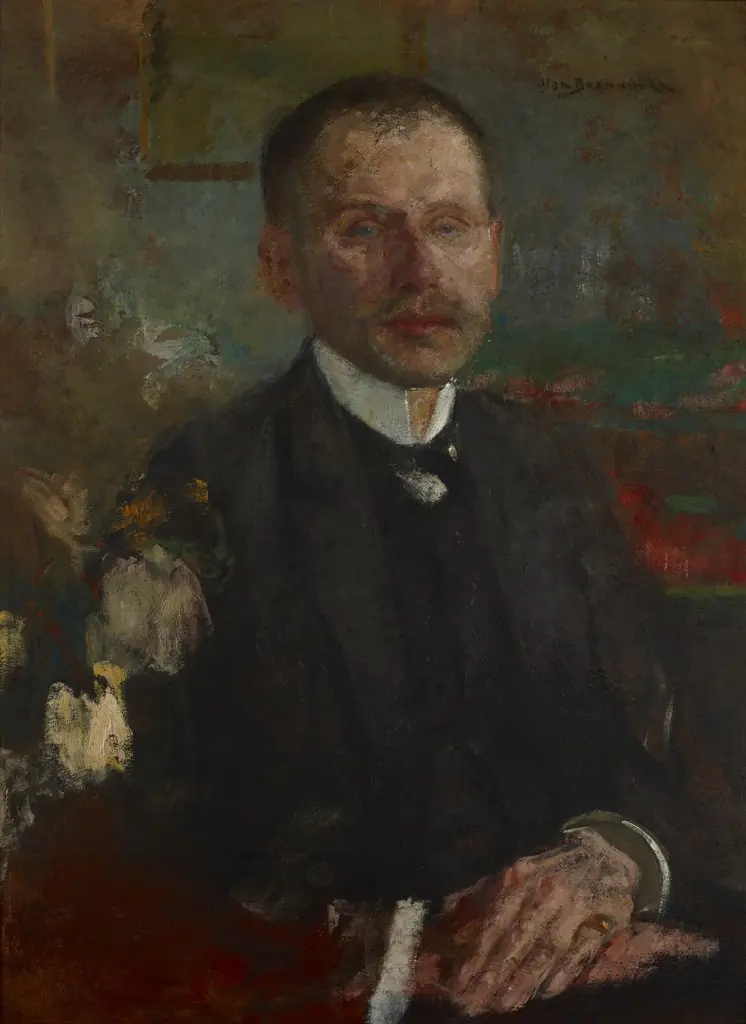 Portrait of Bogdan Faleński – two-sided painting
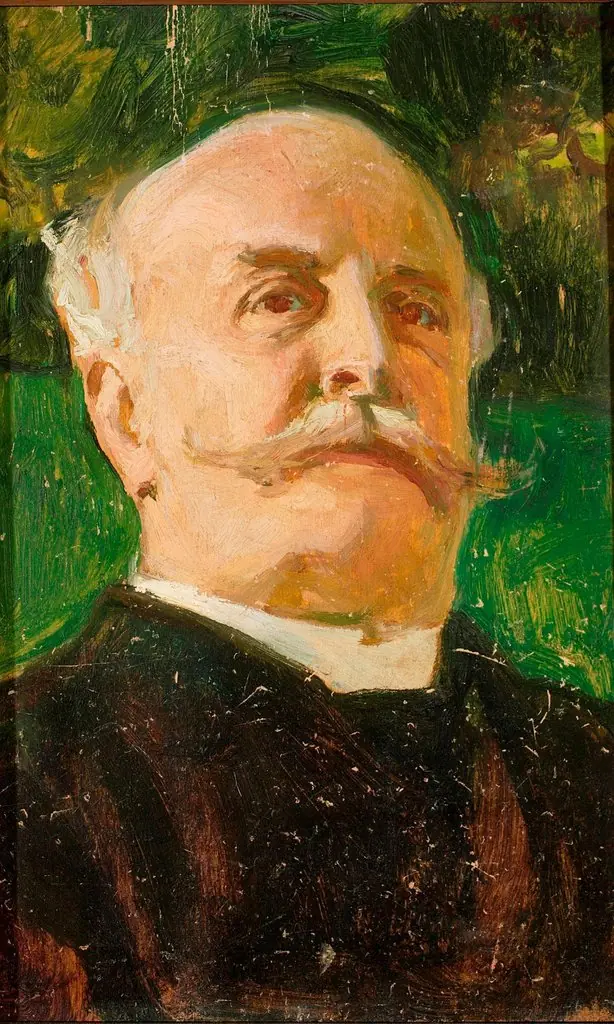 Portrait of Juliusz Kossak