Artwork
Samson and the Philistines
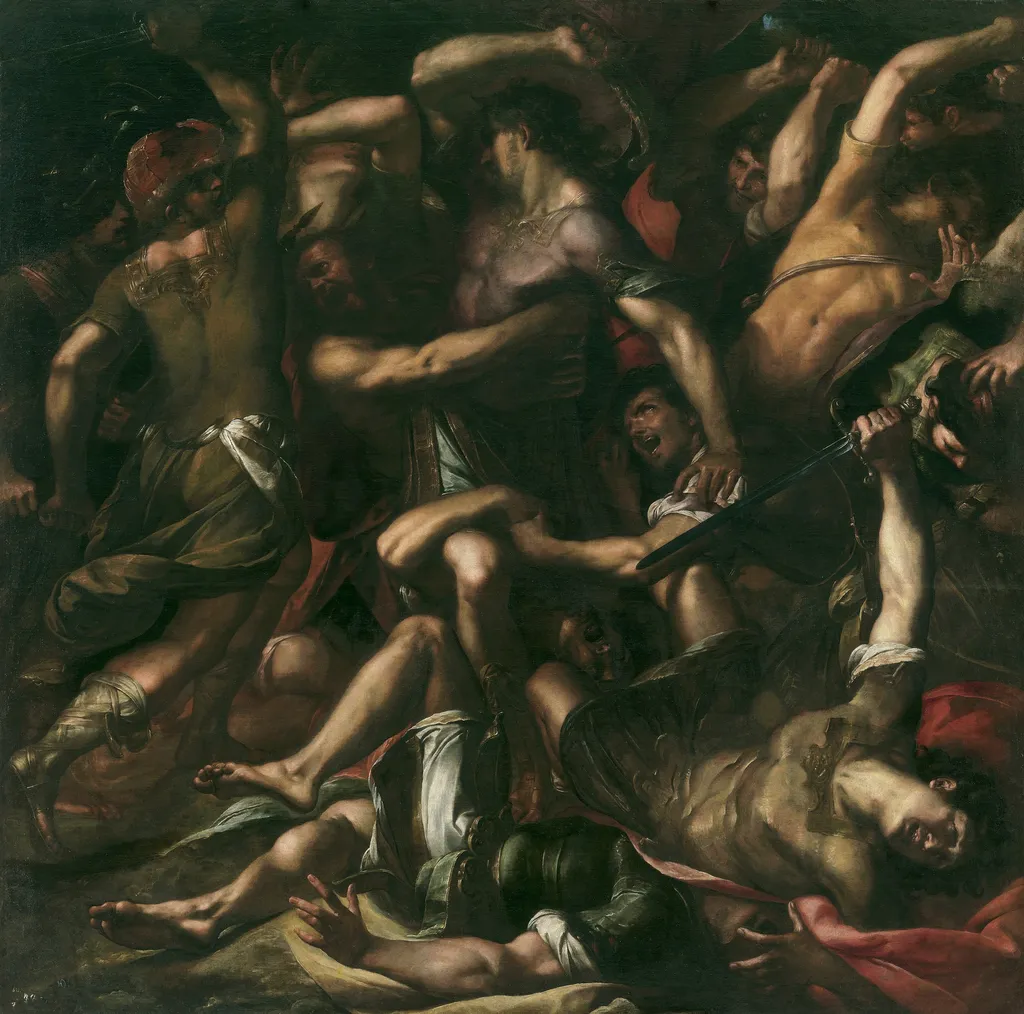
Samson and the Philistines is an oil painting by the Early Baroque Italian artist Giulio Cesare Procaccini. It dates from 1625 and is held in the collection of the Museo del Prado.
About this work
Overview
Samson and the Philistines is a 1625 oil painting by Giulio Cesare Procaccini, a prominent figure in Milan's early Baroque scene. The work is part of the Museo del Prado's collection.
Subject & Meaning
The painting depicts a chaotic biblical scene of Samson, a muscular figure wielding a sword, amidst a frenzied clash with a group of men. Some figures are shown falling or being overpowered, conveying turmoil and conflict.
Technique & Style
Procaccini employs chiaroscuro to create depth and tension, focusing attention on Samson. A dark background amplifies the dramatic and intense atmosphere of the scene.
History & Provenance
Created in 1625, the painting was produced under the patronage of Cardinal Federico Borromeo, alongside which Procaccini worked with fellow artists Giovanni Battista Crespi and Pier Francesco Mazzucchelli.
Context
As a religious genre piece, Samson and the Philistines reflects the artistic and thematic preoccupations of the early Baroque period in Milan, characterized by dramatic and emotionally charged works.
Legacy
While the painting showcases Procaccini's mastery of oil painting, its broader impact and influence within the Baroque movement are not distinctly highlighted in available information.
Own this work as a print
Artist & collection
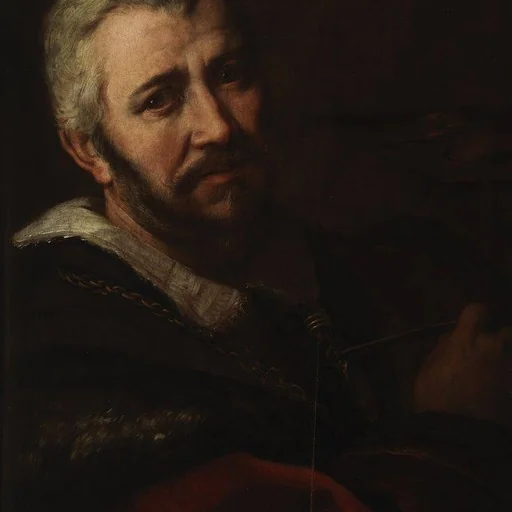
Artist
Giulio Cesare Procaccini (30 May 1574 – 14 November 1625) was an Italian painter and sculptor of the early Baroque era in Milan.