Artwork
Verkündigung Mariae
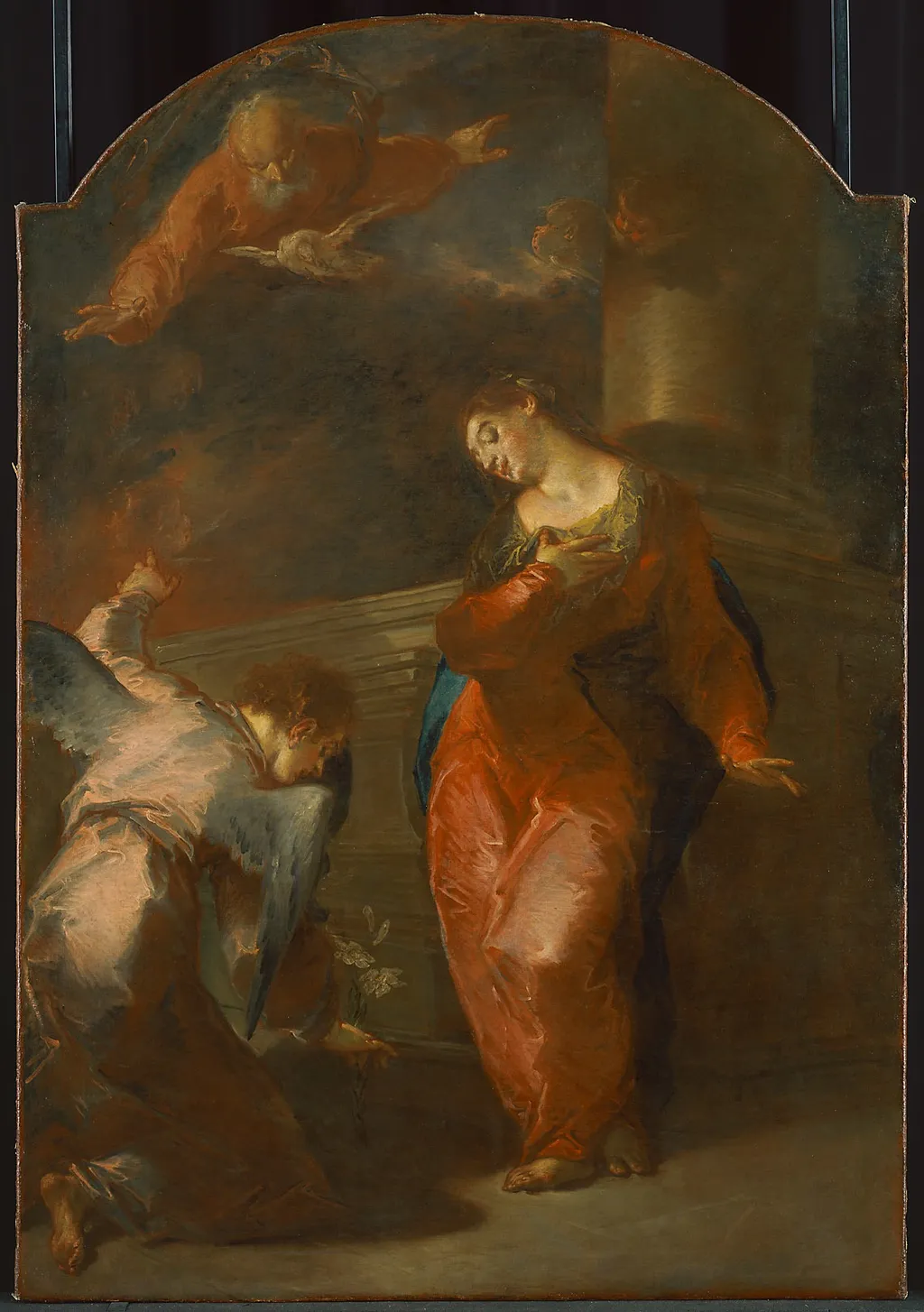
Verkündigung Mariae is an unspecified painting by the Rococo painting artist Giuseppe Bazzani. It dates from 1752 and is held in the collection of the Kunsthistorisches Museum.
About this work
Overview
Executed in oil on canvas, it is part of the Kunsthistorisches Museum’s collection in Vienna.
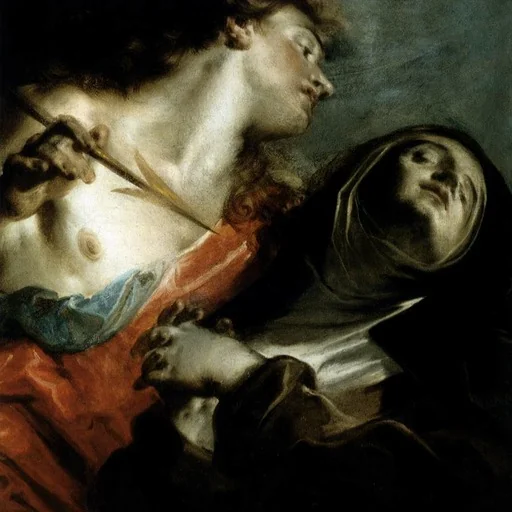
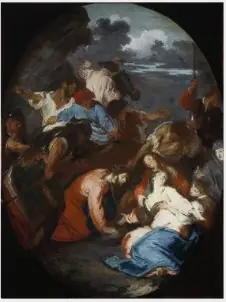
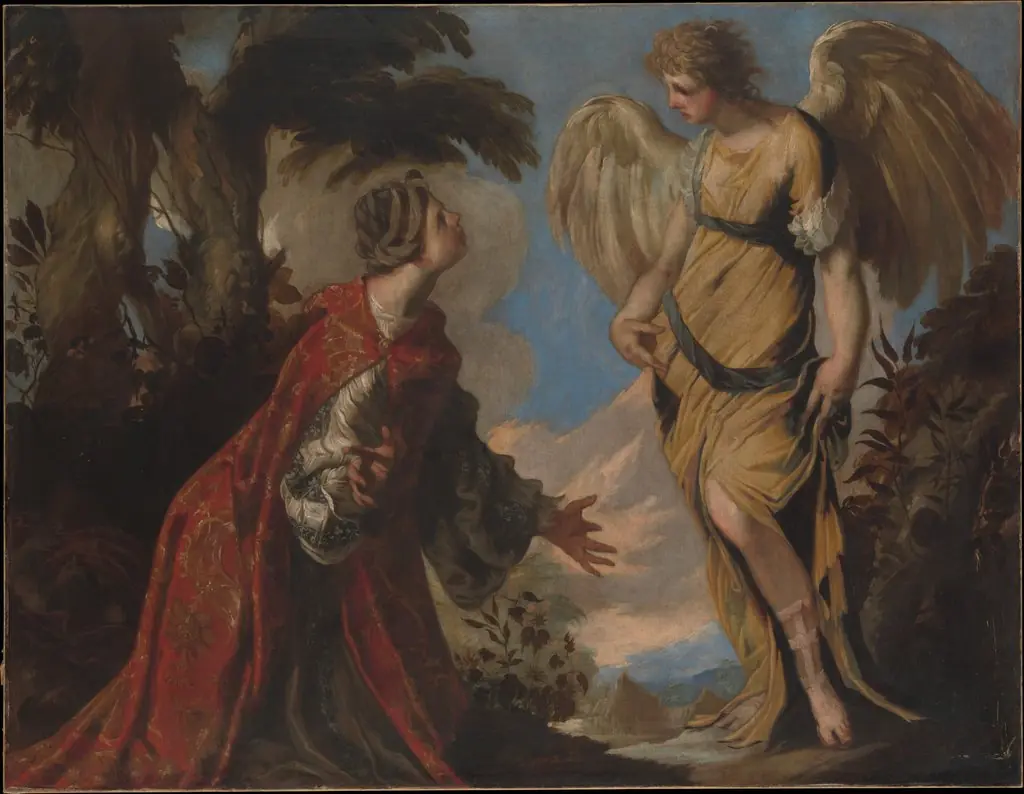
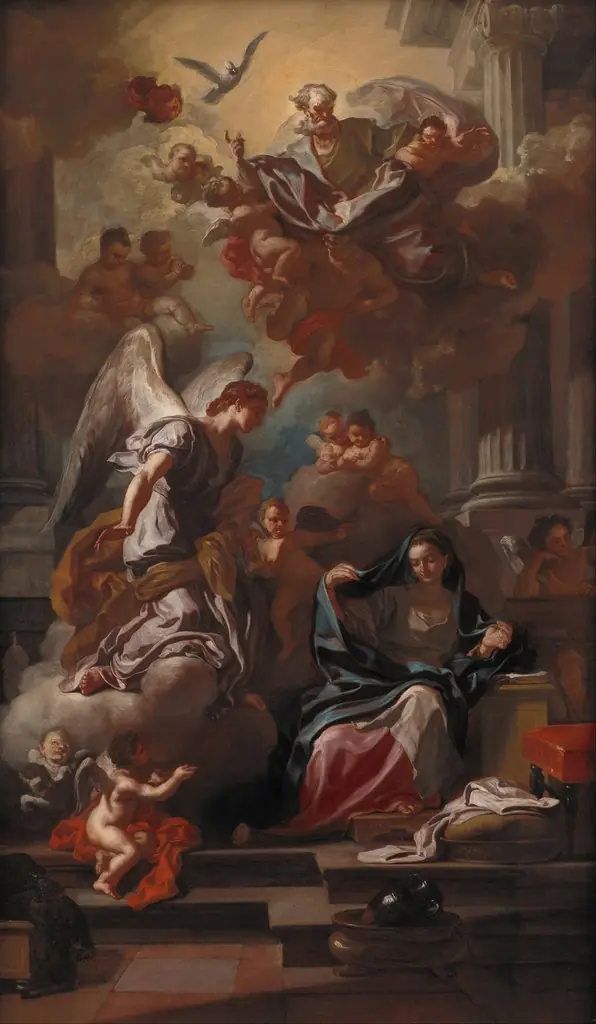
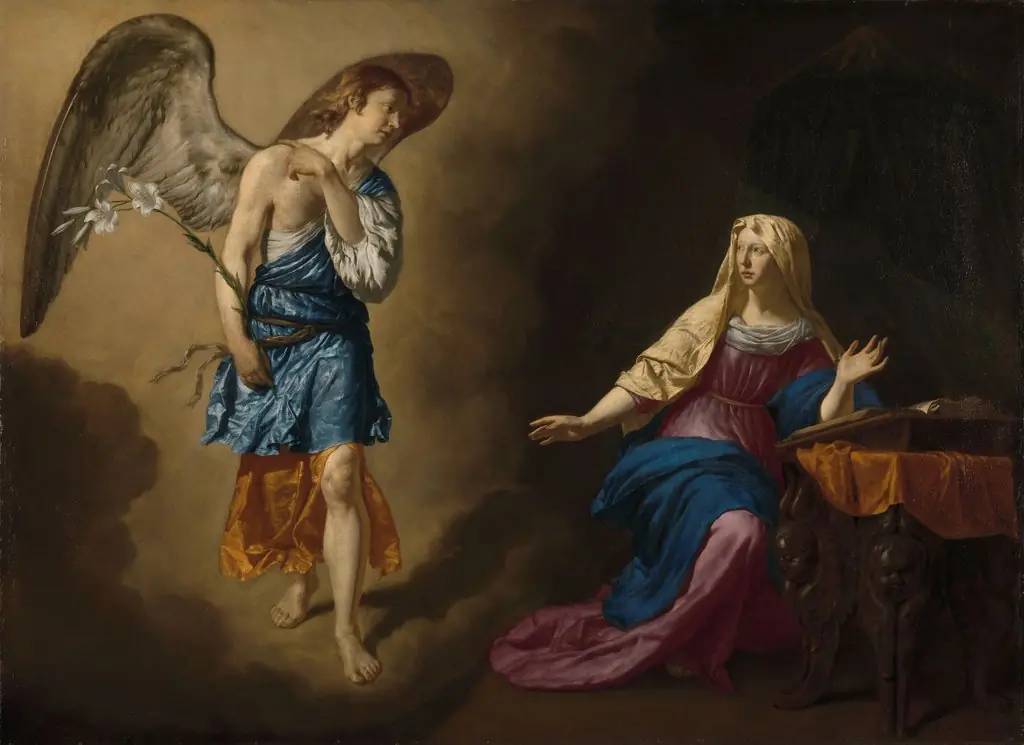
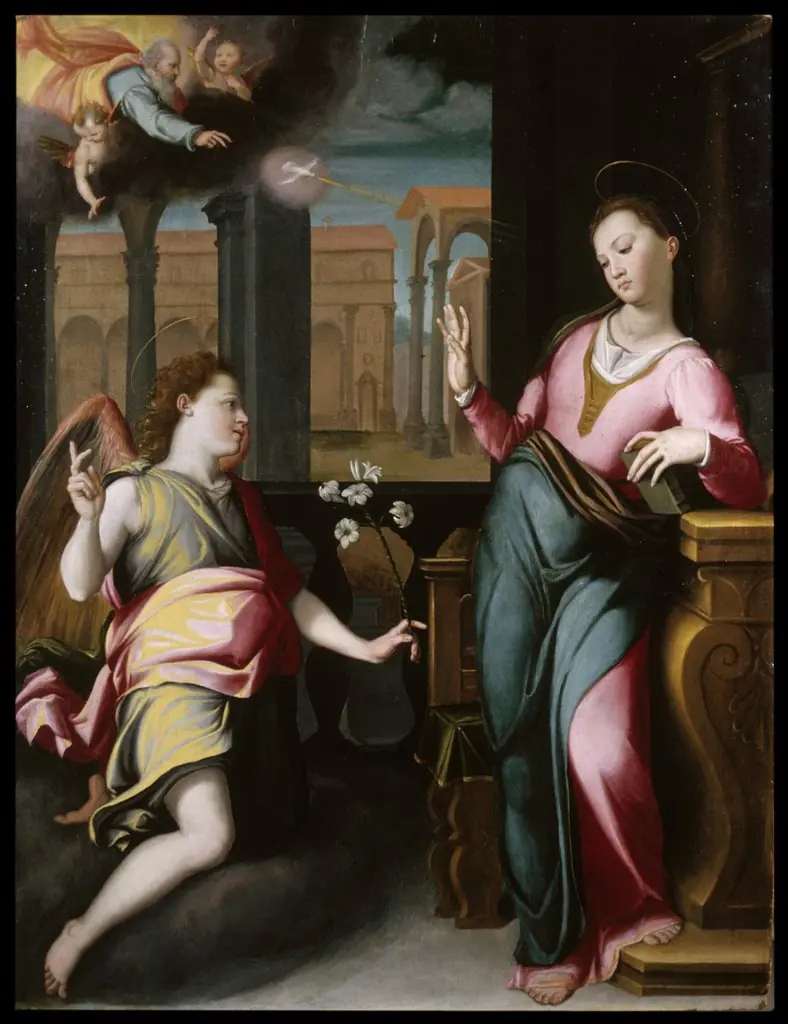
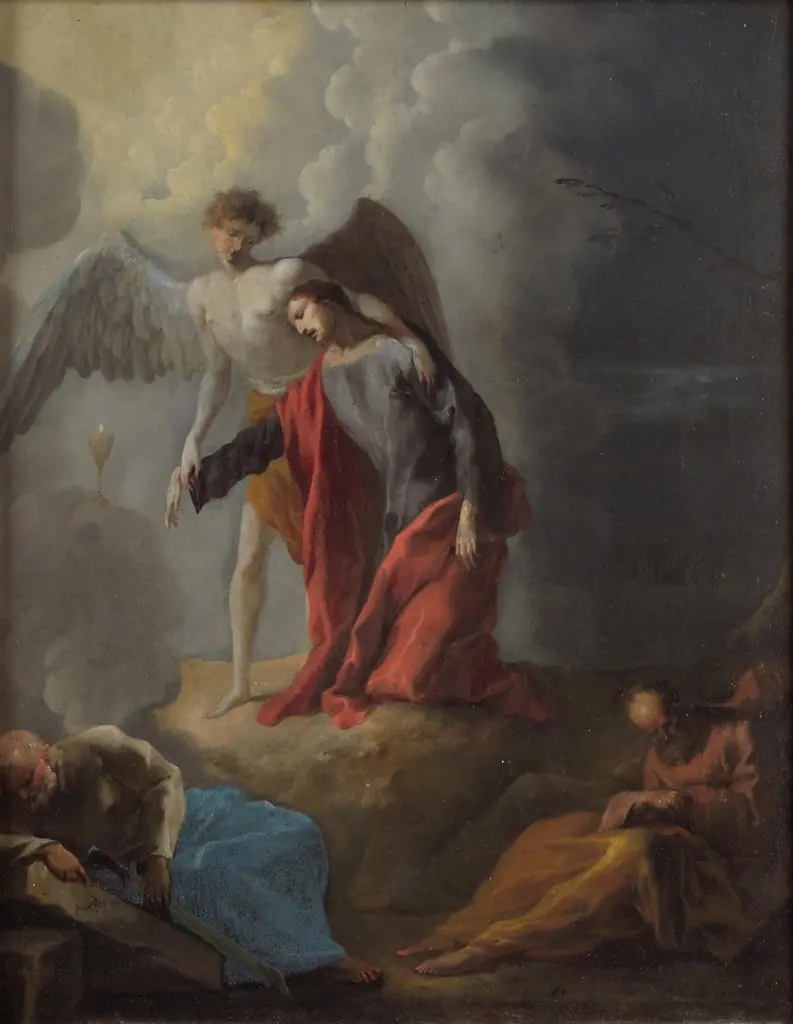
Painted in 1752 by Giuseppe Bazzani, this work depicts the Annunciation, a moment from Christian tradition when the angel Gabriel announces to Mary that she will bear the Son of God. Executed in oil on canvas, it is part of the Kunsthistorisches Museum’s collection in Vienna. The composition emphasizes emotional intensity through controlled lighting and a limited palette, with the central figure rendered in vivid red against deep shadows.
Subject & Meaning
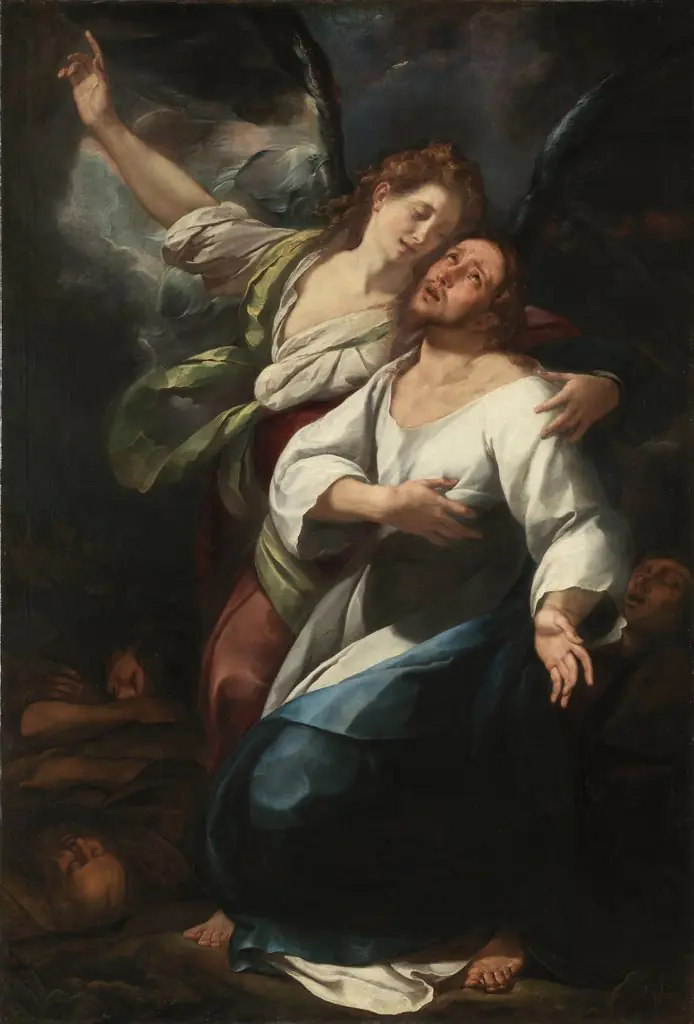
The scene captures the instant of divine revelation: the Virgin Mary, dressed in a striking red garment, recoils slightly as the angel hovers above, extending a hand in greeting. At her left, a prone figure—possibly a prophet or symbolic representation of human frailty—is partially veiled, reinforcing the contrast between earthly uncertainty and celestial certainty. The gesture and gaze convey awe and hesitation, central to the theological weight of the Annunciation.
Technique & Style
Bazzani employs chiaroscuro to model the figures with strong contrasts between light and shadow, lending them sculptural presence. The red robe of Mary stands out against the muted, near-monochromatic background, drawing the eye to her as the emotional core. Brushwork is precise yet fluid, particularly in the rendering of fabric and wings, suggesting movement within stillness. The composition is tightly framed, heightening the intimacy of the encounter.
History & Provenance
Commissioned during the mid-18th century, the painting entered the Kunsthistorisches Museum’s collection in Vienna, likely through imperial or ecclesiastical acquisition. Its survival in good condition reflects careful stewardship. No significant alterations or reworkings are documented, and it has remained in the museum’s holdings since at least the 19th century, consistently cataloged as a key example of Lombard religious painting of the period.
Context
Bazzani worked in the late Baroque tradition, influenced by Venetian colorism and the dramatic lighting of Caravaggisti. This painting aligns with Counter-Reformation devotional art, designed to evoke spiritual contemplation. While not part of a large altarpiece, its intimate scale and emotional focus suggest it was intended for private or monastic devotion, reflecting broader trends in ecclesiastical patronage across northern Italy.
Legacy
Though not widely reproduced, the painting remains a representative work of Bazzani’s mature style and 18th-century Lombard religious art. It illustrates how regional artists adapted broader European trends to serve local devotional needs. Its preservation in a major museum ensures continued study, particularly regarding the use of color and light to convey sacred narrative in an era increasingly shaped by Enlightenment rationalism.
Artist & collection