Artwork
Glăjăria veche de la Avrig
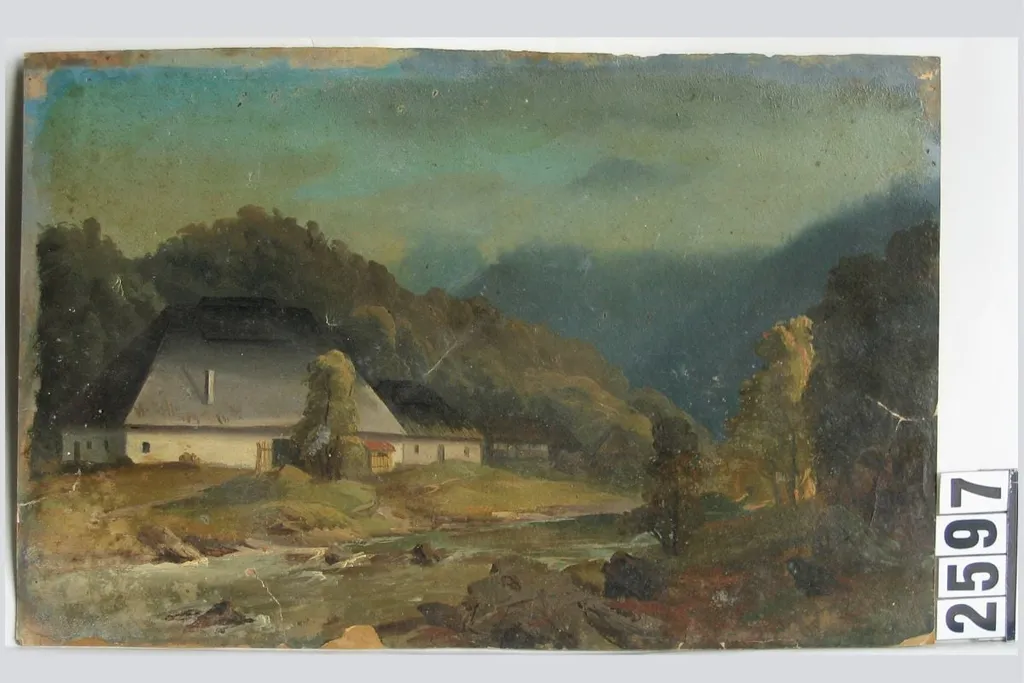
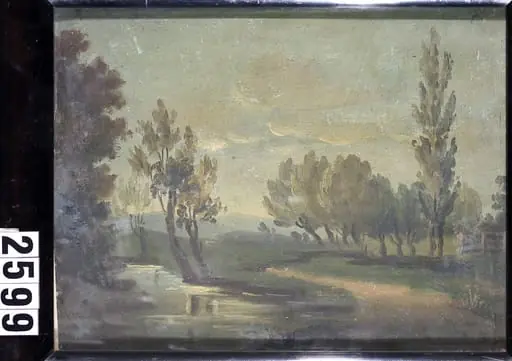
Glăjăria veche de la Avrig is an unspecified painting by Theodor Glatz. It dates from 1854 and is held in the collection of the Brukenthal National Museum.
About this work
Overview
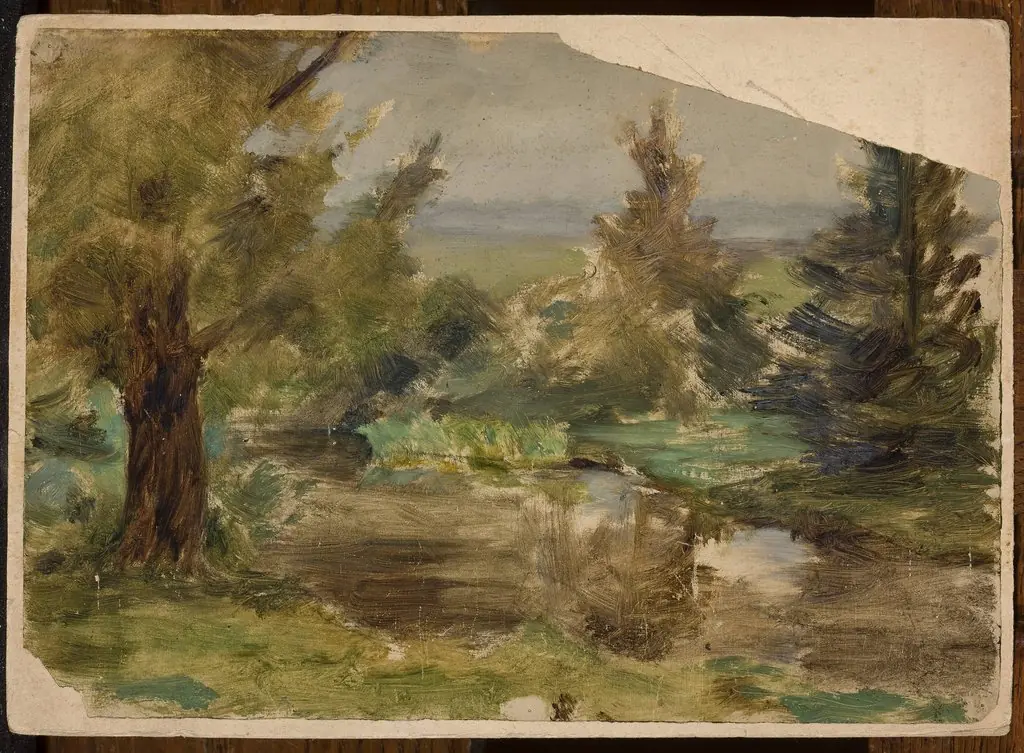
Glăjăria veche de la Avrig, painted around 1854 by Theodor Glatz, depicts a tranquil rural setting. Two modest white‑roofed structures stand beside a shallow stream, their simple forms echoed by the trees that line the water’s edge. A pale sky, lightly brushed with clouds, arches over low, dark‑green hills in the distance, creating a calm, atmospheric landscape.
Subject & Meaning
The composition presents an everyday village scene, emphasizing the quiet coexistence of human habitations and natural elements. The modest architecture and gentle waterway suggest a harmonious, perhaps nostalgic view of rural life, inviting contemplation of the simplicity and permanence of such environments in mid‑nineteenth‑century Transylvania.
Technique & Style
Glatz employs soft, blended brushstrokes that mute contrasts and lend the painting a serene quality. The palette is restrained, with muted whites, pale blues, and subdued greens, while the handling of light on the water and foliage hints at a subtle chiaroscuro effect, softening forms without harsh shadows.
History & Provenance
Created circa 1854, the work belongs to the early period of Glatz’s output, a time when he focused on regional landscapes. Documentation of its ownership is limited, but the painting has been associated with collections of Romanian folk‑scene art and is referenced in regional museum inventories.
Context
The mid‑nineteenth century saw a growing interest among artists in documenting local scenery and everyday life. Glatz’s depiction of Avrig aligns with this trend, reflecting a broader European movement toward realism and the romanticization of rural settings, while retaining a distinctly Romanian visual vocabulary.
Artist & collection

 Farmhouse and Cattle near Mountains
 Hen's Castle, Lough Corrib, County Galway
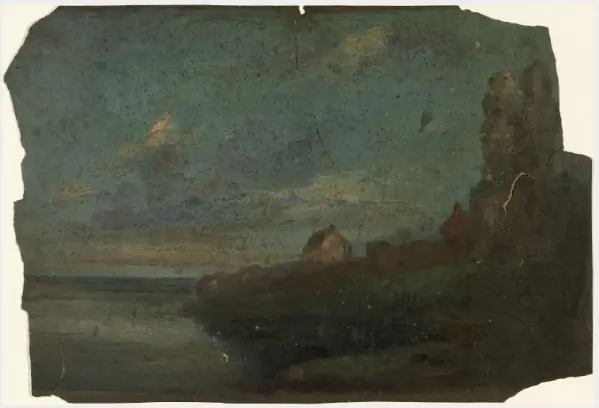 Ruined Castle, County Wicklow
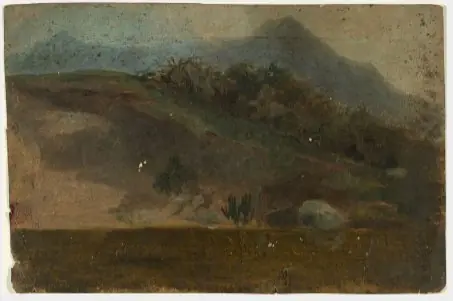 Riverbank below the Great and Little Sugarloaf Mountains, County Wicklow
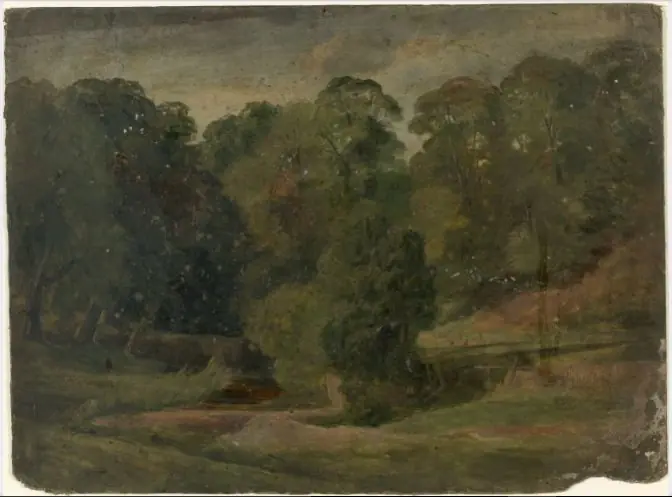 A Clearing in the Woods
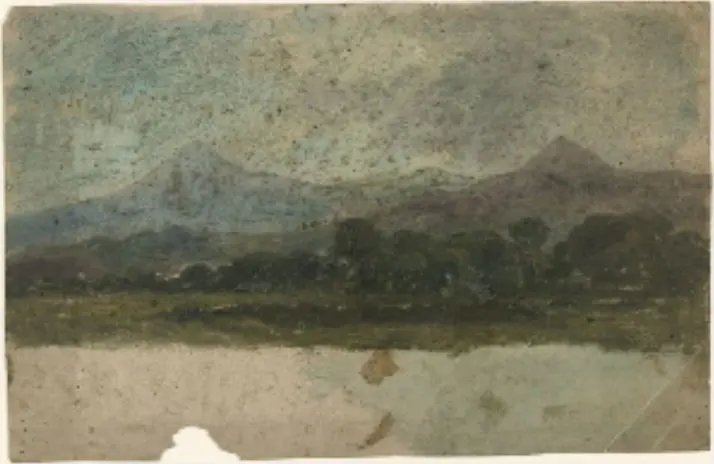 The Great and Little Sugarloaf Mountains, County Wicklow
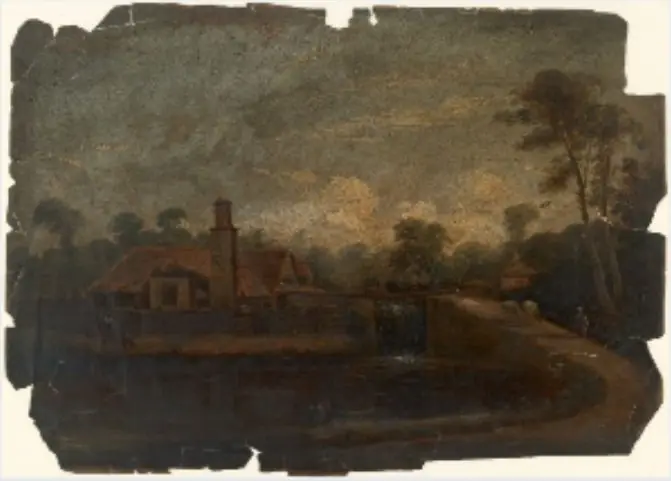 Lock Gates on a Canal
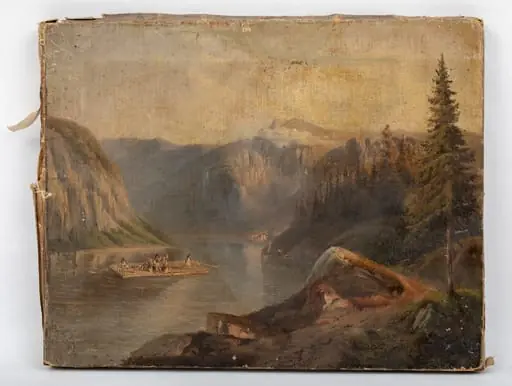 Plute pe Bistrița
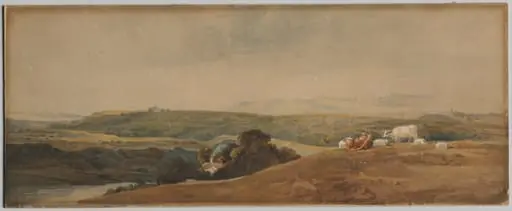 Mountains and Cattle
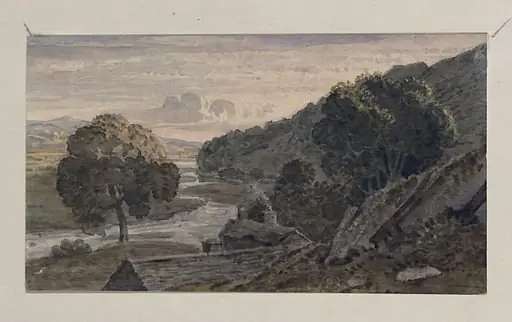 Landscape, with a wiinding river - evening
 Study from Podolia