Artwork
Study from Podolia
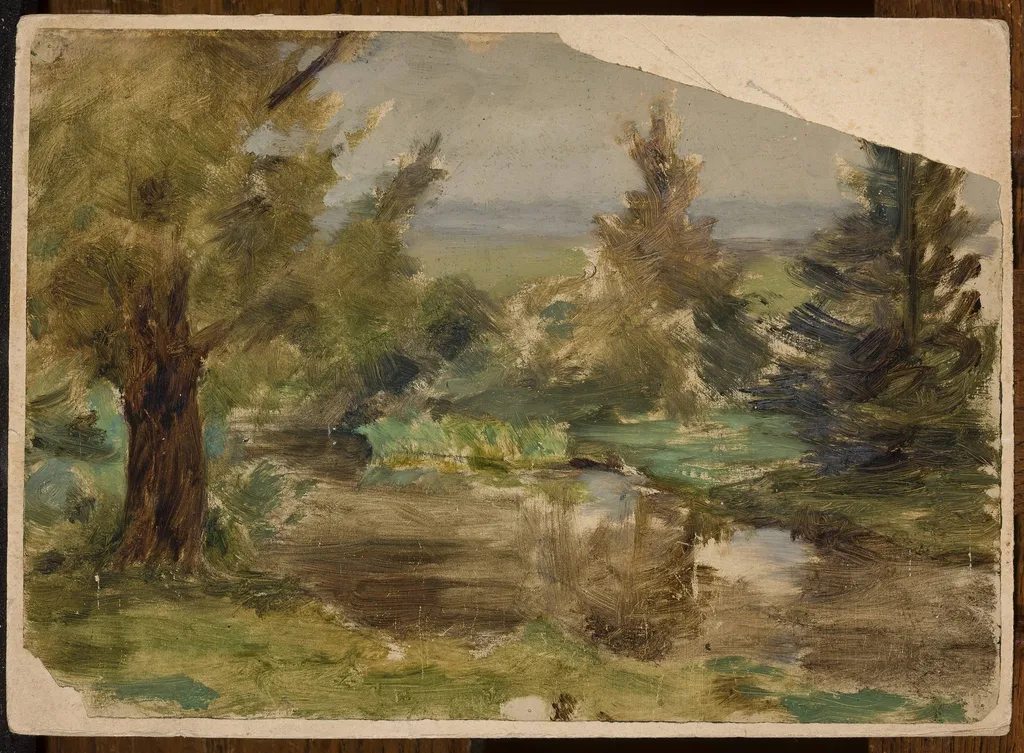
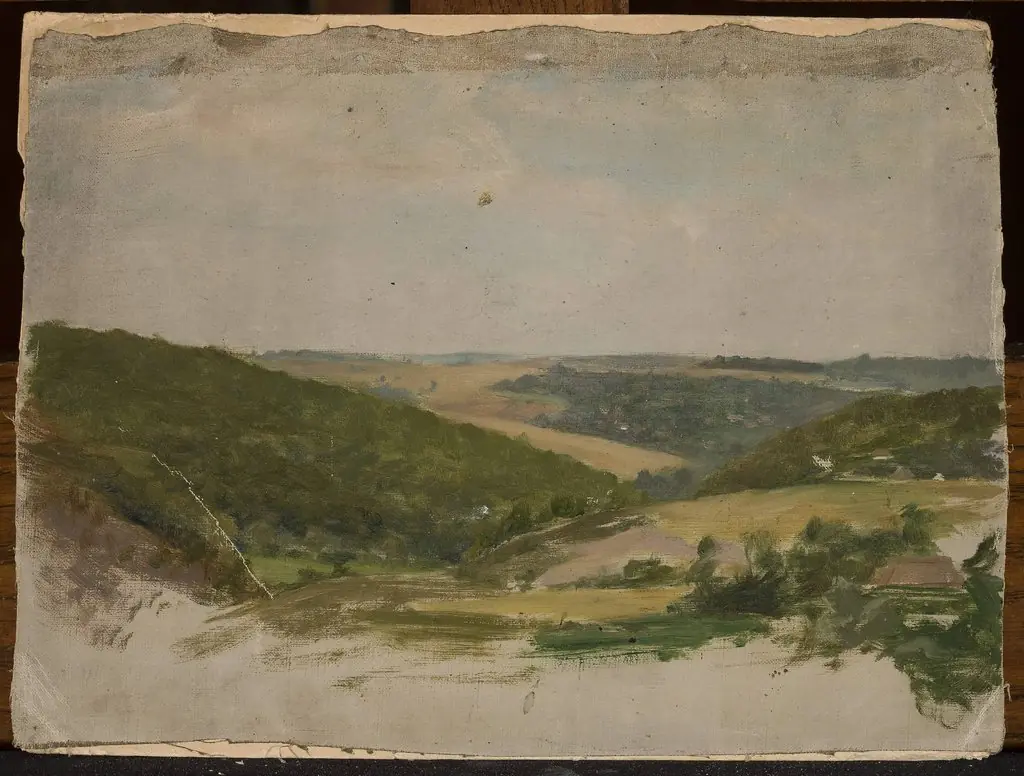
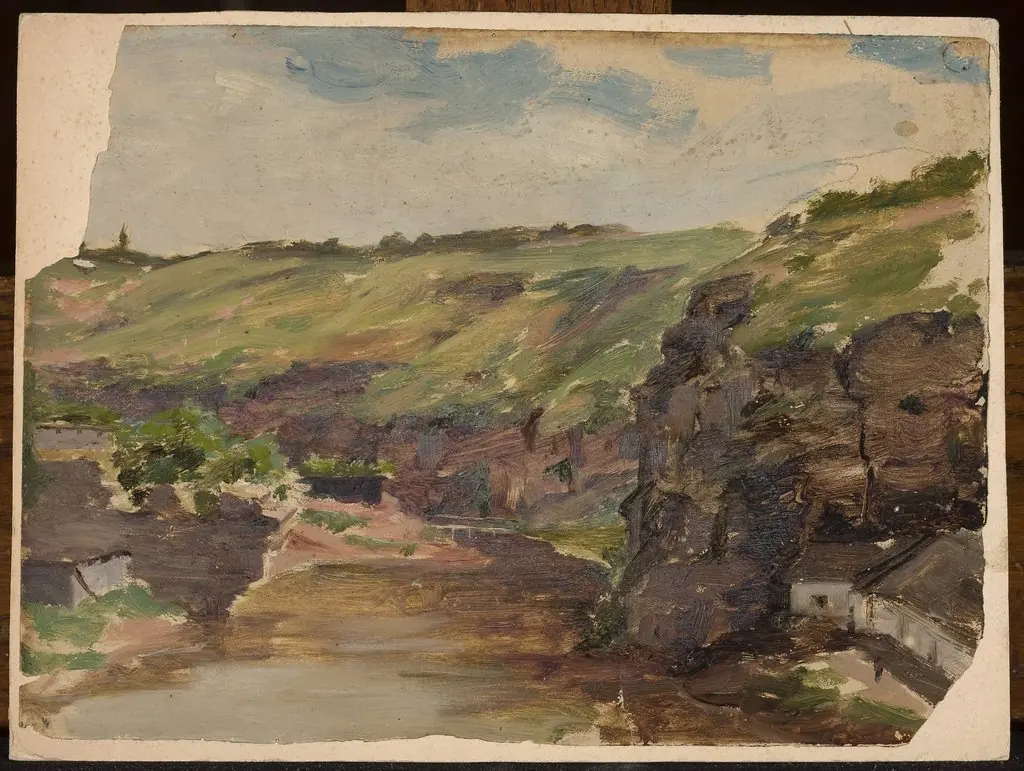
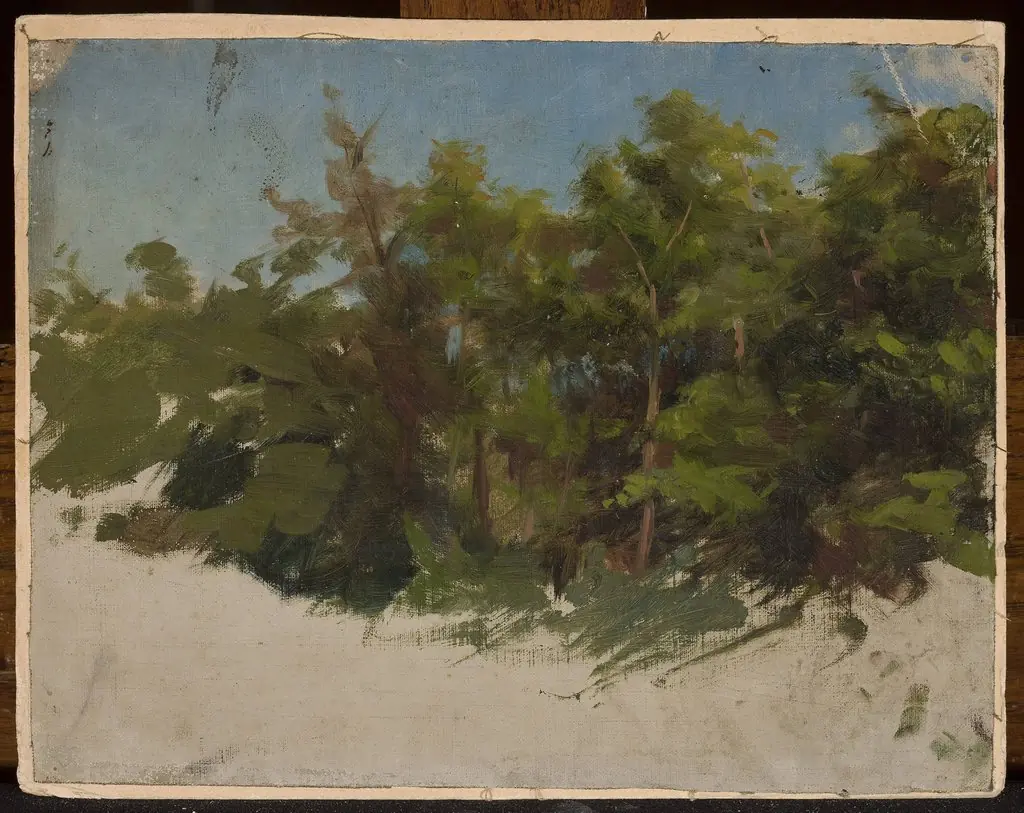
Study from Podolia is an unspecified painting by the Post-Impressionist artist Jan Ciągliński. It dates from 1891 and is held in the collection of the National Museum in Warsaw.
About this work
Overview
Study from Podolia is a 1891 landscape painting by Polish artist Jan Ciągliński, created during his time in St.
Study from Podolia is a 1891 landscape painting by Polish artist Jan Ciągliński, created during his time in St. Petersburg under the Russian imperial court. It reflects his engagement with post-impressionist approaches, emphasizing emotional tone over strict realism. The work is part of the National Museum in Warsaw’s collection, representing Ciągliński’s interest in rural Polish scenery during a period of national cultural revival.
Subject & Meaning
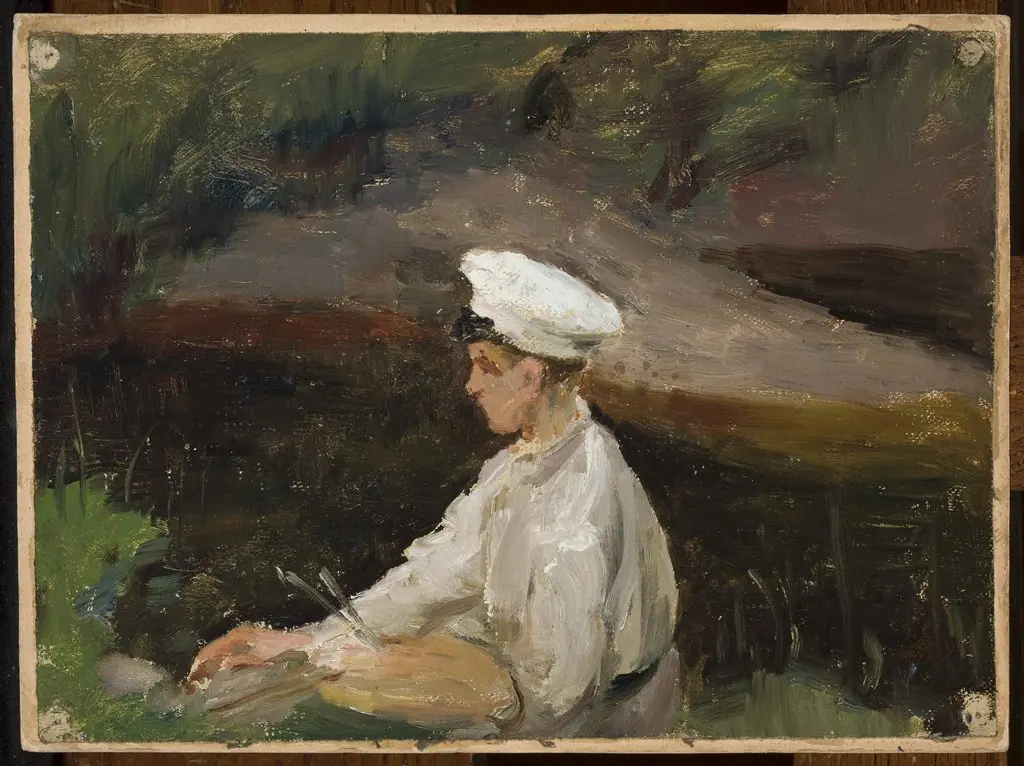
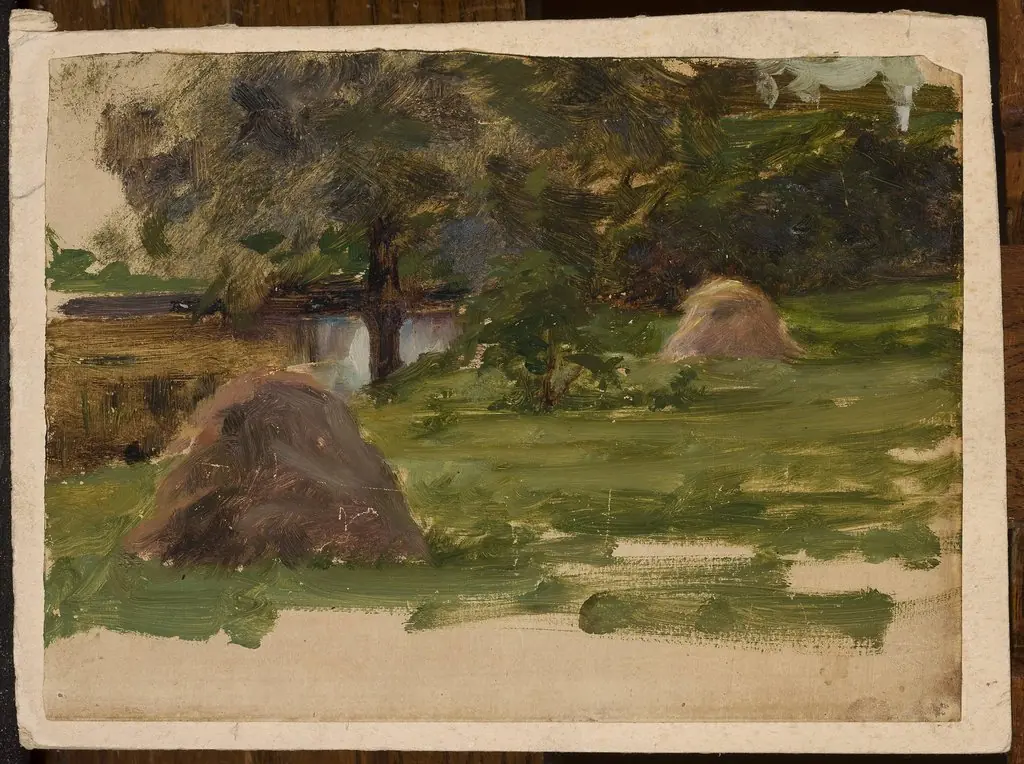
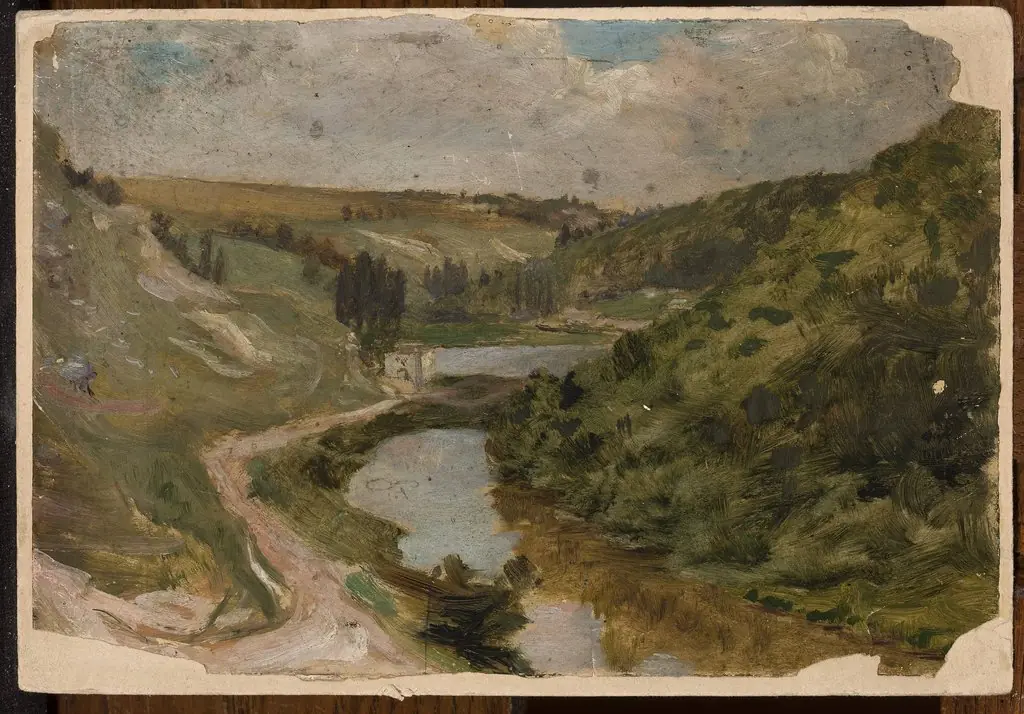
The painting depicts a quiet stretch of countryside in Podolia, a historical region in present-day Ukraine. A calm river bisects the scene, mirroring the sky and surrounding trees, while undulating hills and scattered vegetation suggest a pastoral rhythm. The absence of human figures enhances a sense of solitude, evoking a contemplative connection to the land, possibly reflecting Ciągliński’s personal ties to his Polish heritage amid imperial surroundings.
Technique & Style
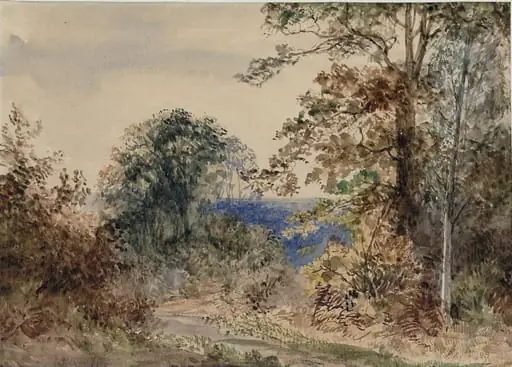
Ciągliński employed loose, textured brushwork to convey atmosphere rather than detail. Muted greens, browns, and grays dominate the palette, avoiding vivid contrasts in favor of harmonious tonal shifts. The tree on the left, with its thick trunk and upward-reaching limbs, anchors the composition, while the water’s reflection introduces subtle symmetry. The handling of light and form aligns with post-impressionist priorities: emotional resonance through color and gesture.
History & Provenance
Painted in 1891, the work emerged during Ciągliński’s years in St. Petersburg, where he was active among Polish expatriate artists. Though he worked under imperial patronage, his subject matter often returned to Polish rural life. The painting entered the National Museum in Warsaw’s collection in the 20th century, likely through acquisition or donation, preserving its significance as a cultural artifact of Polish identity during foreign rule.
Context
In the late 19th century, Polish artists abroad often turned to native landscapes as subtle acts of cultural preservation. Under Russian imperial control, depictions of Podolia carried unspoken political weight. Ciągliński’s choice of this region, combined with his post-impressionist style, aligned with broader European trends while asserting a distinct national sensibility through quiet, unidealized nature.
Legacy
Study from Podolia remains a representative example of Ciągliński’s mature style and his role in bridging Polish subject matter with international artistic developments. Though not widely exhibited, its presence in the National Museum in Warsaw ensures its continued relevance as a quiet testament to the resilience of regional identity in art during a time of political fragmentation.
Artist & collection
Artist
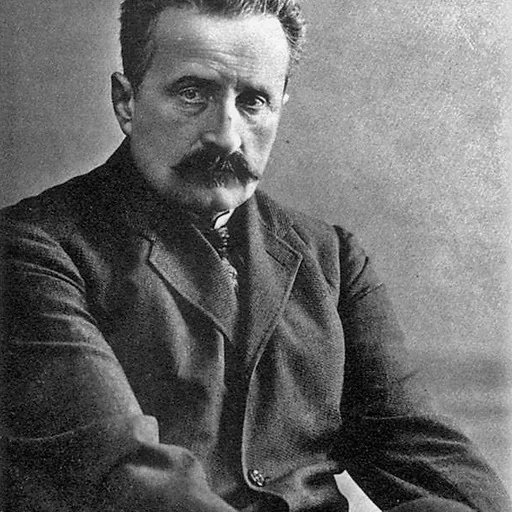
Jan Ciągliński (Polish: ; Russian: Ян/Иван Францевич Ционглинский, romanized: Yan/Ivan Frantsevich Tsionglinskiy; 20 February 1858 – 6 January 1913) was a Polish painter, active in St.