Artwork
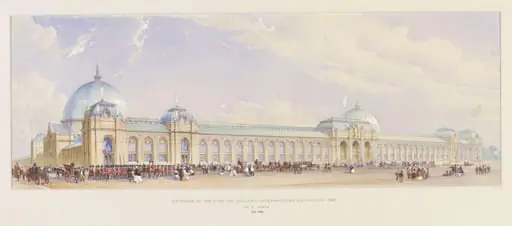
A perspective view of the west front of the International Exhibition 1862
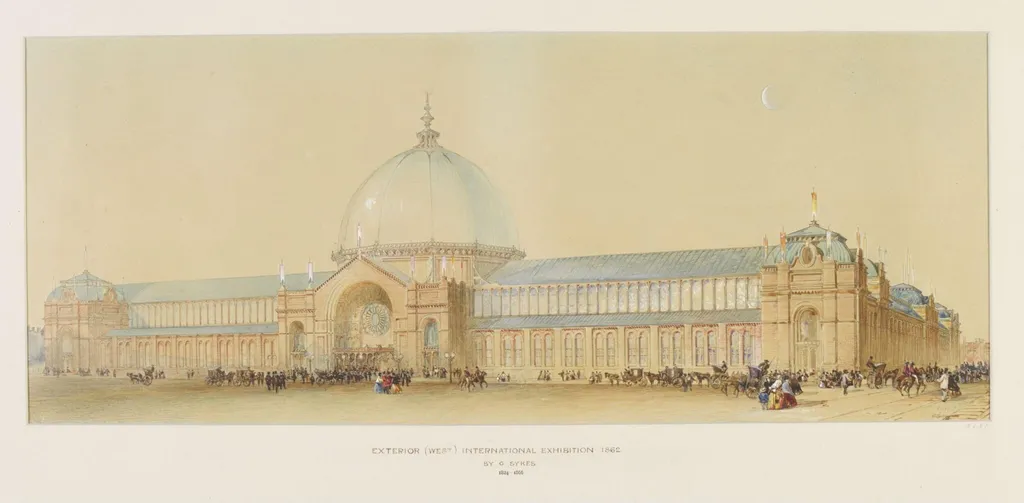
A perspective view of the west front of the International Exhibition 1862 is a watercolor work on paper by Godfrey Sykes. It dates from 1850 and is held in the collection of the Victoria and Albert Museum.
About this work
The text at the bottom calls it the "International Exhibition 1862," suggesting this was a big fair or showcase.
This painting shows a grand building with a big glass dome in the center. The front has tall arches and a wide entrance, with people and carriages gathered outside. The sky is pale, and the whole scene looks like a busy event space.
The text at the bottom calls it the "International Exhibition 1862," suggesting this was a big fair or showcase. The building’s design is simple but impressive, with clean lines and lots of light from the dome.
Look up pavilion next to see how these temporary exhibition halls were used in the 1800s.
Overview
This watercolour painting captures the west front of the 1862 International Exhibition building, characterized by a dominant glass dome atop a broad, arched structure, set amidst a lively scene of attendees and transportation.
Subject & Meaning
The subject is the exterior of the 1862 International Exhibition's main building, highlighting its architectural grandeur and the event's popularity, as evidenced by the gathered crowd and carriages.
Technique & Style
Executed in watercolour, the piece features simple, clean lines, emphasizing light and openness, particularly through the central glass dome, which dominates the composition.
History & Provenance
Created to document the 1862 International Exhibition, the painting's provenance and artist are not specified in the provided details, focusing instead on the event's representation.
Context
Part of a 19th-century tradition of illustrating temporary exhibition pavilions, this work reflects the era's interest in showcasing global achievements in one venue, akin to other pavilion designs of the time.
Legacy
Serving as a historical record of the 1862 International Exhibition's architecture and attendance, the painting provides insight into mid-19th-century exhibition design and public engagement with such events.
Artist & collection
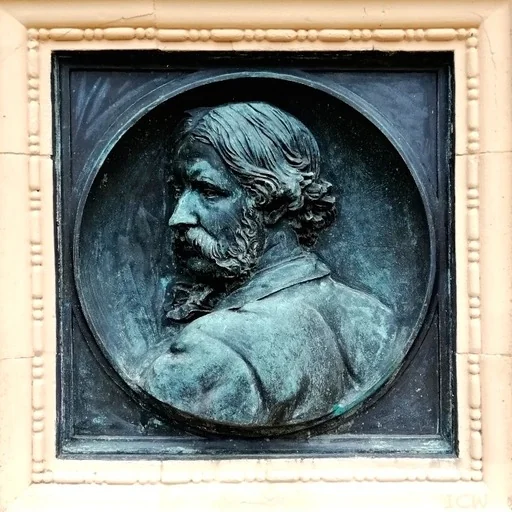

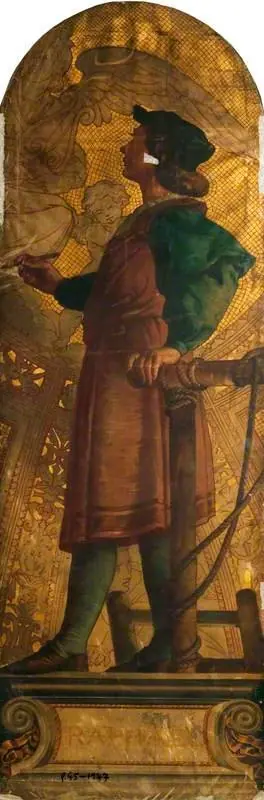 Raphael (1483–1520) (design for a mosaic in the Victoria and Albert Museum, not executed)
 Michelangelo (1475–1564) (design for a mosaic in the Victoria and Albert Museum)
 The Adoration of the Shepherds (after Diego Velázquez)
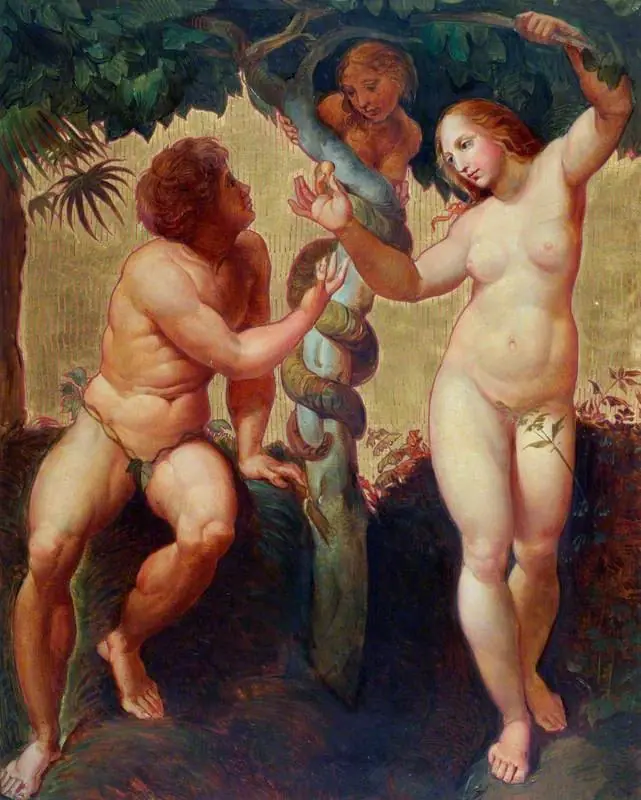 The Fall of Man (after Raphael)
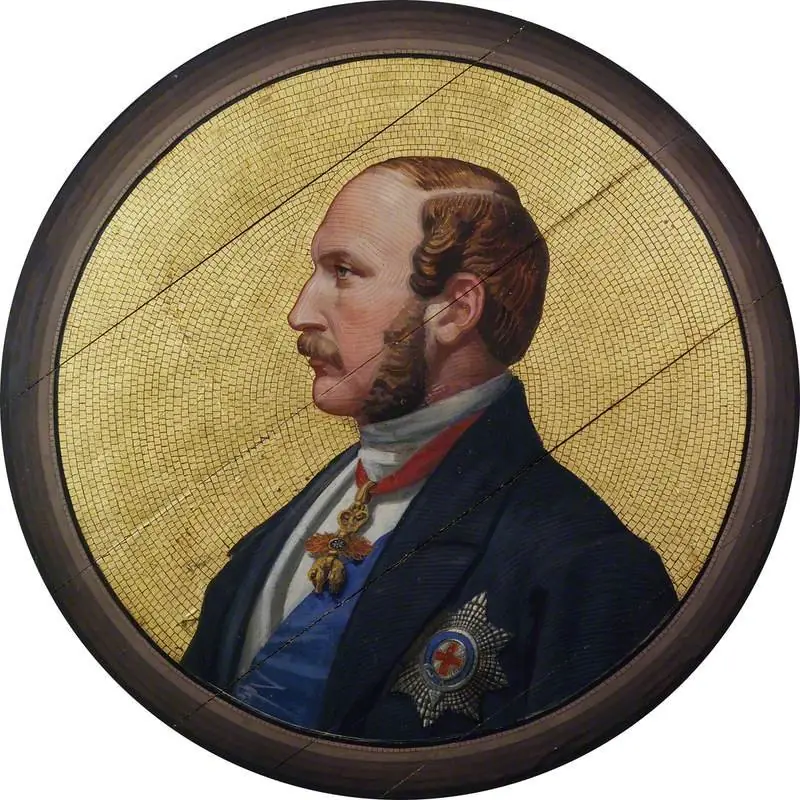 Prince Albert (1819–1861) (design for a mosaic in the Victoria and Albert Museum)
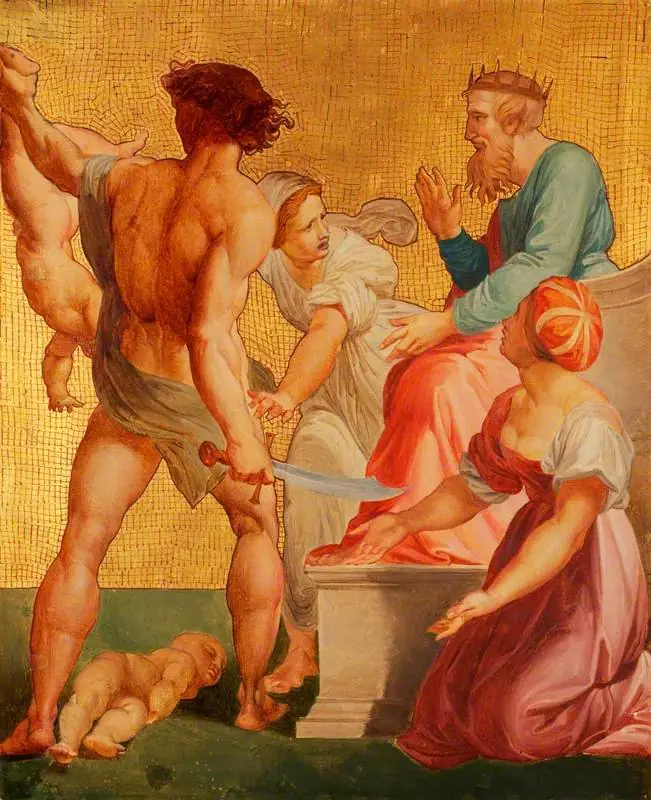 The Judgment of Solomon (after Raphael)
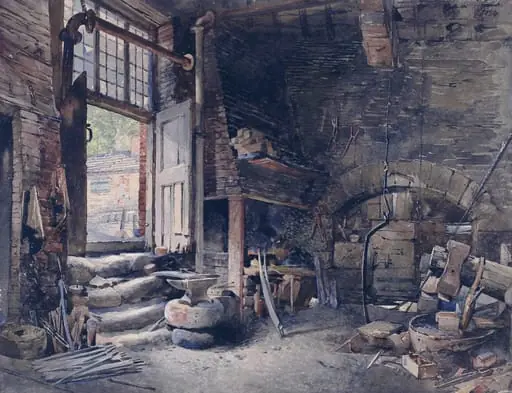 A Smith's Shop
 International Exhibition 1862
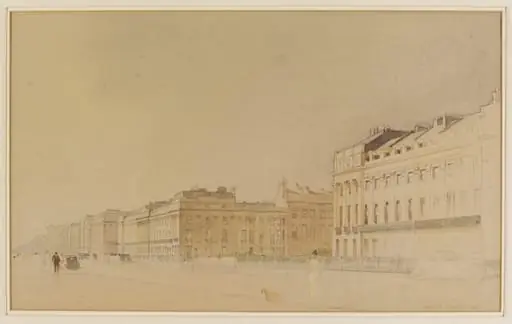 Brunswick Terrace, Hove
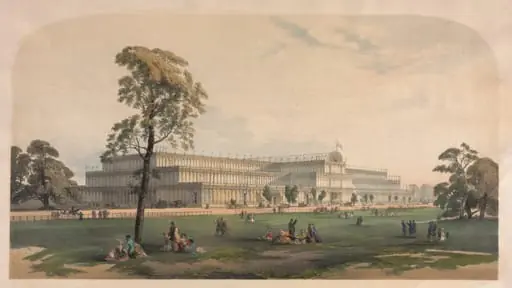 The Crystal Palace
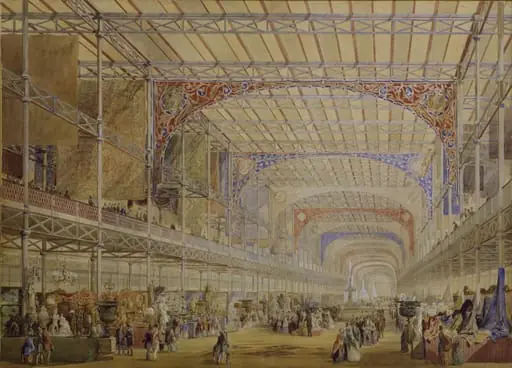 Interior of the Crystal Palace
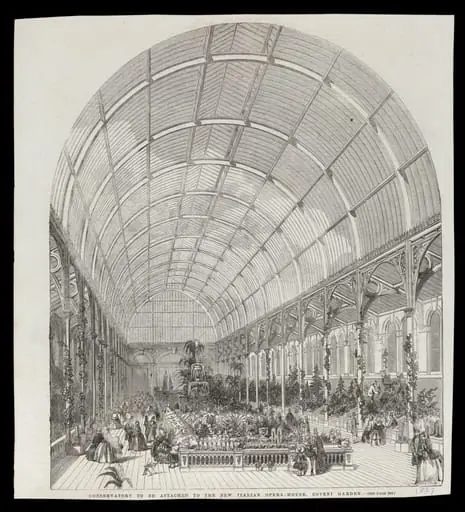 H Beard Print Collection
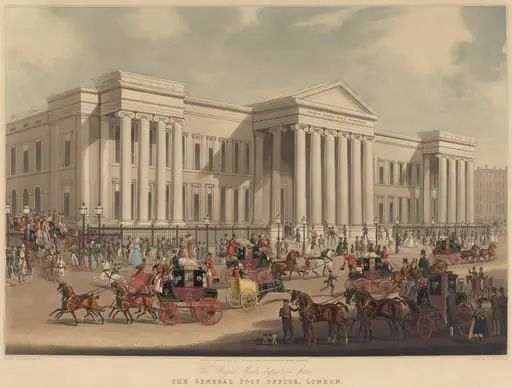 The Royal Mails Departure from the General Post Office, London
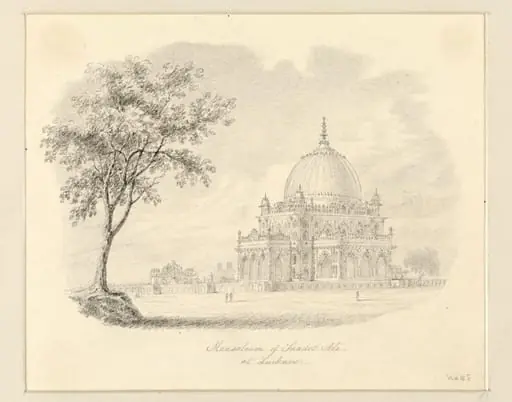 Mausoleum of Saadet Ali, at Lucknow.
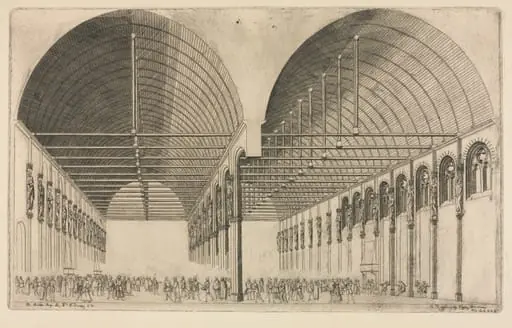 The Antechamber of the Palace of Justice, Paris
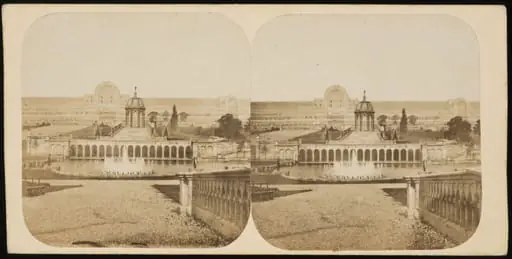 Crystal Palace: a general view of the palace, cascades and lower fountains