Artwork
The Judgment of Solomon (after Raphael)
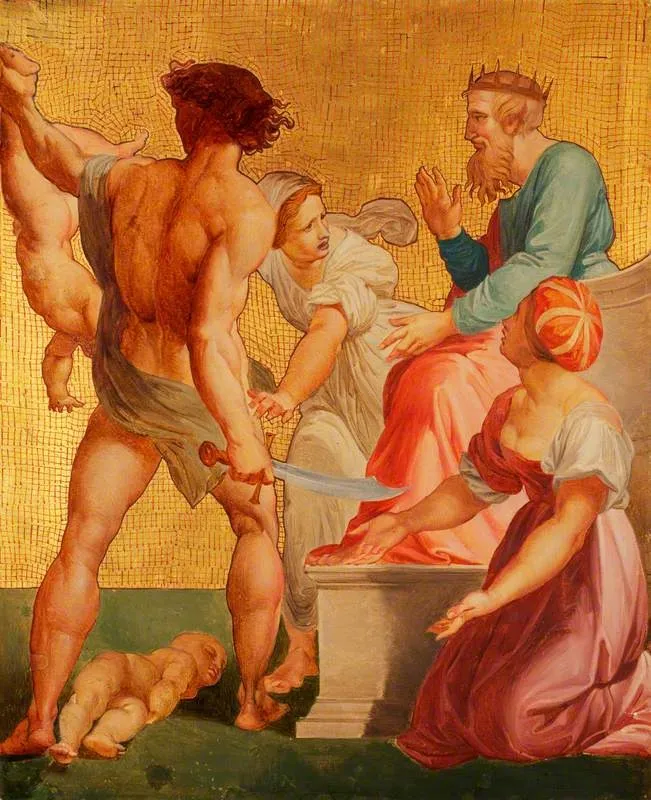
The Judgment of Solomon (after Raphael) is an oil painting by the Neoclassicist artist Godfrey Sykes. It dates from 1855 and is held in the collection of the Victoria and Albert Museum.
About this work
Overview
Painted around 1855 by Godfrey Sykes, this oil work reinterprets a biblical scene originally composed by Raphael. It resides in the Victoria and Albert Museum and reflects Sykes’s engagement with Renaissance composition through a 19th-century lens. The painting’s scale and subject align with Victorian interests in moral narratives drawn from historical and religious sources.
Subject & Meaning
The scene illustrates King Solomon’s wise judgment between two women claiming the same infant. One holds the child; the other reaches out in anguish. A soldier stands nearby, sword in hand, awaiting the king’s command. Solomon’s poised authority contrasts with the women’s emotional extremes, emphasizing the theme of discernment over emotion—a moral ideal valued in Victorian society.
Technique & Style
Warm golden tones in the background, paired with a faint grid-like texture, suggest architectural space without overwhelming the narrative.
Sykes employs chiaroscuro to model forms and direct focus toward the central figures, enhancing the drama of the moment. The figures are arranged with classical balance, echoing Raphael’s compositional clarity. Warm golden tones in the background, paired with a faint grid-like texture, suggest architectural space without overwhelming the narrative. Clothing and gestures are rendered with deliberate precision to convey status and emotion.
History & Provenance
Created in the mid-1850s, the painting entered the Victoria and Albert Museum’s collection as part of its broader effort to document British artistic engagement with historical and religious themes. Sykes, known primarily for decorative work, produced few large-scale paintings, making this piece a rare example of his independent easel work and a testament to his academic training.
Context
During the Victorian era, biblical subjects were frequently revisited in art as vehicles for ethical instruction. Sykes’s reinterpretation of Raphael’s composition reflects the period’s reverence for Renaissance ideals, filtered through contemporary sensibilities. The emphasis on justice and maternal emotion resonated with public discourse on law, gender, and morality in mid-19th-century Britain.
Legacy
Though Sykes is better remembered for his sculptural and decorative projects, this painting remains a significant example of his narrative skill and his dialogue with Old Master traditions. It stands as a quiet bridge between Renaissance composition and Victorian academic painting, offering insight into how 19th-century artists engaged with canonical imagery without direct replication.
Artist & collection
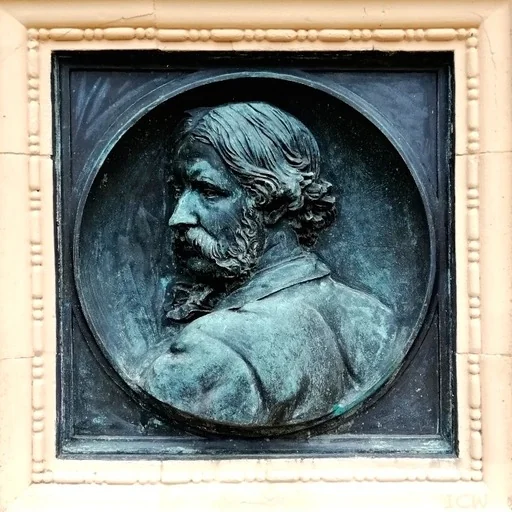

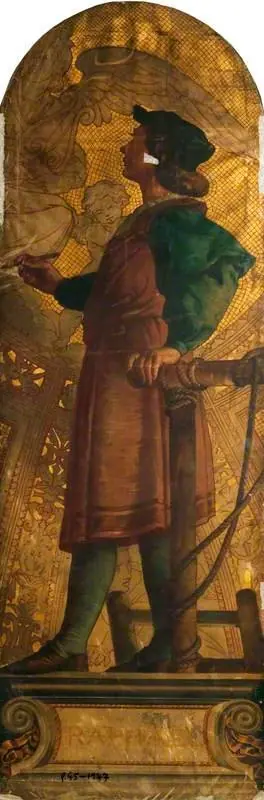 Raphael (1483–1520) (design for a mosaic in the Victoria and Albert Museum, not executed)
 Michelangelo (1475–1564) (design for a mosaic in the Victoria and Albert Museum)
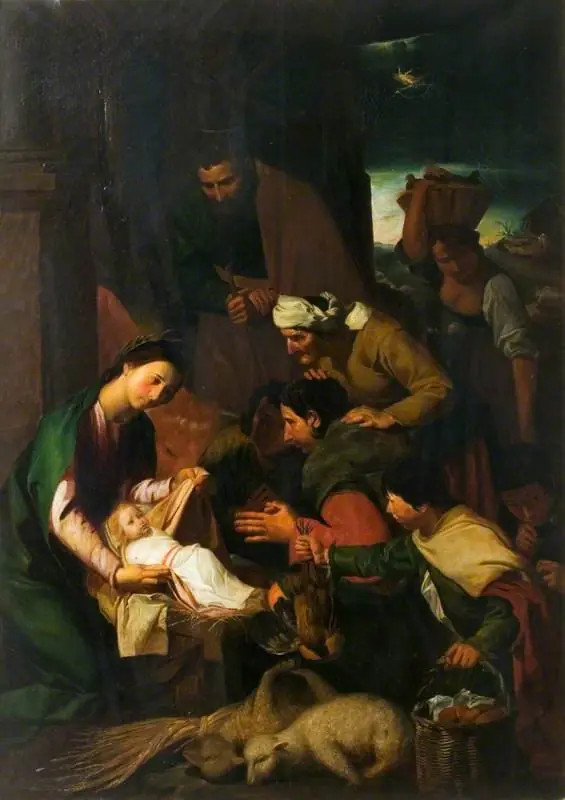 The Adoration of the Shepherds (after Diego Velázquez)
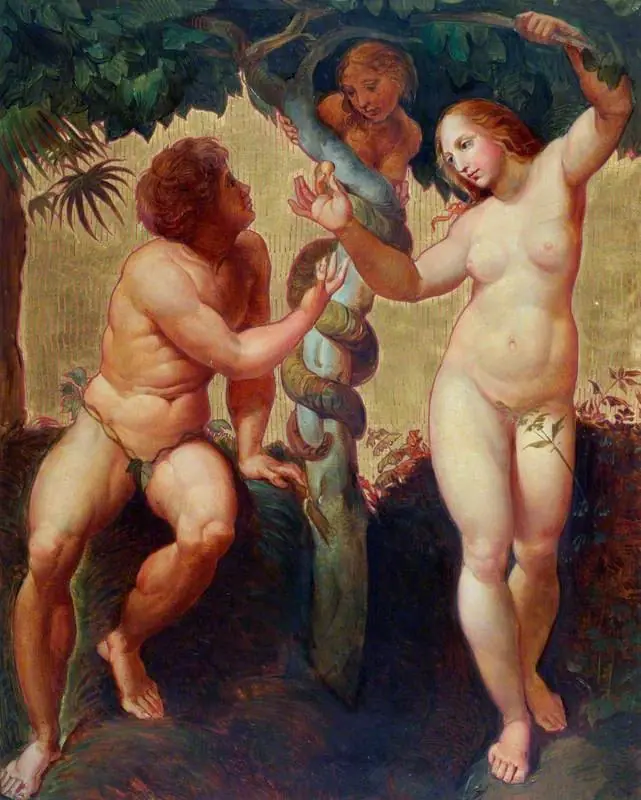 The Fall of Man (after Raphael)
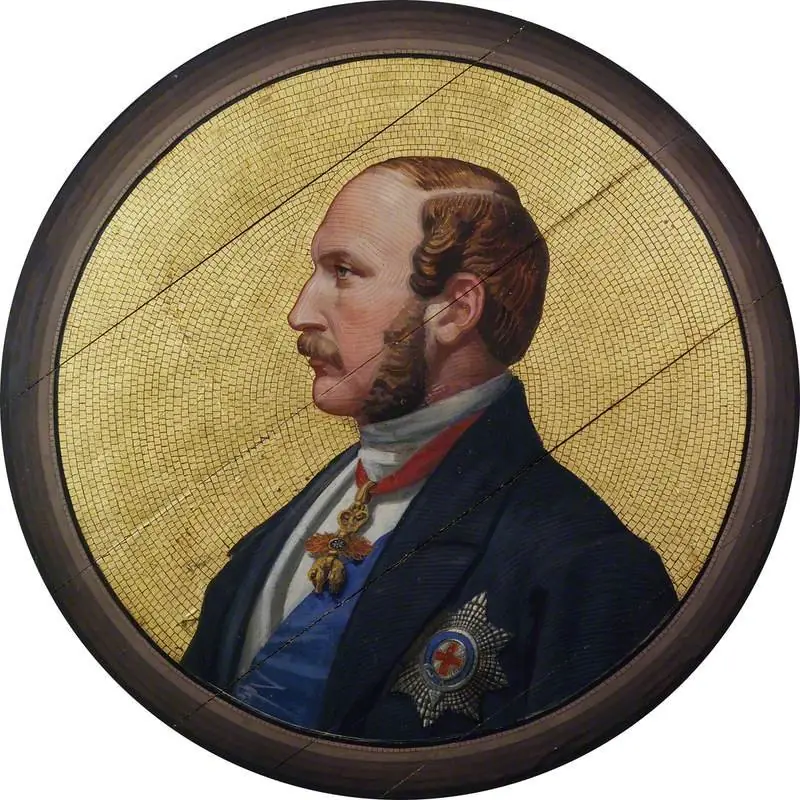 Prince Albert (1819–1861) (design for a mosaic in the Victoria and Albert Museum)
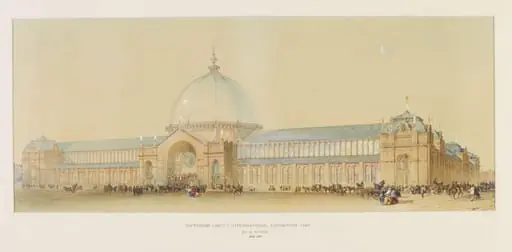 A perspective view of the west front of the International Exhibition 1862
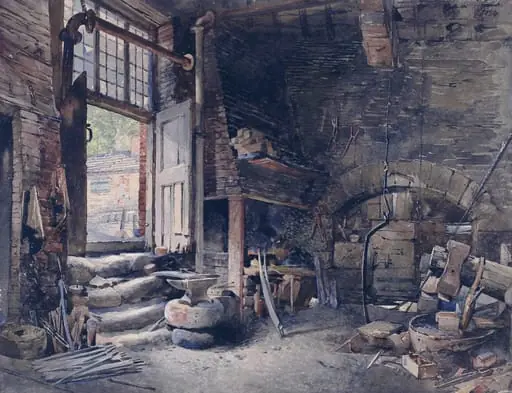 A Smith's Shop
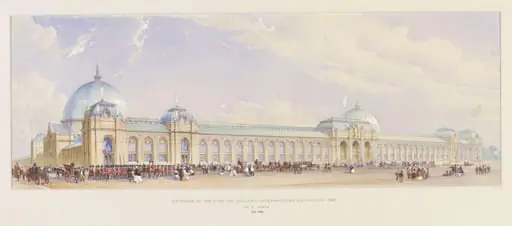 International Exhibition 1862