Artwork
Juno
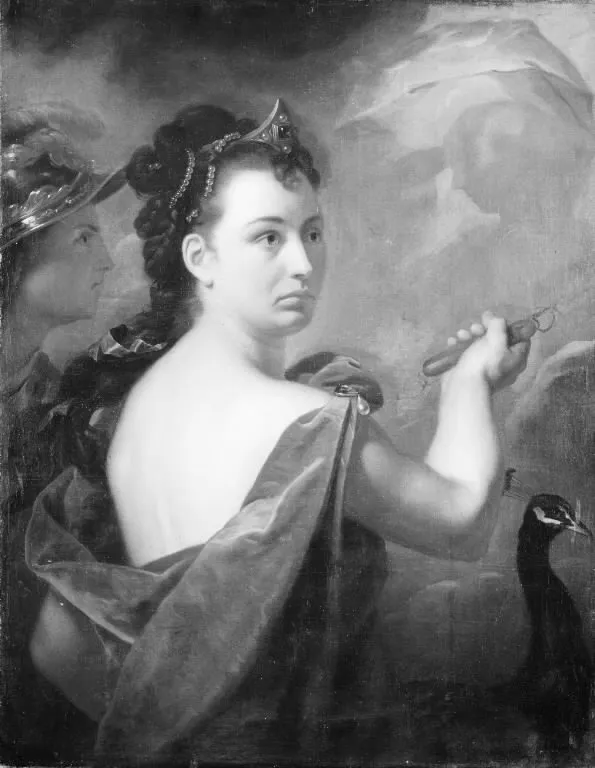
Juno is an oil painting by the Dutch Golden Age artist Godfried Schalcken. It dates from 1692 and is held in the collection of the Statens Museum for Kunst.
About this work
Overview
Juno is a 1692 oil painting by Godfried Schalcken, a Dutch artist of the Leiden fijnschilders school, characterized by refined and detailed works. The painting portrays the Roman goddess Juno and is housed at Statens Museum for Kunst.
Subject & Meaning
The subject is Juno, the Roman goddess, depicted with attributes including a leafy crown and a staff or spear. Her serene yet powerful demeanor is emphasized through the composition.
Technique & Style
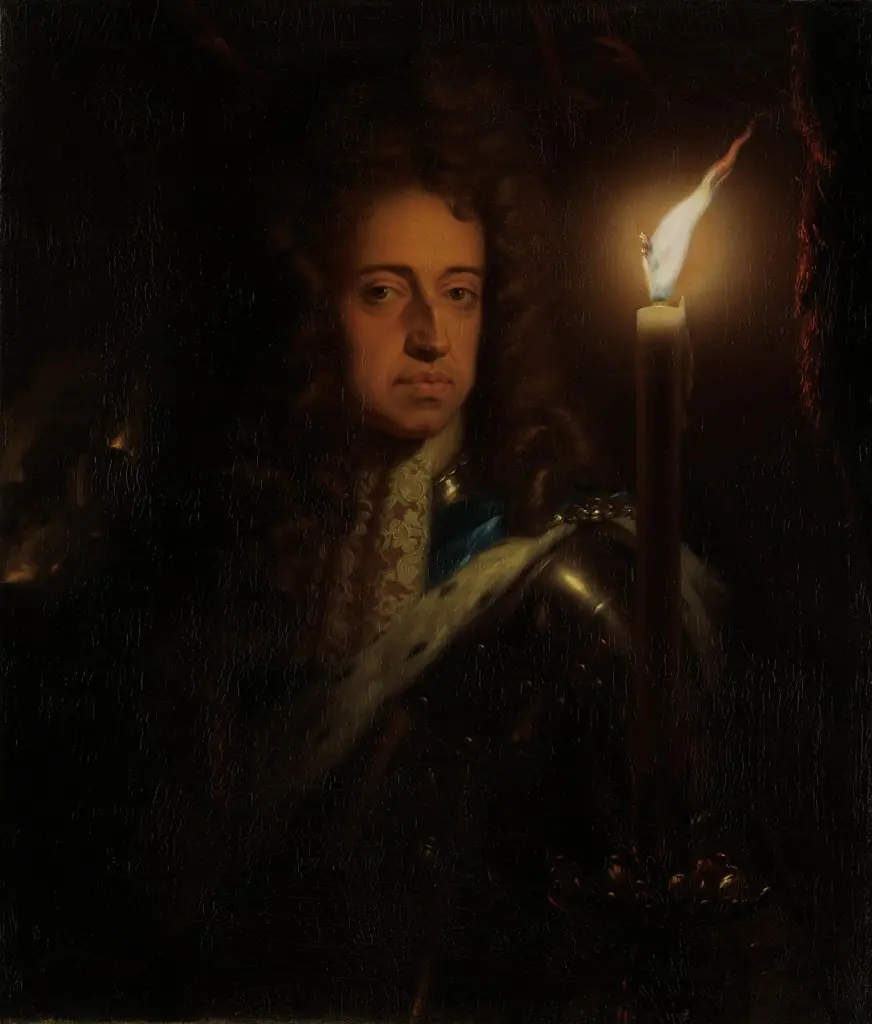
Schalcken employs chiaroscuro, a strong contrast between light and dark, to illuminate Juno's face from the side, creating a sense of depth and highlighting her solemn expression. This technique was a hallmark of Schalcken's skill, particularly in night scenes and candlelit effects.
History & Provenance
Created in 1692 during the Dutch Golden Age, 'Juno' showcases Schalcken's mastery within the Leiden fijnschilders tradition. The work is part of the Statens Museum for Kunst's collection.
Context
As a product of the Dutch Golden Age, 'Juno' reflects the era's artistic values, with Schalcken's attention to detail and use of chiaroscuro aligning with the period's emphasis on technical proficiency and emotional depth.
Legacy
While specific legacy details of 'Juno' are not highlighted, Schalcken's work, including this piece, contributes to the enduring appreciation of the Leiden fijnschilders' refined style and the effective use of chiaroscuro in Dutch Golden Age art.
Artist & collection
Artist
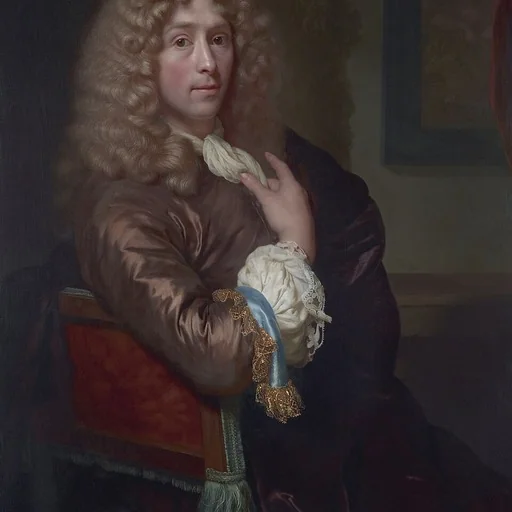
Godfried Schalcken (8 October 1643 – 16 November 1706) was a Dutch artist who specialized in genre paintings and portraits.

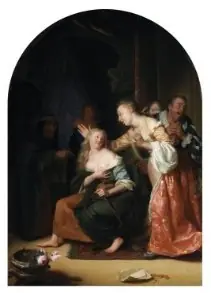
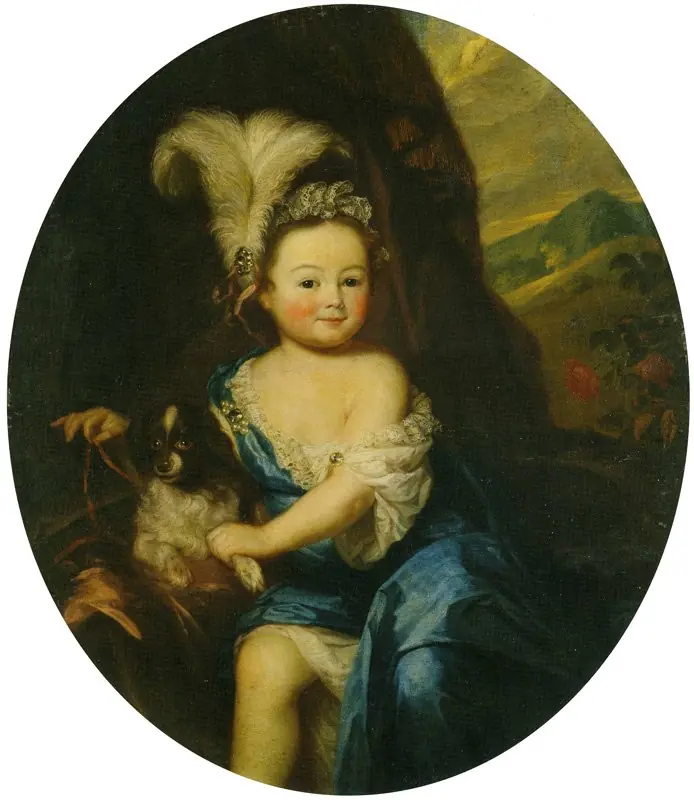
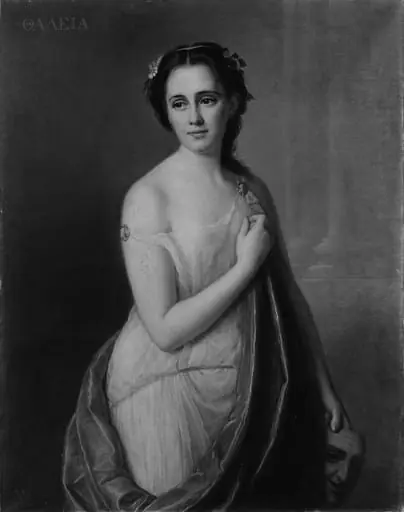 Thalia
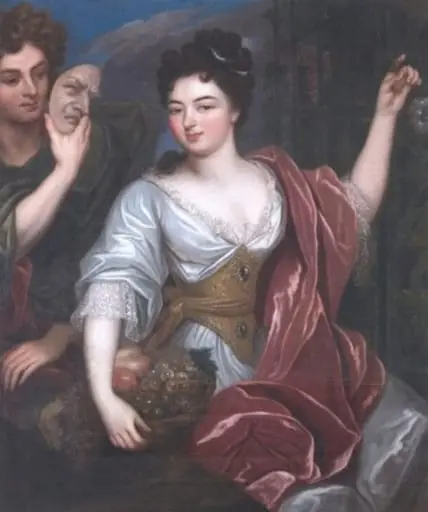 Portretul ducesei du Maine înfățișată ca zeița Pomona
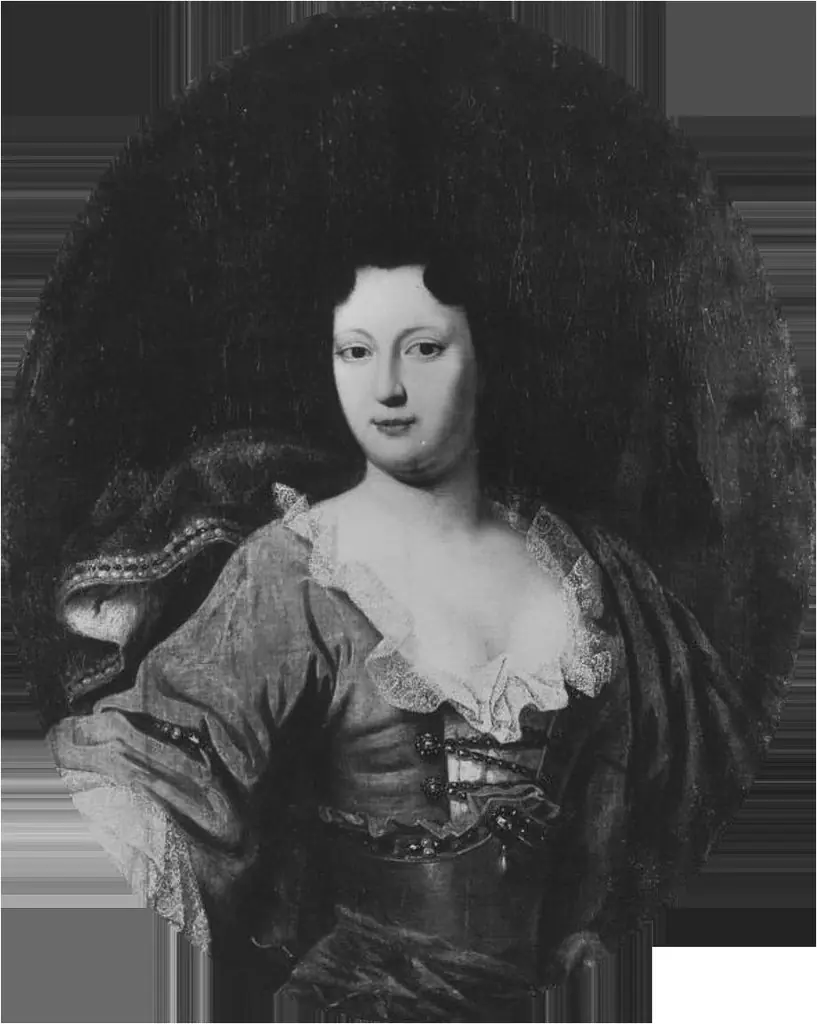 Portrait of Elisabeth Christine von Braunschweig-Wolfenbüttel
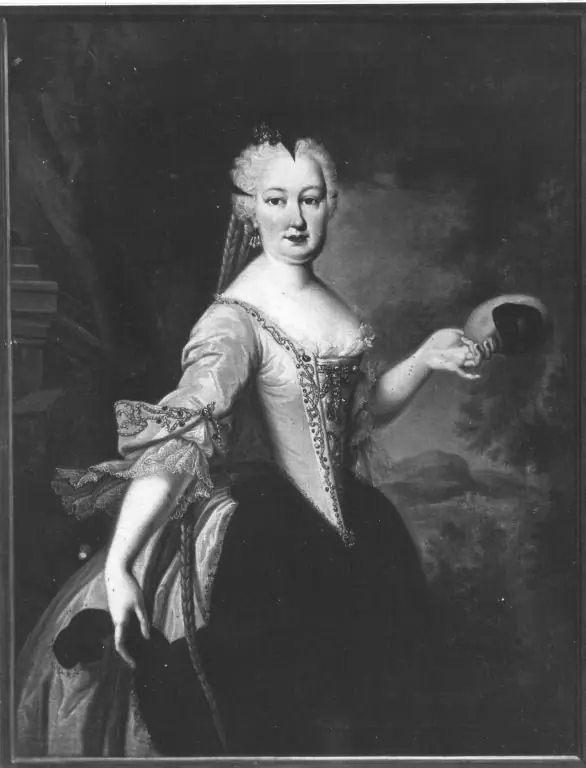 Bildnis der Maria Franziska Dorothea von Pfalz-Sulzbach, Herzogin von Zweibrücken-Birkenfeld (1724-1794)
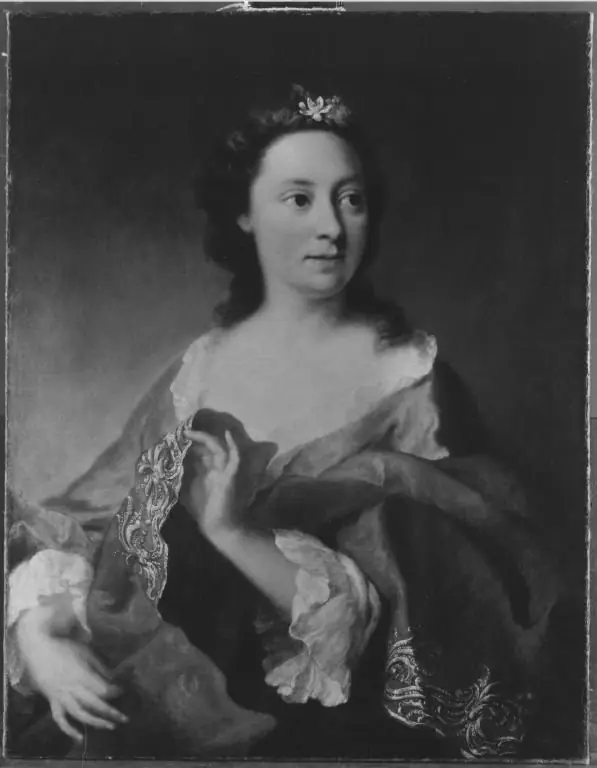 Bildnis der Gemahlin des Hofmedailleurs Franz Aandreas Schega
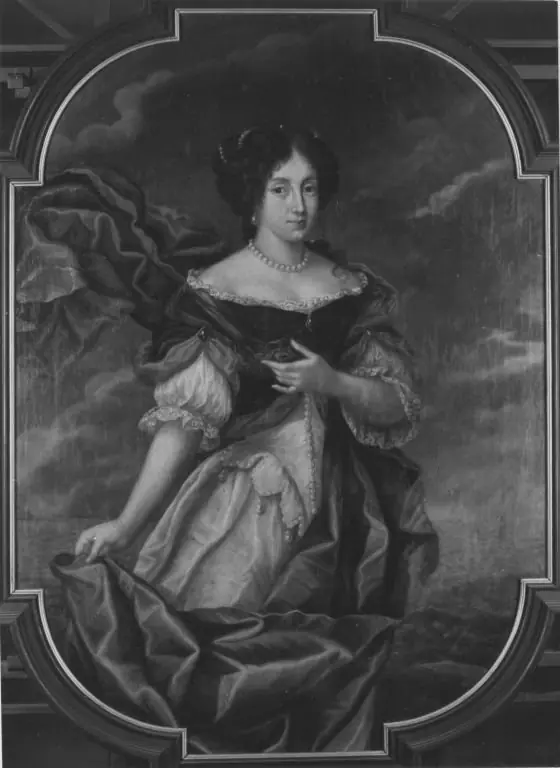 Bildnis einer Hofdame
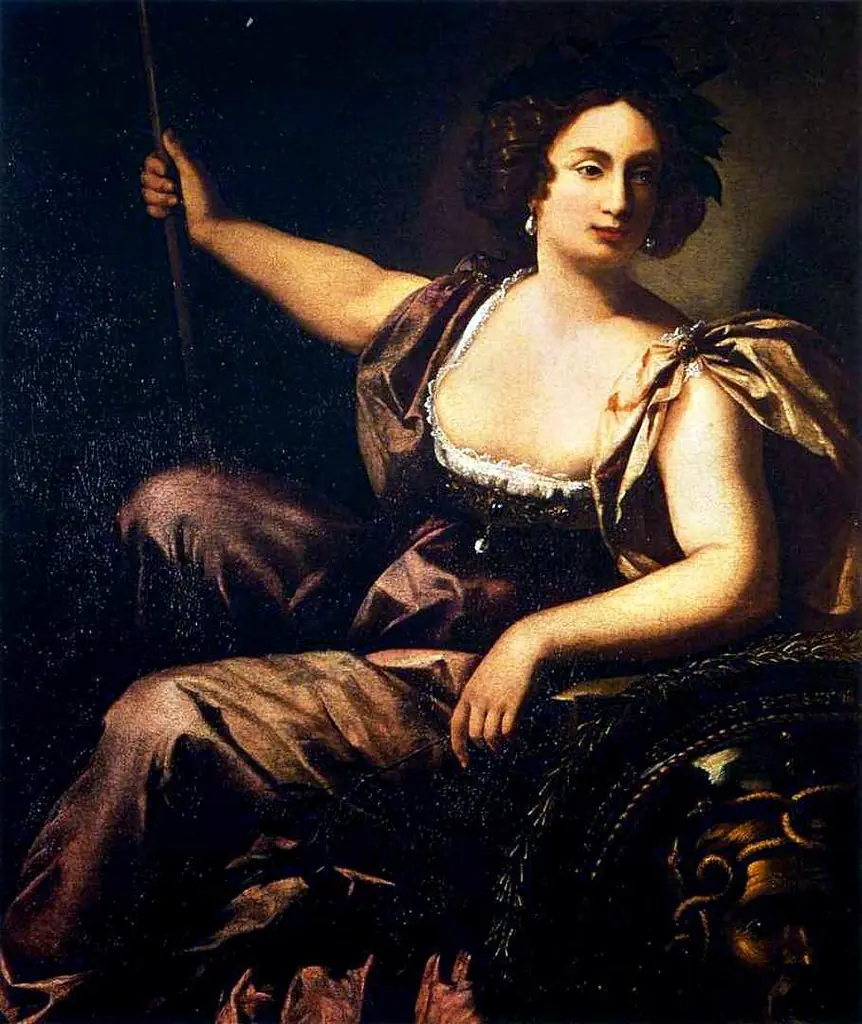 Minerva
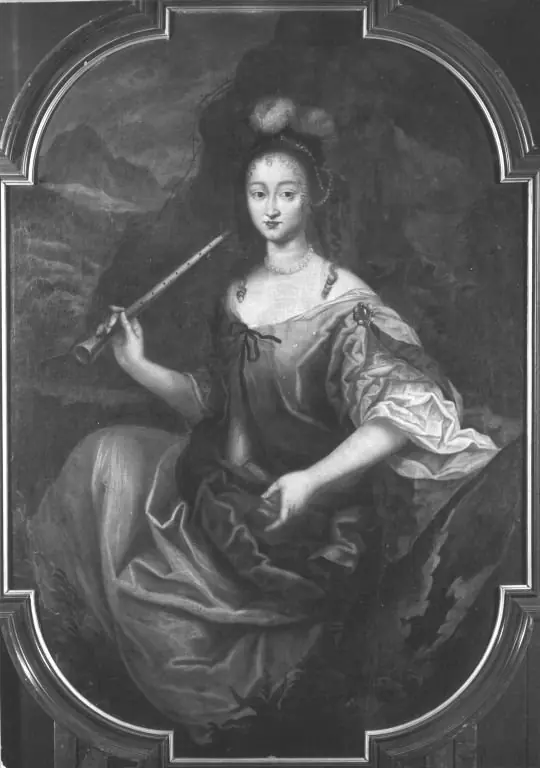 Bildnis einer Hofdame
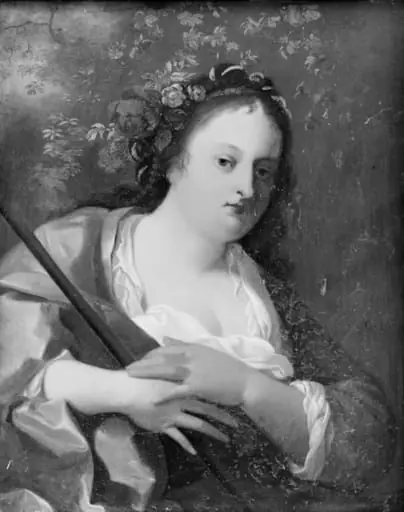 Shepherdess
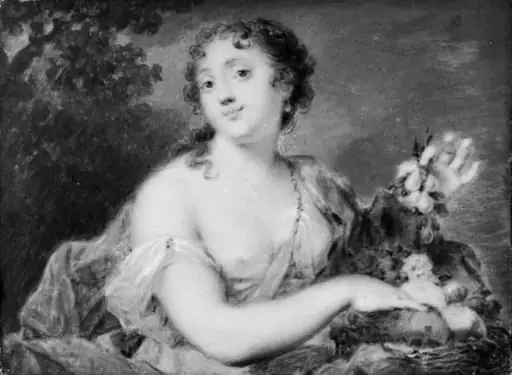 Kvindelig figur forestillende "Efter høsten"
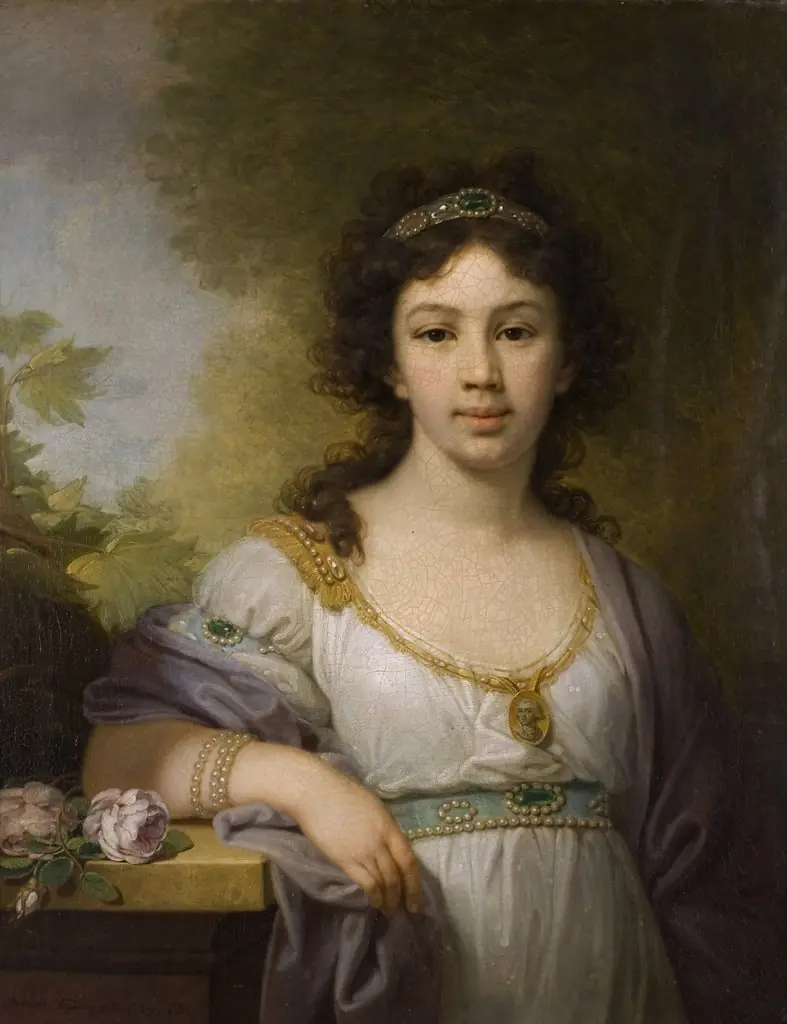 Porträt der Varvara Shidlovskaya
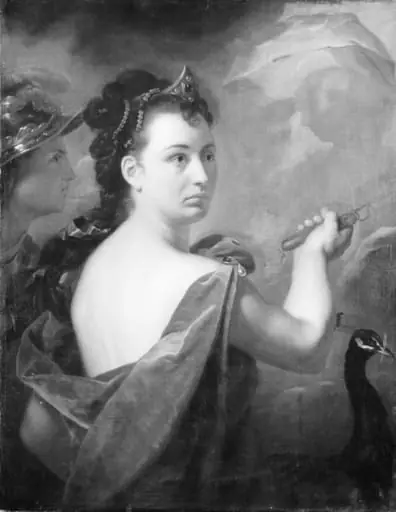 Juno
Juno