Artwork
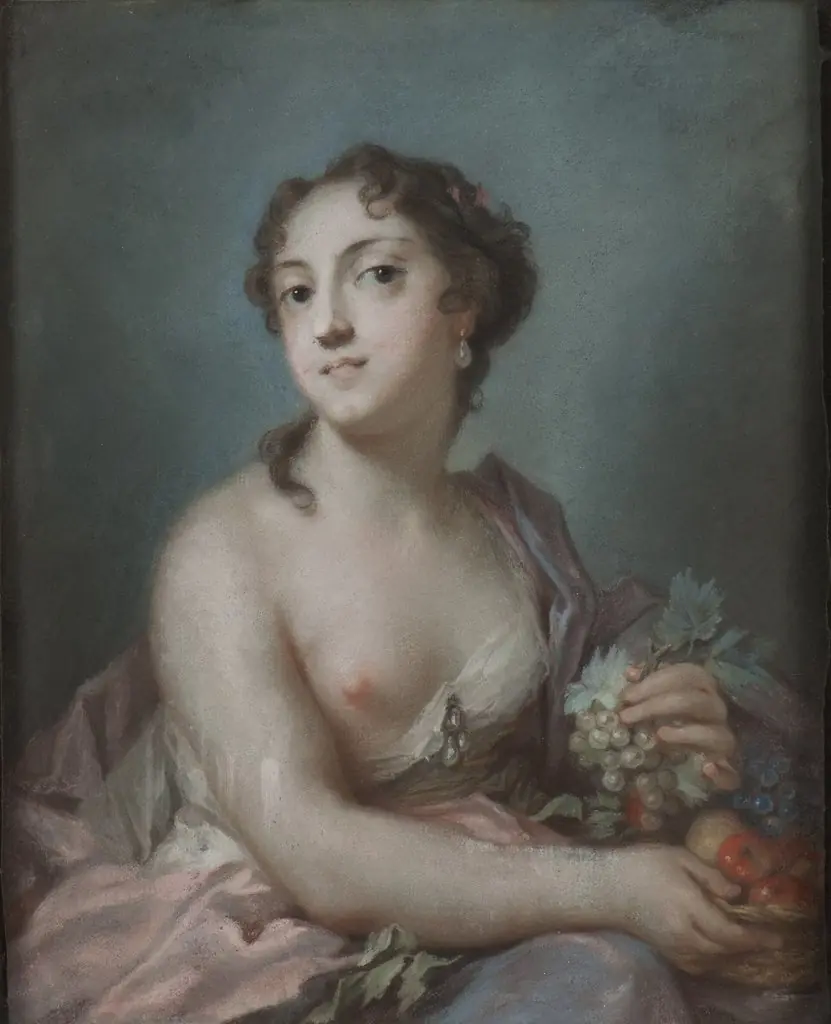
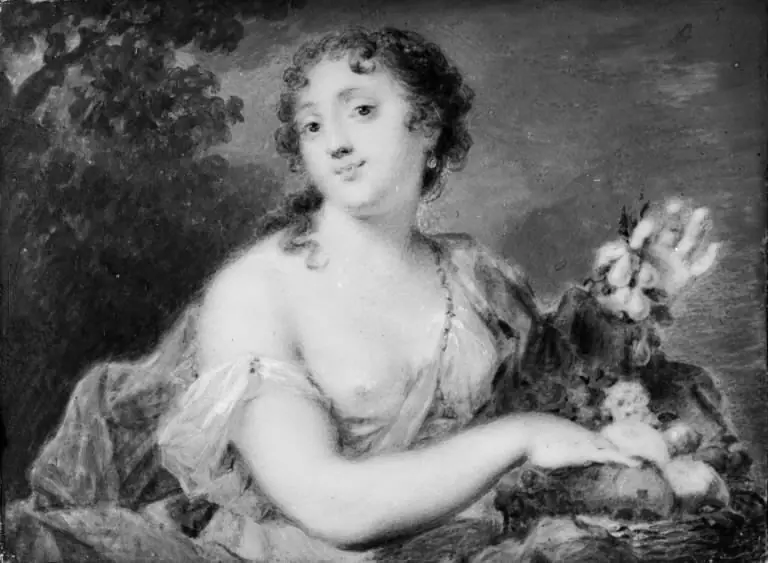
Kvindelig figur forestillende "Efter høsten"
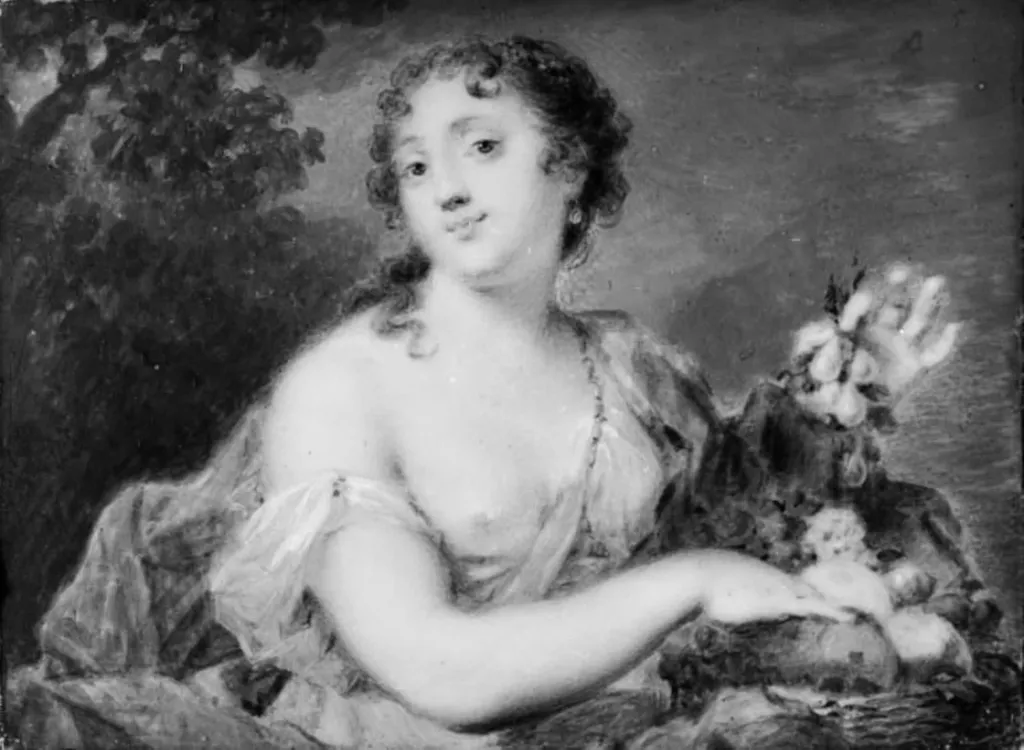
Kvindelig figur forestillende "Efter høsten" is a photography by Unknown. It dates from 1750 and is held in the collection of the Statens Museum for Kunst. A female figure, carved or modeled around 1750, represents the concept of 'After Autumn.
About this work
Overview
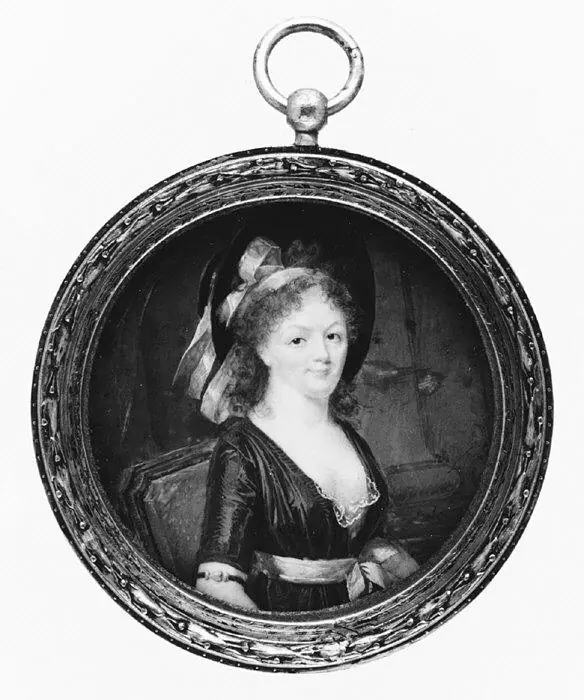
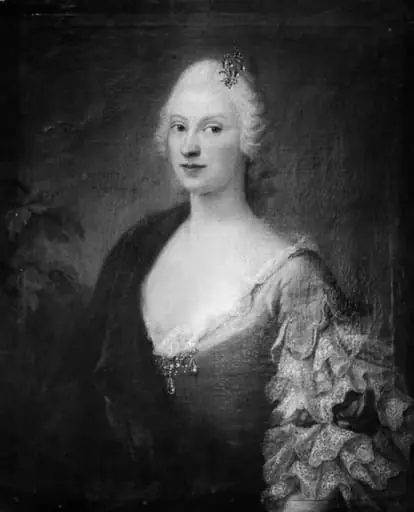
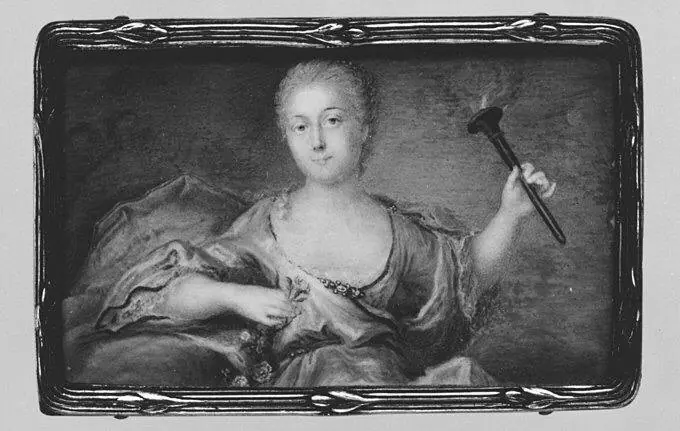
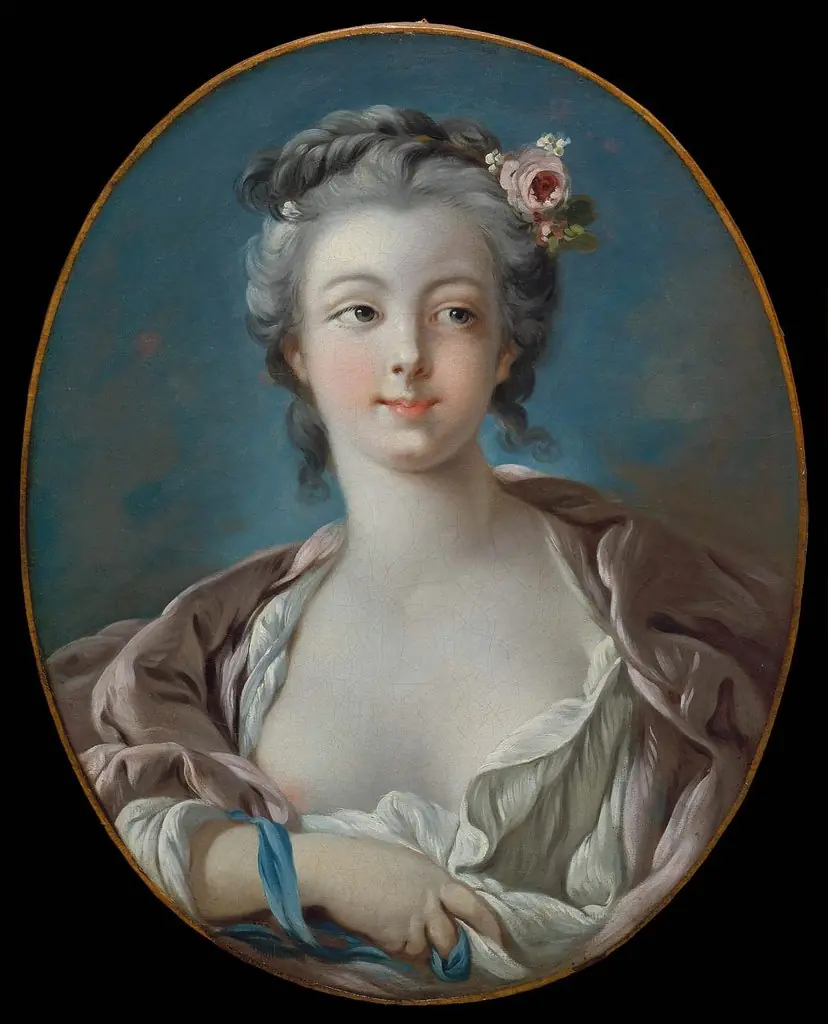
A female figure, carved or modeled around 1750, represents the concept of 'After Autumn.' The work is part of the Museum of Ethnography’s collection. It depicts a solitary woman seated on a rugged shoreline, her posture relaxed yet contemplative. The composition emphasizes stillness and solitude, with natural elements framing her presence without overt narrative detail.
Subject & Meaning
The figure embodies a seasonal transition, evoking the quiet aftermath of harvest and decay. Her bare shoulder and loose garment suggest vulnerability, while the tightly wrapped bundle in her arms may signify a child, a seed, or a remnant of life preserved through winter. The imagery conveys endurance rather than loss, aligning with folk interpretations of nature’s cyclical rhythms.
Technique & Style
The artist employs chiaroscuro to model the form, using strong contrasts between light and shadow to define the figure’s contours against a dark, textured background. The surface of the figure is smoothed to highlight flesh and fabric, while the rocky ground remains rough, enhancing the sense of naturalism. The hair is neatly gathered, and the bundle’s folds are rendered with subtle precision.
History & Provenance
Created circa 1750, the work entered the Museum of Ethnography’s holdings through early colonial or ethnographic collections, though its exact origin and maker remain undocumented. It was likely produced in a regional studio or by a local artisan, possibly as part of a seasonal allegorical series. Its preservation suggests it was valued as a cultural artifact rather than a religious object.
Context
In mid-18th-century Northern Europe, allegorical representations of seasons were common in folk and decorative arts. This figure reflects a localized interpretation, detached from classical mythology, instead drawing from rural life and seasonal rituals. The absence of symbolic attributes like harvest tools or seasonal flora points to an emphasis on emotional tone over literal representation.
Legacy
The work remains a quiet example of pre-modern allegorical sculpture, valued for its emotional restraint and tactile realism. It contributes to scholarly understanding of how seasonal themes were expressed outside academic traditions. Though not widely exhibited, it continues to inform studies on vernacular art and the representation of nature in early modern material culture.
Artist & collection

 Domestic Scene
 Giacomo and Cardinal Marco, investing Andrea, Abbot of San Zeno, with his Benefice
 The Nymph of Fontainebleau
 Portrait of a Woman
 Madonna and Child with Saints in the Enclosed Garden
 Venus and Minerva
 Family Group of Four on Sofa
 Wall painting from Room H of the Villa of P. Fannius Synistor at Boscoreale